

White Melilot - Melilotus albus
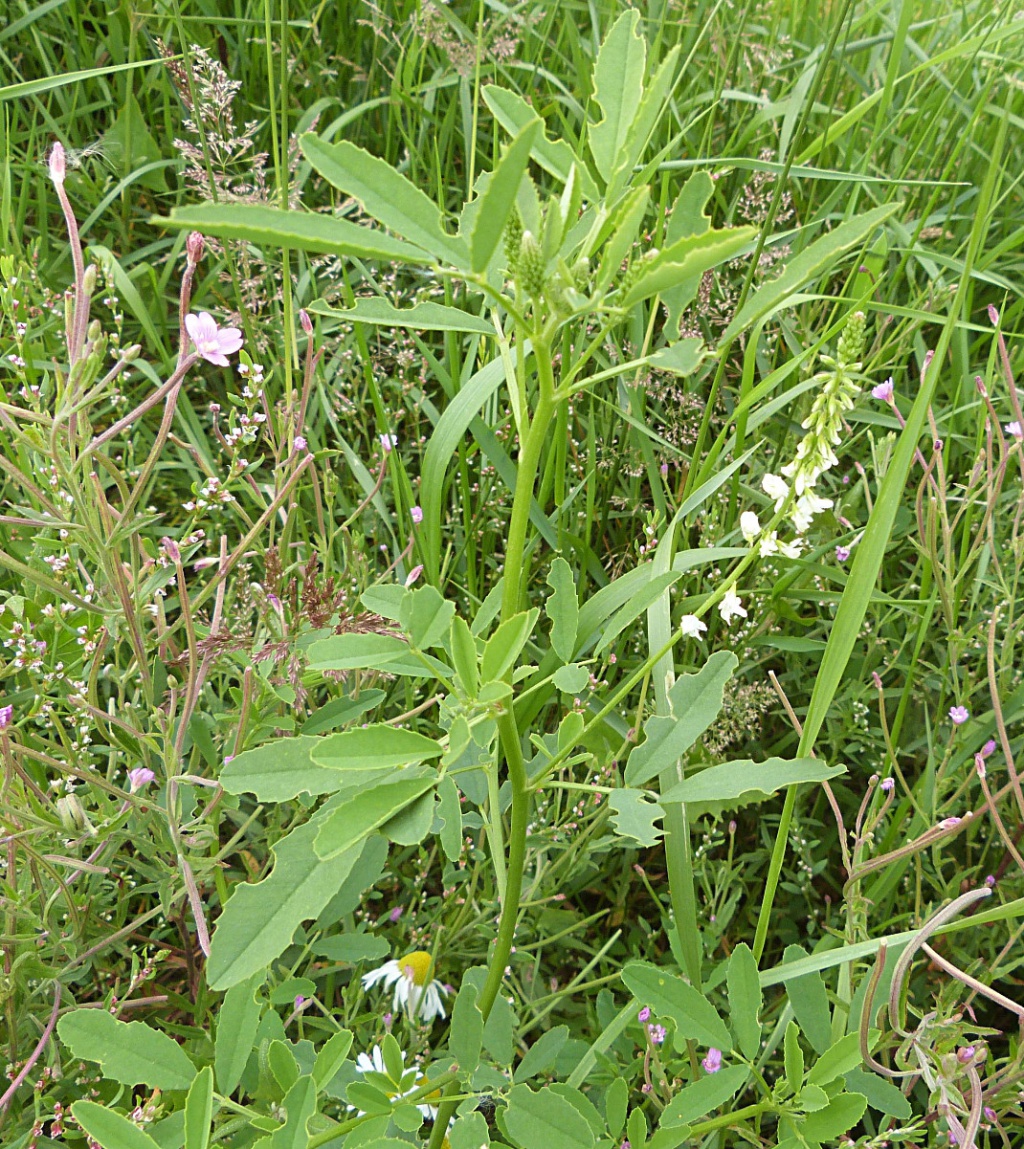
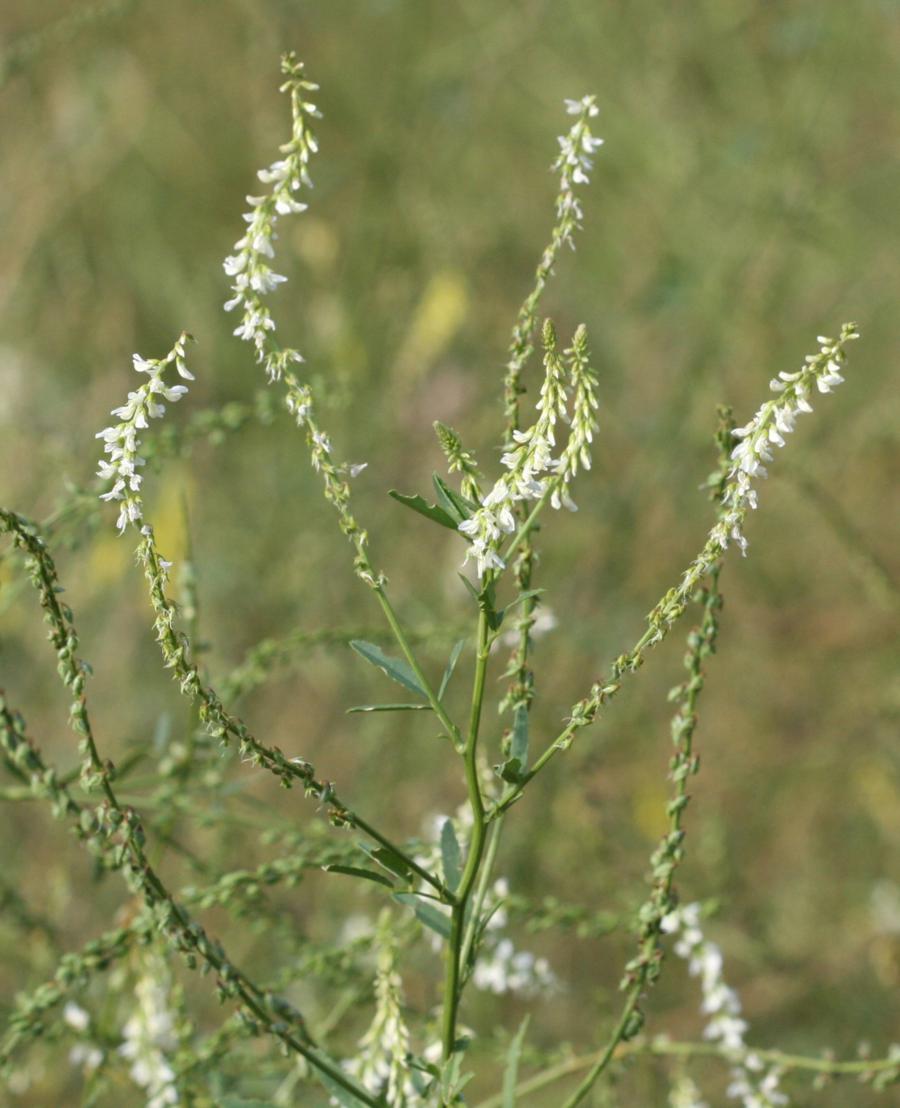
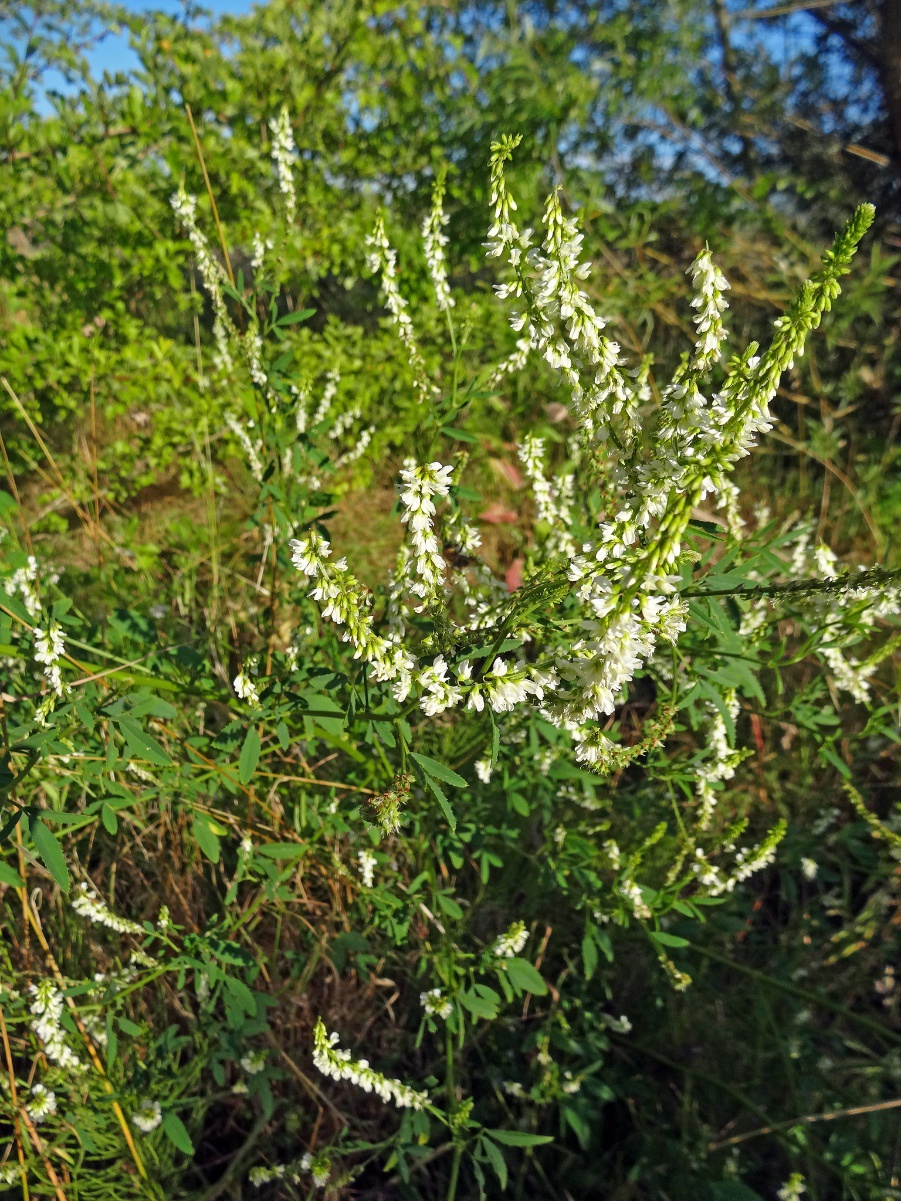
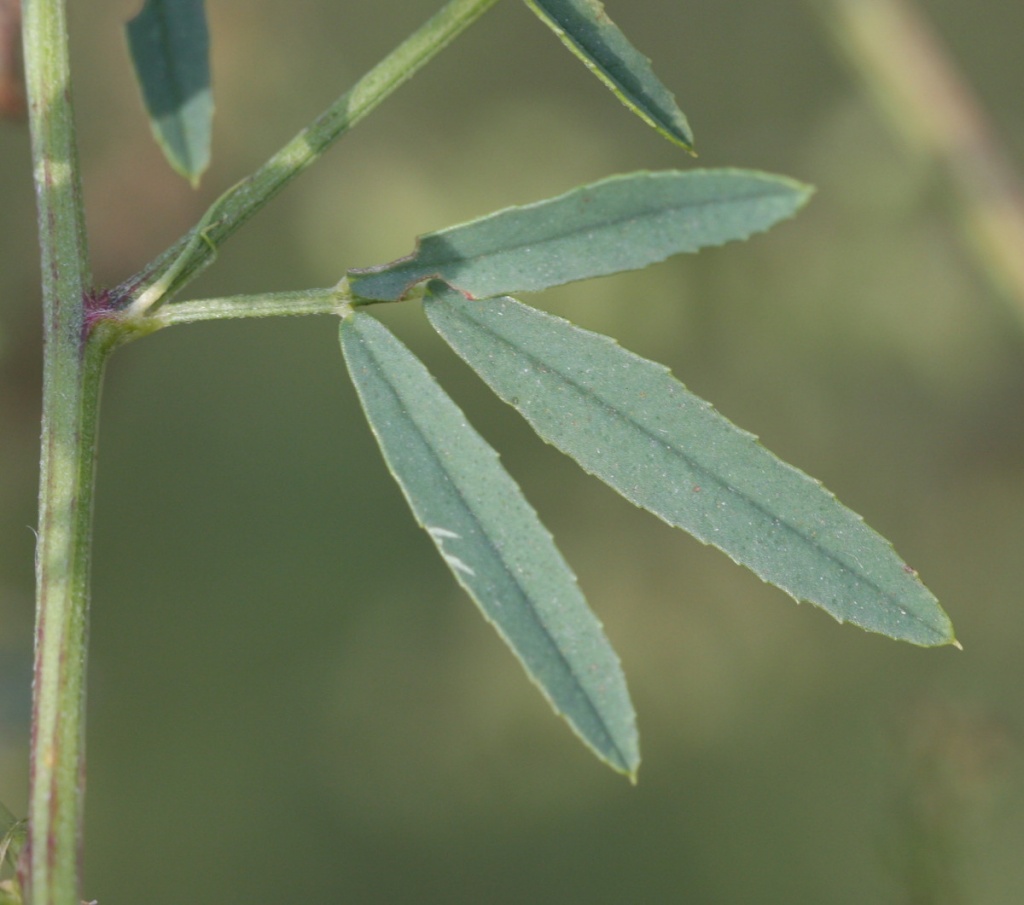
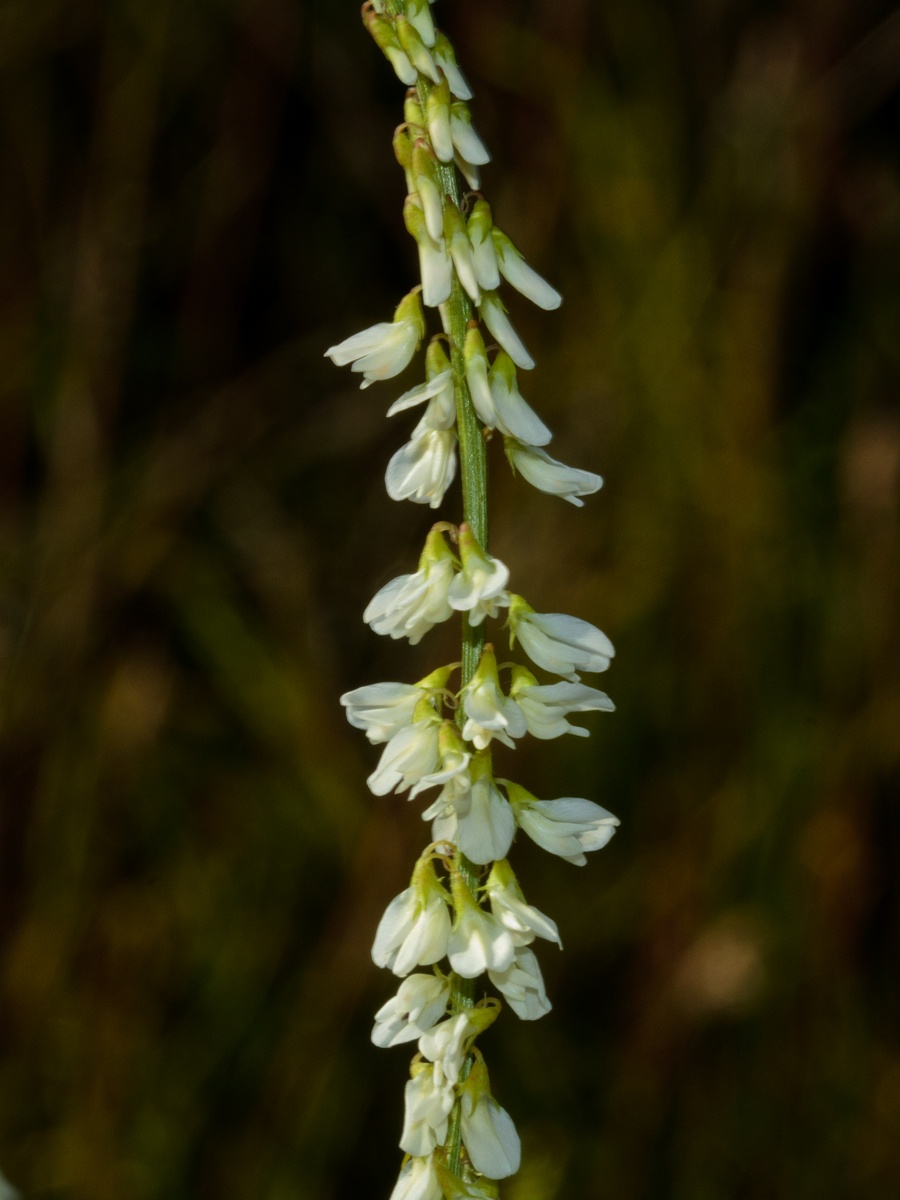
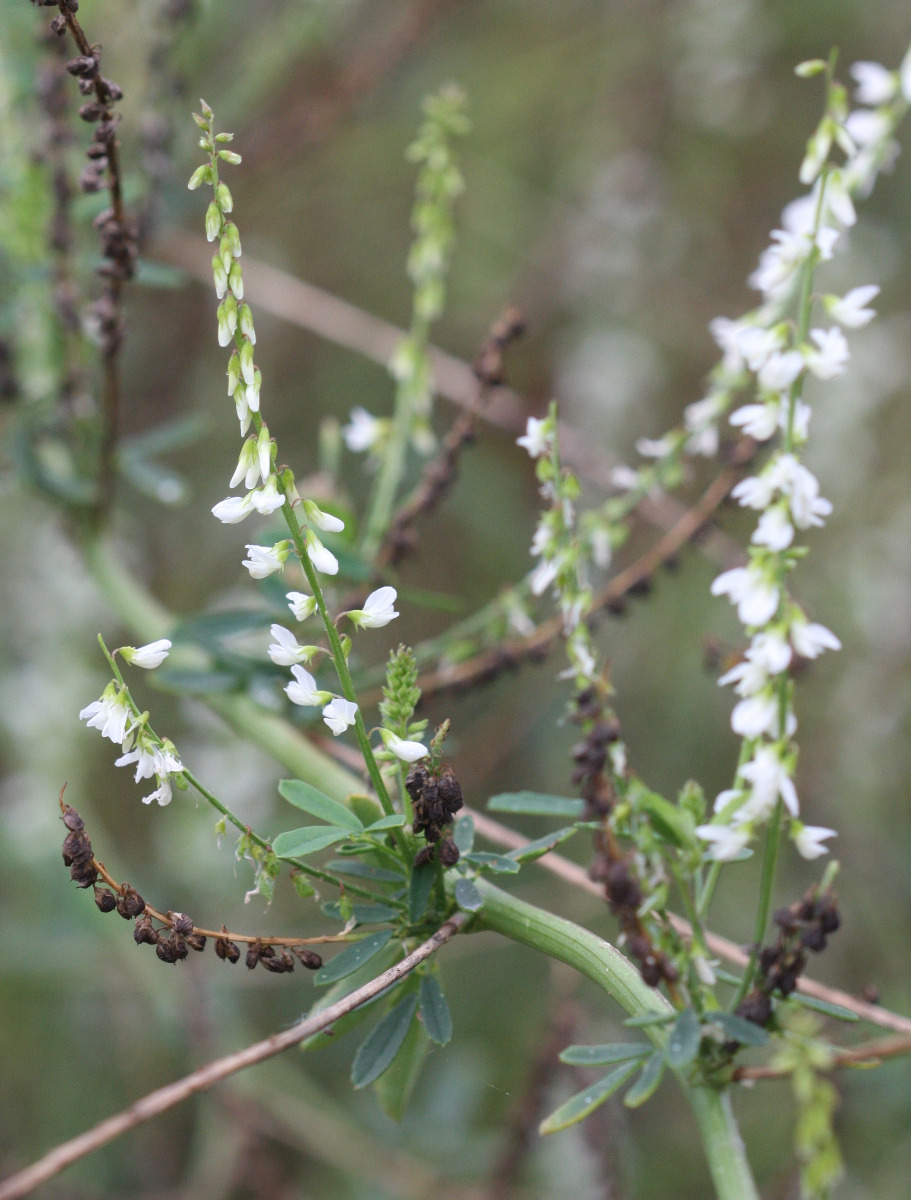
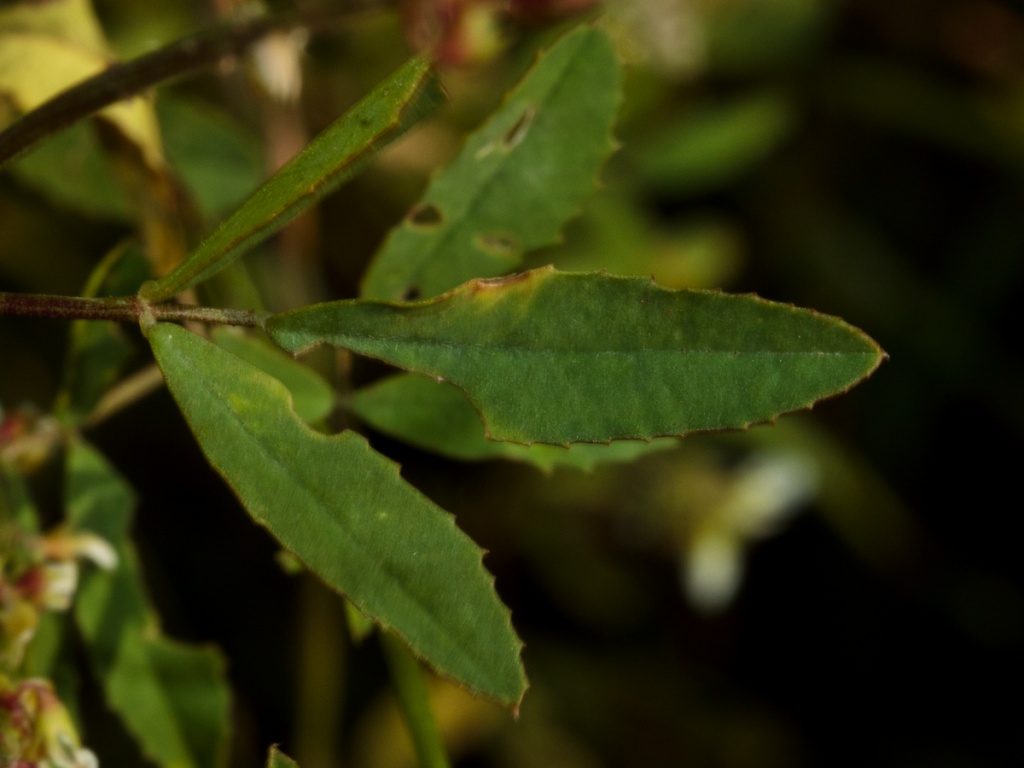
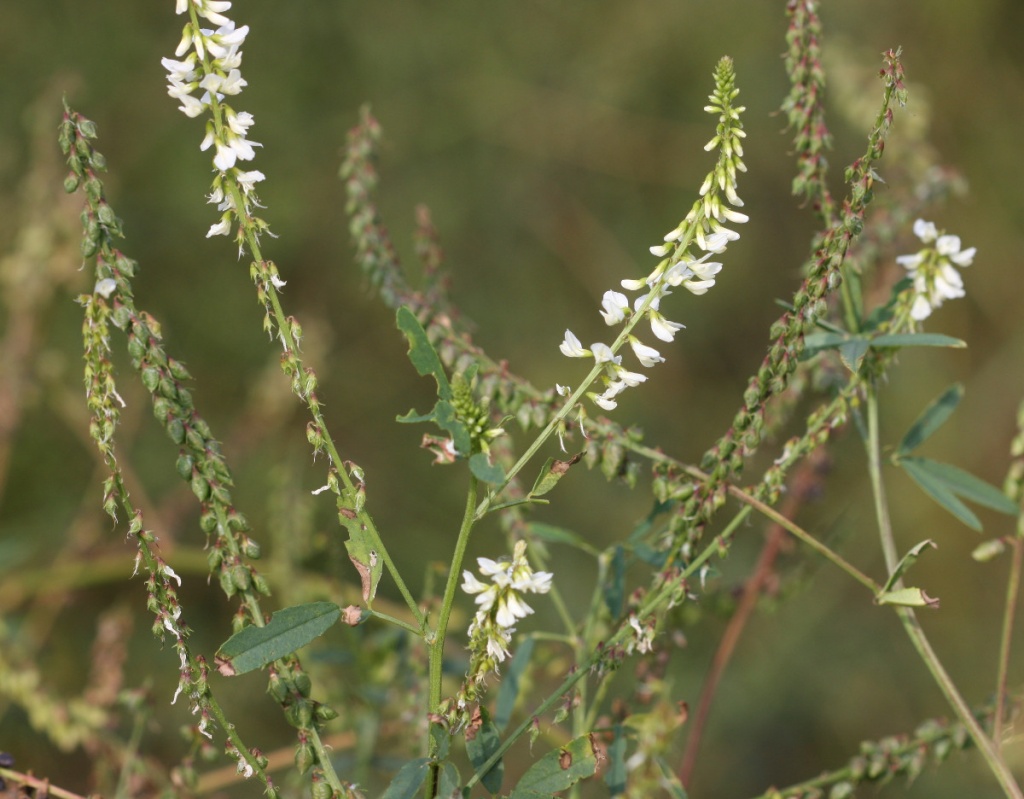
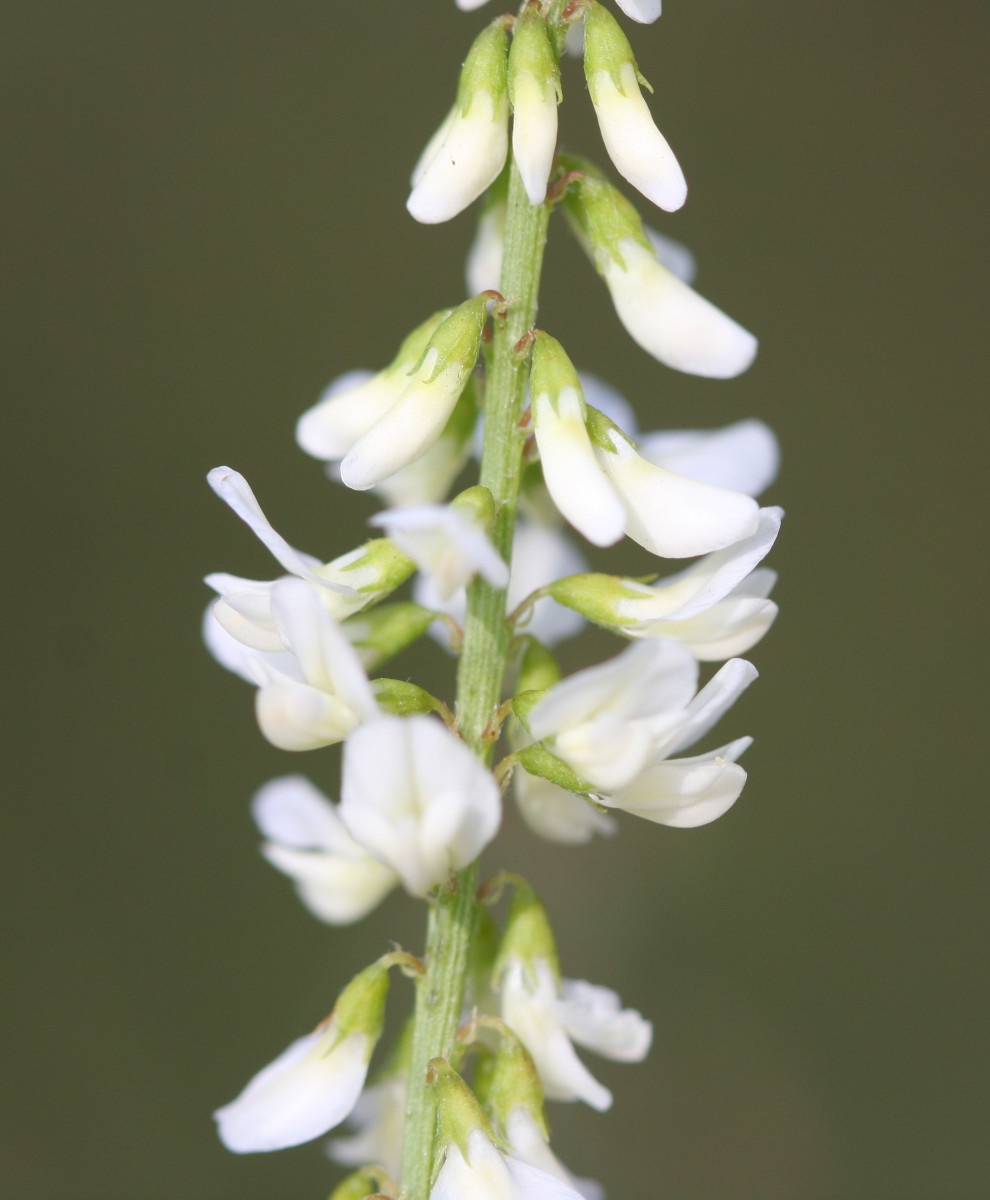
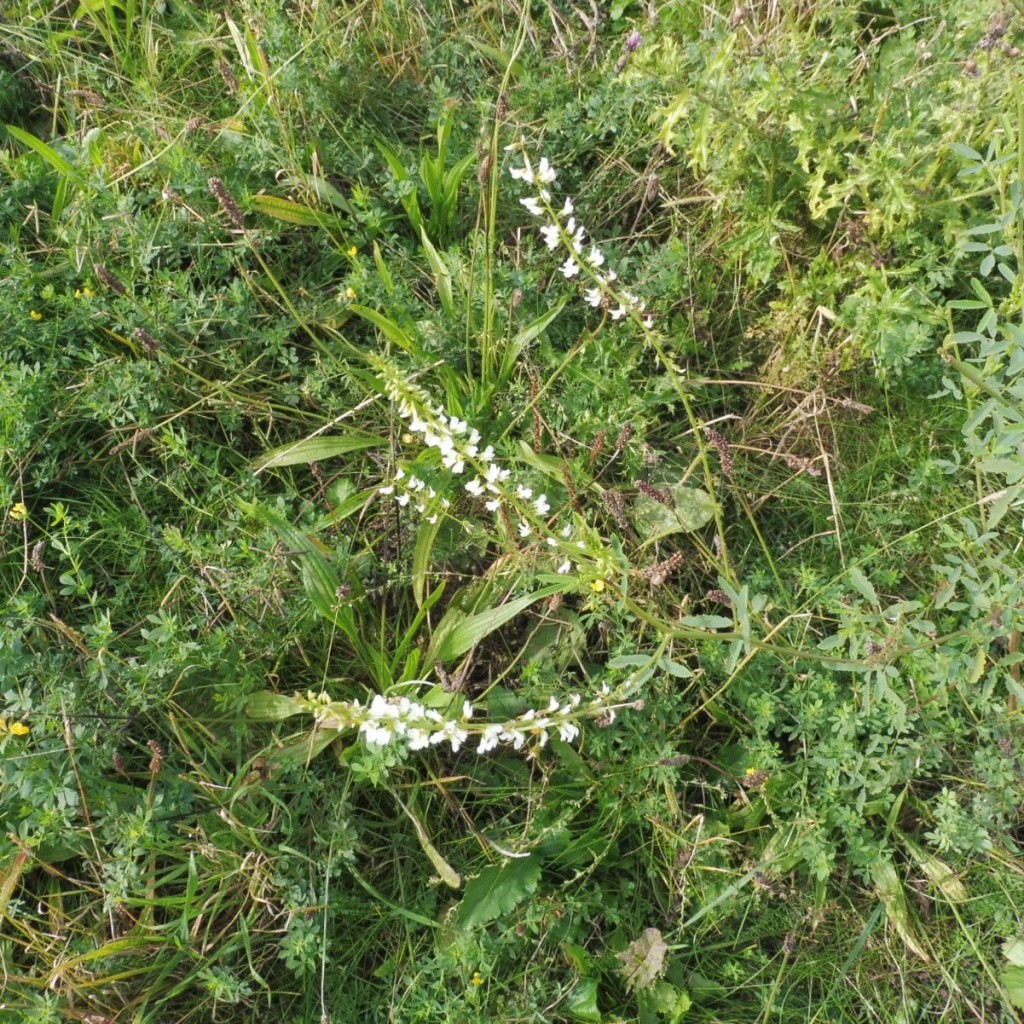
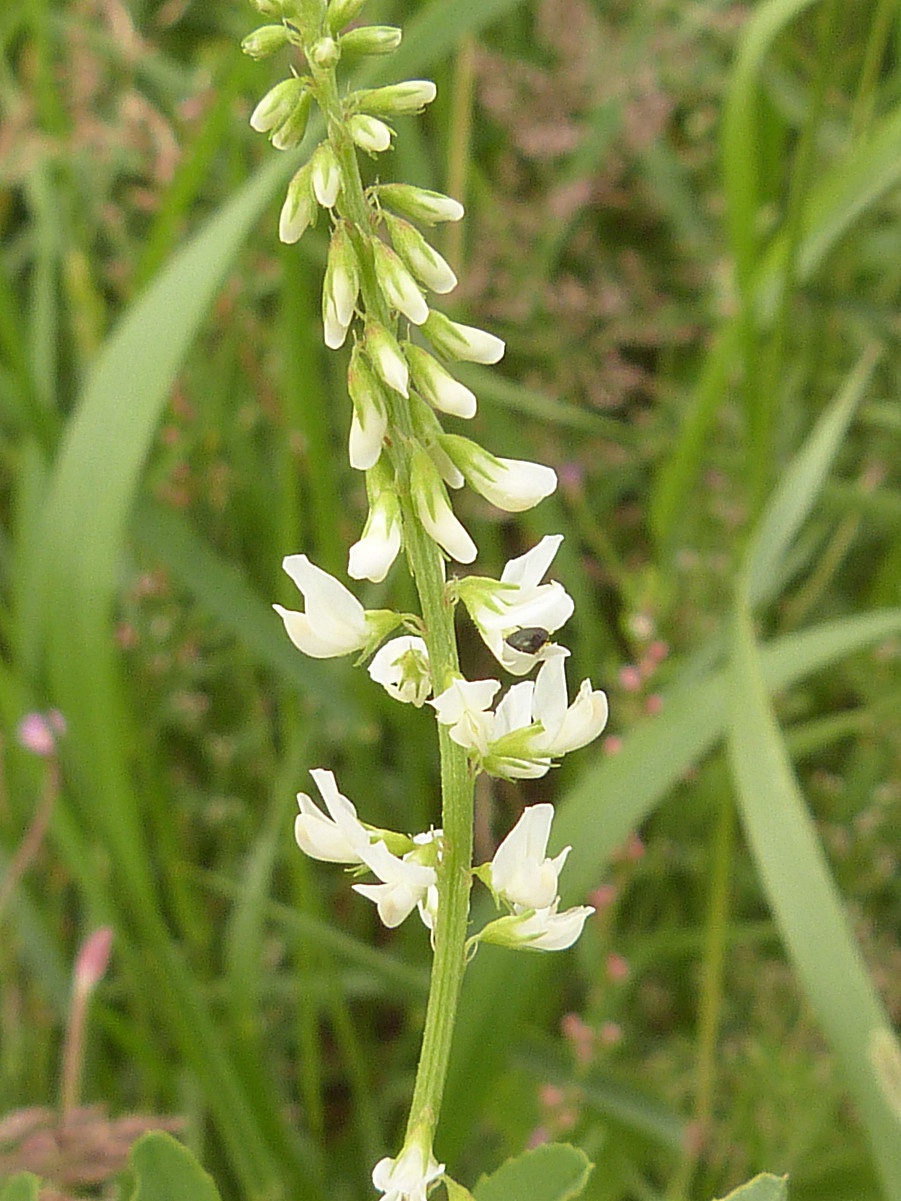
Medium to tall plant with erect stems and sharply toothed trifoliate leaves. Flowers white, 4 to 5 mm in many flowered racemes, the standard petal longer than the wings and keel.

Open land, arable fields, roadside verges and waste places.
July to September.
Spring germinating annual.
Fairly common in Central and southern England and Wales scarcer further north.
Occasional in Leicestershire and Rutland. In the 1979 Flora survey of Leicestershire it was found in 22 of the 617 tetrads.
 Sharnford Road junction with B4114 Sapcote SP 4938 9256 (taken 16.7.2007)..JPG) Graham Calow
Graham Calow
Sapcote
16 July 2007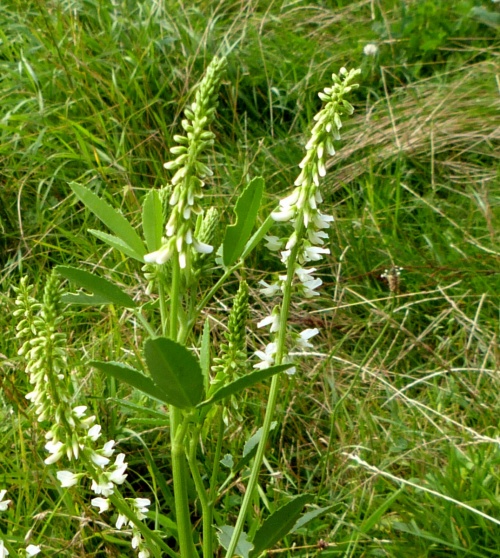 Graham Calow
Ullesthorpe Stewardship Farm
31 August 2012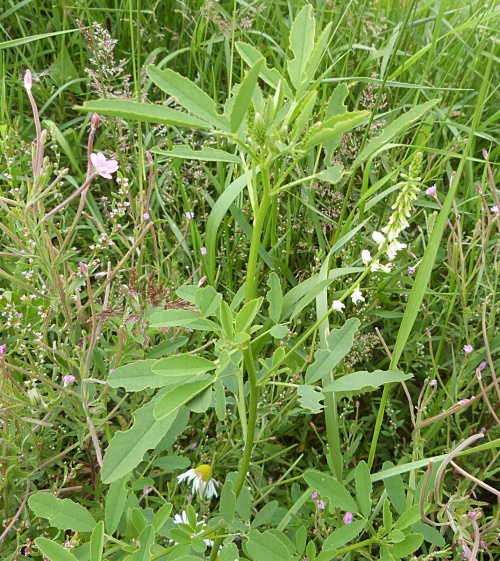 Graham Calow
Sapcote, Land behind William Spencer Avenue
22 July 2020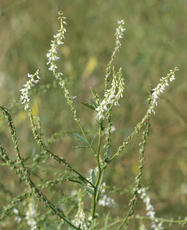 David Nicholls
Ullesthorpe Stewardship Farm
02 September 2011
 Sharnford Road junction with B4114 Sapcote SP 4938 9256 (taken 16.7.2007)..JPG)
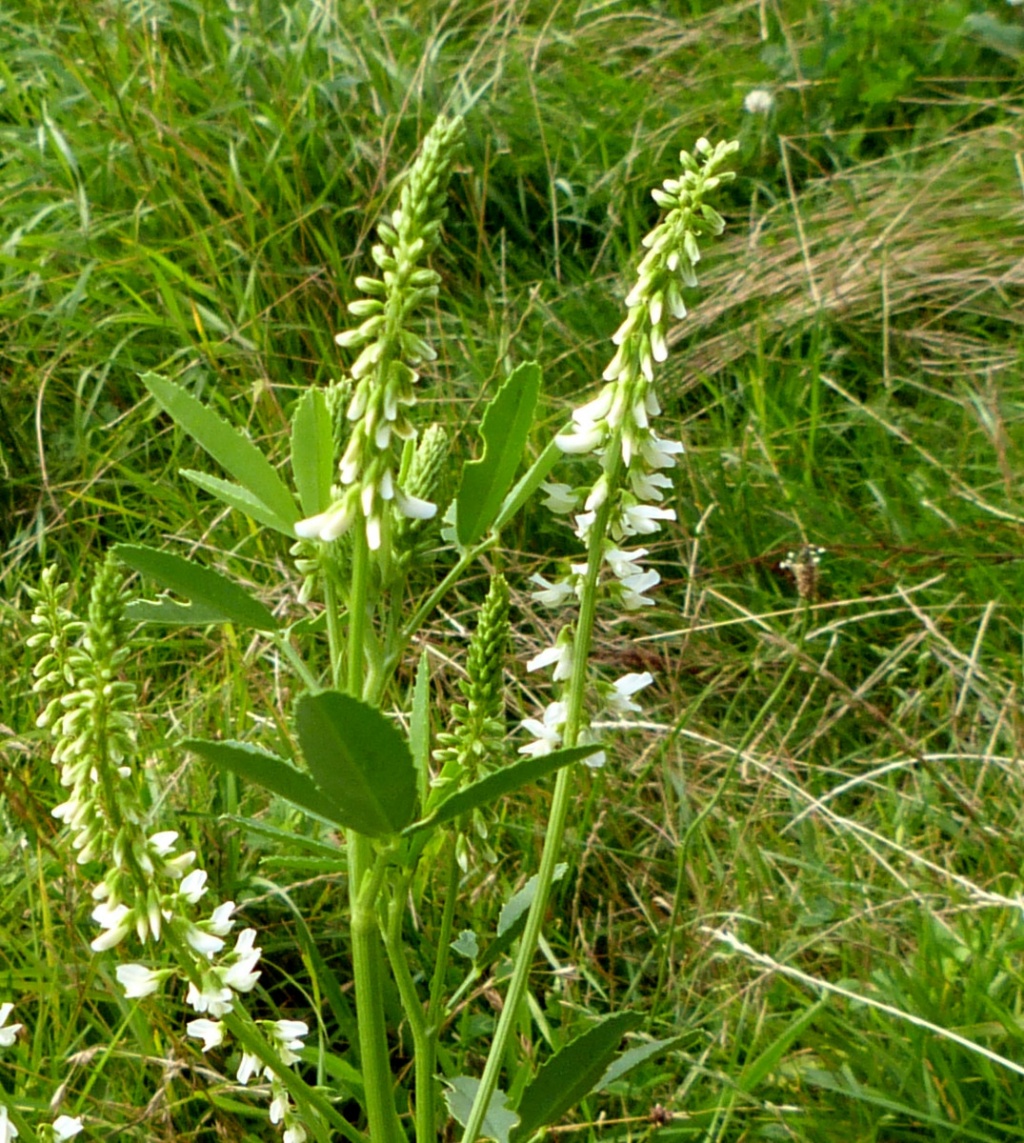
Leicestershire & Rutland Map
Enter a town or village to see local records
MAP KEY:
Yellow squares = NBN records (all known data)
Coloured circles = NatureSpot records: 2025+ | 2020-2024 | pre-2020
UK Map
Species profile
- Common names
- White Melilot
- Species group:
- flowering plant
- Kingdom:
- Plantae
- Order:
- Fabales
- Family:
- Fabaceae
- Records on NatureSpot:
- 22
- First record:
- 11/07/2007 (Calow, Graham)
- Last record:
- 26/07/2022 (Calow, Graham)
Total records by month
% of records within its species group
10km squares with records
The latest images and records displayed below include those awaiting verification checks so we cannot guarantee that every identification is correct. Once accepted, the record displays a green tick.
In the Latest Records section, click on the header to sort A-Z, and again to sort Z-A. Use the header boxes to filter the list.
Latest images
Latest records
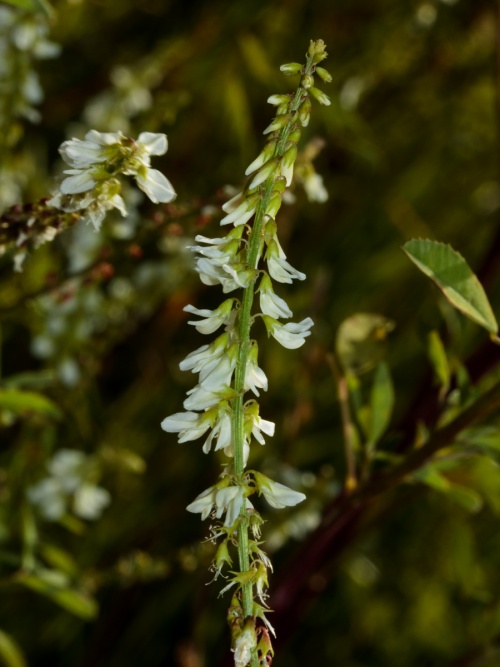 HAPeacock
Cossington NR
02 August 2012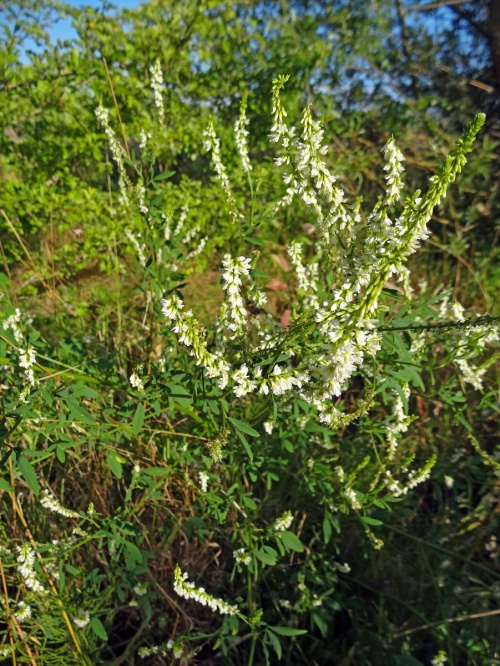 AJ Cann
Cossington Meadows
02 August 2015 David Nicholls
Ashby Canal, Shackerstone
15 September 2012 HAPeacock
Cossington NR
02 August 2012 Graham Calow
Sapcote, Land behind William Spencer Avenue
22 July 2020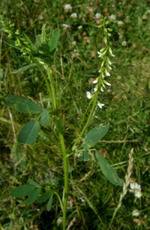 Graham Calow
Ullesthorpe
15 July 2011 B4114 Sapcote SP 4929 9246 (taken 11.7.2007).JPG) Graham Calow
Graham Calow
Sapcote
11 July 2007 David Nicholls
Cossington
11 October 2011 David Nicholls
Cossington
11 October 2011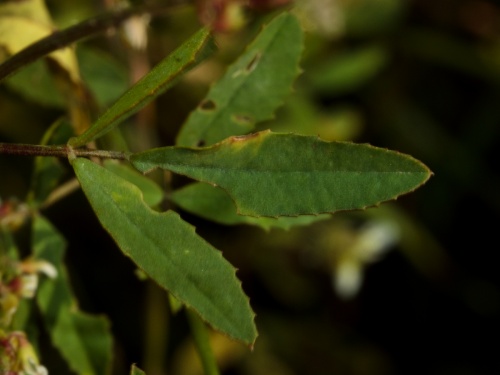 HAPeacock
Cossington NR
02 August 2012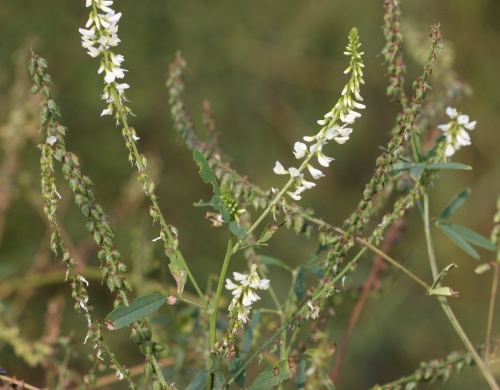 David Nicholls
Ashby Canal, Shackerstone
15 September 2012 David Nicholls
Ashby Canal, Shackerstone
15 September 2012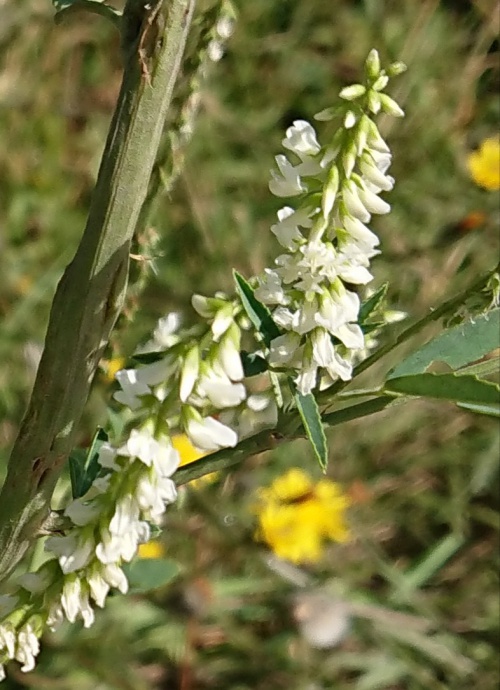 steven lewis
Langar airfield
07 August 2020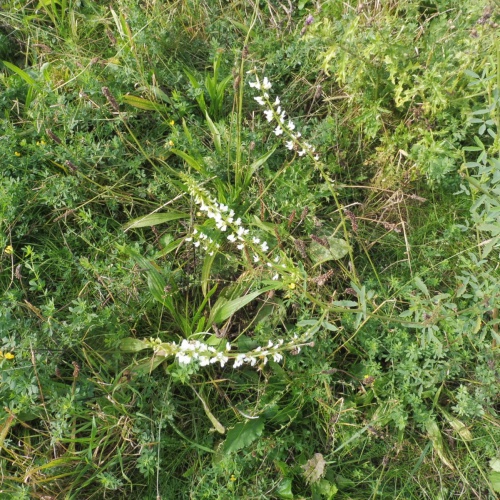 martindgrimes
Pickworth FP to south
05 October 2019 Graham Calow
Sapcote, Land behind William Spencer Avenue
22 July 2020


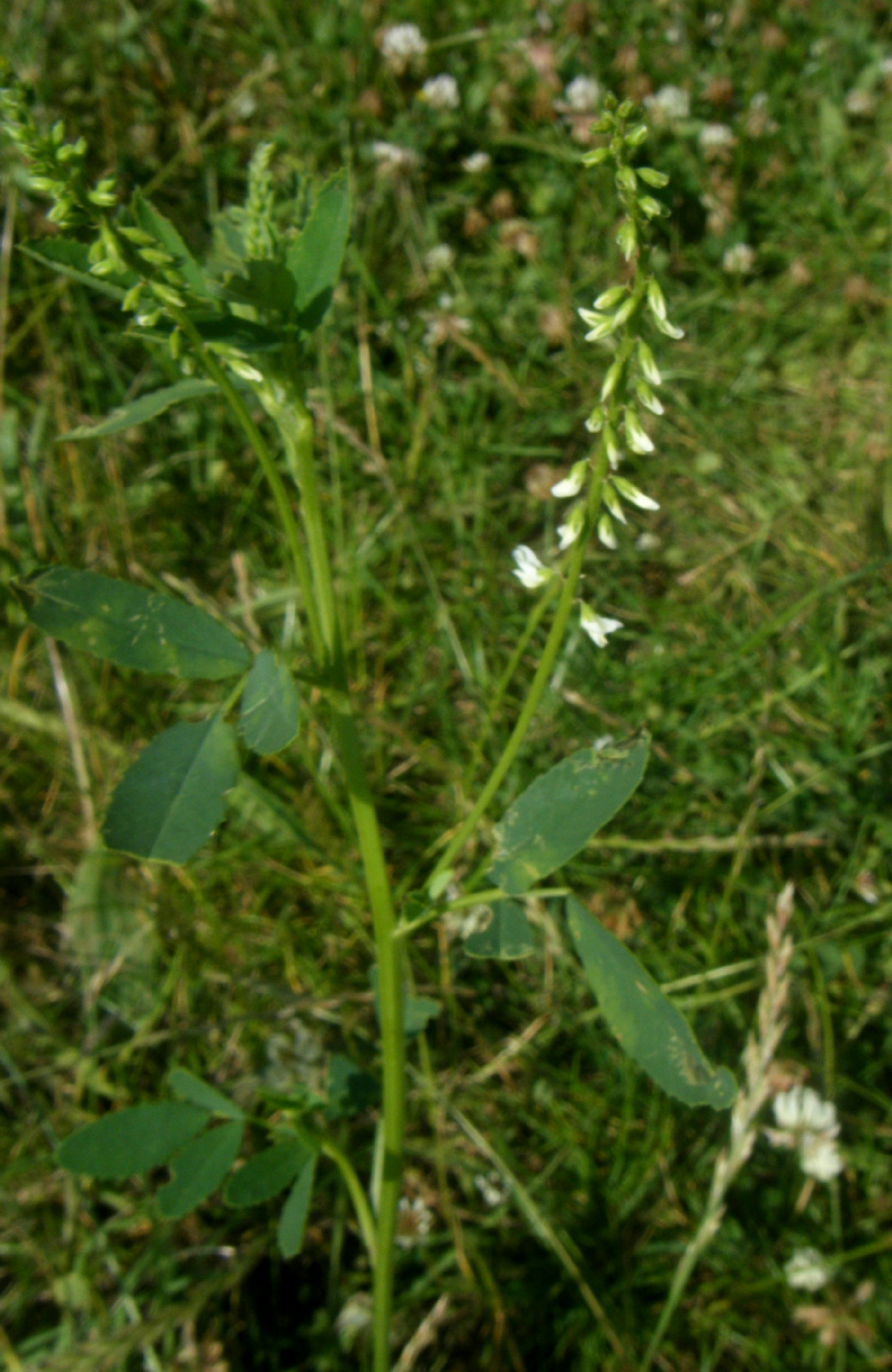
 B4114 Sapcote SP 4929 9246 (taken 11.7.2007).JPG)


Agromyza frontella
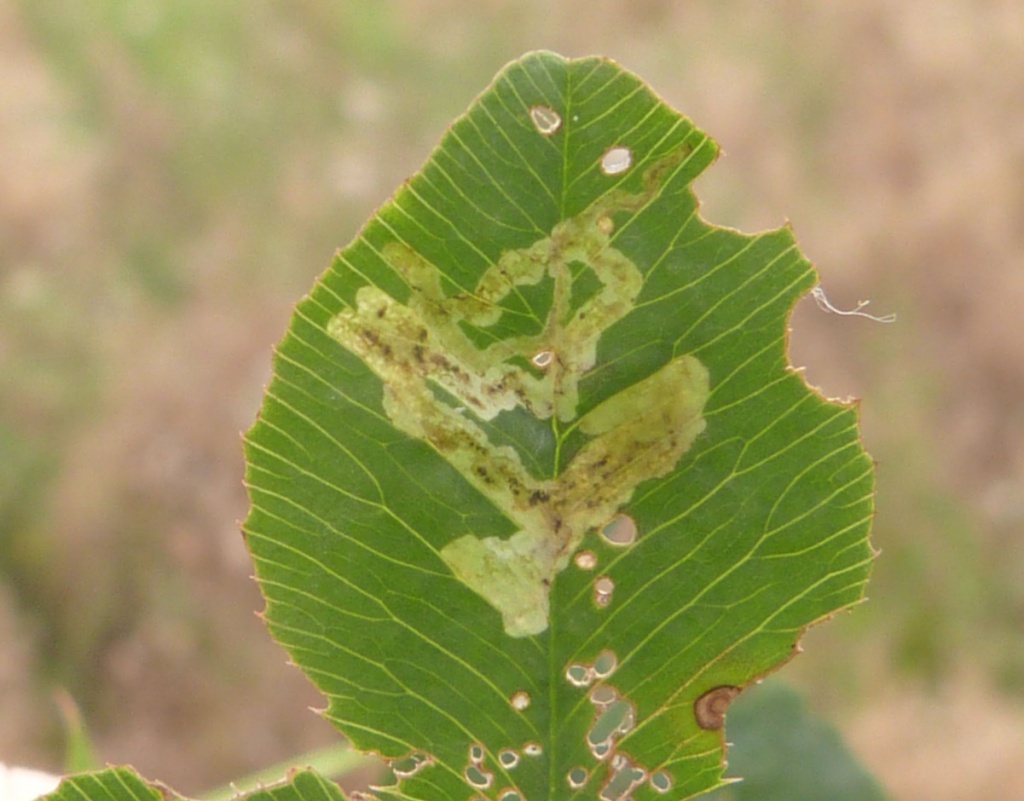
The larva of the Agromyzid fly Agromyza frontella mines the leaves of various Leguminosae such as Clovers, Melilot and Lucerne. It starts as a linear mine. usually running towards the tip of the leaf then turning back a into a blotch in the midrib area. Frequently, no blotch is formed.
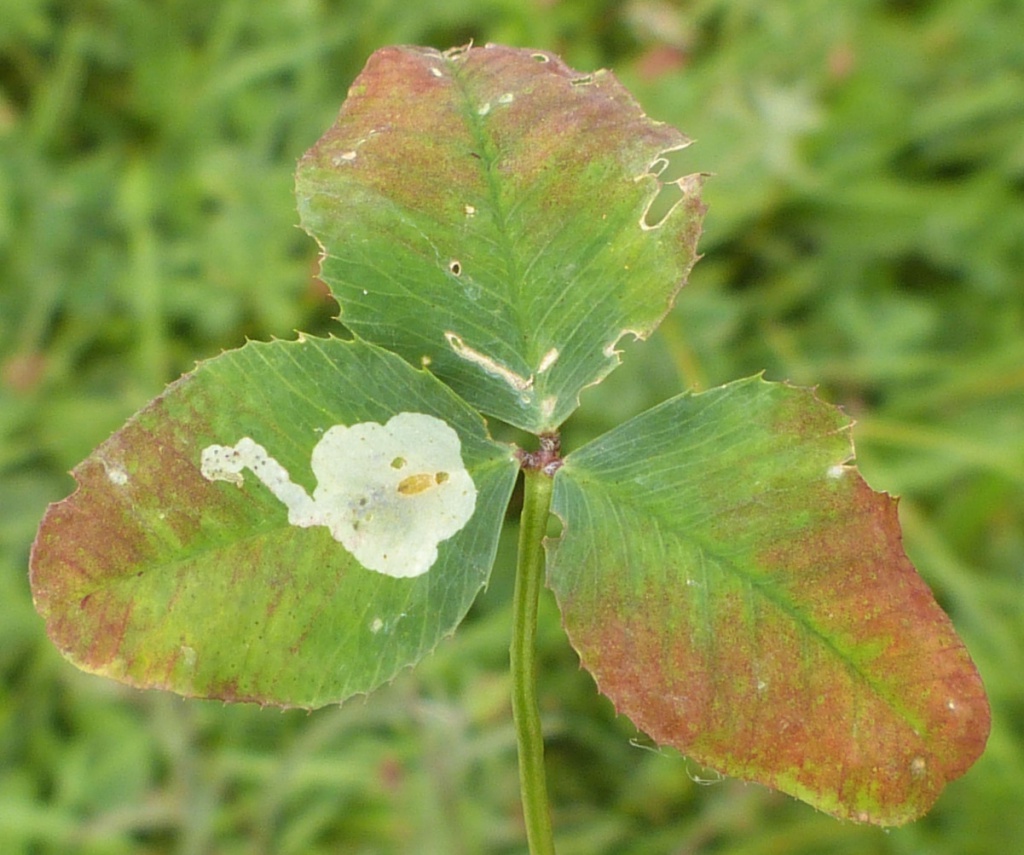
Agromyza nana
The larva of the Agromyzid fly Agromyza nana mines the leaves of Clovers and other species in the Leguminosae family. The mines have a short, broad gallery leading to a conspicuous, roundish white blotch in the centre of the leaf. The blotch is on the upper surface with some deep areas often containing frass.