

White Clover - Trifolium repens
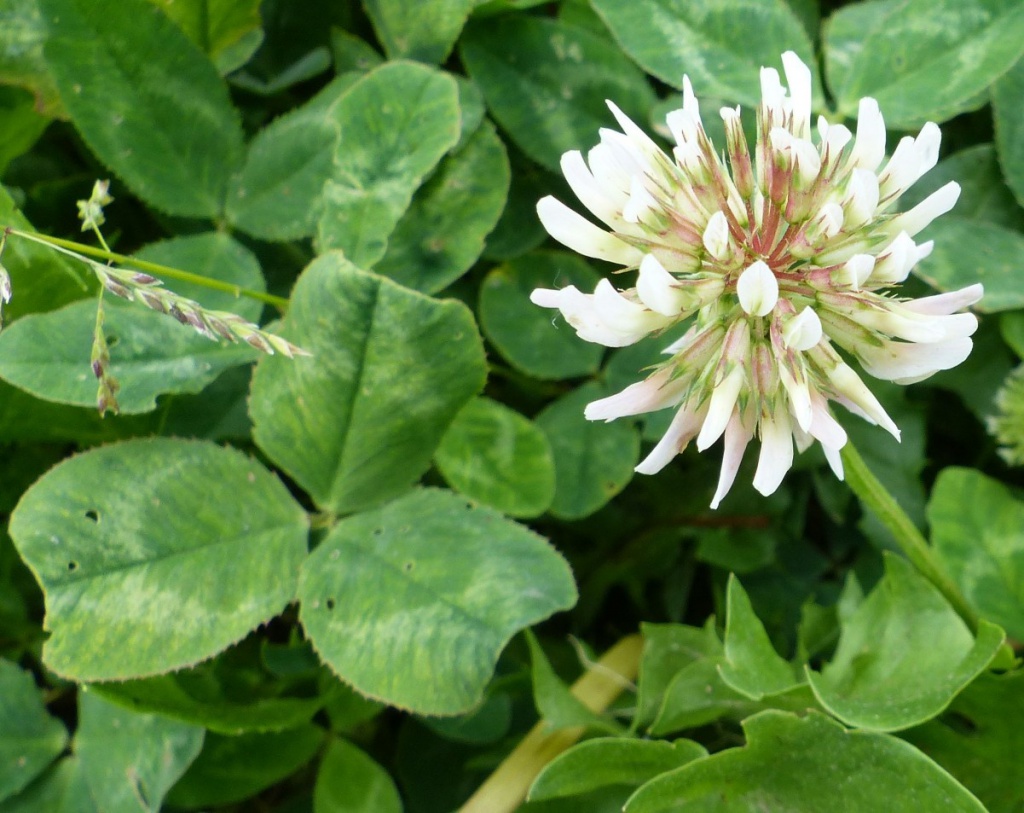
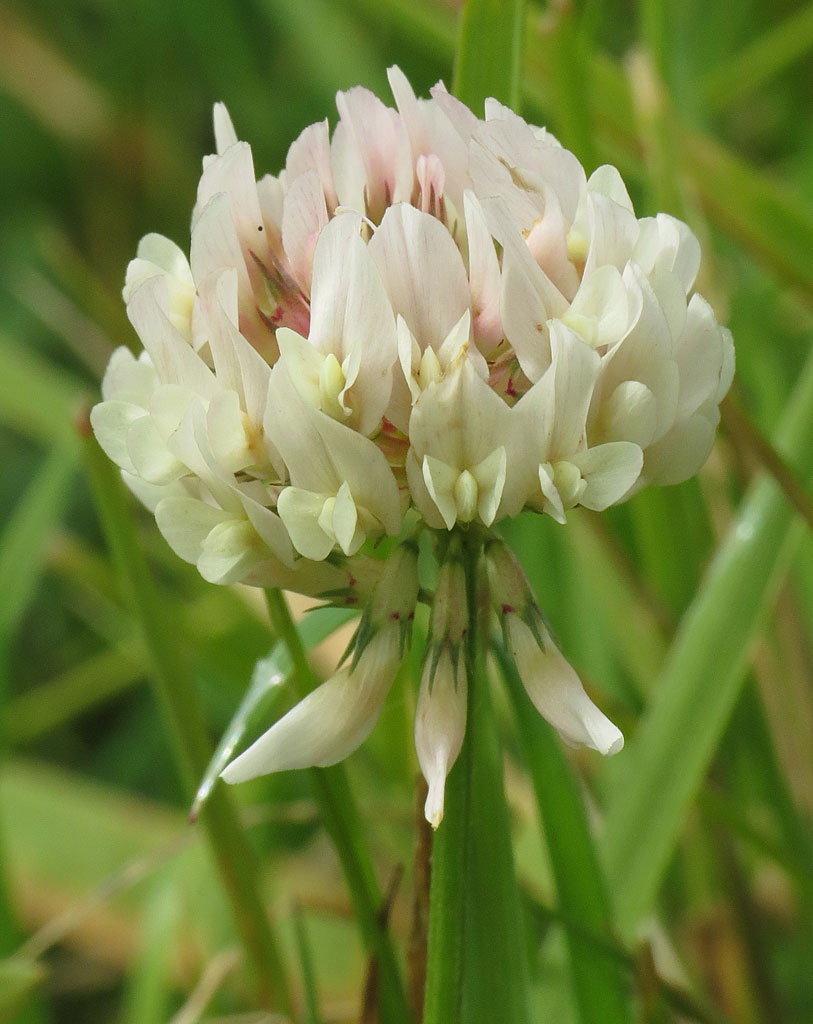
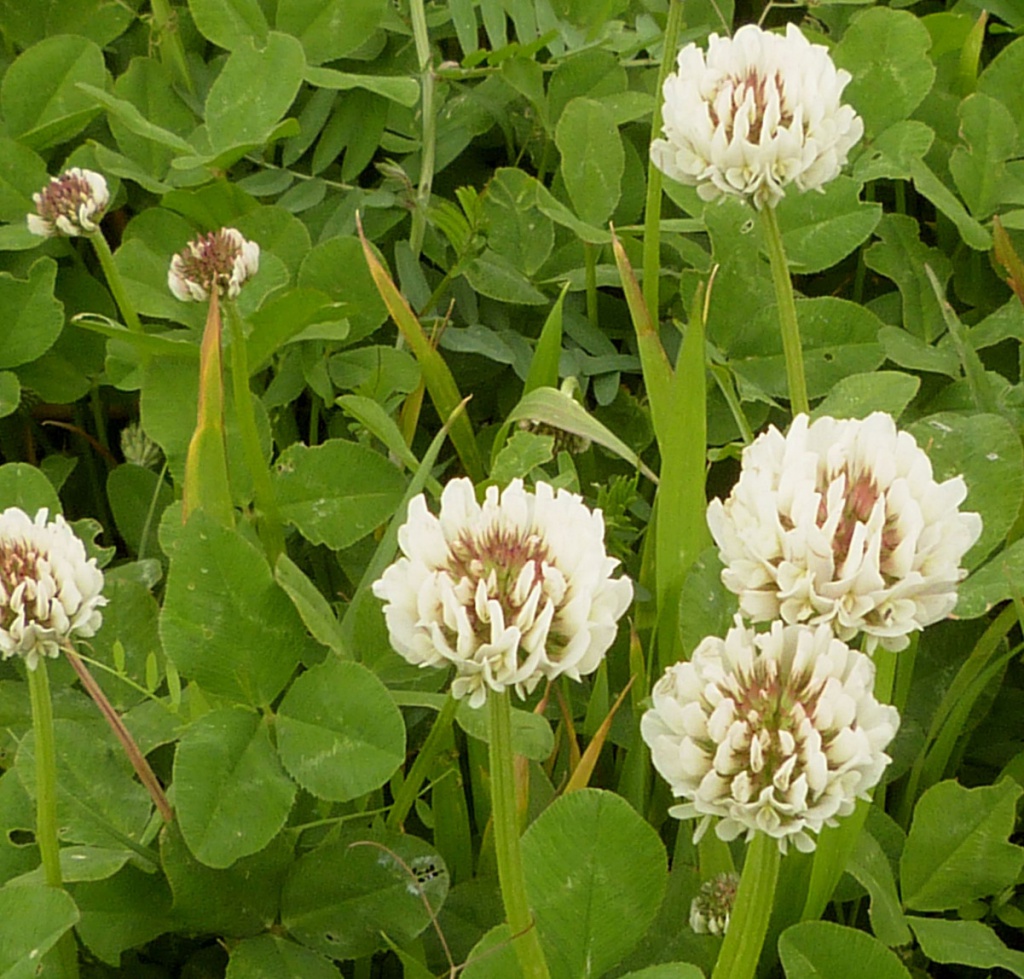
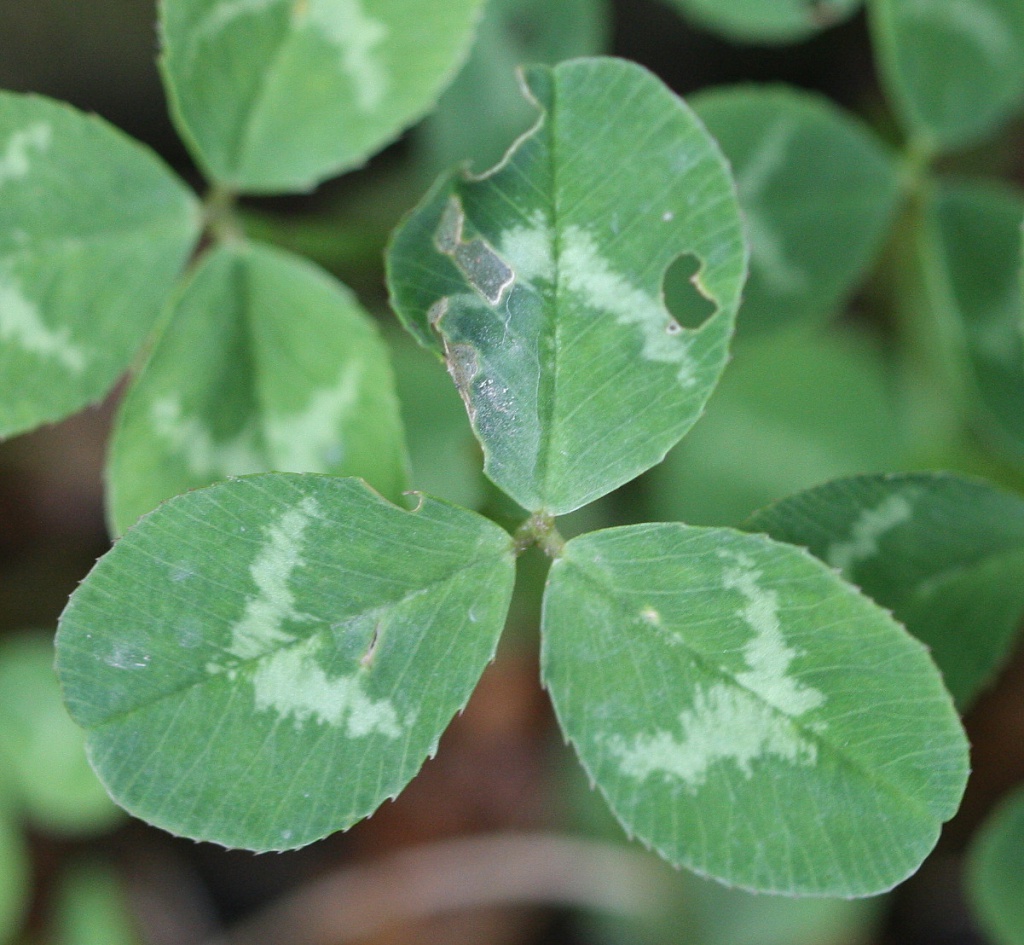
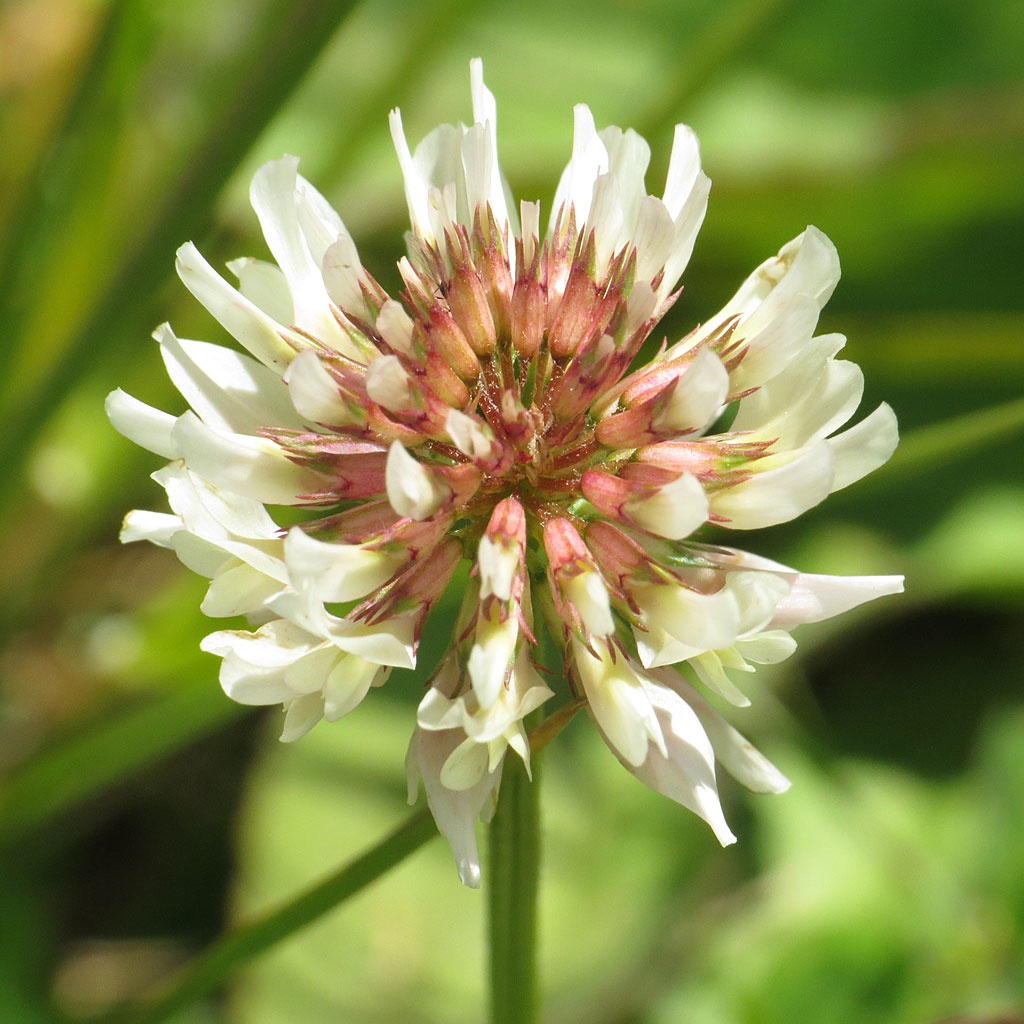
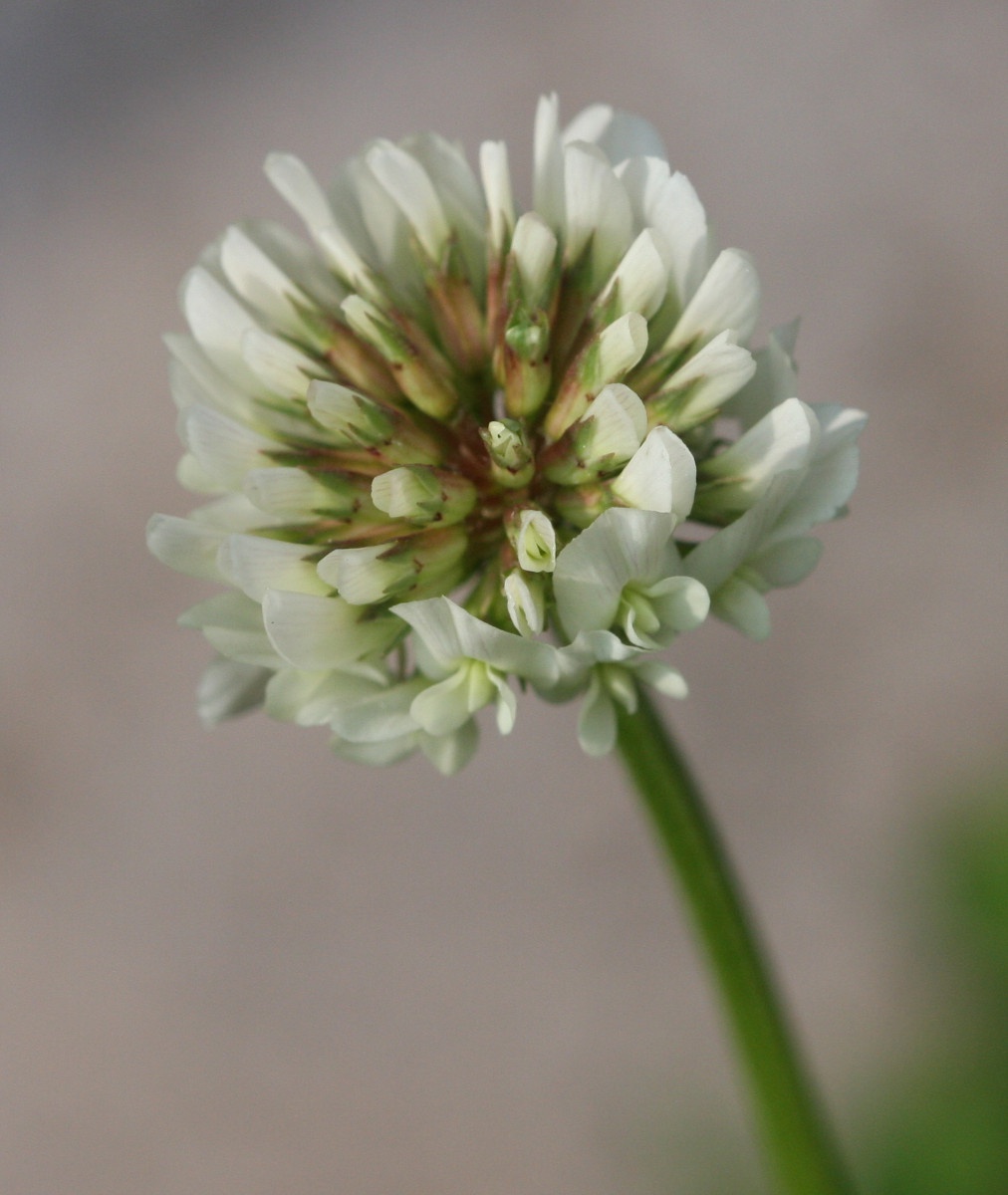
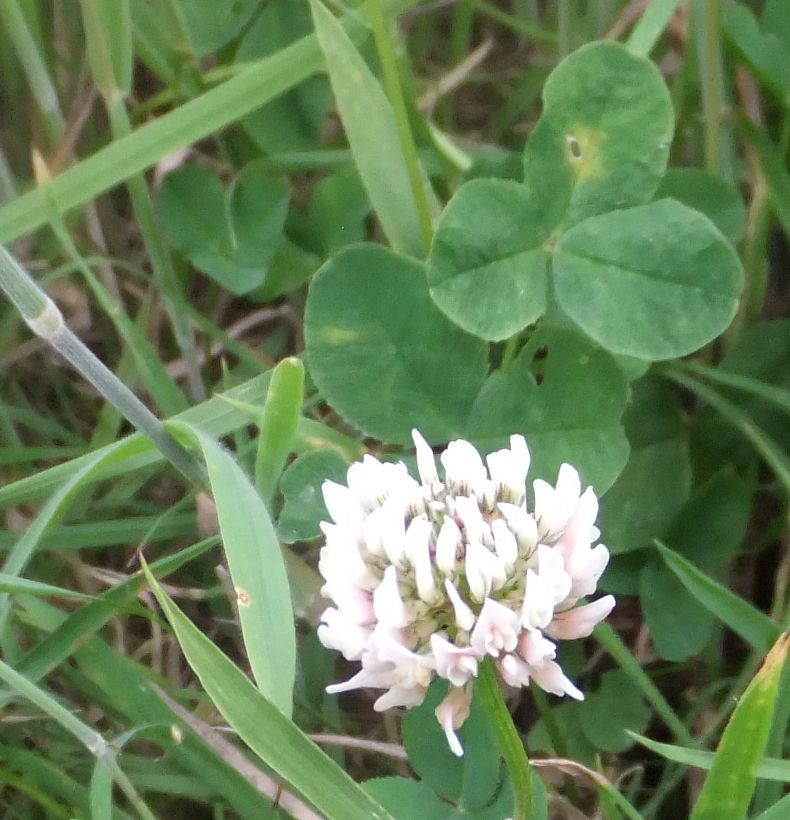
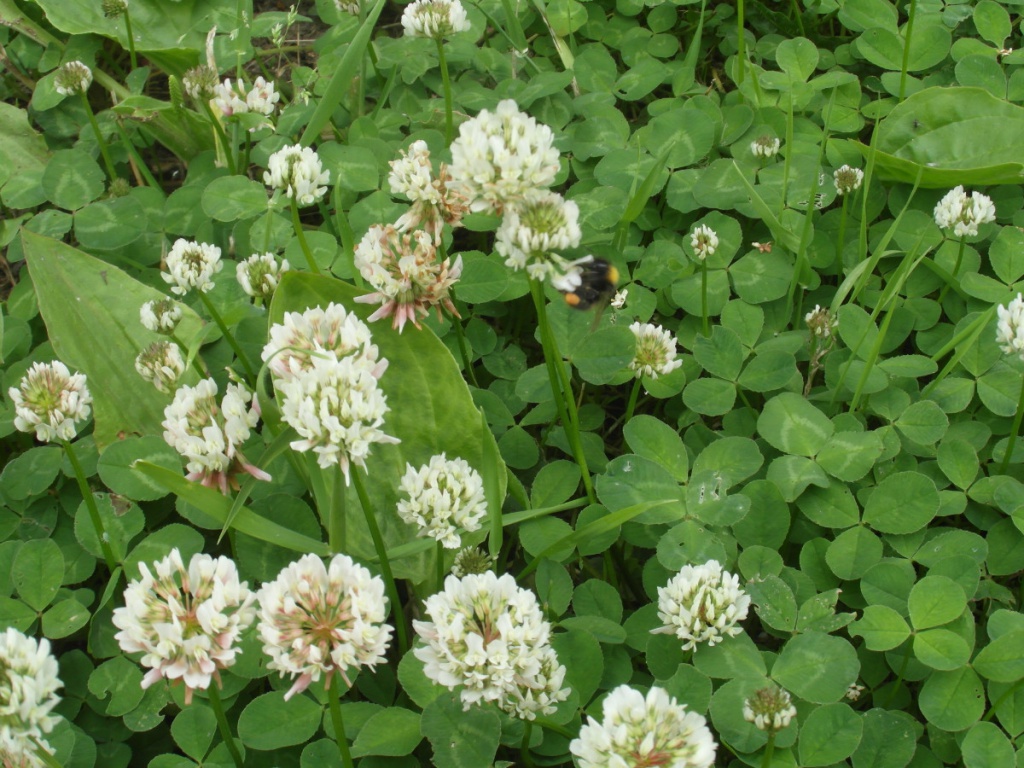
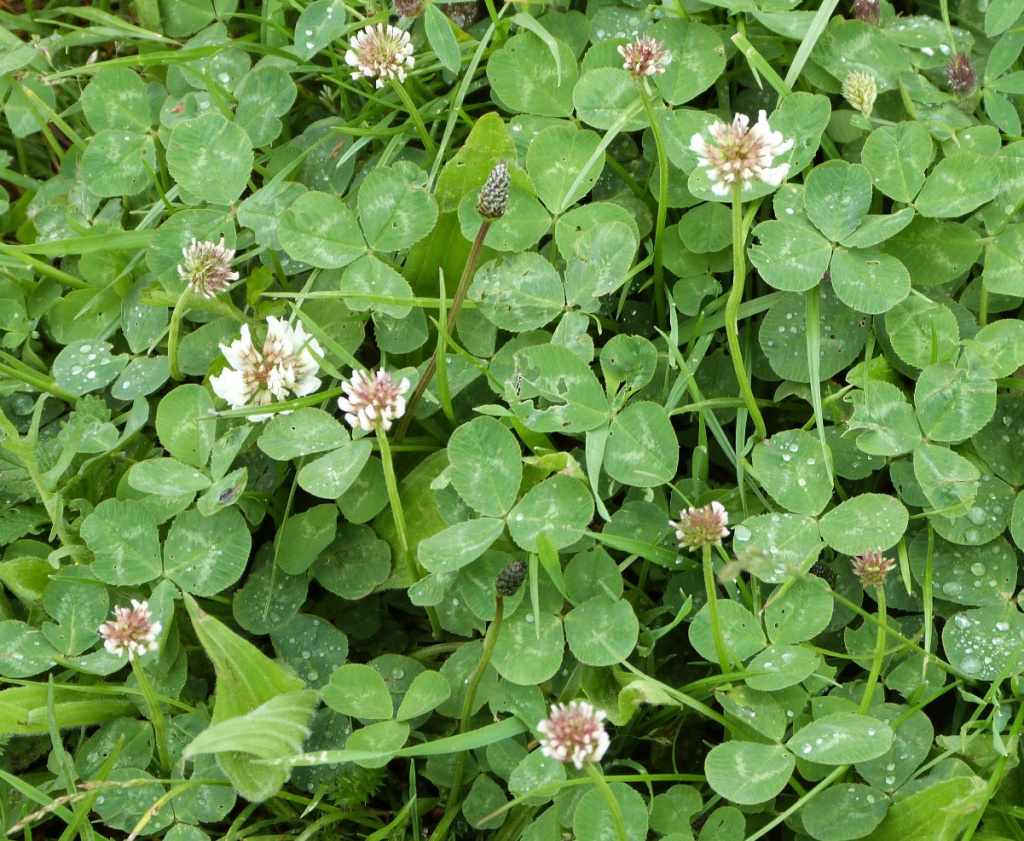
Low to short plant with creeping stems rooting at the nodes. The three leaflets are bright green usually with a light or dark mark in the centre. Flowers white or pale pink 7 to 10 mm sweetly scented in dense globose heads.
Alsike clover, and other large clovers when not in flower.

The stems are procumbent, rooting at the nodes to form a mat. The leaves can be distinguished from those of Red Clover by their toothed edges and lack of hairs. Red hair, white teeth!
Grassy habitats, meadows, pastures, lawns roadside verges, etc.
June to September.
Perennial.
Very common throughout Britain.
Very common in Leicestershire and Rutland. In the 1979 Flora survey of Leicestershire it was found in 601 of the 617 tetrads.
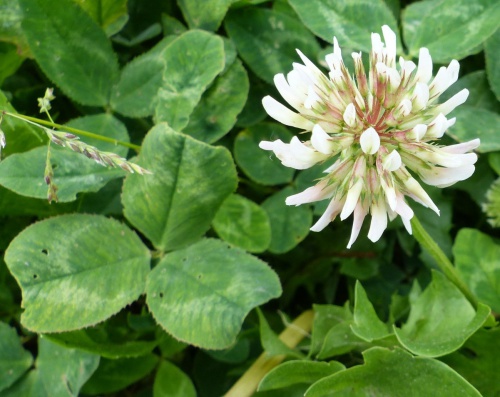 Ron.stevens
Broughton Astley Allotments
03 June 2018. Field between Grace Road and Granitethorpe Quarry Sapcote SP 4943 9357 (taken 17.6.2007),.JPG) Graham Calow
Graham Calow
Sapcote
17 June 2007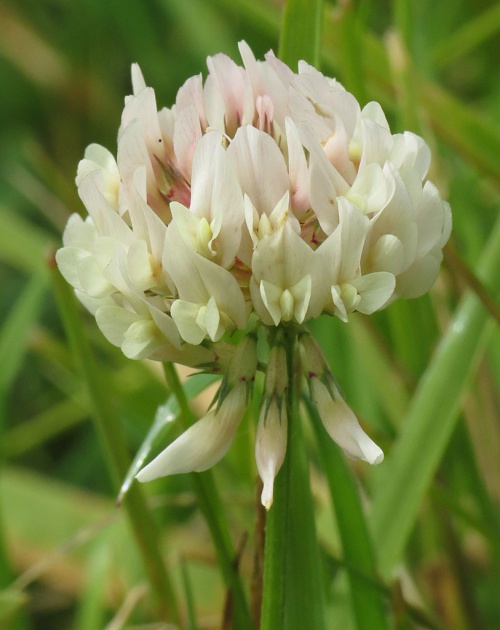 David Gould
The Spearwort Fields
06 July 2014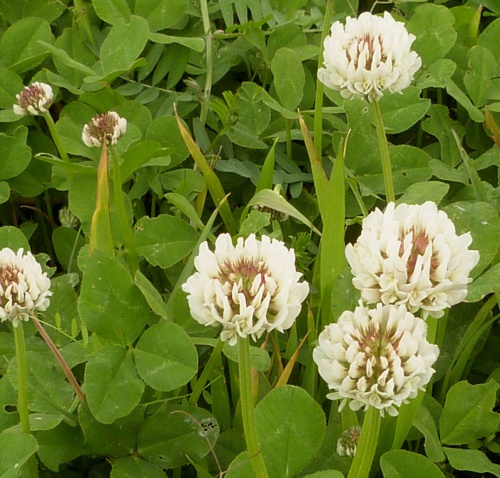 Graham Calow
Sapcote
22 May 2015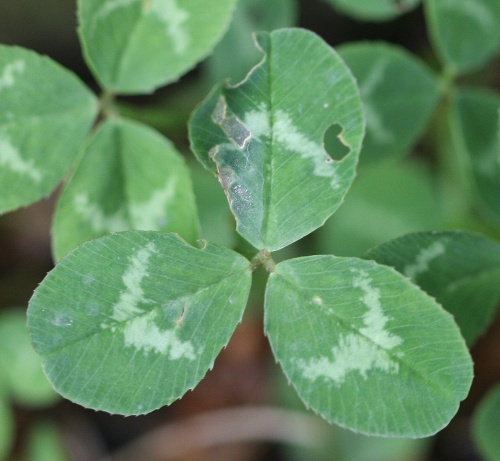 David Nicholls
Ratby Balancing Pond
24 May 2014
. Field between Grace Road and Granitethorpe Quarry Sapcote SP 4943 9357 (taken 17.6.2007),.JPG)
Leicestershire & Rutland Map
Enter a town or village to see local records
MAP KEY:
Yellow squares = NBN records (all known data)
Coloured circles = NatureSpot records: 2025+ | 2020-2024 | pre-2020
UK Map
Species profile
- Common names
- White Clover
- Species group:
- flowering plant
- Kingdom:
- Plantae
- Order:
- Fabales
- Family:
- Fabaceae
- Records on NatureSpot:
- 699
- First record:
- 11/05/1992 (John Mousley;Steve Grover)
- Last record:
- 31/10/2025 (Smith, Peter)
Total records by month
% of records within its species group
10km squares with records
The latest images and records displayed below include those awaiting verification checks so we cannot guarantee that every identification is correct. Once accepted, the record displays a green tick.
In the Latest Records section, click on the header to sort A-Z, and again to sort Z-A. Use the header boxes to filter the list.
Latest images
Latest records
 'The Park' field Sapcote SP 4848 9330 (taken 15.6.2008).JPG) Graham Calow
Graham Calow
The Park Field, Sapcote
15 June 2008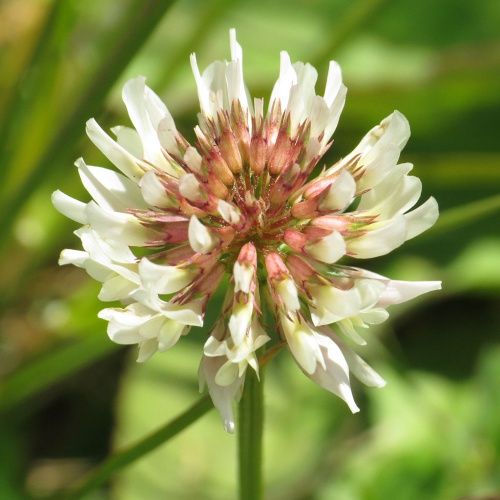 David Gould
Wolsey Island, Leicester
04 June 2015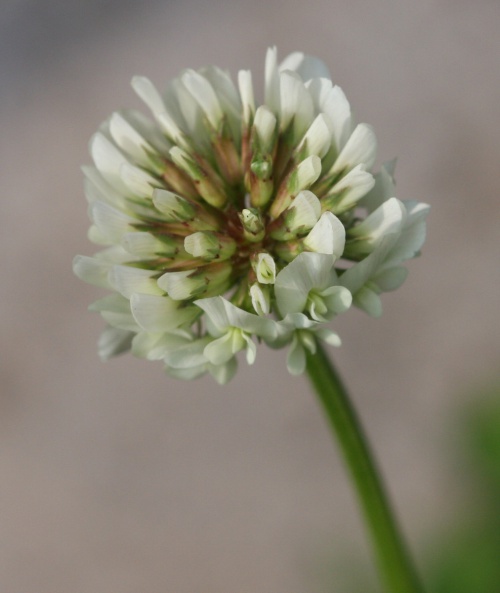 David Nicholls
Ratby
31 May 2013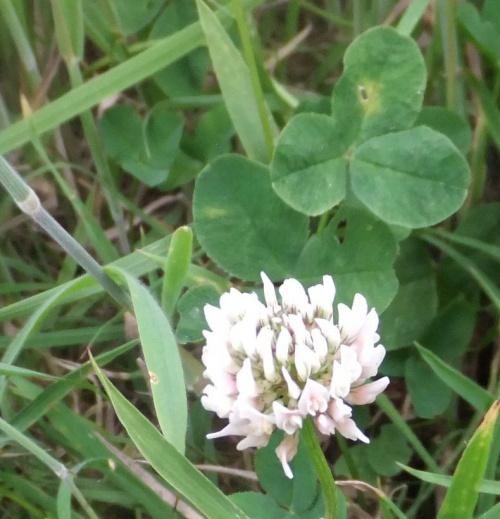 Ron.stevens
Dunton Basset Quarry
05 July 2015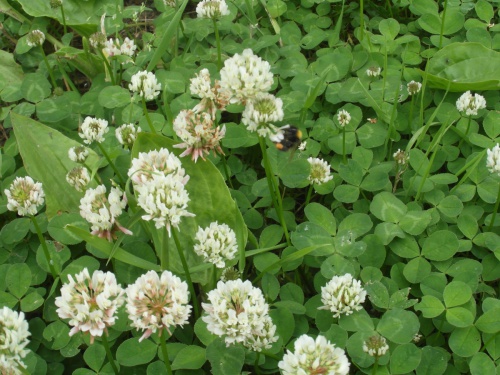 Alan Semper
Harby footpath
03 July 2013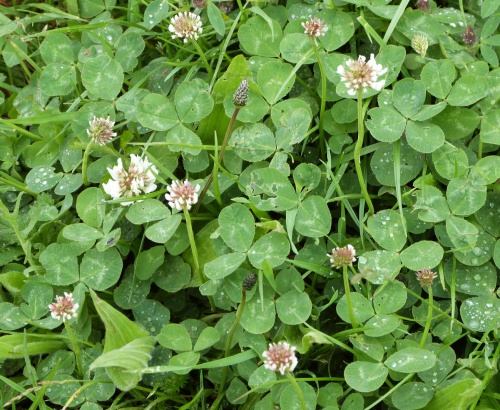 Graham Calow
Highcross Road, Claybrooke Magna
01 June 2016
 'The Park' field Sapcote SP 4848 9330 (taken 15.6.2008).JPG)
Agromyza frontella
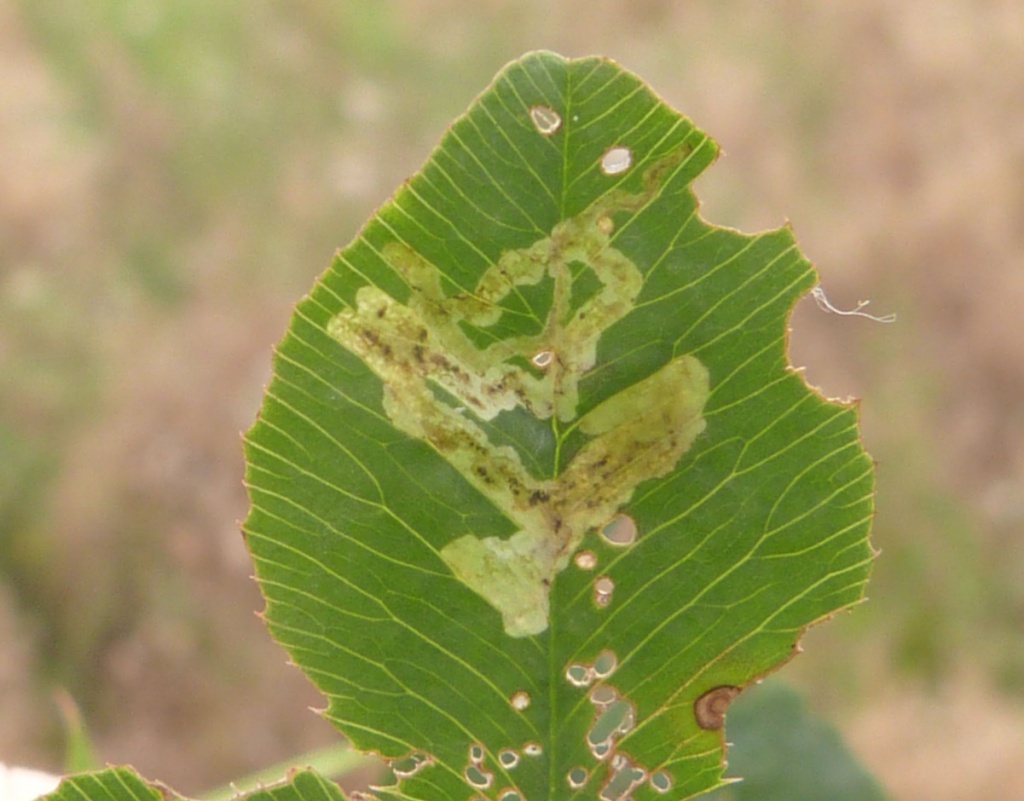
The larva of the Agromyzid fly Agromyza frontella mines the leaves of various Leguminosae such as Clovers, Melilot and Lucerne. It starts as a linear mine. usually running towards the tip of the leaf then turning back a into a blotch in the midrib area. Frequently, no blotch is formed.
Agromyza nana
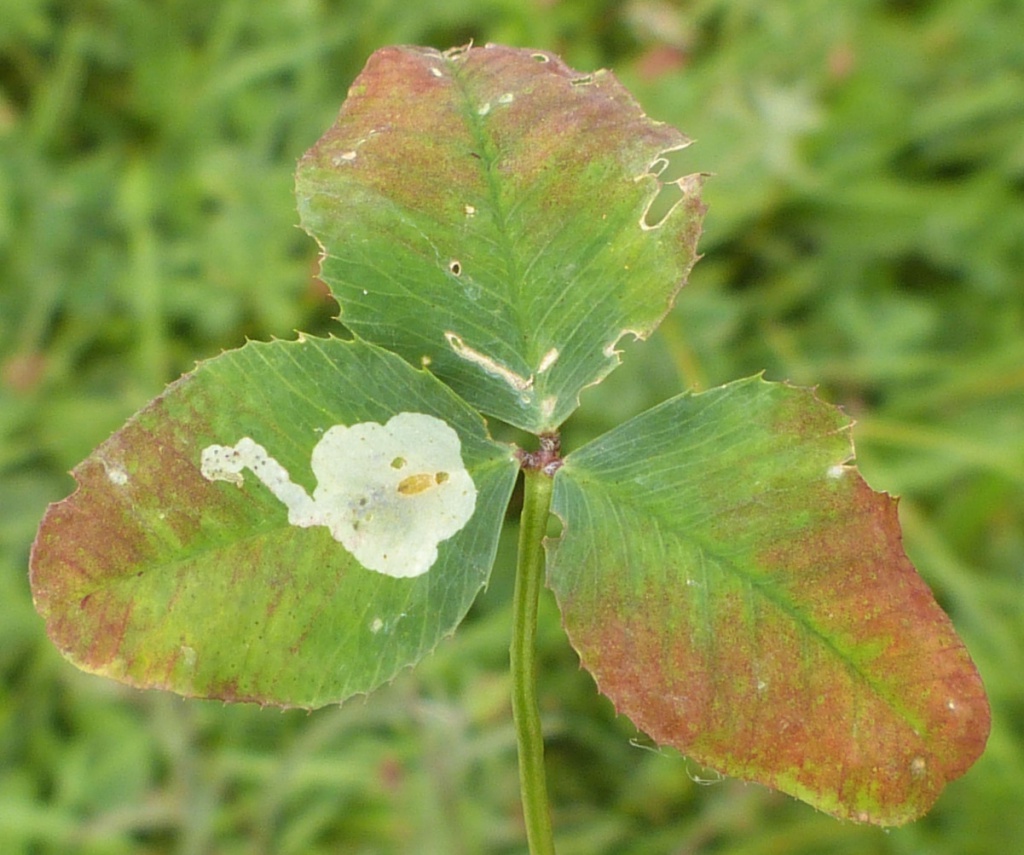
The larva of the Agromyzid fly Agromyza nana mines the leaves of Clovers and other species in the Leguminosae family. The mines have a short, broad gallery leading to a conspicuous, roundish white blotch in the centre of the leaf. The blotch is on the upper surface with some deep areas often containing frass.
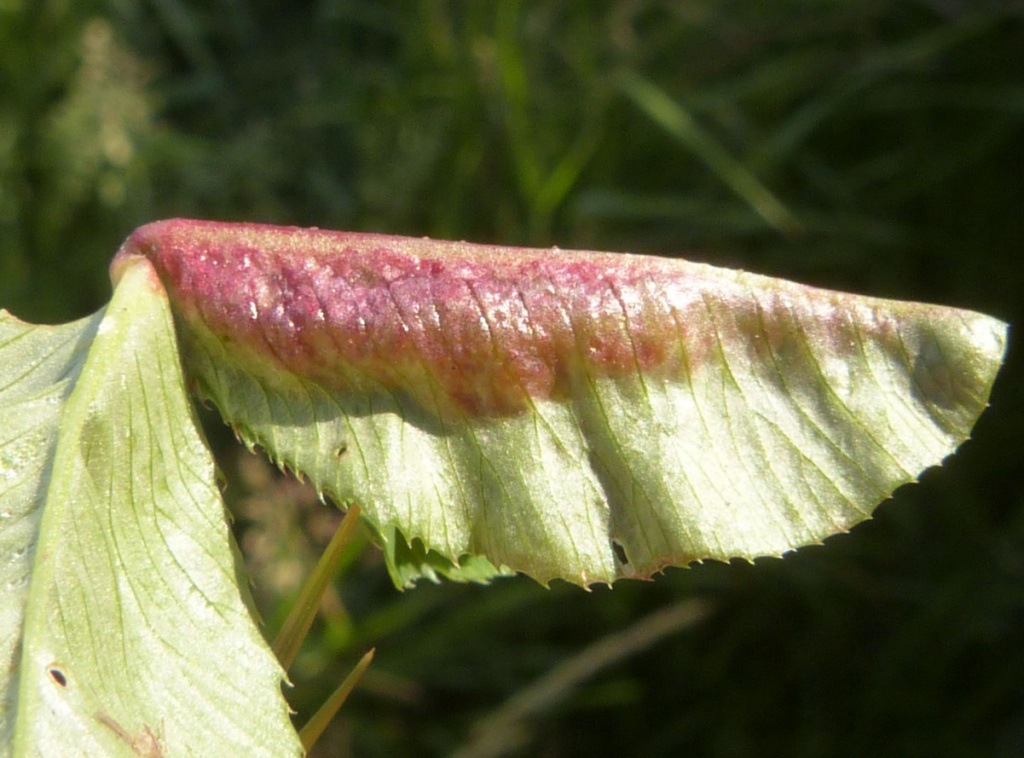
Dasineura trifolii
Dasineura trifolii is a midge whose larvae cause galls on the leaves of Clover and especially White Clover. The gall forces the leaflets to fold upwards along the midrib therefore creating a pod-like structure. Just above the fold the gall takes the form of numerous red and green swellings that run the entire length of the leaf. Each gall holds one or two larvae that start off white and become more orange as they mature.
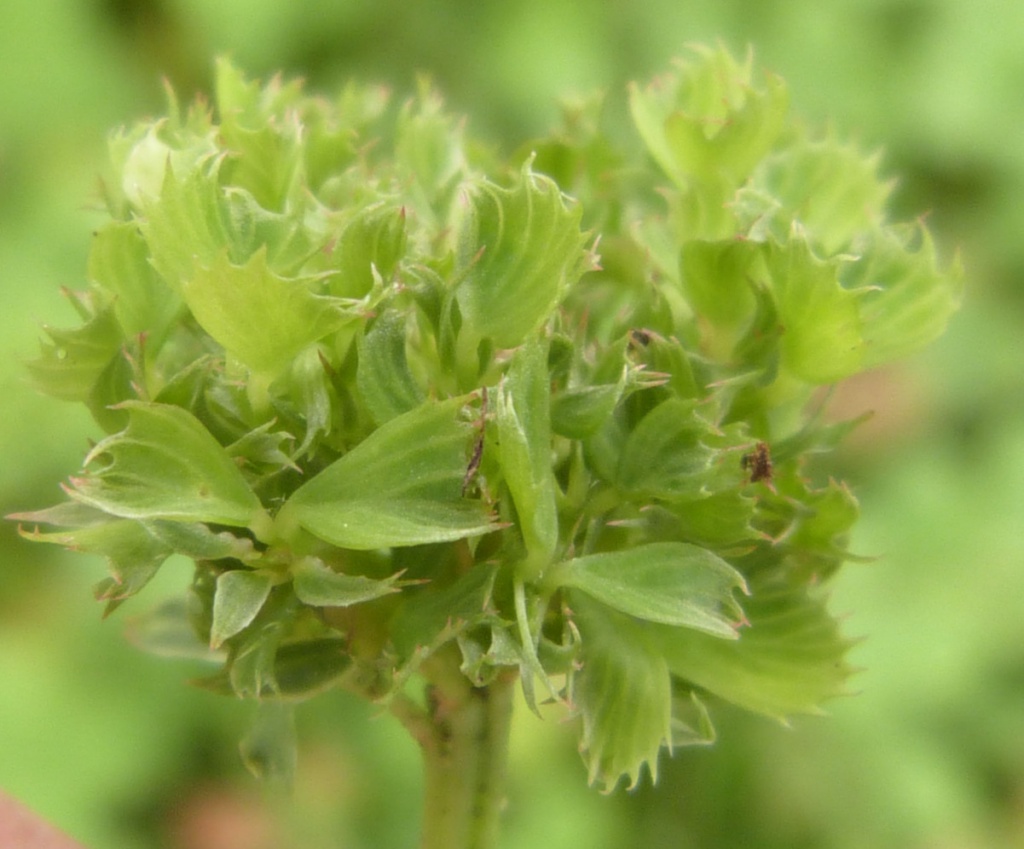
Clover Phyllody
Phyllody is the abnormal development of floral parts into leafy structures. Clover Phyllody can cause the shoot to transform into a mass of small green leaves of Clovers.