

Water Avens - Geum rivale
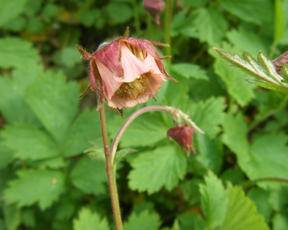
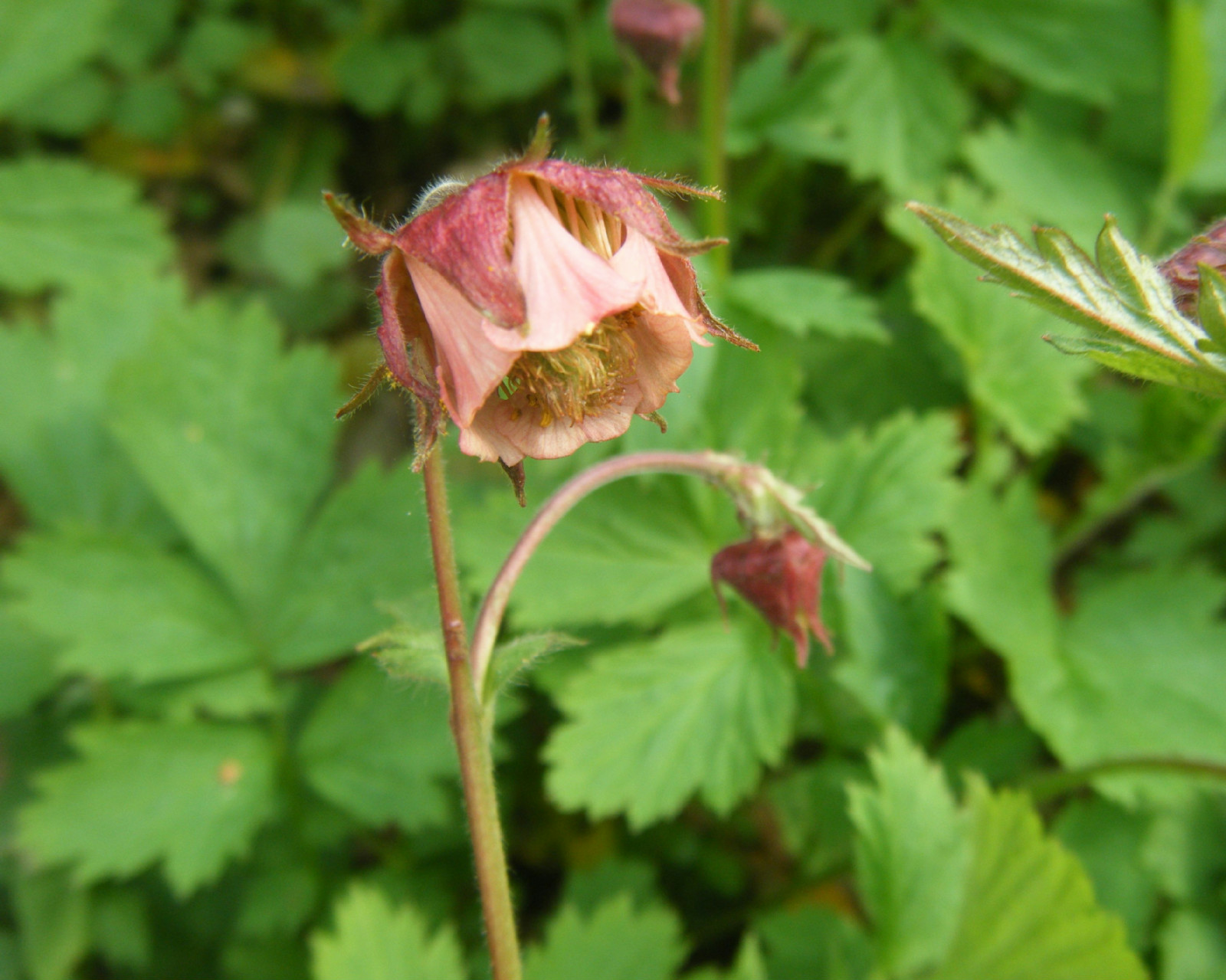
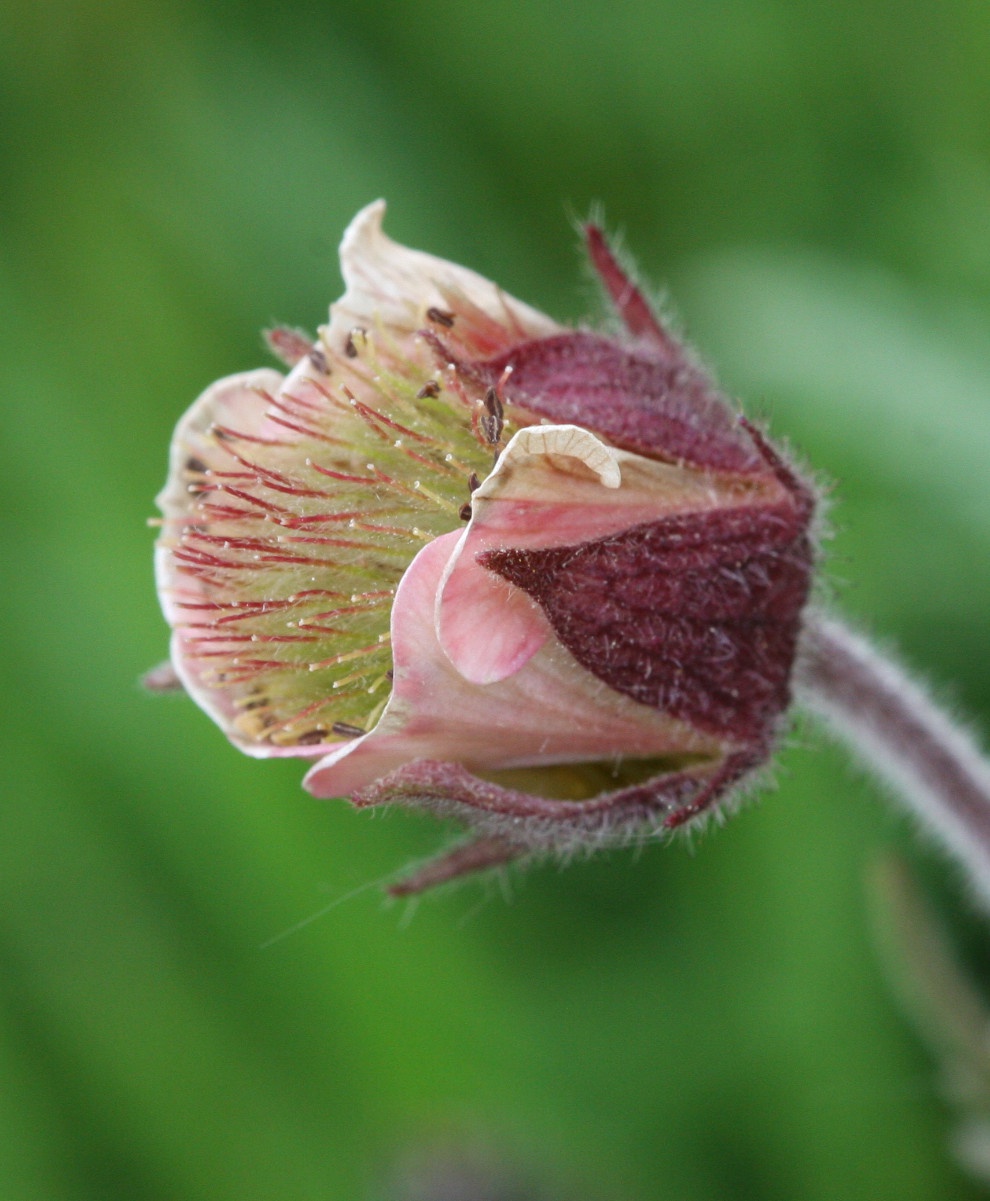
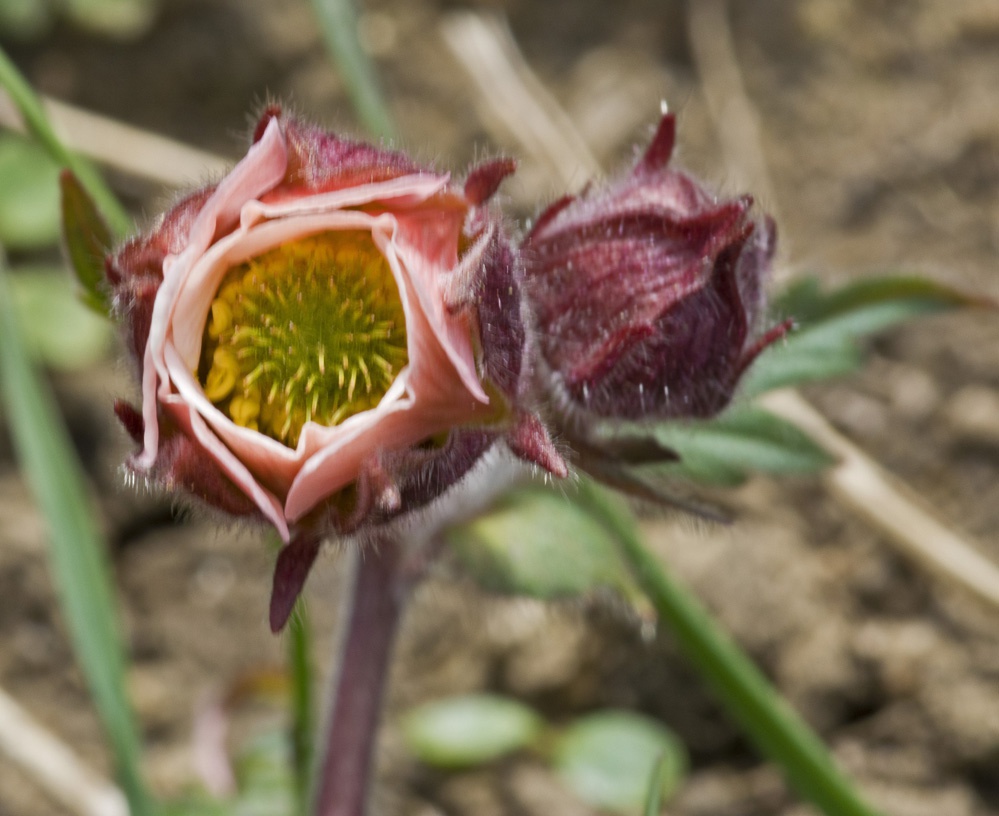
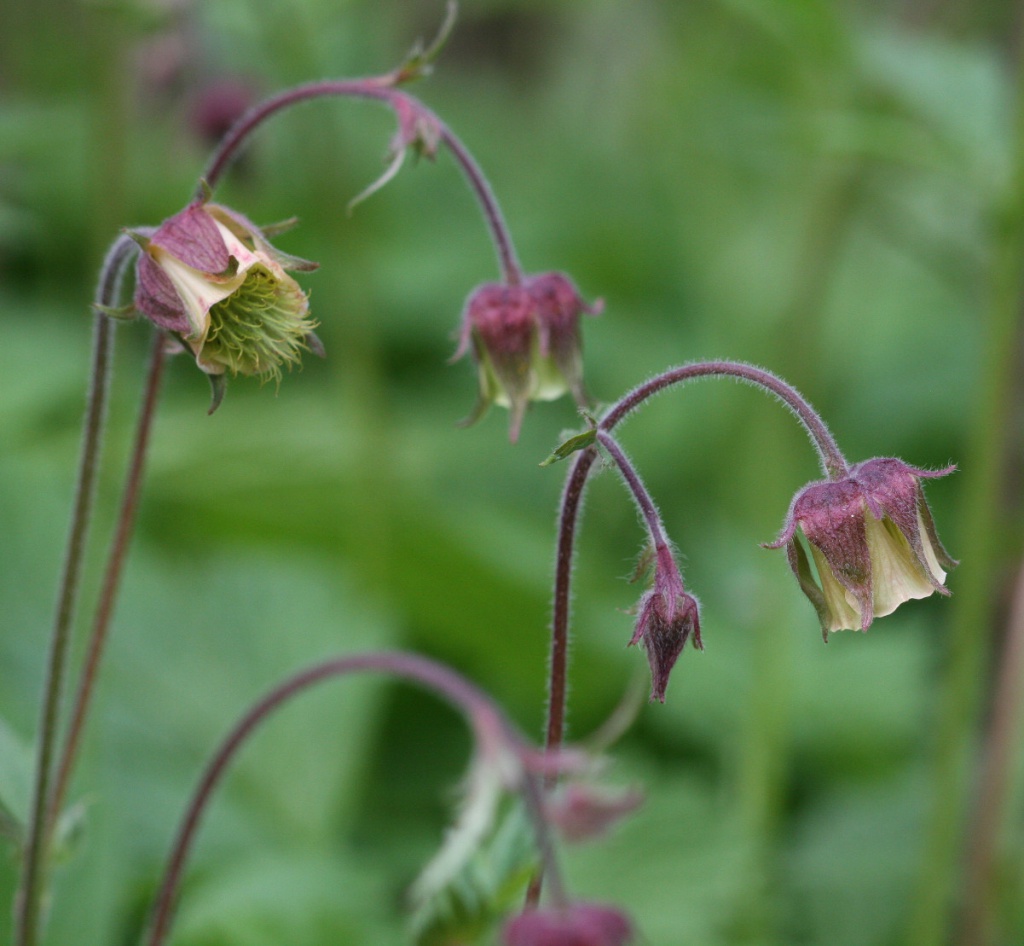
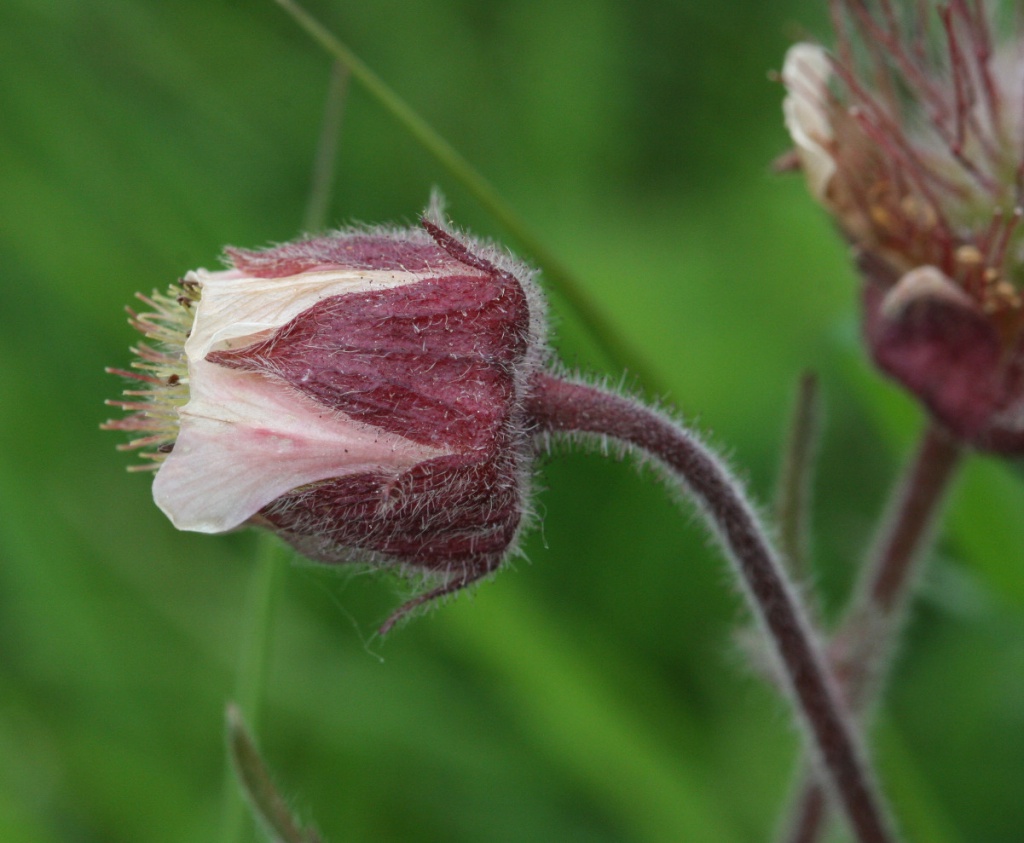
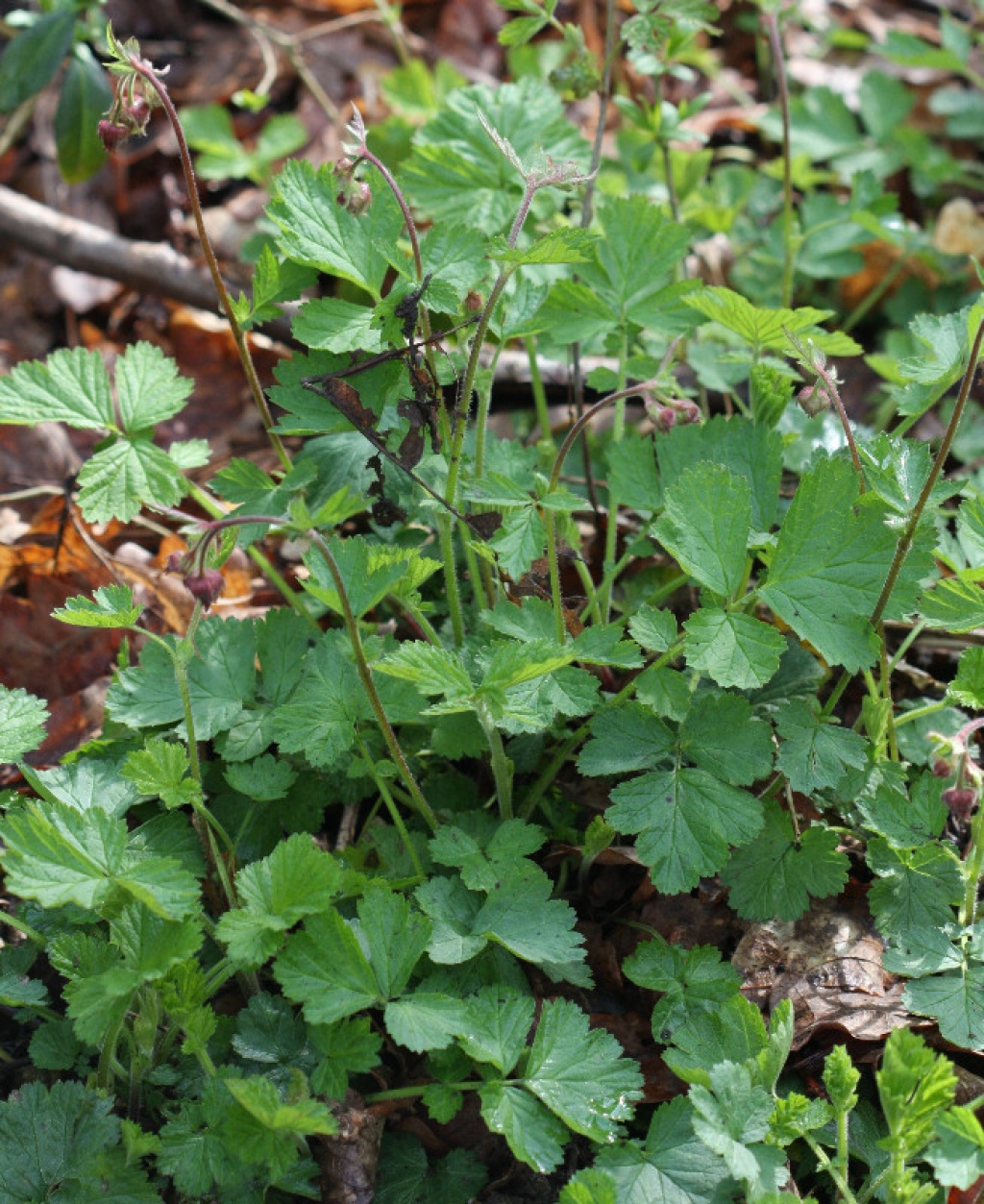
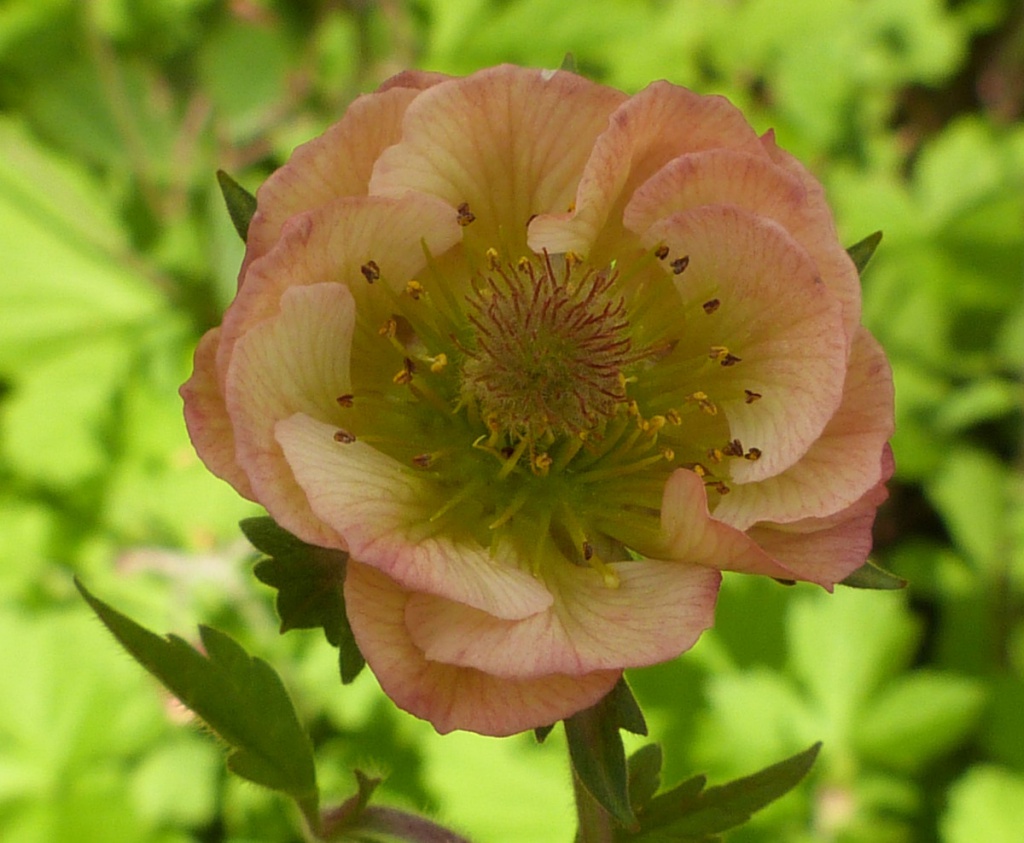
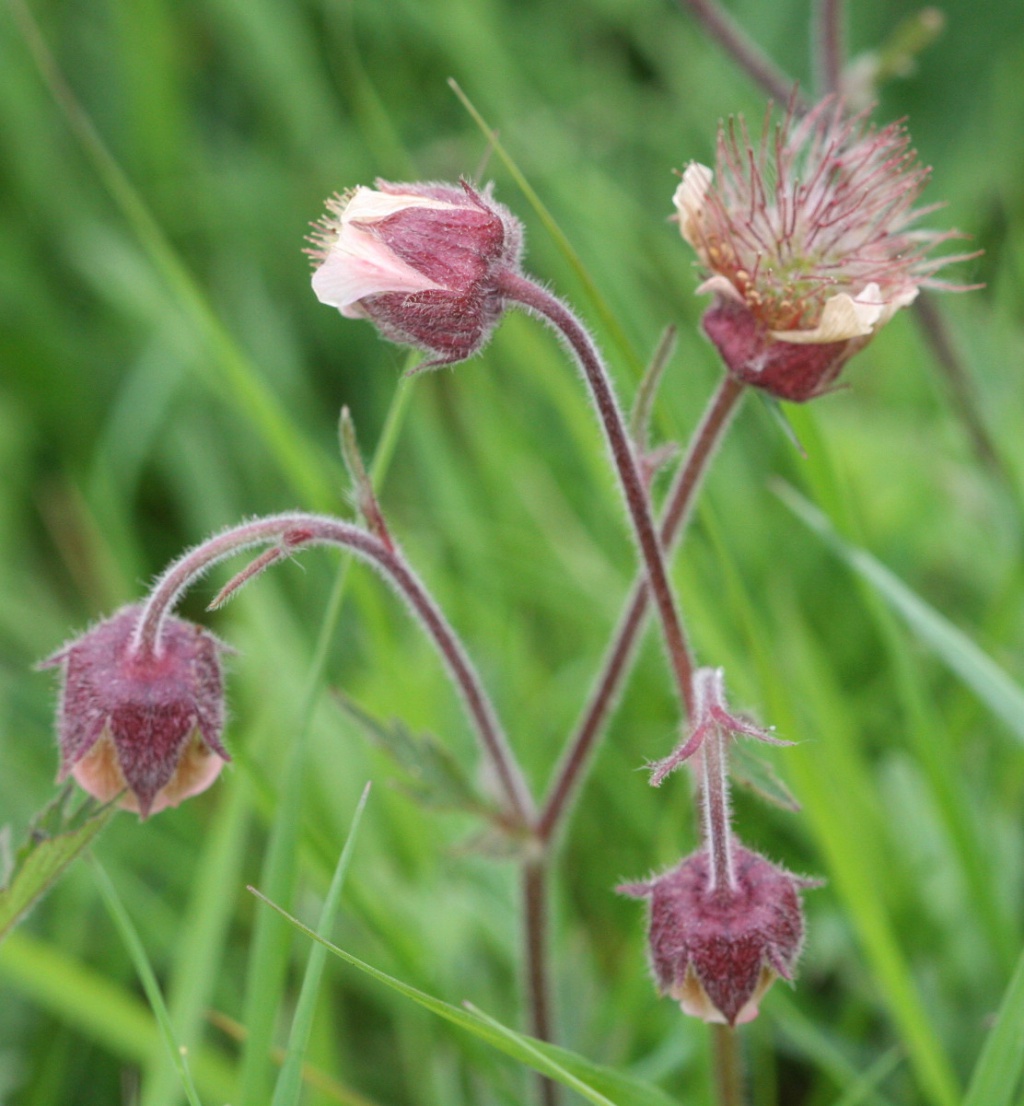
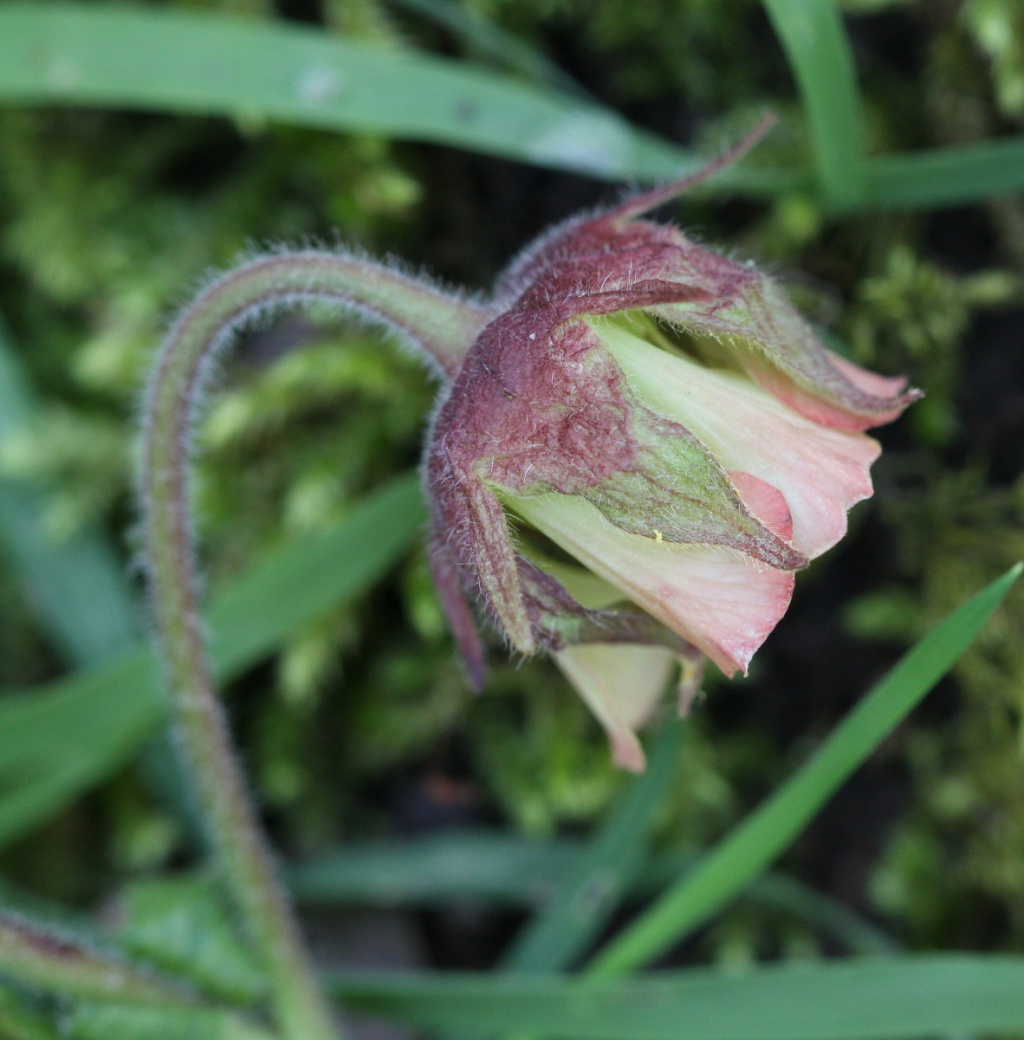
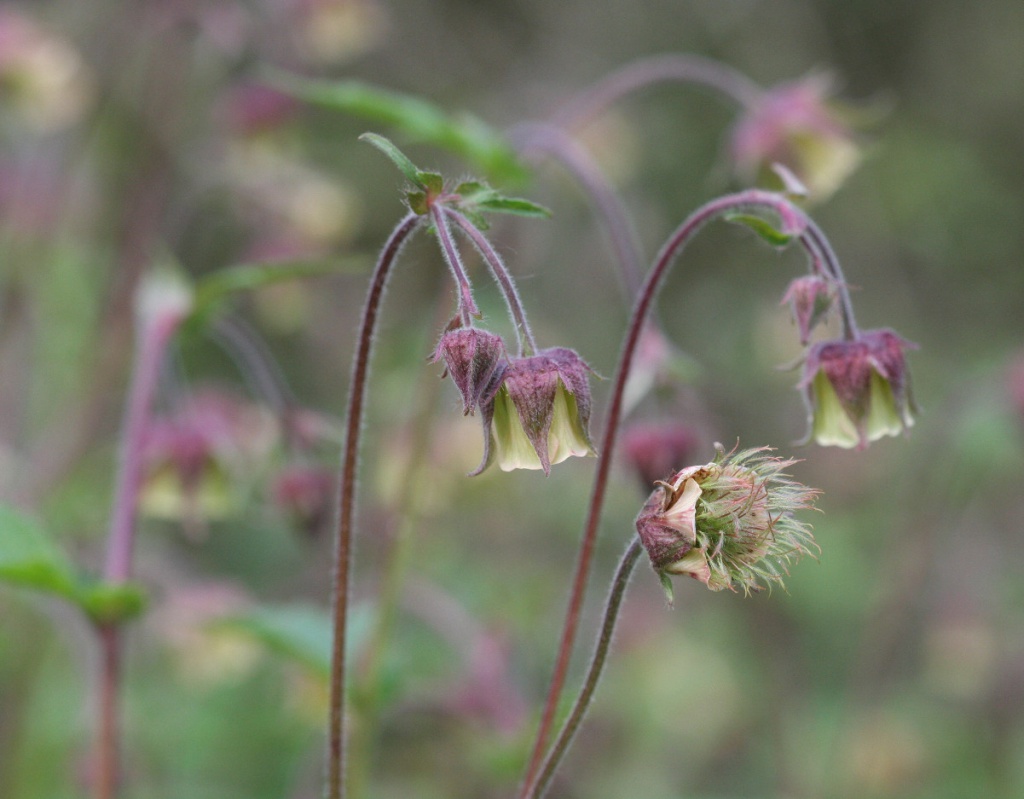
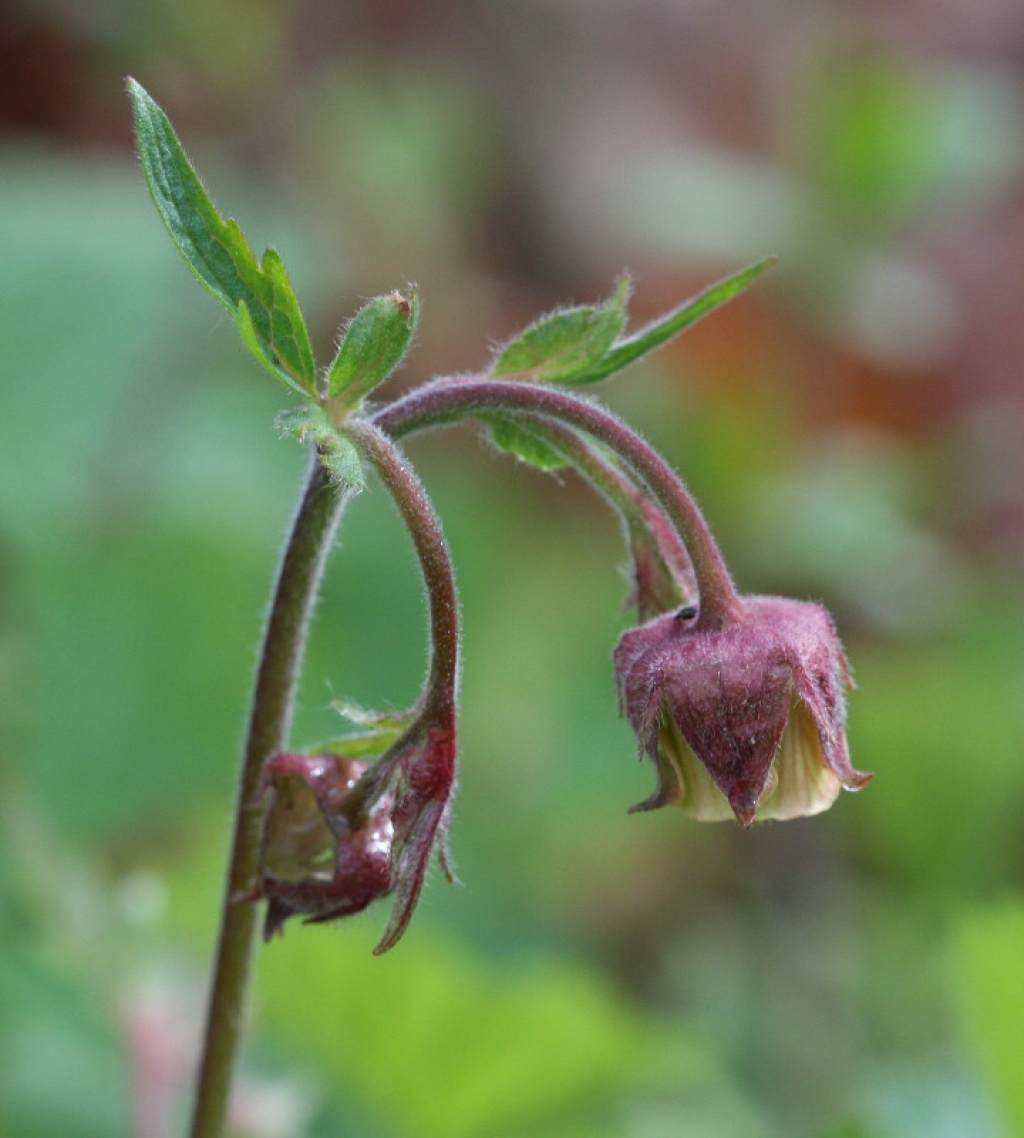
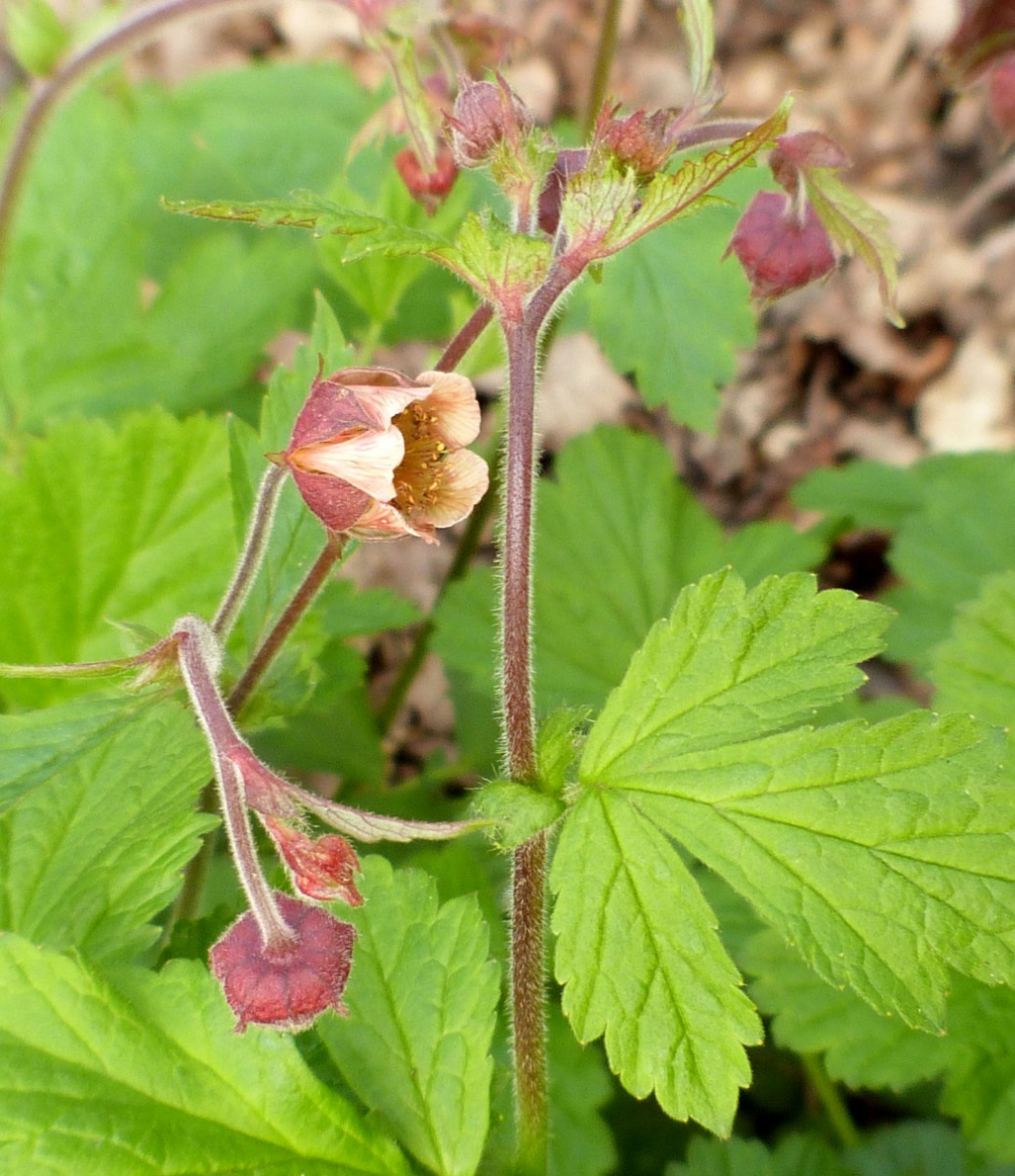
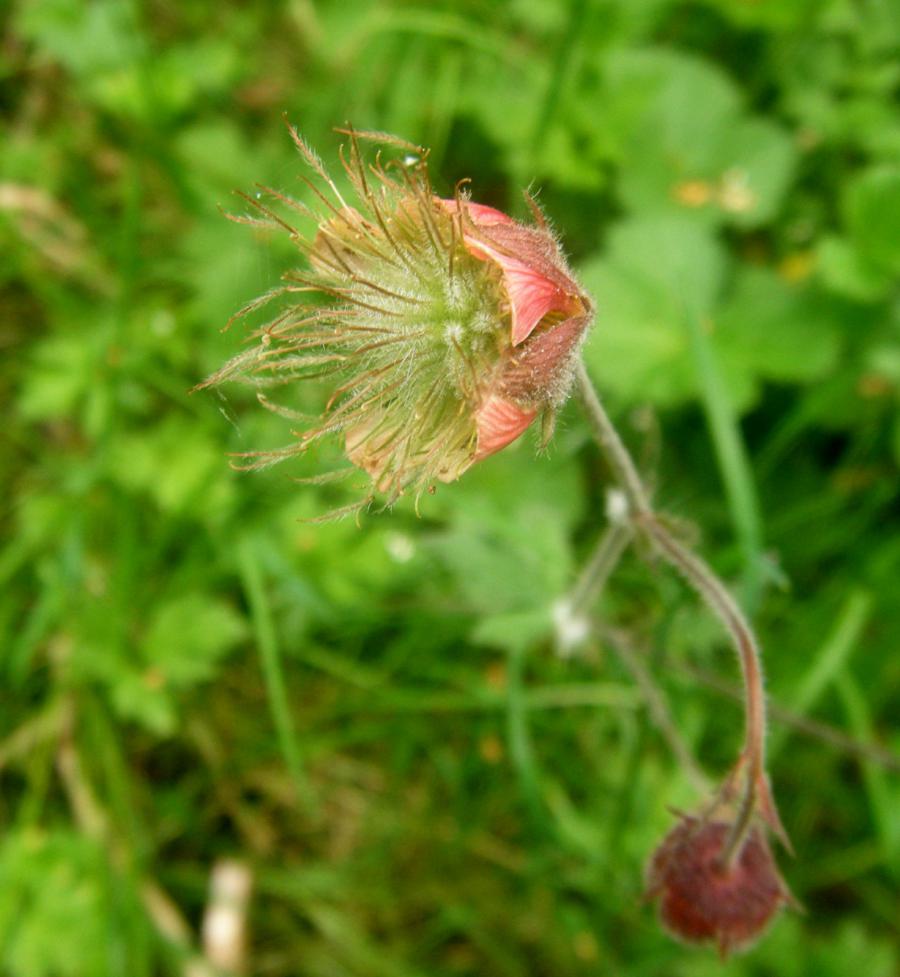
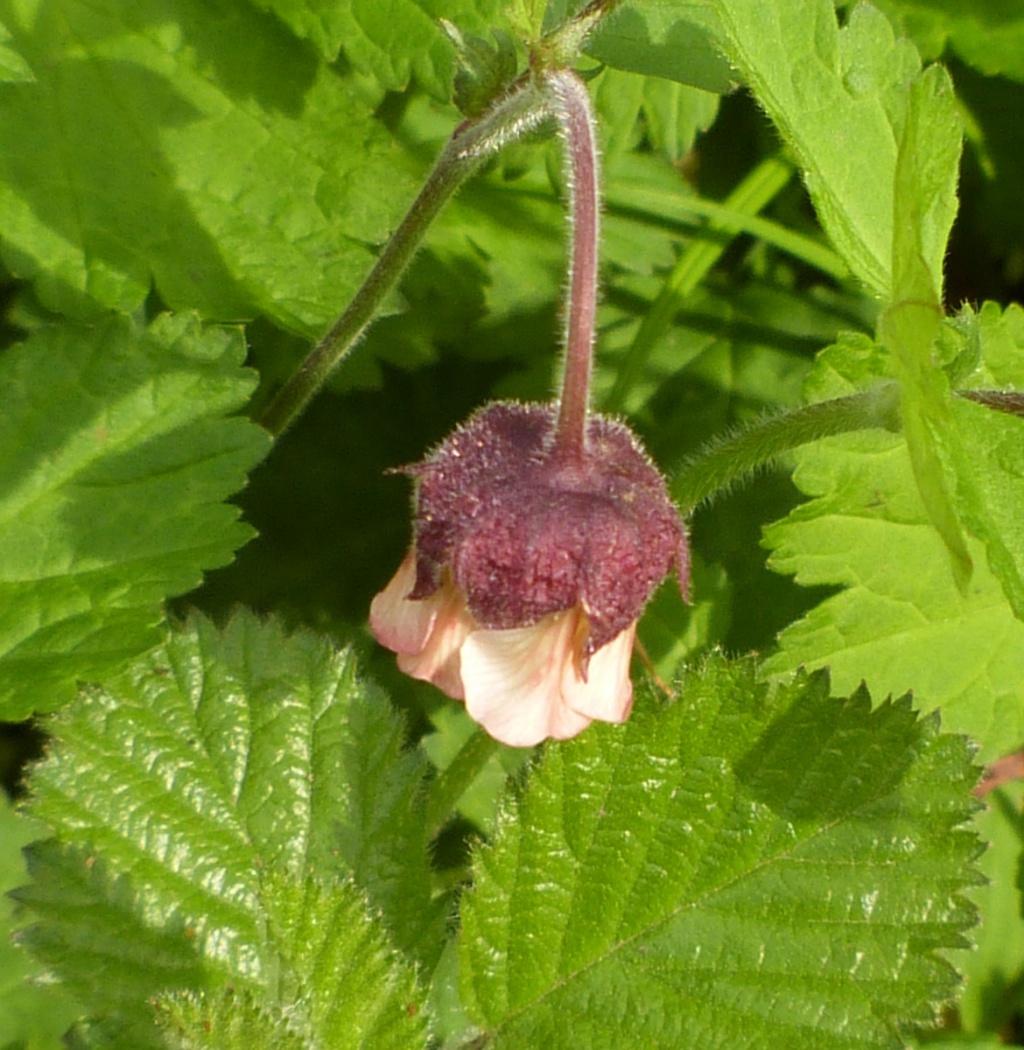
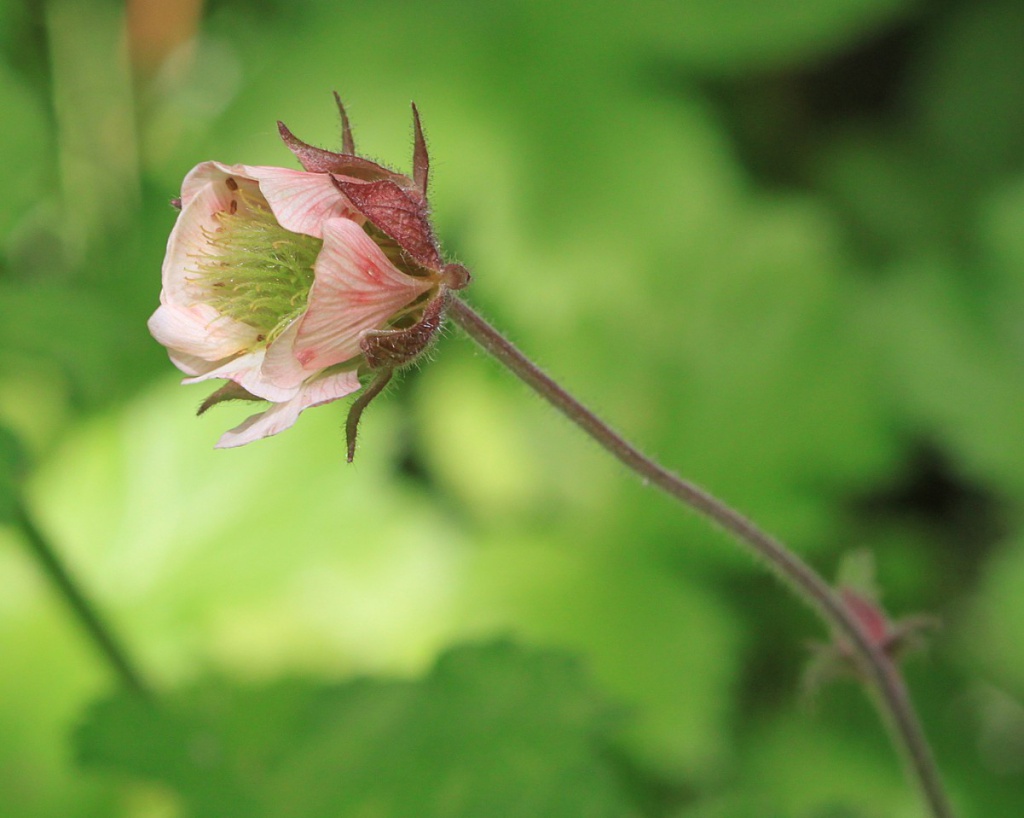
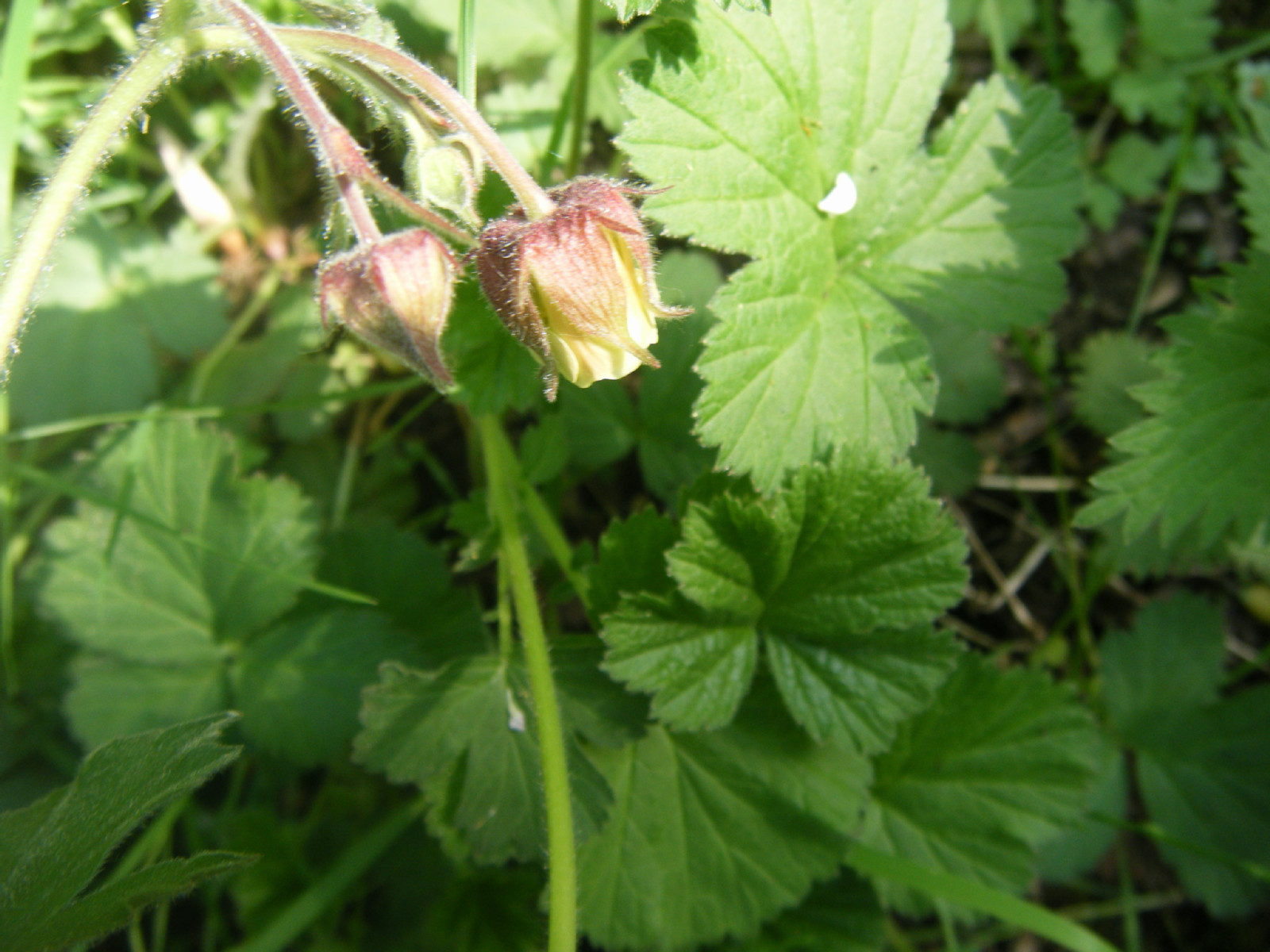
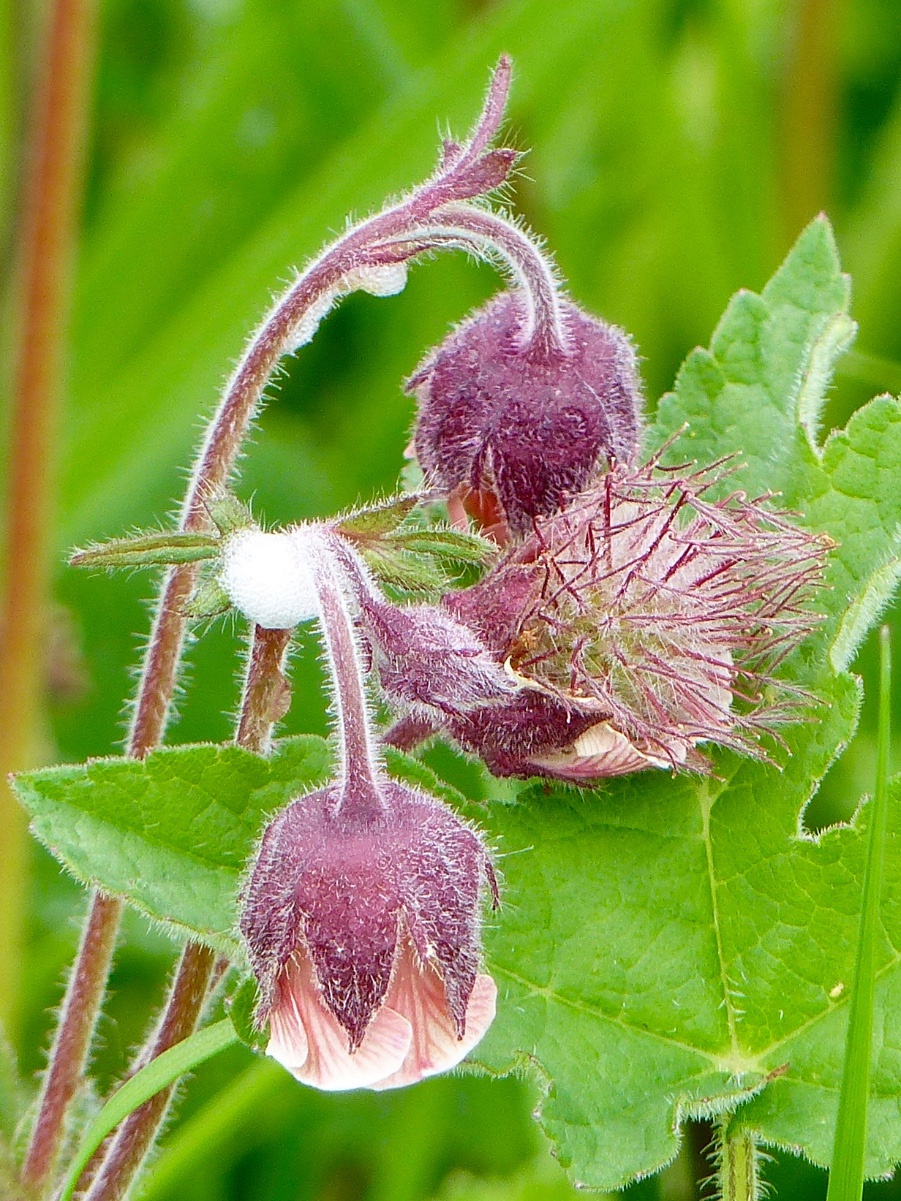
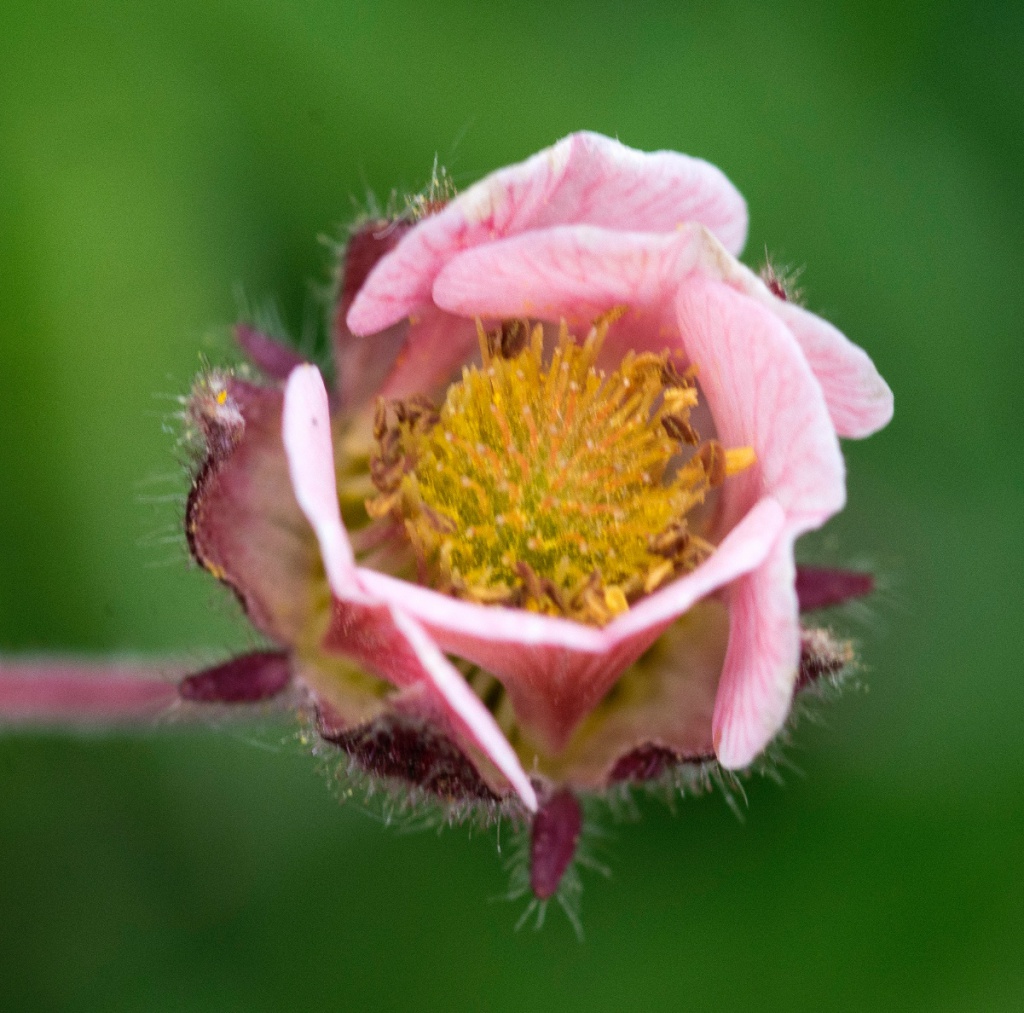
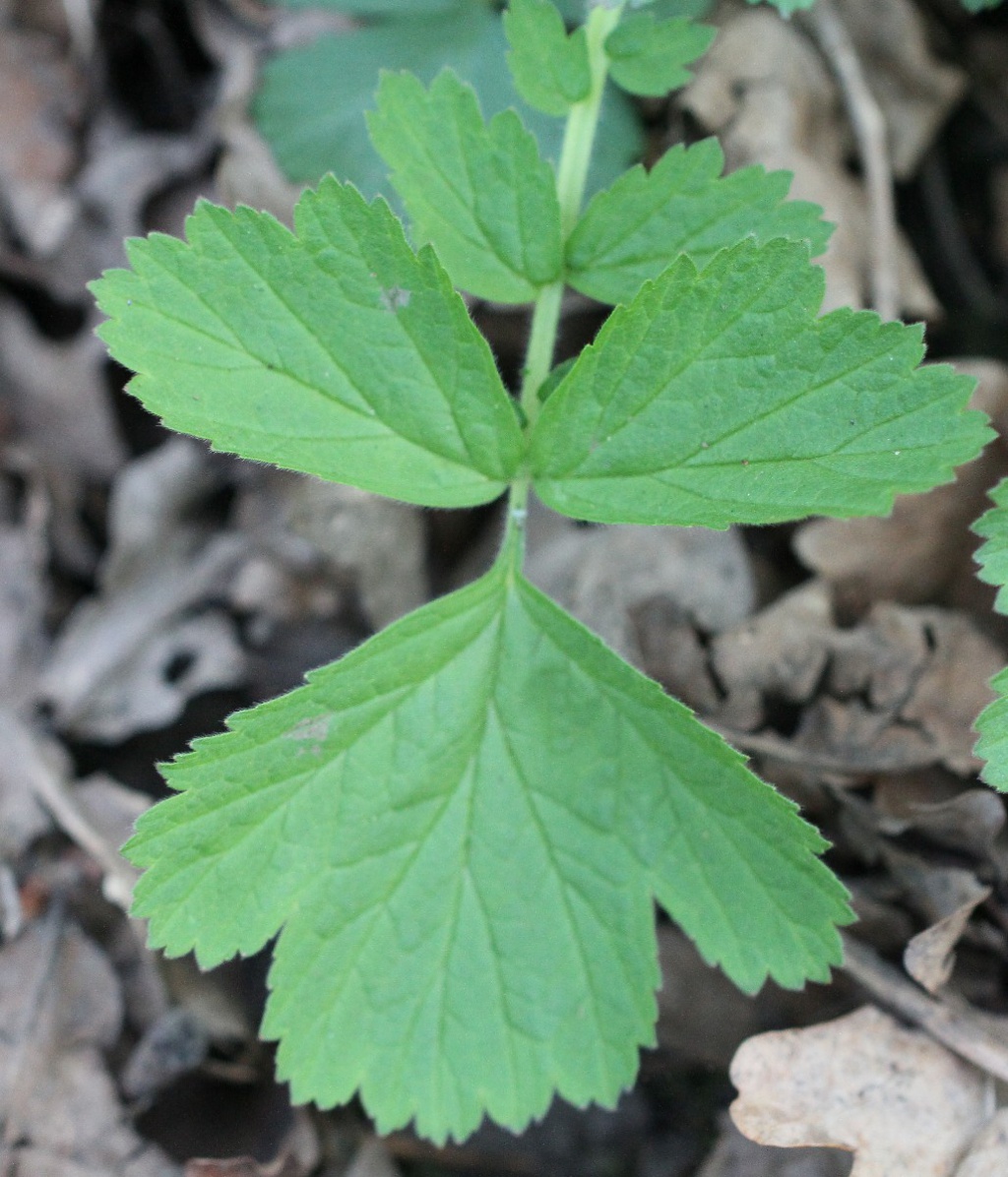
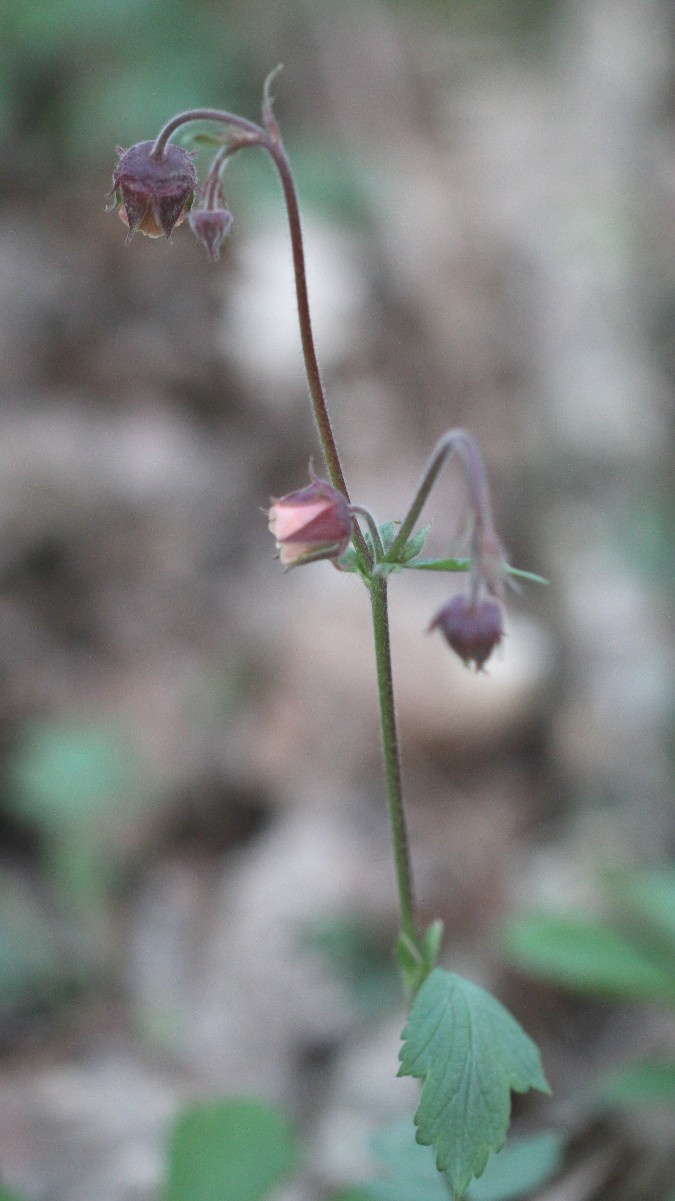
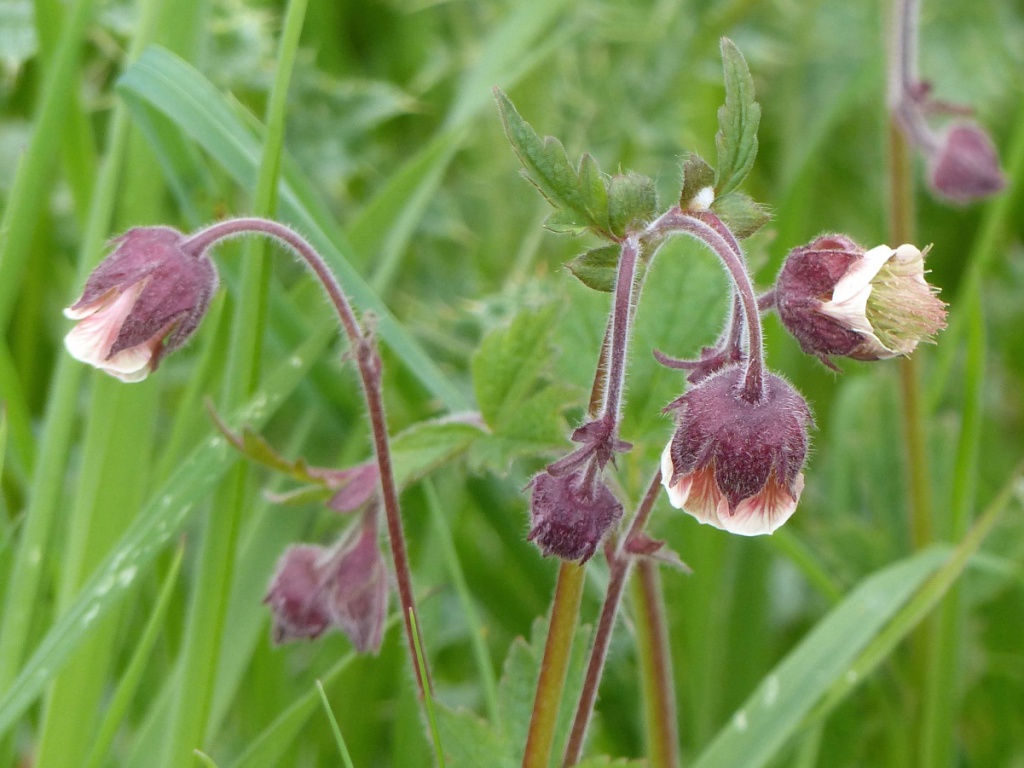
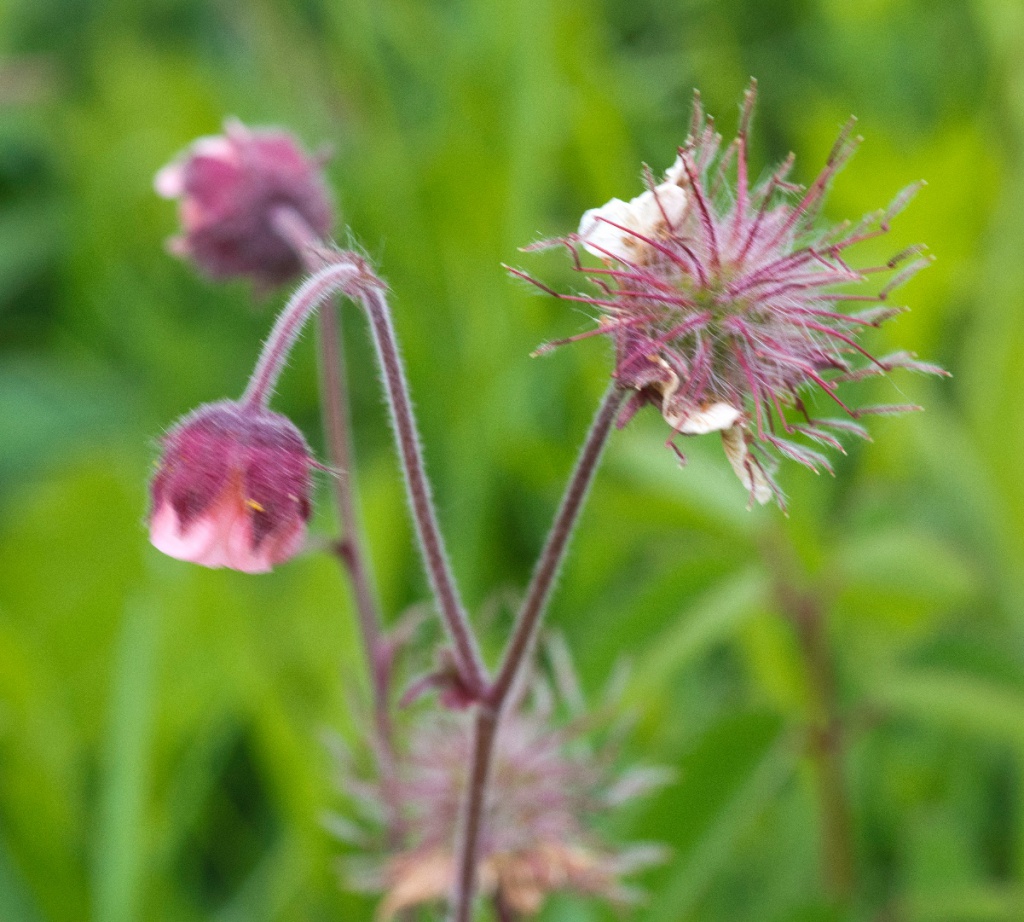
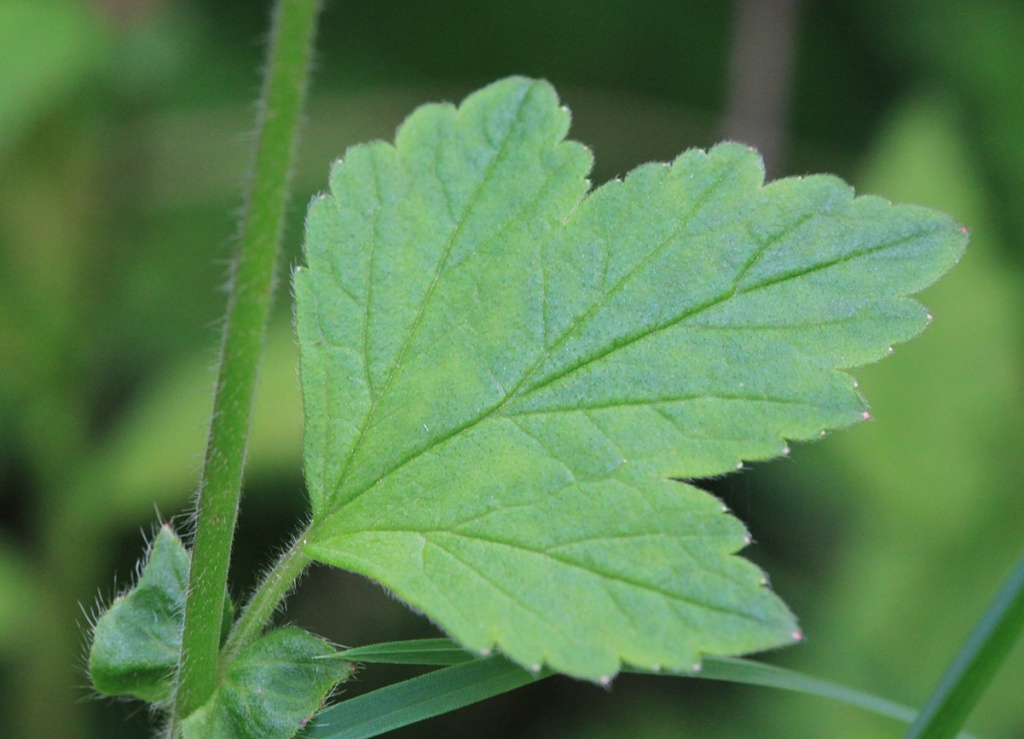
Short to medium hairy tufted plant. Leaves with 3 to 6 pairs of rounded, deeply lobed leaflets. Stem leaves usually with three lobes. Flowers are nodding bells pale yellow or pinkish, with a purple brown calyx 8 to 15 mm borne in lax branched clusters.
The hybrid with Geum urbanum, Geum x intermedium.

Pendent flowers.
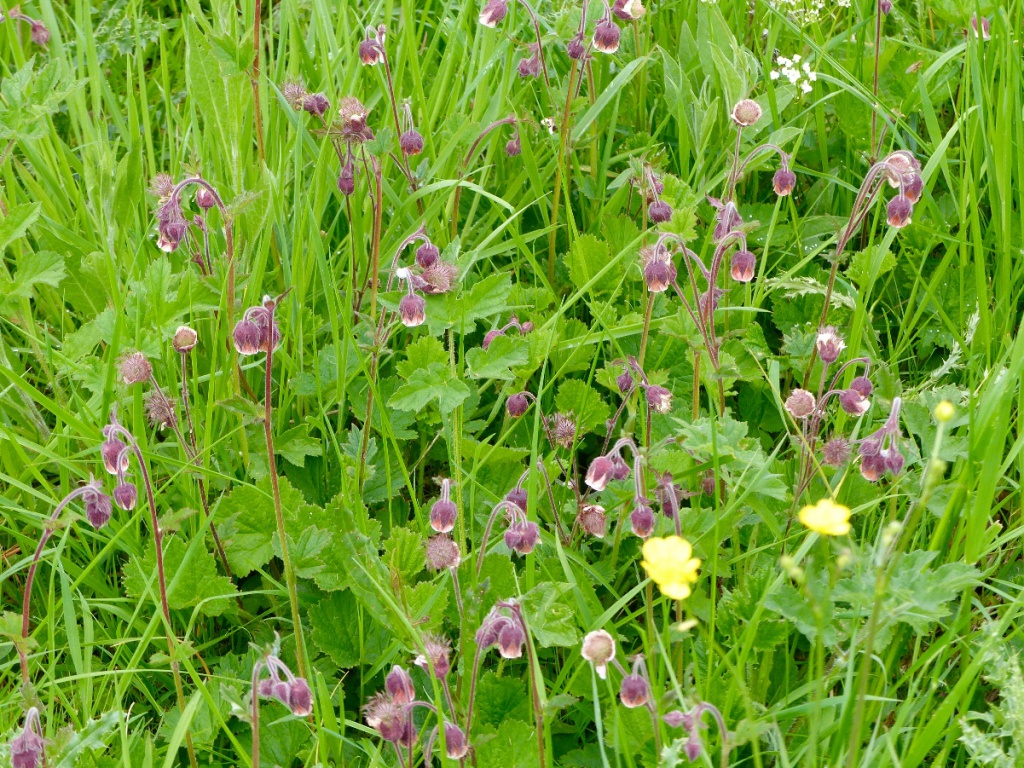
A photograph of the plant in its habitat
Old woodland, old grassland and marshes, often in shade.
April to September.
Perennial.
Widespread but local in Britain.
Occasional in Leicestershire and Rutland. In the 1979 Flora survey of Leicestershire it was found in 15 of the 617 tetrads.
In the current VC55 checklist (Jeeves, 2011) it is listed as occasional but nearly scarce
 Graham Calow
Burbage Common and Woods
11 April 2011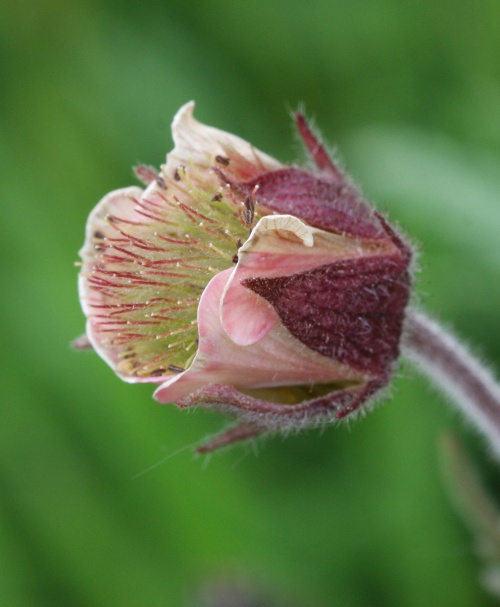 David Nicholls
Cribbs Meadow
16 May 2014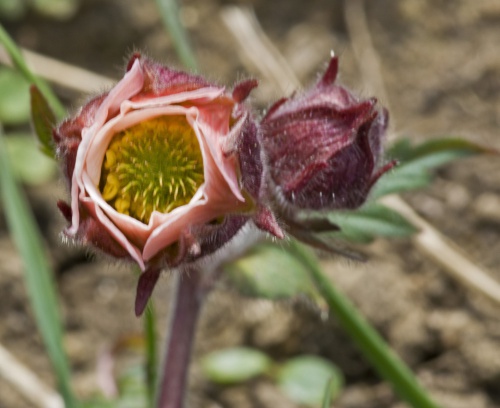 AJ Cann
Merry's Meadows
26 April 2015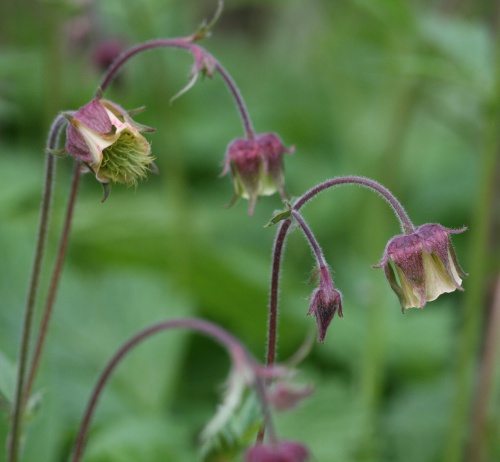 David Nicholls
Burbage Common and Woods
26 April 2014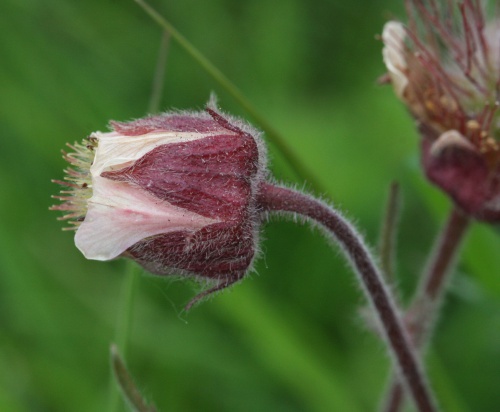 David Nicholls
Cribbs Meadow
16 May 2014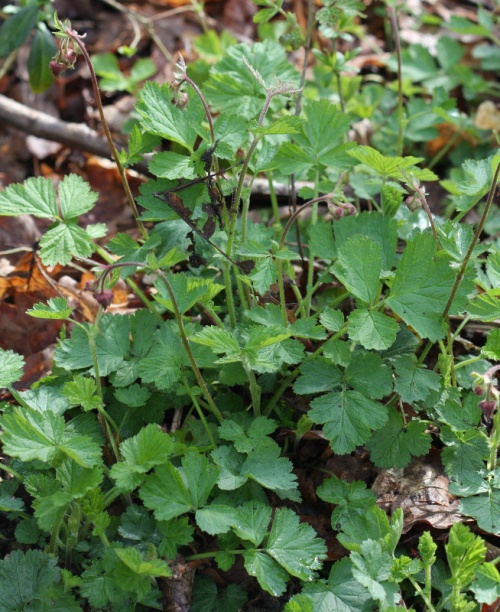 David Nicholls
Burbage Wood
12 April 2012
Leicestershire & Rutland Map
Enter a town or village to see local records
MAP KEY:
Yellow squares = NBN records (all known data)
Coloured circles = NatureSpot records: 2025+ | 2020-2024 | pre-2020
UK Map
Species profile
- Common names
- Water Avens
- Species group:
- flowering plant
- Kingdom:
- Plantae
- Order:
- Rosales
- Family:
- Rosaceae
- Records on NatureSpot:
- 50
- First record:
- 11/04/2011 (Calow, Graham)
- Last record:
- 25/06/2024 (Isabel Raval, Stephen Gray, Fliss Manning, David Barber, Neil Hubbard, Mike Higgot, Lindsi Donovan)
Total records by month
% of records within its species group
10km squares with records
The latest images and records displayed below include those awaiting verification checks so we cannot guarantee that every identification is correct. Once accepted, the record displays a green tick.
In the Latest Records section, click on the header to sort A-Z, and again to sort Z-A. Use the header boxes to filter the list.
Latest images
Latest records
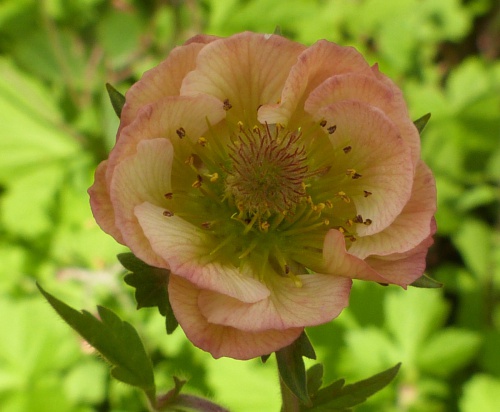 Graham Calow
Burbage Common and Woods
16 May 2013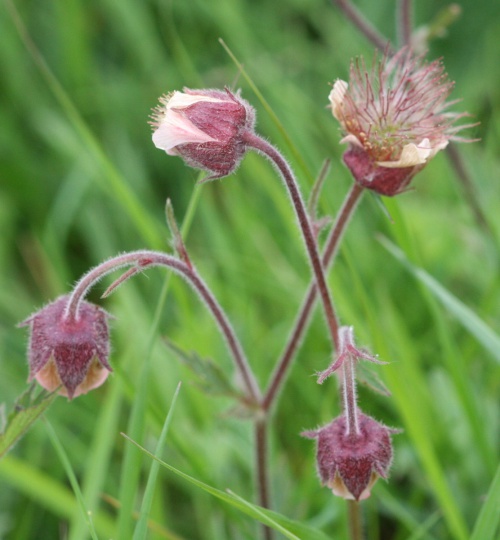 David Nicholls
Cribbs Meadow
16 May 2014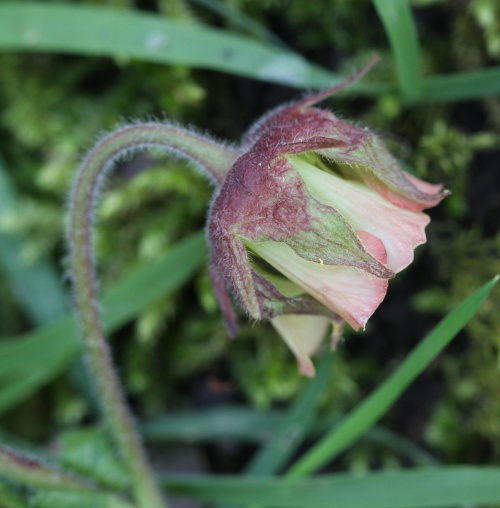 David Nicholls
Burbage Common and Woods
26 April 2014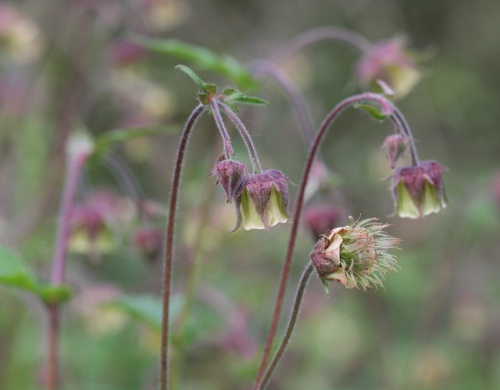 David Nicholls
Burbage Common and Woods
26 April 2014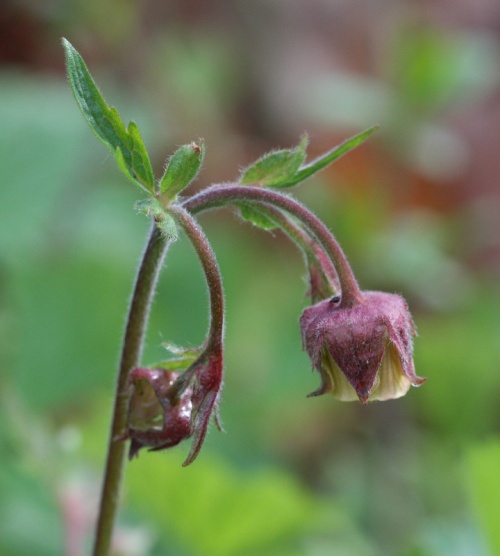 David Nicholls
Burbage Wood
12 April 2012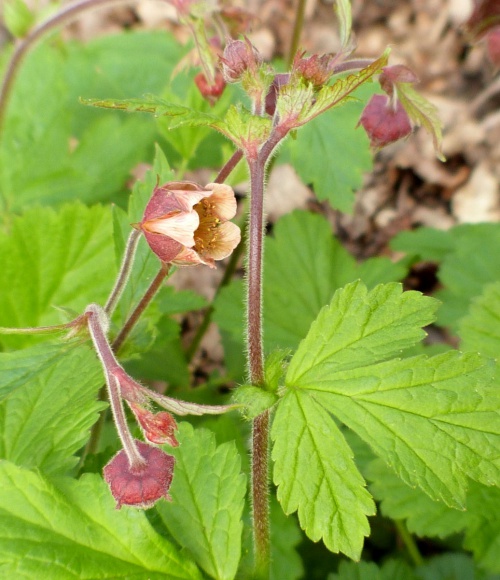 Graham Calow
Burbage Common and Woods
24 April 2014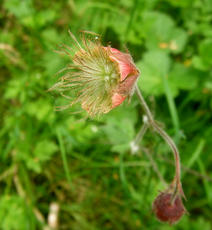 Graham Calow
Jubilee walk, Leire
17 May 2011
setting seed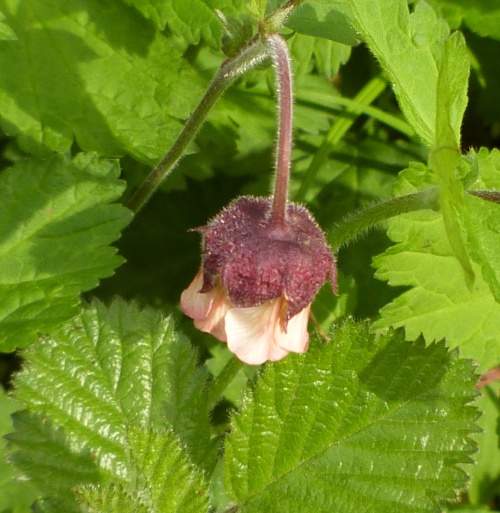 Graham Calow
Burbage Common and Woods
16 May 2013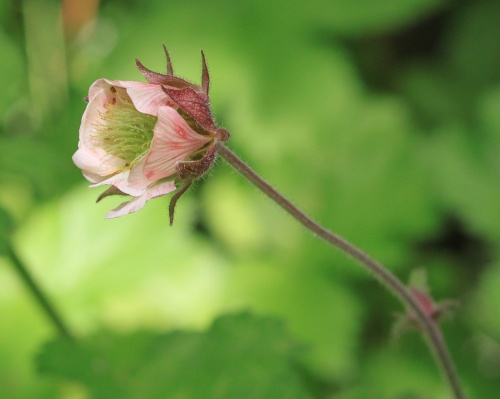 Paul Ruddoch
Wymondham Rough
30 May 2015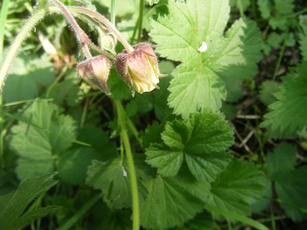 Graham Calow
Jubilee walk, Leire
04 May 2011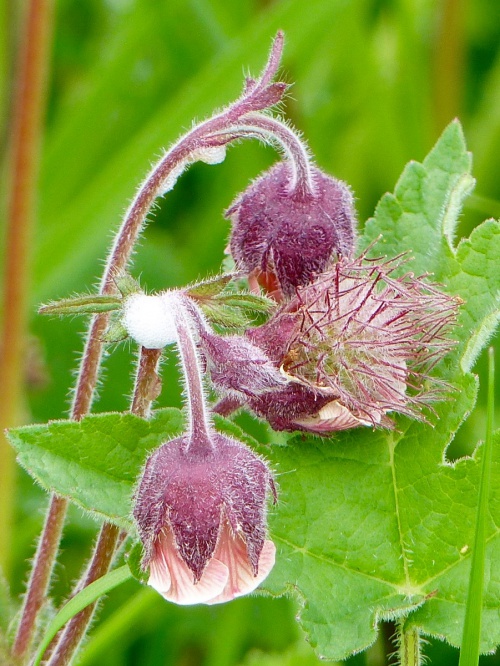 Ken Charity
Merry's Meadows NNR
20 May 2016
Water Avens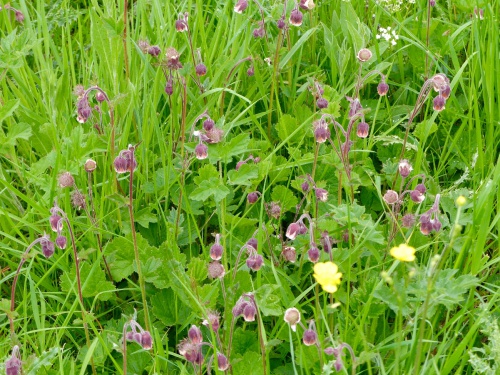 Ken Charity
Merry's Meadows NNR
20 May 2016
Water Avens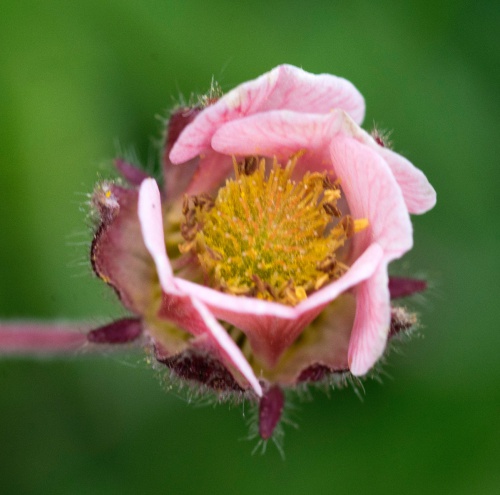 AJ Cann
Merry's Meadows
29 May 2016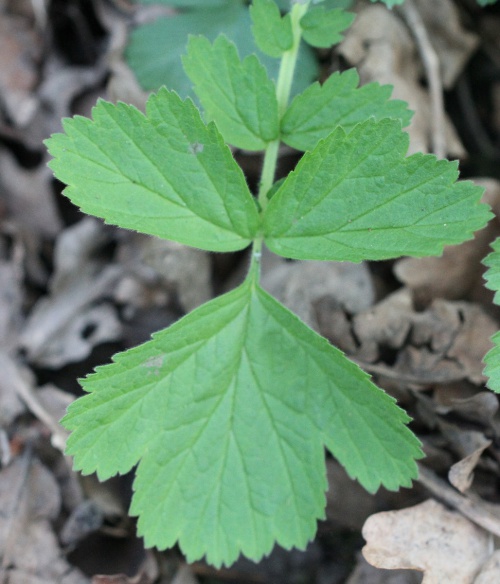 Craig Mabbett
Burbage Common Wood's
06 April 2017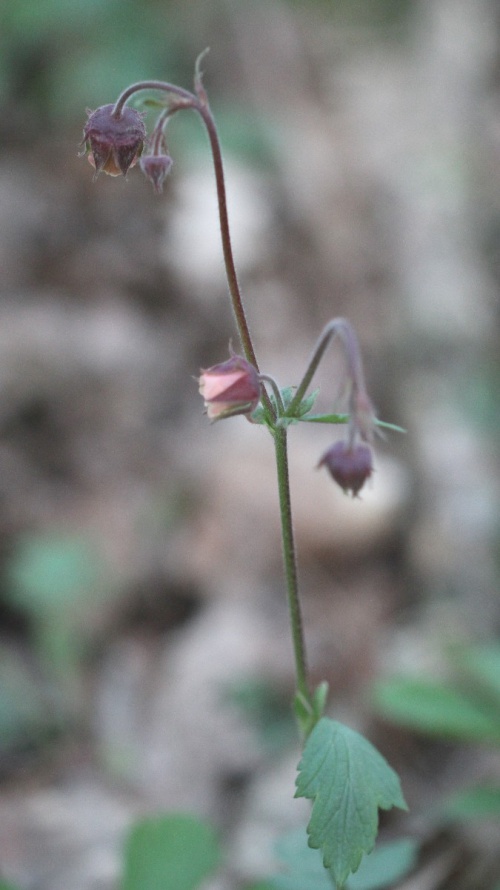 Craig Mabbett
Burbage Common Wood's
06 April 2017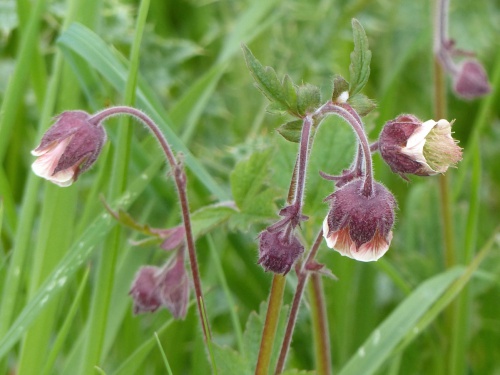 Ken Charity
Merry's Meadows NNR
20 May 2016
Water Avens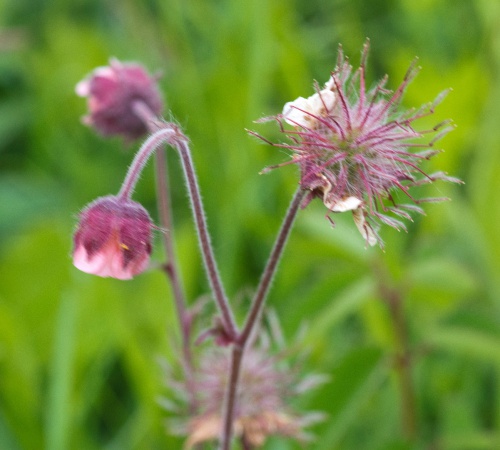 AJ Cann
Merry's Meadows
29 May 2016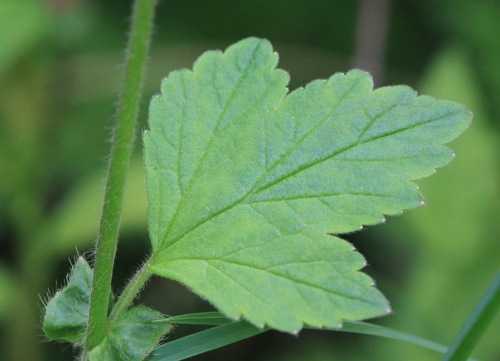 Paul Ruddoch
Wymondham Rough
30 May 2015
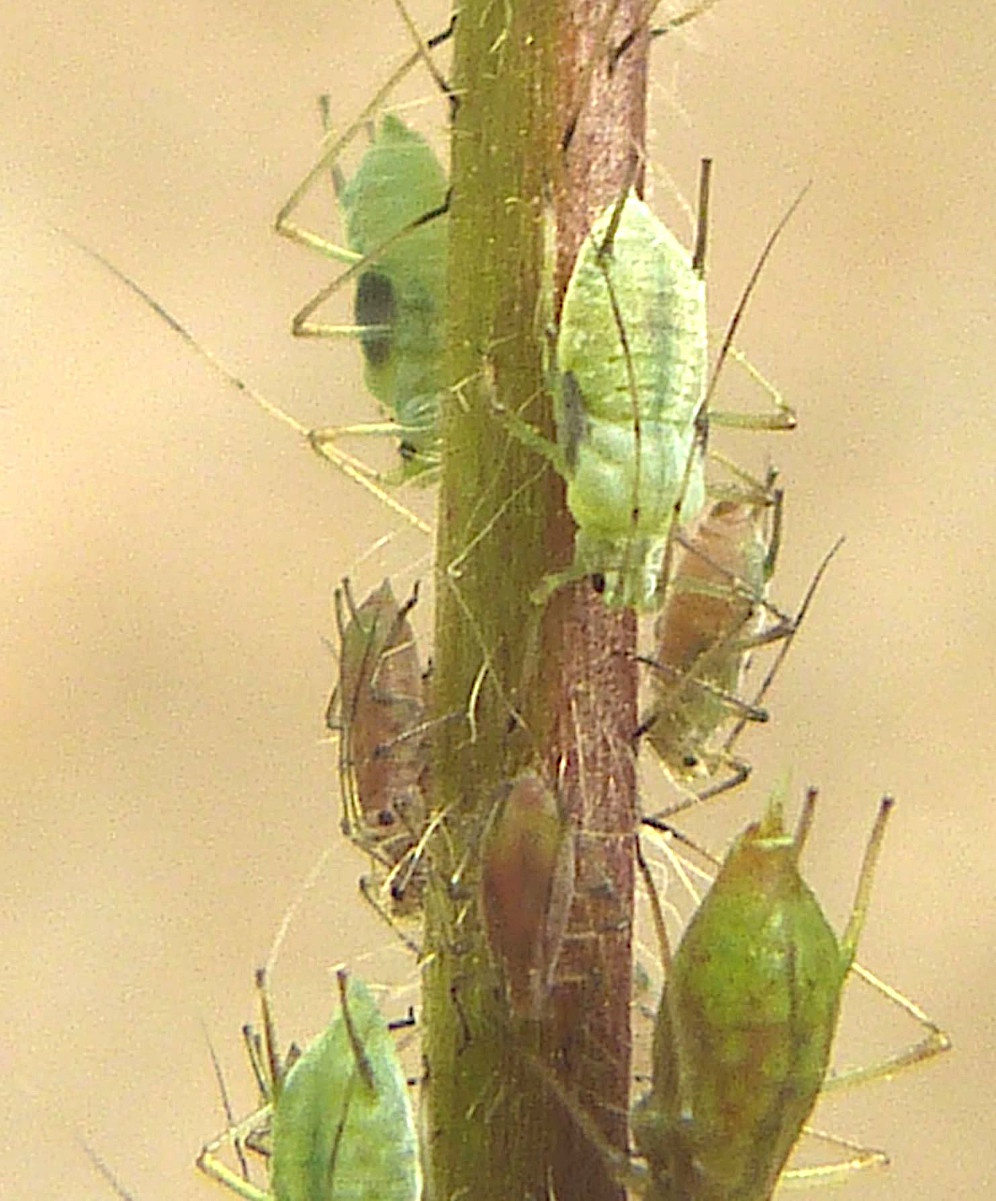
Herb Bennet Aphid
Macrosiphum gei is found in dense colonies on the upper parts of the flower stem of Wood Avens (Geum urbanum) which is also known as Herb-Bennet and on Hybrid Avens. It can also occur on the undersides of the leaves of some Apiaceae, especially Anthriscus. Macrosiphum gei apterae are spindle-shaped, usually mid-green to bluish green or wine red.
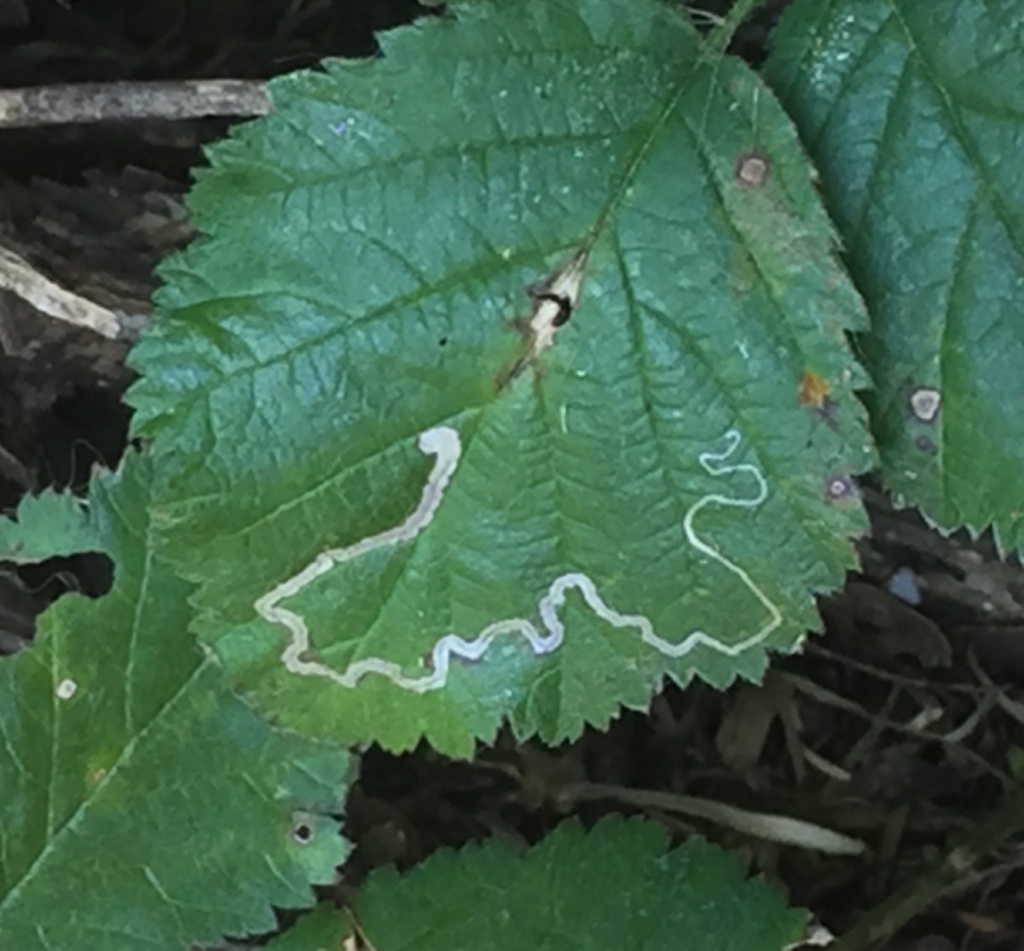
Stigmella aurella
There are a number of moths in the Stigmella genus and most look very similar. However their caterpillars feed on various plants creating leafmines that can help with identification. Stigmella aurella specialises on Bramble and the long, thin leafmines can be very common and are even recognisable in winter when they become white.