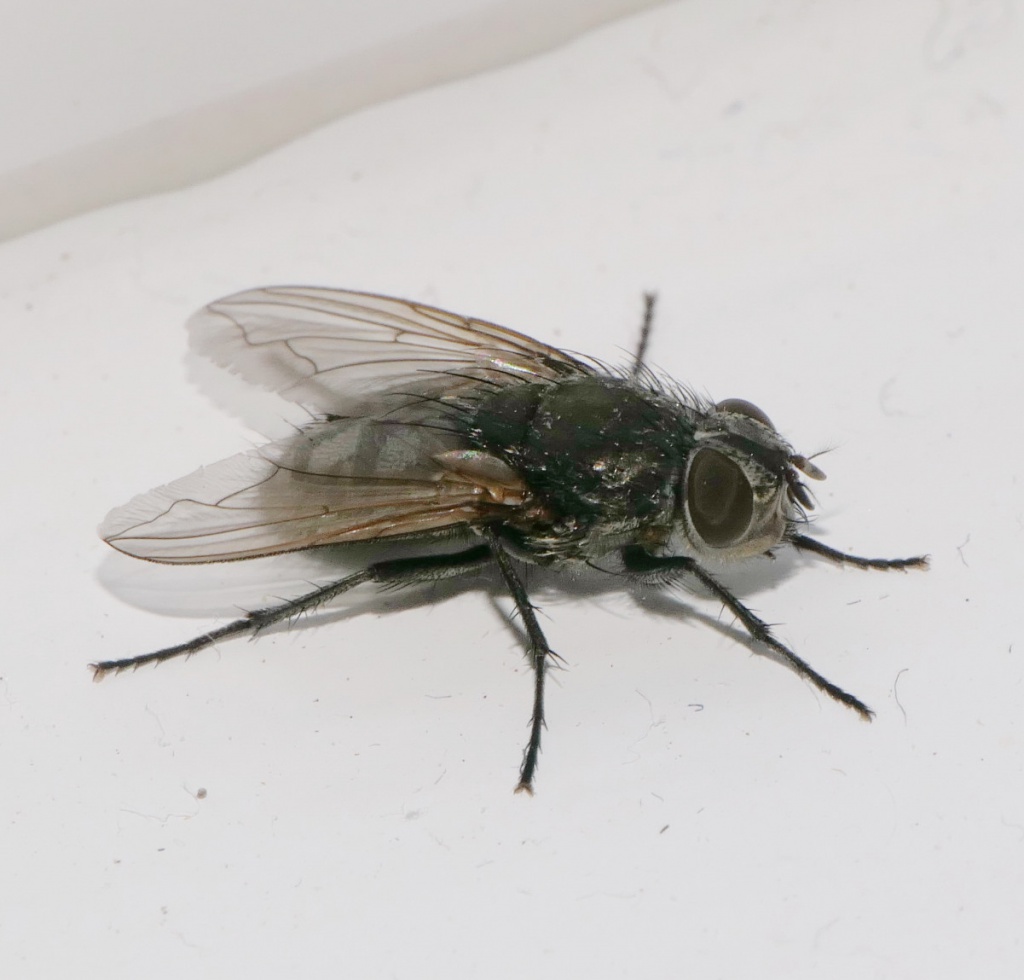
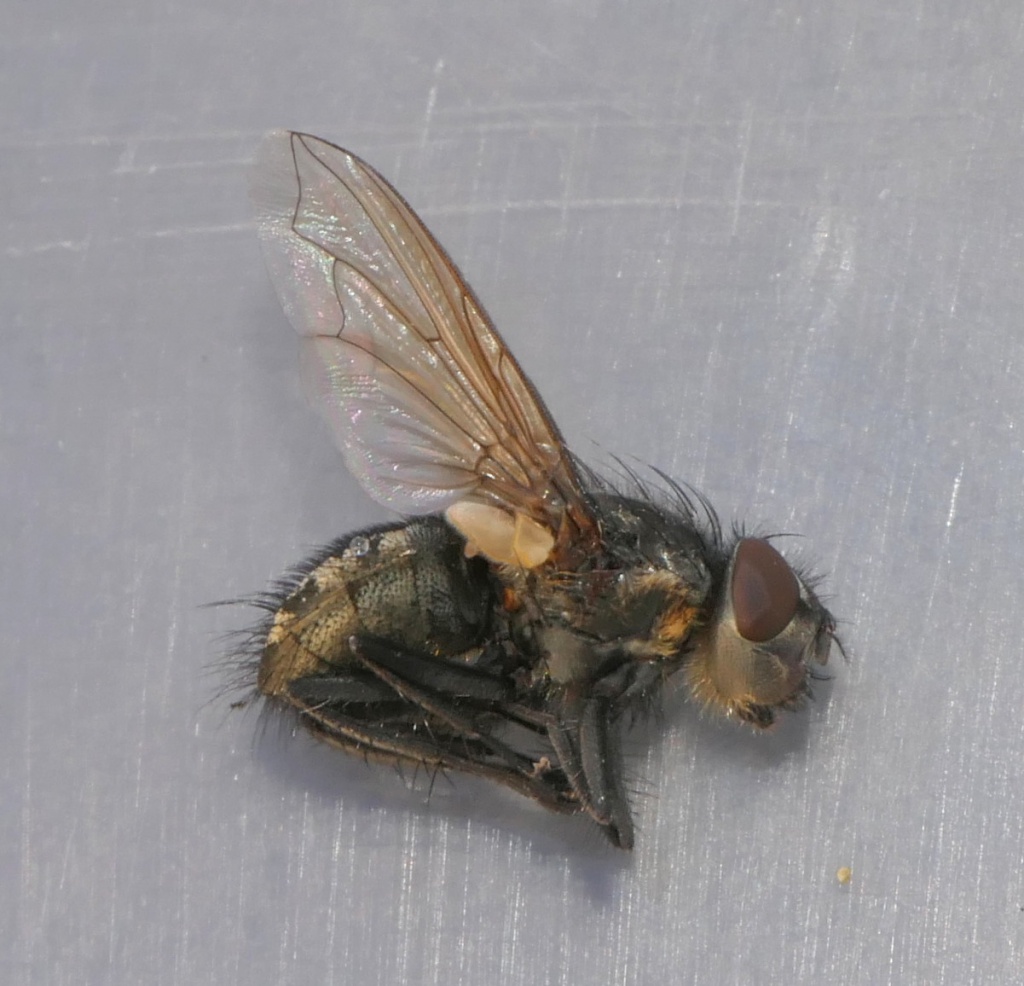
Tufted Clusterfly - Pollenia pediculata
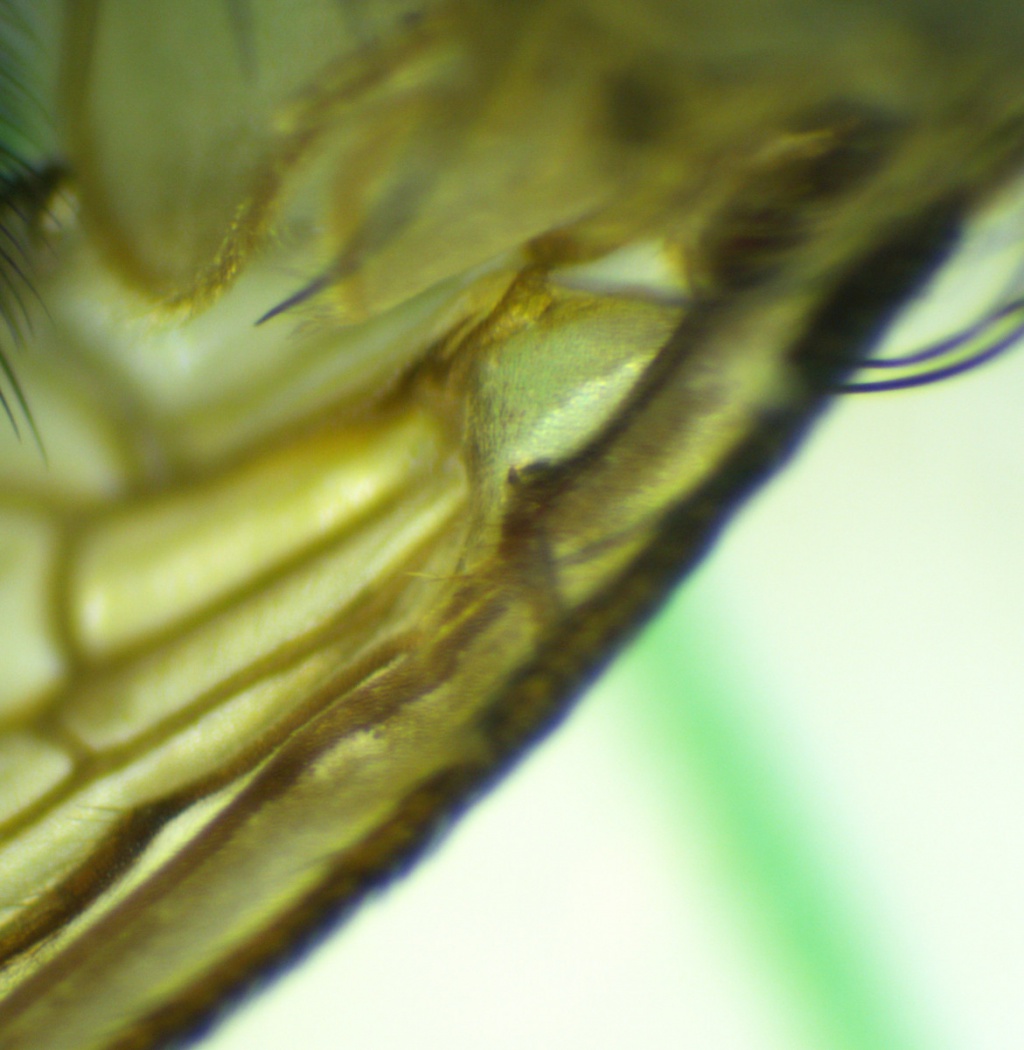
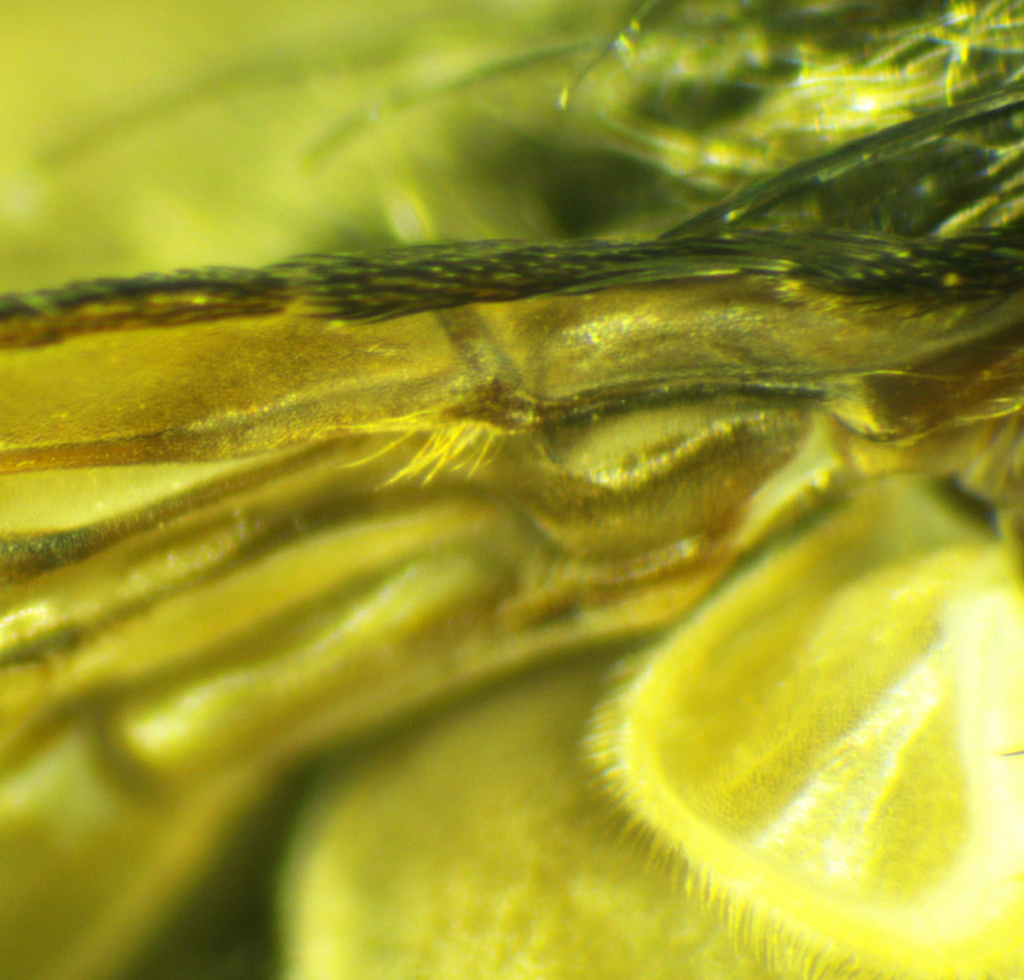
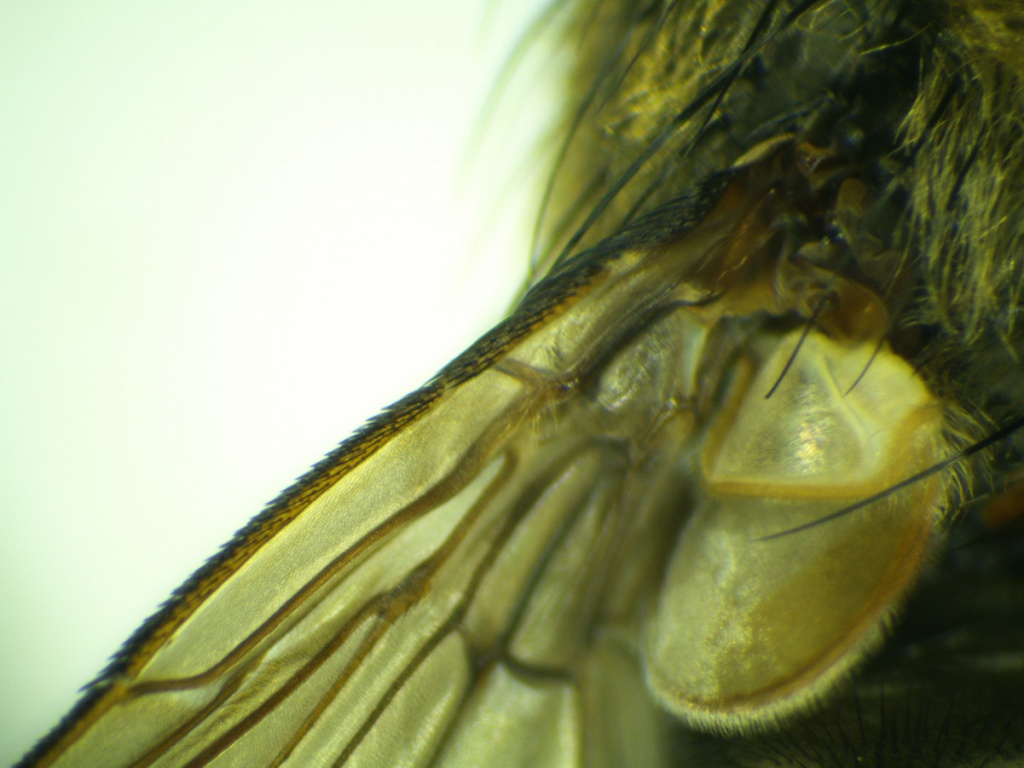
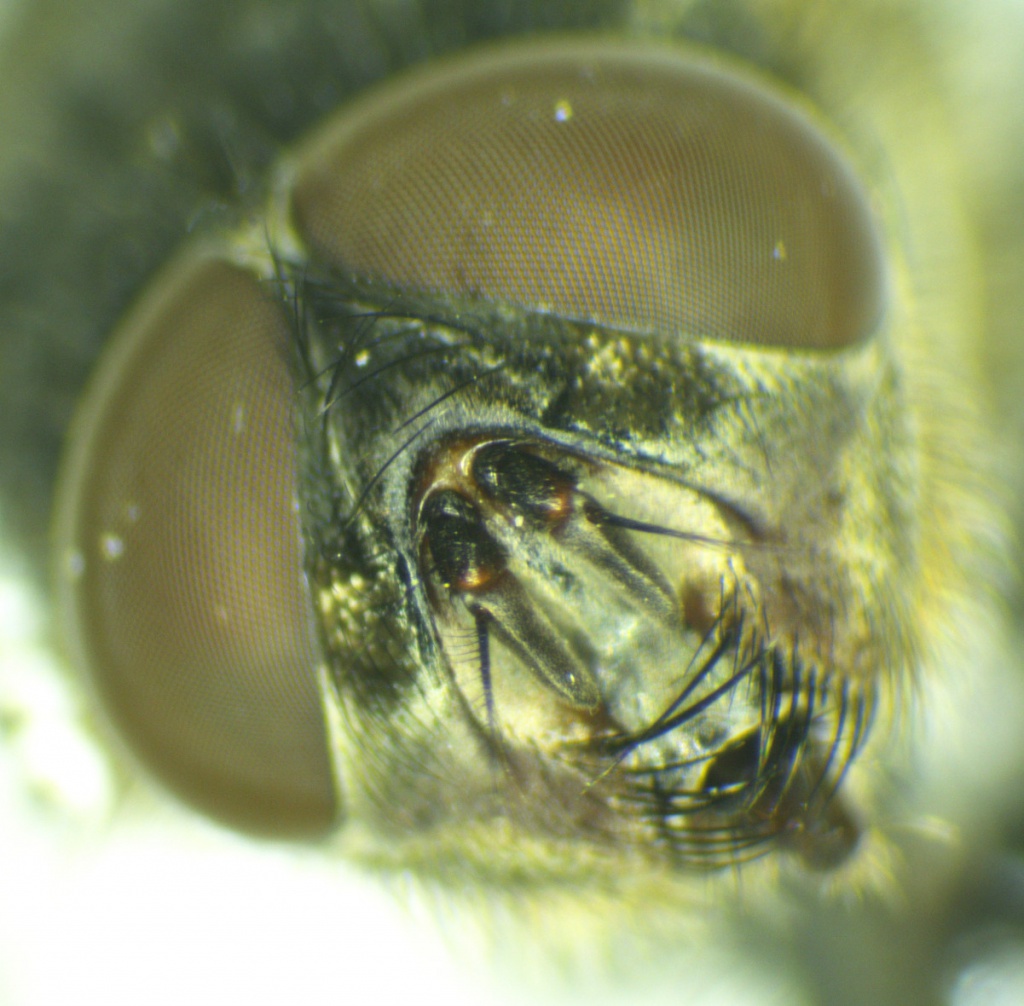
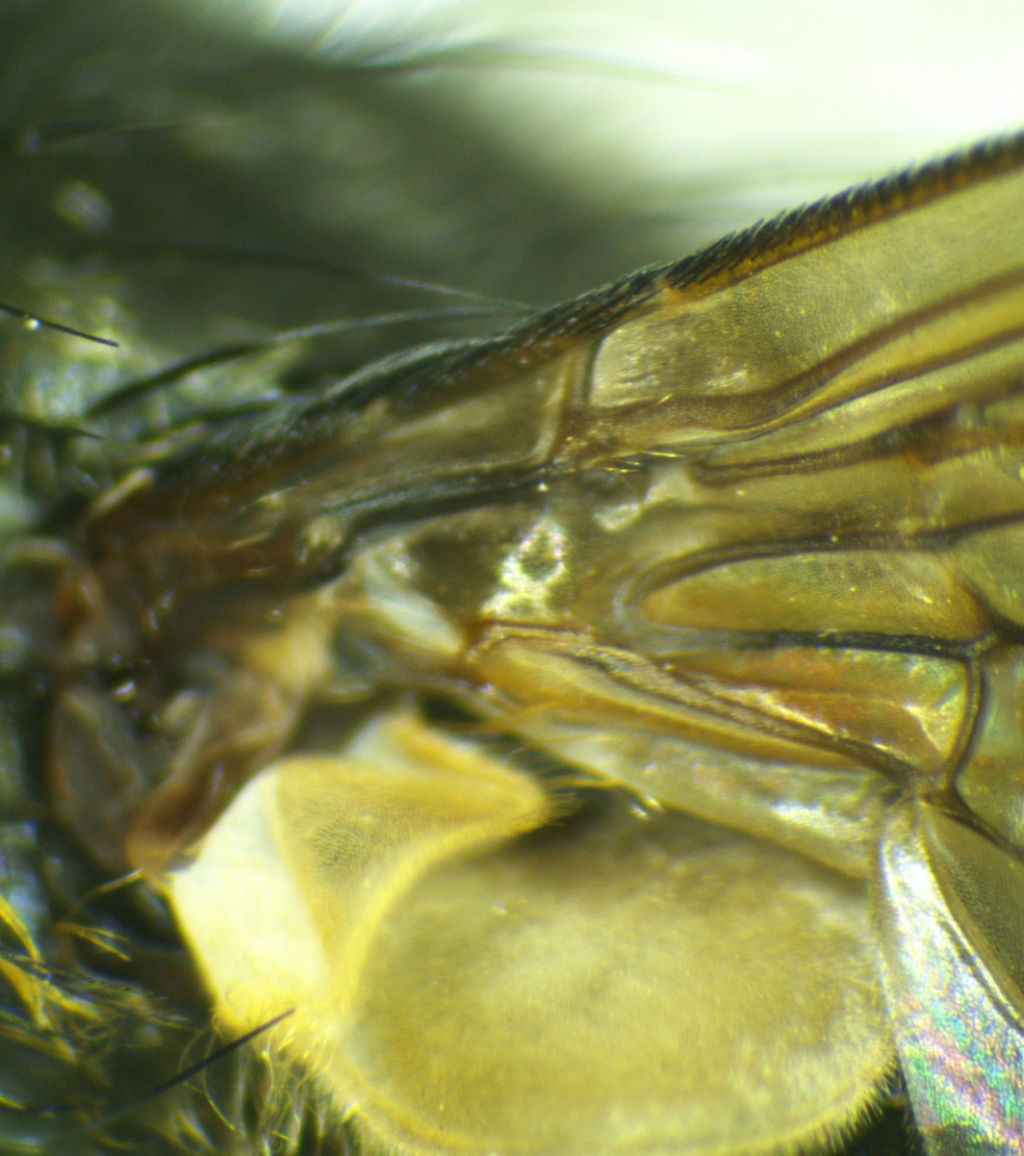
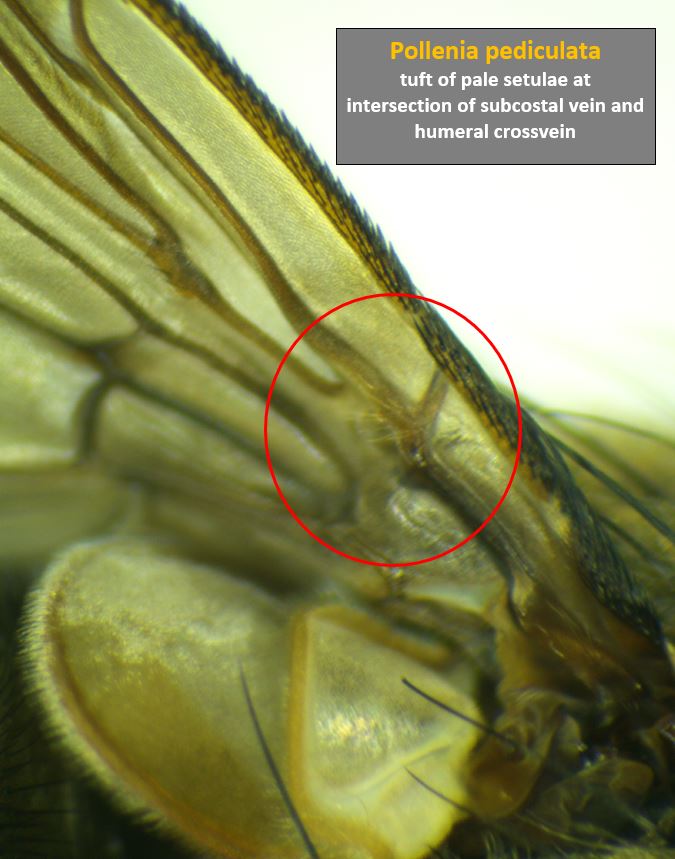
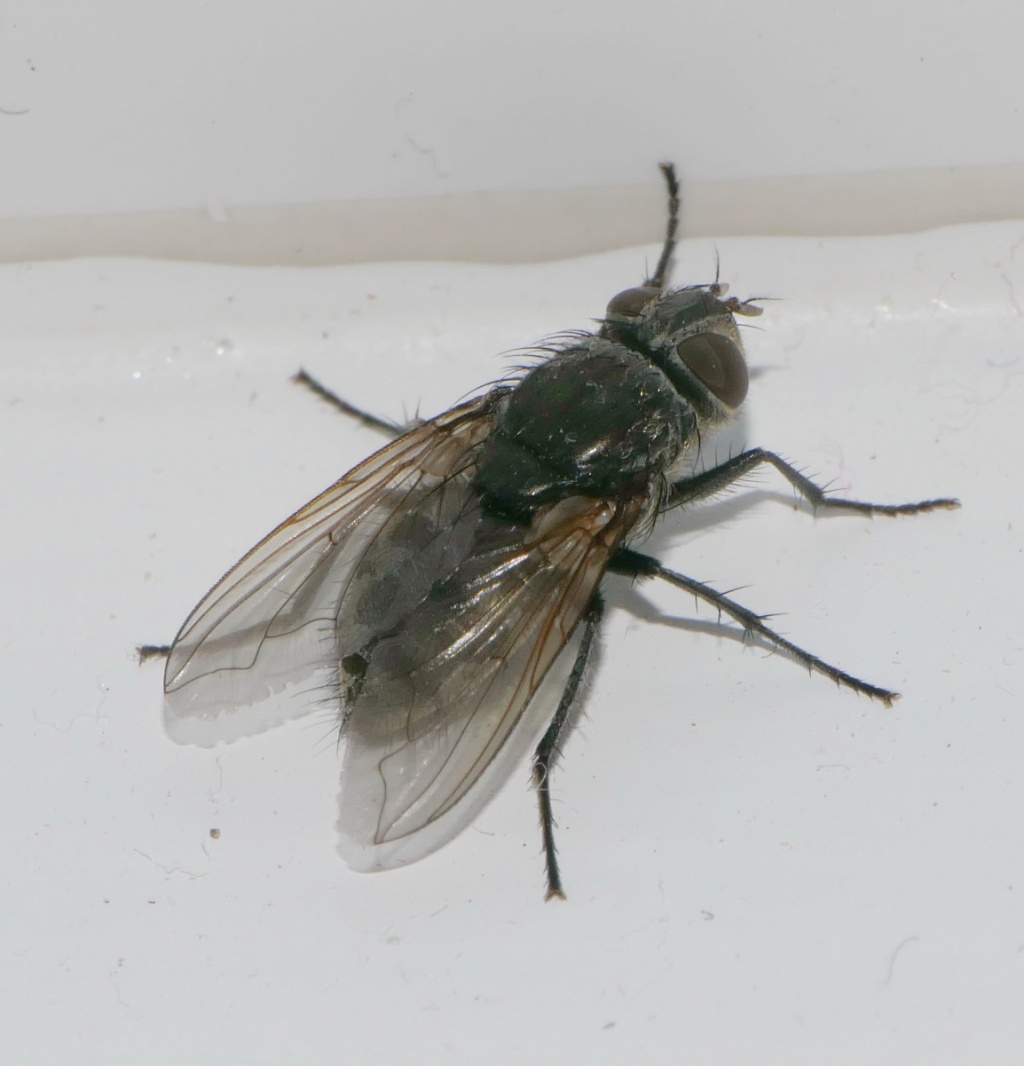
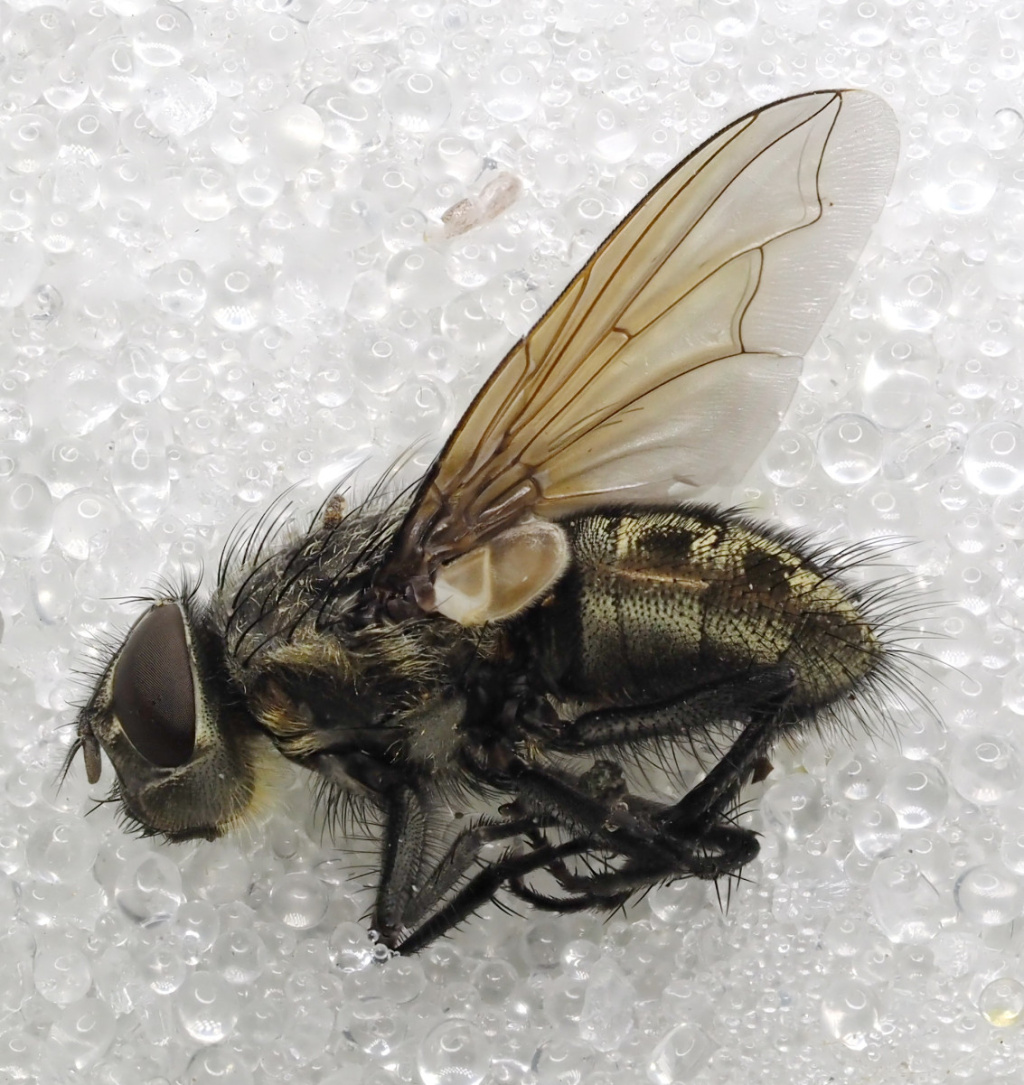
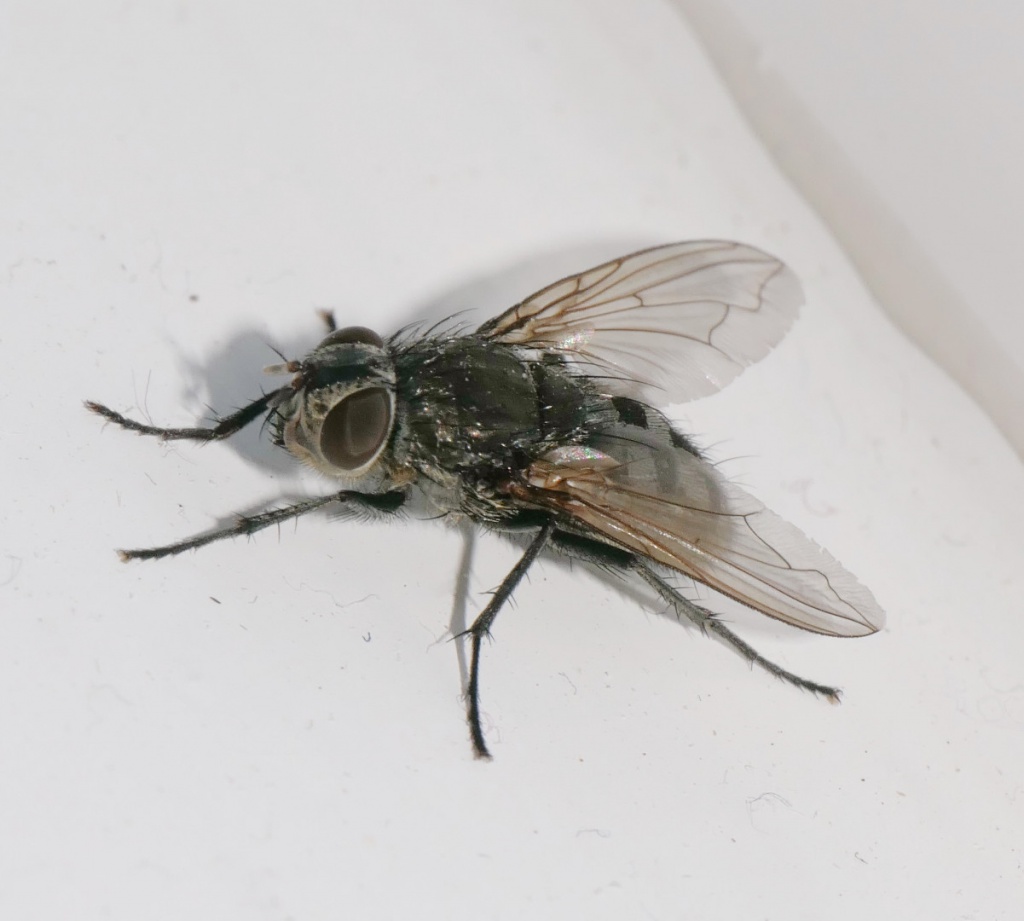
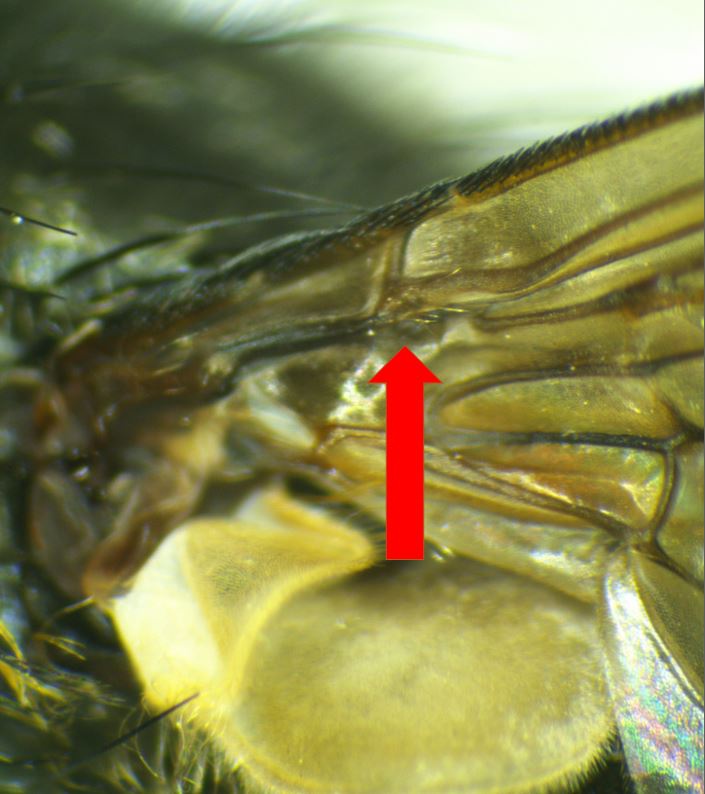
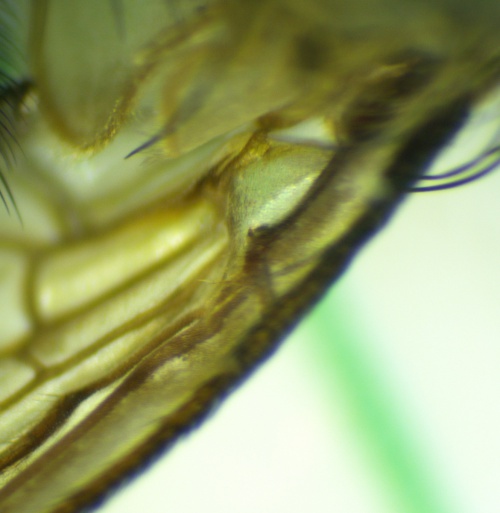
This species is difficult to distinguish from most other Pollenia species in the field but under a microscope it is easily confirmed by the presence of a tuft of pale hairs beneath the wing base close the base of the humeral cross-vein (see images below). The angle of light is crucial for seeing this feature, but with practice, it is easily detected and is reliable for both sexes.

- pale hairs on the underside of the wing (at the base of the humeral crossvein)
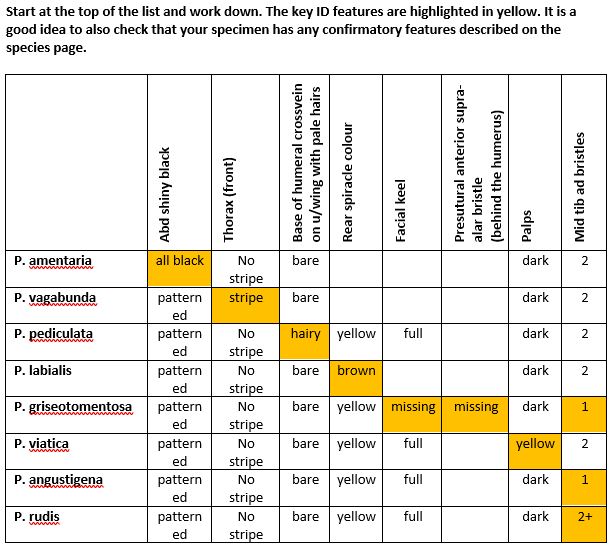
Unless identified by a recognised expert, a photo is required and the specimen should be examined with a microscope. In the comments box, state the key or ID method used and describe the size and identifying characters.
It occurs in a wide variety of habitat.
Most likely to be recorded from late March through to late summer.
The larvae are predators/parasitoids of the earthworm Eisenia rosea.
This is a widespread and locally common species in Britain, and can be the most abundant Pollenia in some districts for certain weeks of the year.
Status in Leicestershire and Rutland not known.
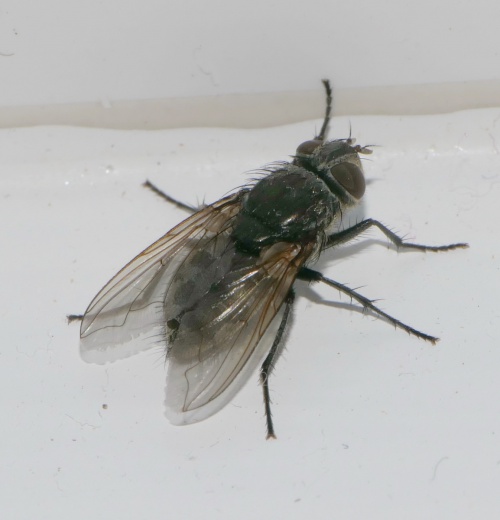 David Nicholls
Ratby garden
19 April 2020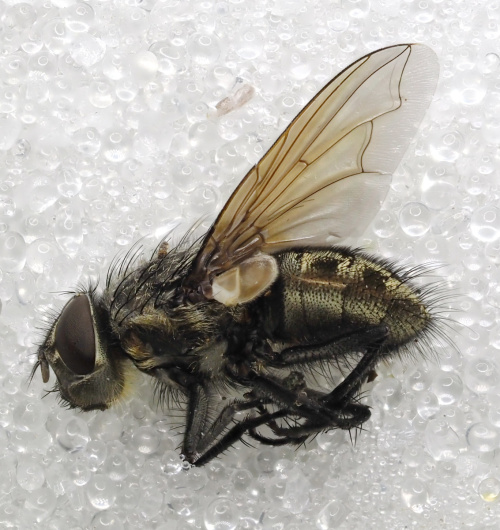 David Nicholls
Ratby church
20 December 2023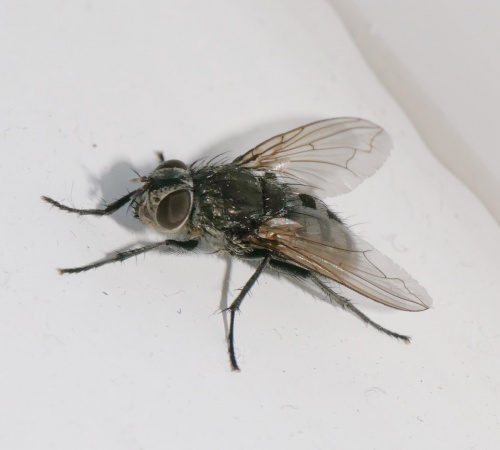 David Nicholls
Ratby garden
19 April 2020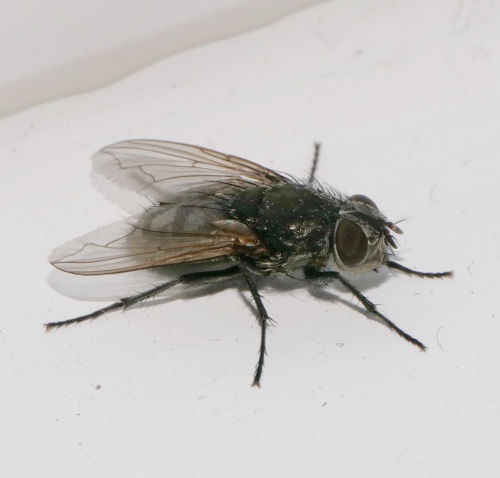 David Nicholls
Ratby garden
19 April 2020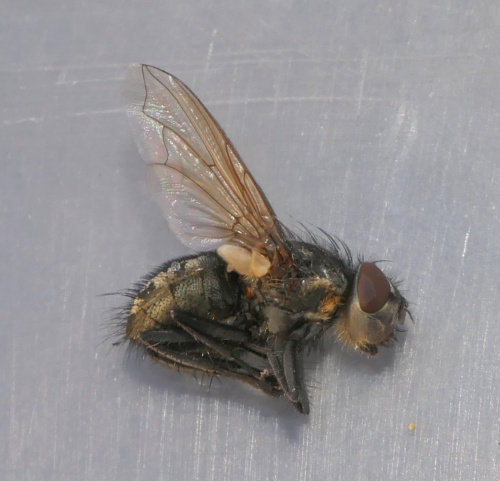 David Nicholls
Ratby garden
25 March 2020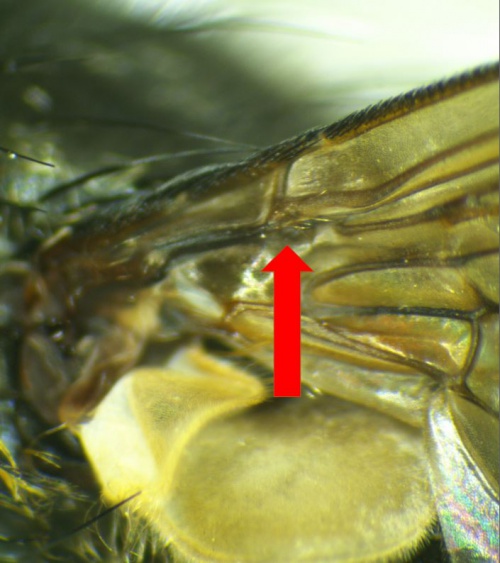 David Nicholls
Ratby garden
25 March 2020
tuft of pale setulae
Leicestershire & Rutland Map
Enter a town or village to see local records
MAP KEY:
Yellow squares = NBN records (all known data)
Coloured circles = NatureSpot records: 2025+ | 2020-2024 | pre-2020
UK Map
Species profile
- Species group:
- insect - true fly (Diptera)
- Kingdom:
- Animalia
- Order:
- Diptera
- Family:
- Polleniidae
- Records on NatureSpot:
- 15
- First record:
- 25/03/2020 (Nicholls, David)
- Last record:
- 31/05/2025 (Nicholls, David)
Total records by month
% of records within its species group
10km squares with records
The latest images and records displayed below include those awaiting verification checks so we cannot guarantee that every identification is correct. Once accepted, the record displays a green tick.
In the Latest Records section, click on the header to sort A-Z, and again to sort Z-A. Use the header boxes to filter the list.
Latest images
Latest records
 David Nicholls
Ratby garden
16 April 2020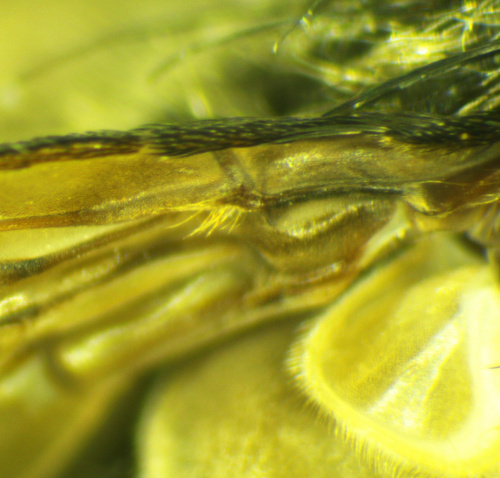 David Nicholls
Ratby church
20 December 2023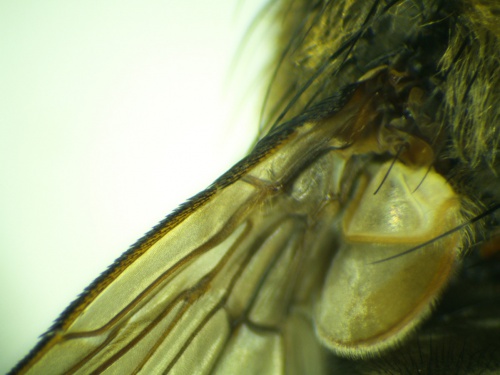 David Nicholls
Ratby garden
31 October 2020
hairs on node where the humeral crossvein meets the subcosta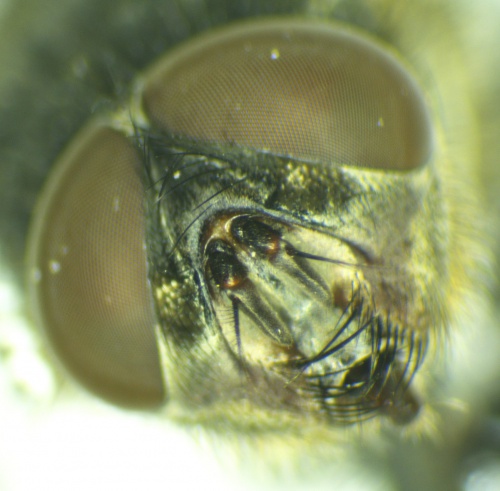 David Nicholls
Ratby garden
25 March 2020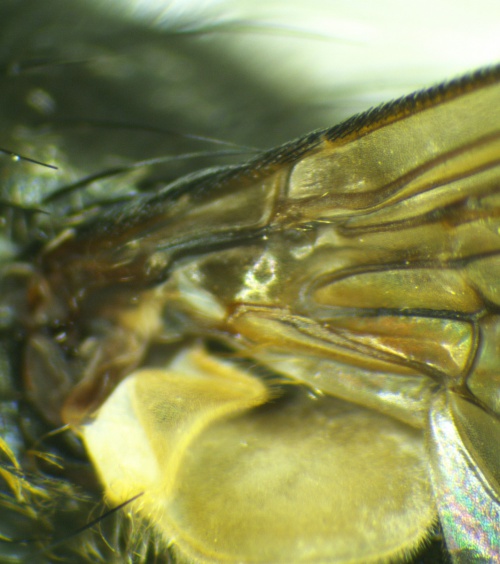 David Nicholls
Ratby garden
25 March 2020