

Timothy - Phleum pratense
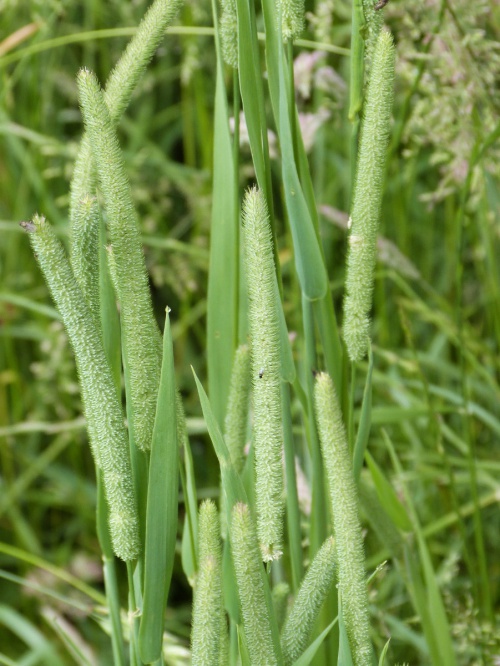
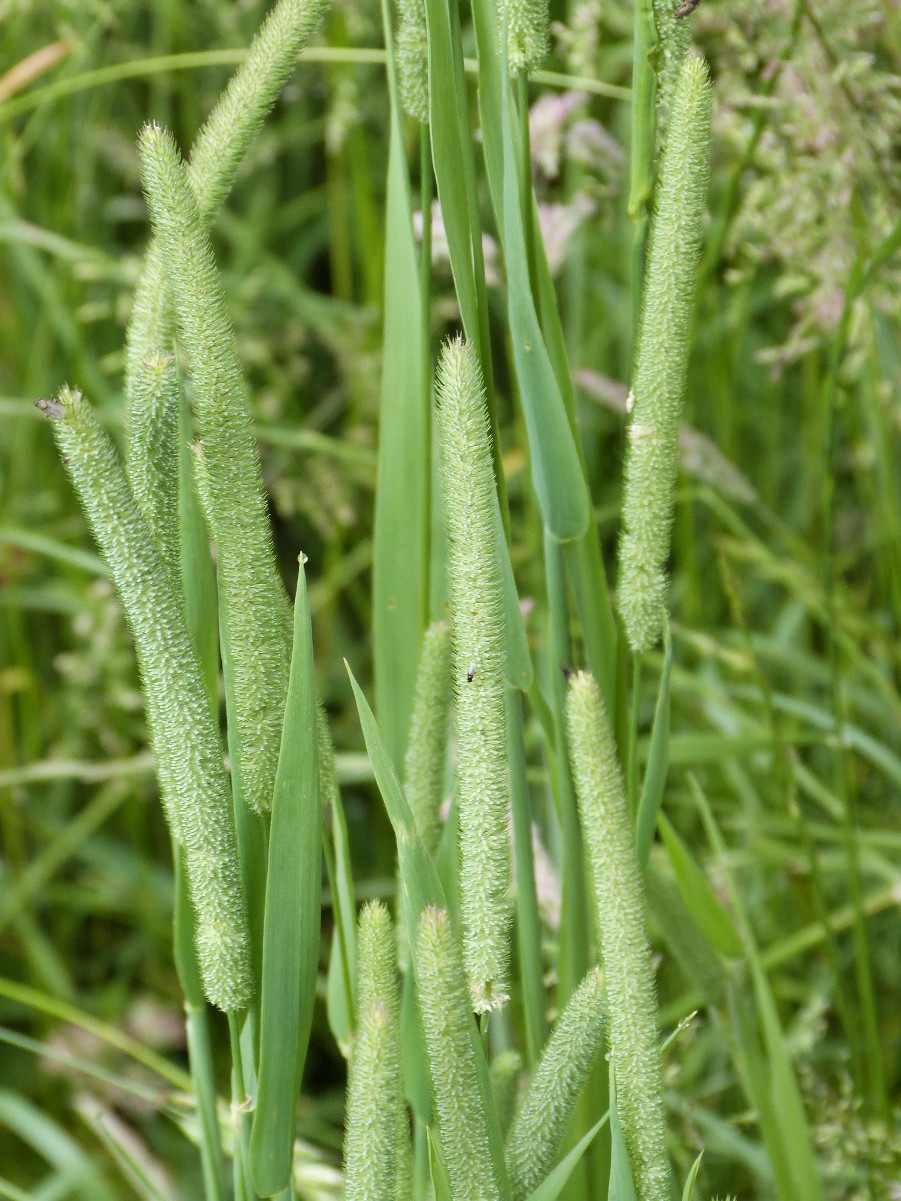
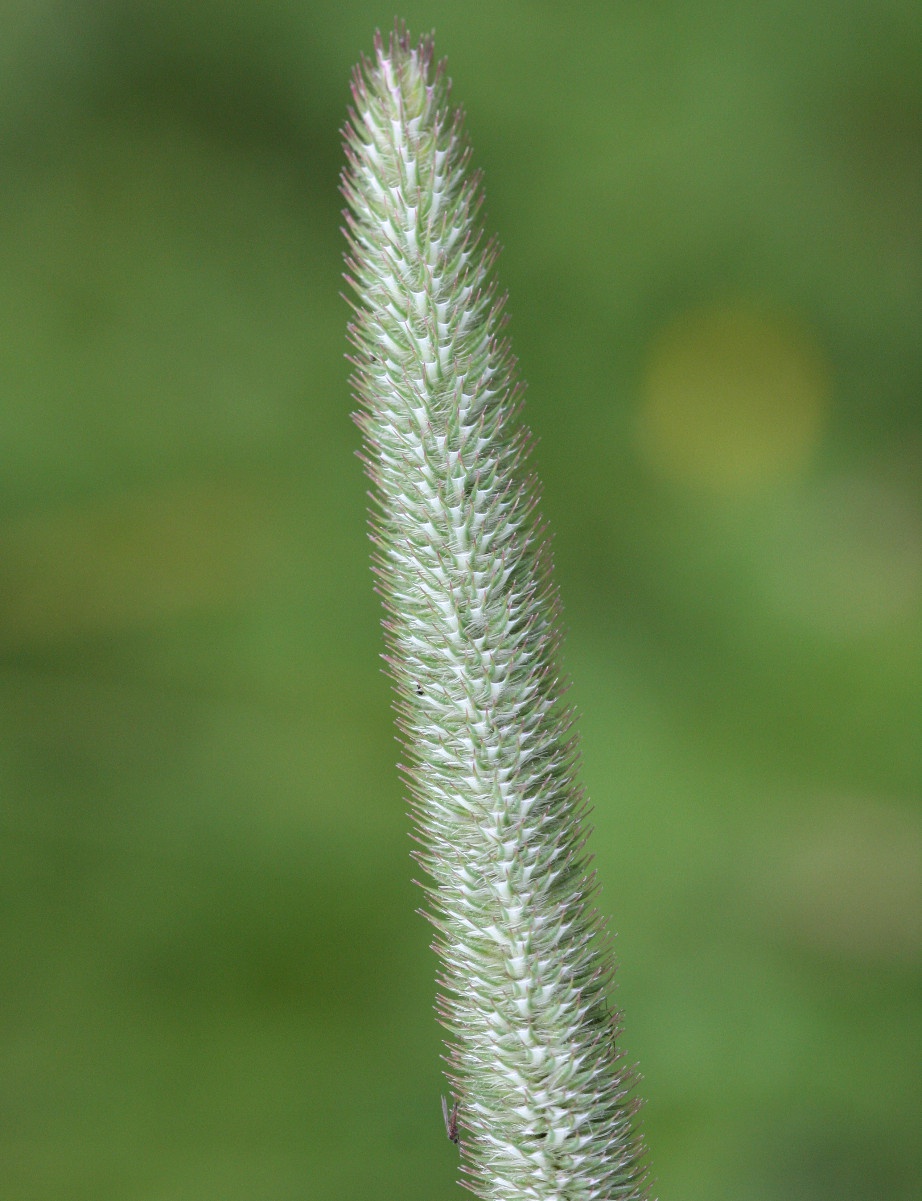
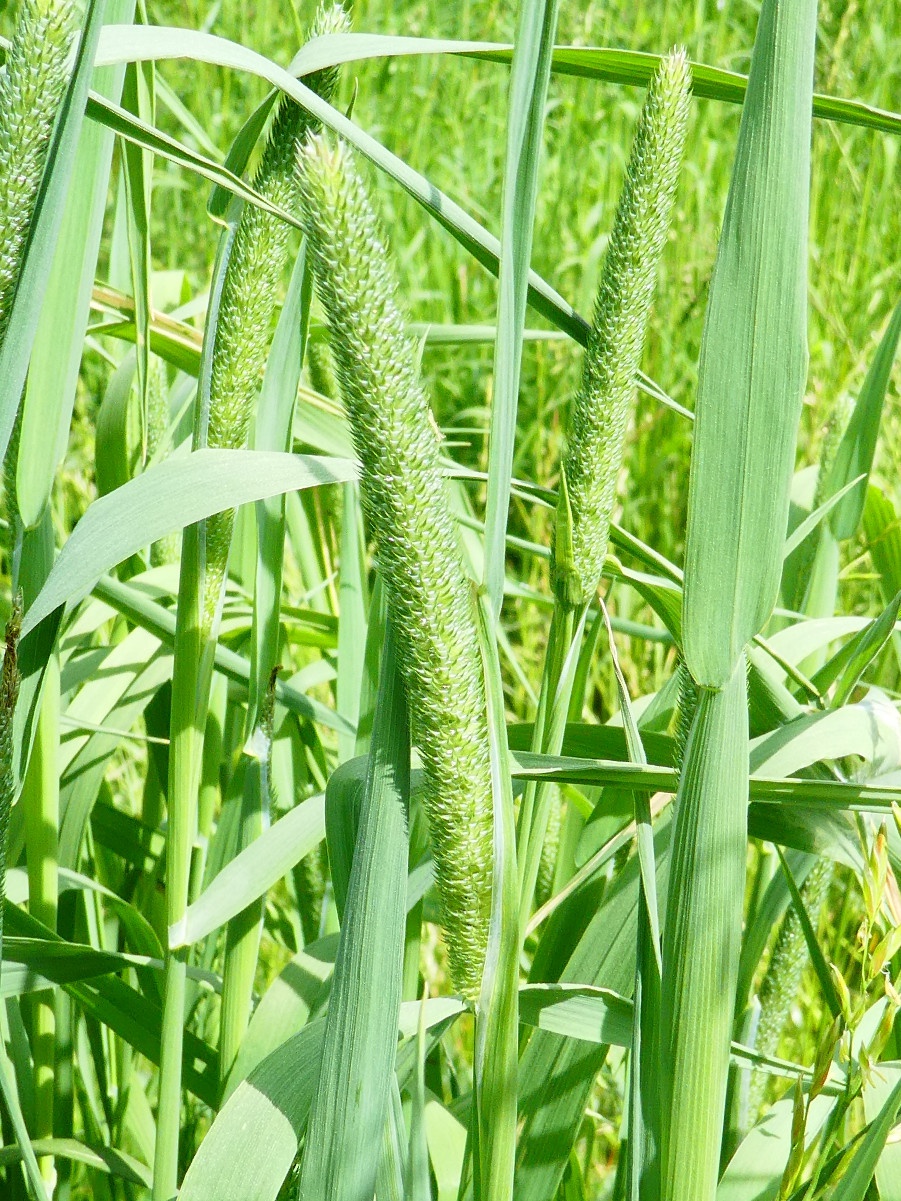
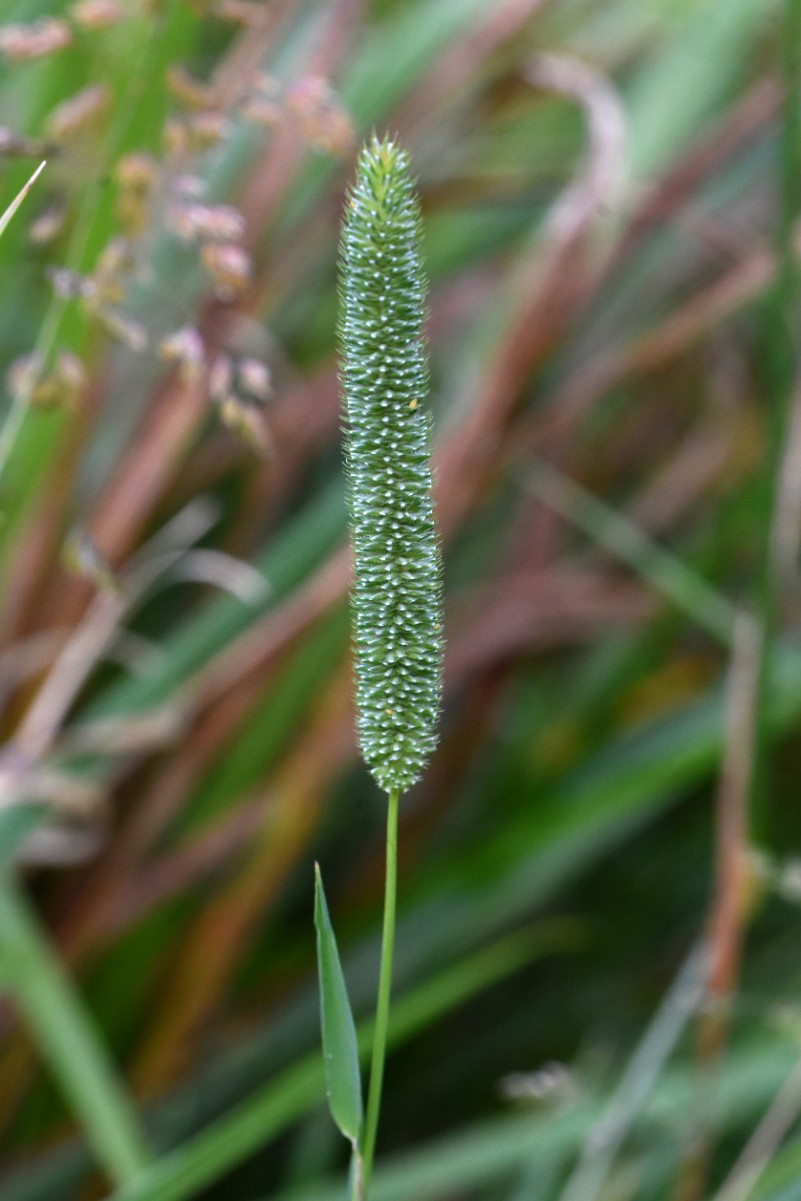
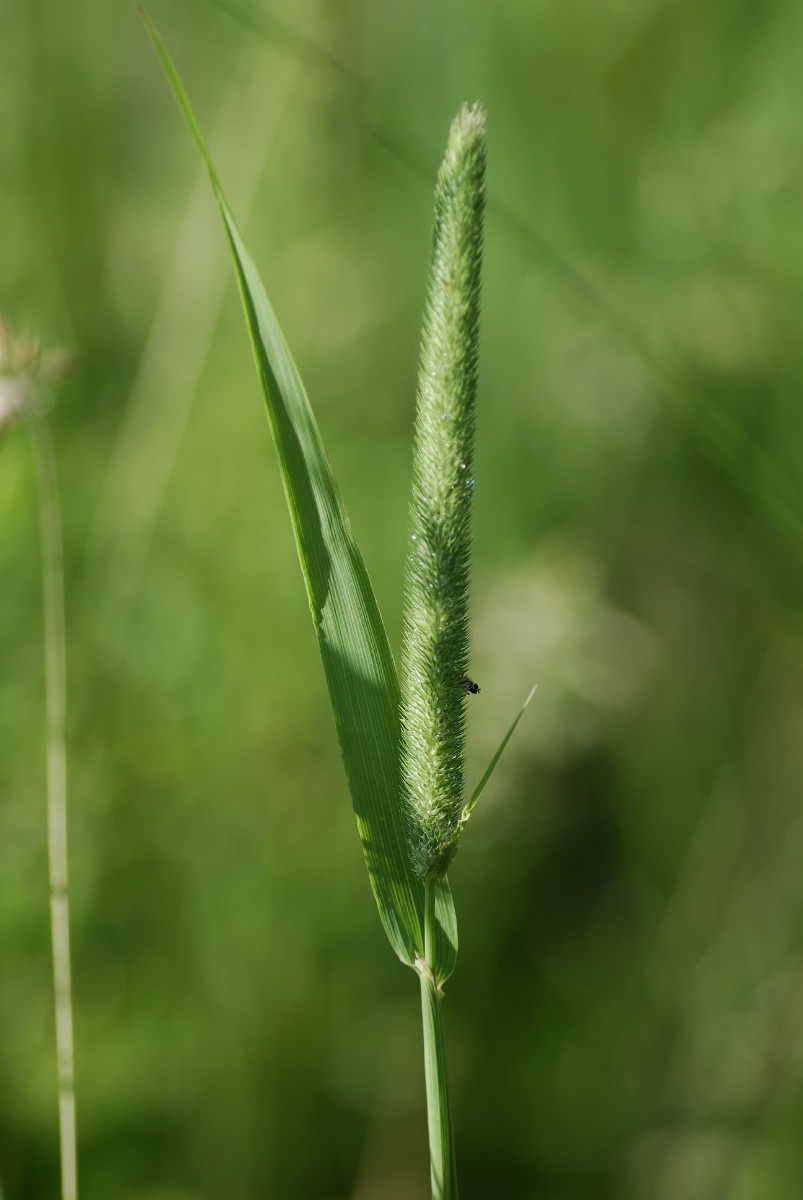
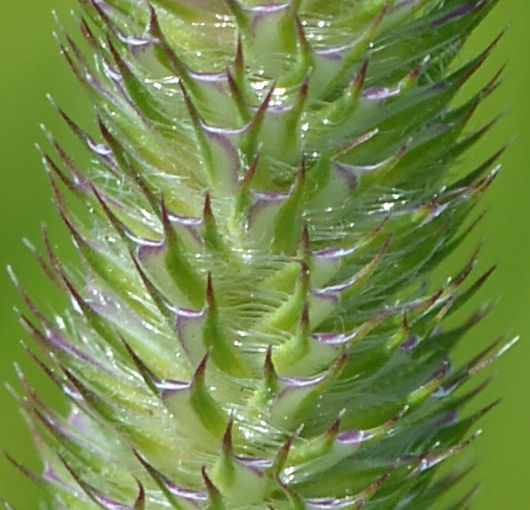
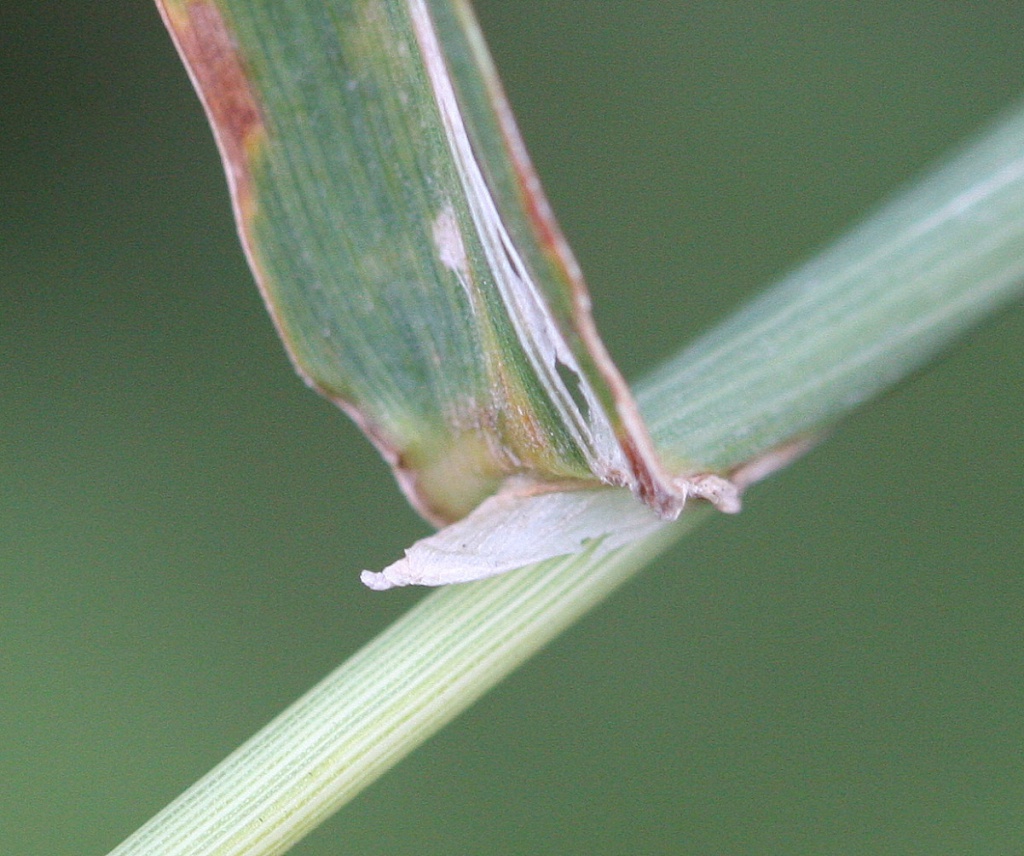
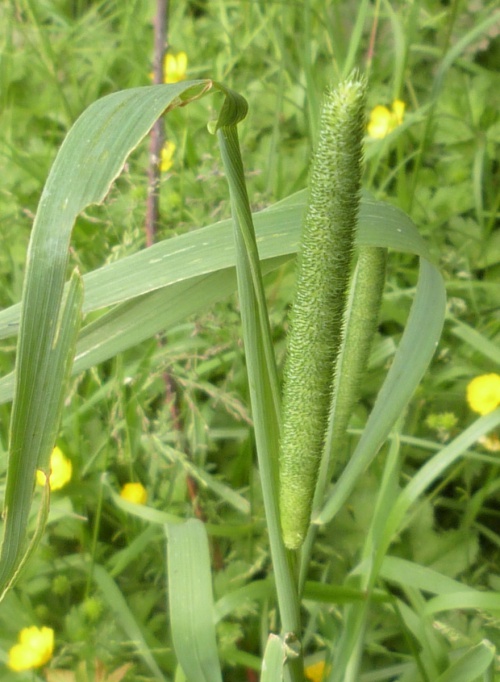
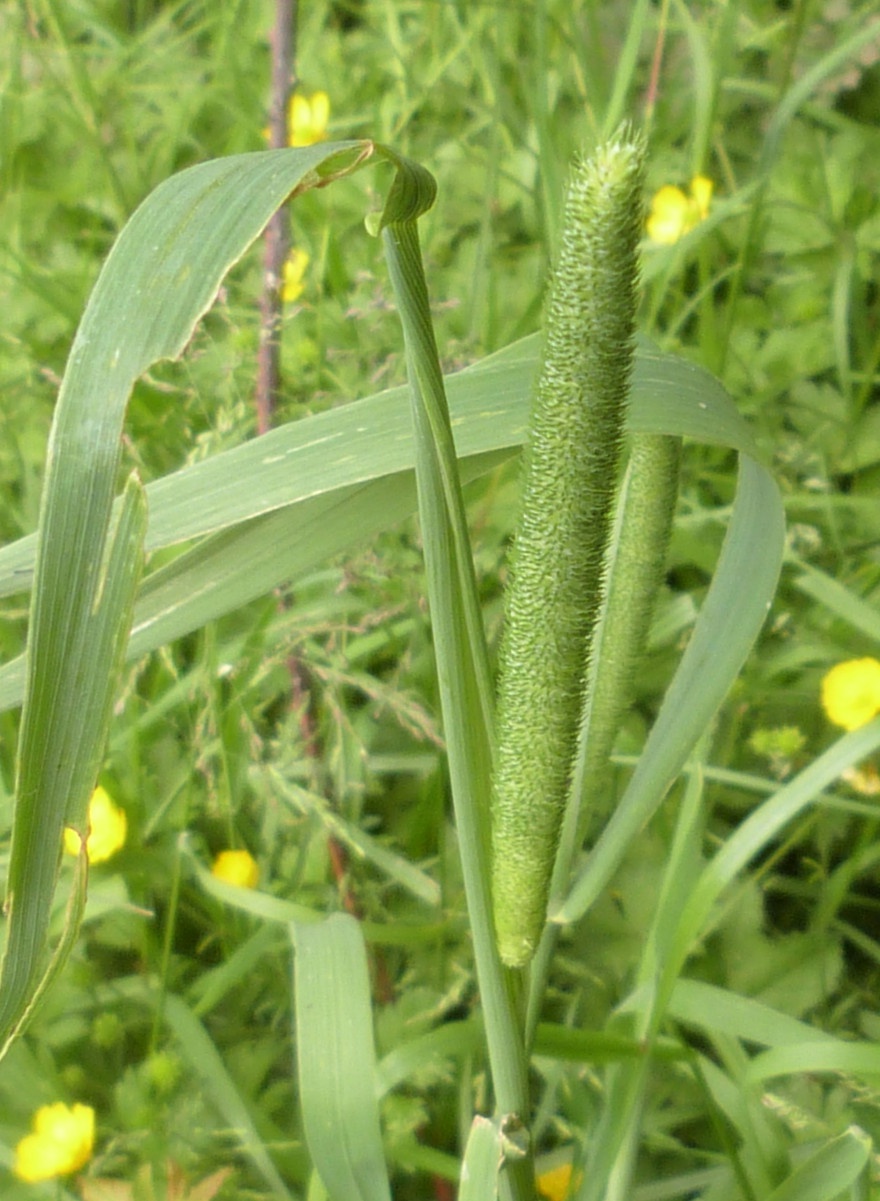
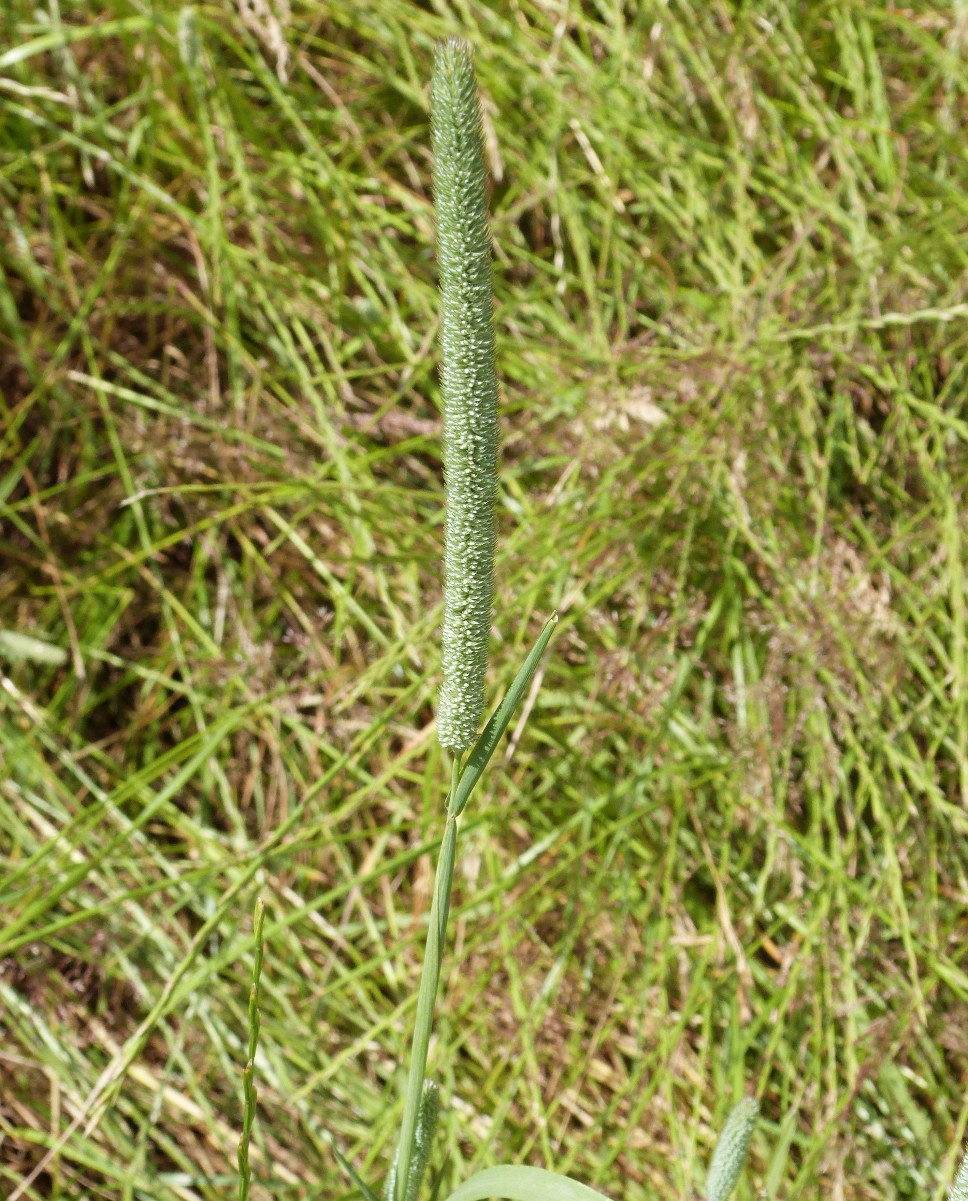
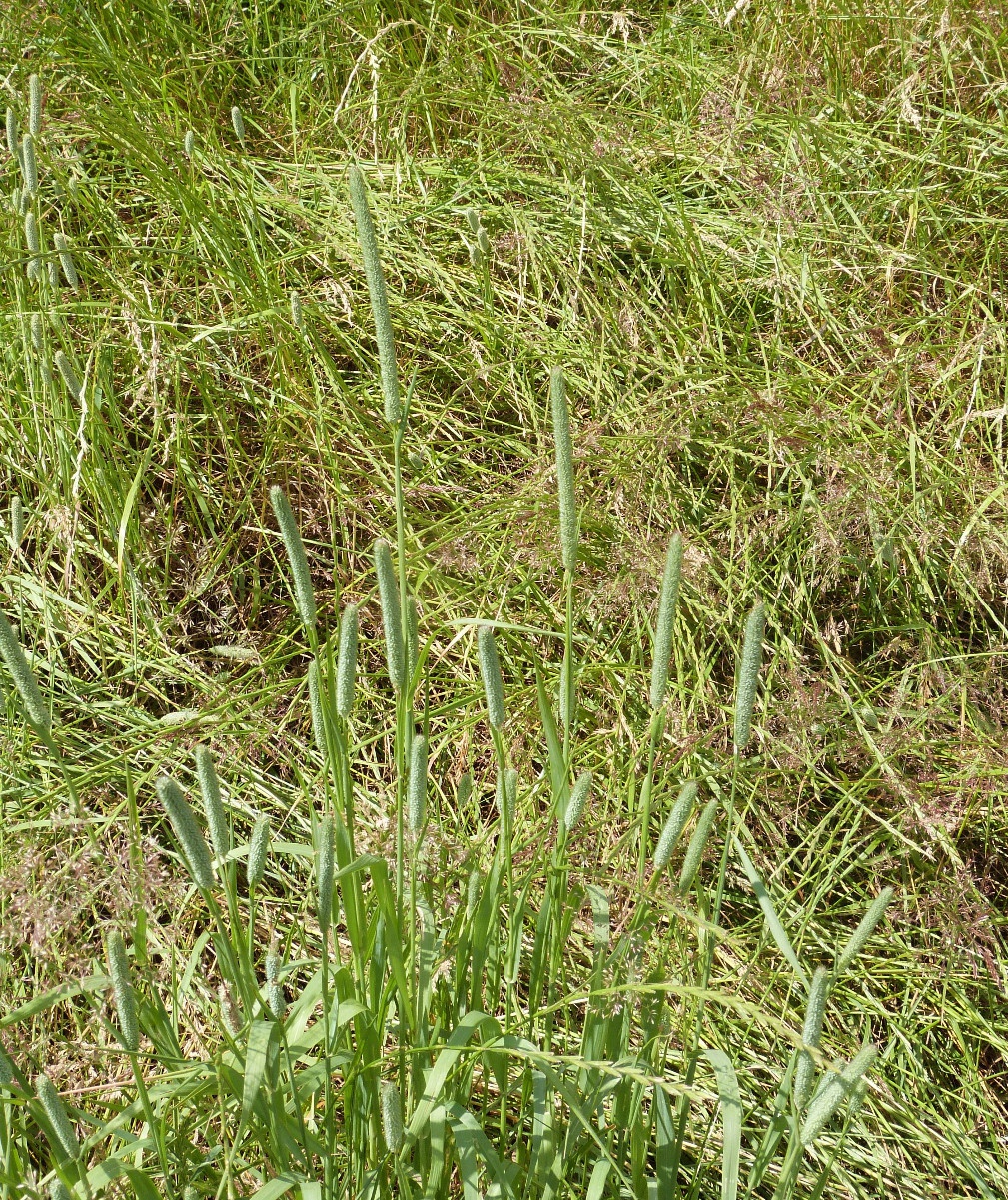
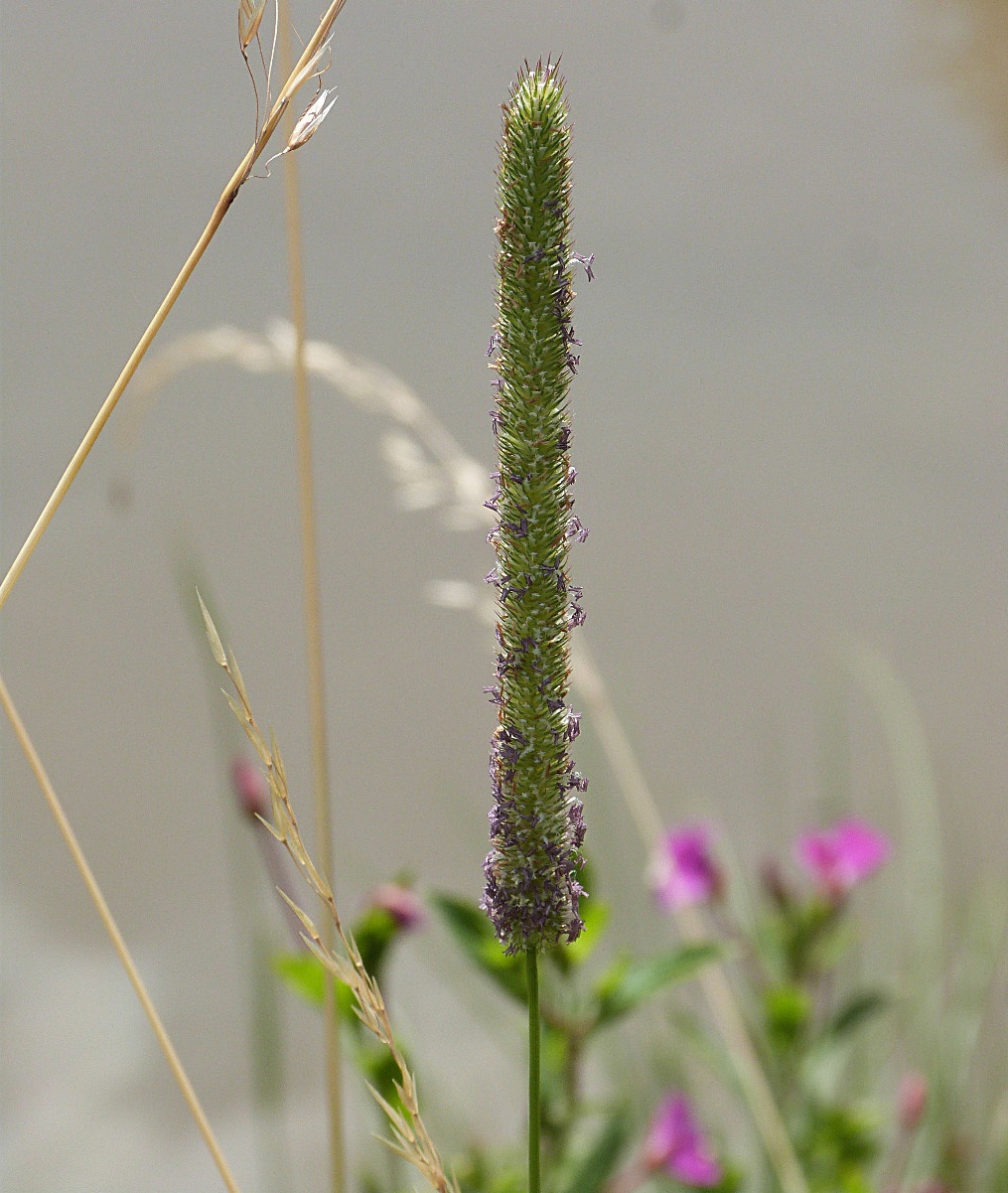
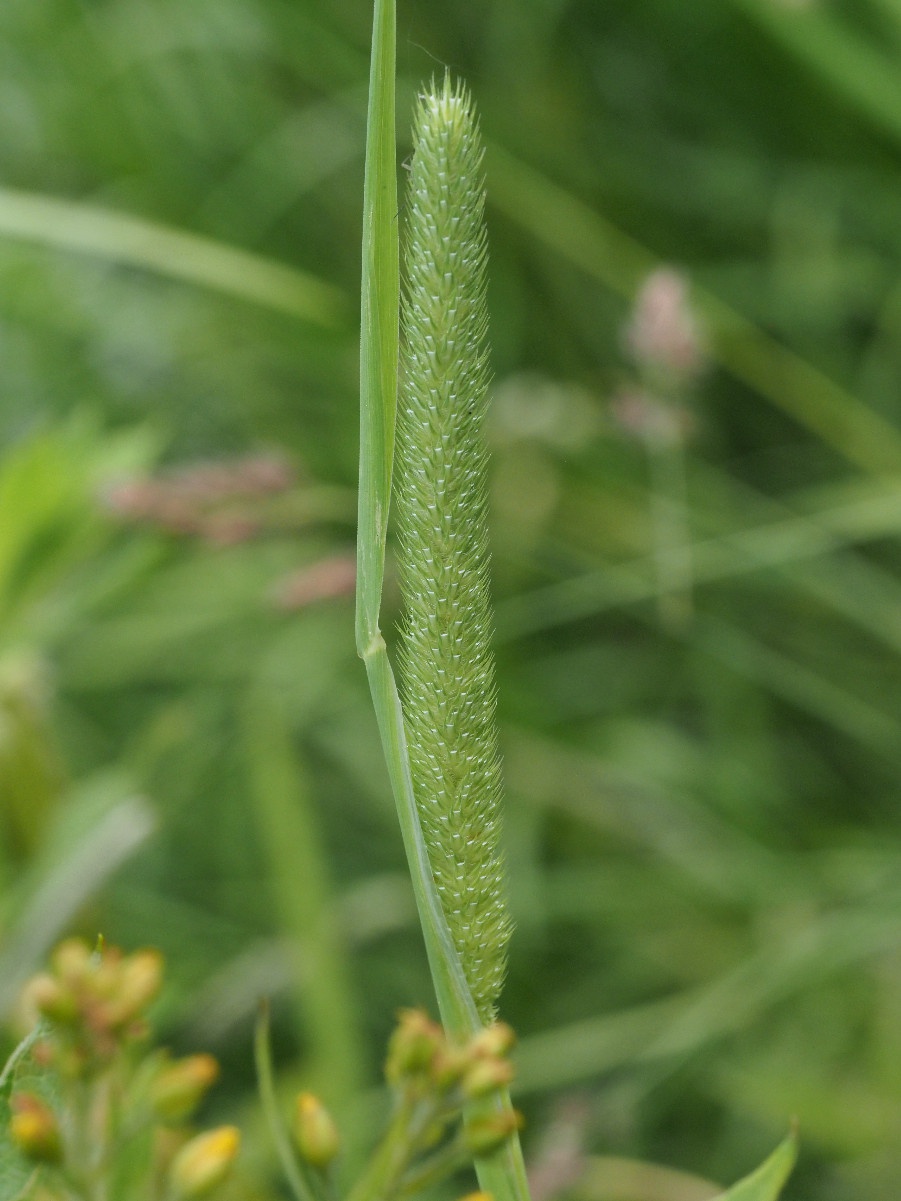
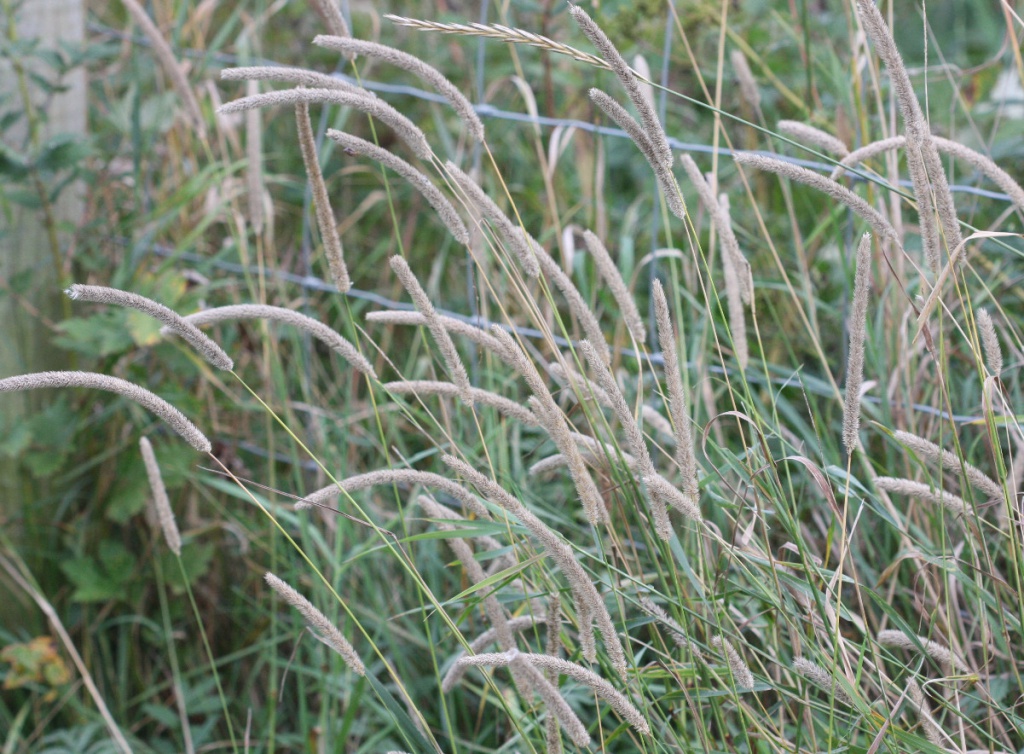
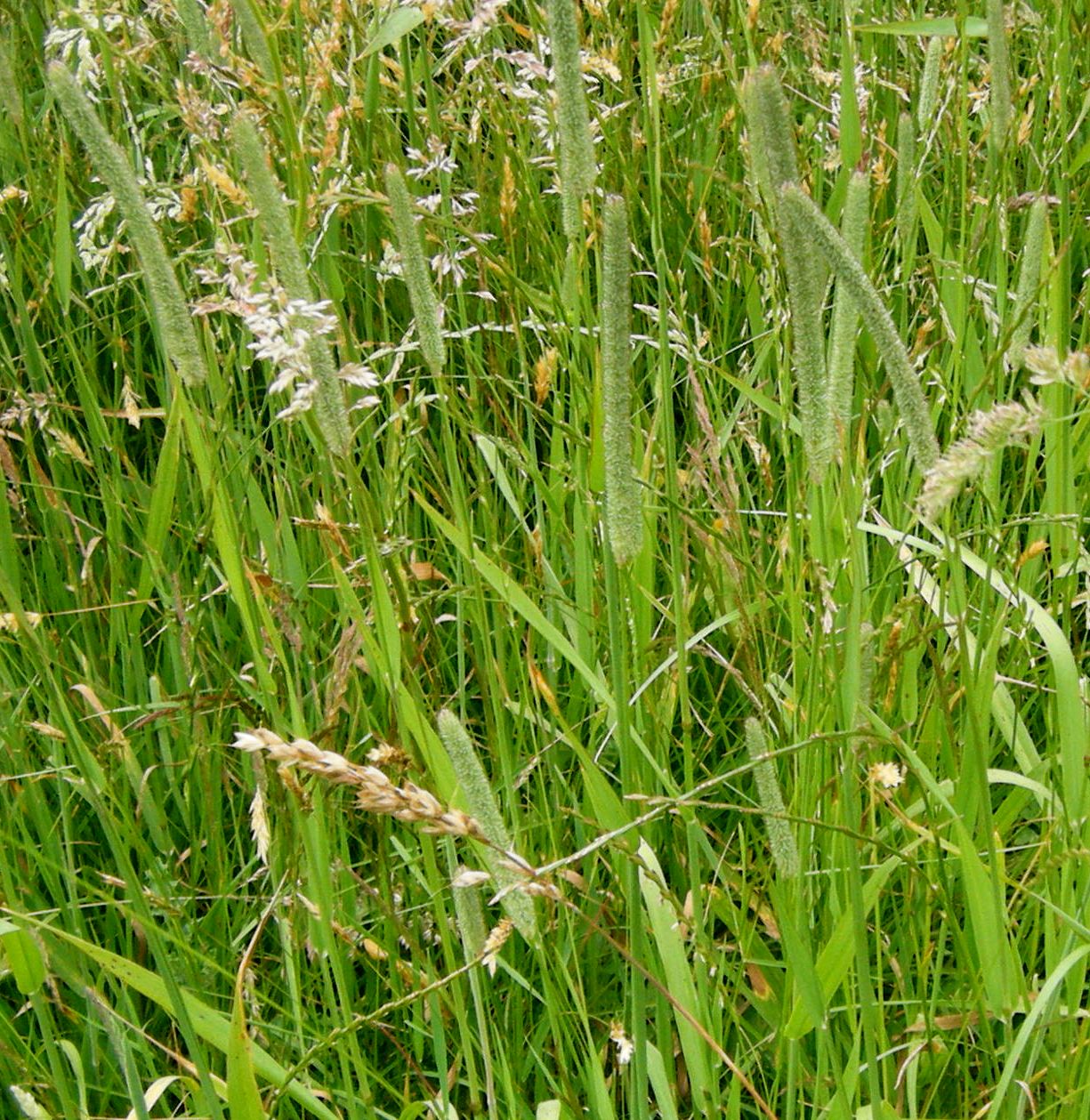
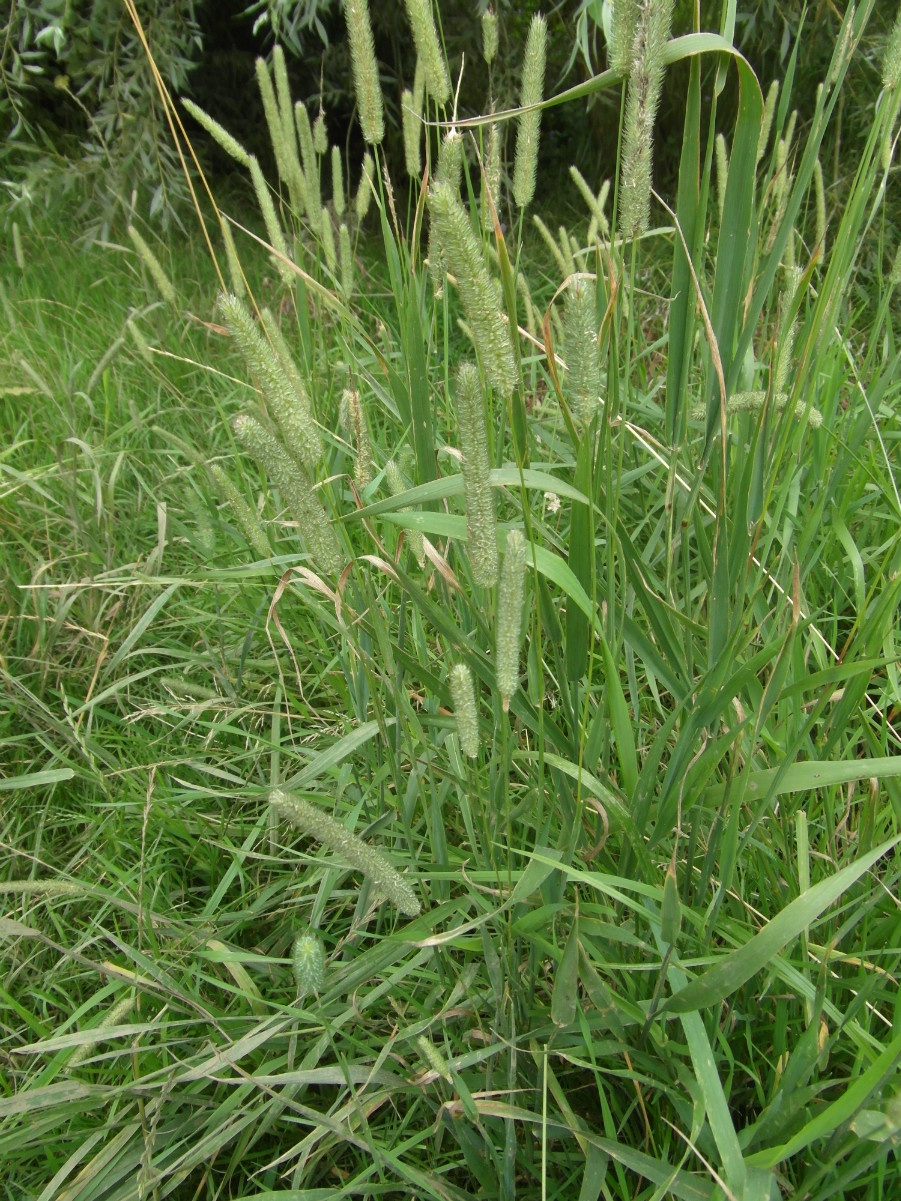
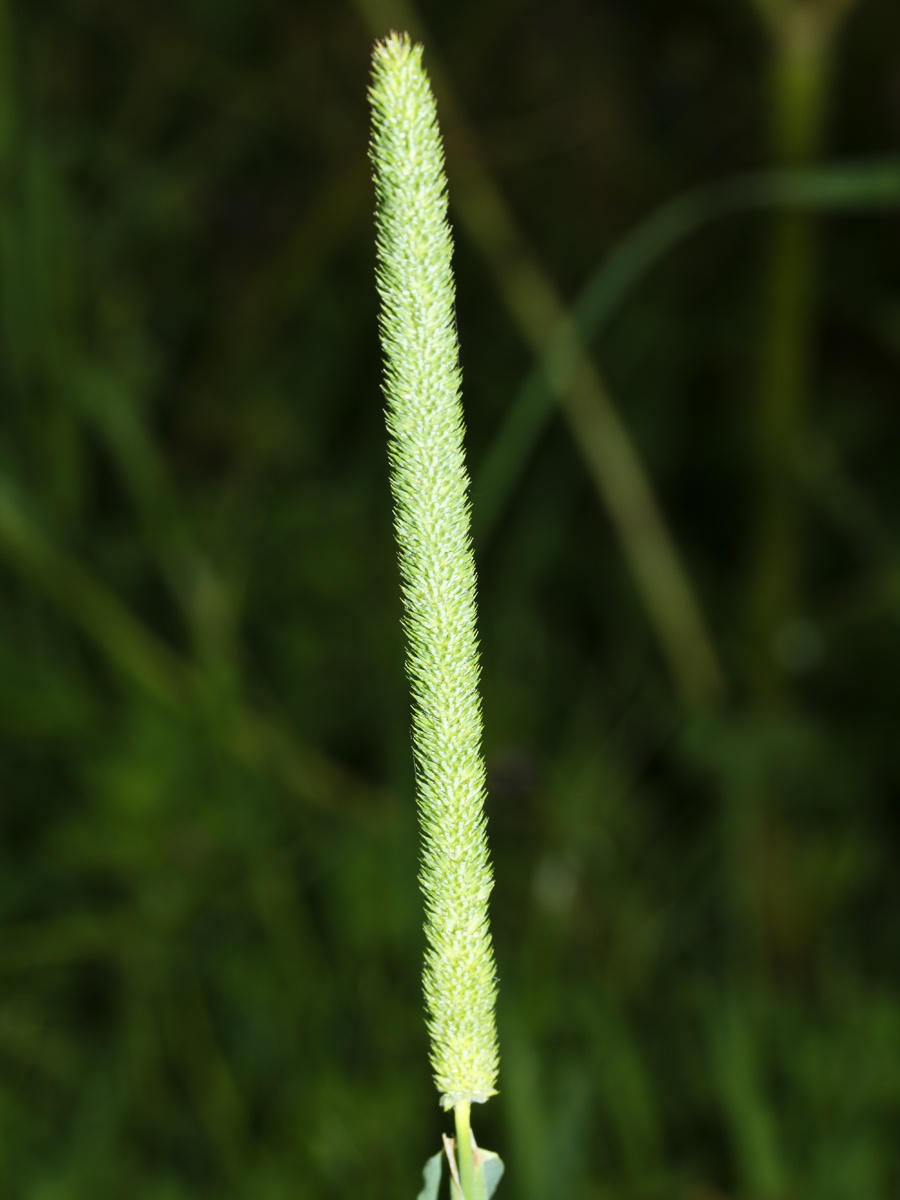
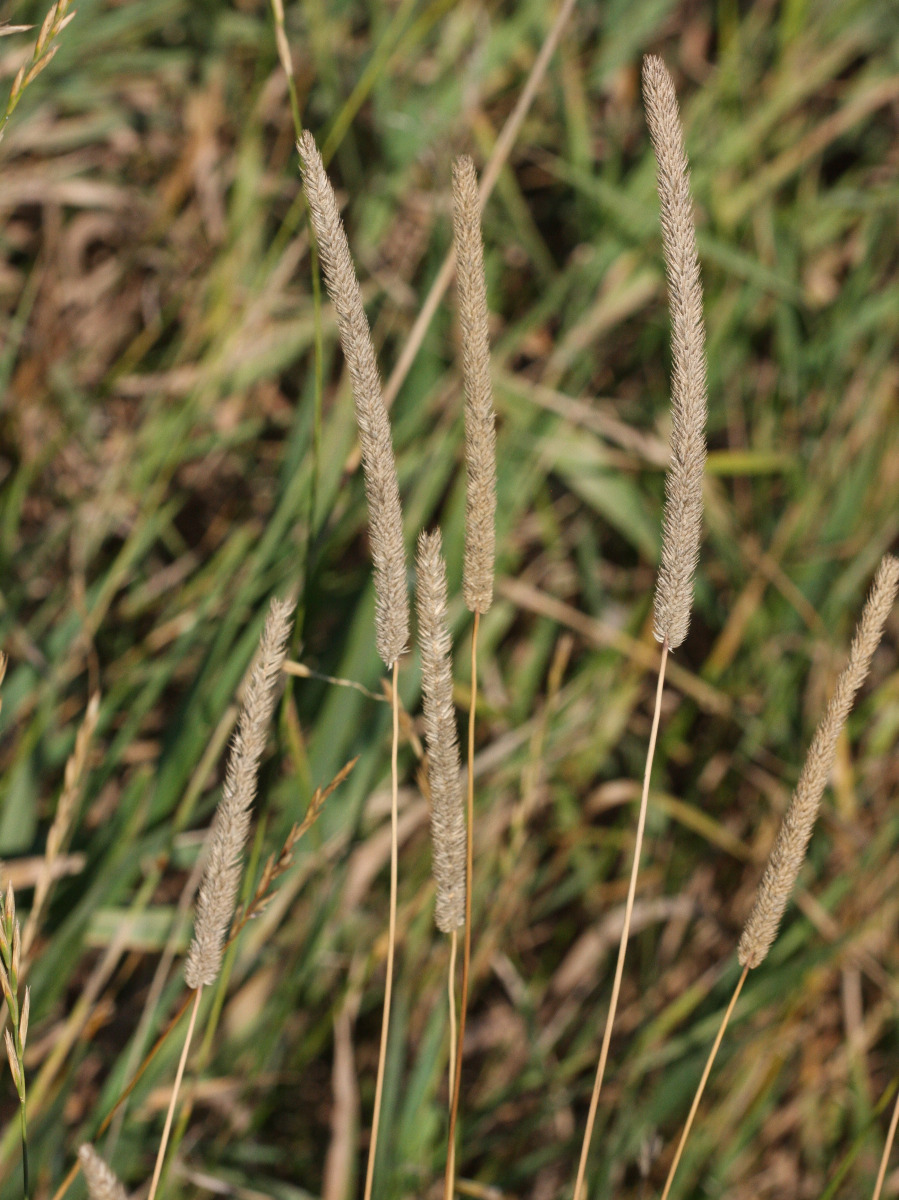
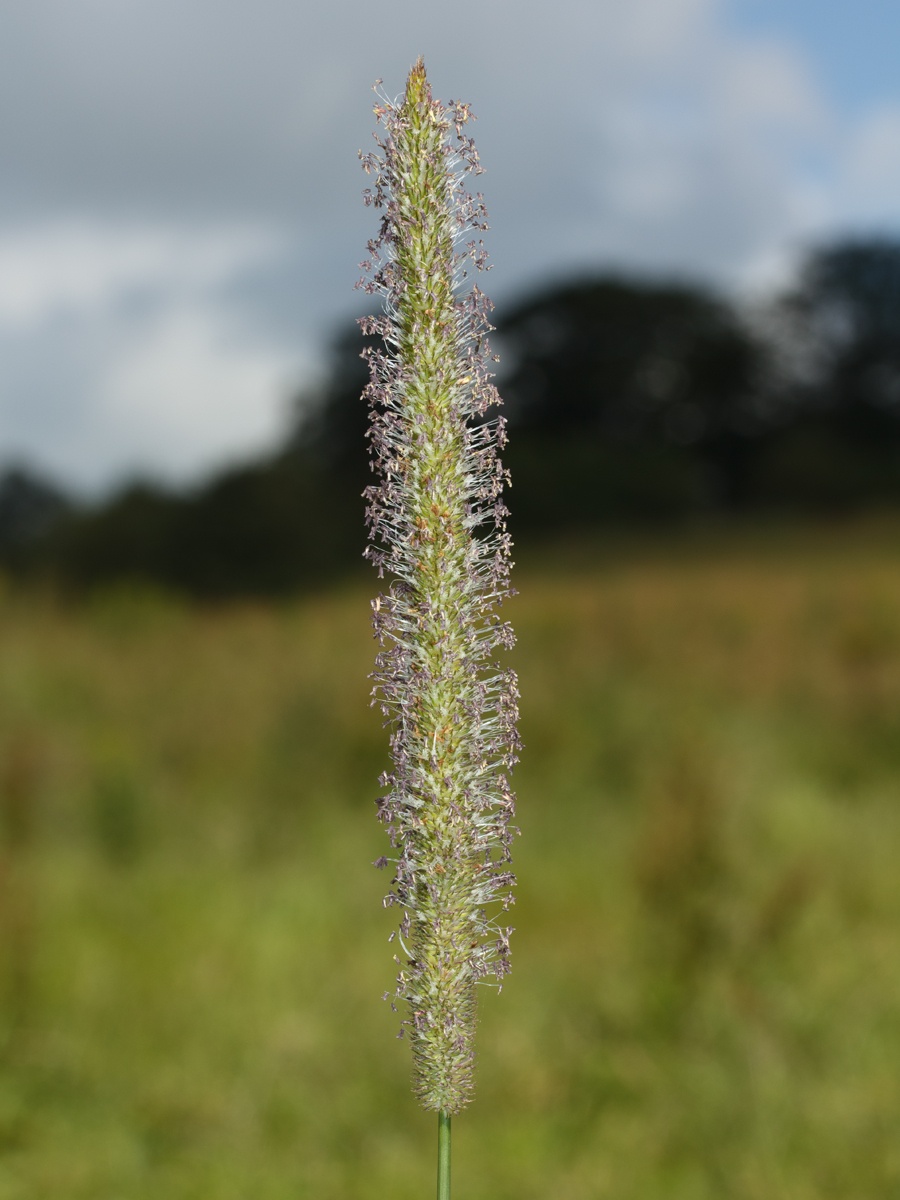
A tall grass to 150 cm, with dense cylindrical panicles to 15 cm (sometimes more). The individual spikelets have two points. Named after American farmer and agriculturalist Timothy Hanson
Meadow Foxtail is superficially similar

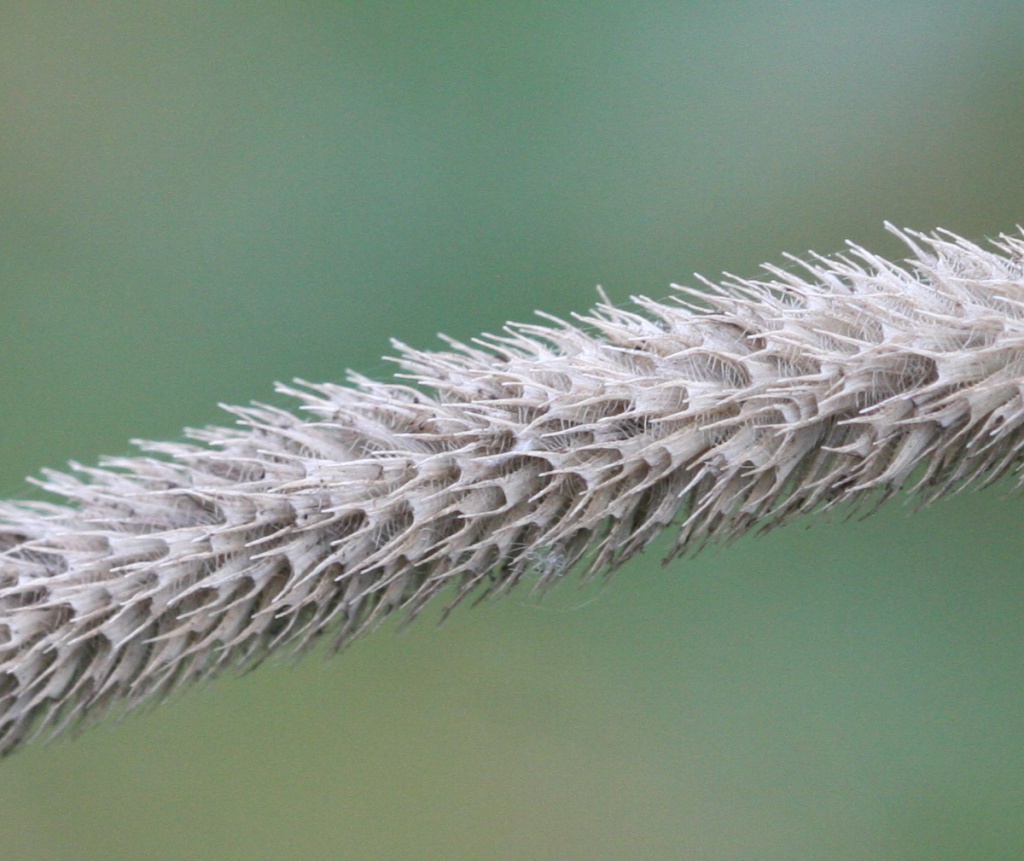
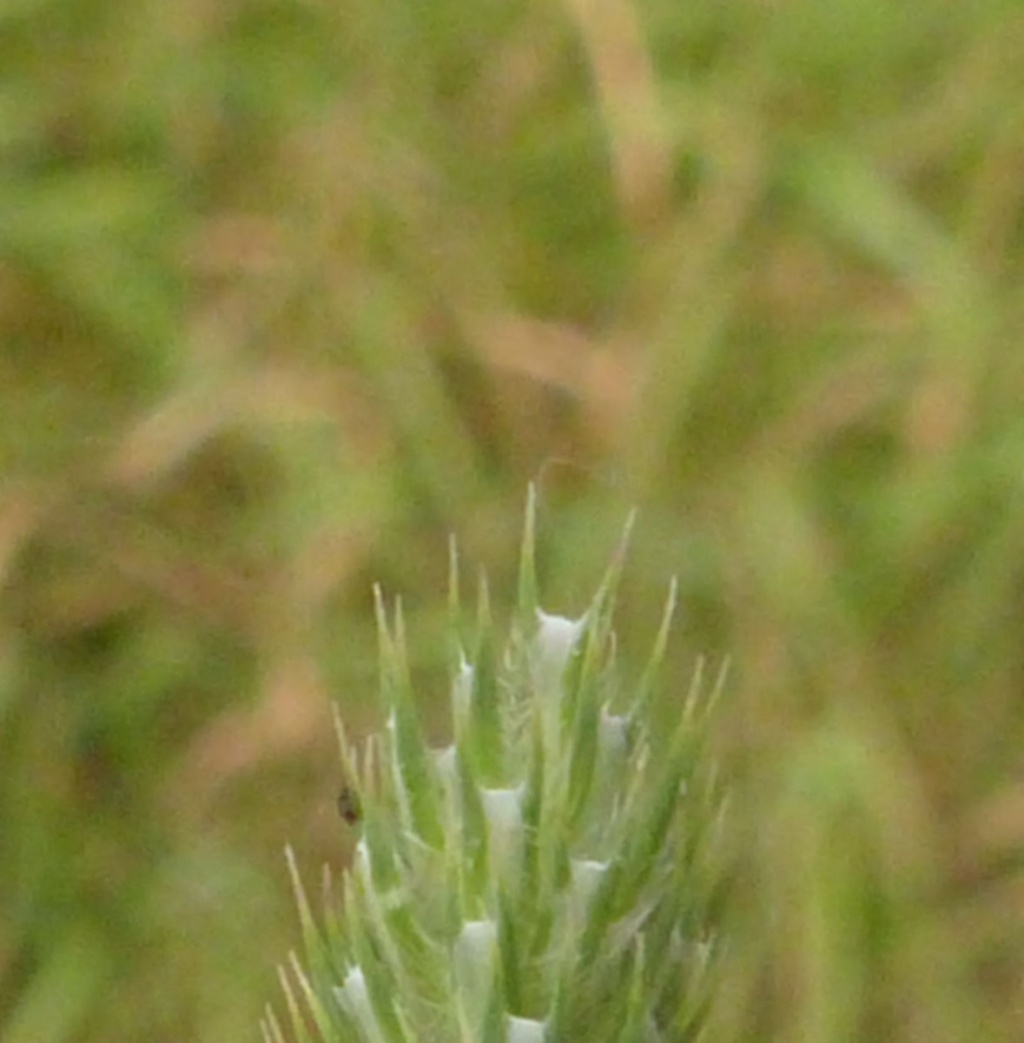
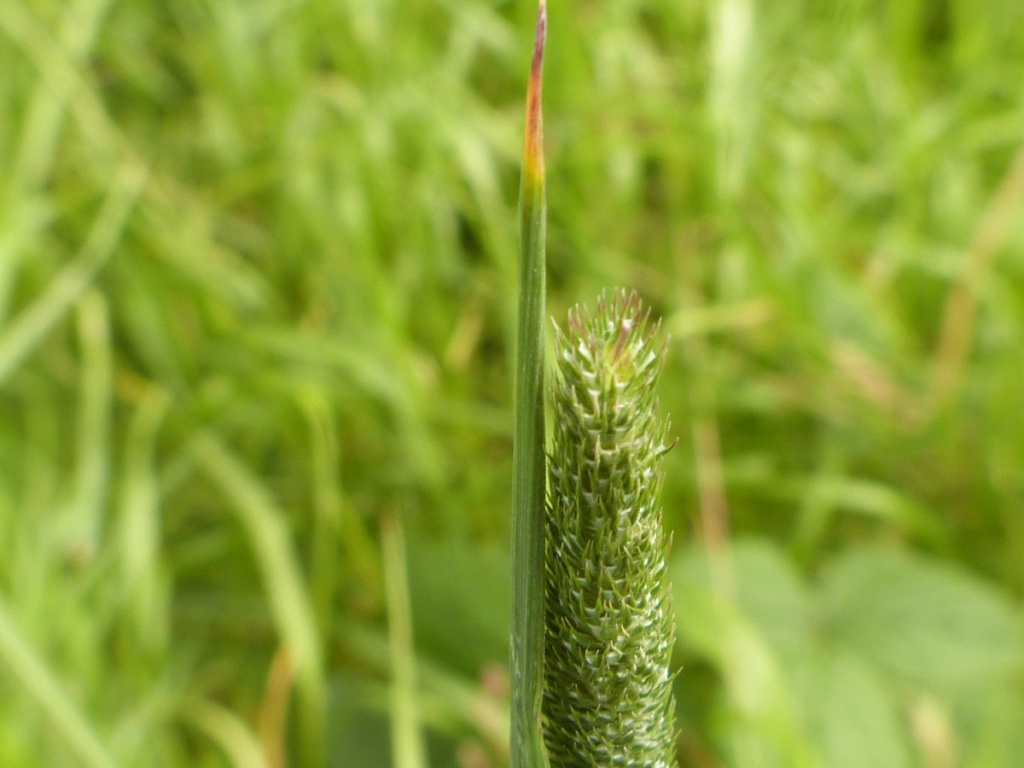
Inflorescence a ‘pointing finger’ spike. The two glumes of each floret each narrow to a pointed apex.
Roadsides, meadows, and other grasslands.
June to August.
Perennial.
Common throughout Britain.
Very common in Leicestershire and Rutland. In the 1979 Flora survey of Leicestershire it was found in 578 of the 617 tetrads.
 Graham Calow
Nailstone, colliery land reclamation area
18 June 2019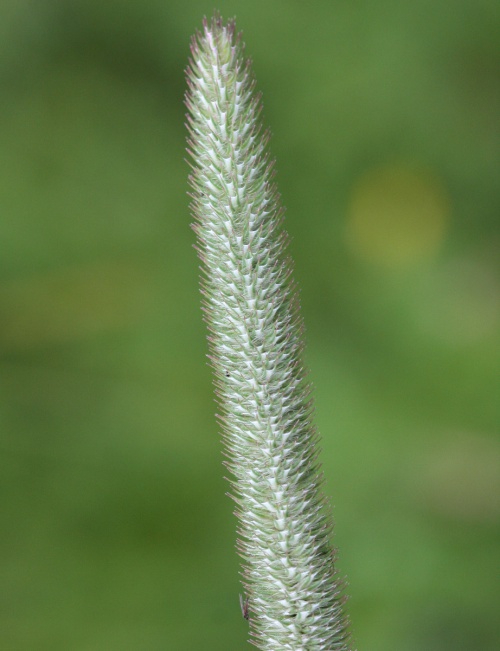 David Nicholls
Ratby
19 June 2014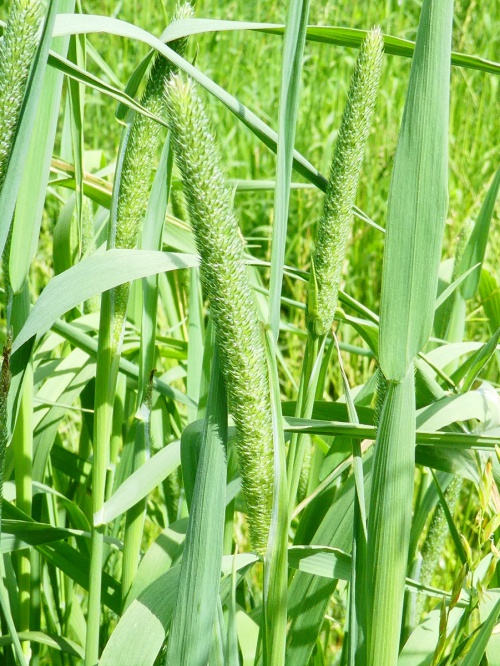 Melinda Bell
Heather, QEDJWood
14 June 2021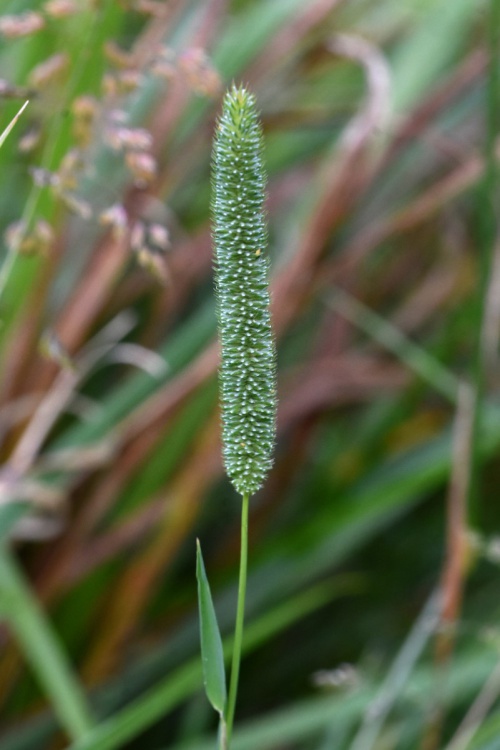 Andy's Rutland
Empingham garden
16 June 2022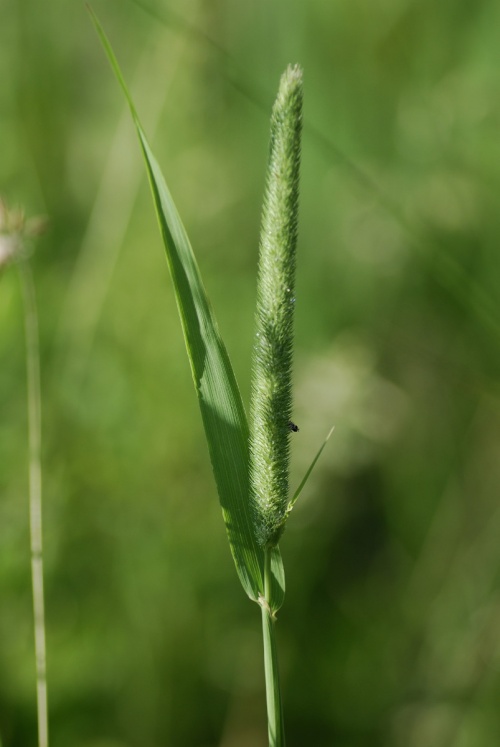 Barbara Cooper
Long Clawson
06 July 2012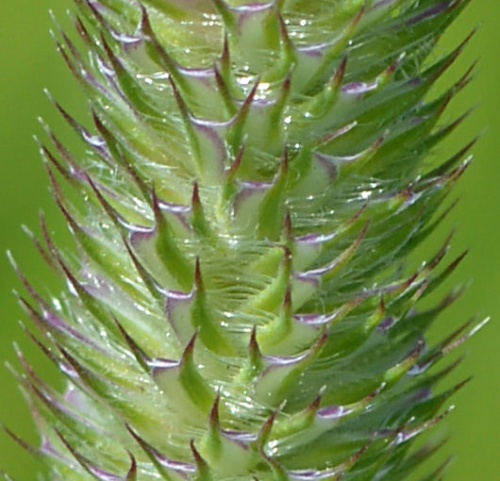 Barbara Cooper
Long Clawson
13 June 2017
detail of spikelets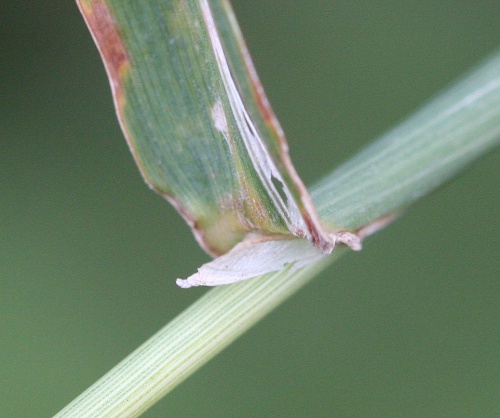 David Nicholls
Watermead Country Park
27 September 2013
Leicestershire & Rutland Map
Enter a town or village to see local records
MAP KEY:
Yellow squares = NBN records (all known data)
Coloured circles = NatureSpot records: 2025+ | 2020-2024 | pre-2020
UK Map
Species profile
- Common names
- Timothy, Timothy Grass
- Species group:
- flowering plant
- Kingdom:
- Plantae
- Order:
- Poales
- Family:
- Poaceae
- Records on NatureSpot:
- 263
- First record:
- 01/07/1998 (John Mousley)
- Last record:
- 14/08/2025 (Nicholls, David)
Total records by month
% of records within its species group
10km squares with records
The latest images and records displayed below include those awaiting verification checks so we cannot guarantee that every identification is correct. Once accepted, the record displays a green tick.
In the Latest Records section, click on the header to sort A-Z, and again to sort Z-A. Use the header boxes to filter the list.
Latest images
Latest records
 Graham Calow
Wykin
12 June 2015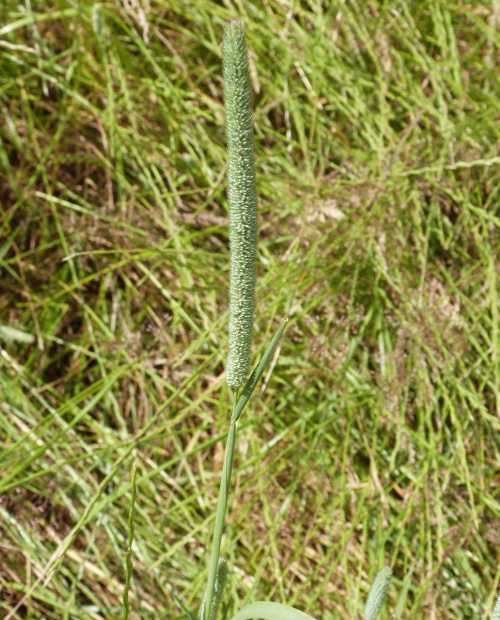 Graham Calow
Higham on the Hill
09 July 2015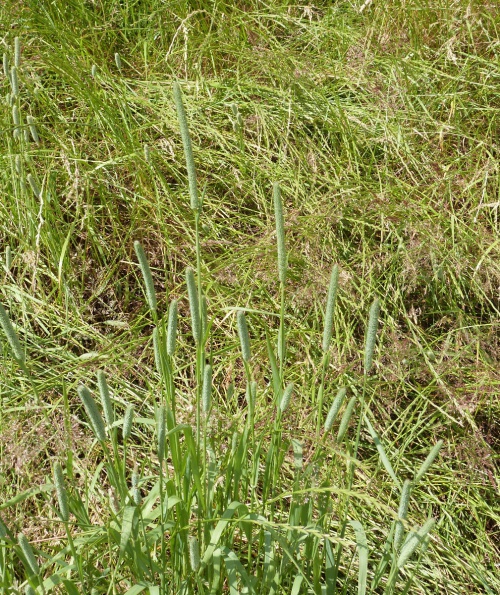 Graham Calow
Higham on the Hill
09 July 2015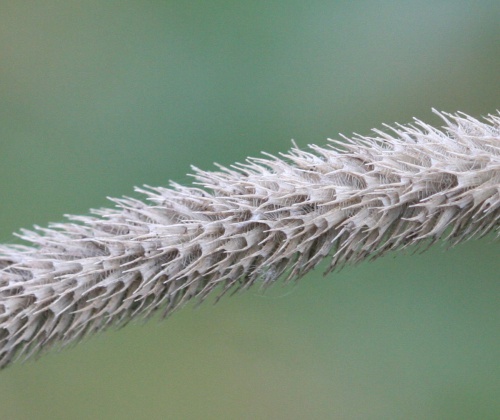 David Nicholls
Watermead Country Park
27 September 2013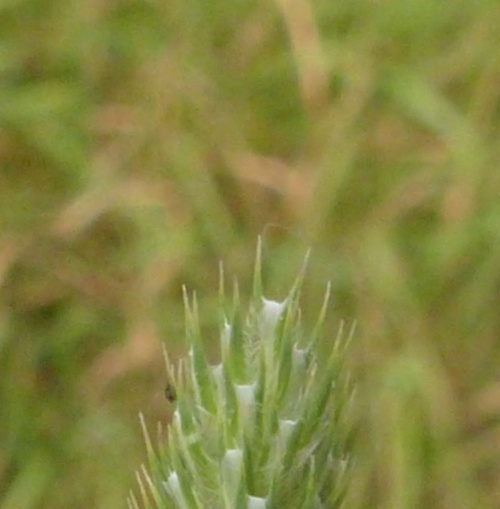 Graham Calow
Croft Pasture
14 July 2014
individual spikelets have two points.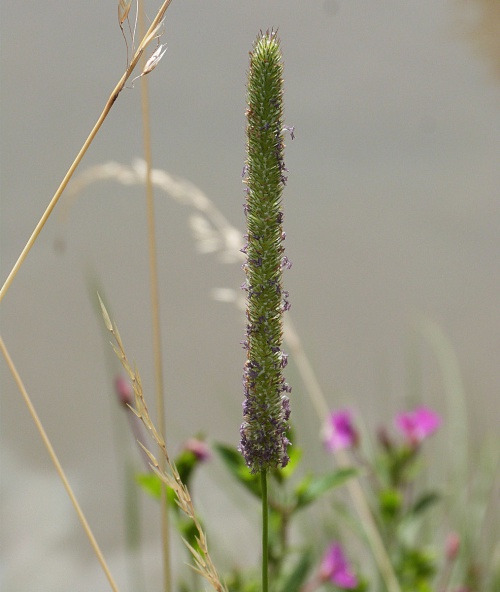 Graham Calow
Basin Bridge Lane, Wykin
31 July 2015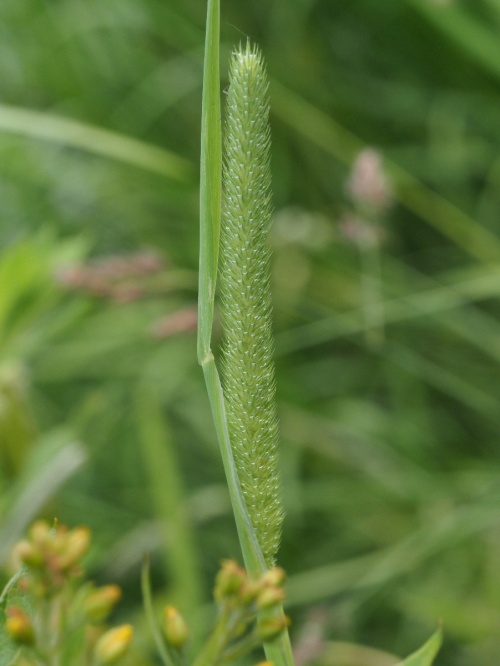 David Nicholls
North Kilworth, Millennium Green
15 June 2023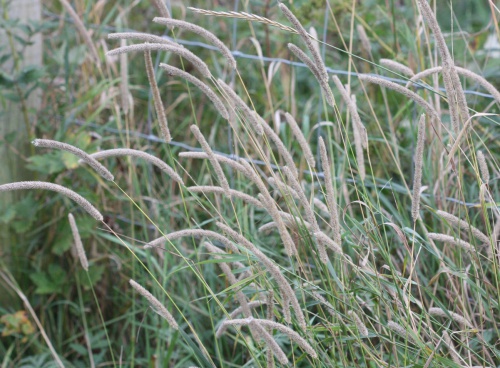 David Nicholls
Watermead Country Park
27 September 2013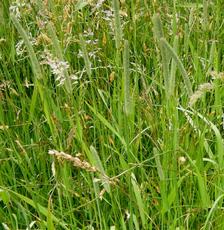 Graham Calow
Broughton Astley
24 June 2011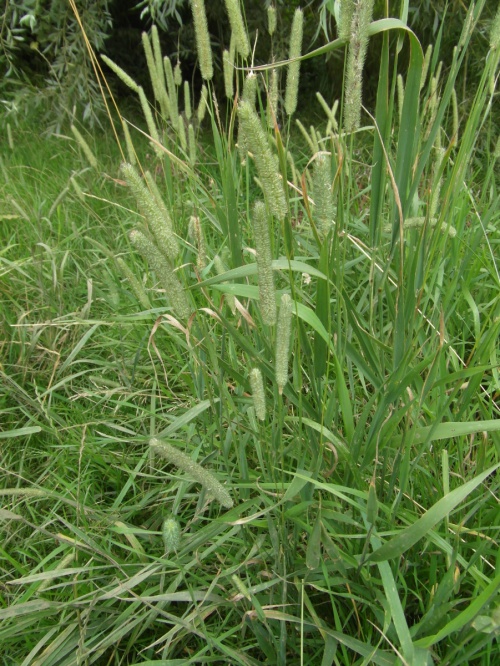 Alan Semper
Melton Country Park
17 August 2013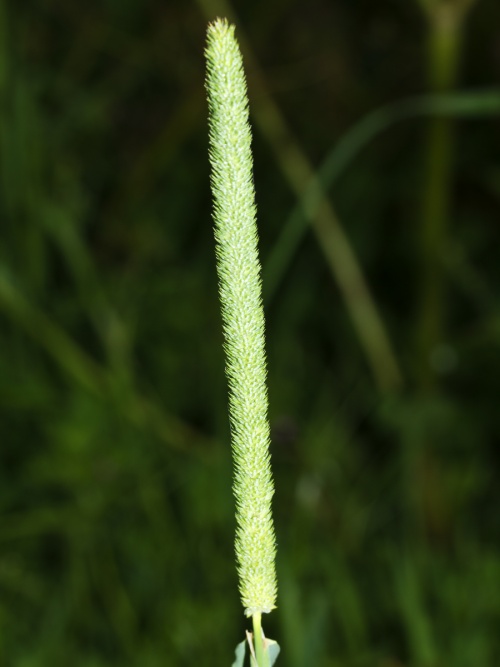 HAPeacock
Gilroes Cemetery Extension
19 June 2012 Old Fosse Sapcote SP 5035 9303 (taken 4.8.2008).JPG) Graham Calow
Graham Calow
Sapcote
04 August 2008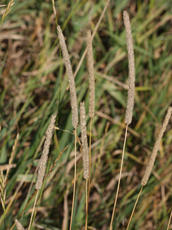 David Nicholls
Croft Hill
29 September 2011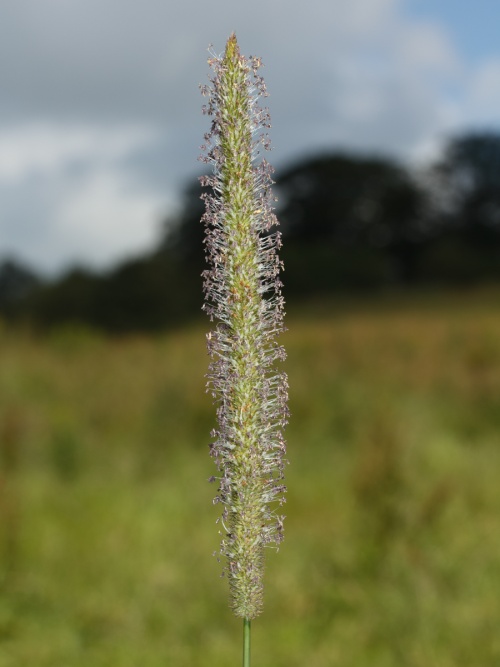 HAPeacock
Billa Barra
21 July 2012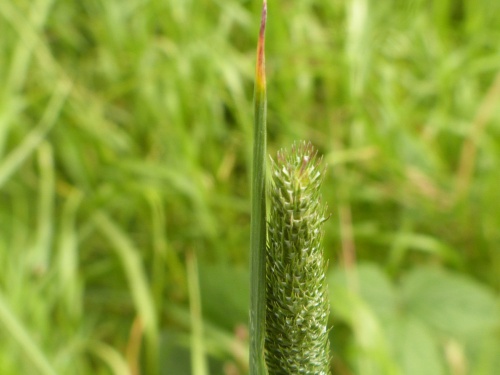 Graham Calow
Sapcote
29 June 2013
 Old Fosse Sapcote SP 5035 9303 (taken 4.8.2008).JPG)
%20ergots%20on%20Phleum%20pratense%20grass%20Field%20near%20Donkey%20Lane%20%20Sapcote%20SP%204860%209293%20(taken%2030.8.2009).JPG)
Ergot
Ergot (Claviceps purpurea) is a violet-black spindle-shaped structure longitudinally furrowed, up to 1cm long, and formed in the inflorescences of grasses. The fungal body is described as an ergot kernel.
Choke
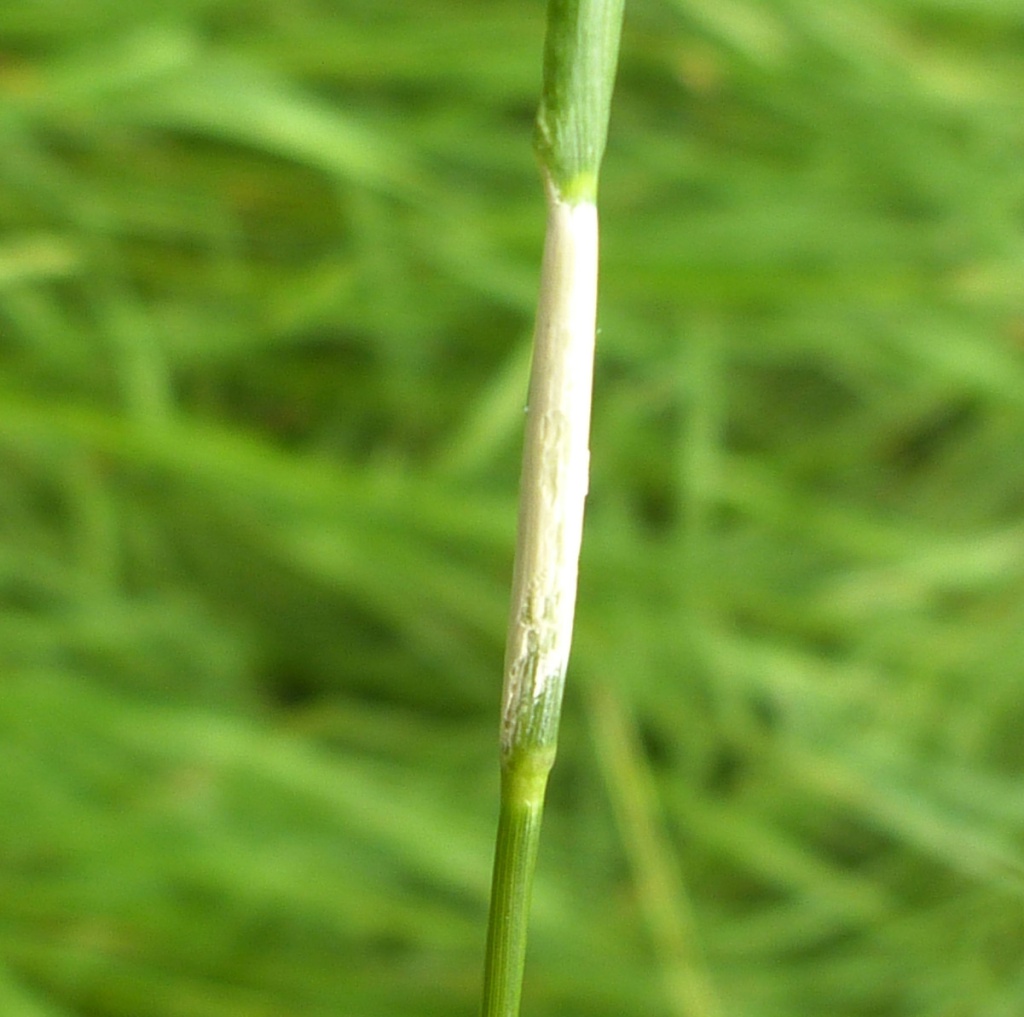
Epichloe typhina fungus galls the stems of various grasses, the gall often having a rather tubular appearance. It is white in the early stages, yellowing when mature. On various grasses including many of our most common species including Sweet Vernal-grass, False Oat-grass, Cock's-foot, Perennial Rye-grass, Wood Millet, Timothy and Rough Meadow-grass.