Spotted Crake
Spotted Crake - Porzana porzana
Description
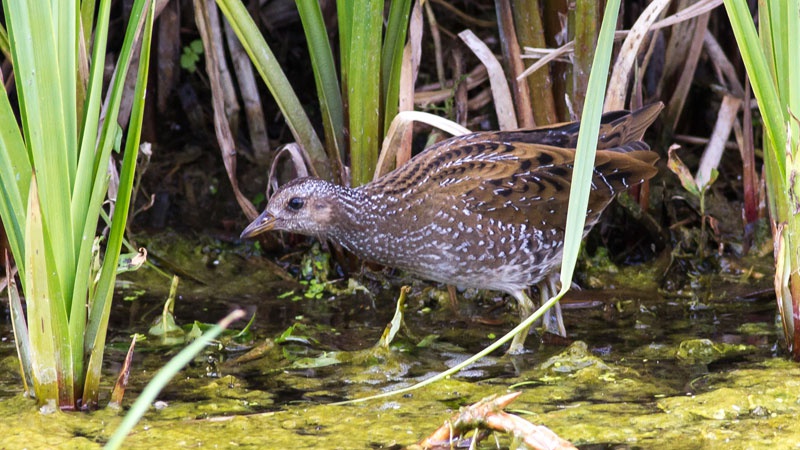
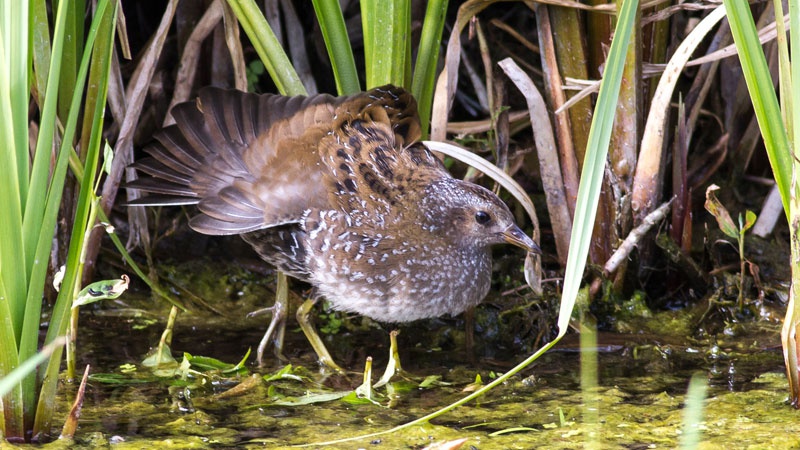
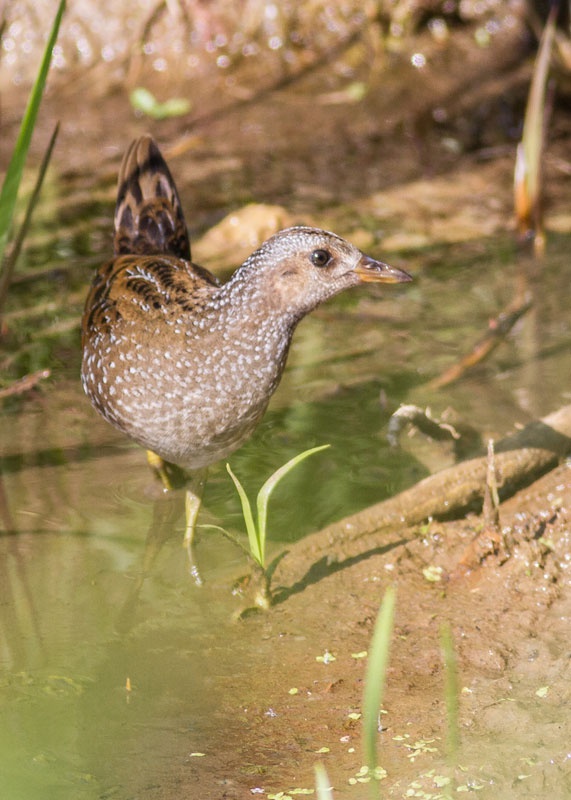
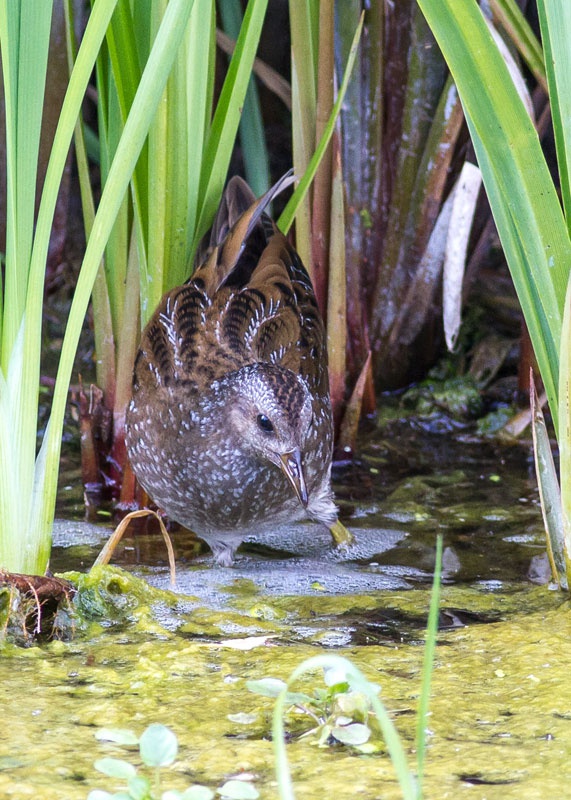
Adult Male Upperparts green-brown, with black feather centres obvious on back and tertials, and with fine white marbling, streaks, or spots overall. Uniform green-brown wing-coverts with many white flecks. Blue-grey on supercilium, cheeks, and throat, and black patch between eye and bill. Grey foreneck, with faint spots. Olive-brown chest tinged grey. Barred black and white flanks continuing onto under wing and over vent, isolating bright buff under tail-coverts. Flight-feathers dark brown, with leading edge of longest primary white. Underwing grey-black, barred white. Female Face less grey with more spotting than male and underparts less grey with more spotting. Adult bare parts Bill yellow or yellow-green, base orange-yellow with base orange-yellow or orange-red. Juvenile Like female but face and breast lack any grey tone more buff-brown with little spotting. Bill black or dark brown becoming paler during the autumn from yellow-brown with dusky tip.
Identification difficulty

Habitat
A bird of shallow sedge fens, its call (a whip like 'hooid') can be heard as much as 2 km away, and is delivered in bursts at a rate of up to 90 a minute.
When to see it
Most records for VC55 have been in the autumn between August and October with a three spring records up to 2013.
Life History
It is primarily a summer breeder to the Western Palaearctic, although there are some winter records, particularly in southern countries. Most winter North Africa and further south. It is a scare breeder in the UK and is not easy to prove breeding due to its secretive nature.
UK Status
Migrant breeder and passage visitor.
VC55 Status
Rare vagrant, mostly in autumn.
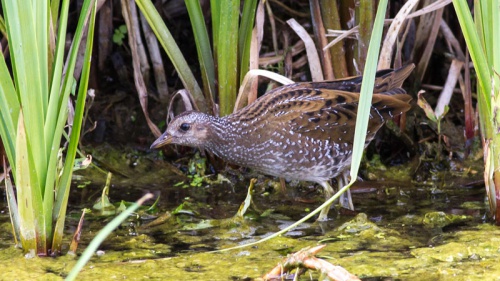 Rod Baker
Rutland Water
23 August 2014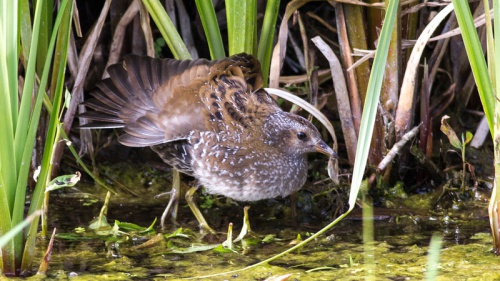 Rod Baker
Rutland Water
23 August 2014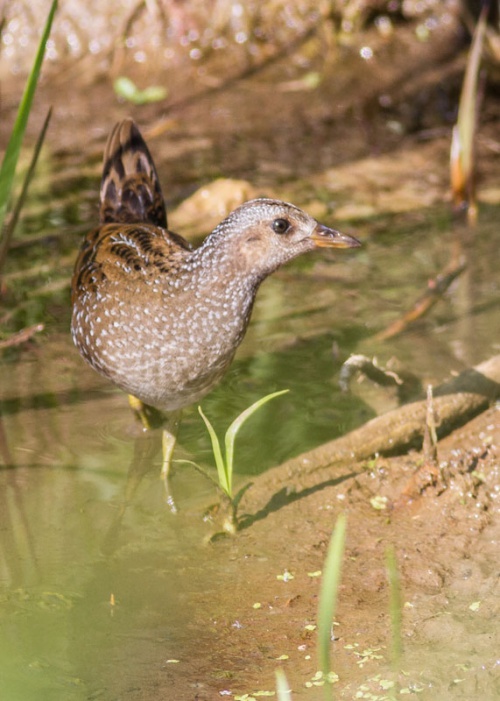 Rod Baker
Rutland Water
23 August 2014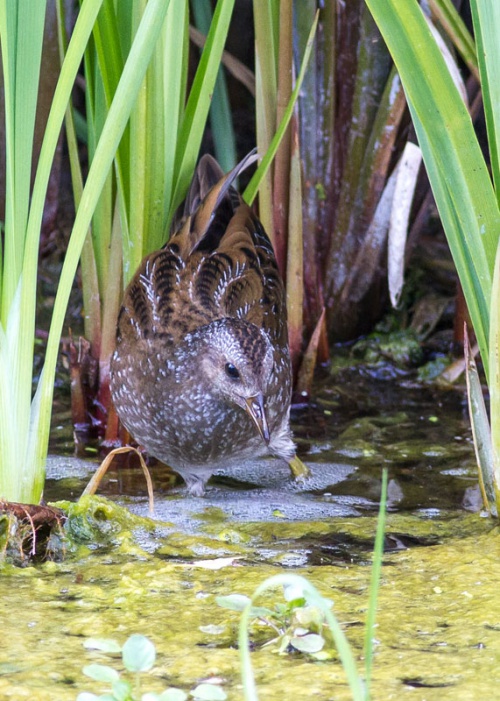 Rod Baker
Rutland Water
23 August 2014
Leicestershire & Rutland Map
Enter a town or village to see local records
MAP KEY:
Yellow squares = NBN records (all known data)
Coloured squares = NatureSpot records: 2025+ | 2020-2024 | pre-2020
UK Map
Additional images
No additional images available for this species.