

Rosebay Willowherb - Chamerion angustifolium
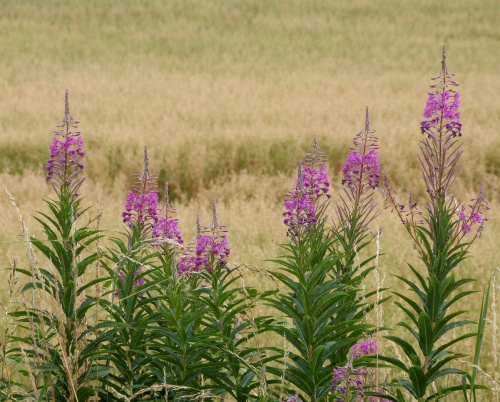
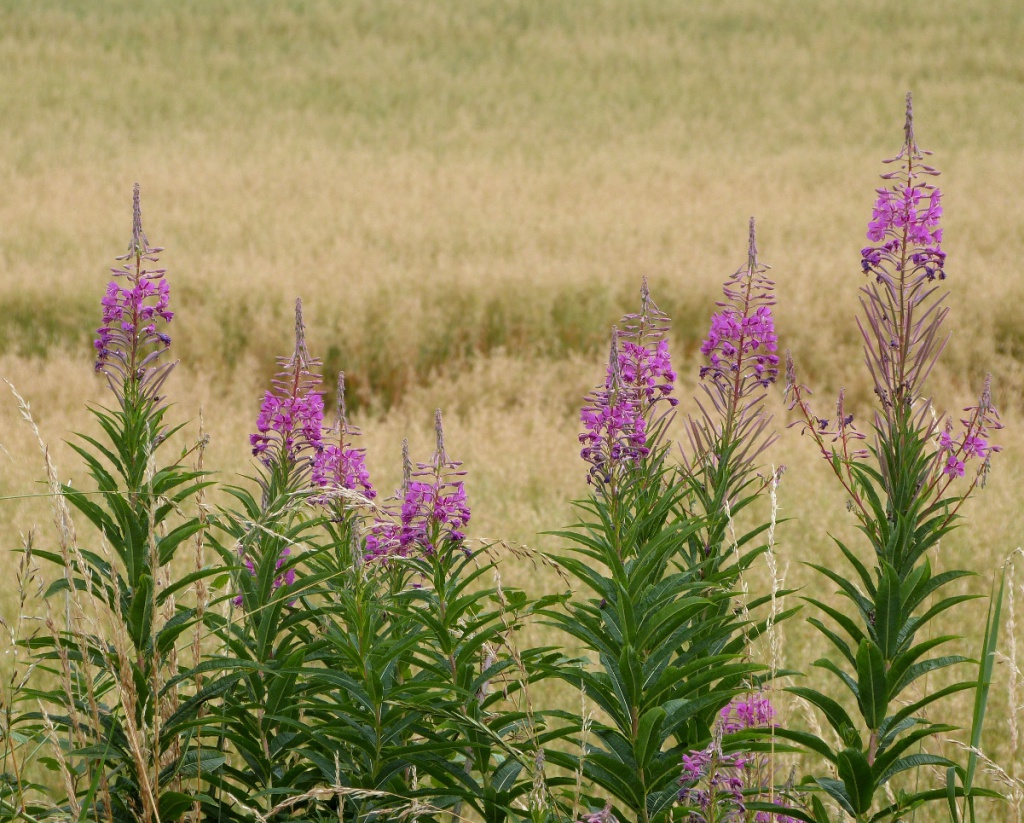
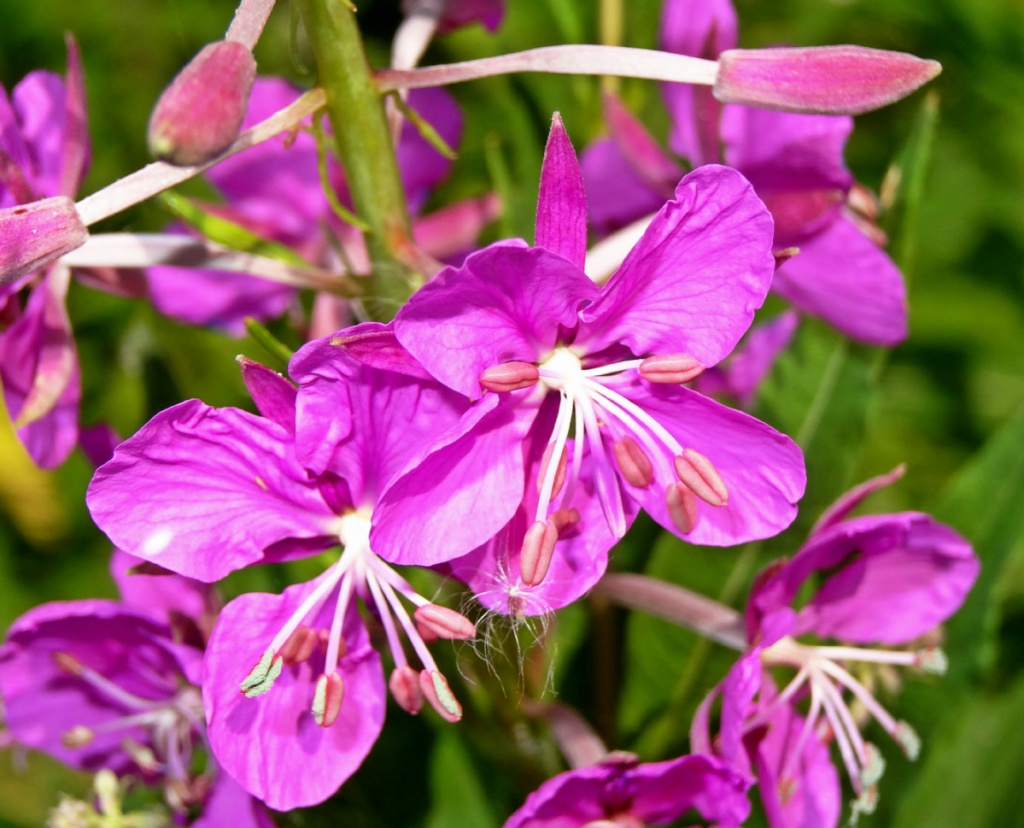
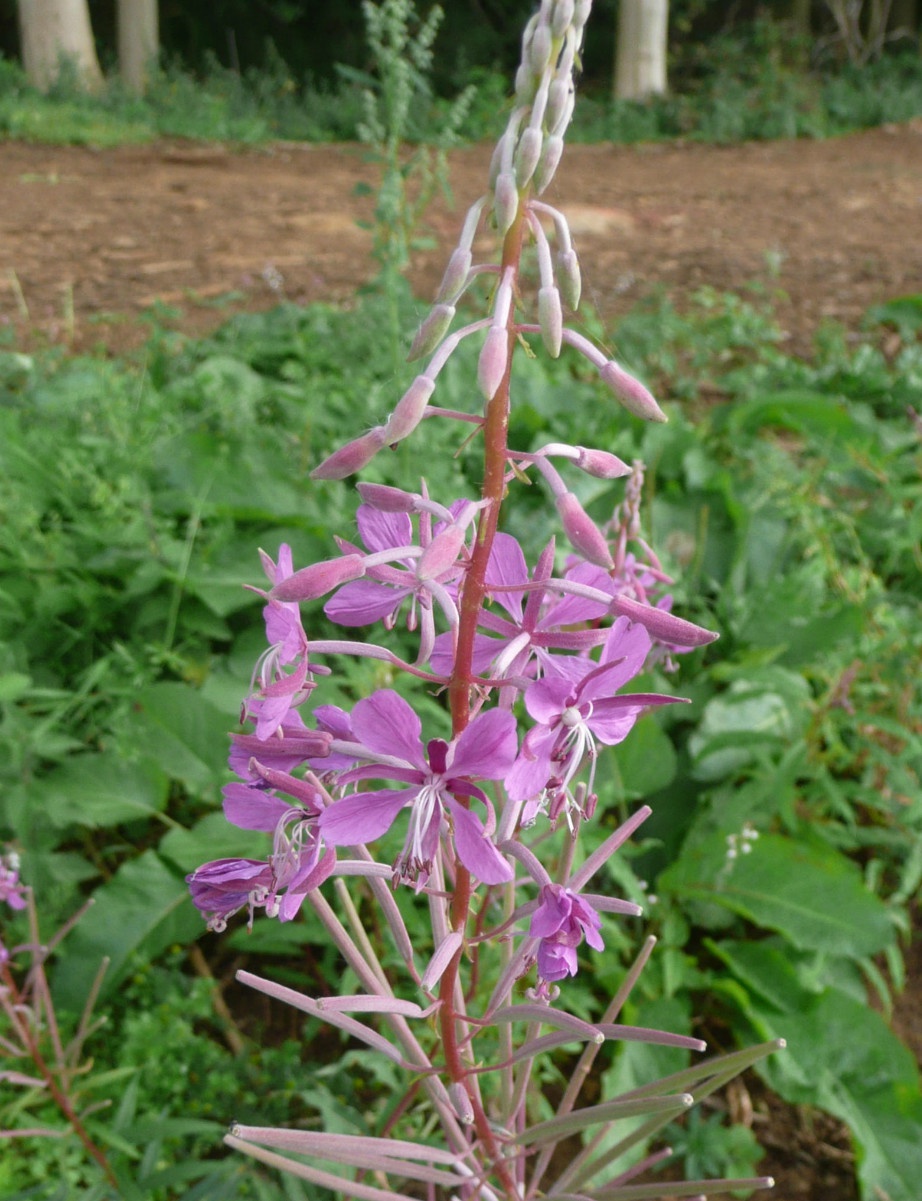
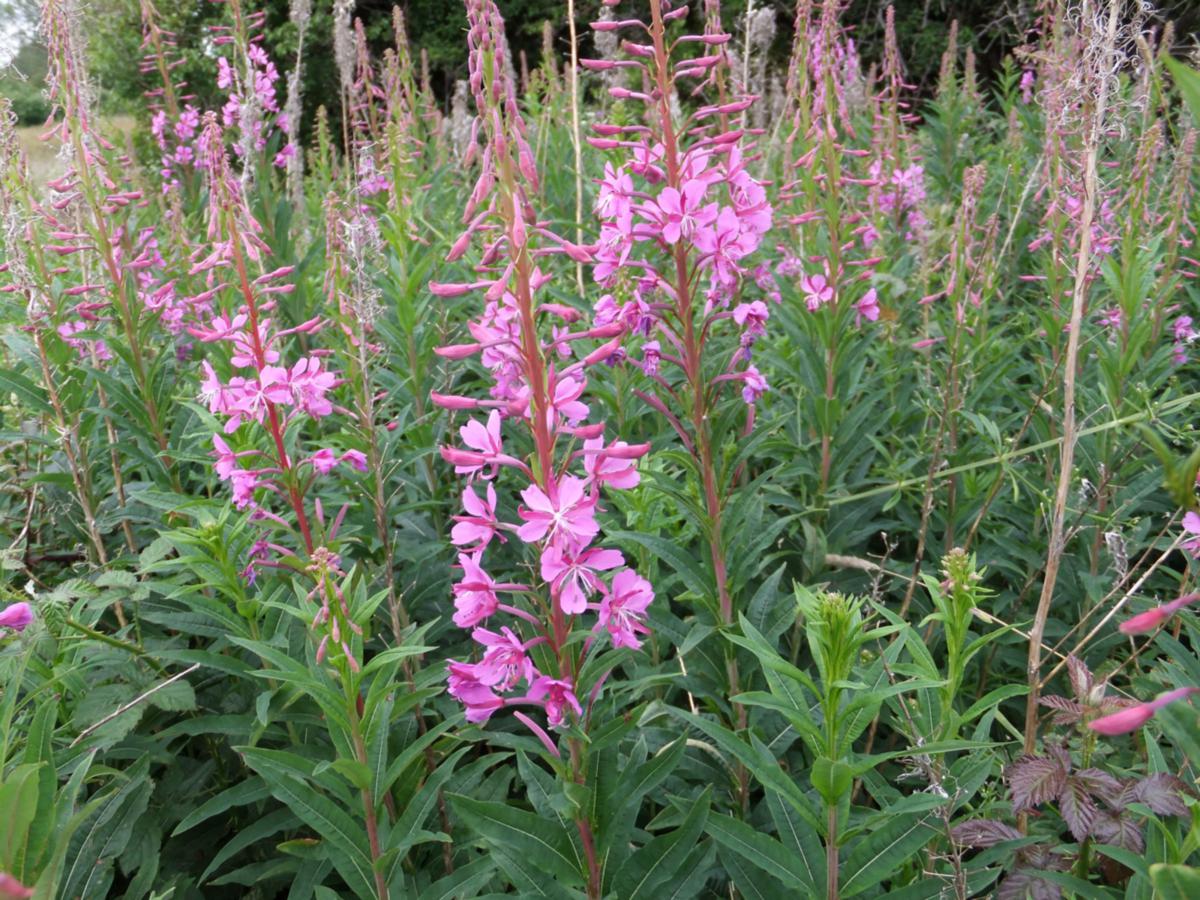
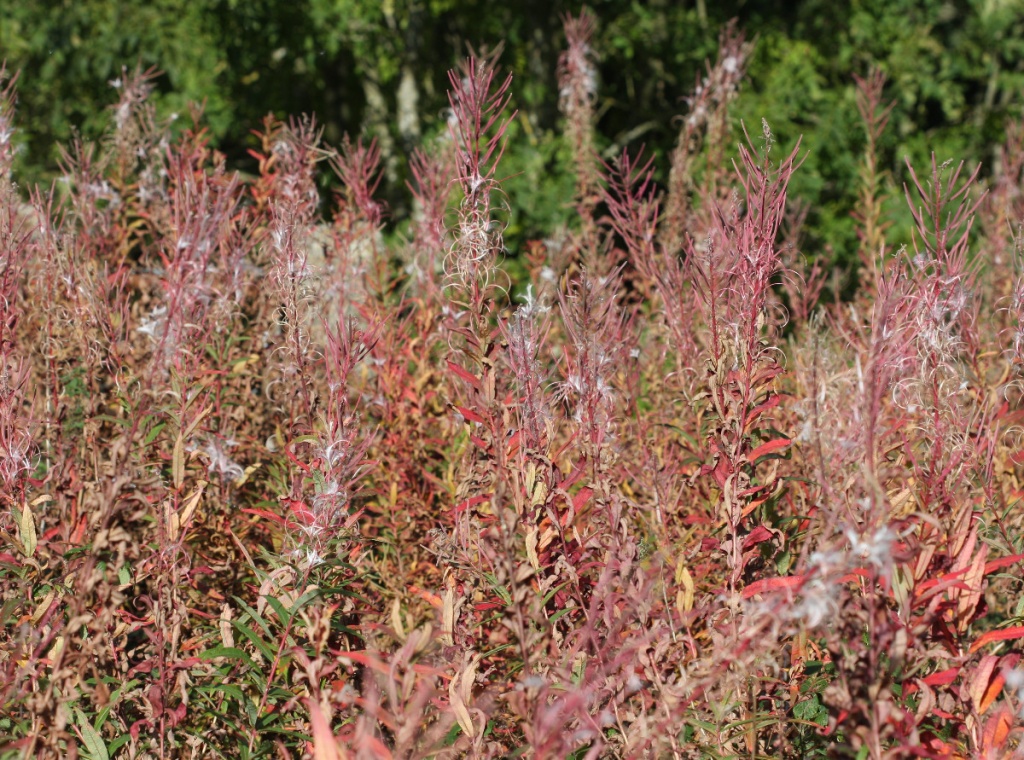
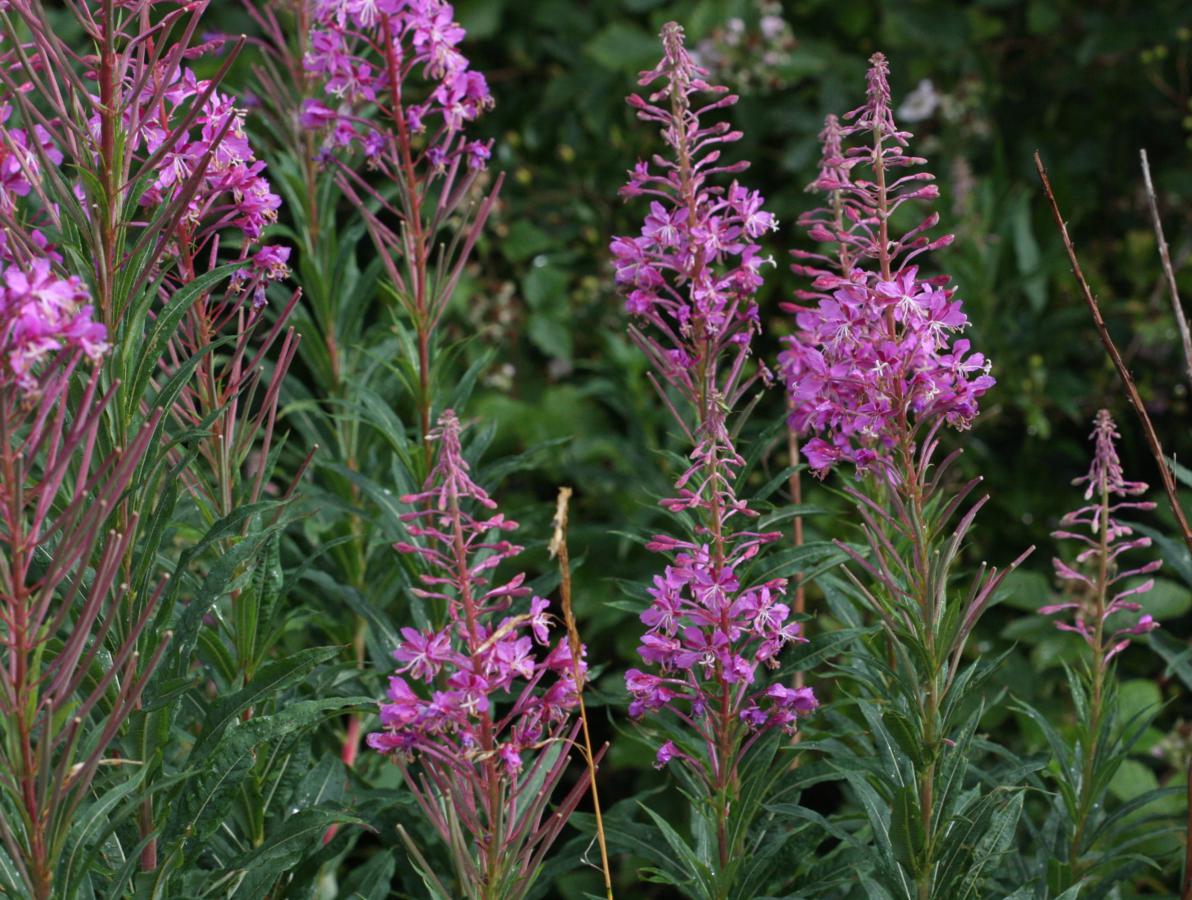
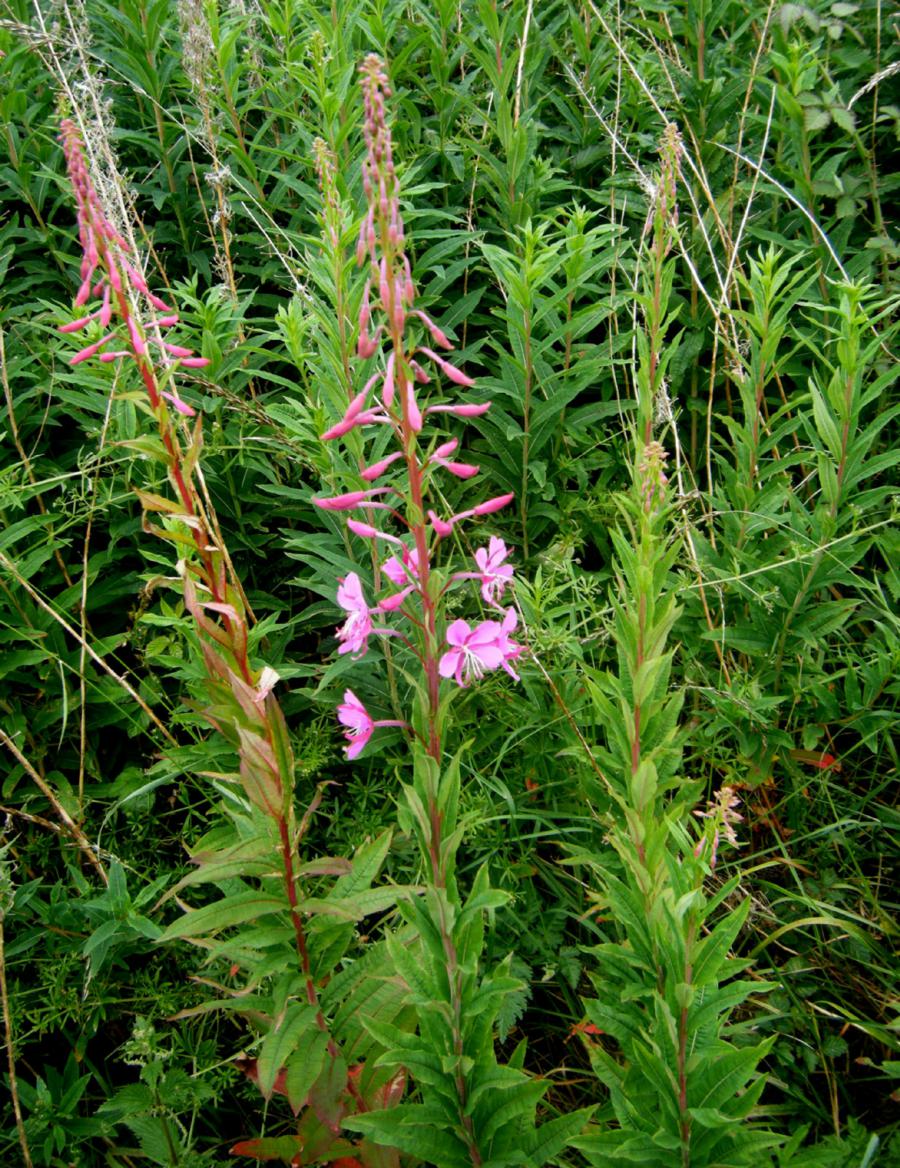
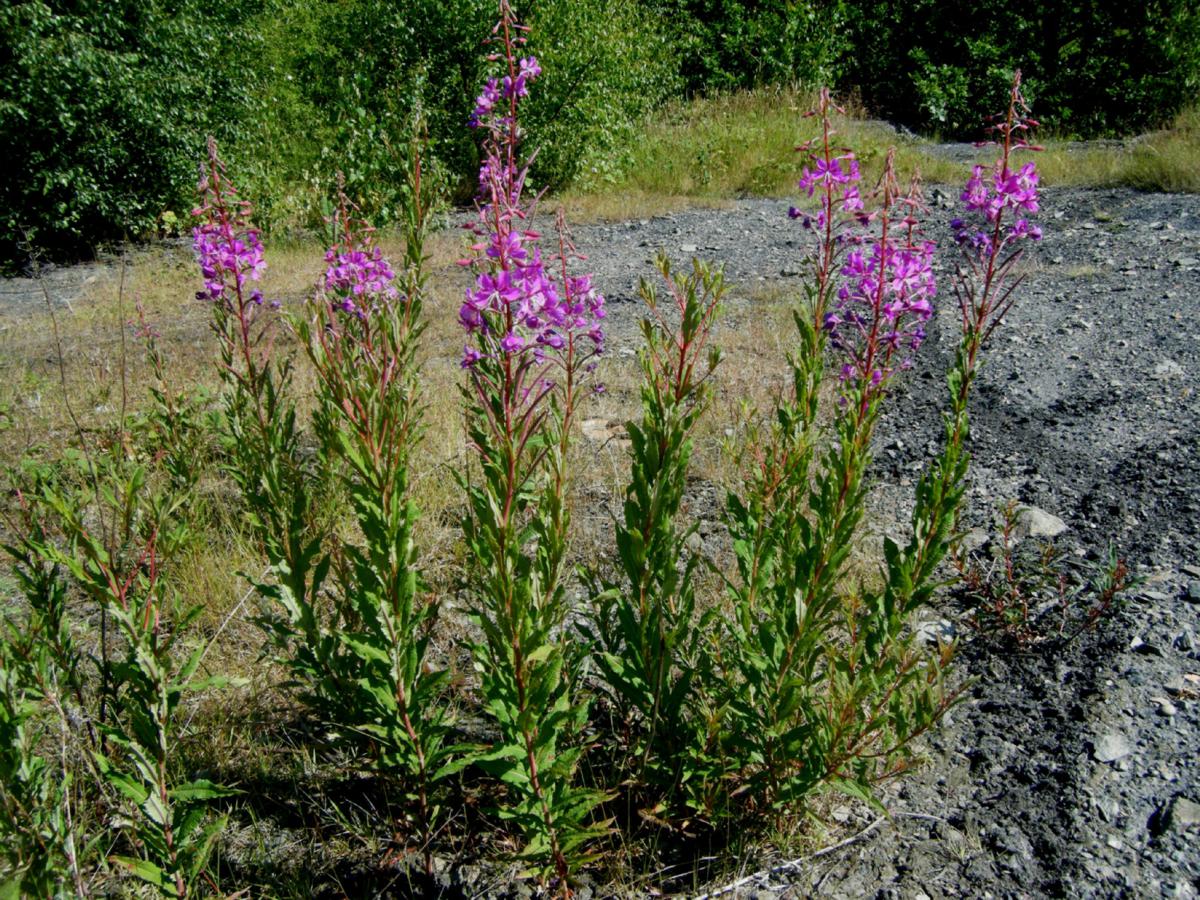
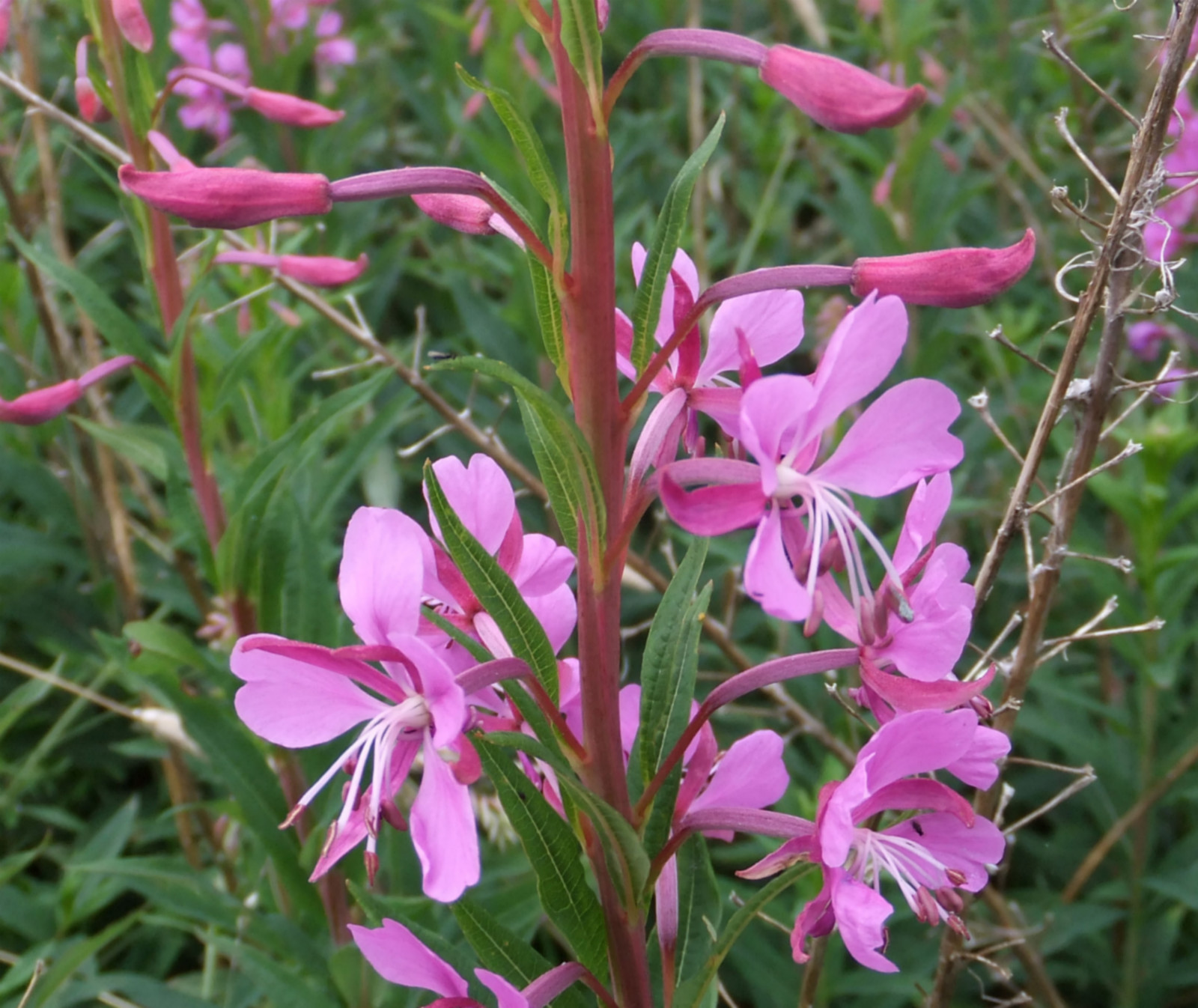
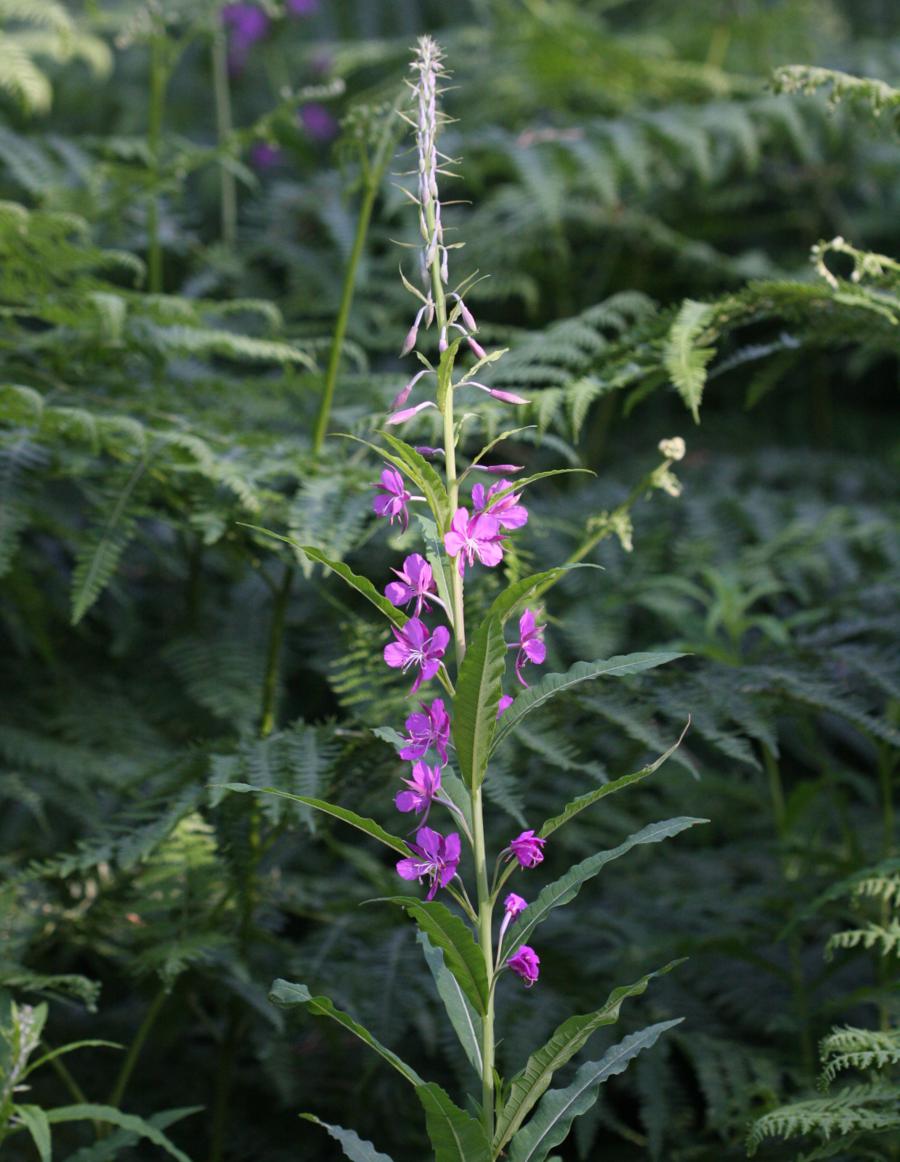
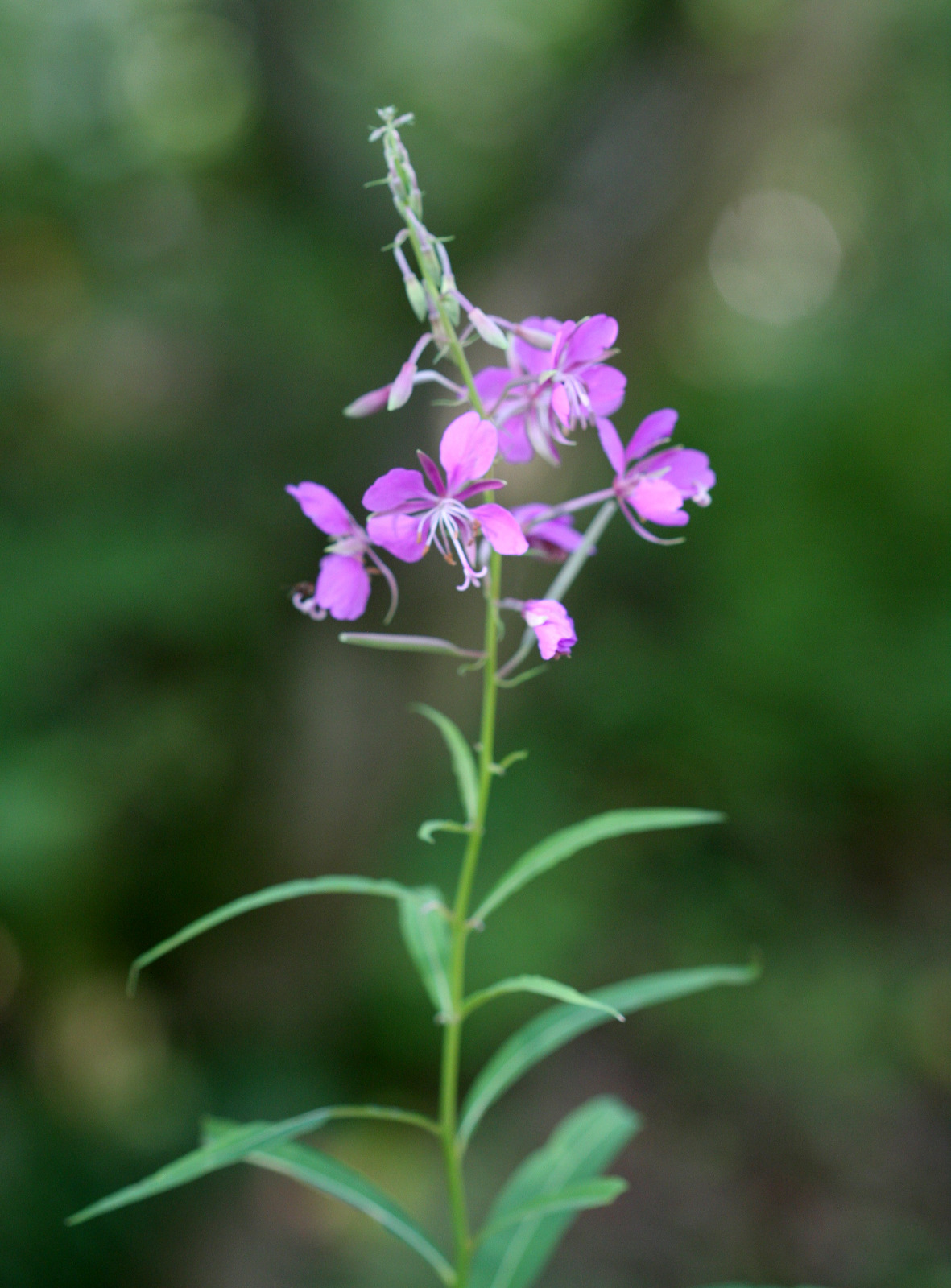
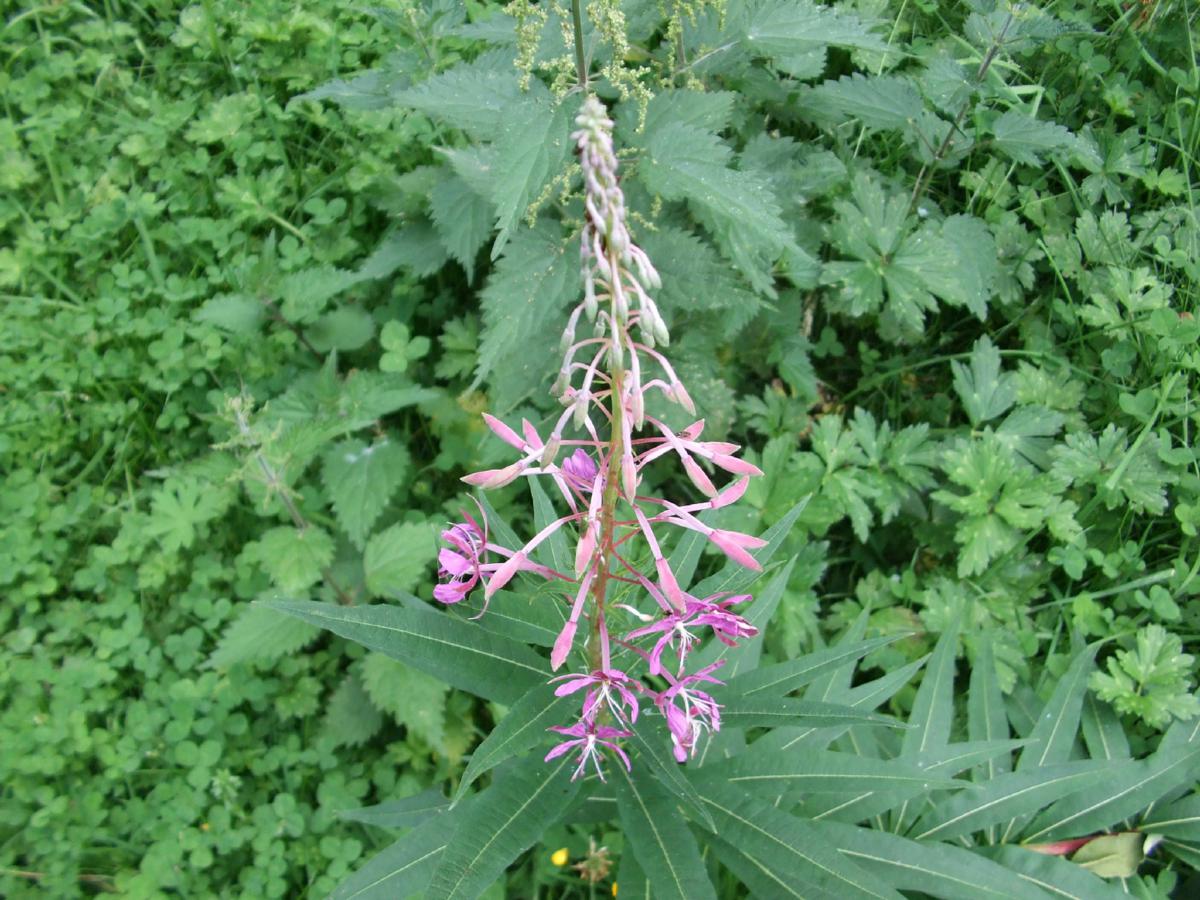
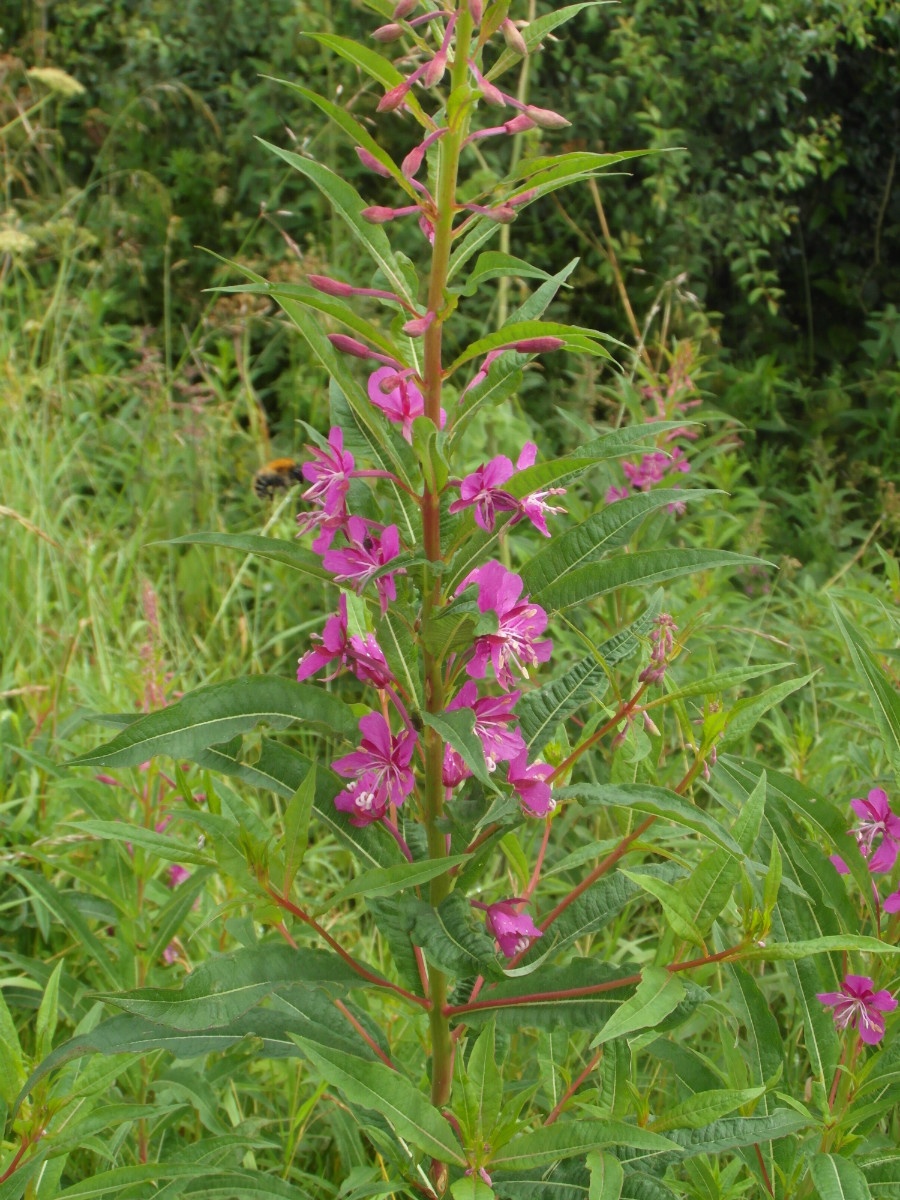
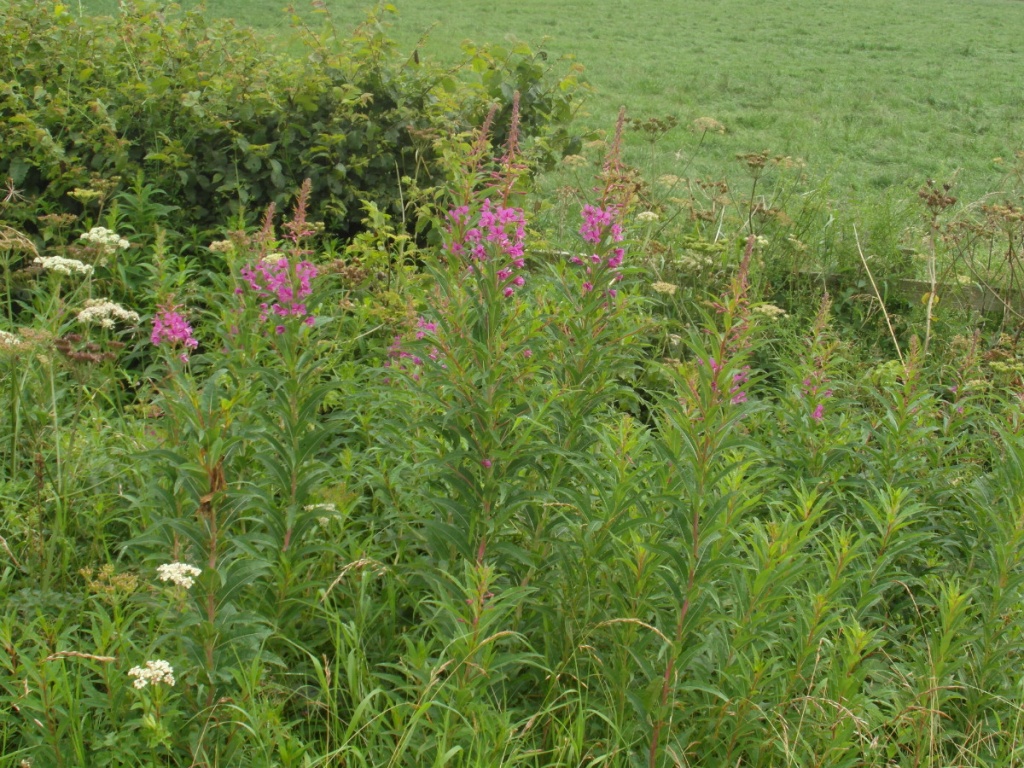
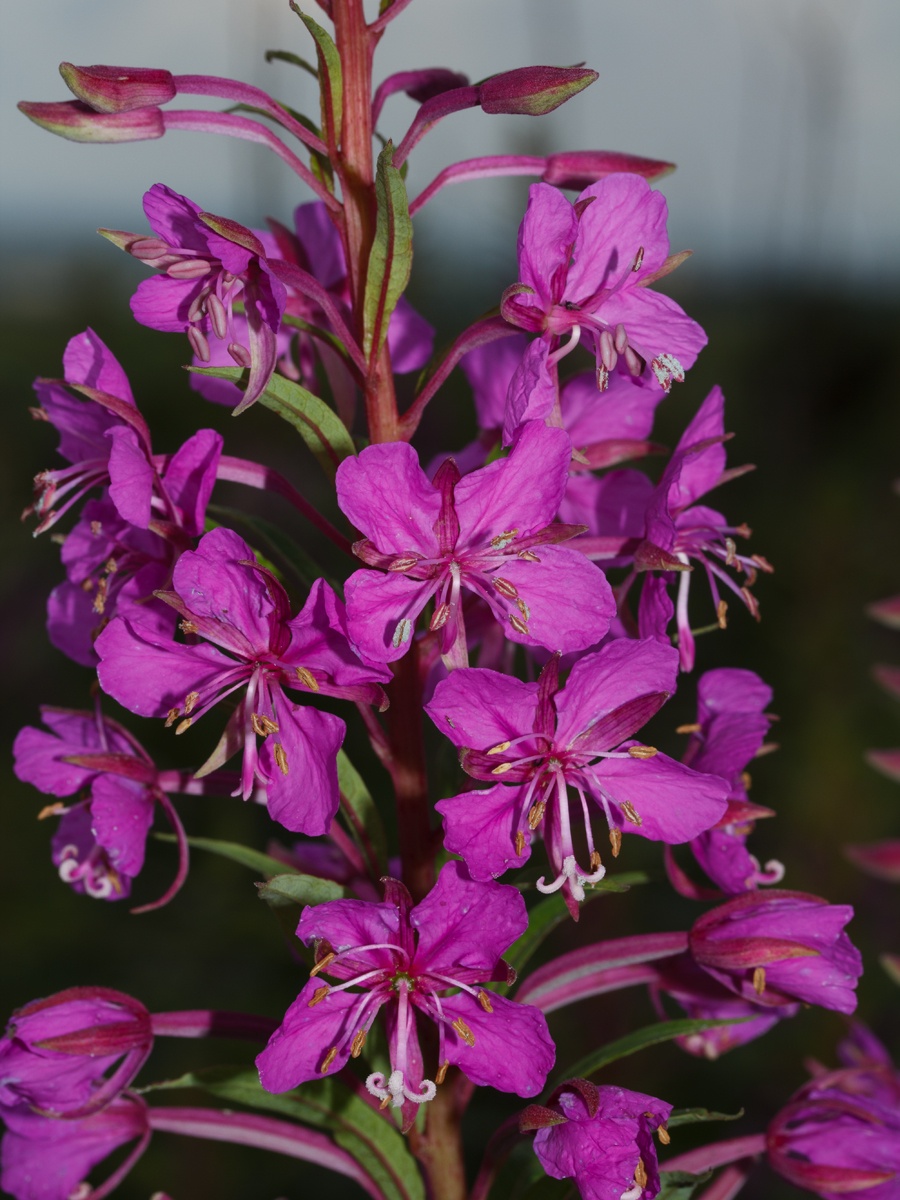
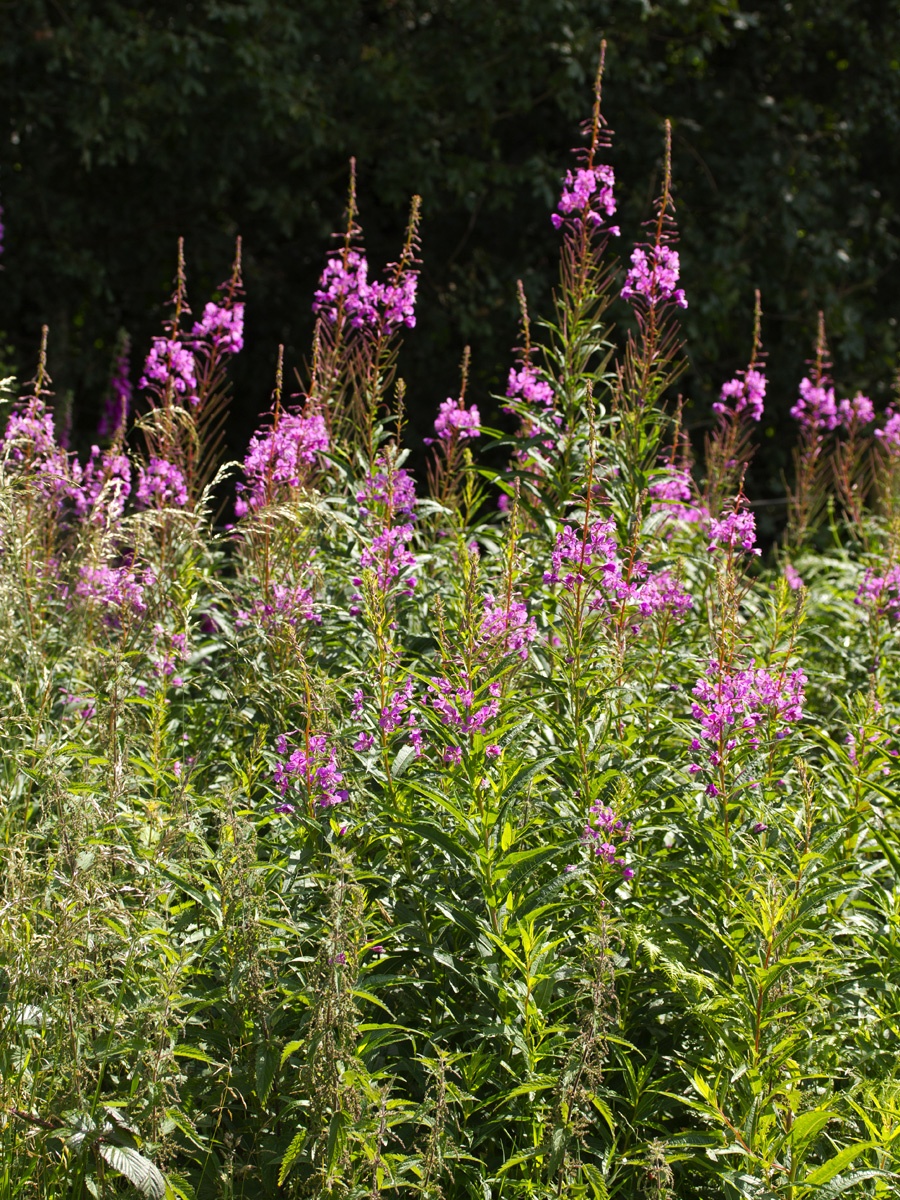
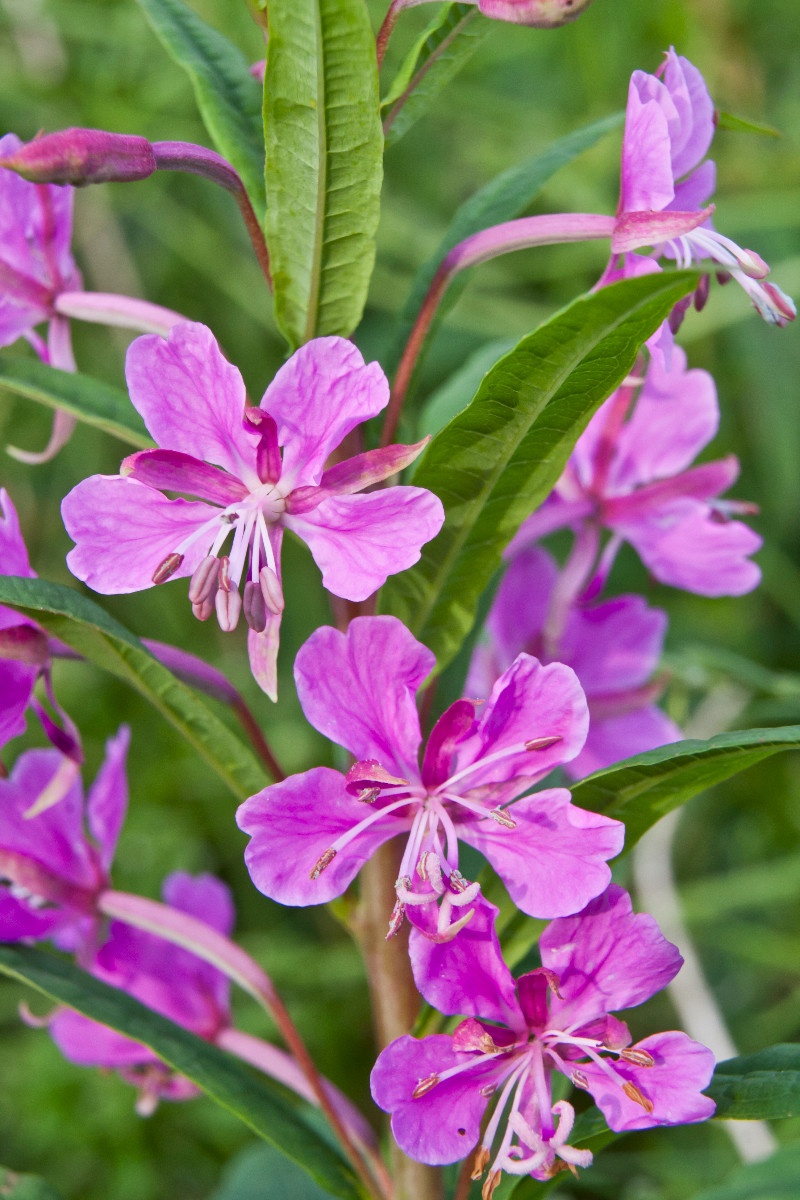
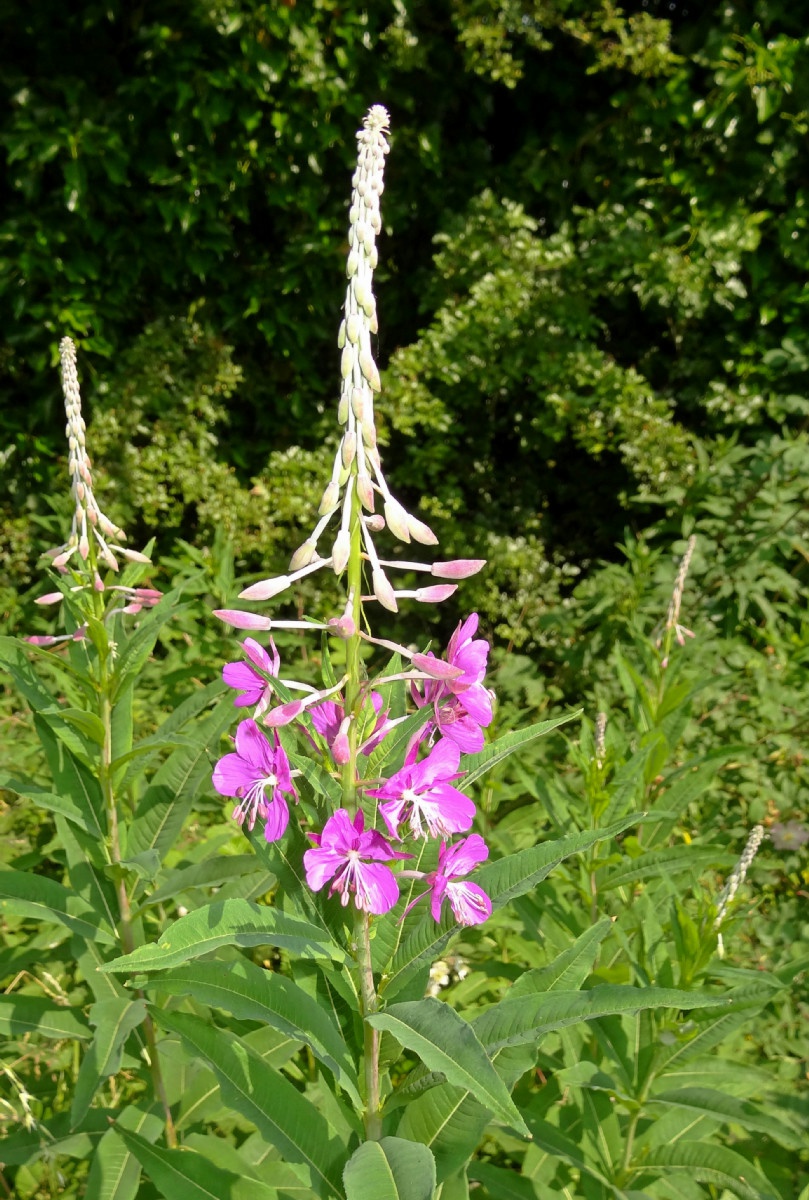
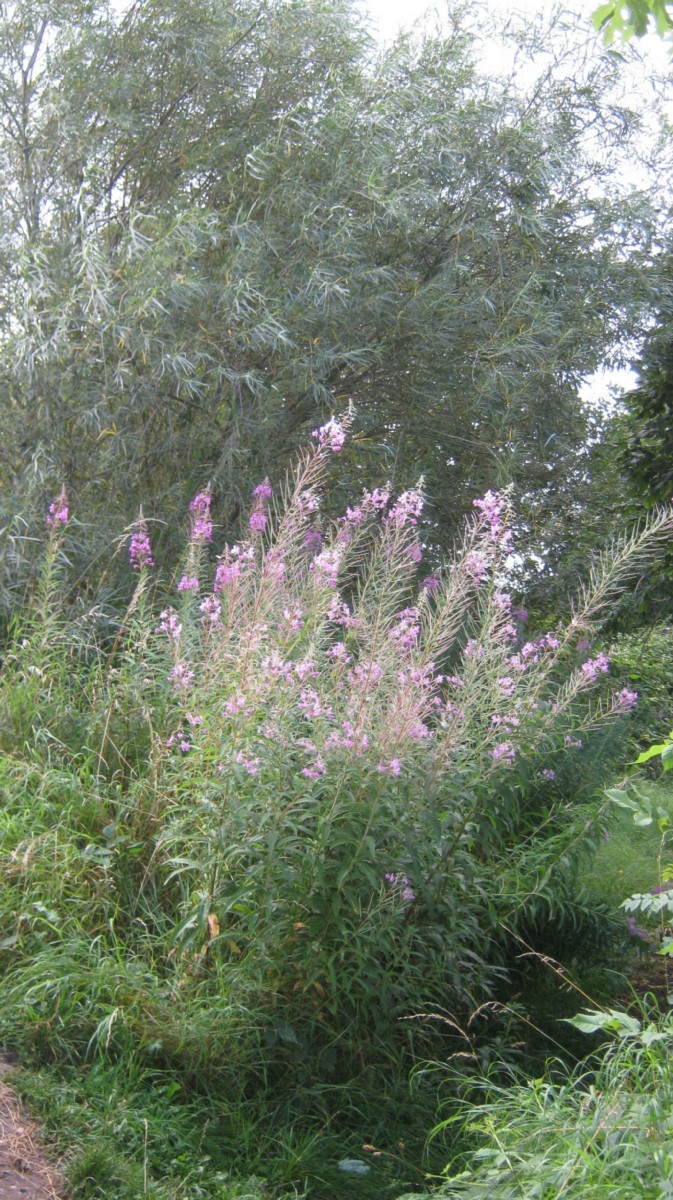
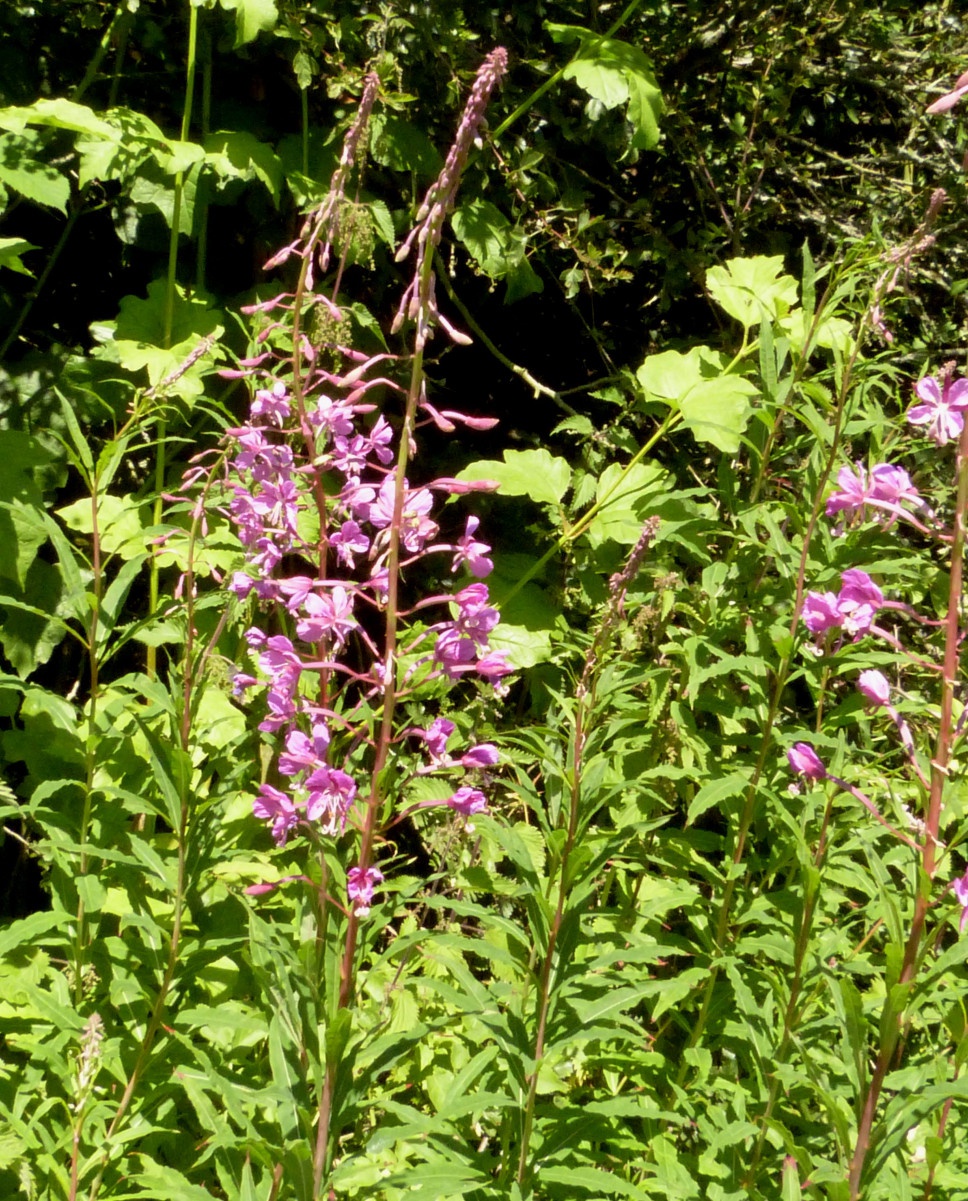
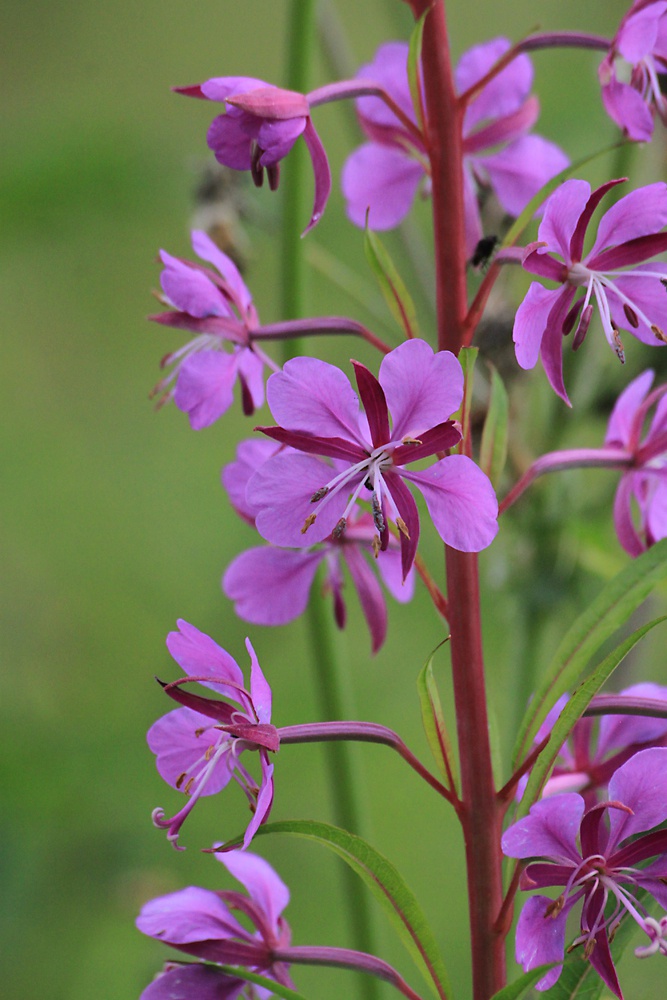
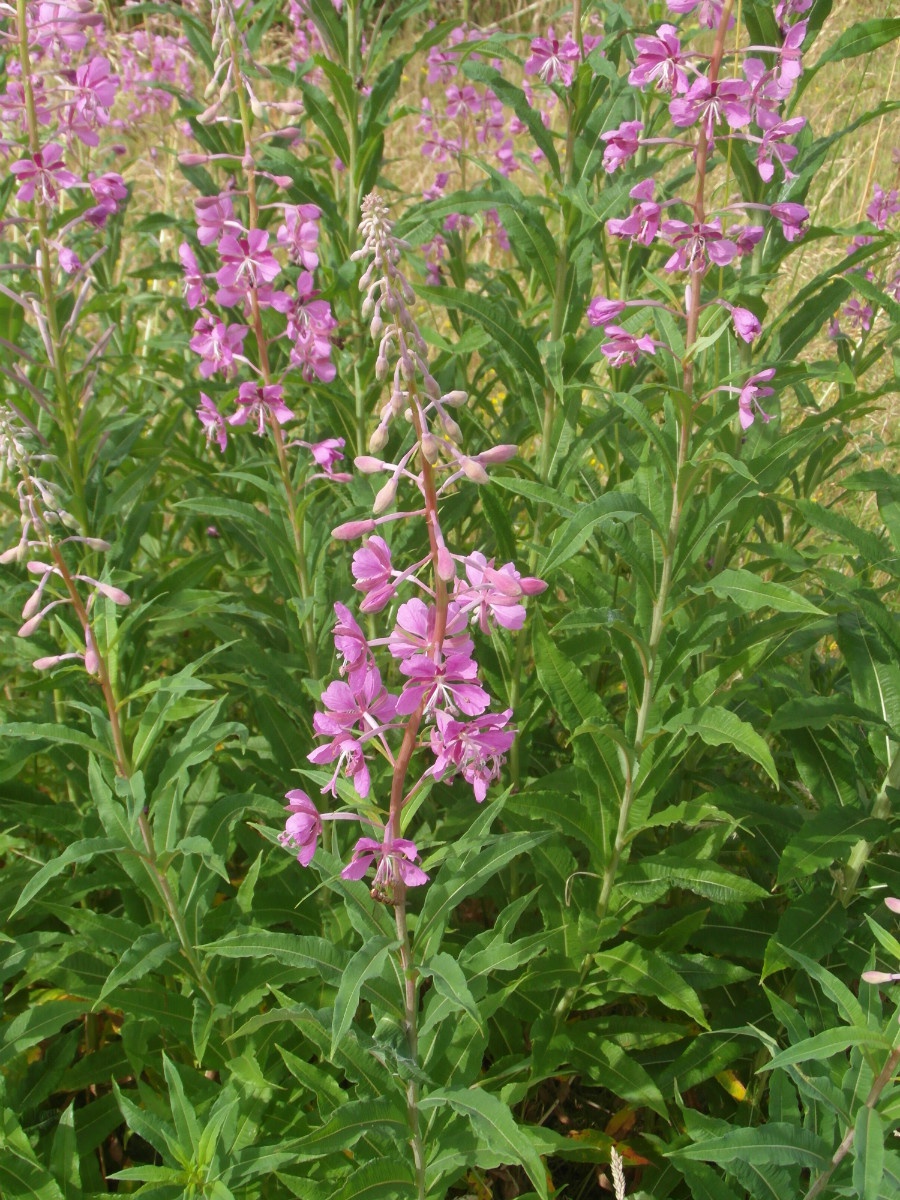
Robust, almost hairless, patch forming plant to 2.5 metres. Leaves alternate, lanceolate, slightly toothed with a vein running along close to the margin. Flowers violet or rose purple, 20 to 30 mm in long, tapering racemes, petals slightly notched.

Disturbed sites, waste places, banks and roadside verges.
June to September.
Perennial.
Common throughout much of Britain, scarcer in the north.
Very common in Leicestershire and Rutland. In the 1979 Flora survey of Leicestershire it was found in 594 of the 617 tetrads.
 Graham Calow
Road alongside M69, Elmesthorpe
01 August 2016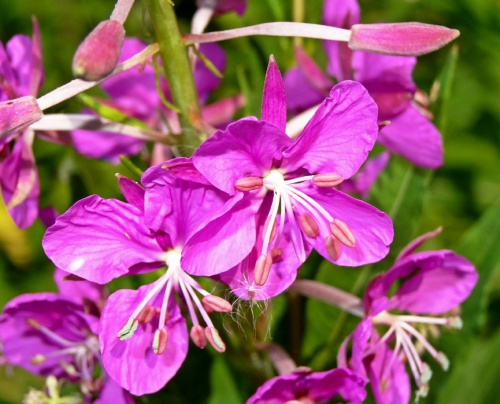 Lostash
Whetstone GCR Footpath
08 July 2013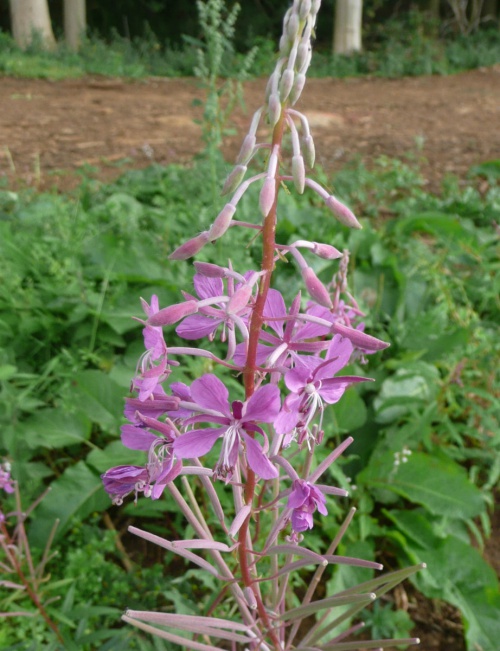 Barbara Cooper
Belvoir Woods
21 August 2013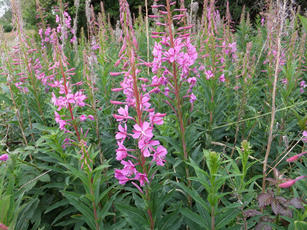 Ron.stevens
Broughton Astley
24 June 2011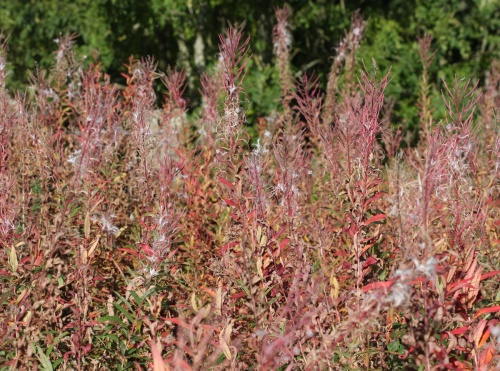 David Nicholls
Altar Stones
29 September 2012
Leicestershire & Rutland Map
Enter a town or village to see local records
MAP KEY:
Yellow squares = NBN records (all known data)
Coloured circles = NatureSpot records: 2025+ | 2020-2024 | pre-2020
UK Map
The latest images and records displayed below include those awaiting verification checks so we cannot guarantee that every identification is correct. Once accepted, the record displays a green tick.
In the Latest Records section, click on the header to sort A-Z, and again to sort Z-A. Use the header boxes to filter the list.
Latest images
Latest records
 Old Fosse Sapcote SP 4923 9239 (taken 23.6.2006...JPG) Graham Calow
Graham Calow
Sapcote
23 June 2006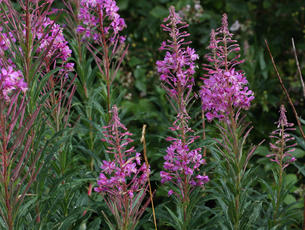 David Nicholls
Fosse Meadows
08 July 2011 Old Fosse Sapcote SP 4923 9239 (taken 2.7.2006).JPG) Graham Calow
Graham Calow
Sapcote
02 July 2006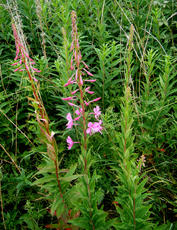 Graham Calow
Broughton Astley
24 June 2011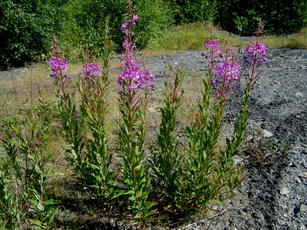 Graham Calow
Ellistown
27 June 2011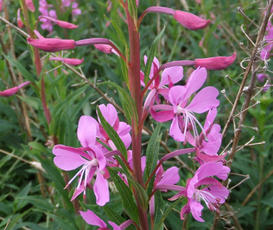 Ron.stevens
Broughton Astley
24 June 2011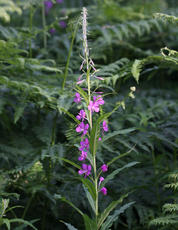 David Nicholls
Martinshaw Wood
30 June 2011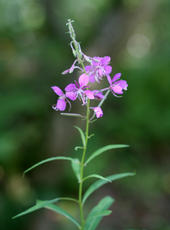 David Nicholls
Swithland Wood
25 August 2011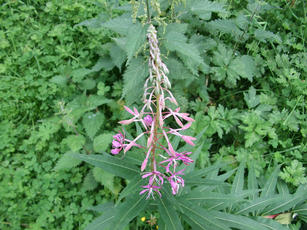 Denise Stretton
Jubilee Walk, Leire
02 August 2011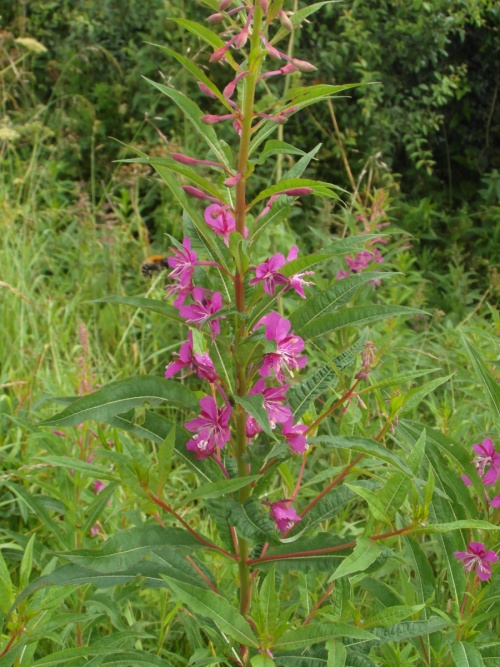 Alan Semper
Eastwell, Waltham La verge E
14 July 2012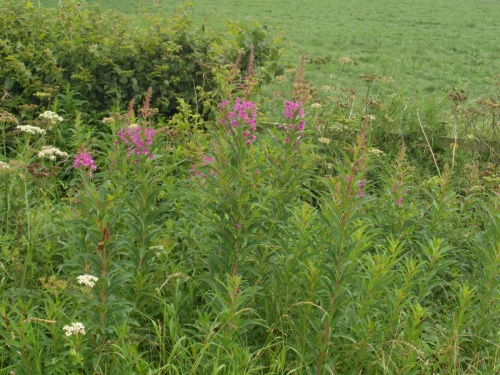 Alan Semper
Eastwell, Waltham La verge E
14 July 2012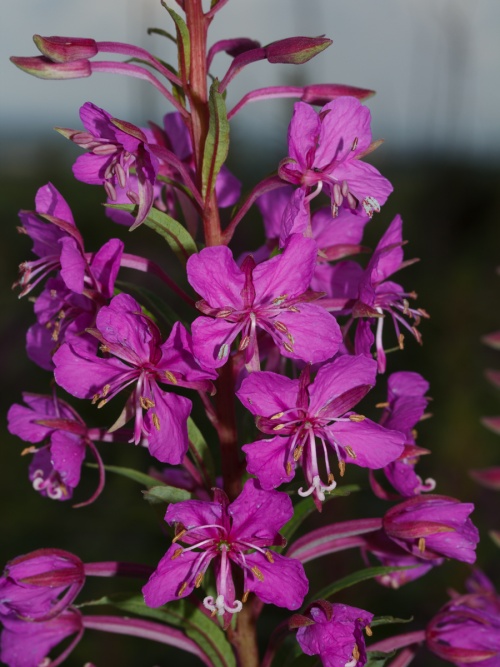 HAPeacock
Billa Barra
21 July 2012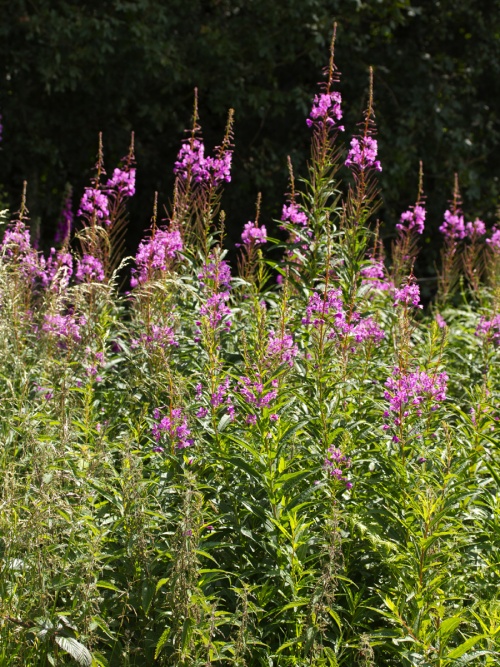 HAPeacock
Billa Barra
21 July 2012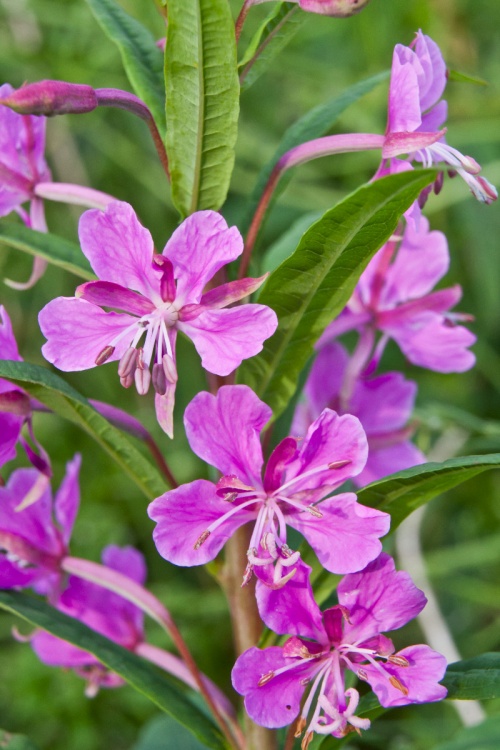 Fran Marsland
Broughton Astley
17 July 2012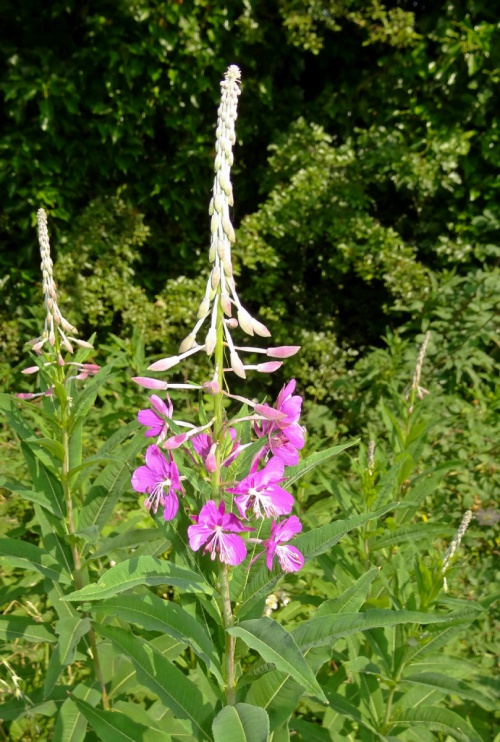 Lostash
Whetstone GCR Footpath
08 July 2013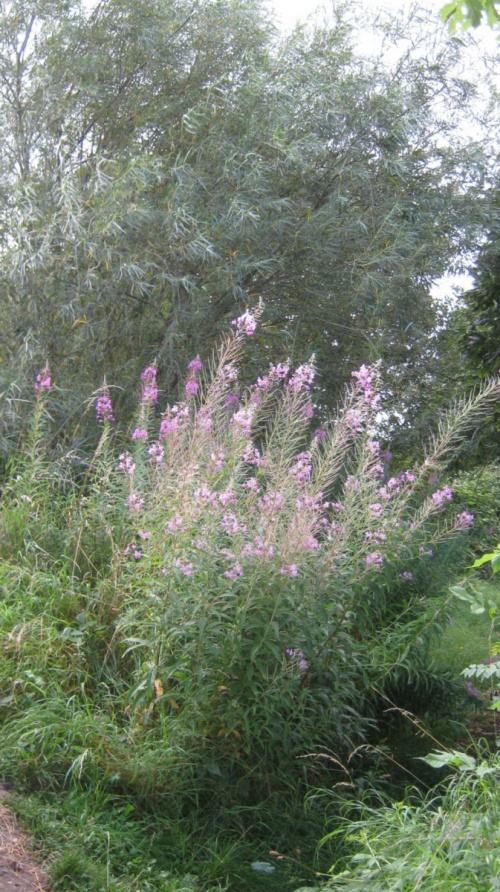 Ruth Dring
Broughton Astley
27 August 2012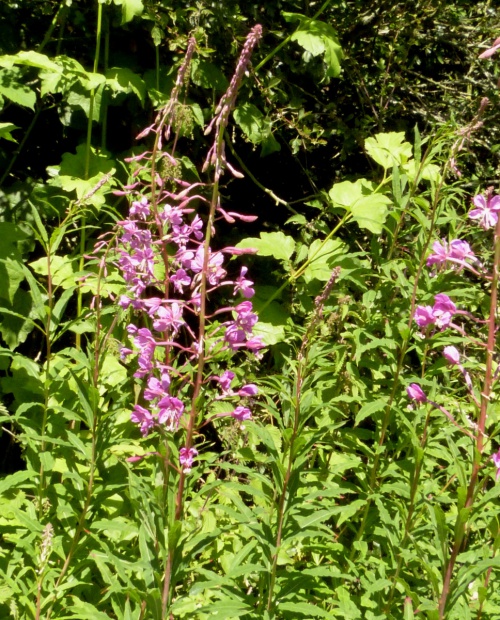 Graham Calow
Fosse Meadows, Sharnford
10 July 2014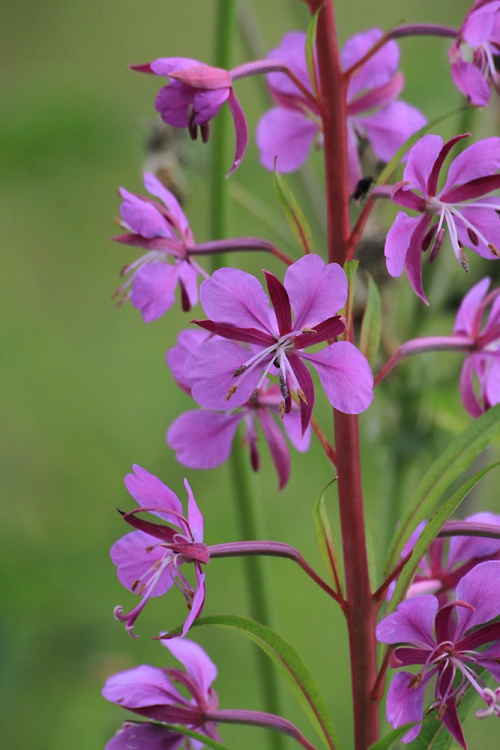 Paul Ruddoch
Cribb's Meadow
01 July 2014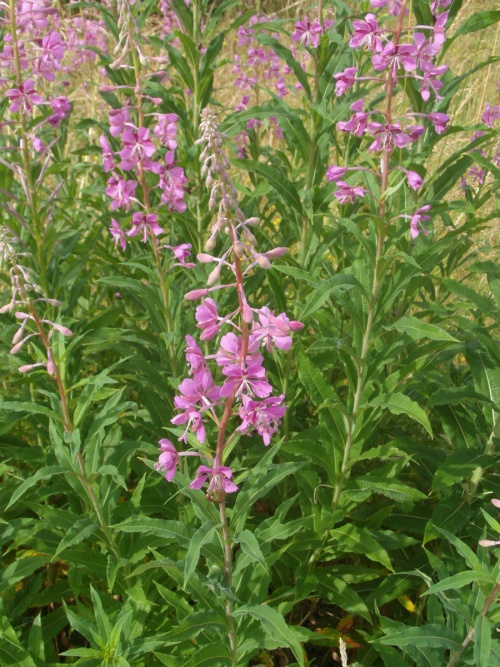 Alan Semper
Stonesby Quarry
24 July 2013
 Old Fosse Sapcote SP 4923 9239 (taken 23.6.2006...JPG)
 Old Fosse Sapcote SP 4923 9239 (taken 2.7.2006).JPG)
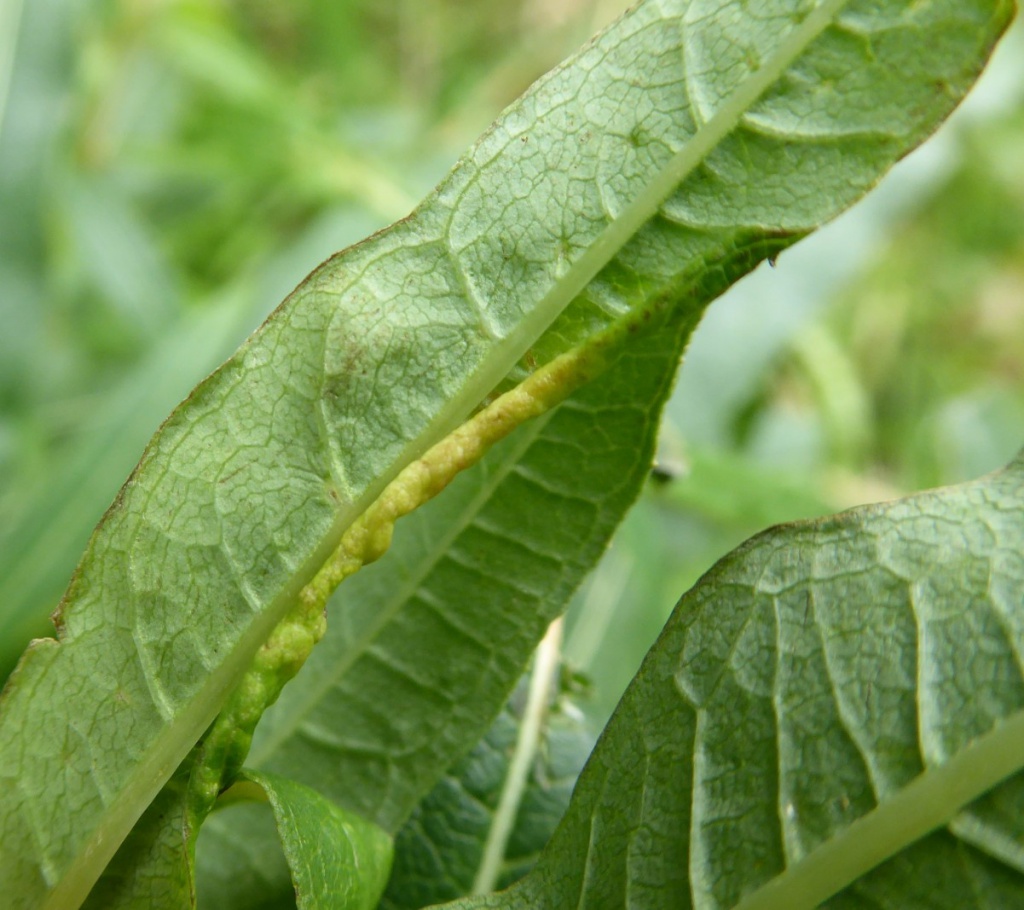
Dasineura kiefferiana
The larva of the gall midge Dasineura kiefferiana causes galls to form on the leaves of Rosebay Willowherb. The leaf margins roll inward or fold downward, narrow, tight and thickened, often flattened; 7 to 10 mm long but may coalesce to form a longer roll.
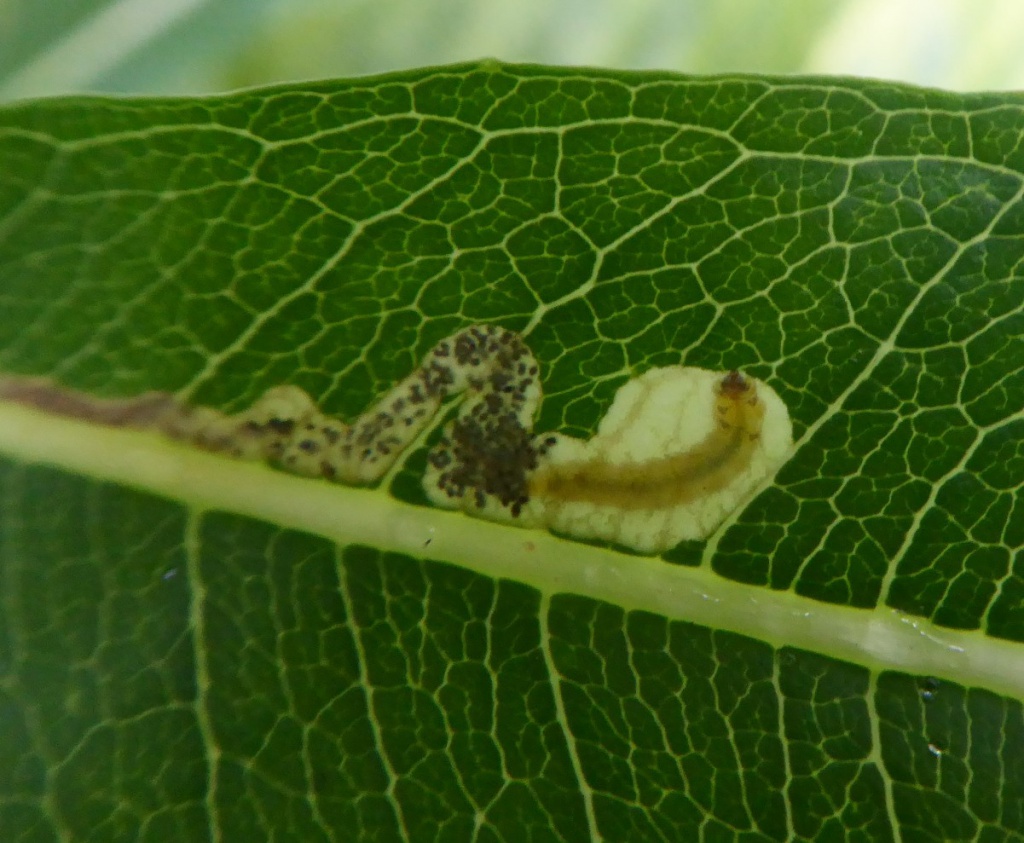
Mompha raschkiella
The larvae of the moth Mompha raschkiella mine the leaves of Rosebay Willowherb causing a gallery and then a blotch mine, often tinged red and yellow.