

Red Clover - Trifolium pratense
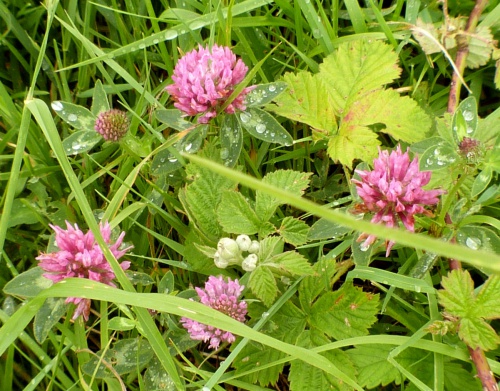
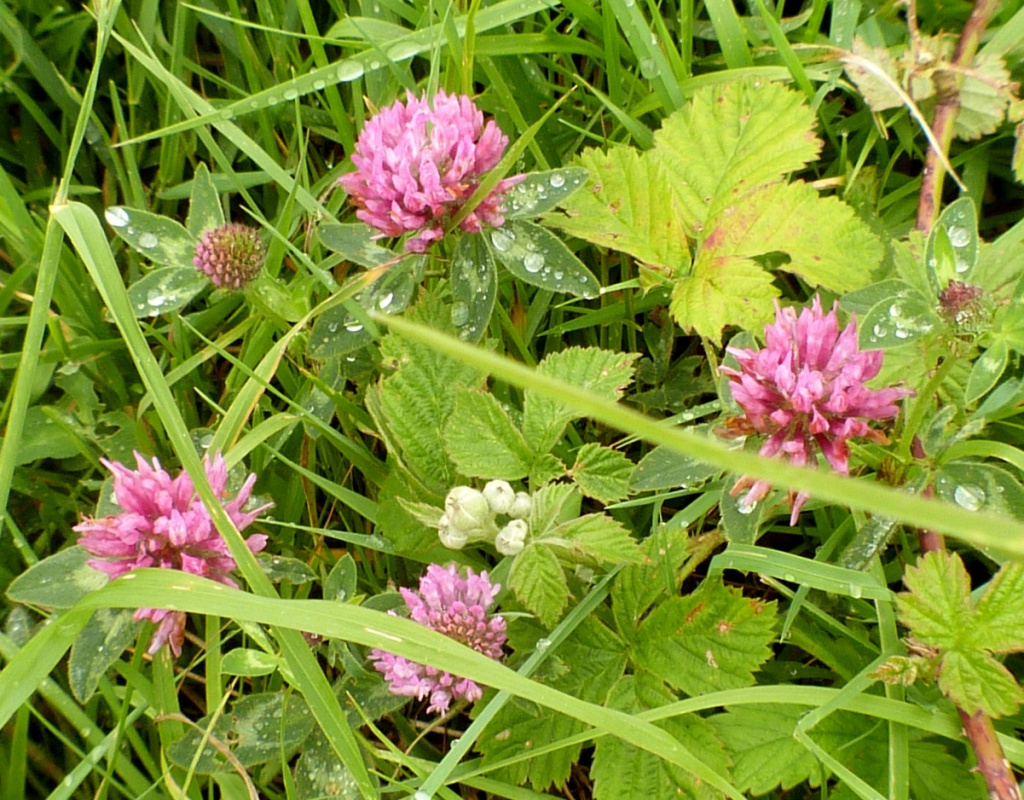
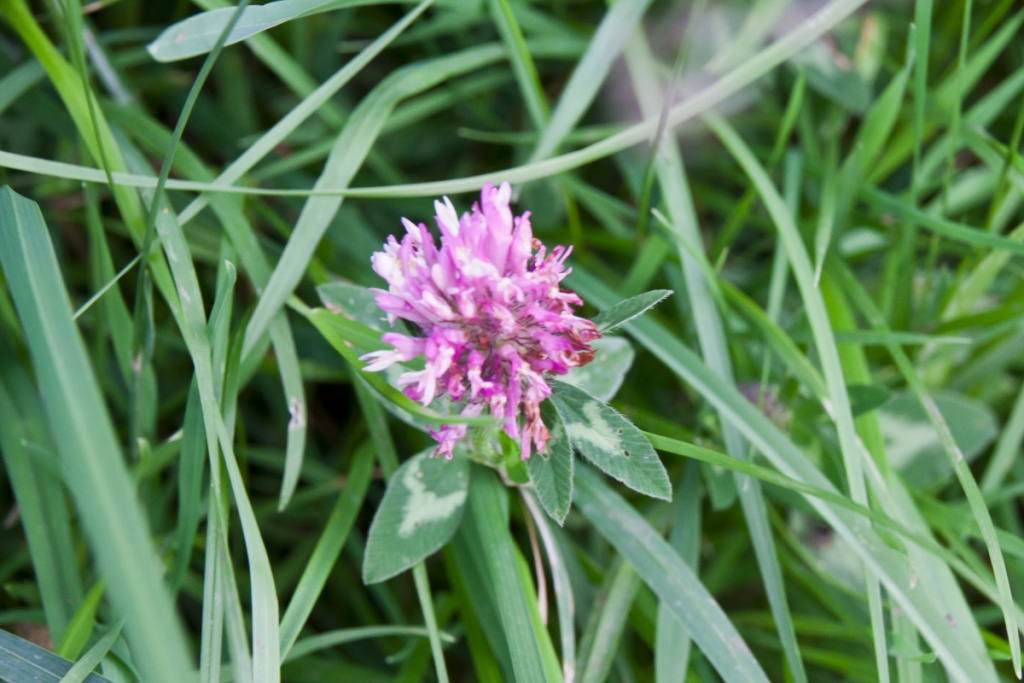
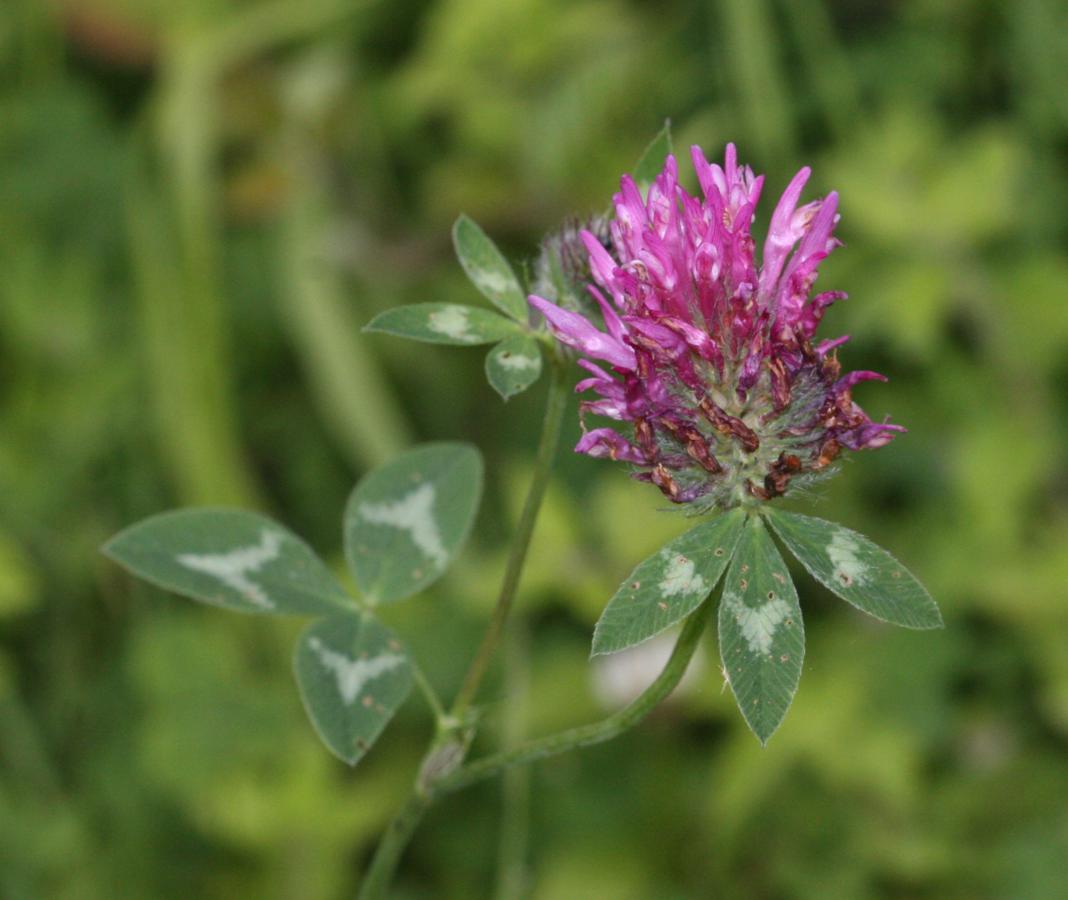
Short to tall, tufted, hairy plant. Trifoliate leaves often have a white crescent at the centre of their oval leaflets. Flowers reddish purple or pink, 12 to 15 mm, in dense, globose heads, usually solitary, unstalked.
Zigzag clover (Trifolium medium). White Clover leaves are toothed and Red Clover leaves are hairy (red hair, white teeth)!

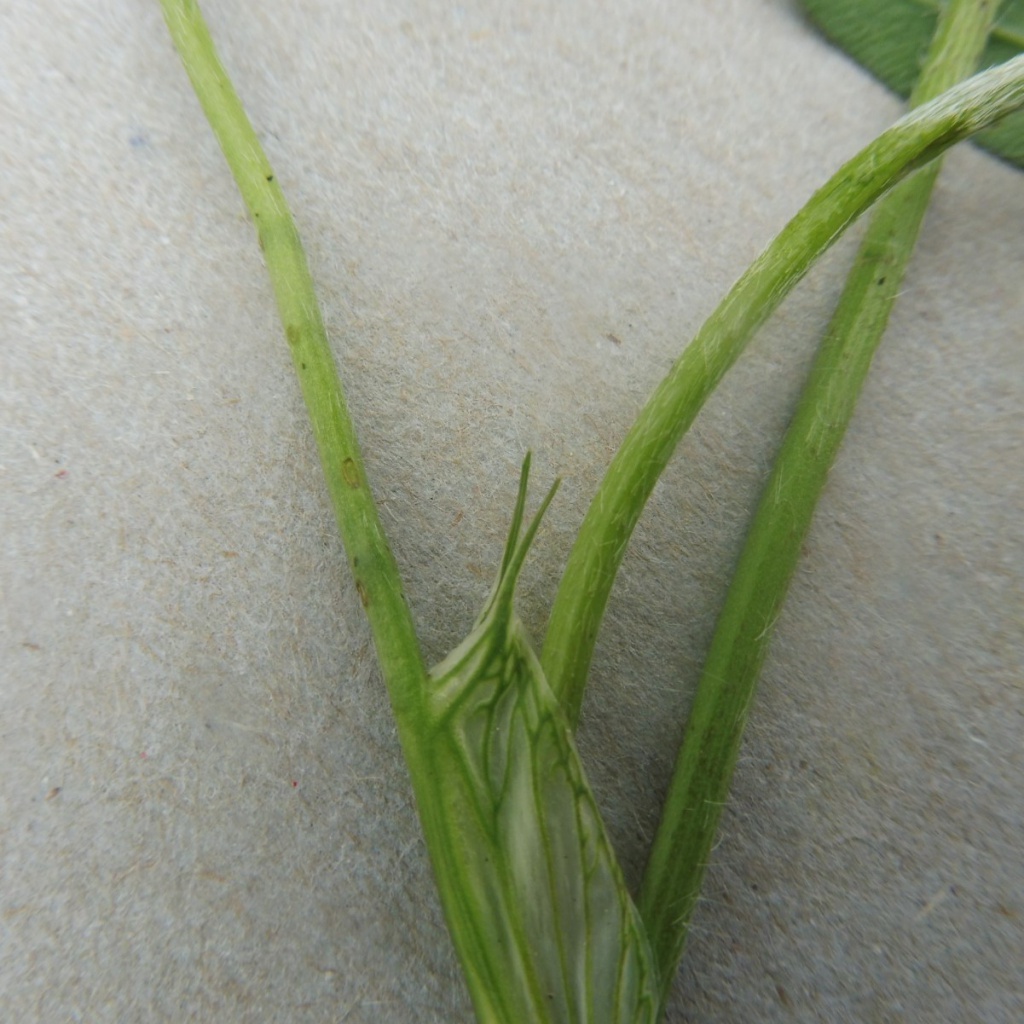
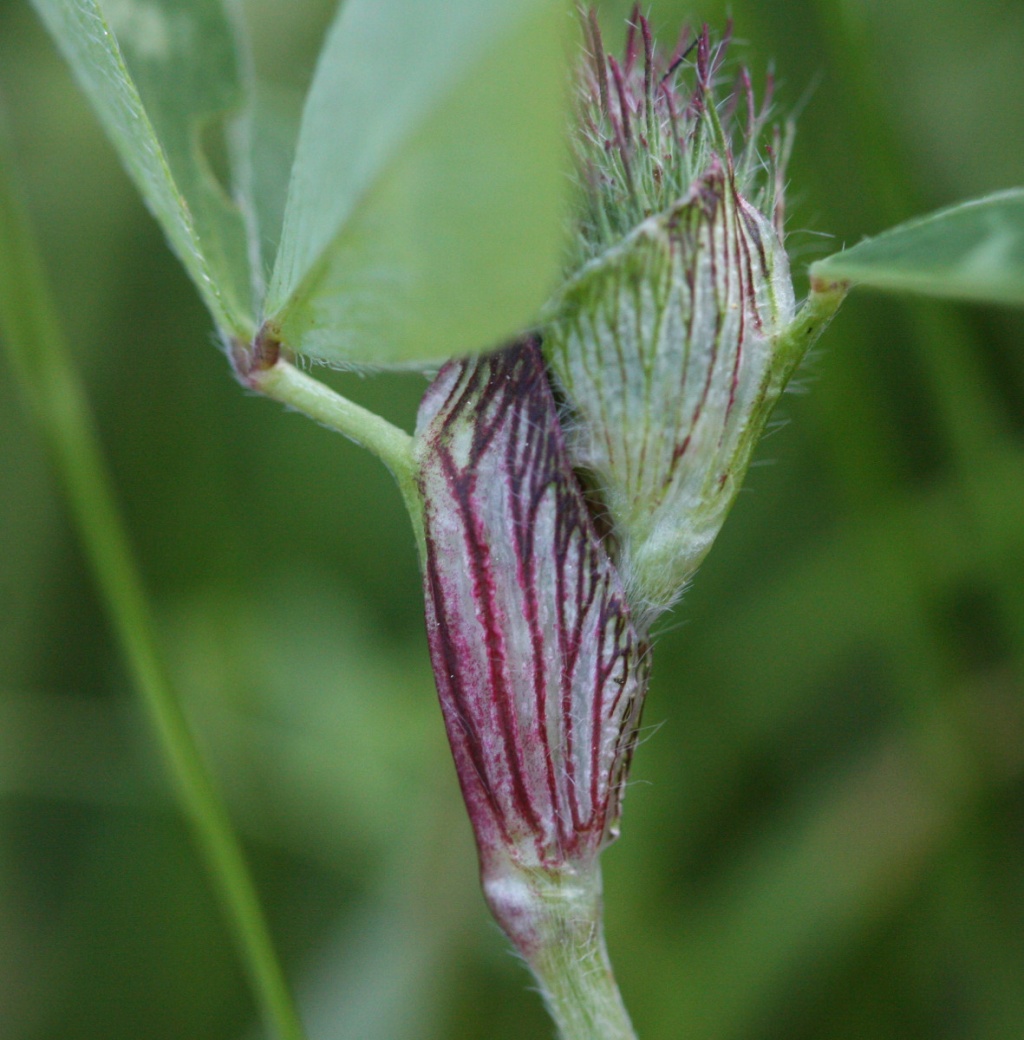
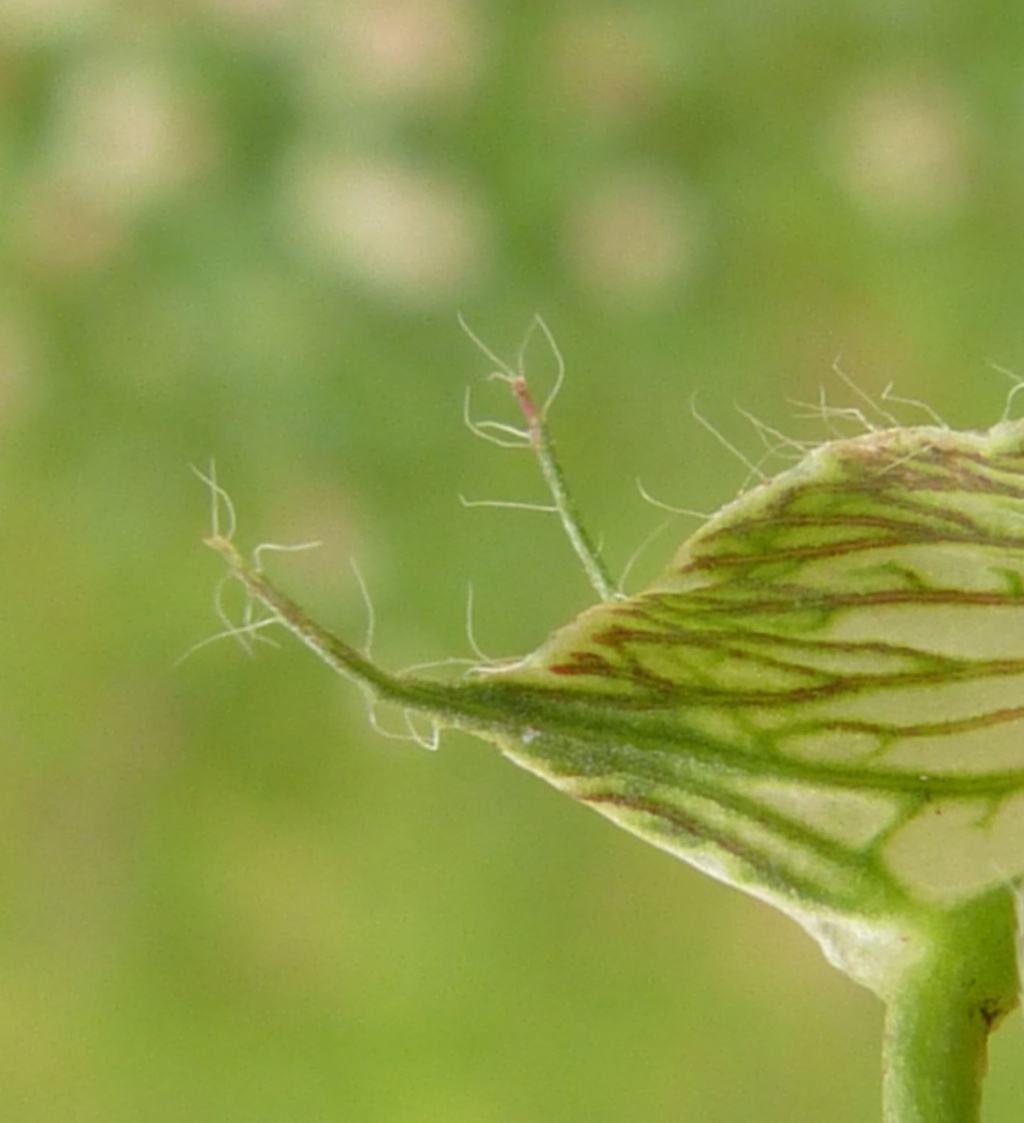
To distinguish from Zigzag clover, the free part of Red clover's stipules are narrowed to a bristle-like point; the free part of Zigzag's are linear to lanceolate. Zigzag has narrower leaflets, less hairy, and they are usually unmarked
Grassy habitats, meadows, pastures, lawns roadside verges, etc.
May to September.
Perennial.
Very common throughout Britain.
Very common in Leicestershire and Rutland. In the 1979 Flora survey of Leicestershire it was found in 599 of the 617 tetrads.
 M69 Island Sapcote SP 4635 9382 (taken 26.4.2007).JPG) Graham Calow
Graham Calow
Sapcote, M69 Island
26 April 2007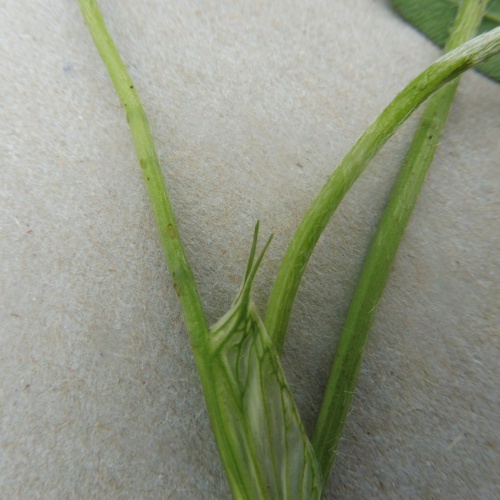 martindgrimes
Ryhall Heath
28 May 2018
broad triangular stipule with bristle like points Fosse Meadows (taken 8.10.2007).JPG) Graham Calow
Graham Calow
Fosse Meadows, Sharnford
08 October 2007. Field near Donkey Lane Sapcote SP 4857 9288 (taken 13.5.2009).JPG) Graham Calow
Graham Calow
Sapcote
13 May 2009
 M69 Island Sapcote SP 4635 9382 (taken 26.4.2007).JPG)
 Fosse Meadows (taken 8.10.2007).JPG)
. Field near Donkey Lane Sapcote SP 4857 9288 (taken 13.5.2009).JPG)
Leicestershire & Rutland Map
Enter a town or village to see local records
MAP KEY:
Yellow squares = NBN records (all known data)
Coloured circles = NatureSpot records: 2025+ | 2020-2024 | pre-2020
UK Map
Species profile
- Common names
- Red Clover
- Species group:
- flowering plant
- Kingdom:
- Plantae
- Order:
- Fabales
- Family:
- Fabaceae
- Records on NatureSpot:
- 646
- First record:
- 01/07/1998 (John Mousley)
- Last record:
- 27/05/2026 (Mark Plummer)
Total records by month
% of records within its species group
10km squares with records
The latest images and records displayed below include those awaiting verification checks so we cannot guarantee that every identification is correct. Once accepted, the record displays a green tick.
In the Latest Records section, click on the header to sort A-Z, and again to sort Z-A. Use the header boxes to filter the list.
Latest images
Latest records
 Graham Calow
Sapcote
29 May 2014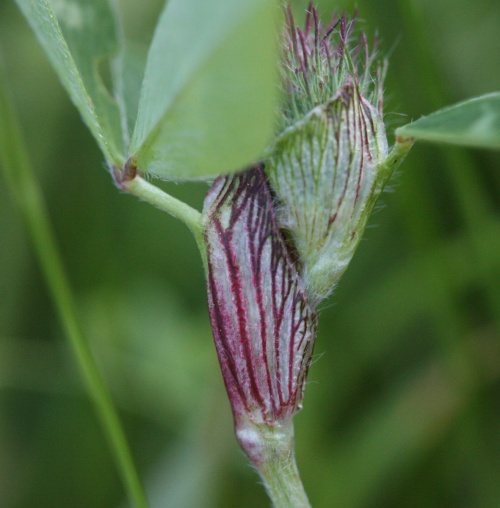 David Nicholls
Evington Park
25 May 2012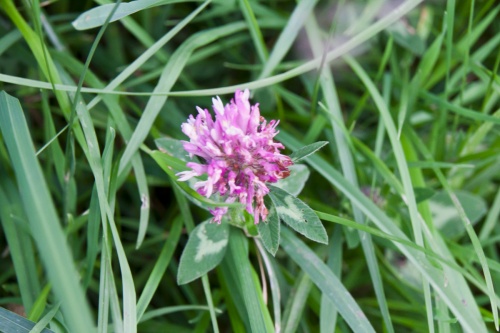 Fran Marsland
Broughton Astley
17 July 2012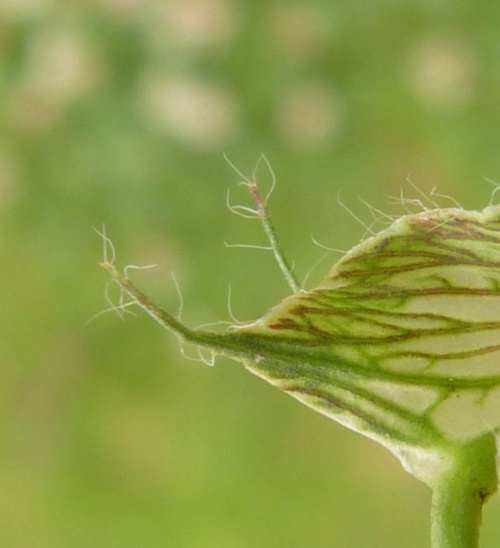 Graham Calow
Near Abbott Drive, Stoney Stanton
23 June 2016 David Nicholls
Cloud Wood
24 June 2011
Agromyza frontella
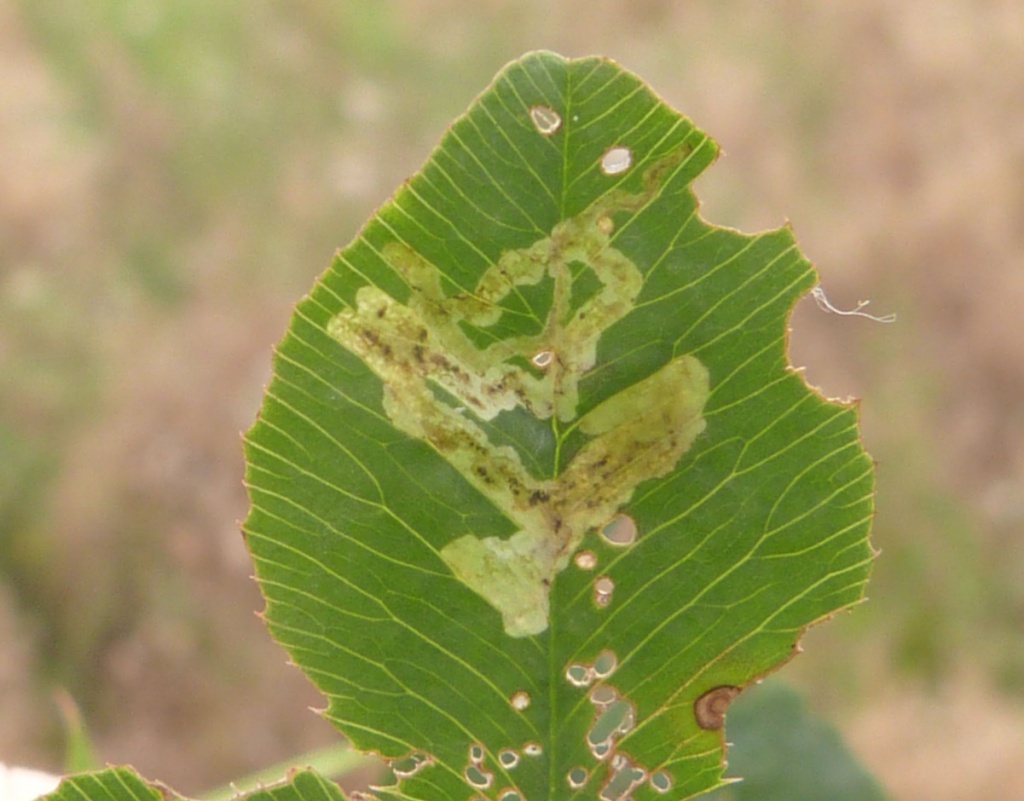
The larva of the Agromyzid fly Agromyza frontella mines the leaves of various Leguminosae such as Clovers, Melilot and Lucerne. It starts as a linear mine. usually running towards the tip of the leaf then turning back a into a blotch in the midrib area. Frequently, no blotch is formed.
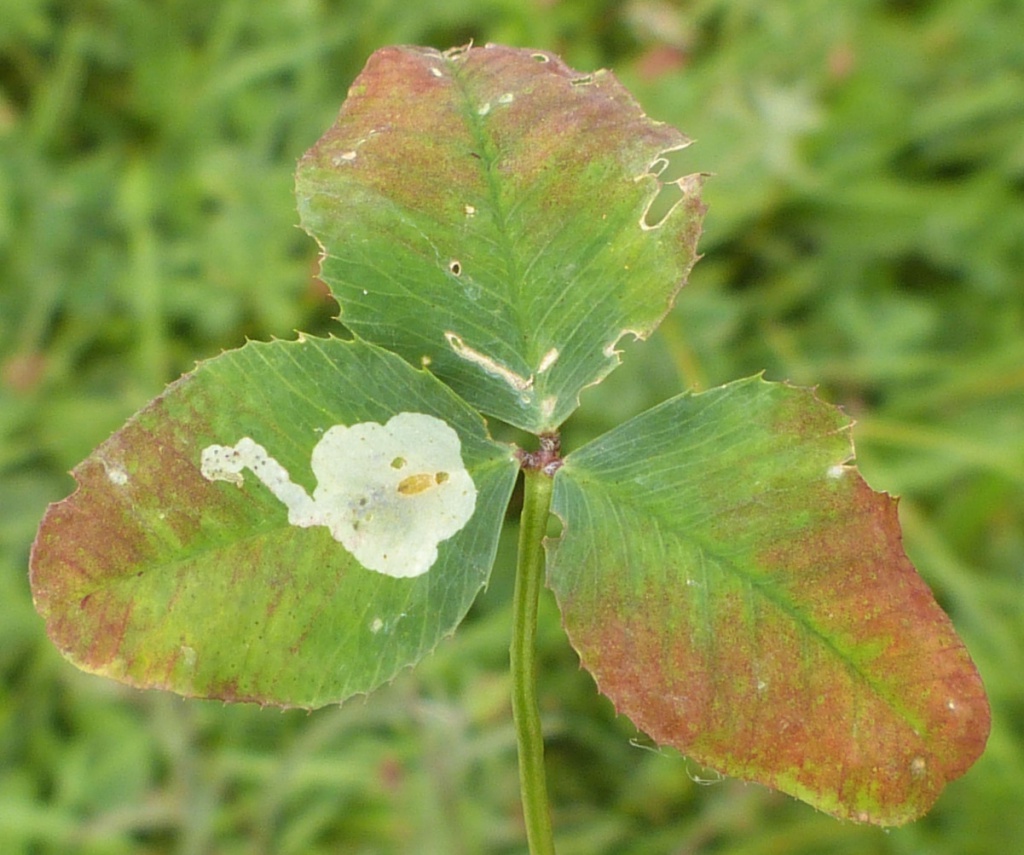
Agromyza nana
The larva of the Agromyzid fly Agromyza nana mines the leaves of Clovers and other species in the Leguminosae family. The mines have a short, broad gallery leading to a conspicuous, roundish white blotch in the centre of the leaf. The blotch is on the upper surface with some deep areas often containing frass.
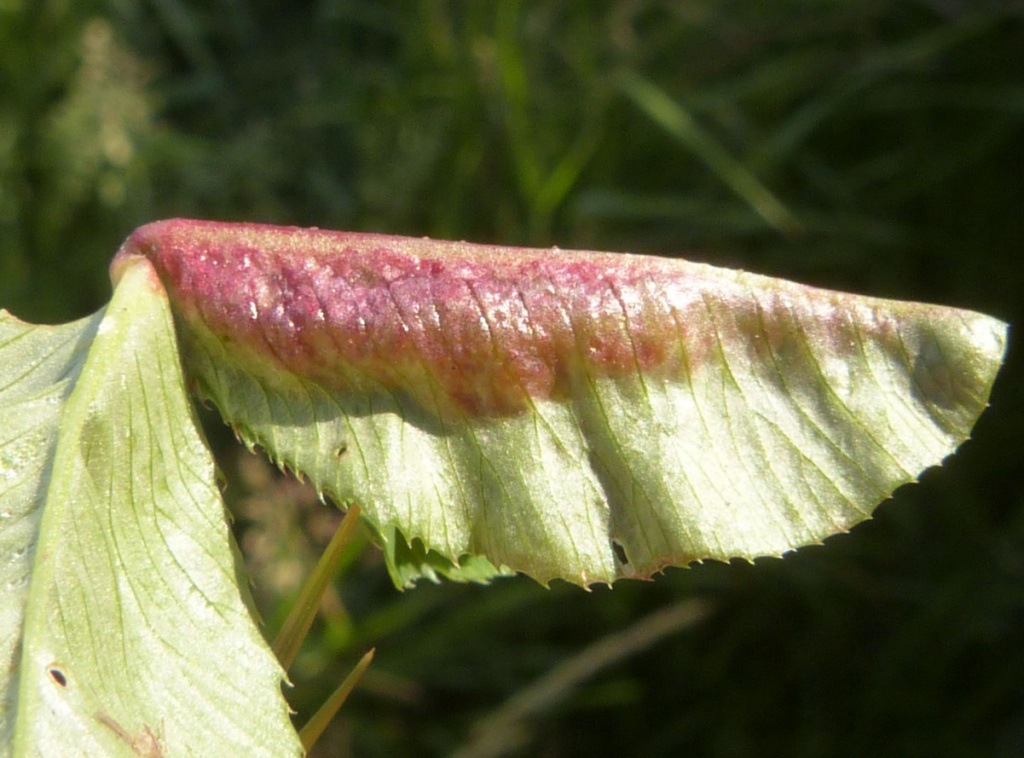
Dasineura trifolii
Dasineura trifolii is a midge whose larvae cause galls on the leaves of Clover and especially White Clover. The gall forces the leaflets to fold upwards along the midrib therefore creating a pod-like structure. Just above the fold the gall takes the form of numerous red and green swellings that run the entire length of the leaf. Each gall holds one or two larvae that start off white and become more orange as they mature.
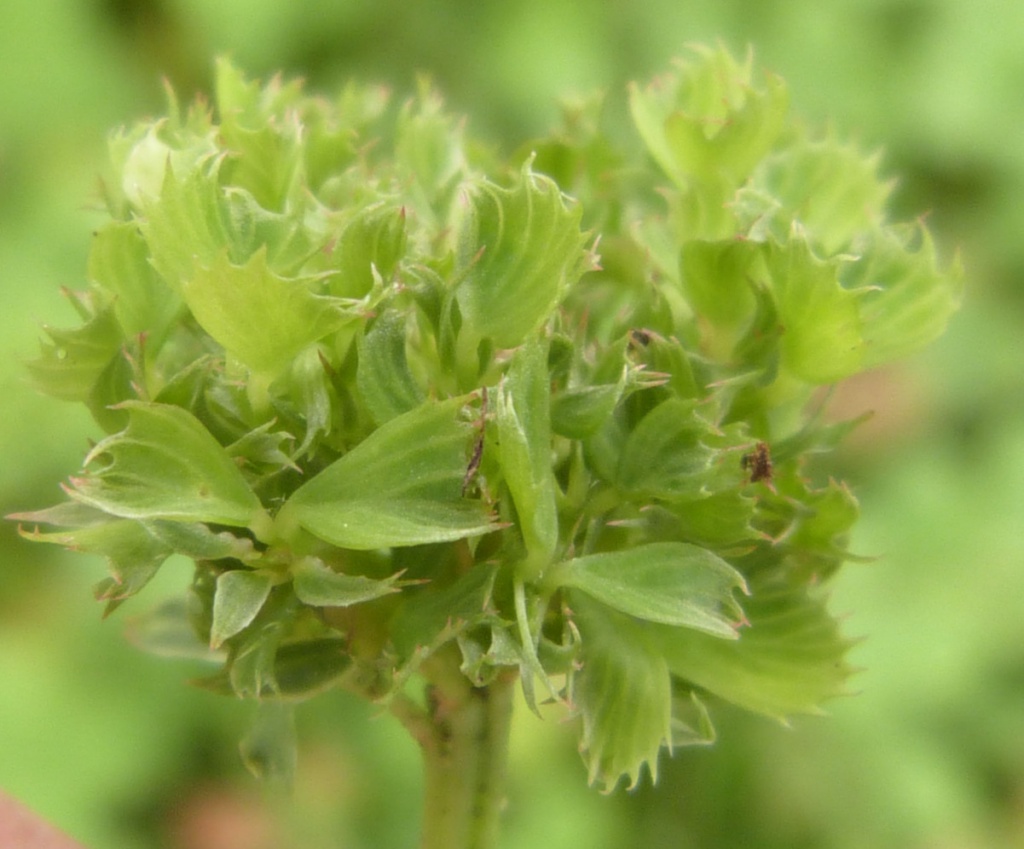
Clover Phyllody
Phyllody is the abnormal development of floral parts into leafy structures. Clover Phyllody can cause the shoot to transform into a mass of small green leaves of Clovers.