Phyllonorycter ulicicolella
Gorse Midget
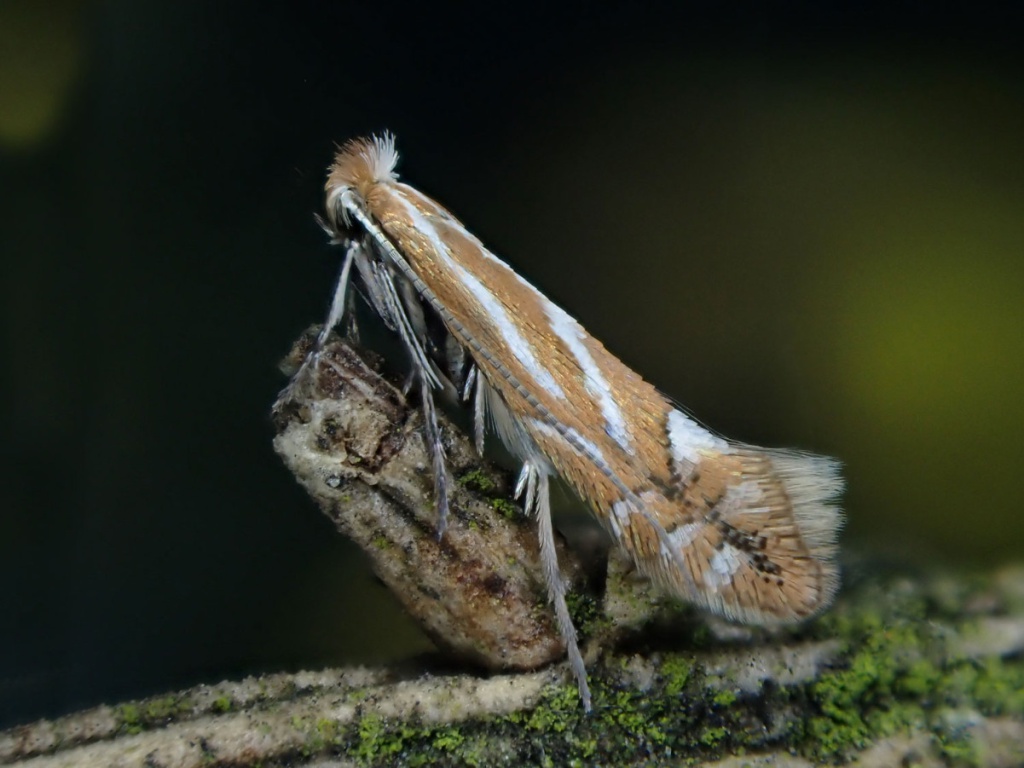
Wingspan 6 to 7 mm.
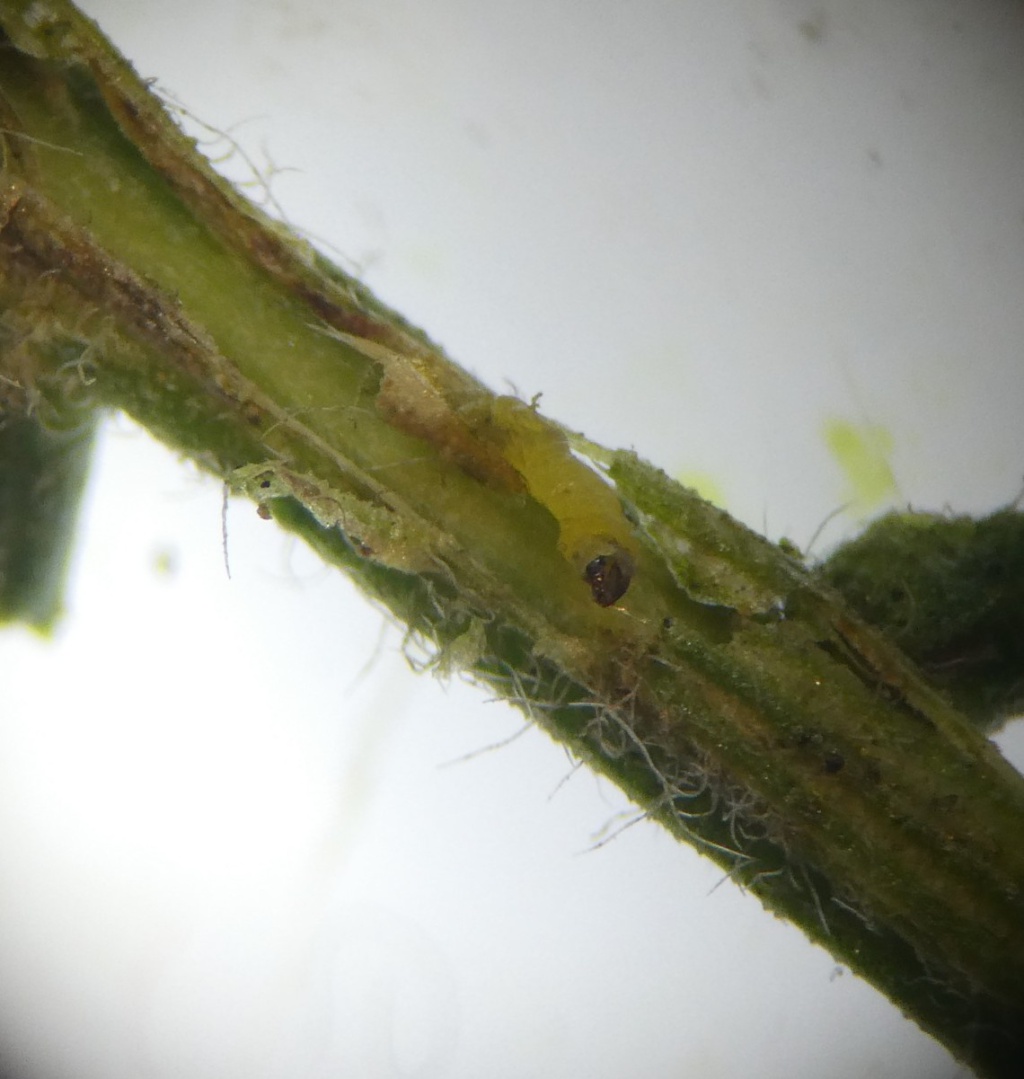
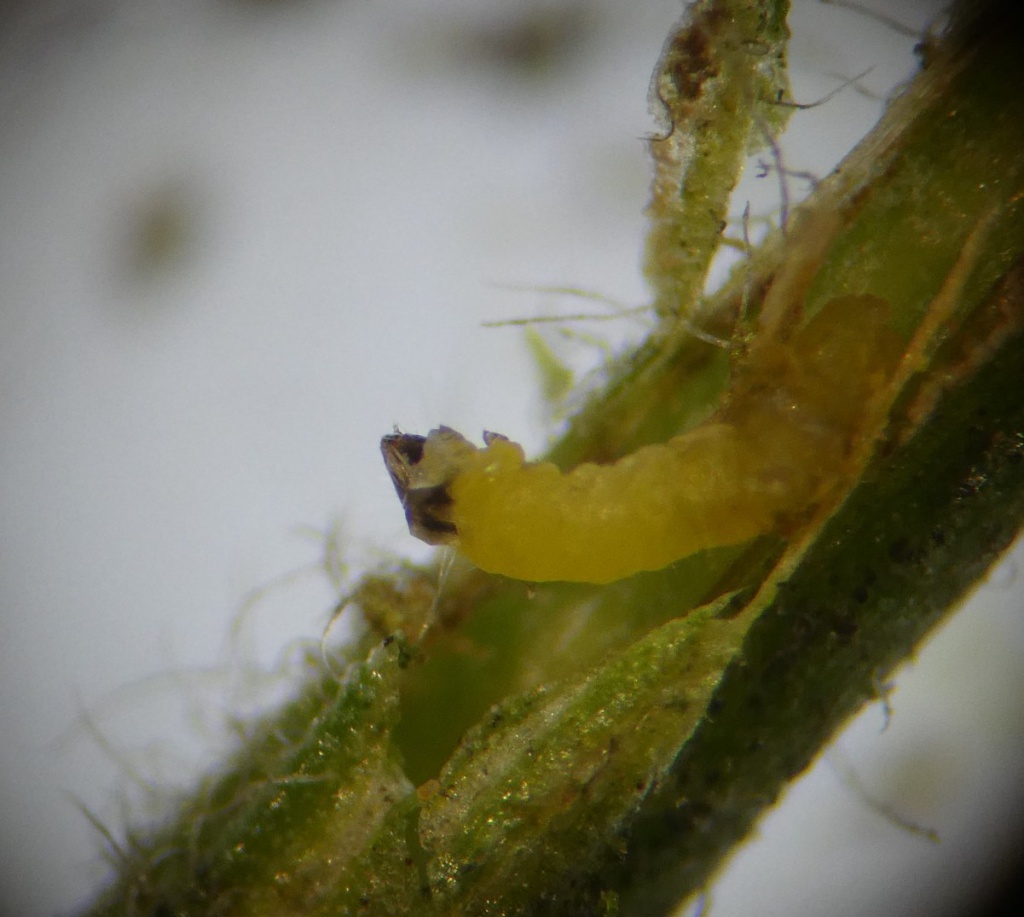
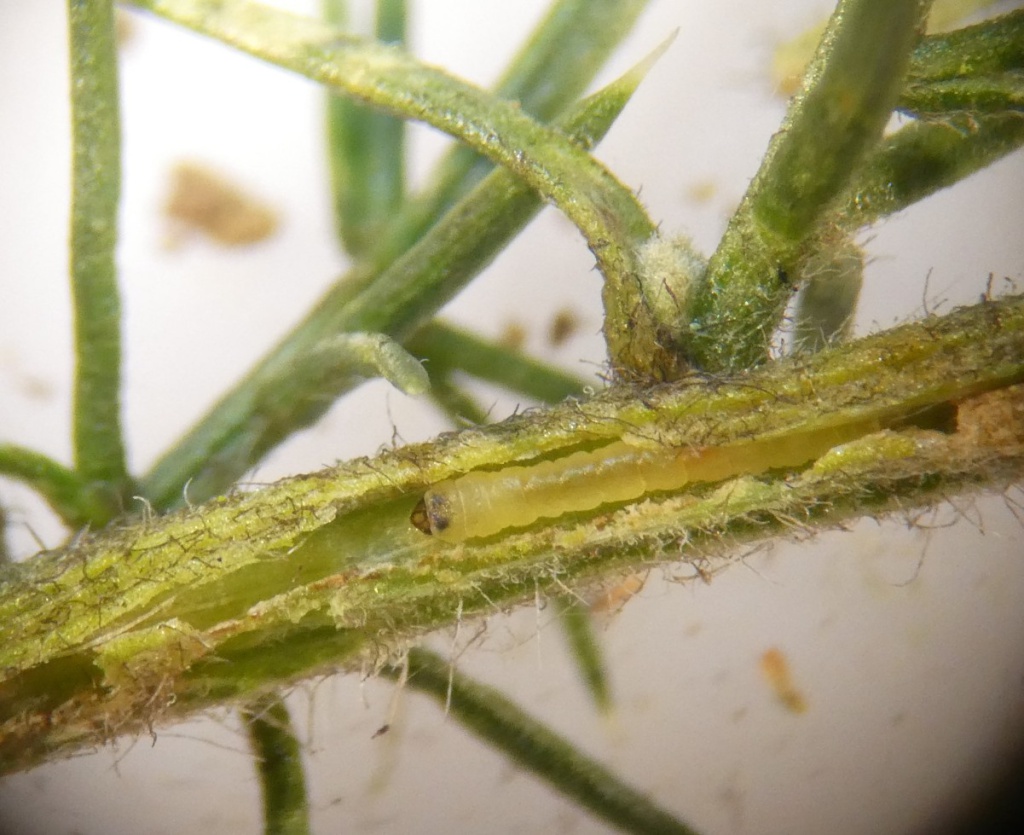
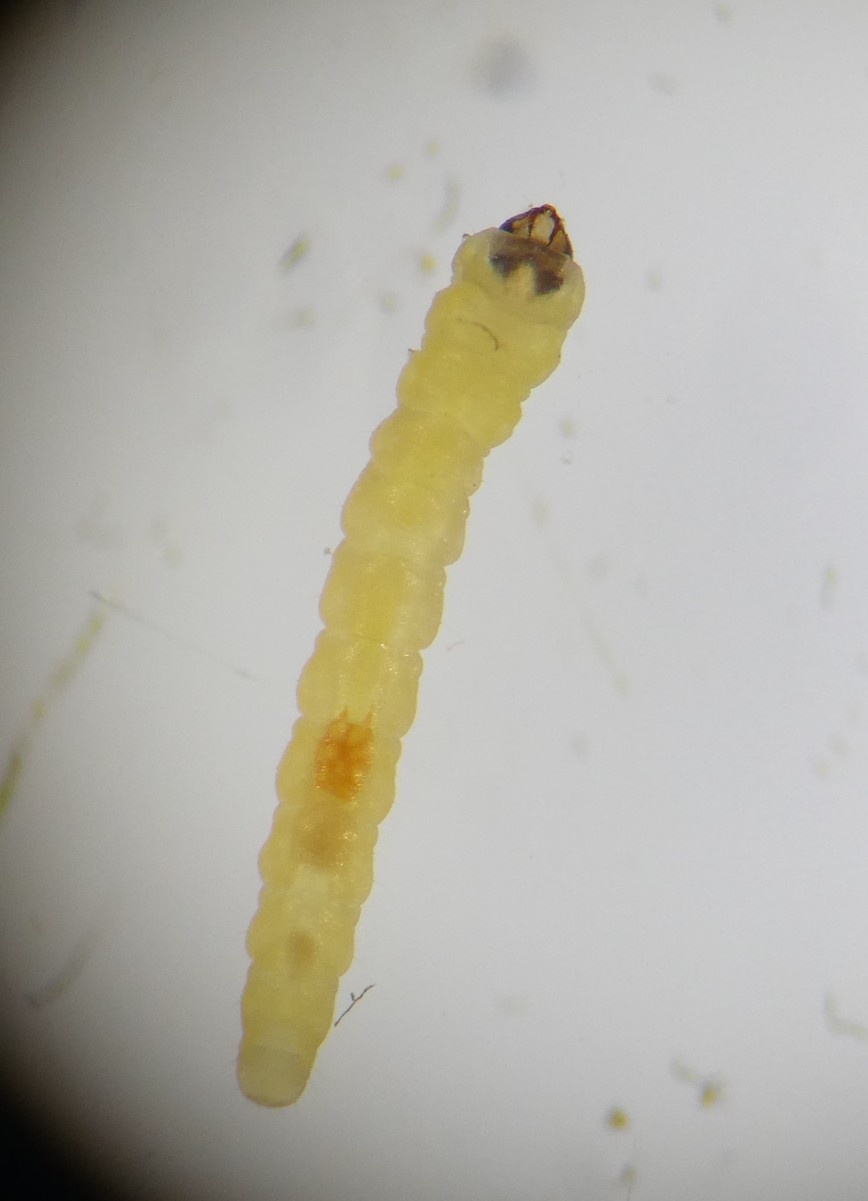
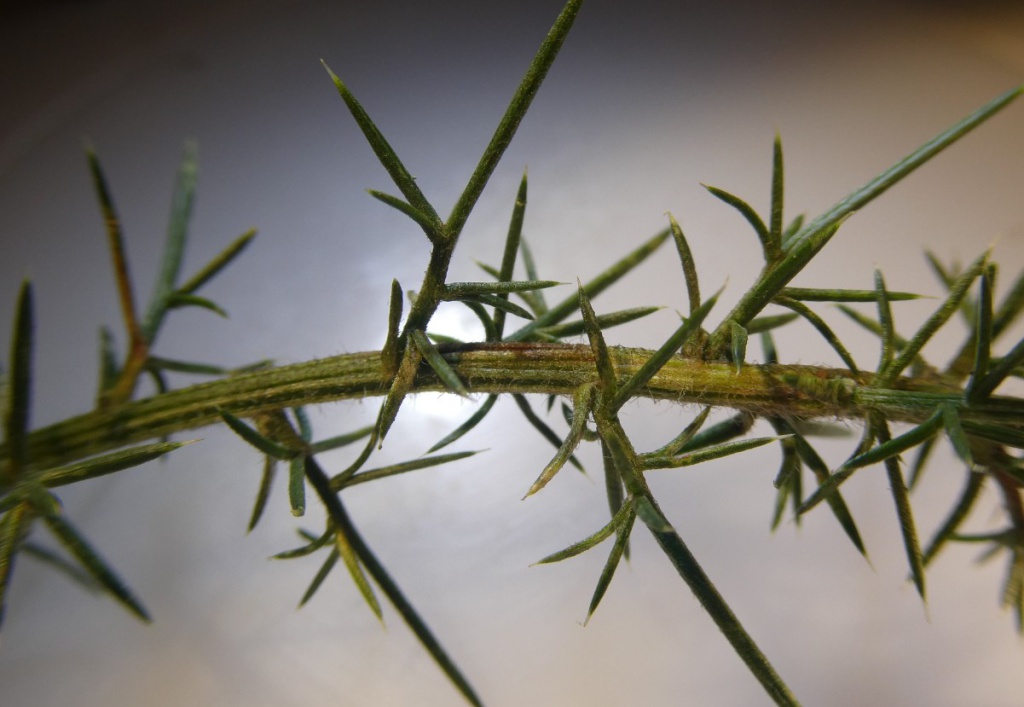
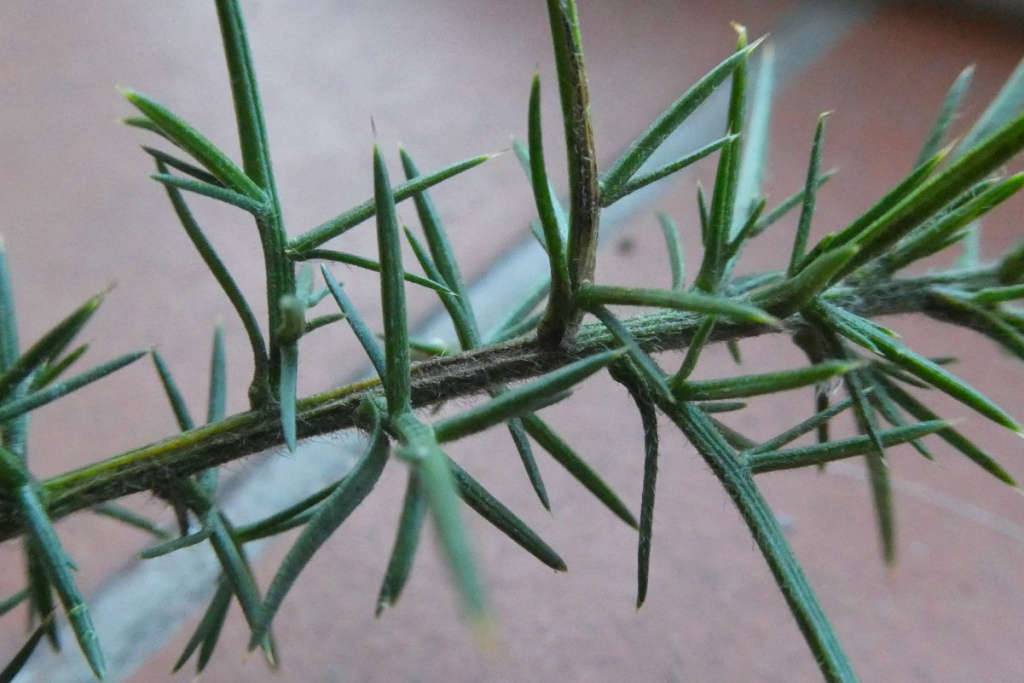
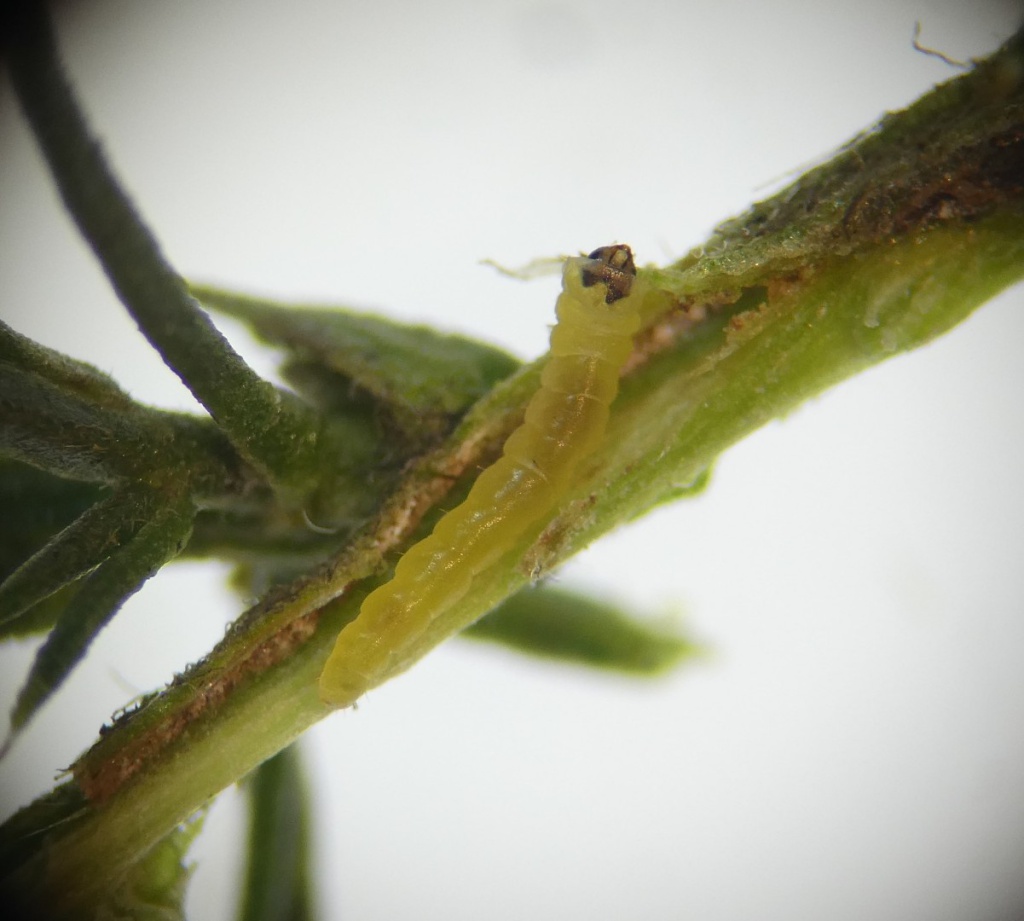
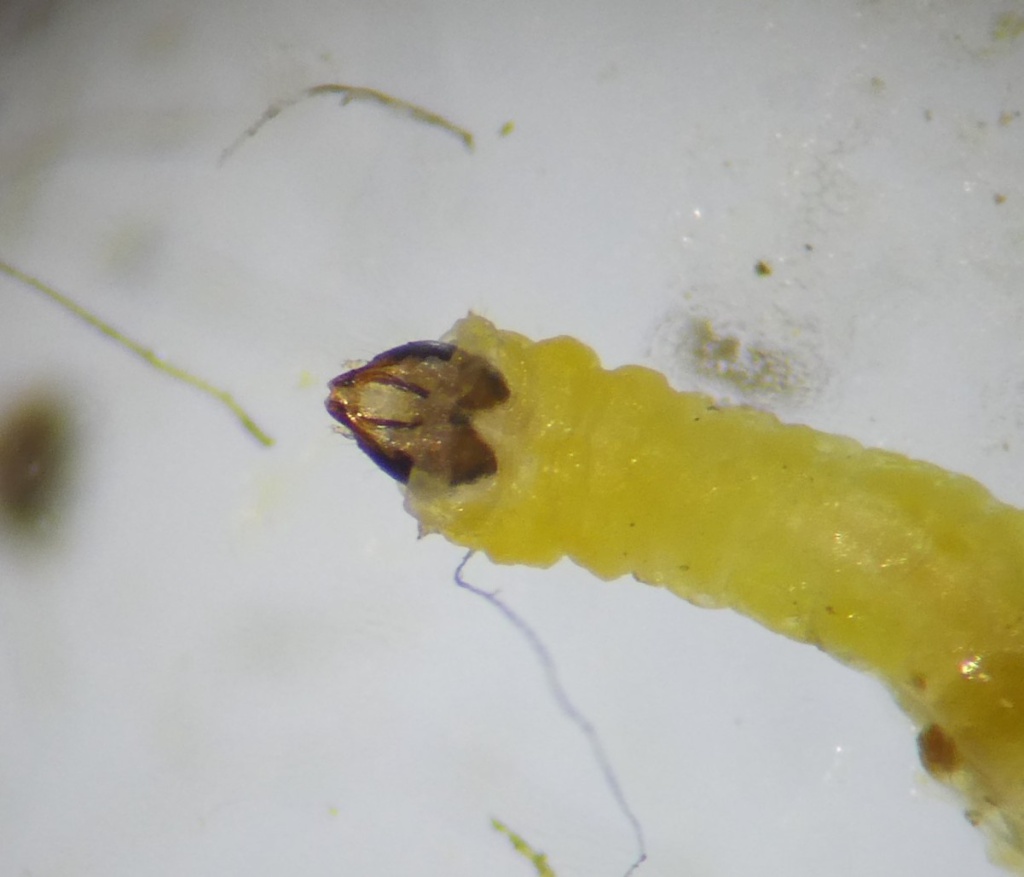
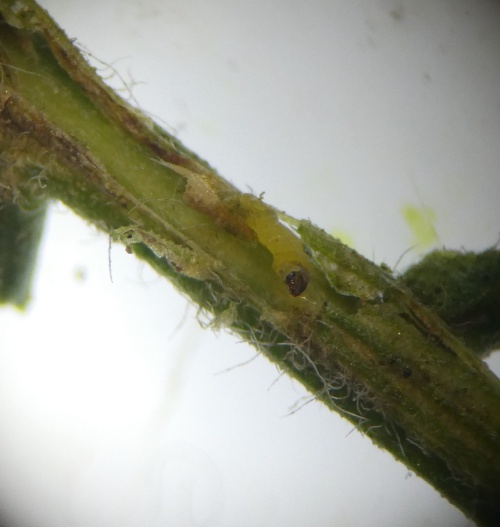
In VC55, the larvae seem to prefer Western Gorse (Ulex gallii), which is smaller and softer than the common Gorse (Ulex europaeus). The mines are hard to find - look for a yellowing, slighting distorted and swollen section of stem and side-shoot below the shoot tip. The larva is yellow with a dark head.
Adults are similar to many other Phyllonorycter species.
Adult  Leafmine
Adult: Gen det required for adults of this species unless reared from the larval mine.
Leafmine: Good photographs required showing the mine and the larva (the mine must be opened to show the larva inside). Please also state the host plant.
Found in heathland and grassland where species of gorse are present.
Adult moths are on the wing from June to August.
The larva mines shoots and spines of gorse (Ulex).
Widespread in England but the species seems to be quite uncommon. In the Butterfly Conservation's Microlepidoptera Report 2011 this species was classified as Nationally Scarce B.
Rarely recorded in Leicestershire and Rutland.
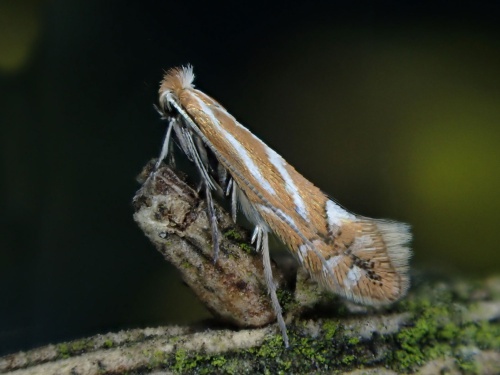 Keith Tailby
Lount NNR
10 April 2022
reared from larval mine on Gorse - found 10.4.2022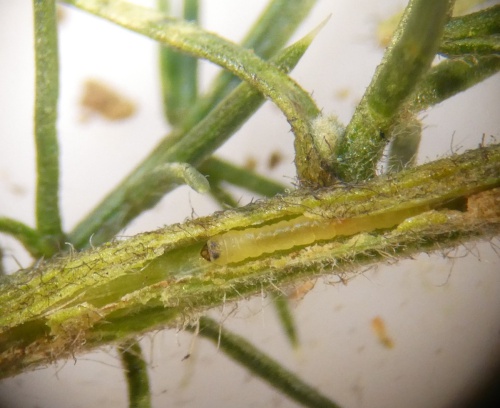 sue
sue
Hicks Lodge, education trail
22 January 2022
mine on Western Gorse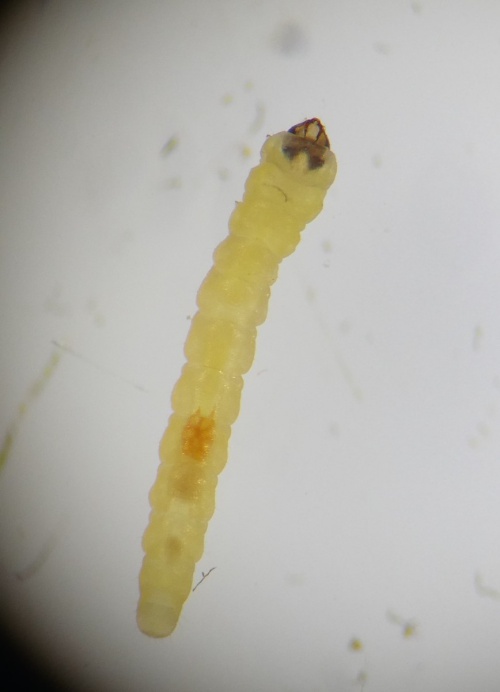 sue
sue
Hicks Lodge, education trail
22 January 2022
Larva - ex mine on Western Gorse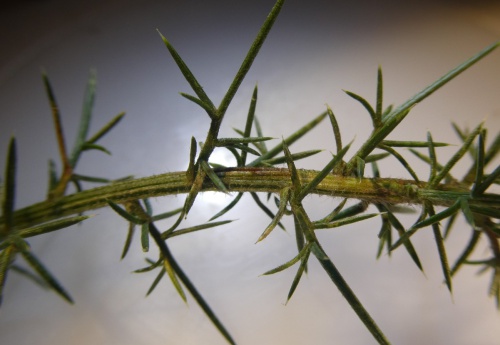 sue
sue
Hicks Lodge, education trail
22 January 2022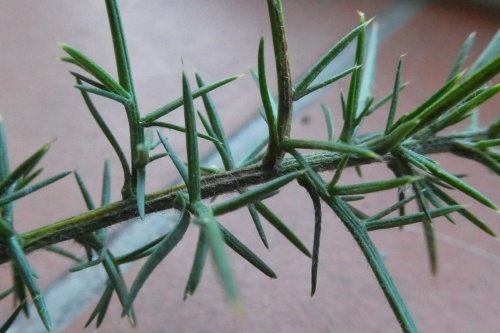 sue
sue
Markfield, Billa Barra
17 January 2022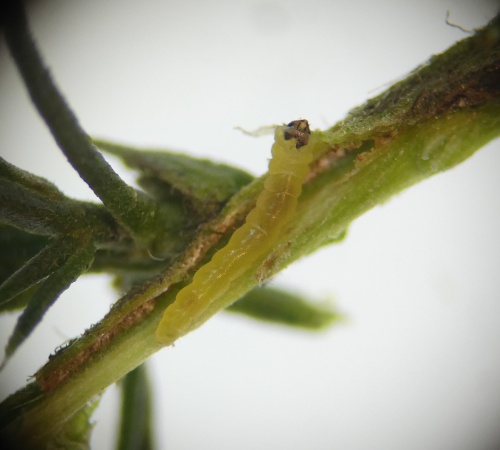 sue
sue
Albert Village lake, southern tip
23 January 2022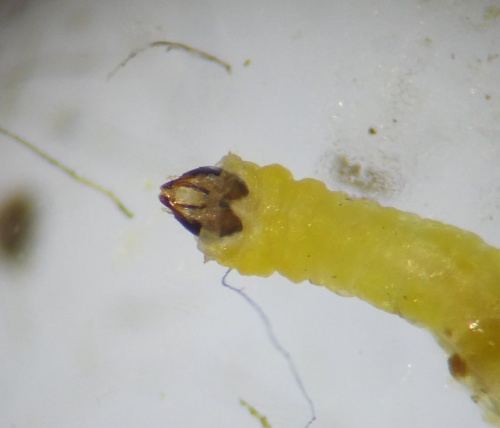 sue
sue
Markfield, Billa Barra
17 January 2022
Leicestershire & Rutland Map
Enter a town or village to see local records
MAP KEY:
Yellow squares = NBN records (all known data)
Coloured circles = NatureSpot records: 2025+ | 2020-2024 | pre-2020
UK Map
Species profile
- Common names
- Gorse Midget, Gorse Leaf-miner
- Species group:
- insect - moth
- Kingdom:
- Animalia
- Order:
- Lepidoptera
- Family:
- Gracillariidae
- Records on NatureSpot:
- 4
- First record:
- 17/01/2022 (Timms, Sue)
- Last record:
- 10/04/2022 (Keith Tailby)
Total records by month
% of records within its species group
10km squares with records
The latest images and records displayed below include those awaiting verification checks so we cannot guarantee that every identification is correct. Once accepted, the record displays a green tick.
In the Latest Records section, click on the header to sort A-Z, and again to sort Z-A. Use the header boxes to filter the list.
Latest images
Latest records
 sue
sue
Markfield, Billa Barra
17 January 2022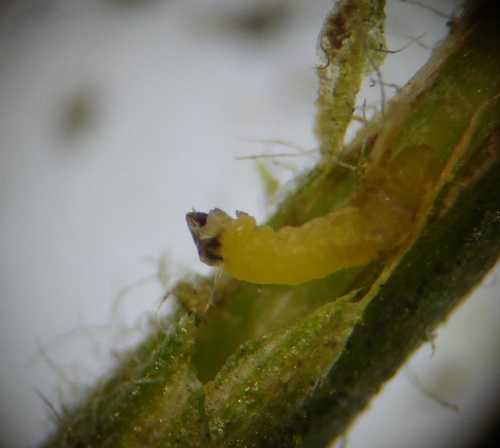 sue
sue
Markfield, Billa Barra
17 January 2022