Phyllonorycter emberizaepenella
Large Midget
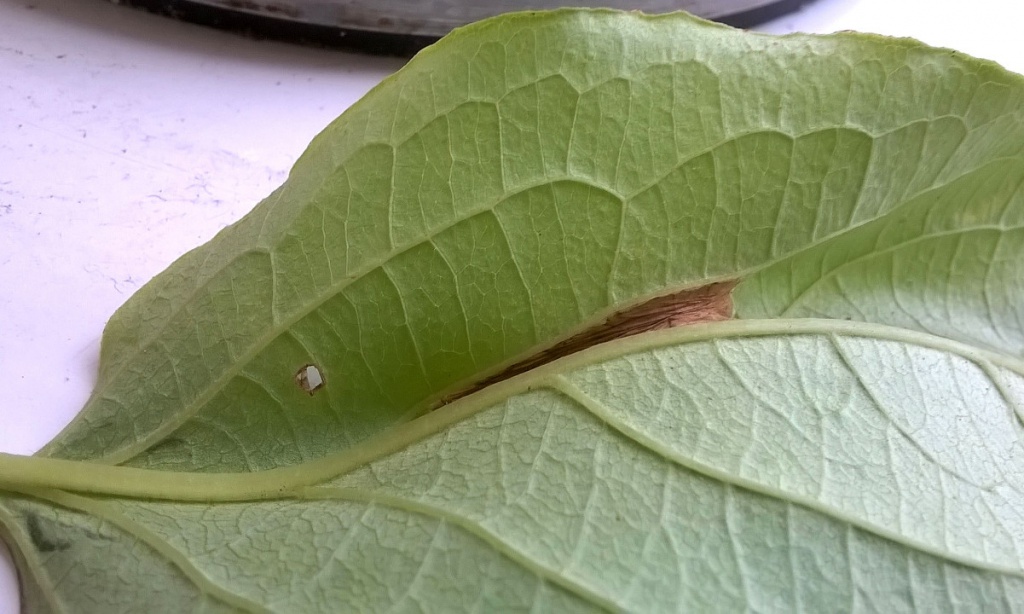
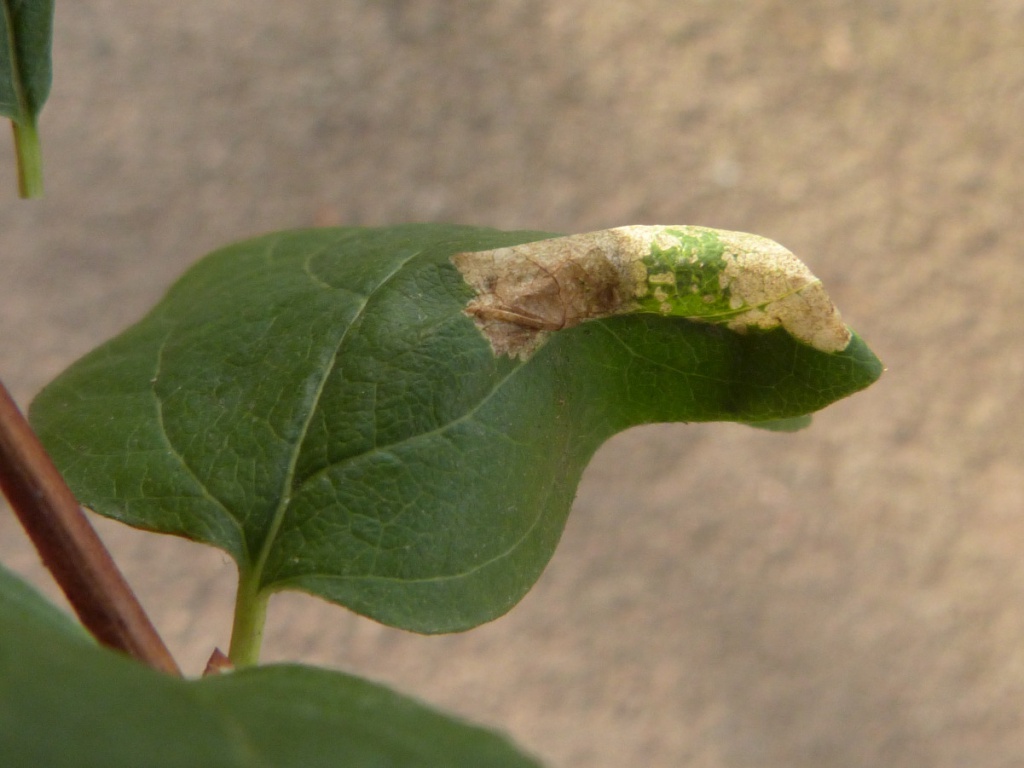
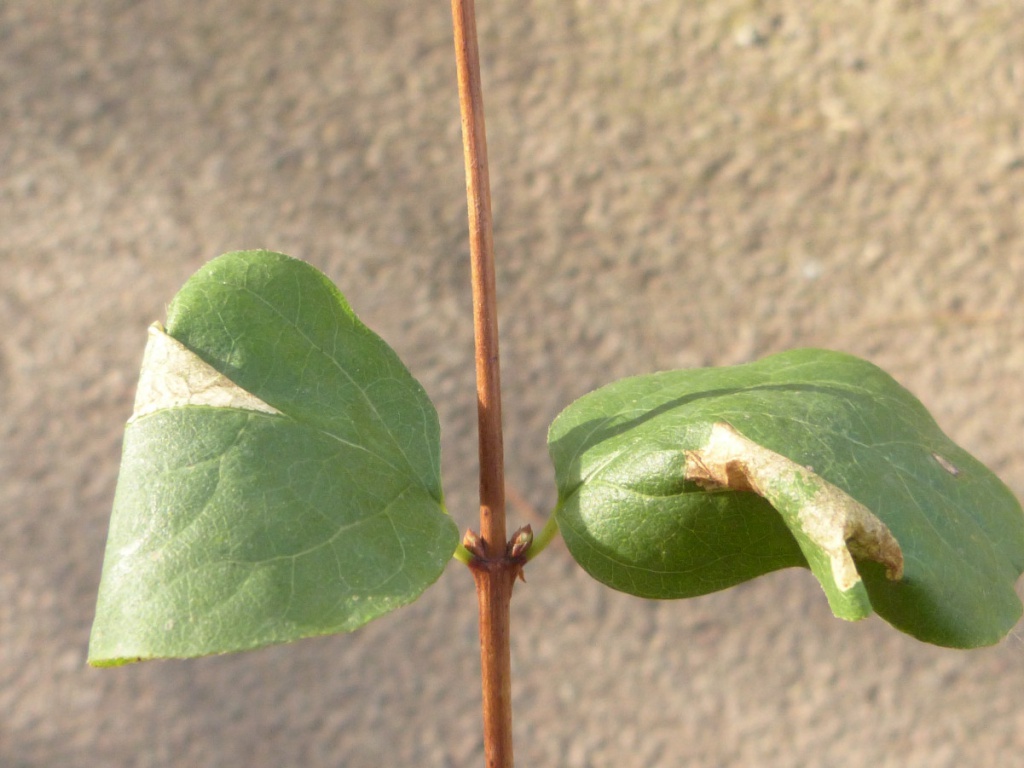
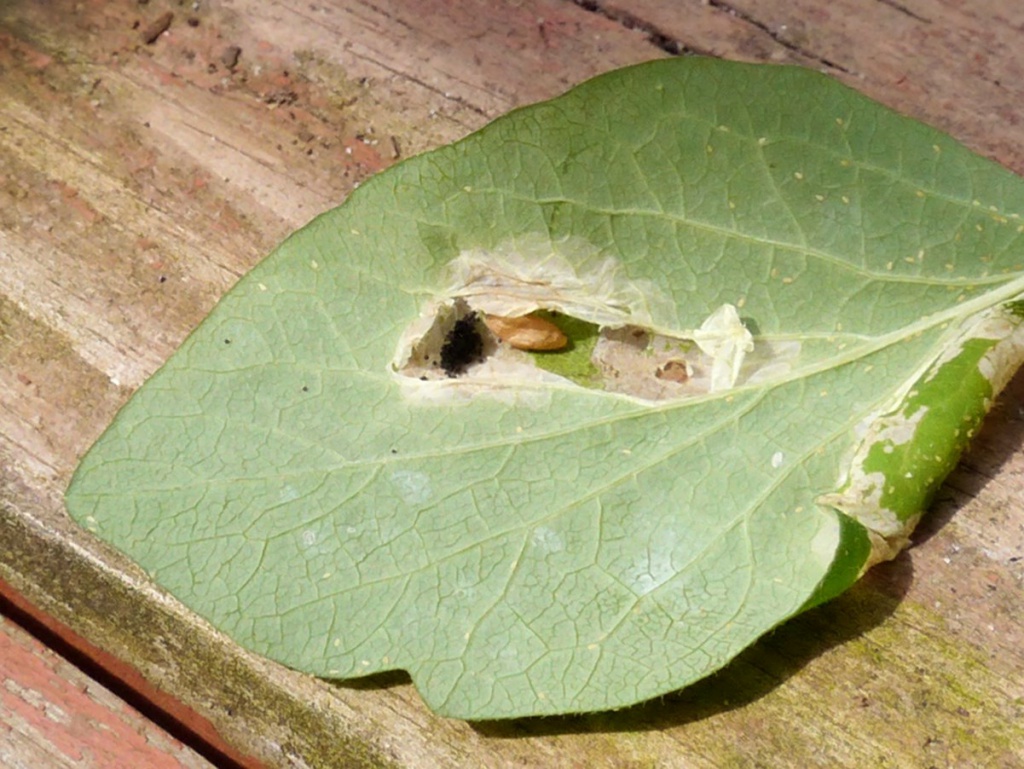
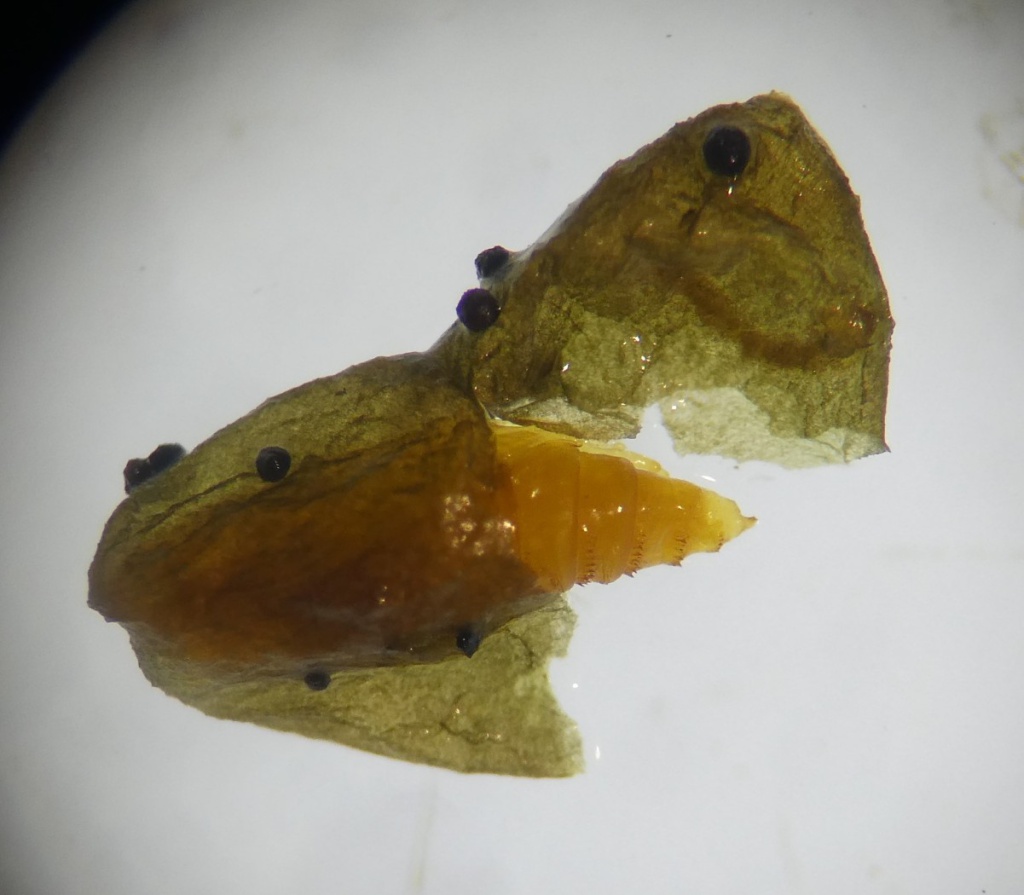
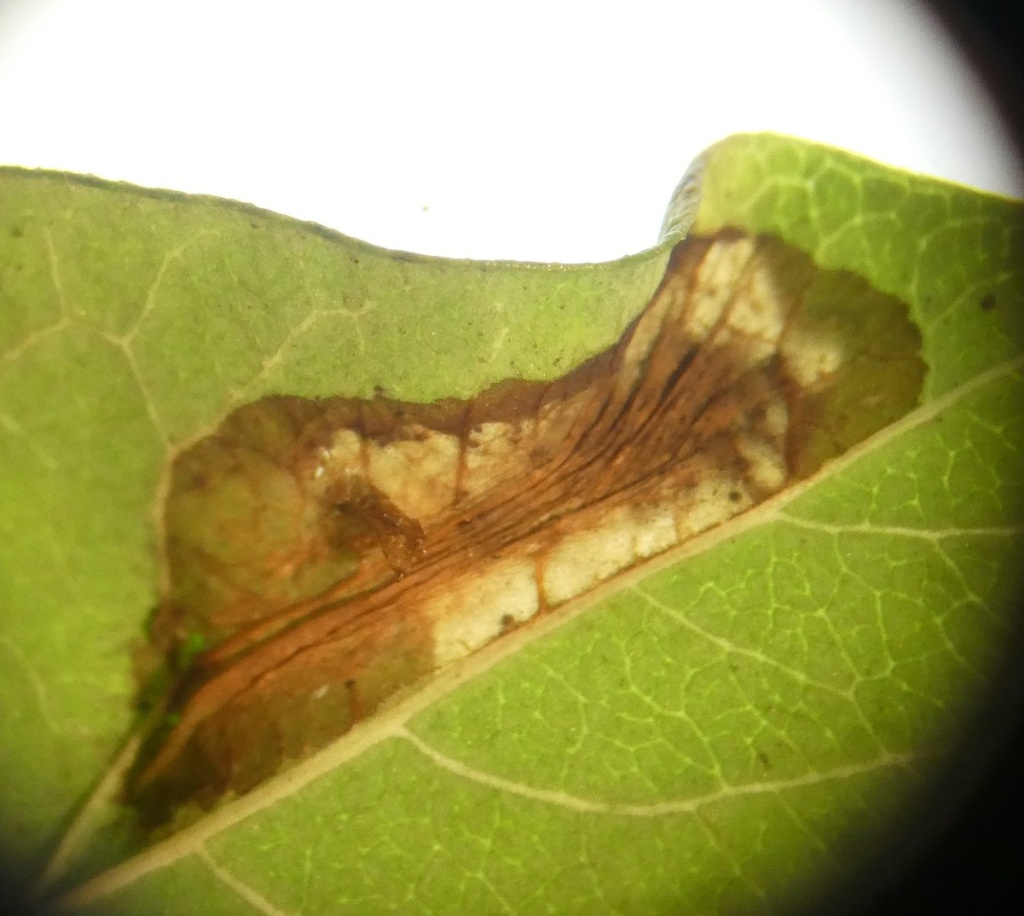
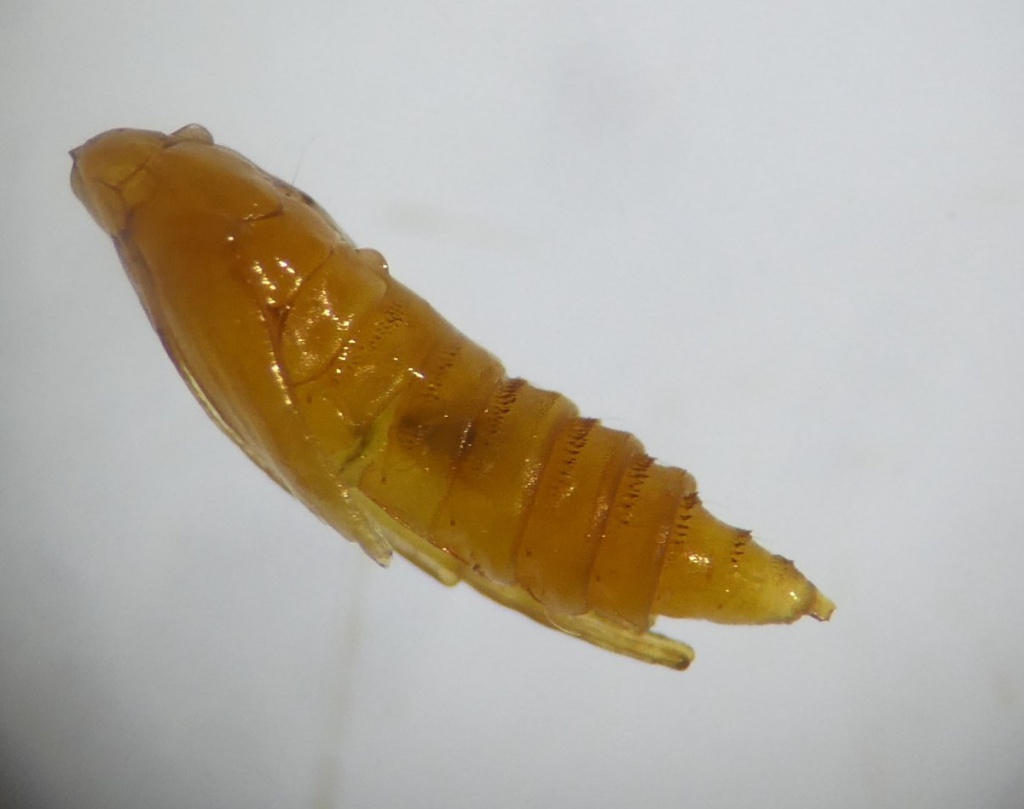
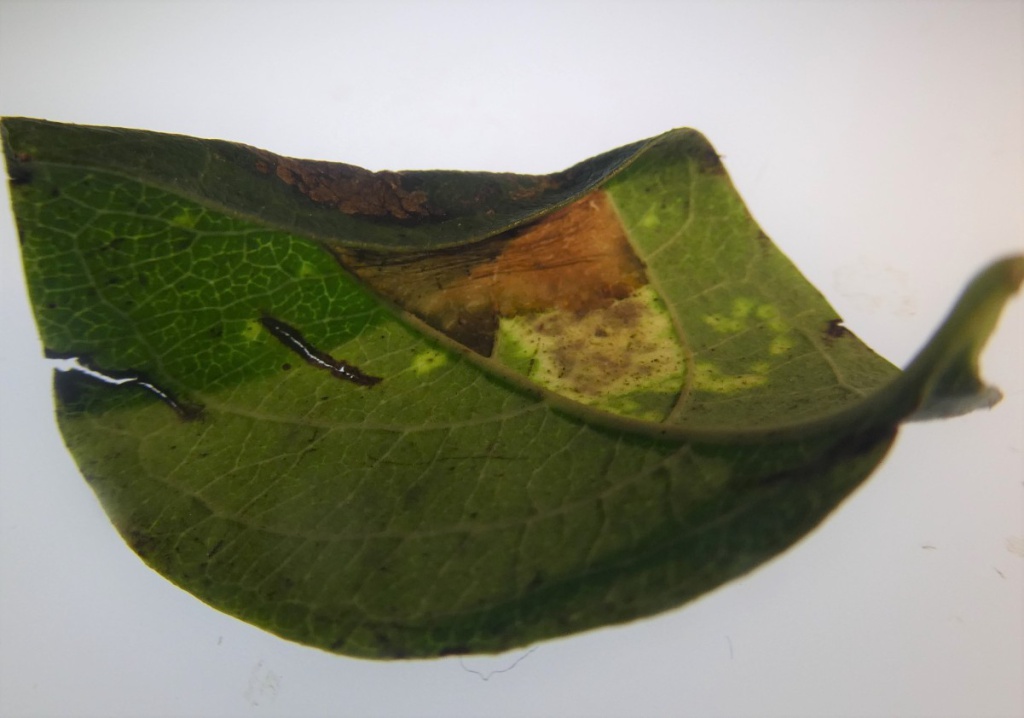
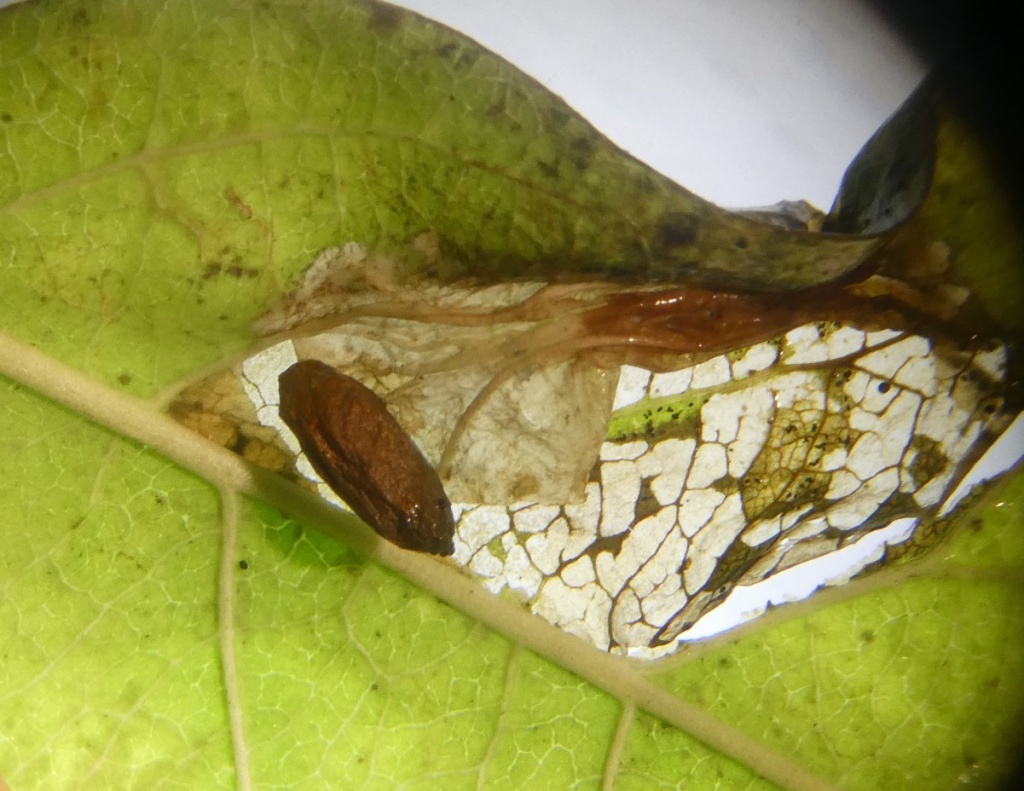
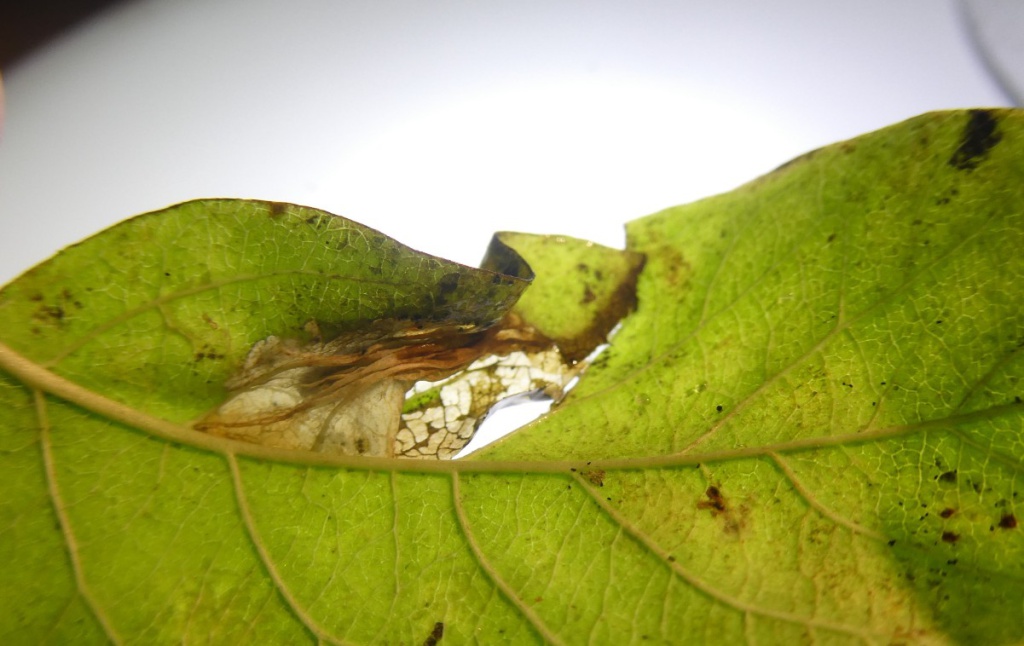
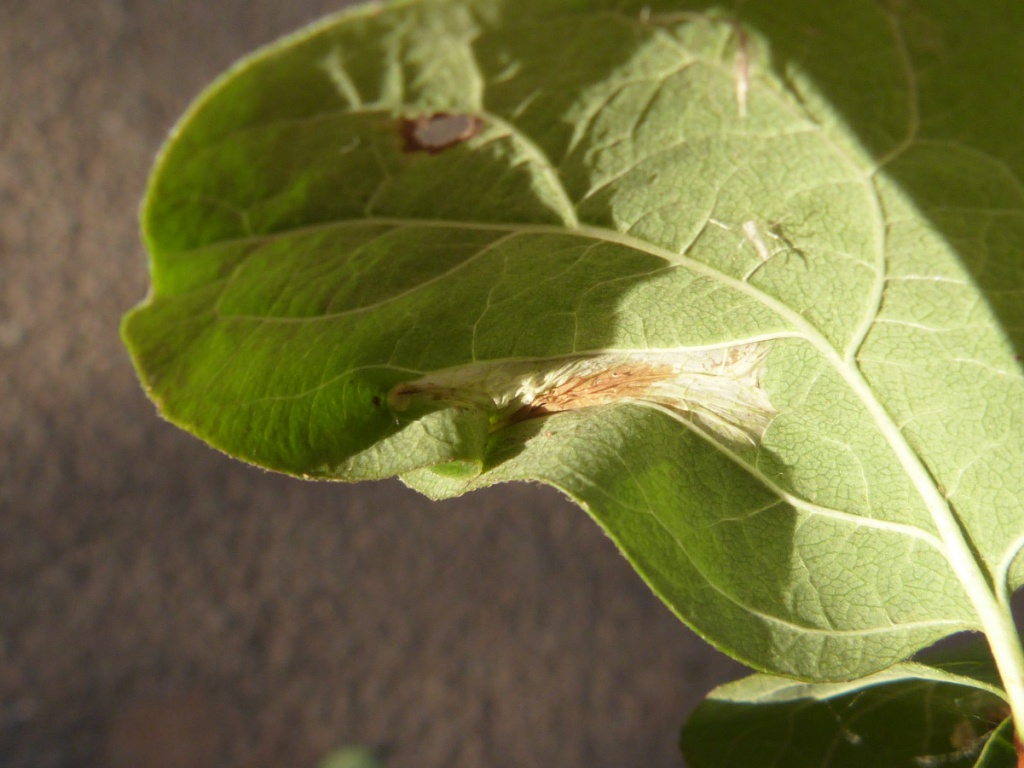
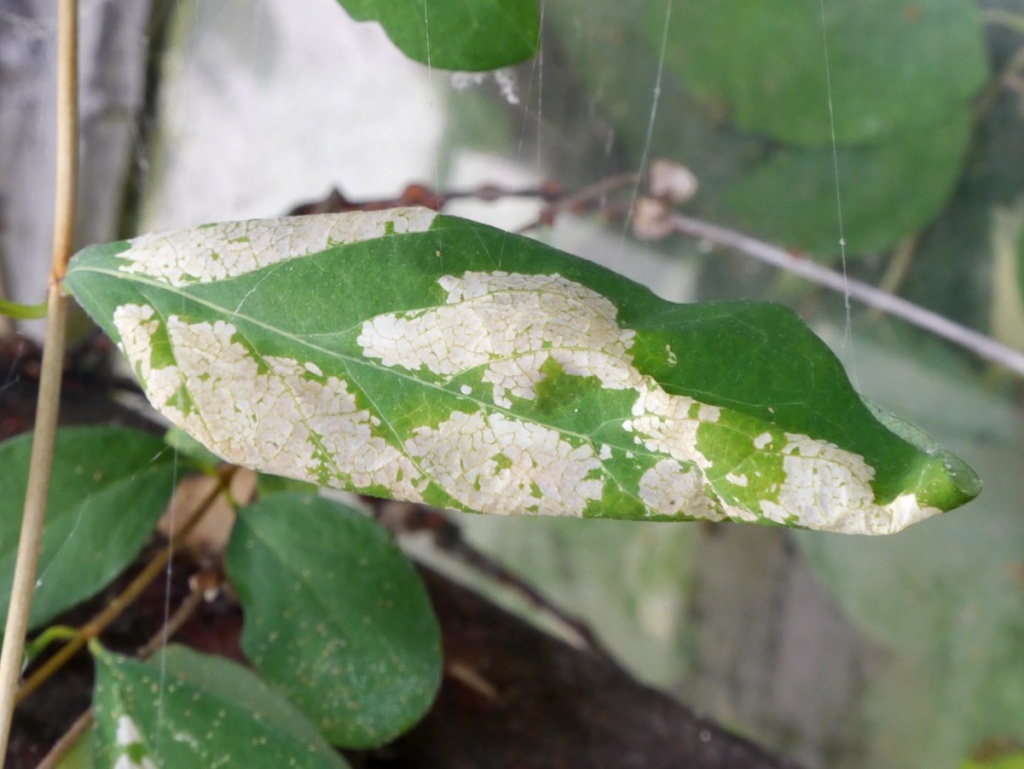
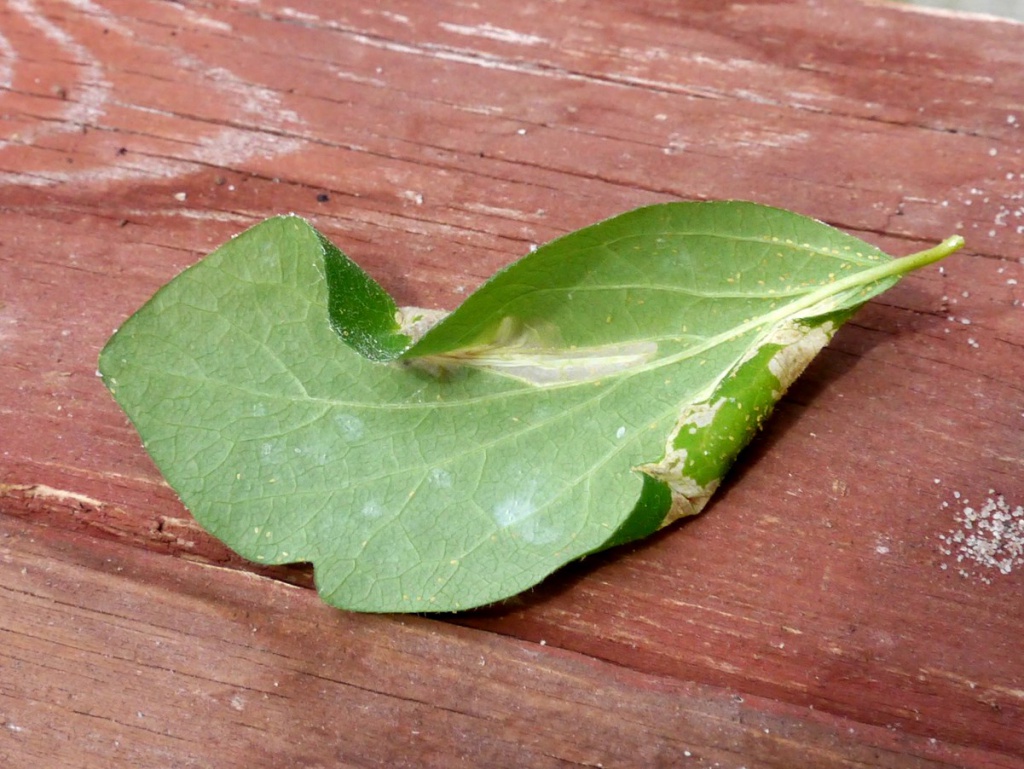
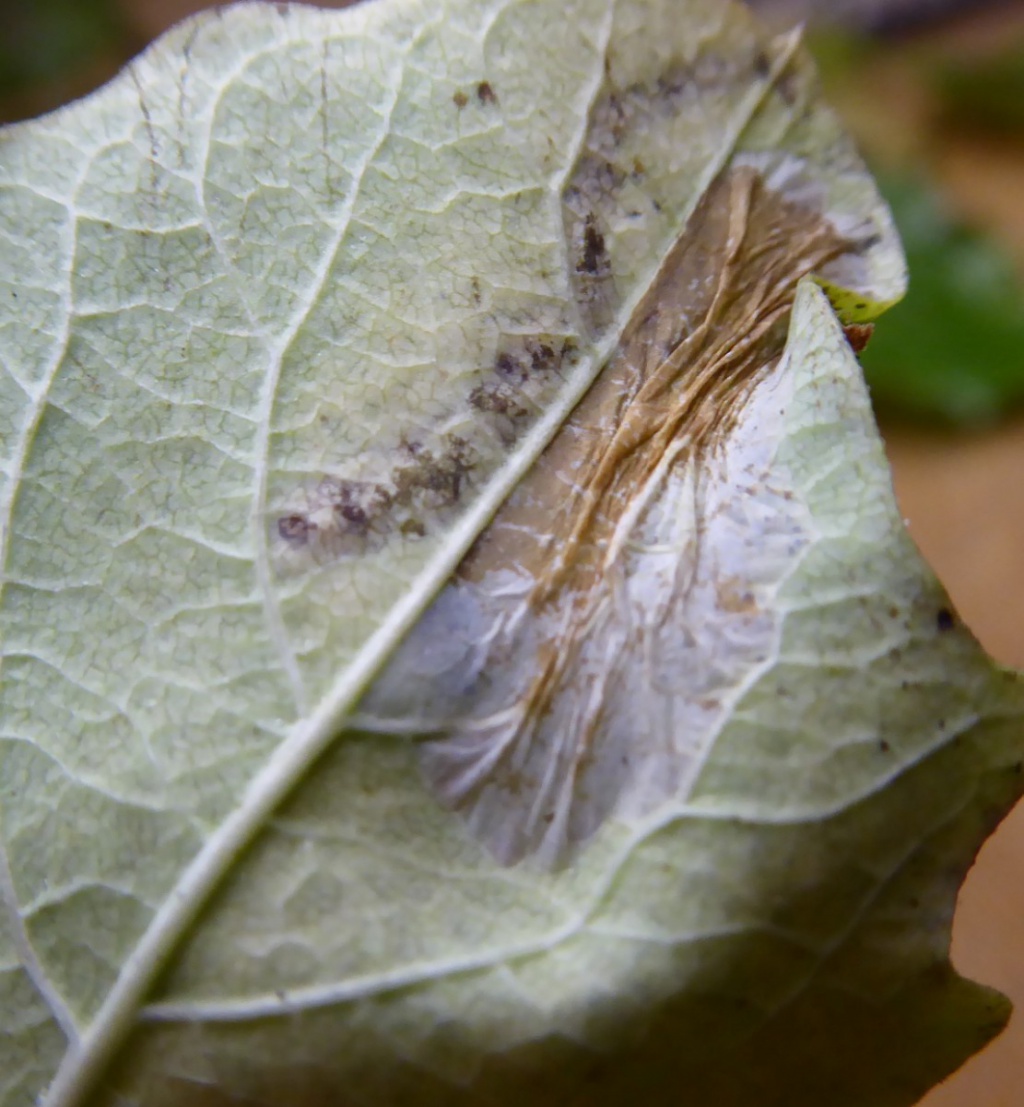
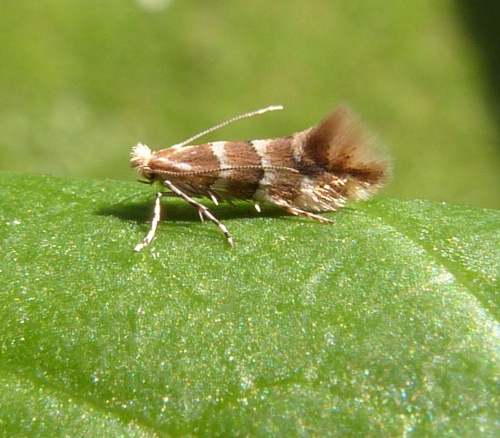
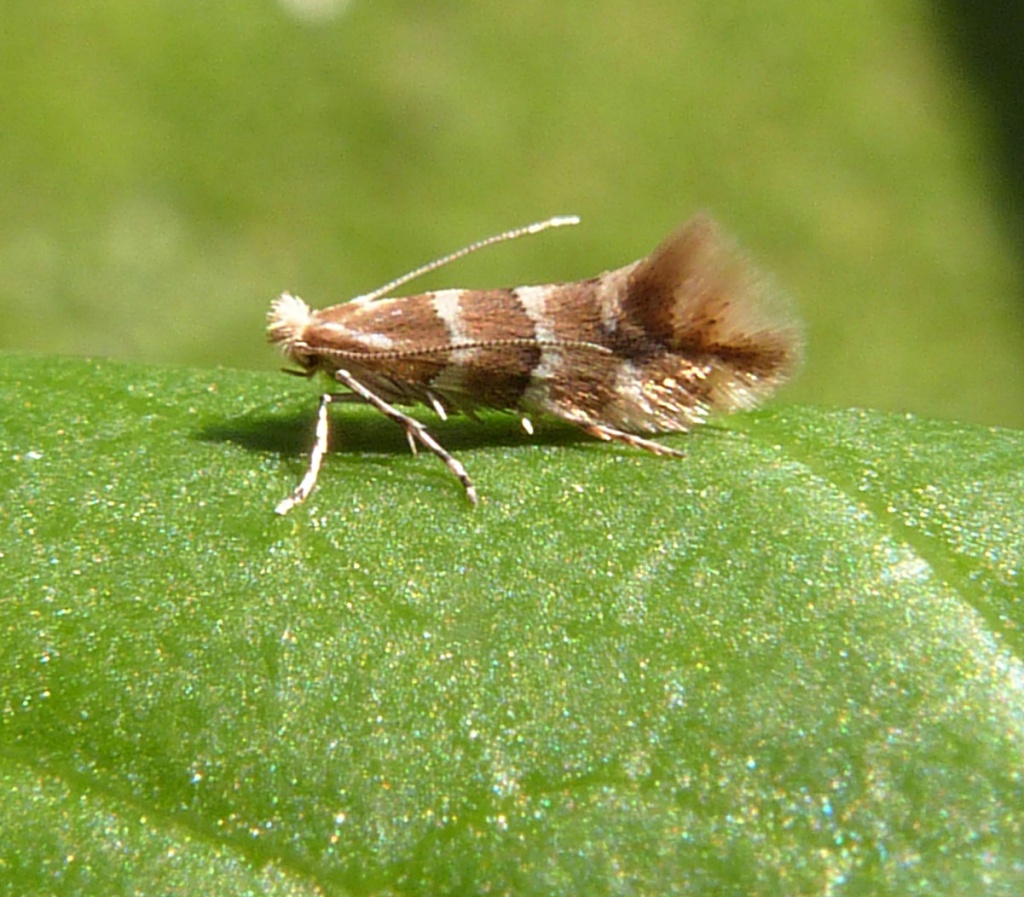
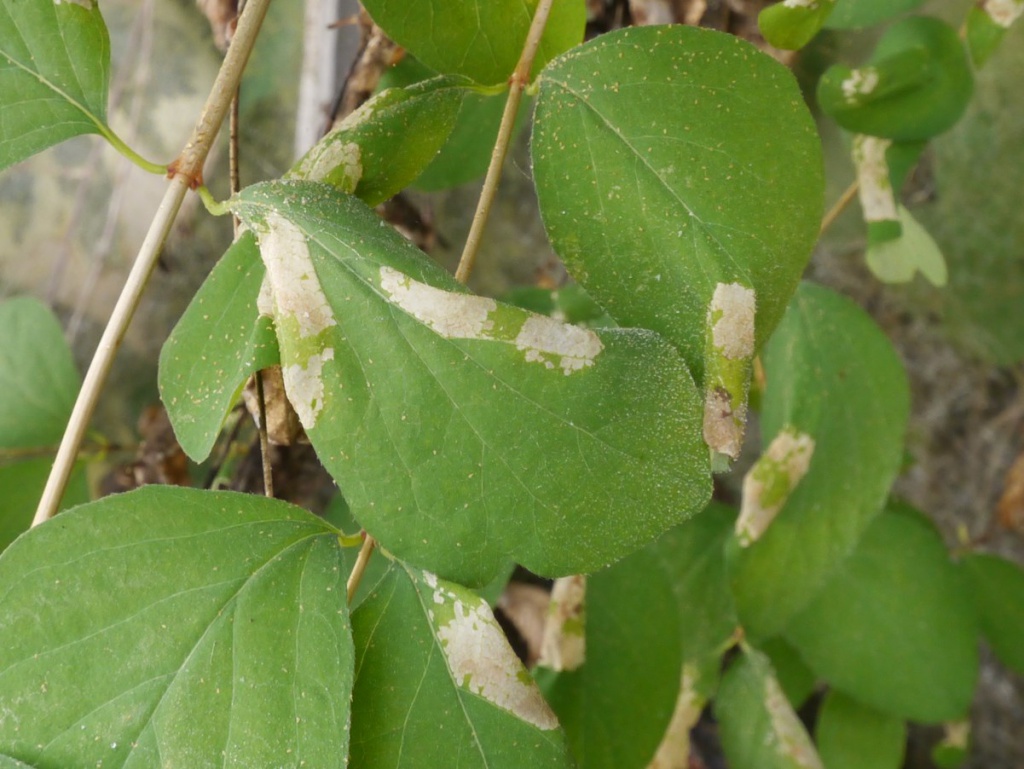
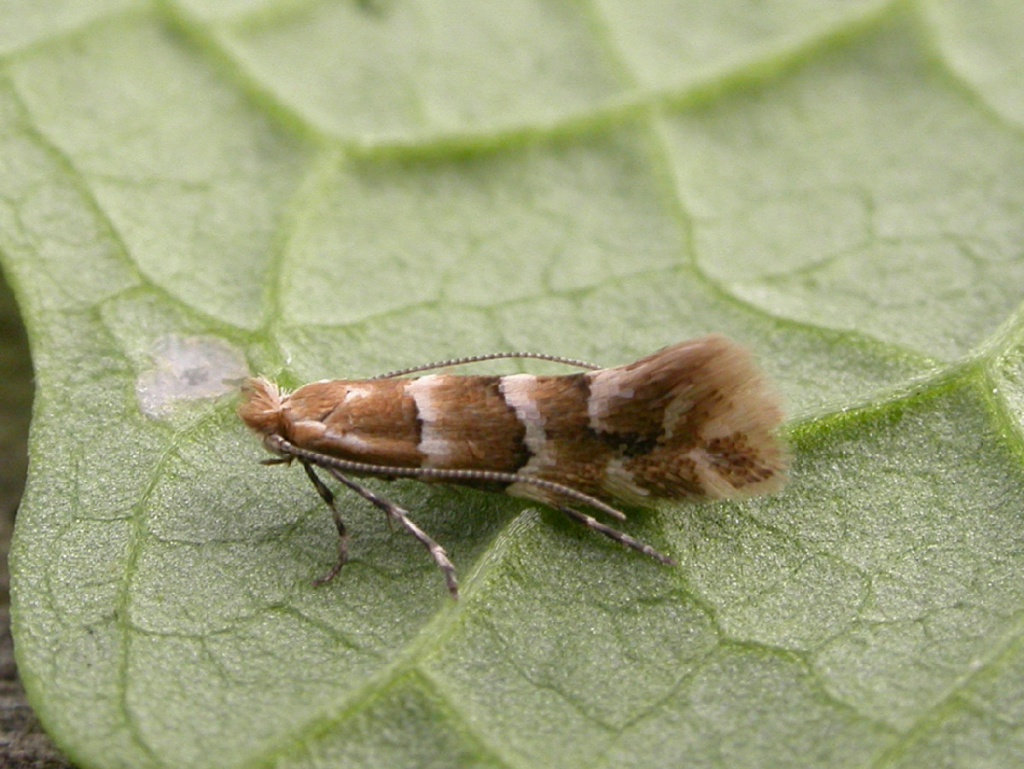
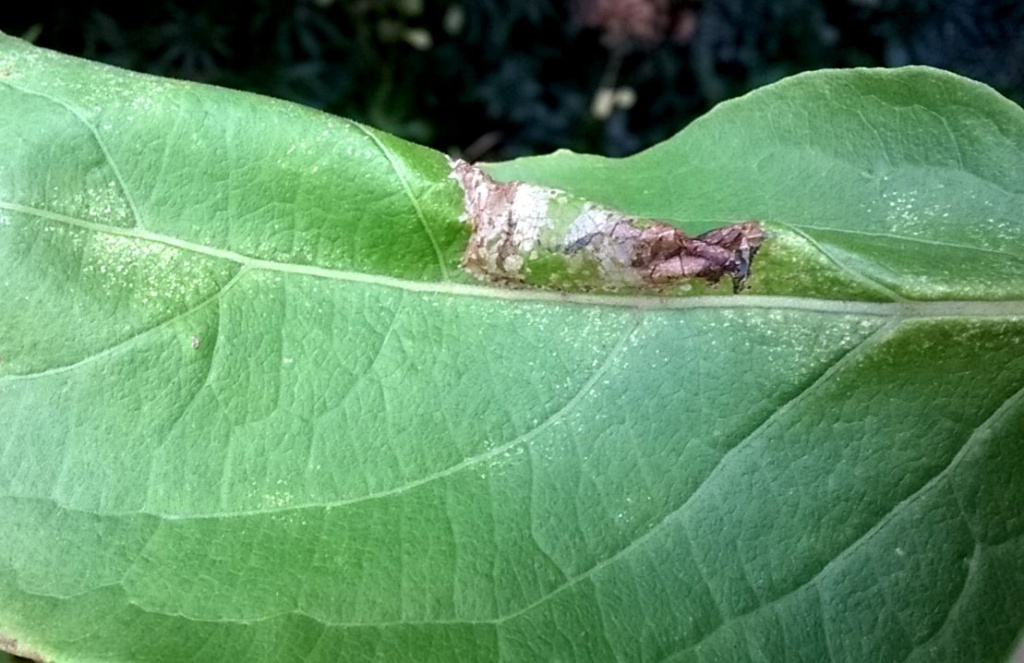
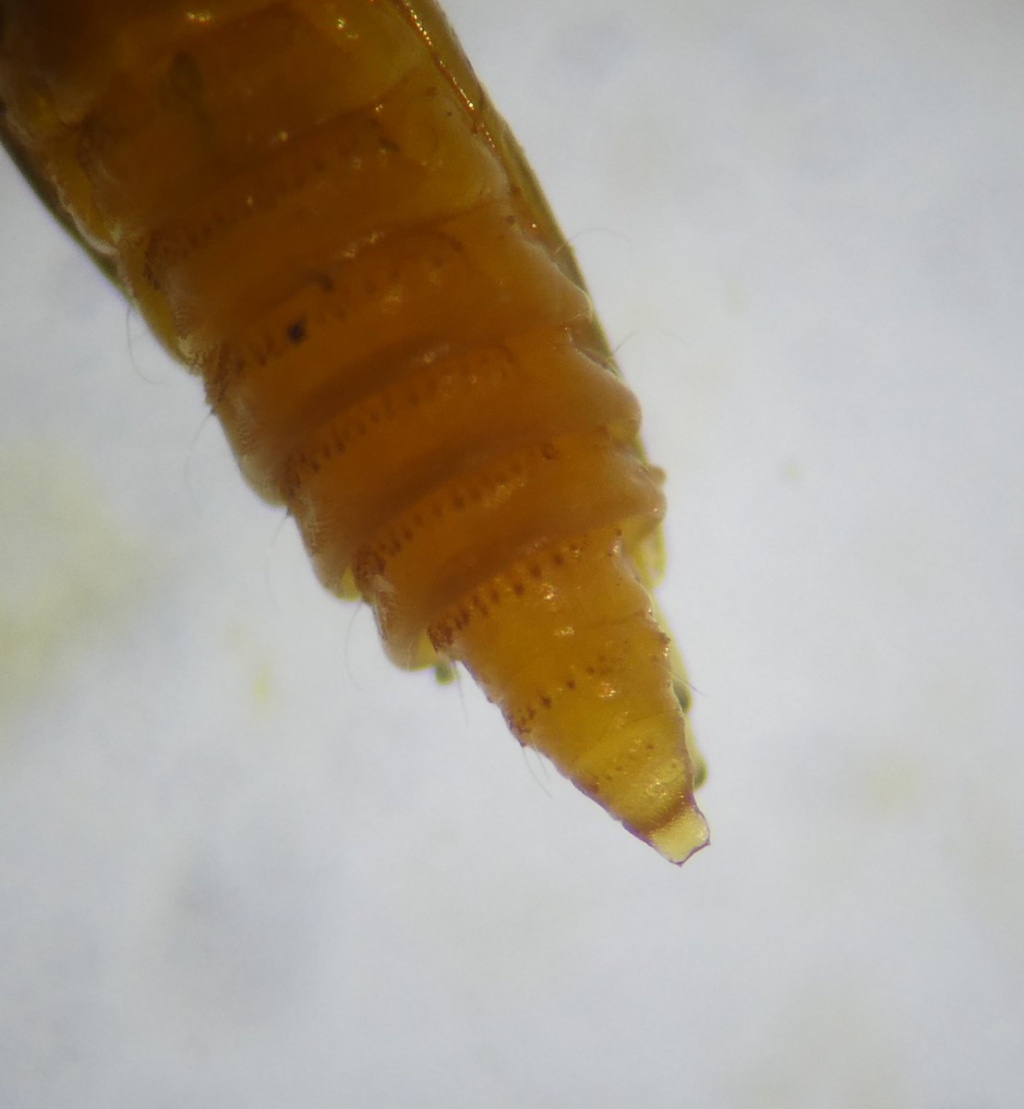
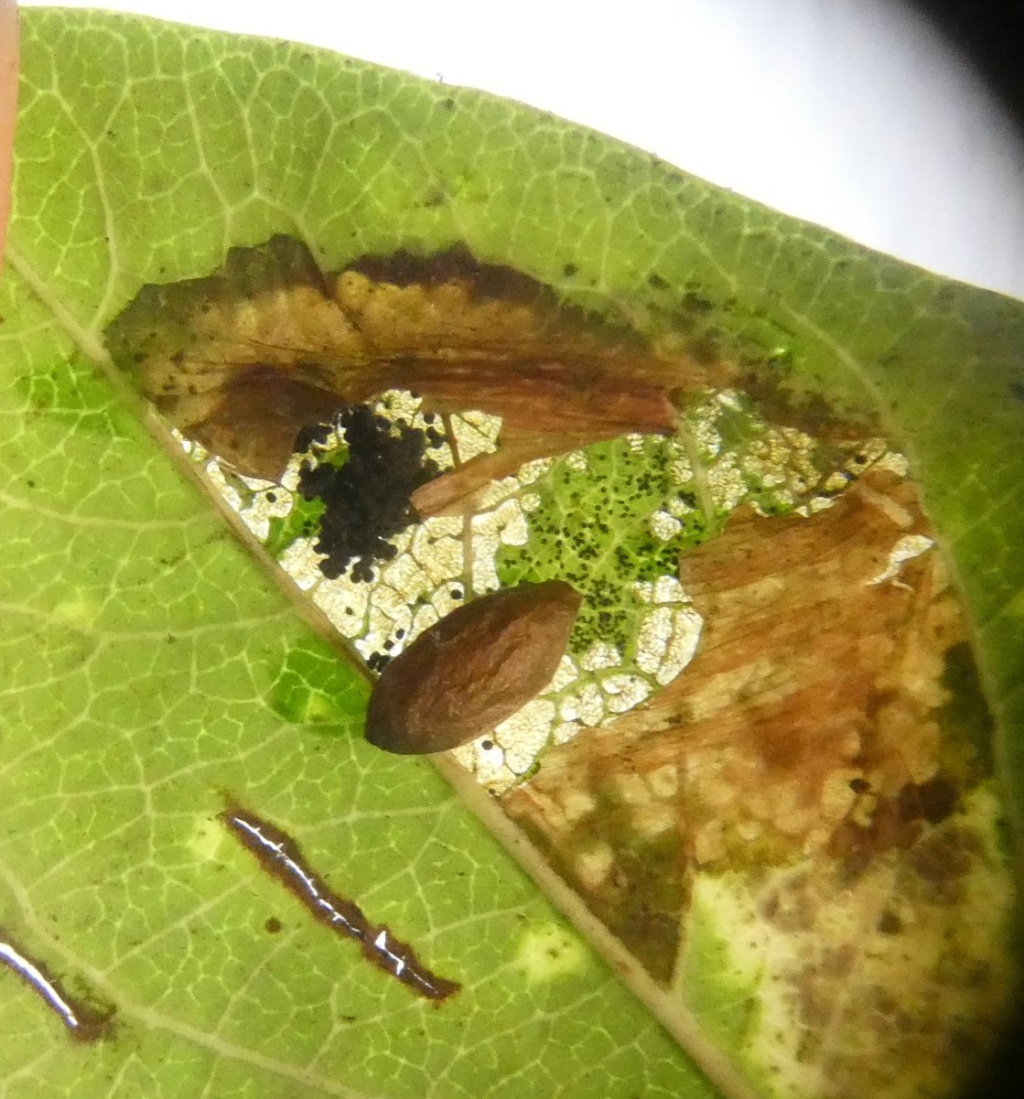
Wingspan 9 to 10 mm. This is one of several similar looking species but can be identified with care. The larva mines the leaves of Honeysuckle, Snowberry and Himalayan Honeysuckle (Leycesteria formosa) causing a large tentiform mine. The pupa is in a brown cocoon and has a distinctive flat pupal cremaster, with two very short spikes.
Phyllonorycter trifasciella mines can be very similar but have different cocoon and pupa
Adult  Leafmine
Photograph the mine and the cocoon or pupa inside
Anywhere that the larval foodplants are found.
The moth is bivoltine, being in flight in May and August.
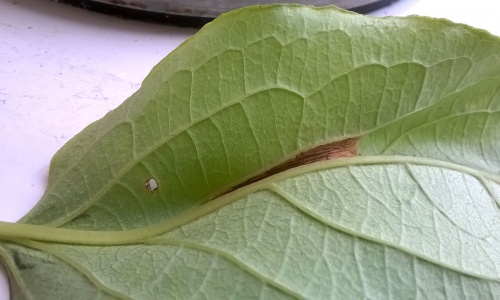
The larval foodplants are Honeysuckle, Snowberry and occasionally Leycesteria formosa. The underside mines formed are large and cause the leaf to become creased. Mines are found in July and again in September and October.
Although this moth is found widely throughout Britain, it tends to be found locally and is seldom common. In the Butterfly Conservation's Microlepidoptera Report 2011 this species was classified as local.
It appears to be uncommon in Leicestershire and Rutland, where there are few records. L&R Moth Group status = D (rare or rarely recorded).
 Graham Calow
Fallow Close, Broughton Astley
leafmine collected 13.10.2017 hatched 23.4.2018
Reared from leafmine on Himalayan Honeysuckle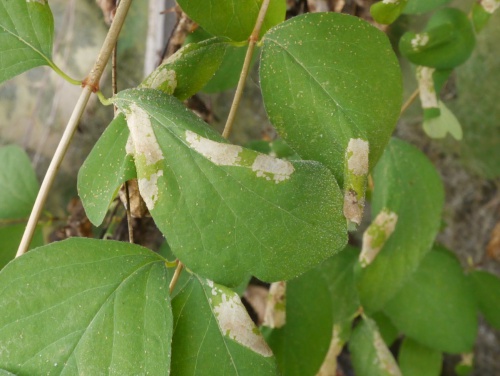 Peter Smith
Cropston garden
04 July 2015
leafmines on Snowberry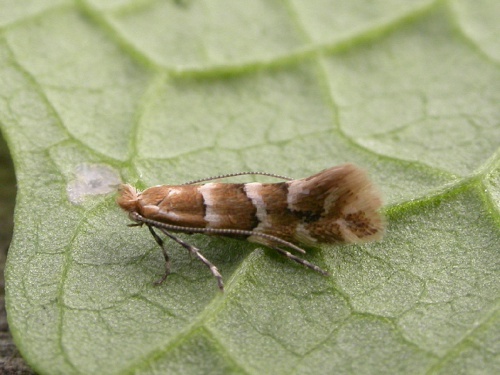 Adrian Russell
Jubilee Park, Enderby
29 October 2013 Graham Calow
Fallow Close, Broughton Astley
13 October 2017
leafmine on Himalayan Honeysuckle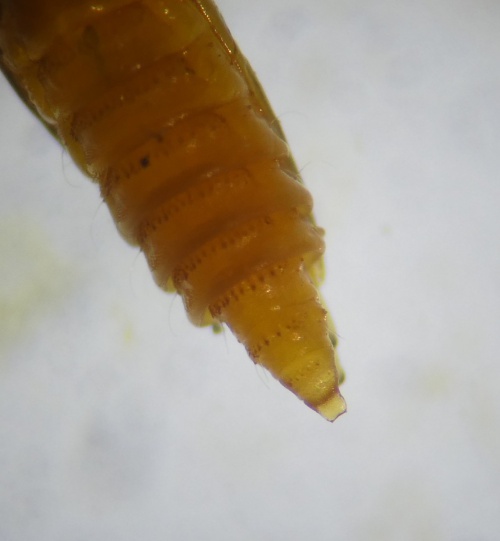 sue
sue
Pinwall, crossroads Sheepy Rd/Pinwall Lane
18 November 2022
ex. Snowberry
pupal cremaster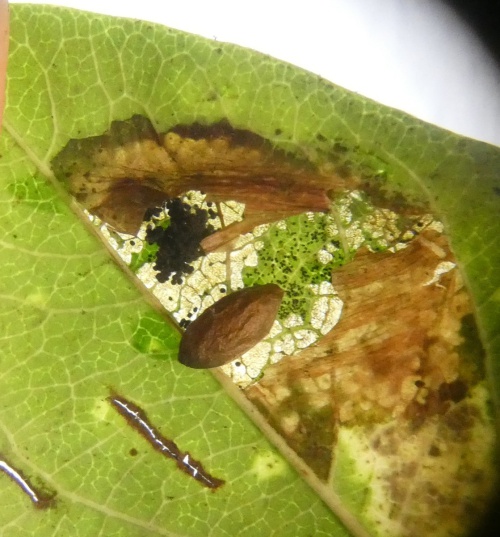 sue
sue
Pinwall, crossroads Sheepy Rd/Pinwall Lane
18 November 2022
Cocoon
ex. Snowberry
Leicestershire & Rutland Map
Enter a town or village to see local records
MAP KEY:
Yellow squares = NBN records (all known data)
Coloured circles = NatureSpot records: 2025+ | 2020-2024 | pre-2020
UK Map
Species profile
- Common names
- Large Midget
- Species group:
- insect - moth
- Kingdom:
- Animalia
- Order:
- Lepidoptera
- Family:
- Gracillariidae
- Records on NatureSpot:
- 15
- First record:
- 29/10/2013 (Russell, Adrian)
- Last record:
- 11/11/2024 (Smith, Peter)
Total records by month
% of records within its species group
10km squares with records
The latest images and records displayed below include those awaiting verification checks so we cannot guarantee that every identification is correct. Once accepted, the record displays a green tick.
In the Latest Records section, click on the header to sort A-Z, and again to sort Z-A. Use the header boxes to filter the list.
Latest images
Latest records
 Graham Calow
Fallow Close, Broughton Astley
13 October 2017
leafmine on Himalayan Honeysuckle - underside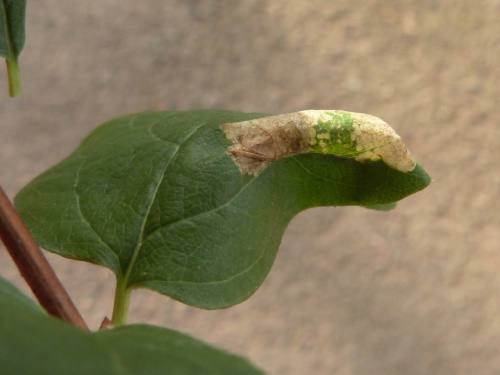 Graham Calow
Sapcote, Old Fosse
25 October 2017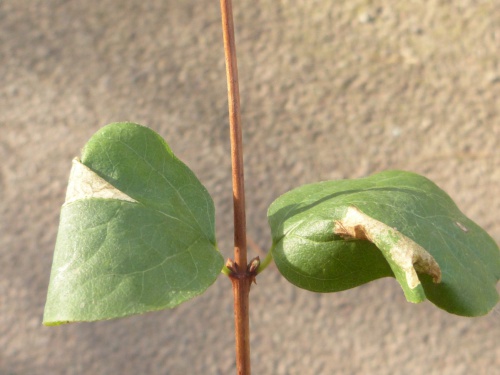 Graham Calow
Sapcote, Old Fosse
25 October 2017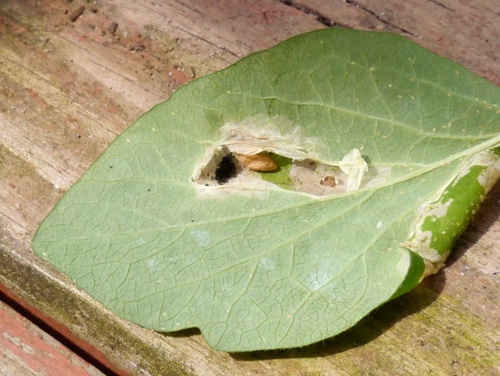 Peter Smith
Cropston garden
04 July 2015
leafmine on Snowberry
showing papery case of pupa.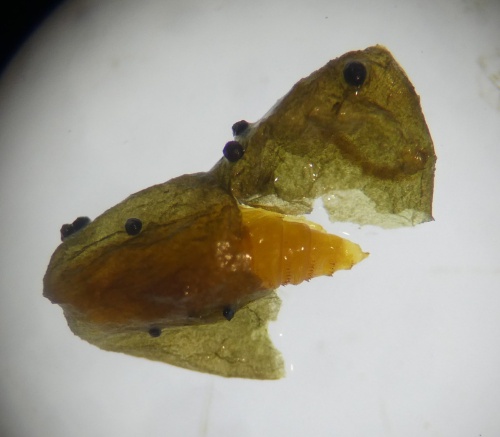 sue
sue
Shenton, Ashby Canal towpath by Bradfields Bridge
20 November 2022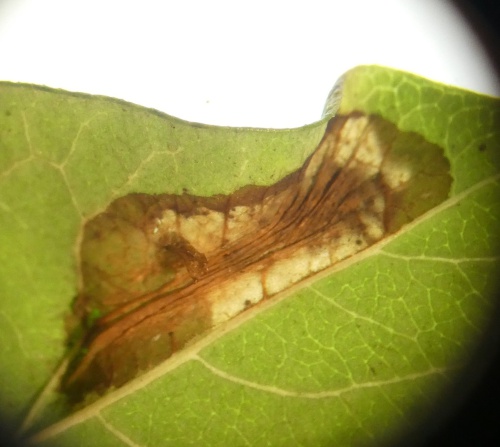 sue
sue
Pinwall, crossroads Sheepy Rd/Pinwall Lane
18 November 2022
snowberry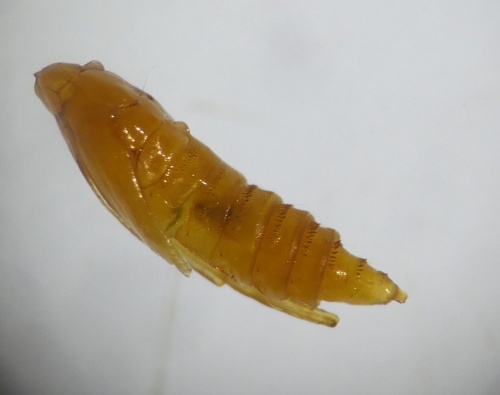 sue
sue
Shenton, Ashby Canal towpath by Bradfields Bridge
20 November 2022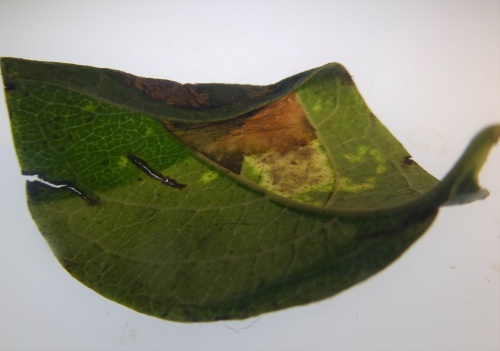 sue
sue
Pinwall, crossroads Sheepy Rd/Pinwall Lane
18 November 2022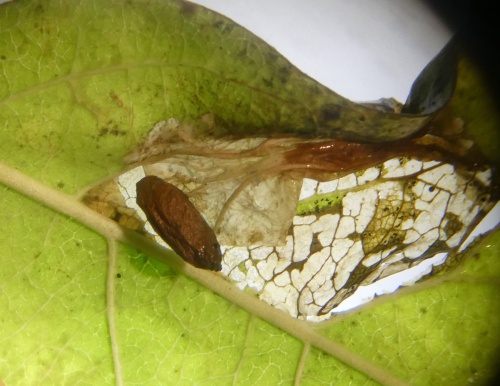 sue
sue
Shenton, Ashby Canal towpath by Bradfields Bridge
20 November 2022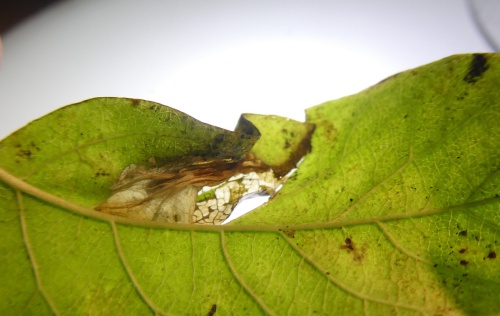 sue
sue
Shenton, Ashby Canal towpath by Bradfields Bridge
20 November 2022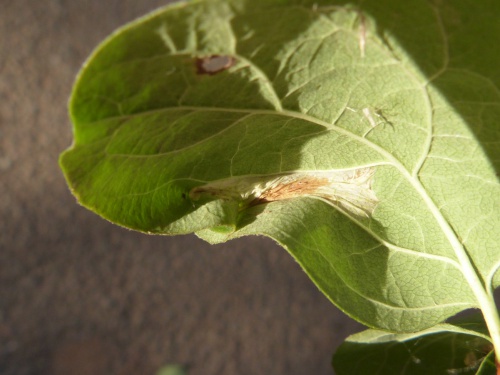 Graham Calow
Sapcote, Old Fosse
25 October 2017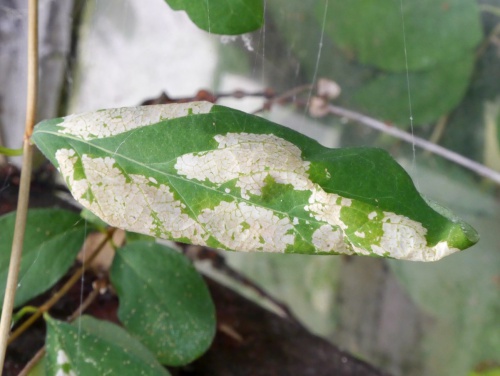 Peter Smith
Cropston garden
04 July 2015
Leaf mine on snowberry (upper side)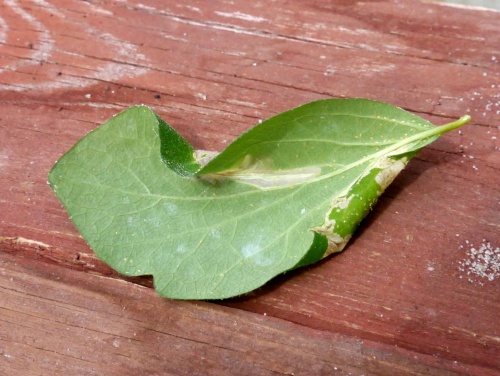 Peter Smith
Cropston garden
04 July 2015
Leaf mine on snowberry (underside)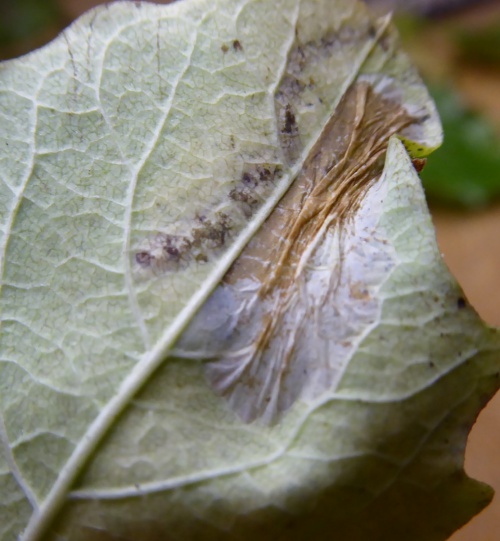 sue
sue
Glenfield, County Hall western drive
04 October 2018