Phaonia pallida
Phaonia pallida
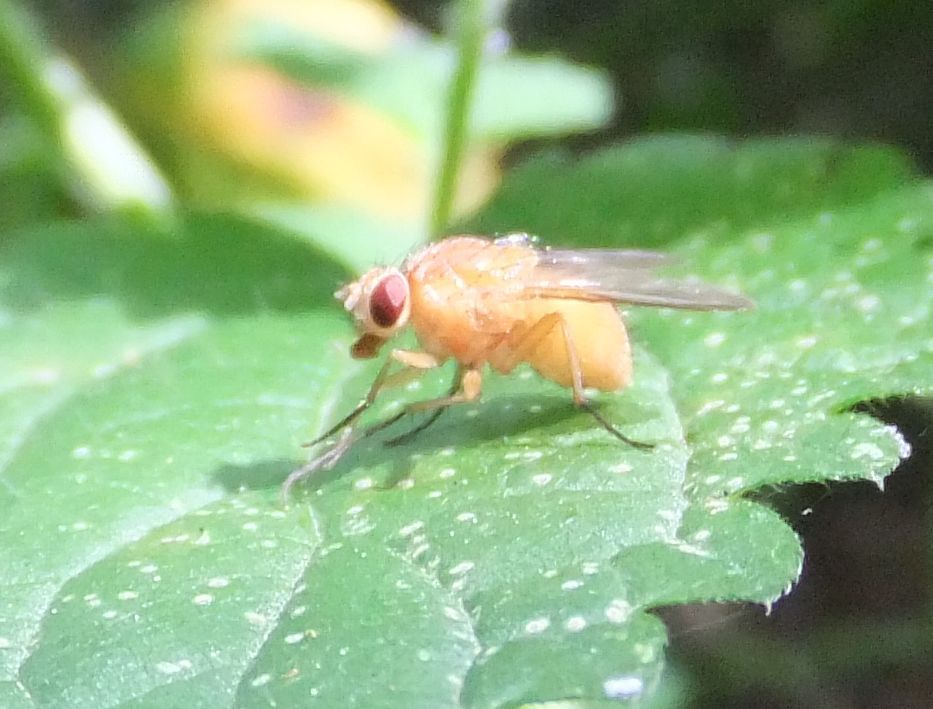
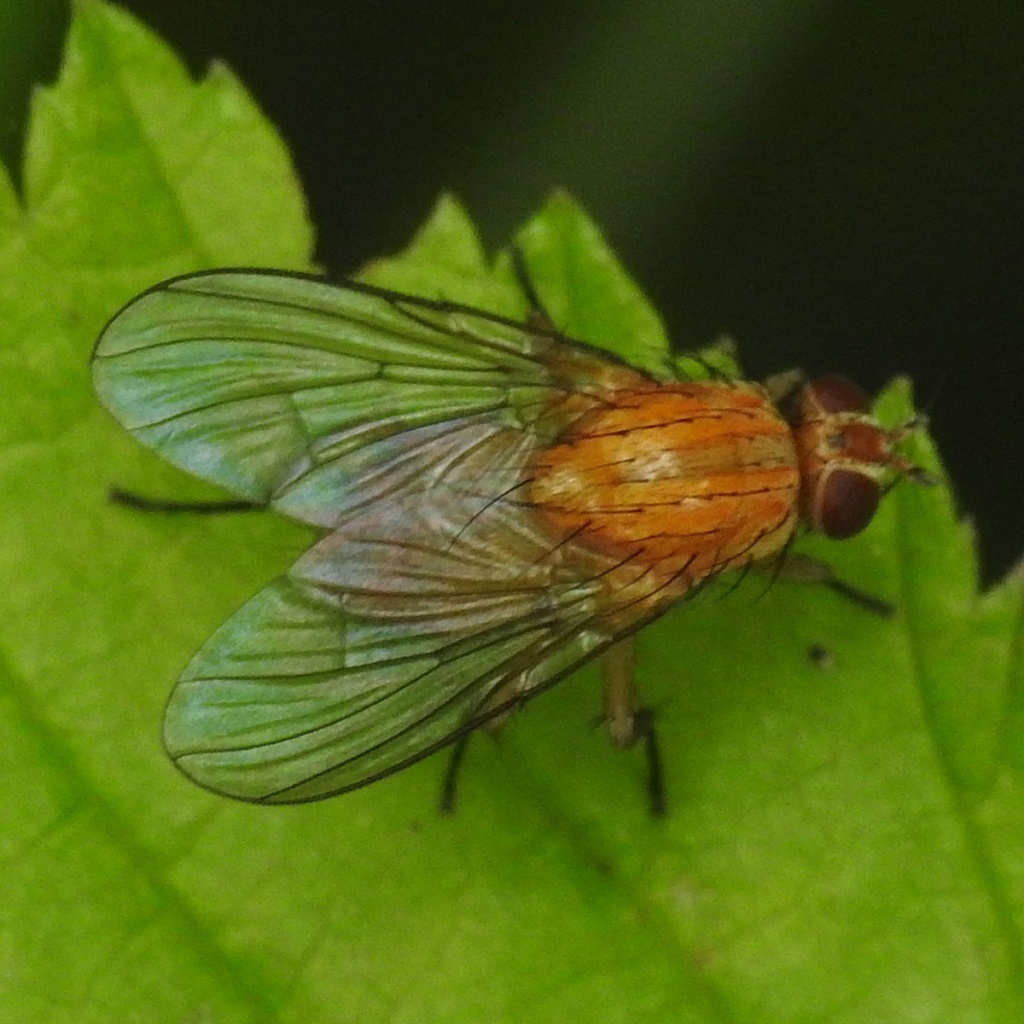
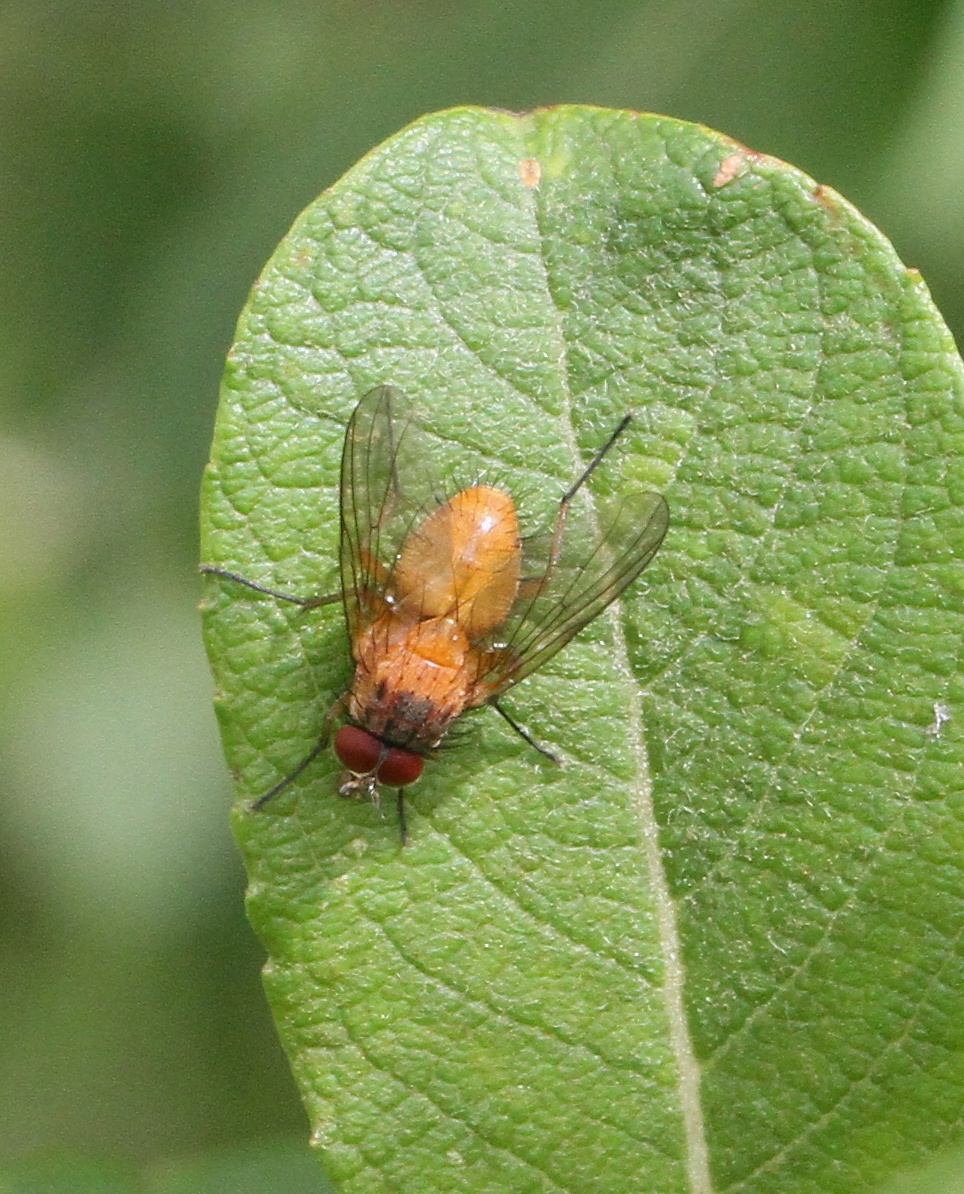
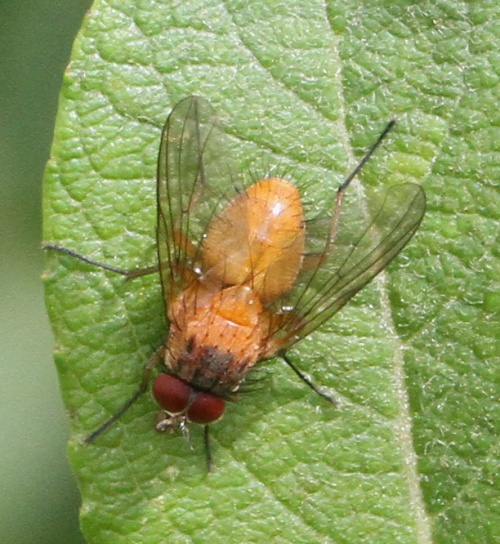
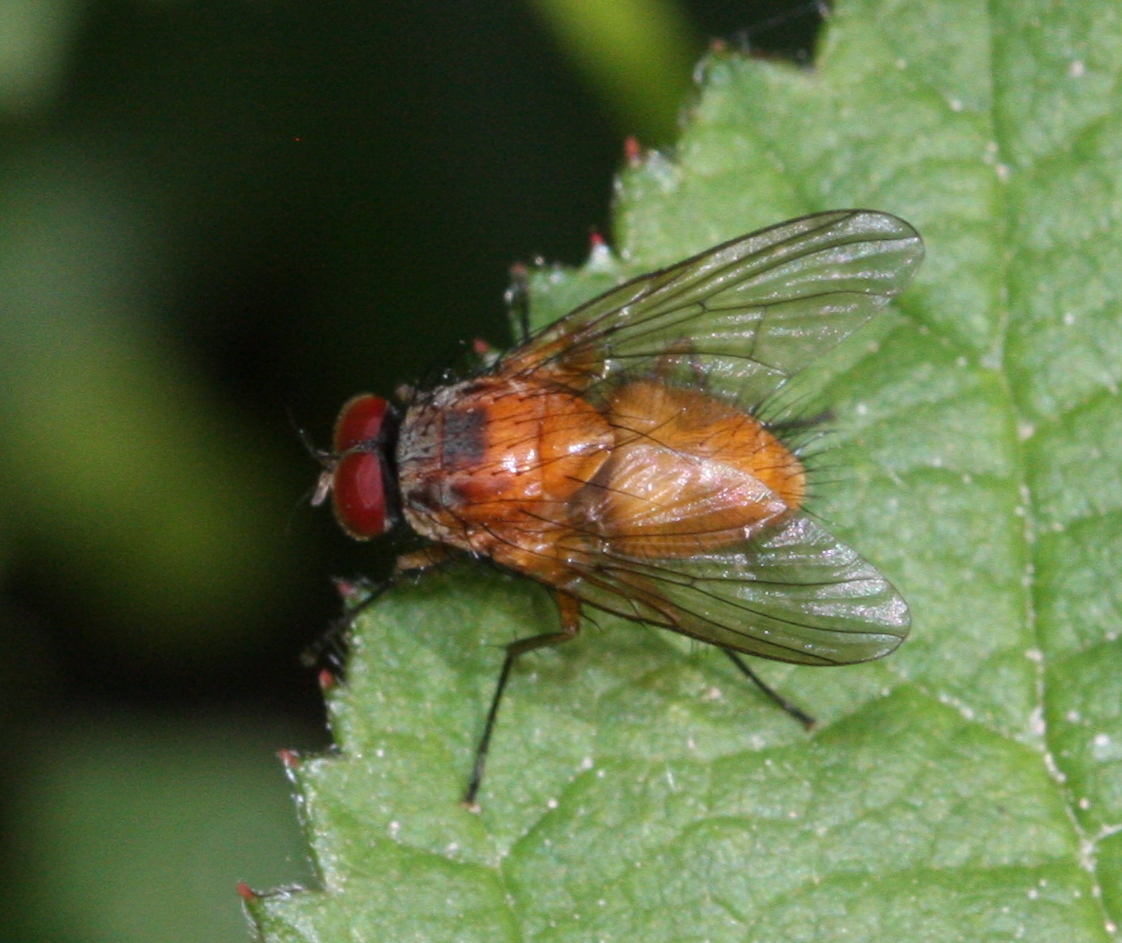
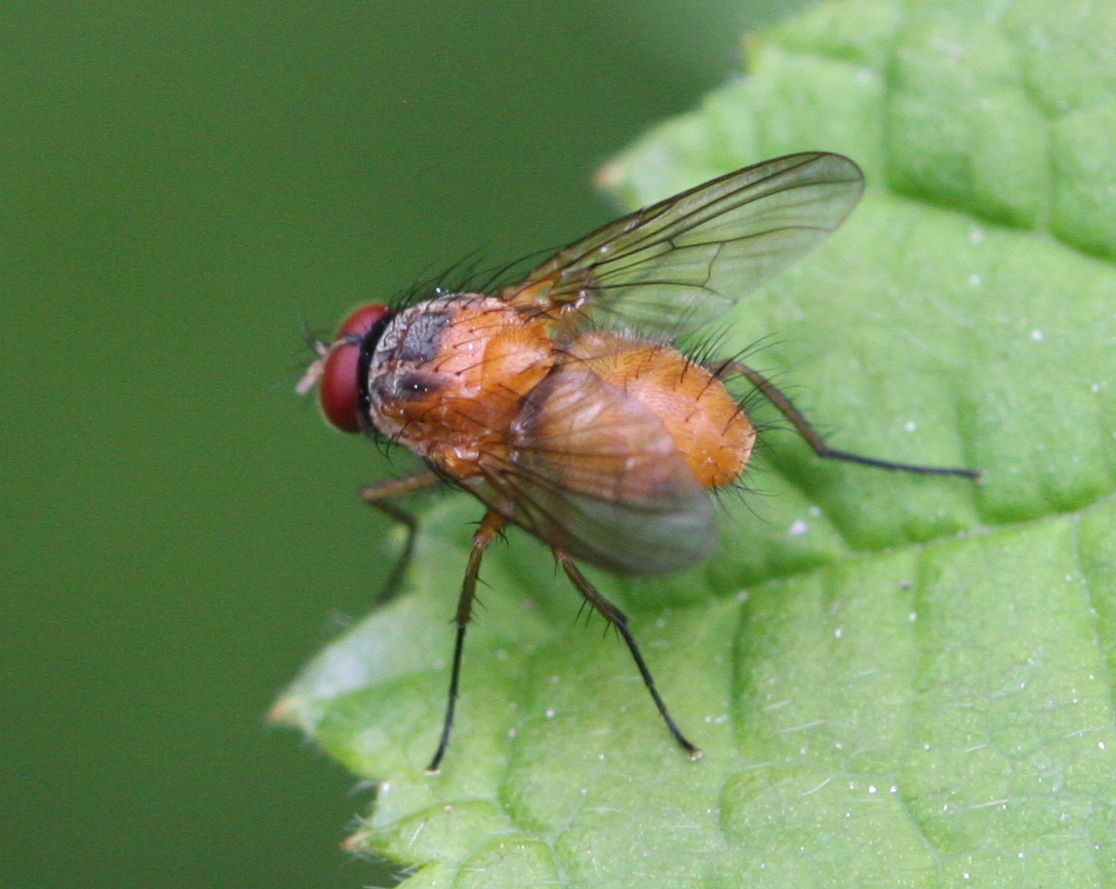
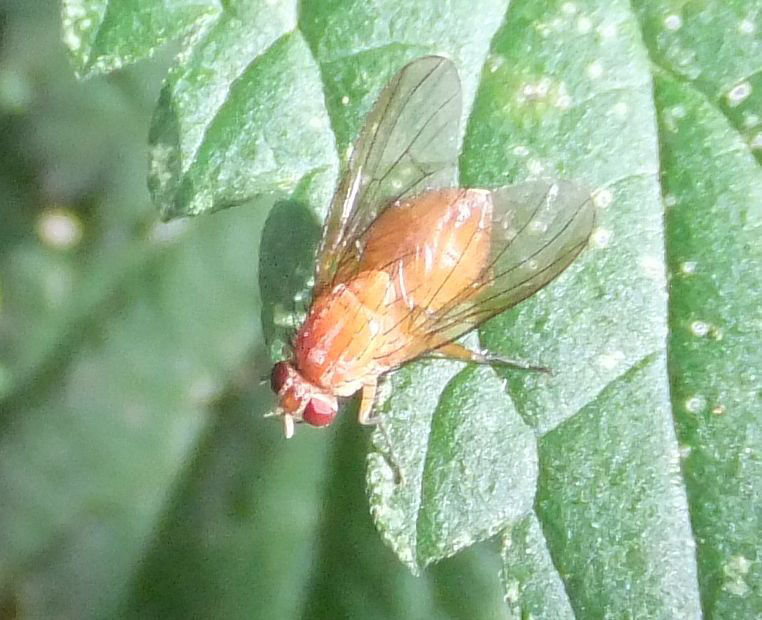
Length about 7 mm. An orange fly with a very hairy thorax.
Thricops diaphanus is a very similar orange muscid. Females can be separated by the frontal vitta (area between eyes) which is orange in P. pallida but dark in T. diaphanus. Males will generally need microscopic examination unless they have the darkened front to the thorax which is a feature of some, but not all, male P. pallida.

Often seen in woodland.
May to September.
Larvae are associated with fungi and rotten wood.
Fairly common and widespread in England and Wales.
Thricops diaphanus is a very similar orange muscid. Females can be separated by the frontal vitta (area between eyes) which is orange in P. pallida but dark in T. diaphanus. Males will generally need microscopic examination unless they have the darkened front to the thorax which is a feature of some, but not all, male P. pallida.
 David Nicholls
Broughton Astley Brick Quarry
02 July 2020
image by Craig Mabbett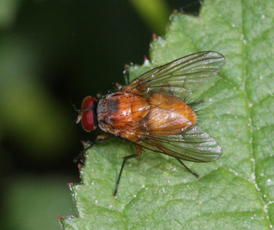 David Nicholls
Cloud Wood
24 June 2011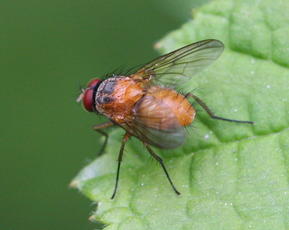 David Nicholls
Cloud Wood
24 June 2011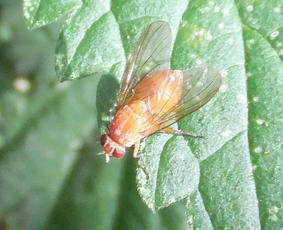 Ron.stevens
Broughton Astley
27 September 2011
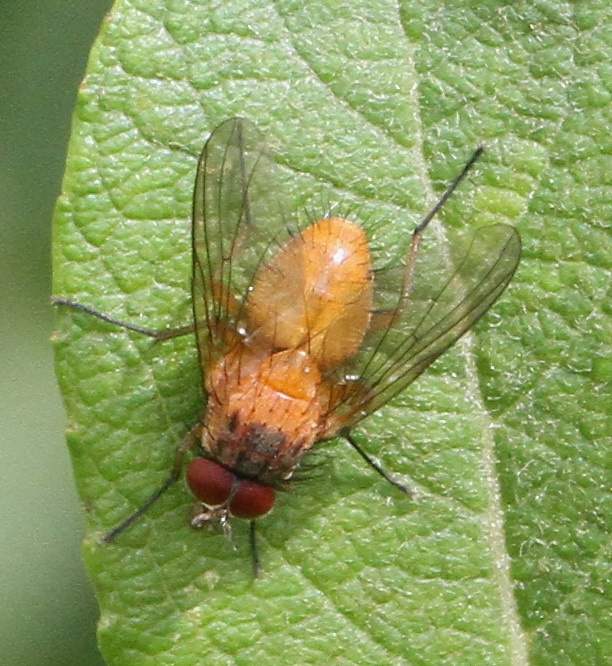
Leicestershire & Rutland Map
Enter a town or village to see local records
MAP KEY:
Yellow squares = NBN records (all known data)
Coloured squares = NatureSpot records: 2025+ | 2020-2024 | pre-2020
UK Map
Additional images