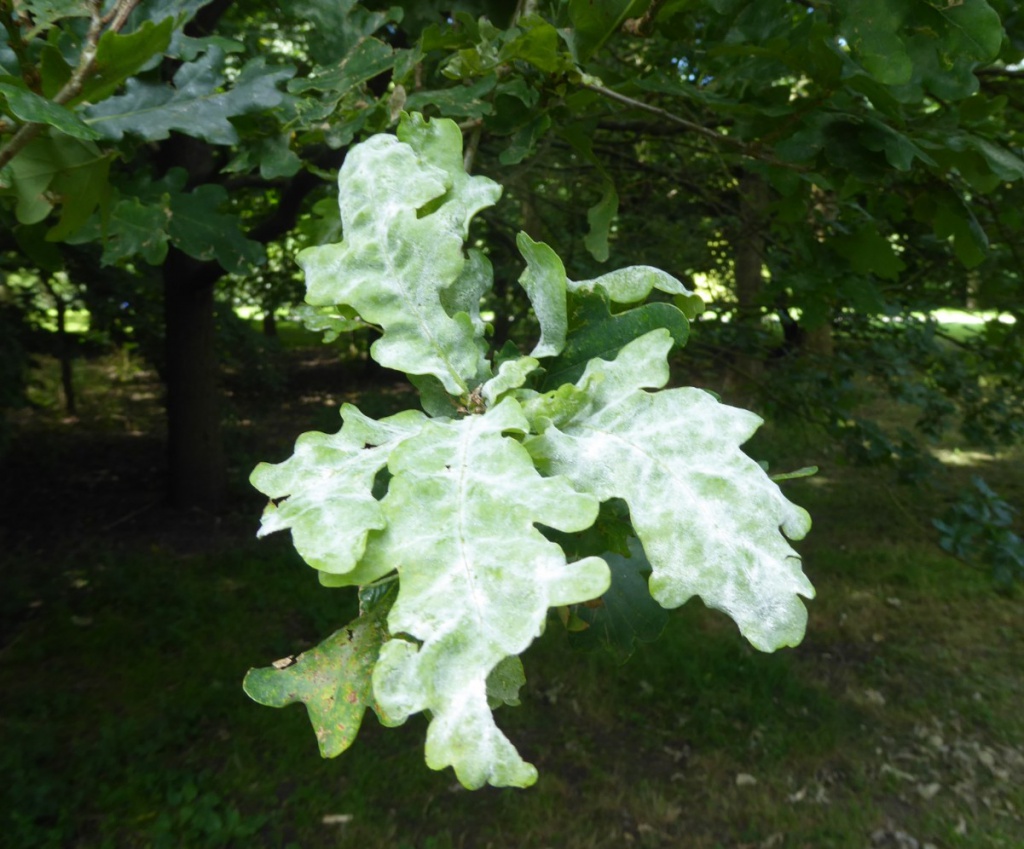
Oak Mildew - Erysiphe alphitoides
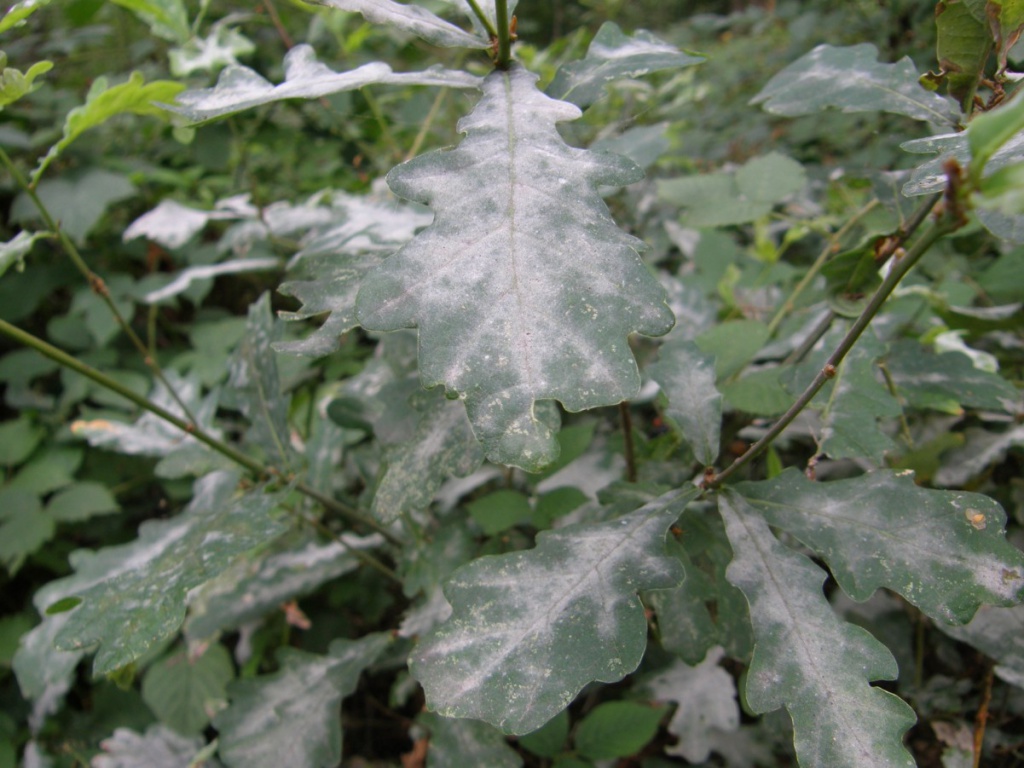
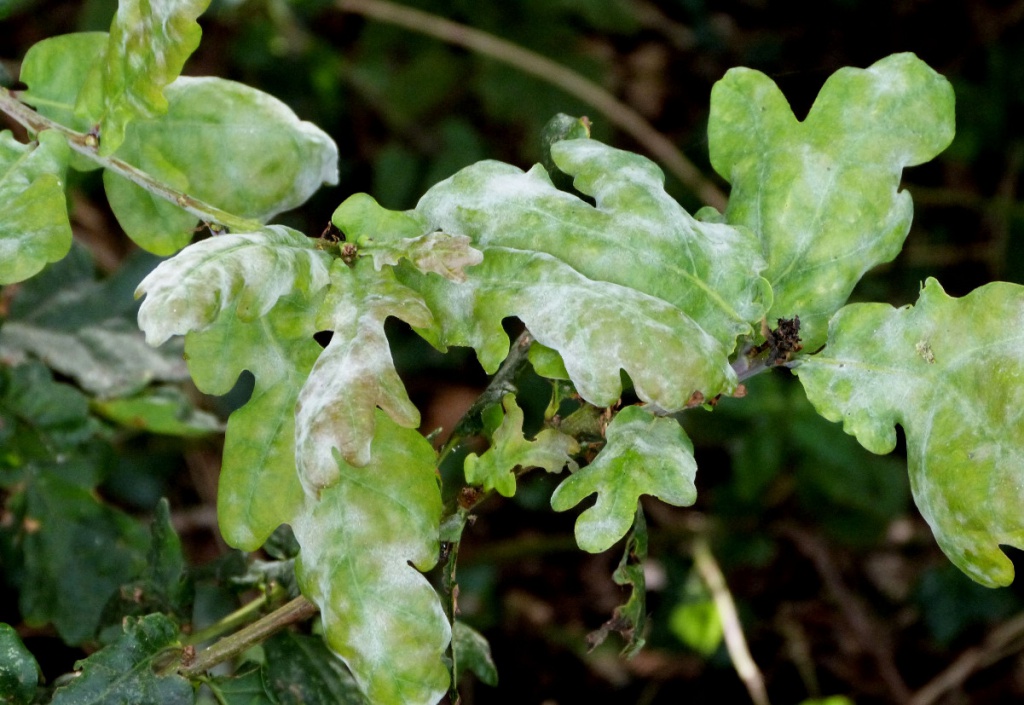
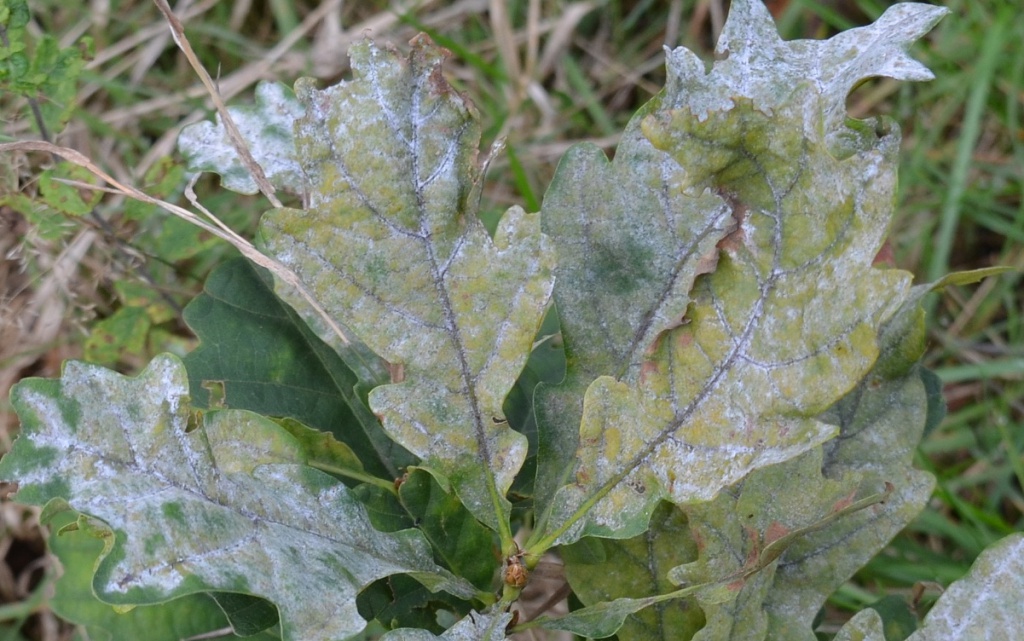
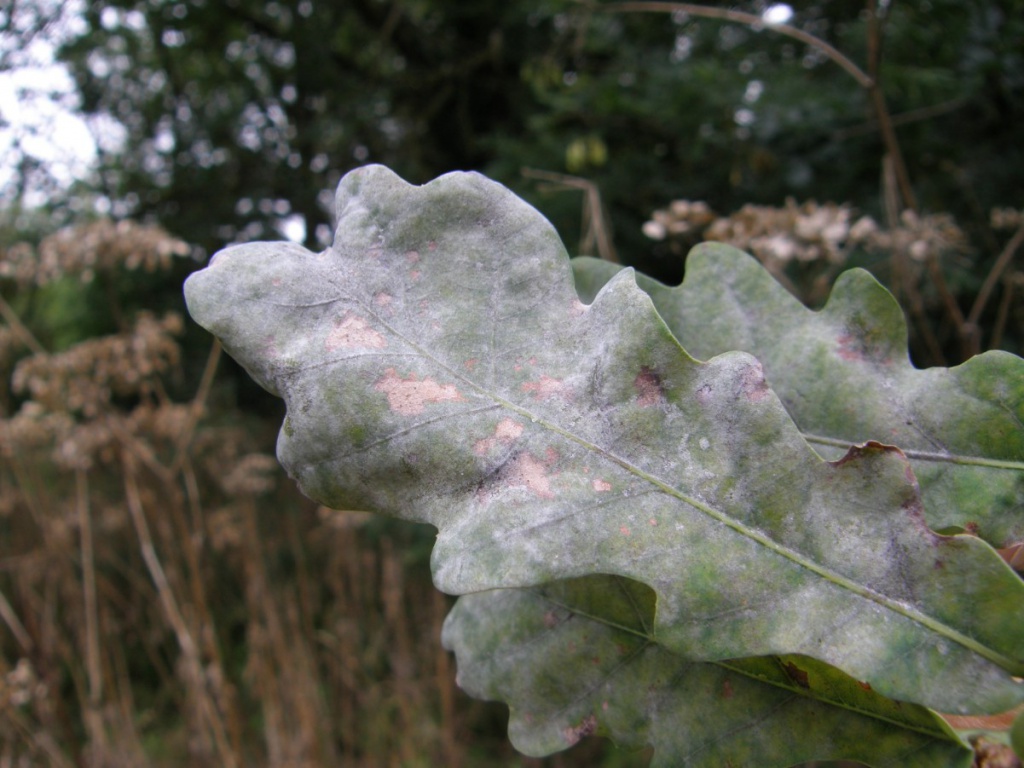
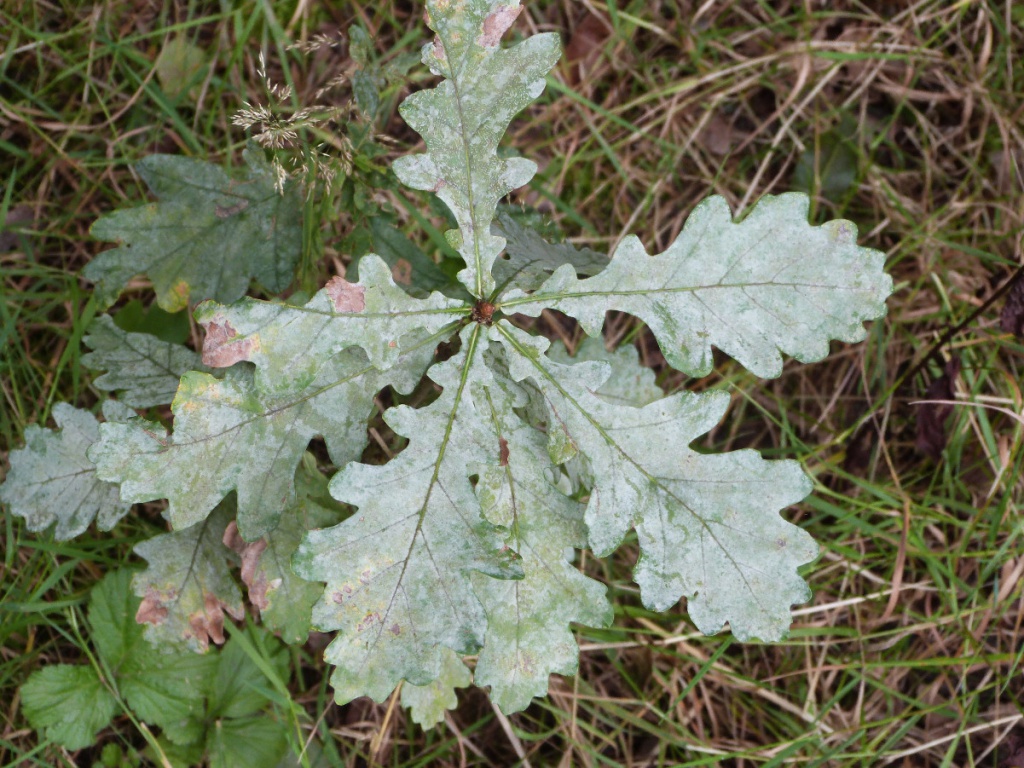
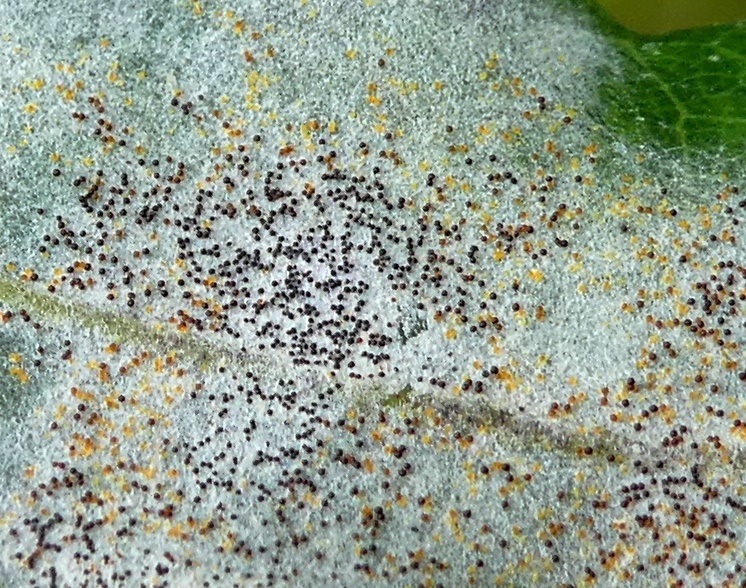
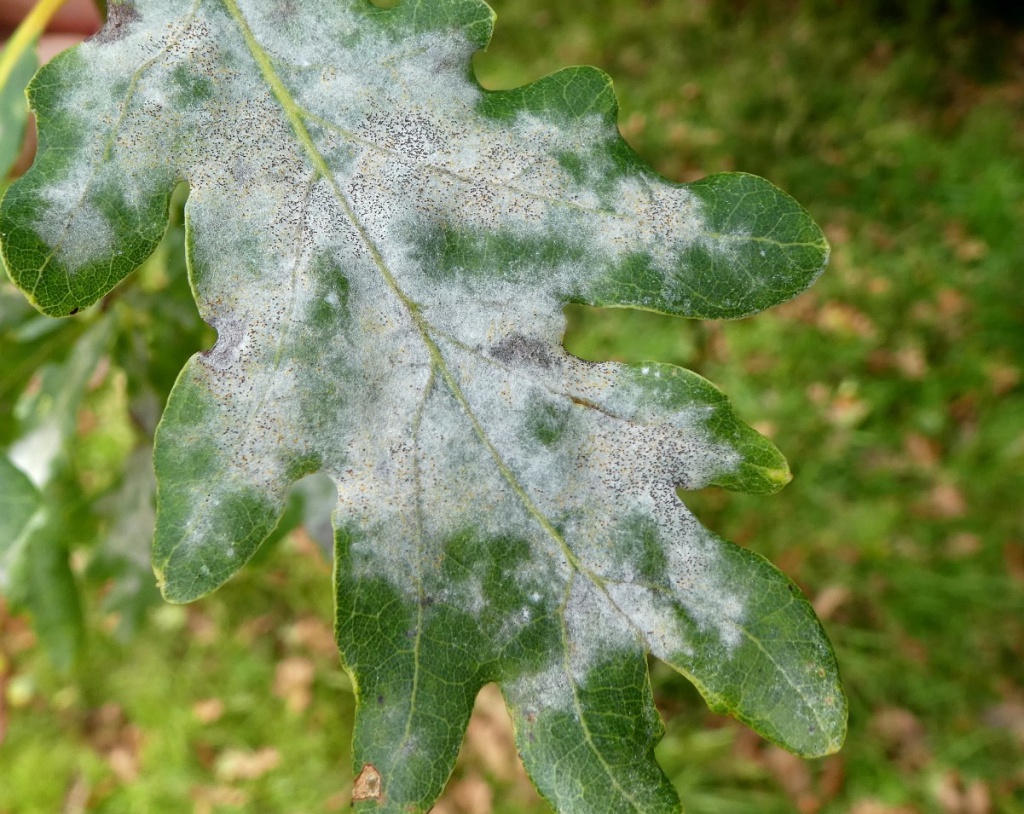
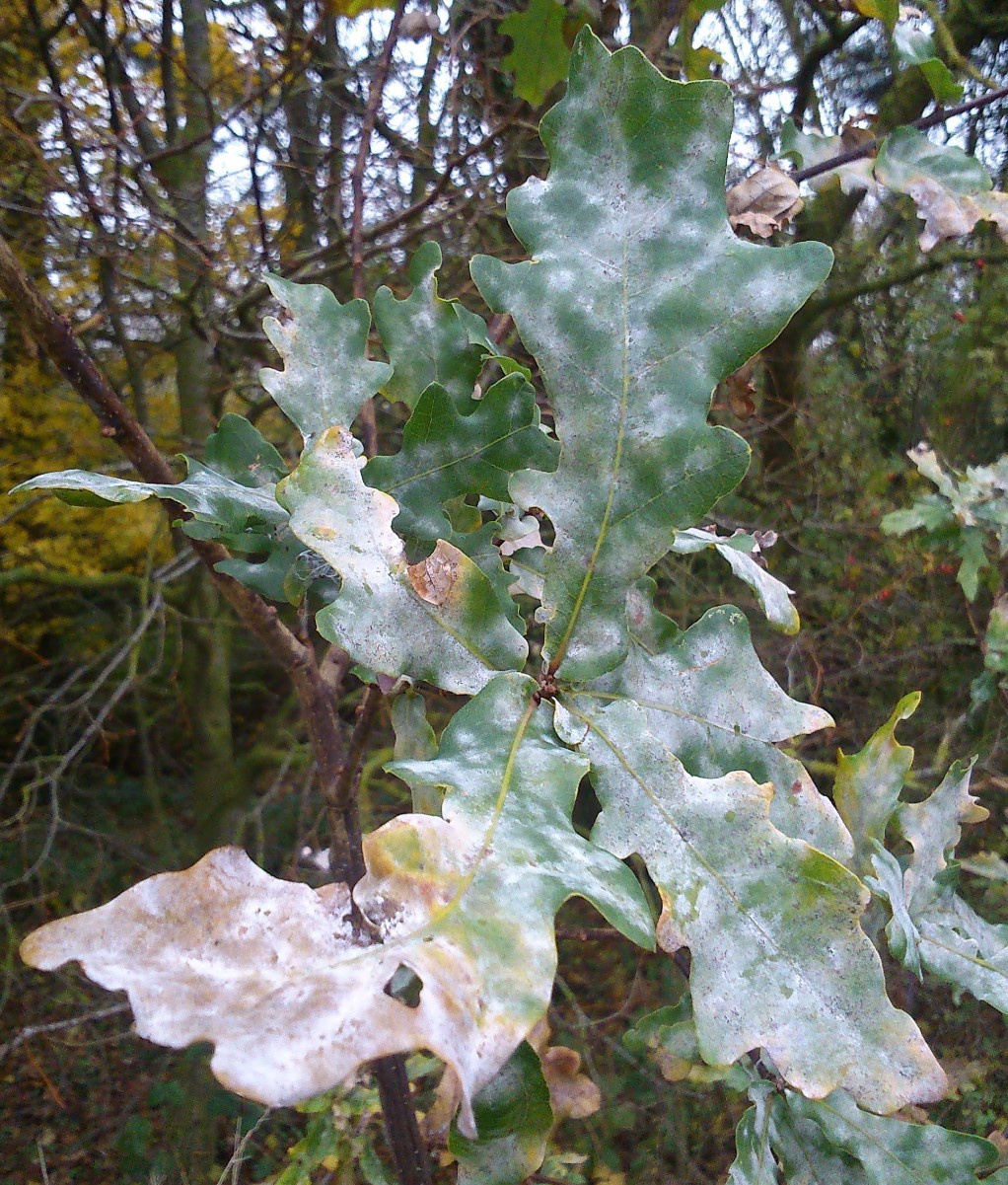
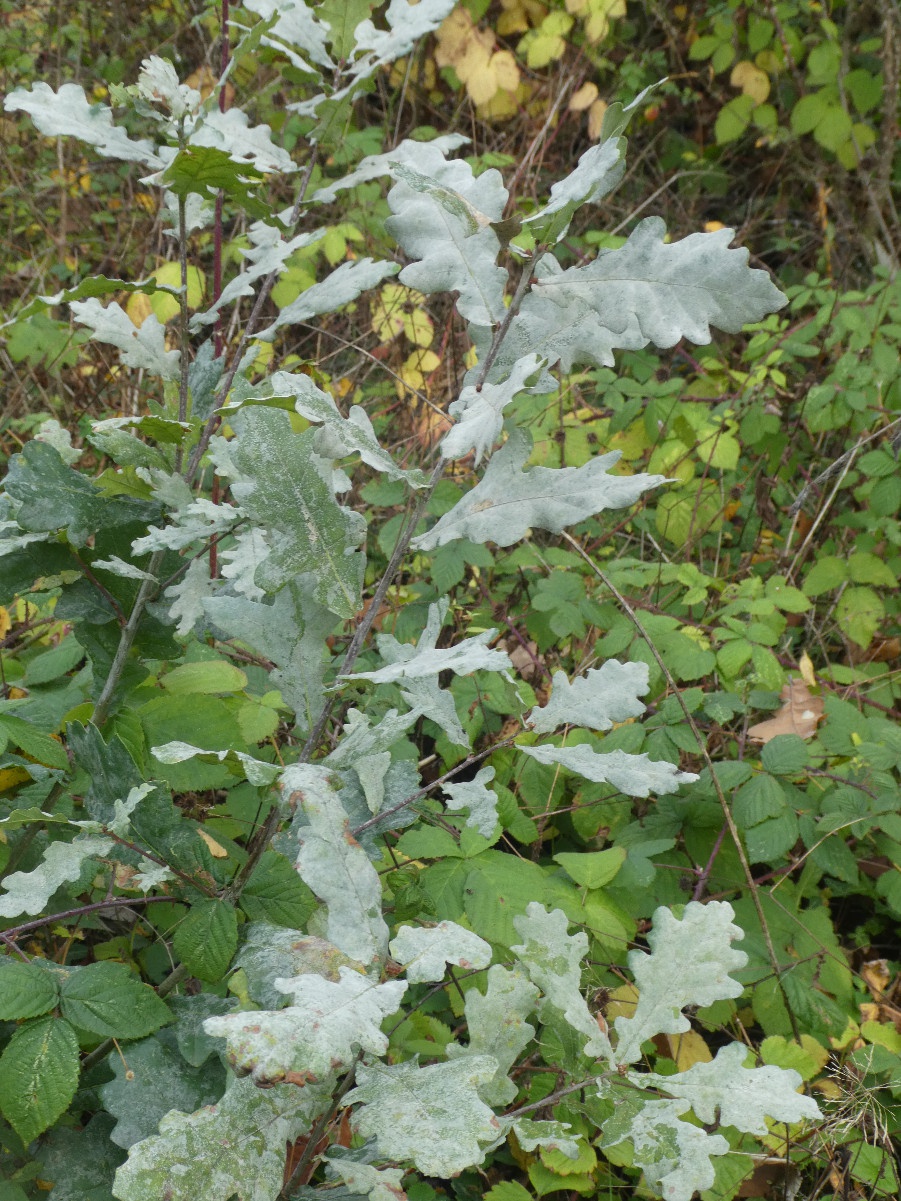
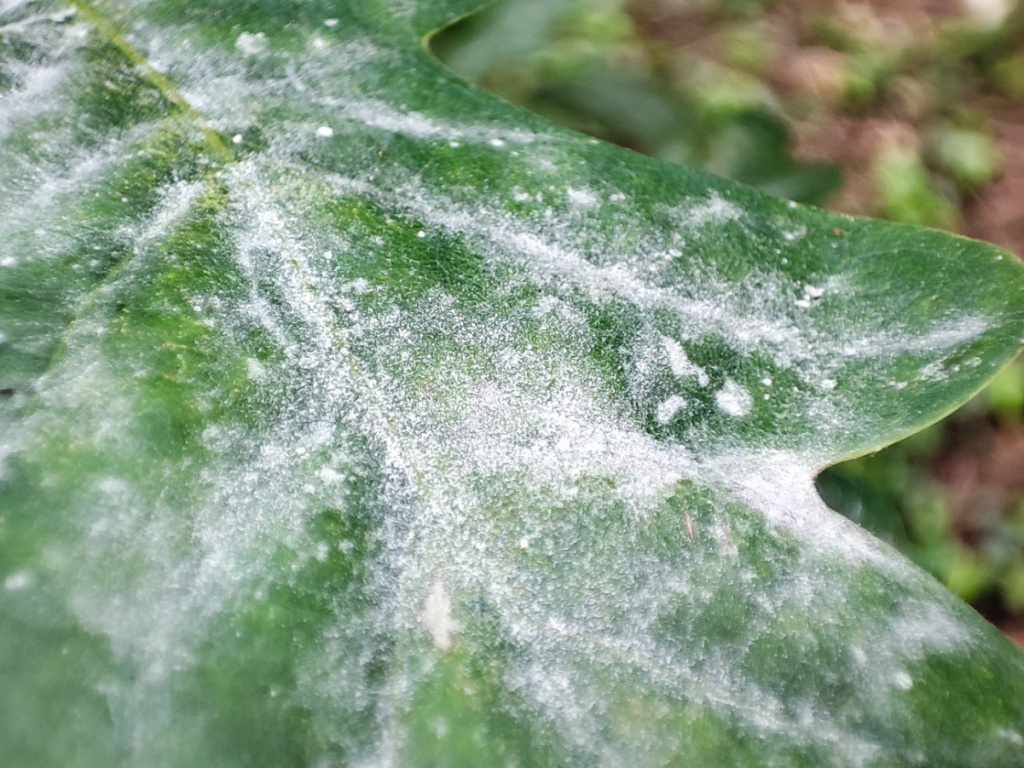
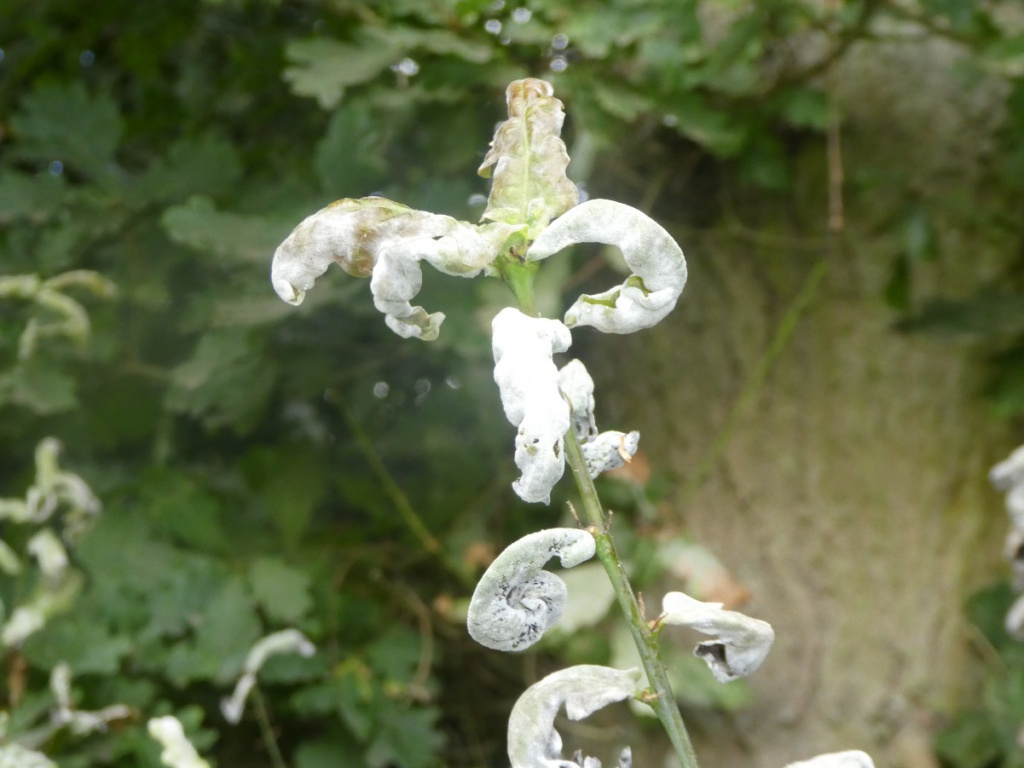
Erysiphe alphitoides produces a dense and very conspcuous white mycelium on both sides of oak leaves (amphipyllous), often deforming the leaf. The chasmothecia containing the ascospores have characteristic densely branched tips to the appendages.
It affects soft young leaf growth, and is therefore very prevalent on the second flush of oak leaves ('Lammas leaves') that appear in summer. It can also be very common on coppice regrowth or young trees. Affected leaves cannot photosynthesise effectively, and so the powdery mildew may inhibit growth of the young tree.
Erysiphe hypophylla and Phyllactinia roboris may occur on oaks, but are on underside of leaf only (hypophyllous) - ref. Woods et al, 2024
host 
Photograph on host plant, and add host species to the comments for your record. Note whether it appears on both sides of leaf, or underside only.
Oaks, may also be on Sweet Chestnut or Beech. It has recently 'jumped host' to affect Wisteria. (ref. Woods et al, 2024).
Appeared in Britain early in the 20th century, and now very common. It is thought to originate from mango trees, but 'jumped host' to oaks imported into SE Asia. It was then accidentally introduced into Europe, where it has spread very rapidly.
very common
See Wikipedia page for more information about its appearance and spread in Europe
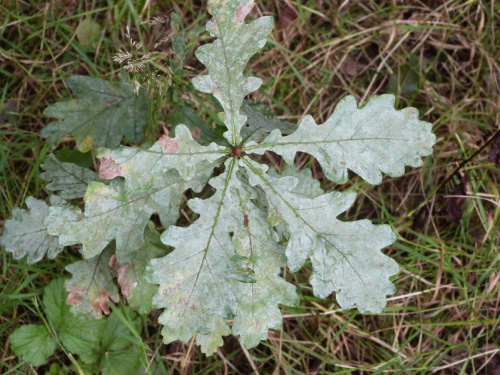 Graham Calow
Burbage Common
04 September 2020
mildew on Oak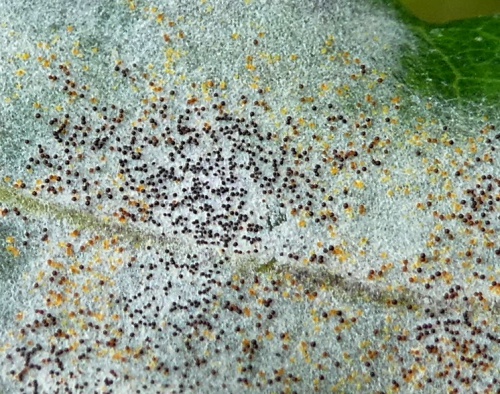 Kate Nightingale
Ulverscroft NR
06 September 2017
Chasmothecia on upperside of leaf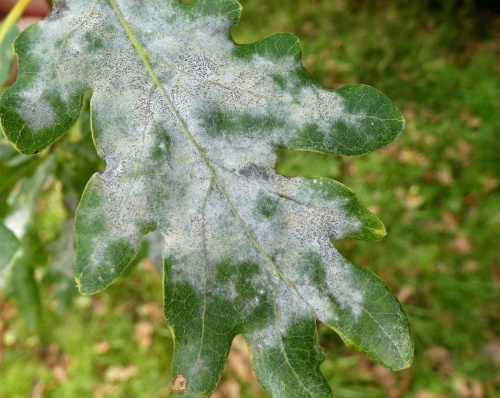 Kate Nightingale
Ulverscroft NR
06 September 2017 steven lewis
welby
14 November 2016 Steve Mathers
Ulverscroft NR
06 October 2016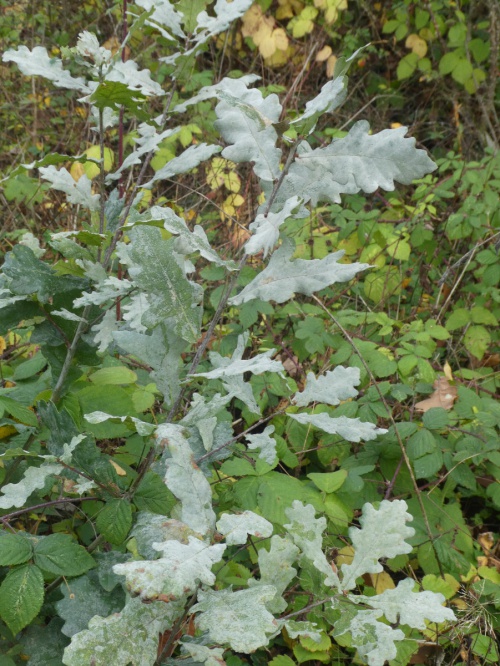 Melinda Bell
Moira,Ashby Woulds Way
22 October 2022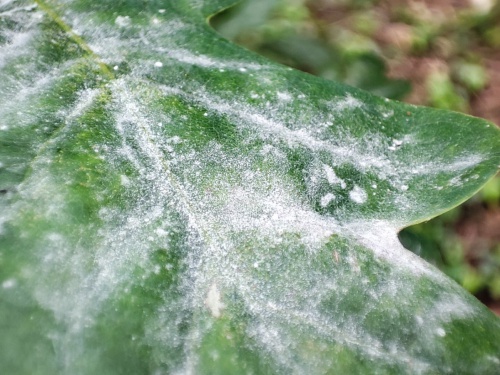 Rob Sayer
Leicester, Knighton Spinney
15 June 2022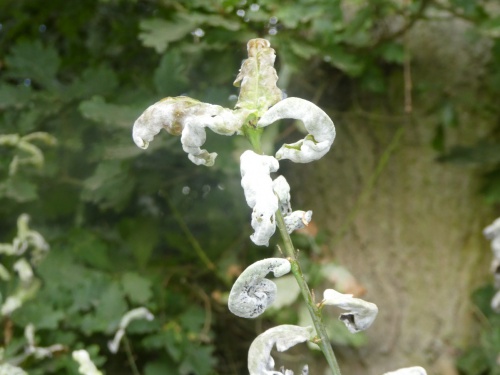 Melinda Bell
Bardon,Bardon Hill
06 August 2020

Leicestershire & Rutland Map
Enter a town or village to see local records
MAP KEY:
Yellow squares = NBN records (all known data)
Coloured circles = NatureSpot records: 2025+ | 2020-2024 | pre-2020
UK Map
Species profile
- Common names
- Oak Mildew, Oak Powdery Mildew
- Species group:
- fungus
- Kingdom:
- Fungi
- Order:
- Helotiales
- Family:
- Erysiphaceae
- Records on NatureSpot:
- 148
- First record:
- 28/09/2014 (Thompson, Peter)
- Last record:
- 29/08/2025 (lemmon, roy)
Total records by month
% of records within its species group
10km squares with records
The latest images and records displayed below include those awaiting verification checks so we cannot guarantee that every identification is correct. Once accepted, the record displays a green tick.
In the Latest Records section, click on the header to sort A-Z, and again to sort Z-A. Use the header boxes to filter the list.
Latest images
Latest records
 Graham Calow
Sapcote, Land behind William Spencer Ave
04 August 2020
Mildew on Oak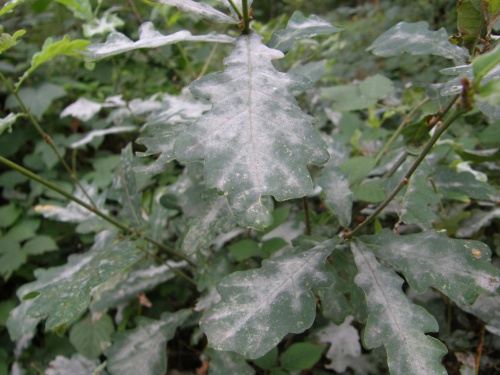 Saharima Roenisch
Sheet Hedges Wood
20 August 2018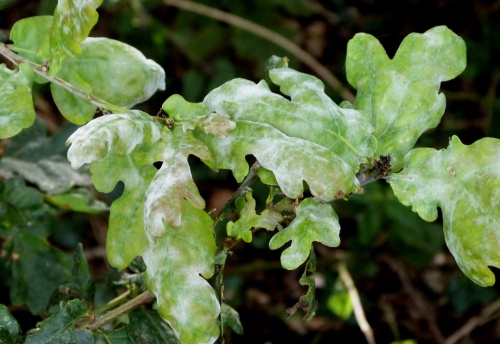 Graham Calow
Footpath behind Stoney Cove
03 August 2016
On Pedunculate Oak David Nicholls
Charnwood Lodge
17 September 2016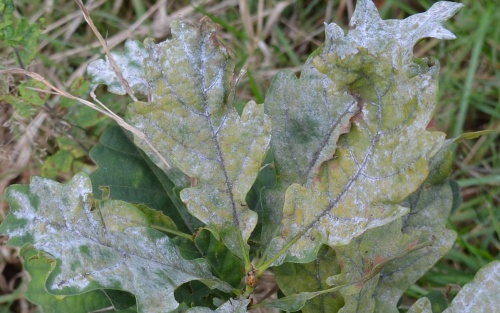 Steve Mathers
Beacon Hill CP
26 September 2017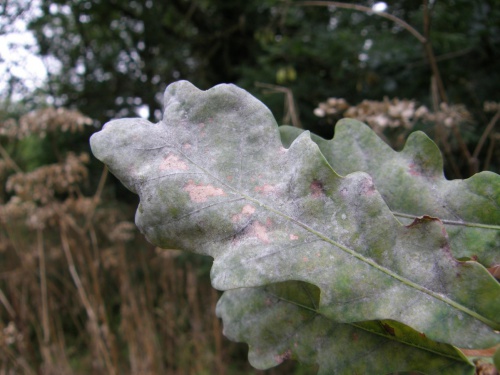 Saharima Roenisch
Shady Lane Arboretum
17 August 2018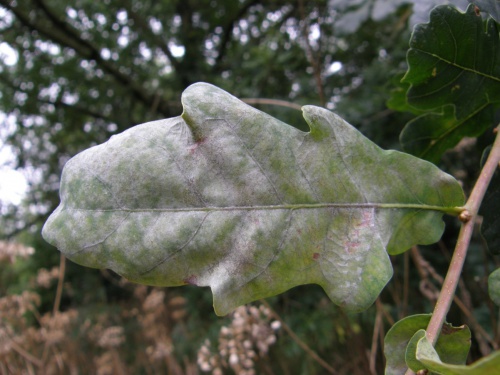 Saharima Roenisch
Shady Lane Arboretum
17 August 2018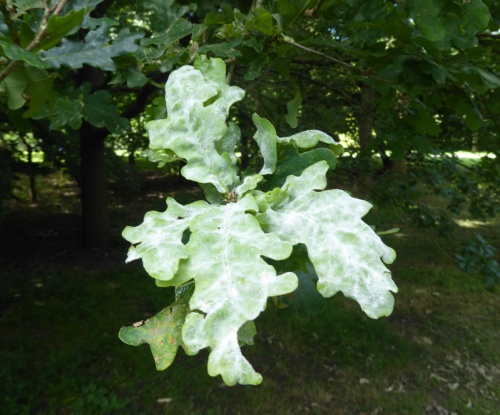 Saharima Roenisch
Knighton Park
17 July 2020