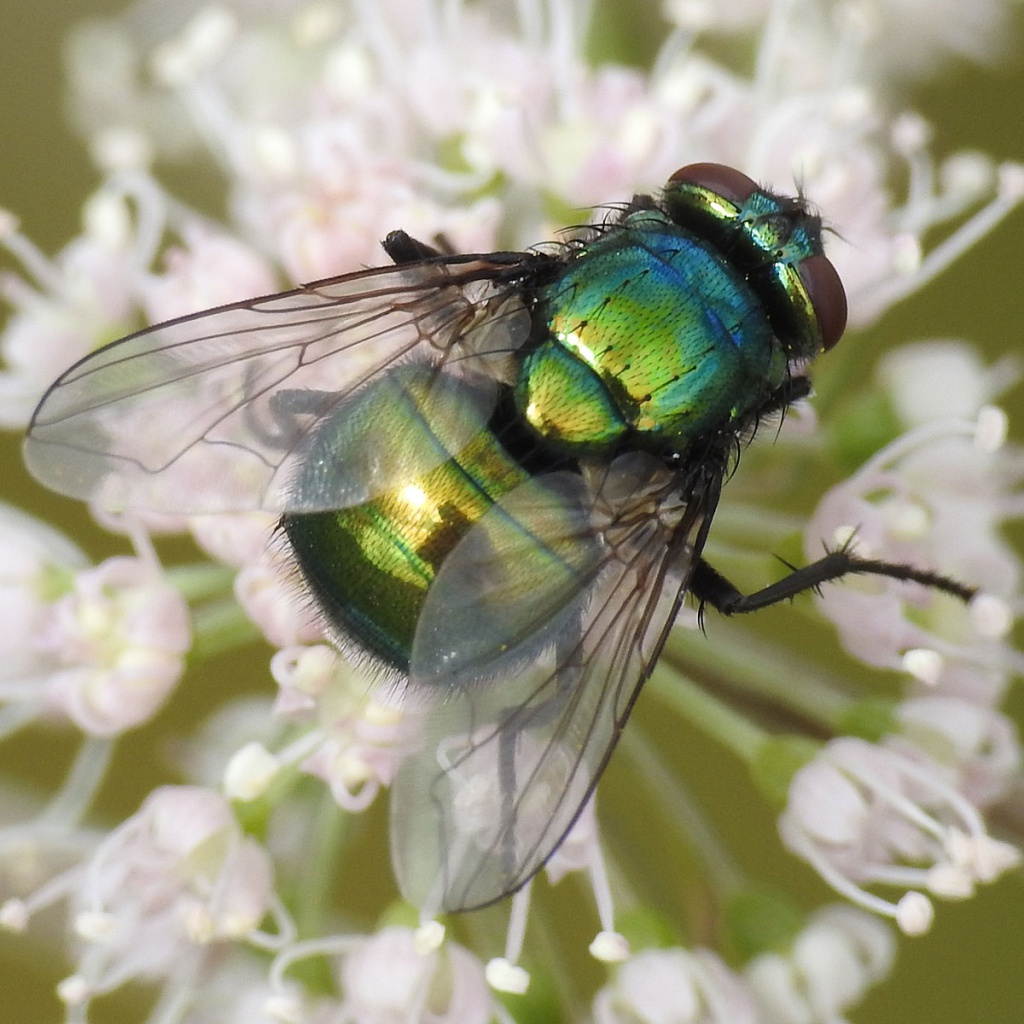
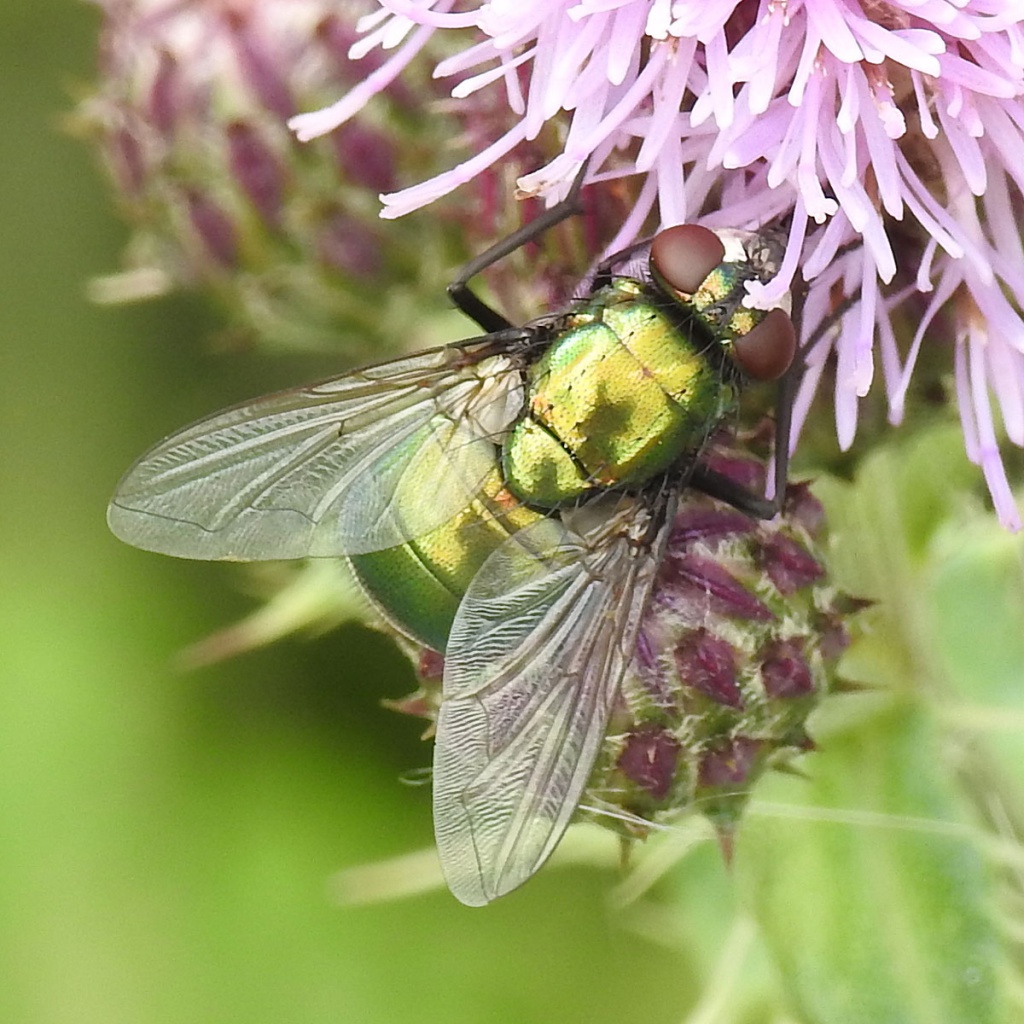
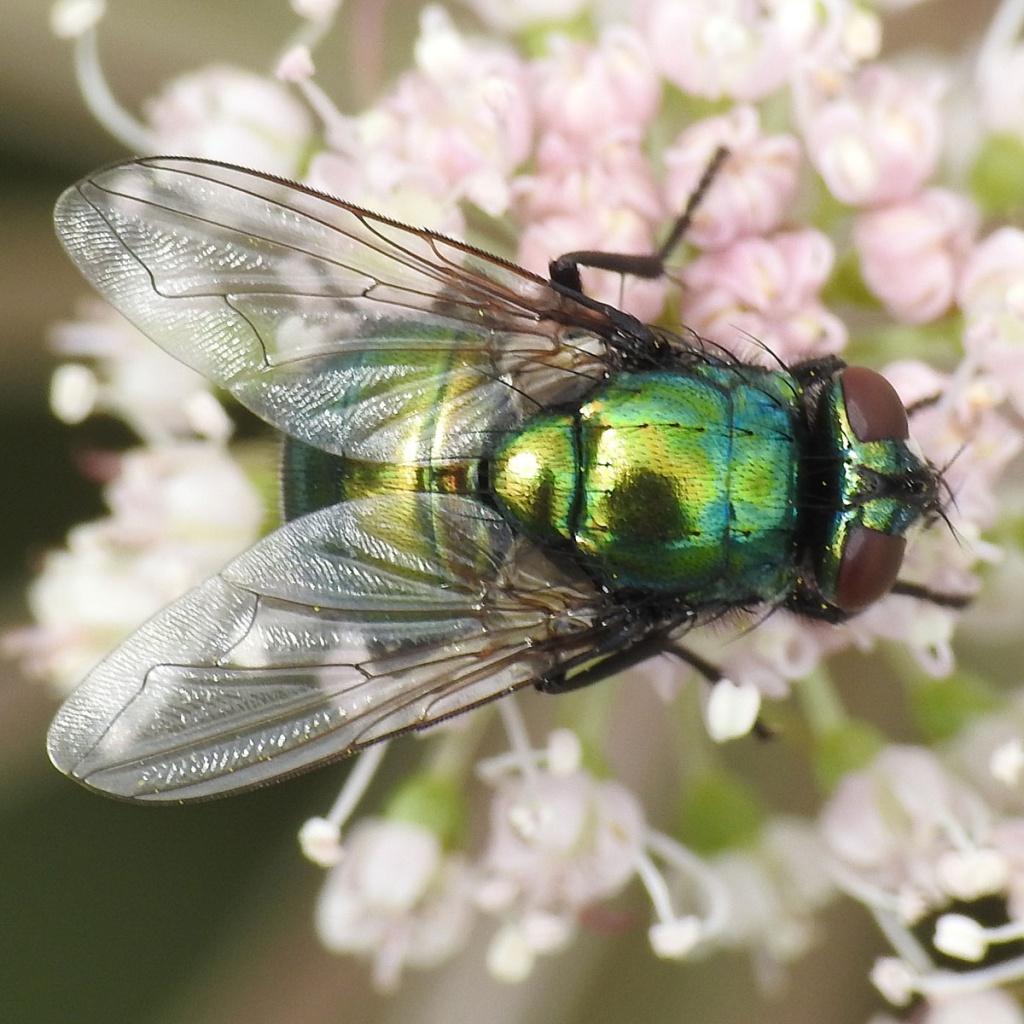
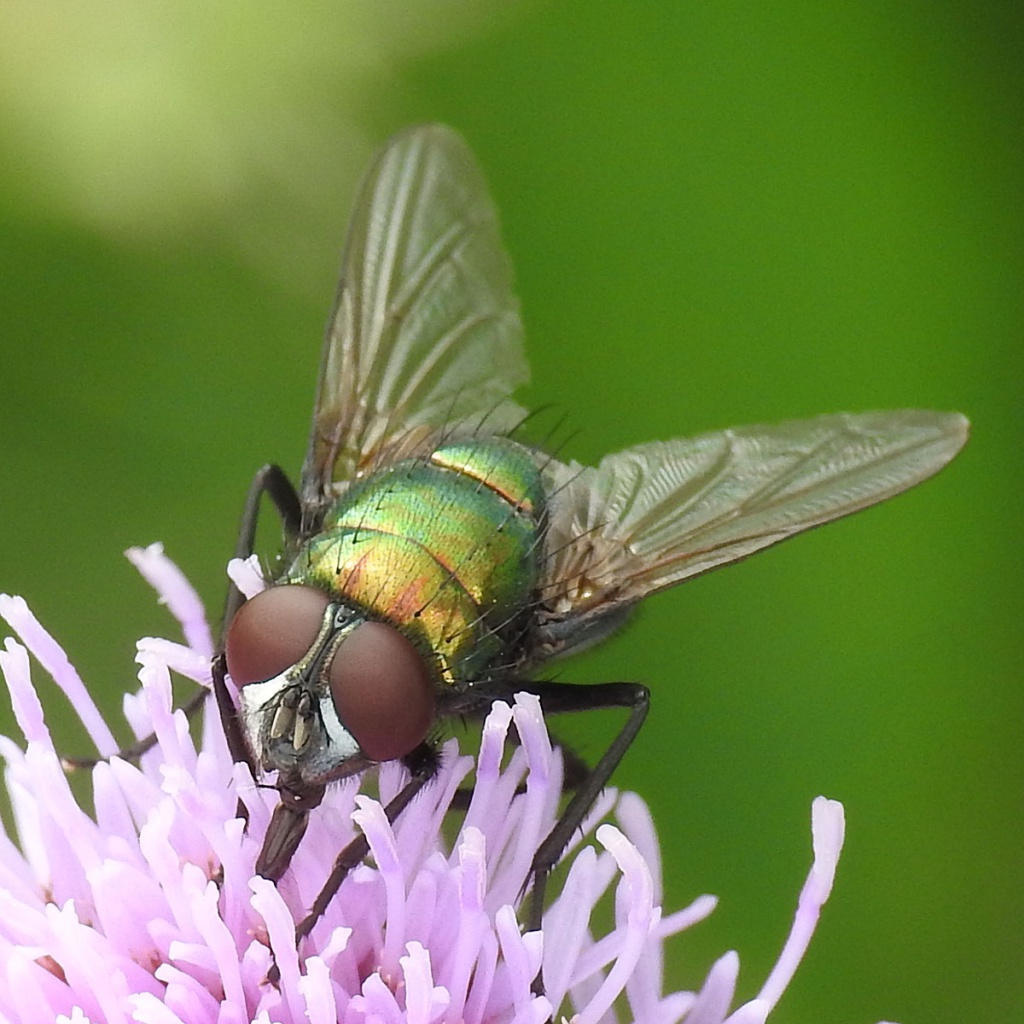
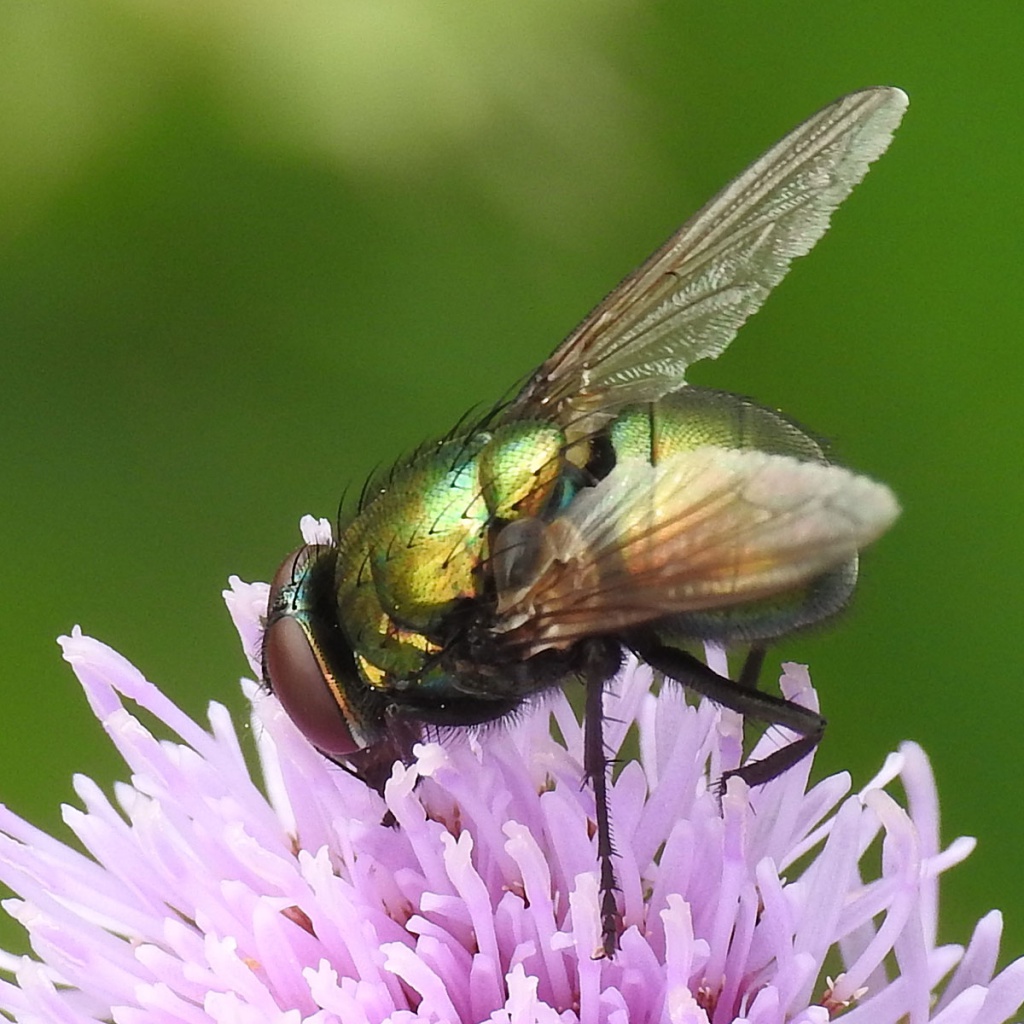
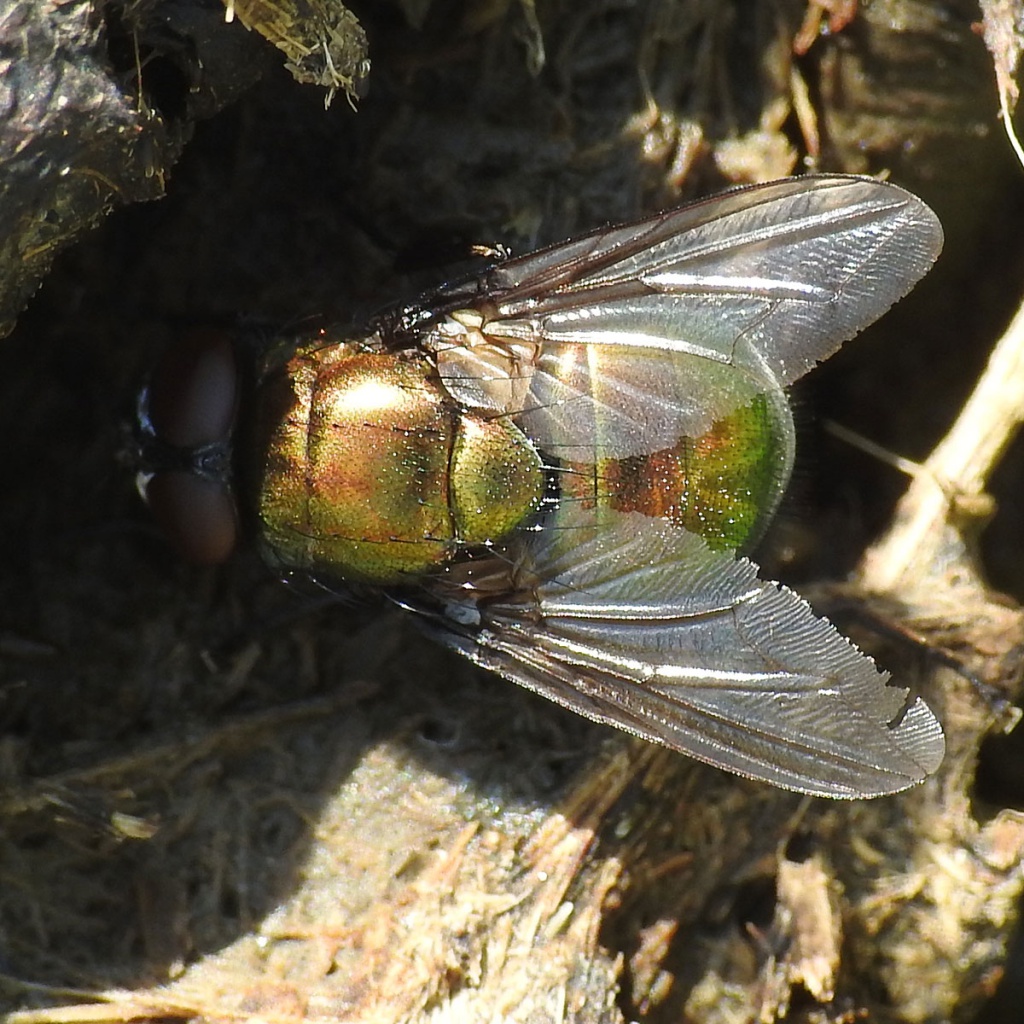
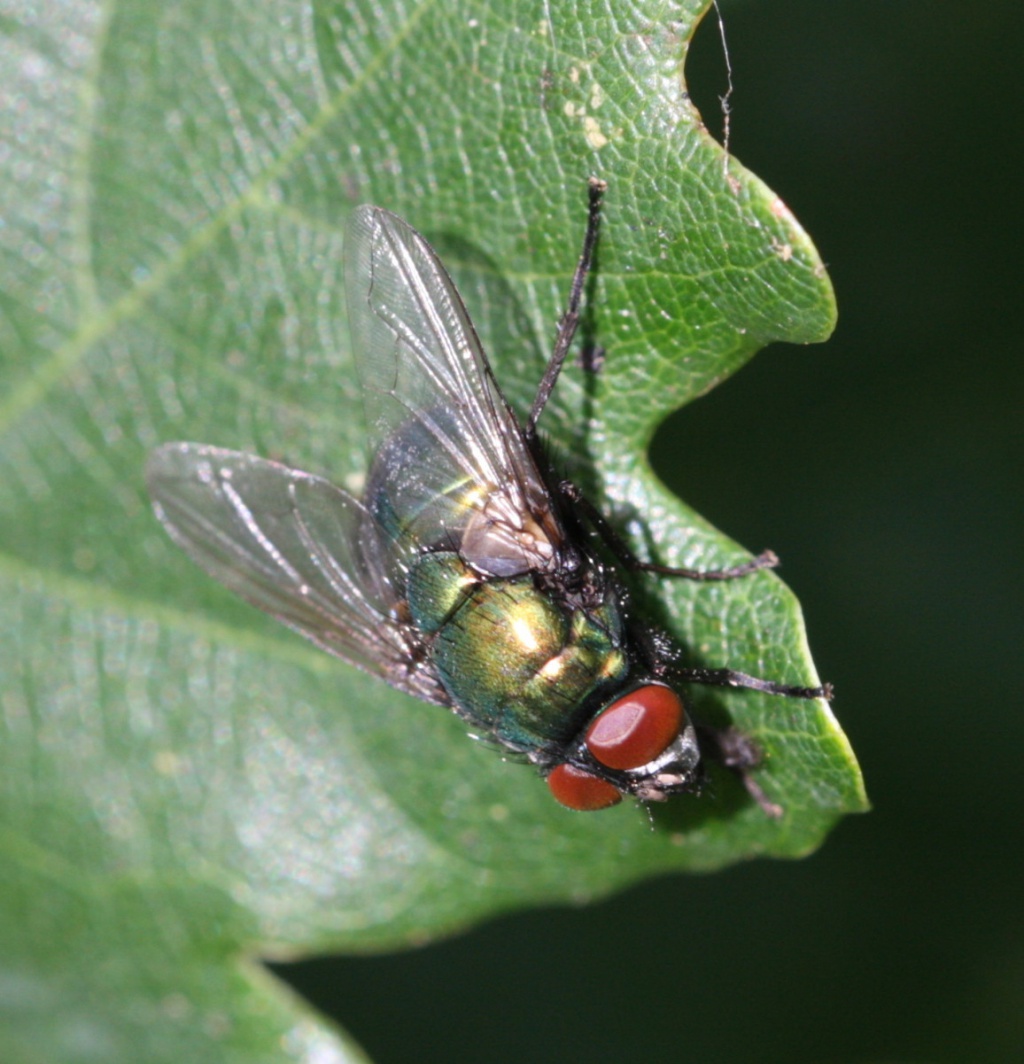
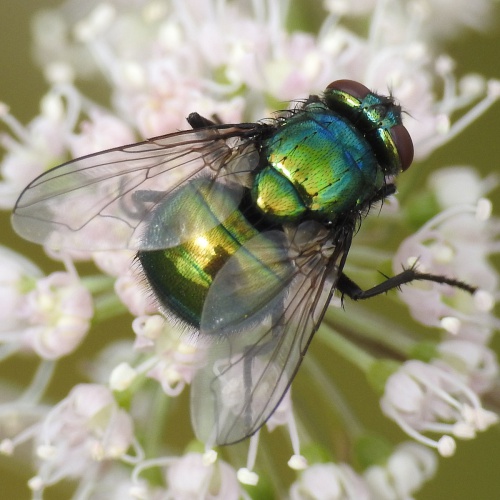
Neomyia viridescens
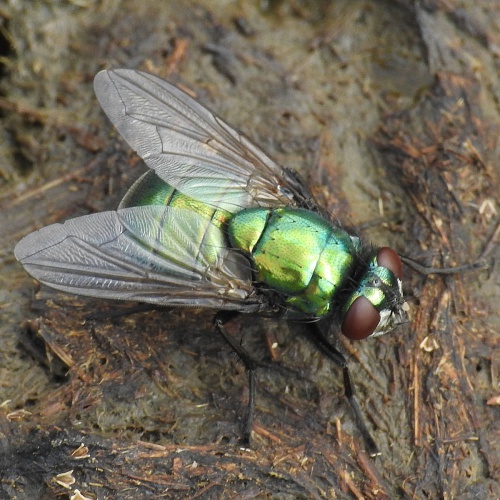
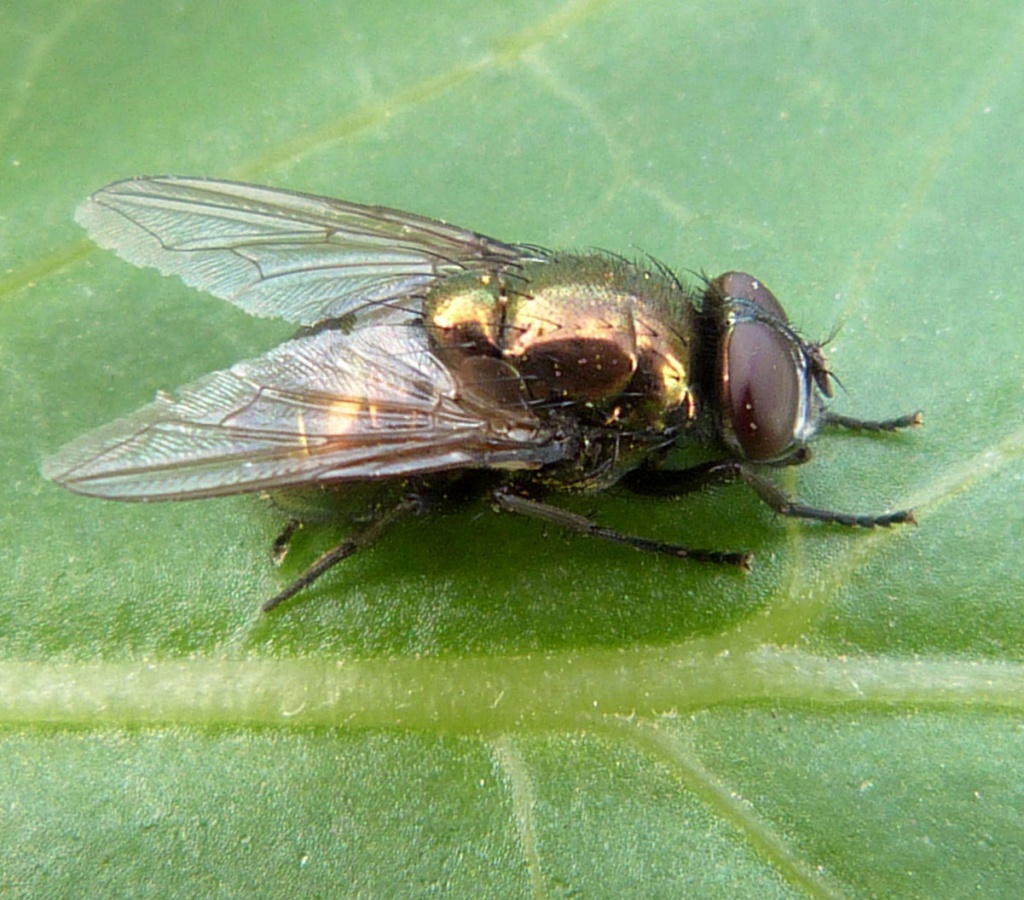
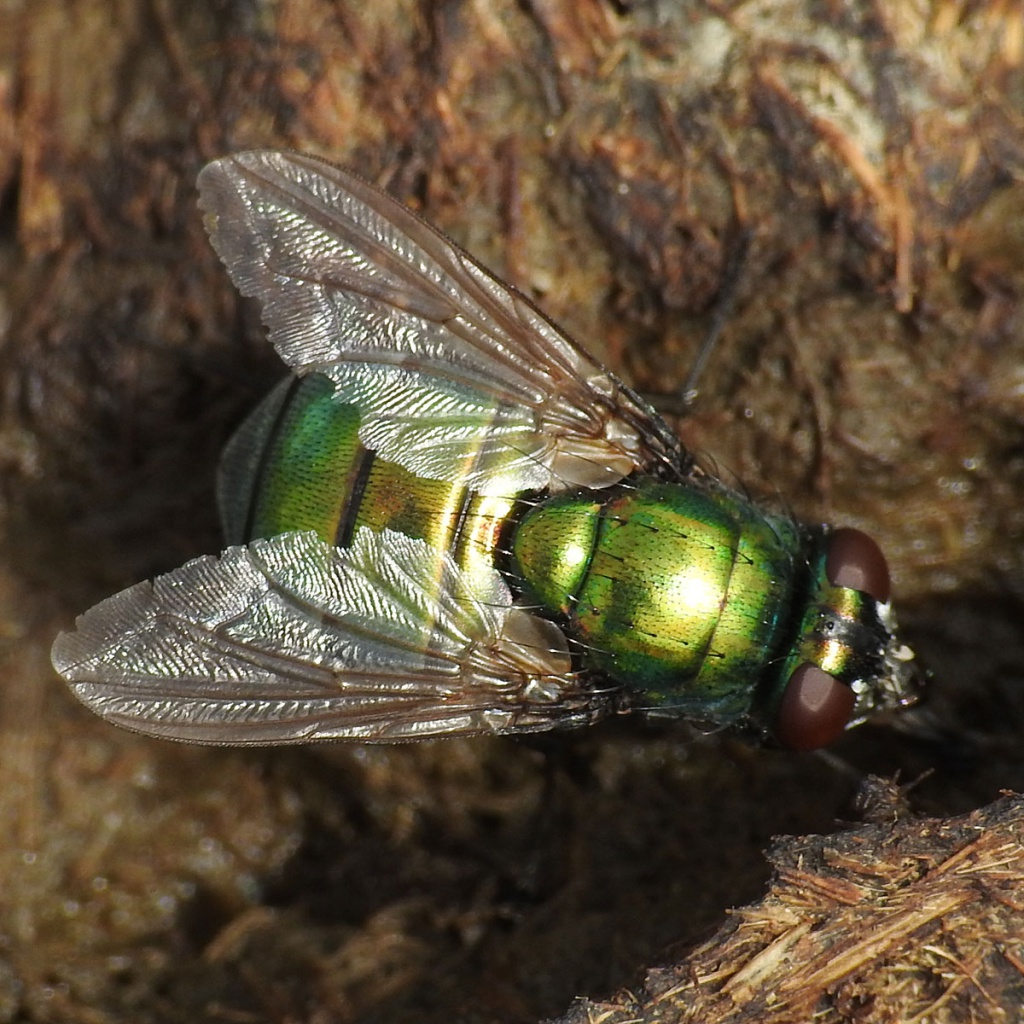
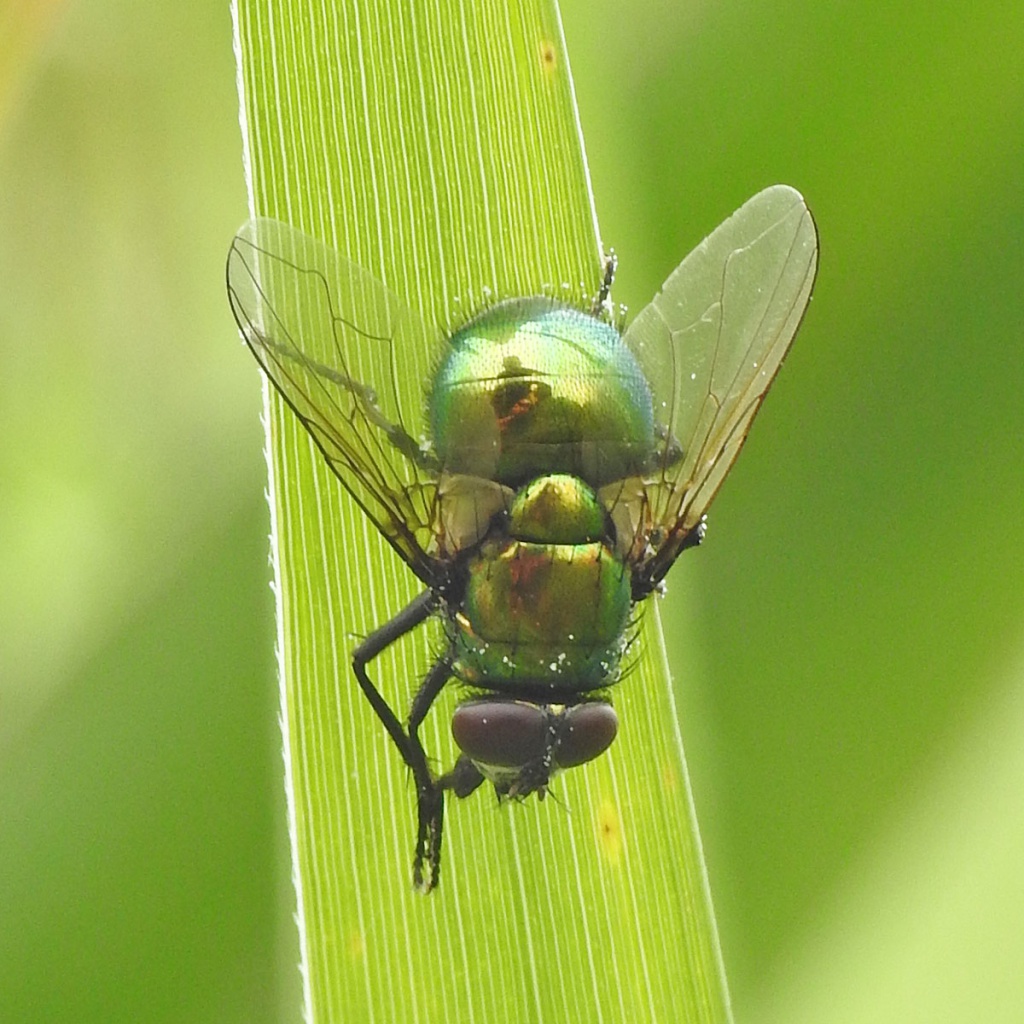
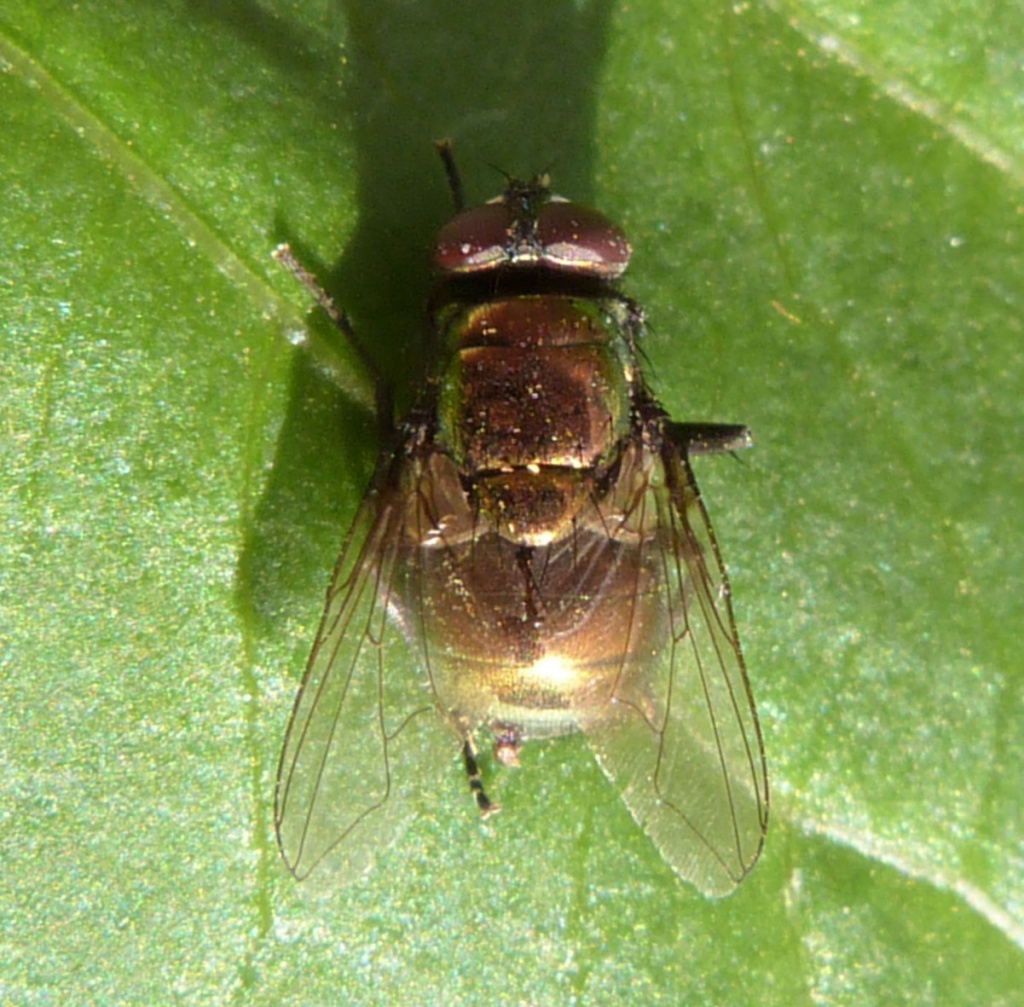
These flies usually have a metallic green tegument (skin surface) when young, but they turn bronze with age as this becomes worn. There are many green flies of several different families and microscopic examination is usually needed to identify most of them.
There are two Neomyia species which are very hard to distinguish from a photo. They also resemble Lucilia 'greenbottle' flies.
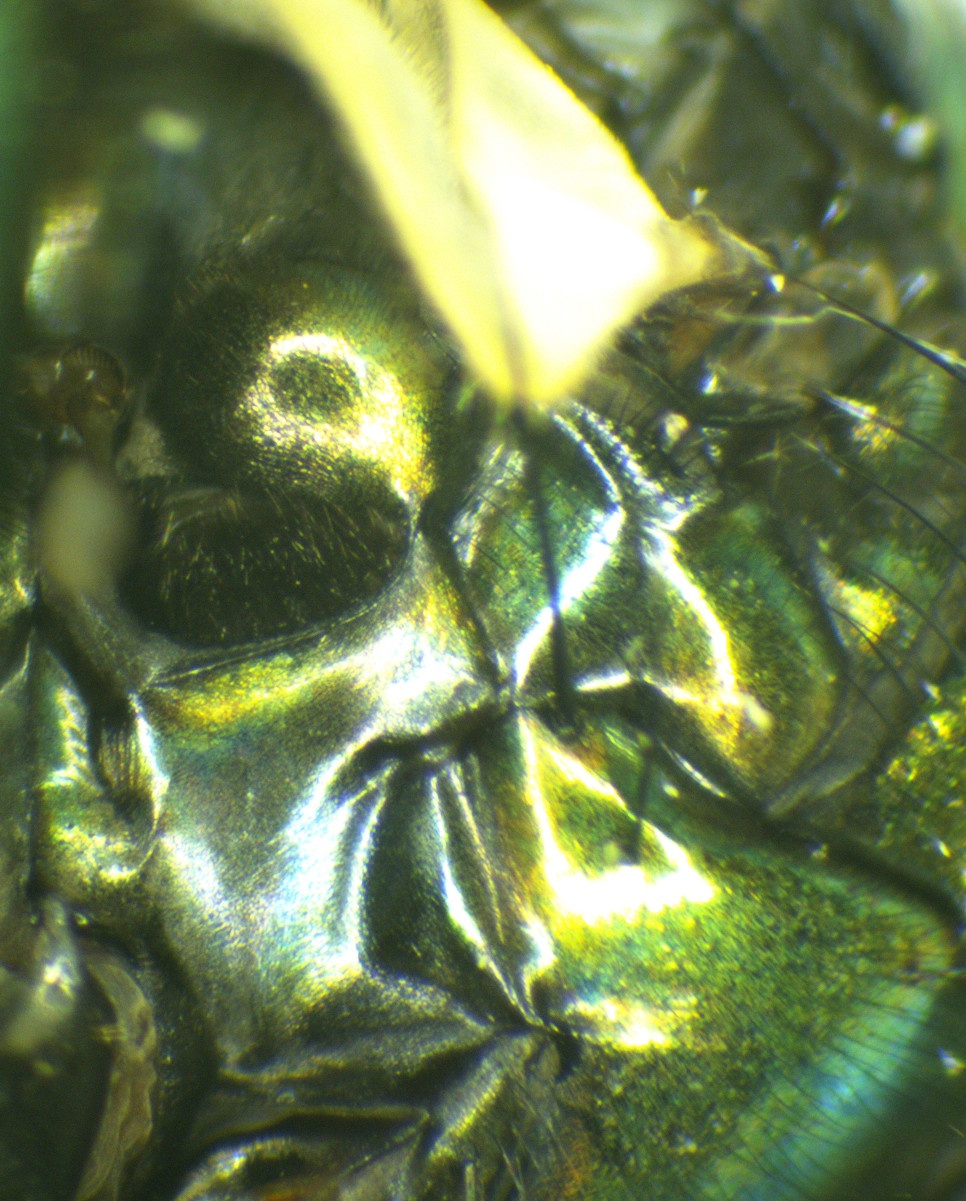
The Neomyia species are separated by the arrangement of bristles on the scutum. N. viridescens is without presutural acrostichals and usually has 4 pairs of postsutural dorsocentrals though it can occasionally have only 3 on one or even both sides. N. cornicina has 1 pair of presutural acrostichals and 3 pairs of postsutural dorsocentrals. (See the Identification Aid below.)


Meadows and hedgerows.
Peaks March/May and August/October.
Larvae can be found in dung. Adults take the pollen and nectar of various flowers.
A scattering of records from England but many more from the western coastal areas of Wales.
Uncommon in Leicestershire and Rutland
 David Gould
The Spearwort Fields
20 August 2017
female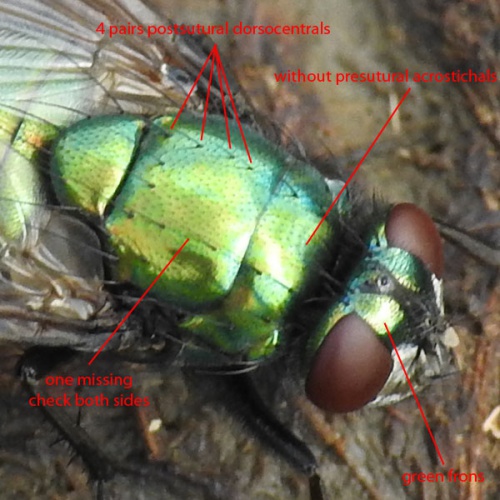 David Gould
The Spearwort Fields
20 August 2017 Donkey Lane Sapcote SP 4858 9298 (taken 26.5.2009).JPG) Graham Calow
Graham Calow
Sapcote
26 May 2009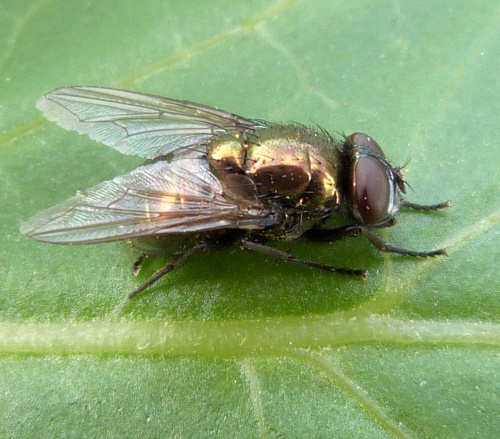 Graham Calow
The Grange Fields, Broughton Astley
29 April 2015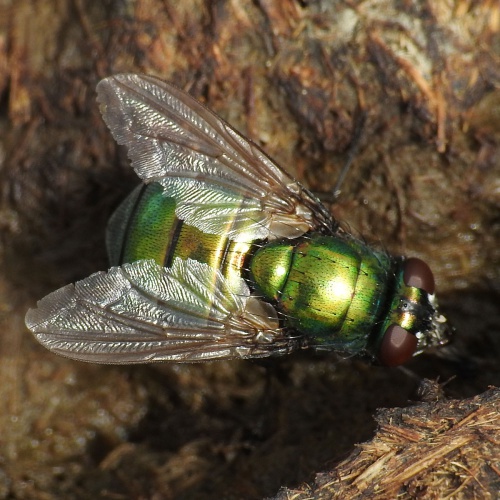 David Gould
The Spearwort Fields
20 August 2017
female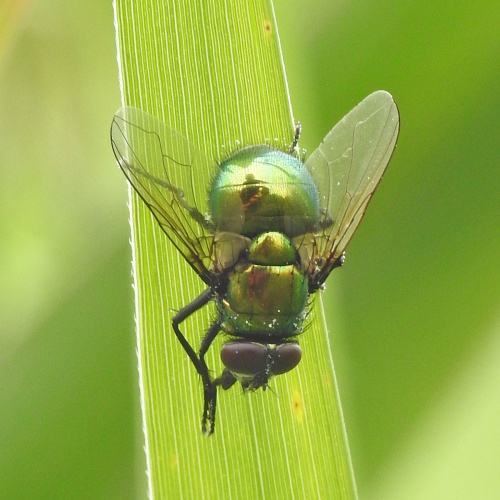 David Gould
Narborough Bog
11 August 2017
male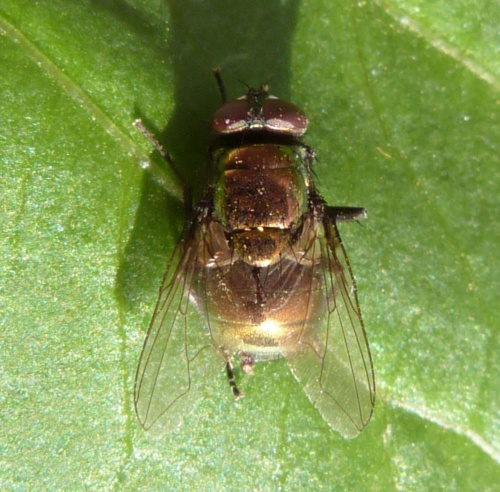 Graham Calow
The Grange Fields, Broughton Astley
29 April 2015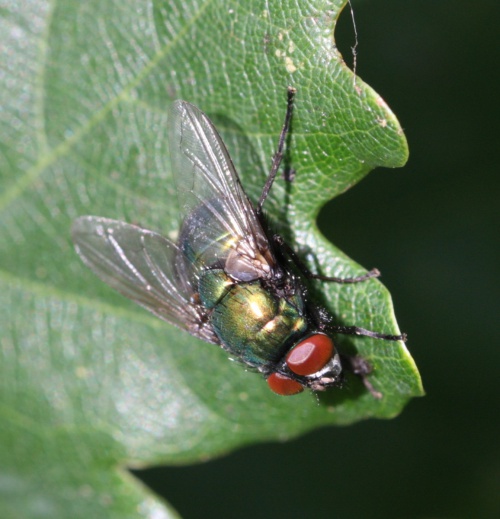 David Nicholls
Ratby, Burroughs Wood
24 August 2020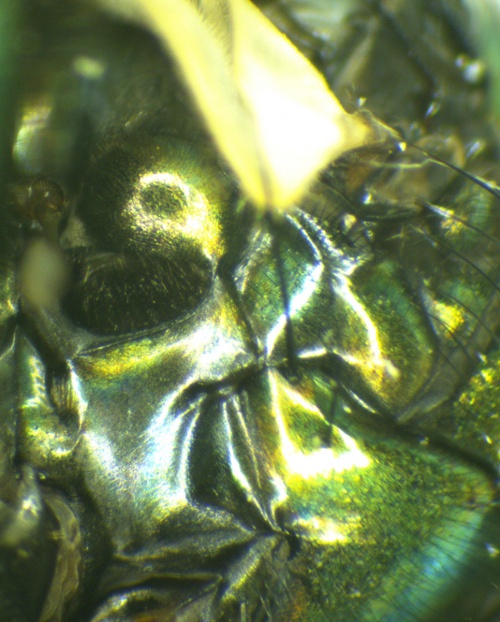 David Nicholls
Ratby, Burroughs Wood
24 August 2020
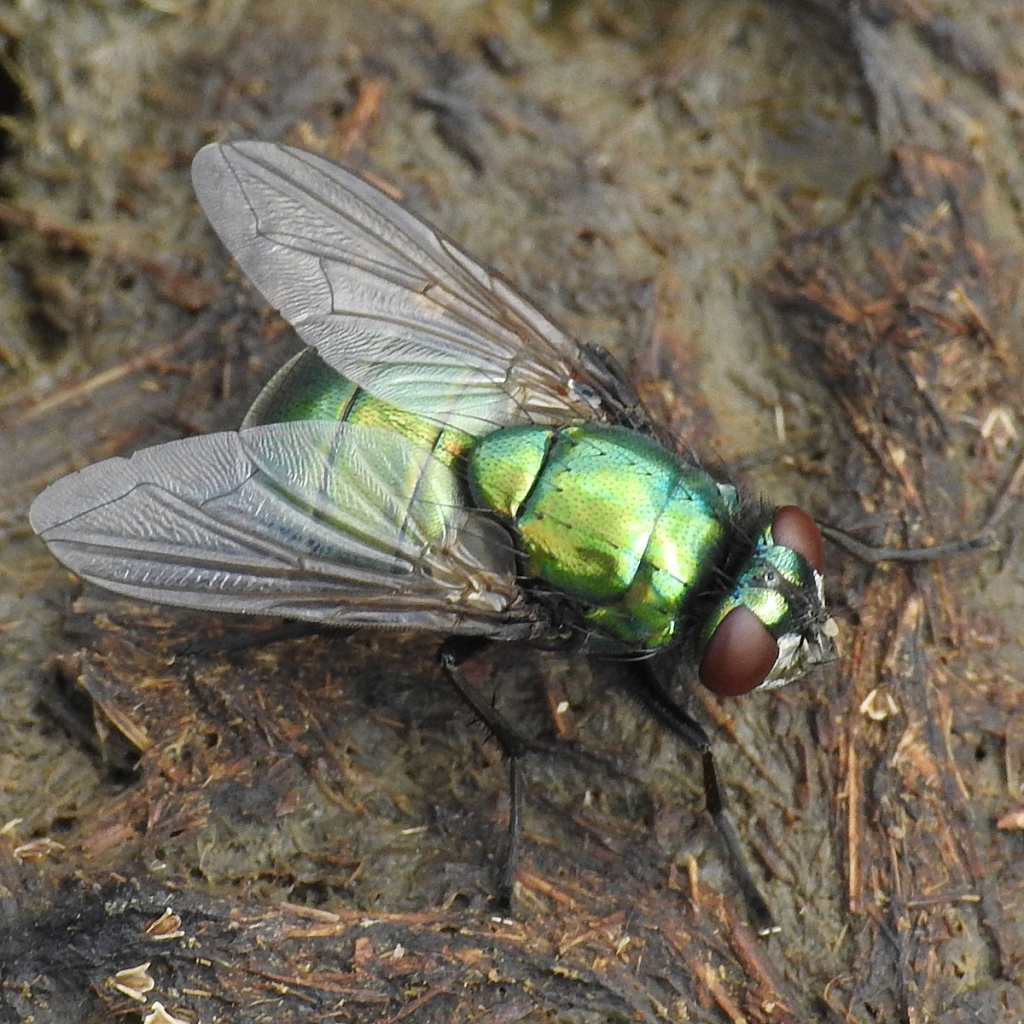
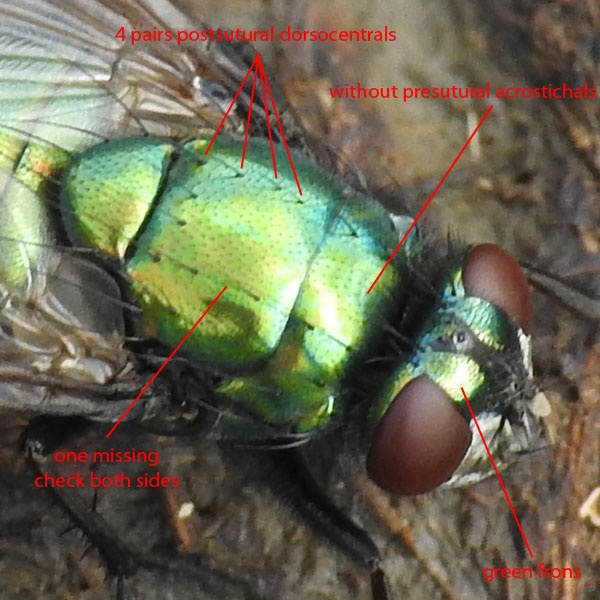
 Donkey Lane Sapcote SP 4858 9298 (taken 26.5.2009).JPG)
Leicestershire & Rutland Map
Enter a town or village to see local records
MAP KEY:
Yellow squares = NBN records (all known data)
Coloured circles = NatureSpot records: 2025+ | 2020-2024 | pre-2020
UK Map
Species profile
- Species group:
- insect - true fly (Diptera)
- Kingdom:
- Animalia
- Order:
- Diptera
- Family:
- Muscidae
- Records on NatureSpot:
- 14
- First record:
- 26/05/2009 (Calow, Graham)
- Last record:
- 29/04/2025 (Nicholls, David)
Total records by month
% of records within its species group
10km squares with records
The latest images and records displayed below include those awaiting verification checks so we cannot guarantee that every identification is correct. Once accepted, the record displays a green tick.
In the Latest Records section, click on the header to sort A-Z, and again to sort Z-A. Use the header boxes to filter the list.
Latest images
Latest records
 David Gould
The Spearwort Fields
13 August 2017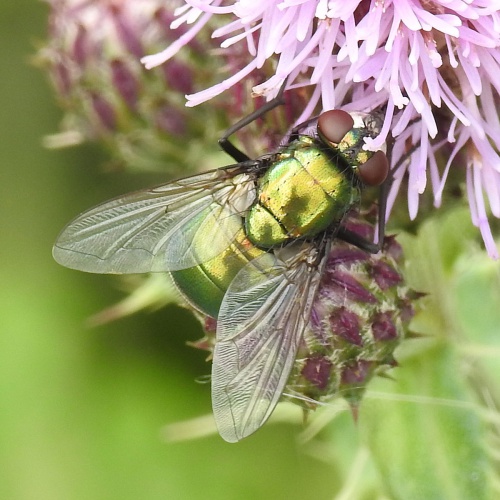 David Gould
The Spearwort Fields
06 August 2017
female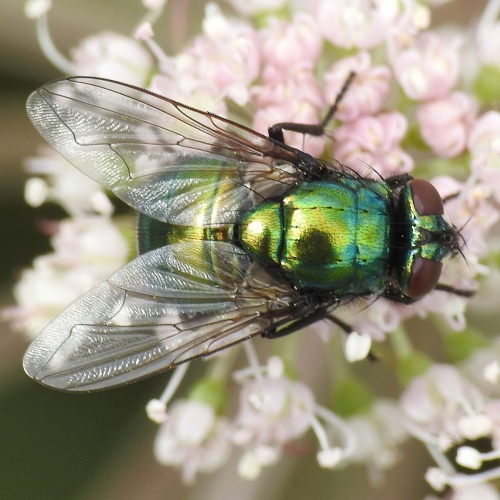 David Gould
The Spearwort Fields
13 August 2017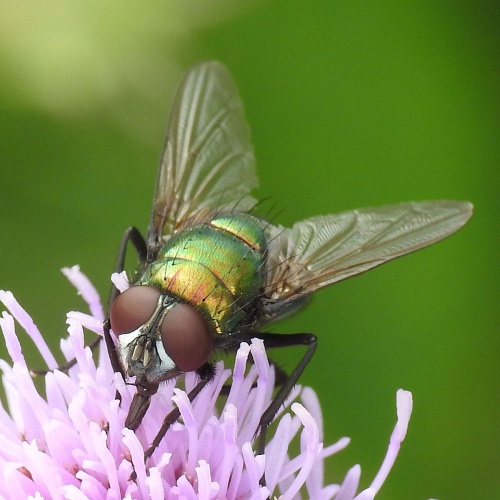 David Gould
The Spearwort Fields
06 August 2017
male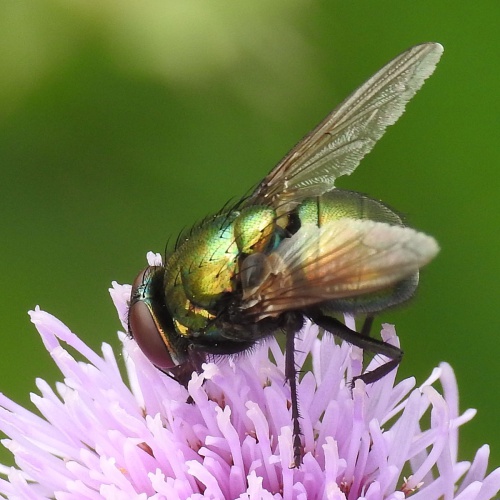 David Gould
The Spearwort Fields
06 August 2017
male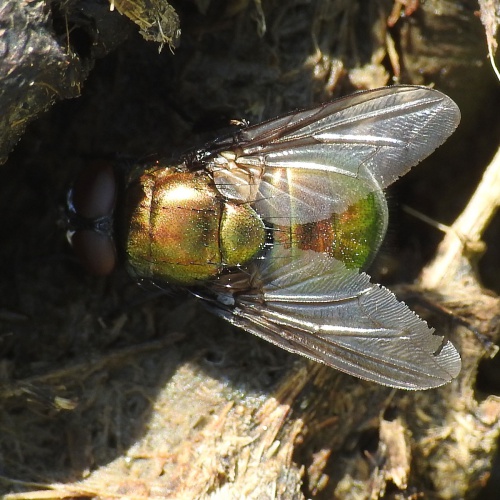 David Gould
The Spearwort Fields
02 September 2017