

Italian Rye-grass - Lolium multiflorum
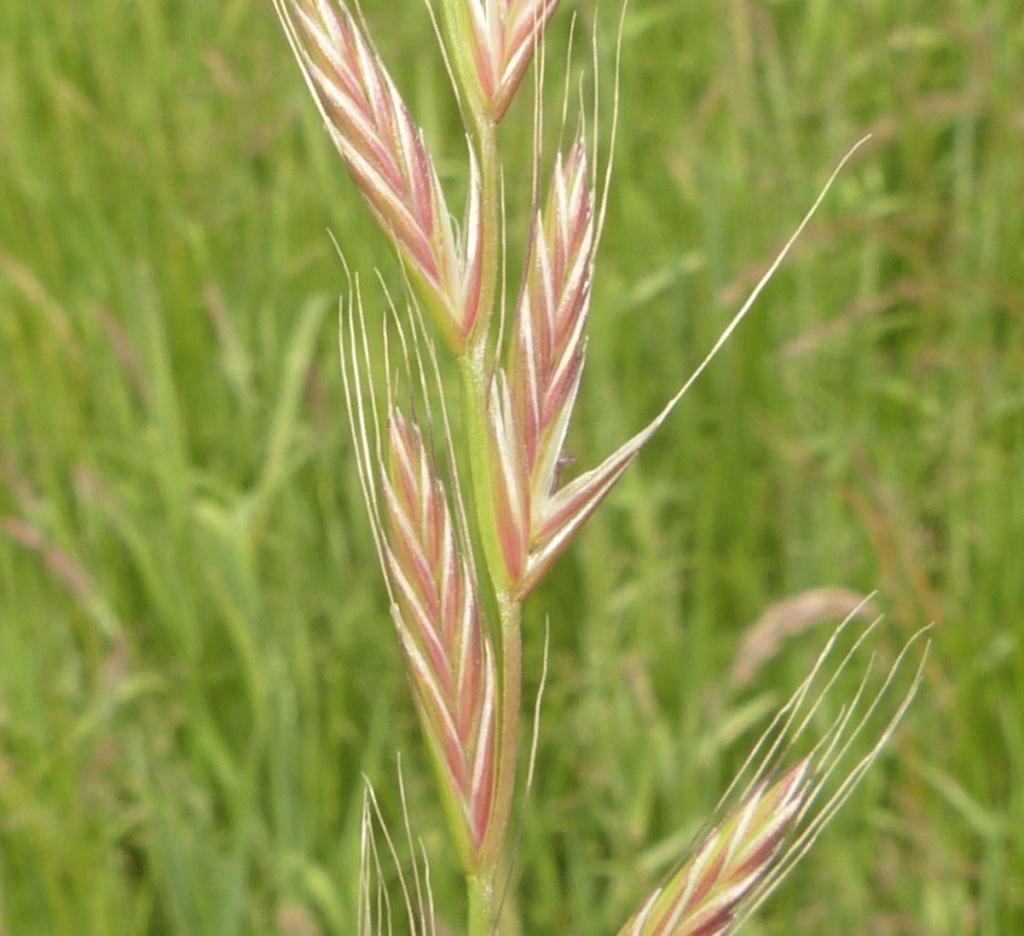
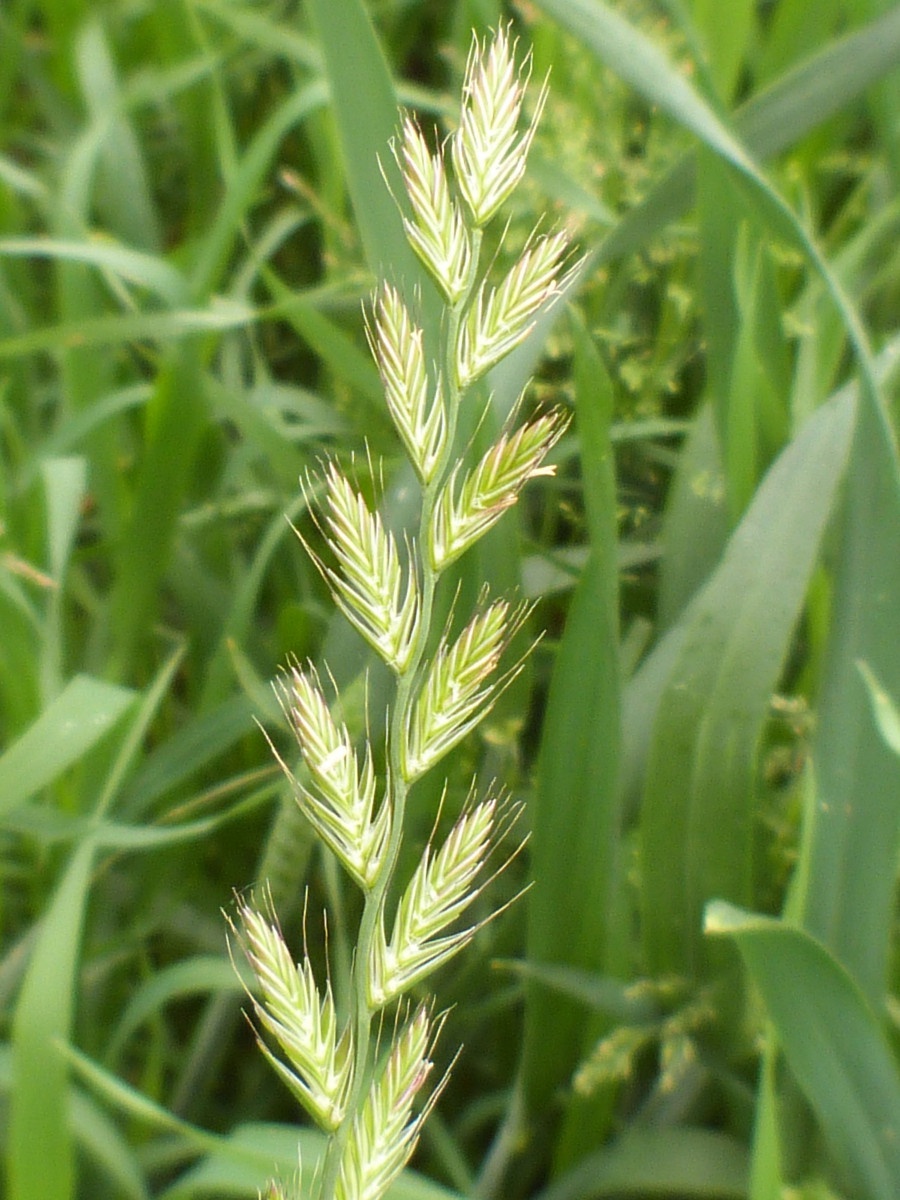
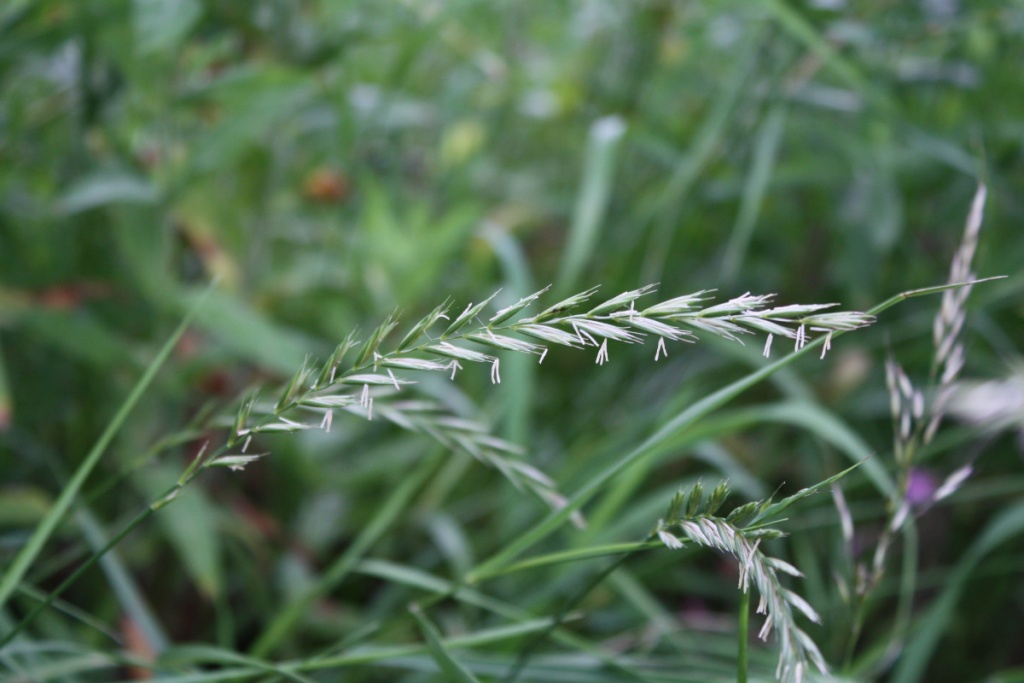
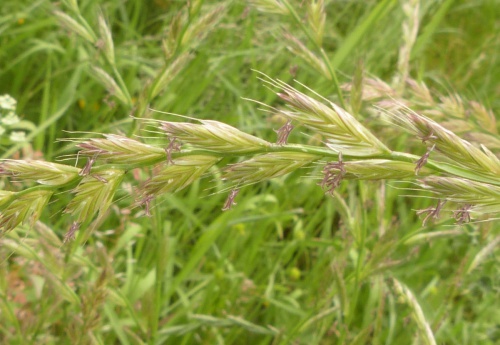
This grass has smooth wiry stems and long inflorescences of stalkless spikelets arranged along the stem in two opposite, alternating rows, edgeways on to the stem, similar to L. perenne, but the lemmas are usually long awned (to 10 mm), and its leaves are wider (to 10 mm). It is also usually taller than L. perenne.
Lolium perenne - which doesn't usually have awns

Inflorescence a spike with stalkless (sessile), flattened spikelets alternating up the rhachis edgeways-on to it. Young tiller leaves are rolled, not folded. Florets are usually awned.
Arable and cultivated fields and sown grassland.
May to September.
Annual or biennial.
Common throughout Britain.
Quite common in Leicestershire and Rutland. In the 1979 Flora survey of Leicestershire it was found in 384 of the 617 tetrads.
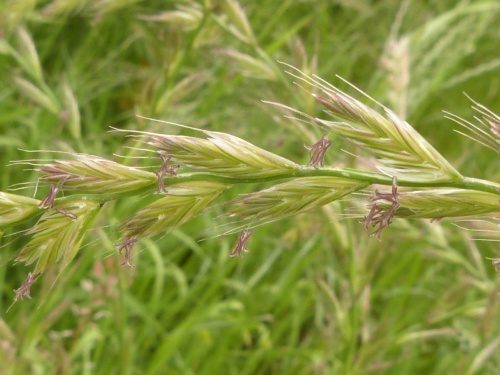 Graham Calow
Higham on the Hill
12 June 2015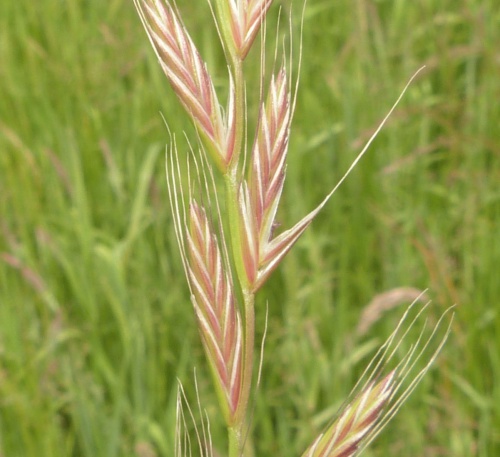 Graham Calow
Frolesworth
16 June 2015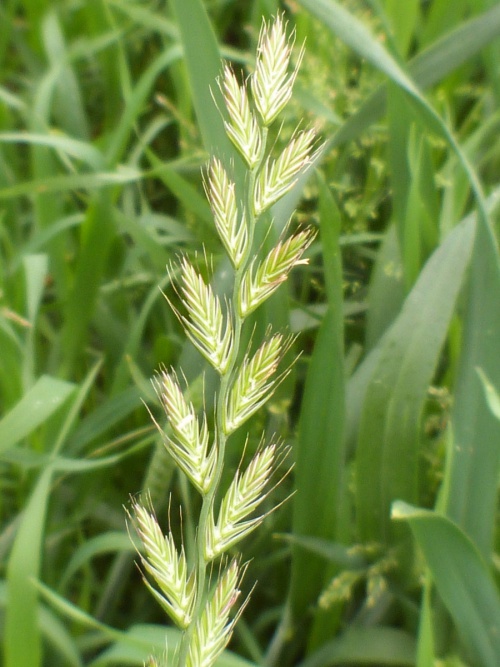 Graham Calow
Sapcote
21 June 2013 border of Marsh near Old Fosse Sapcote SP 4978 9215 (taken 11.6.2008).JPG) Graham Calow
Graham Calow
Marsh near Old Fosse, Sapcote
11 June 2008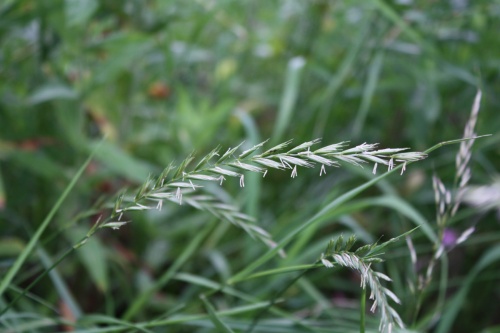 Barbara Cooper
Long Clawson
08 July 2012

 border of Marsh near Old Fosse Sapcote SP 4978 9215 (taken 11.6.2008).JPG)
Leicestershire & Rutland Map
Enter a town or village to see local records
MAP KEY:
Yellow squares = NBN records (all known data)
Coloured circles = NatureSpot records: 2025+ | 2020-2024 | pre-2020
UK Map
Species profile
- Common names
- Italian Rye-grass
- Species group:
- flowering plant
- Kingdom:
- Plantae
- Order:
- Poales
- Family:
- Poaceae
- Records on NatureSpot:
- 41
- First record:
- 11/06/2008 (Calow, Graham)
- Last record:
- 14/06/2025 (Higgott, Mike)
Total records by month
% of records within its species group
10km squares with records
The latest images and records displayed below include those awaiting verification checks so we cannot guarantee that every identification is correct. Once accepted, the record displays a green tick.
In the Latest Records section, click on the header to sort A-Z, and again to sort Z-A. Use the header boxes to filter the list.
Latest images
Latest records
 Graham Calow
Higham on the Hill
12 June 2015 border of Marsh near Old Fosse Sapcote SP 4978 9215 (taken 11.6.2008),.JPG) Graham Calow
Graham Calow
Marsh near Old Fosse, Sapcote
11 June 2008
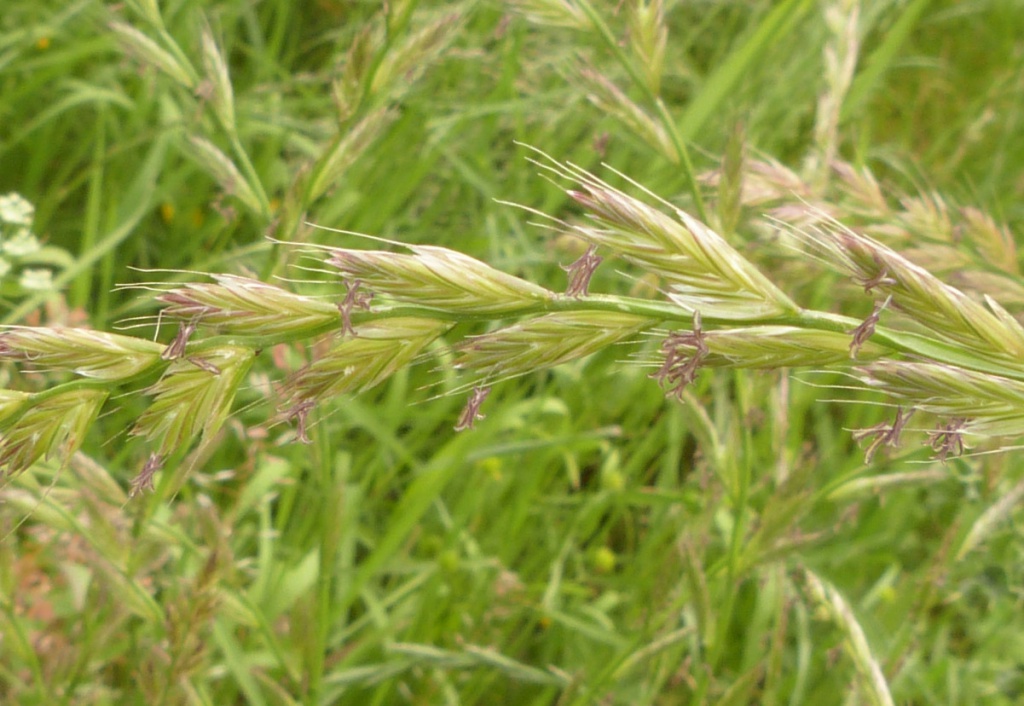
 border of Marsh near Old Fosse Sapcote SP 4978 9215 (taken 11.6.2008),.JPG)
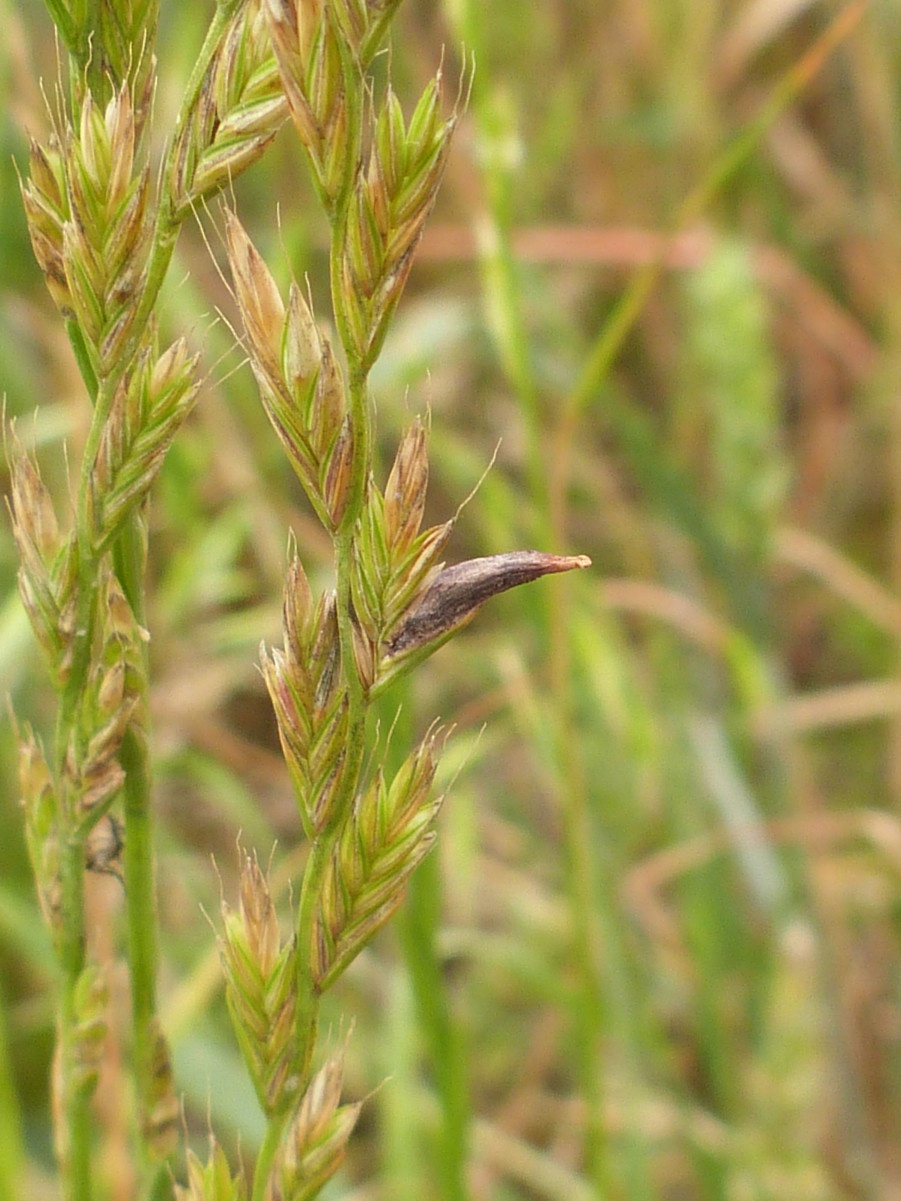
Ergot
Ergot (Claviceps purpurea) is a violet-black spindle-shaped structure longitudinally furrowed, up to 1cm long, and formed in the inflorescences of grasses. The fungal body is described as an ergot kernel.
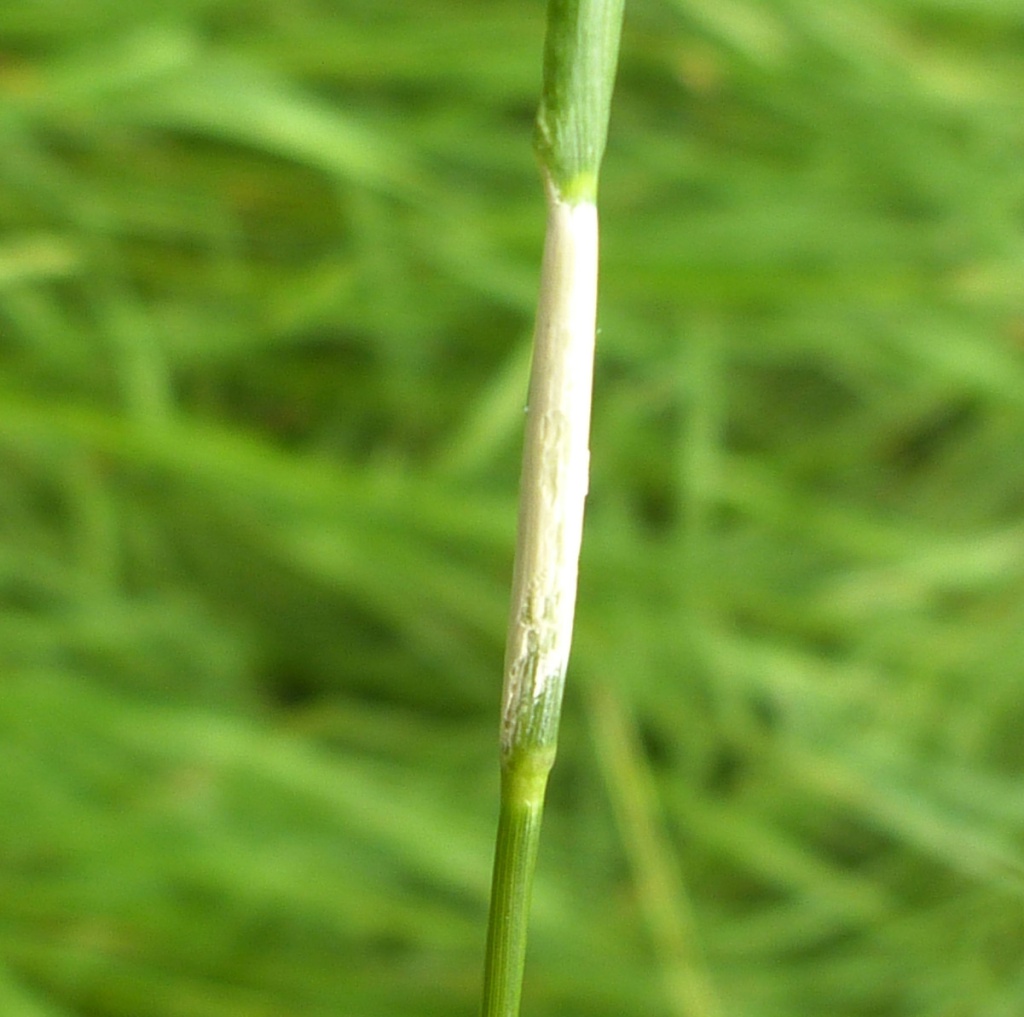
Choke
Epichloe typhina fungus galls the stems of various grasses, the gall often having a rather tubular appearance. It is white in the early stages, yellowing when mature. On various grasses including many of our most common species including Sweet Vernal-grass, False Oat-grass, Cock's-foot, Perennial Rye-grass, Wood Millet, Timothy and Rough Meadow-grass.