

Himalayan Balsam - Impatiens glandulifera
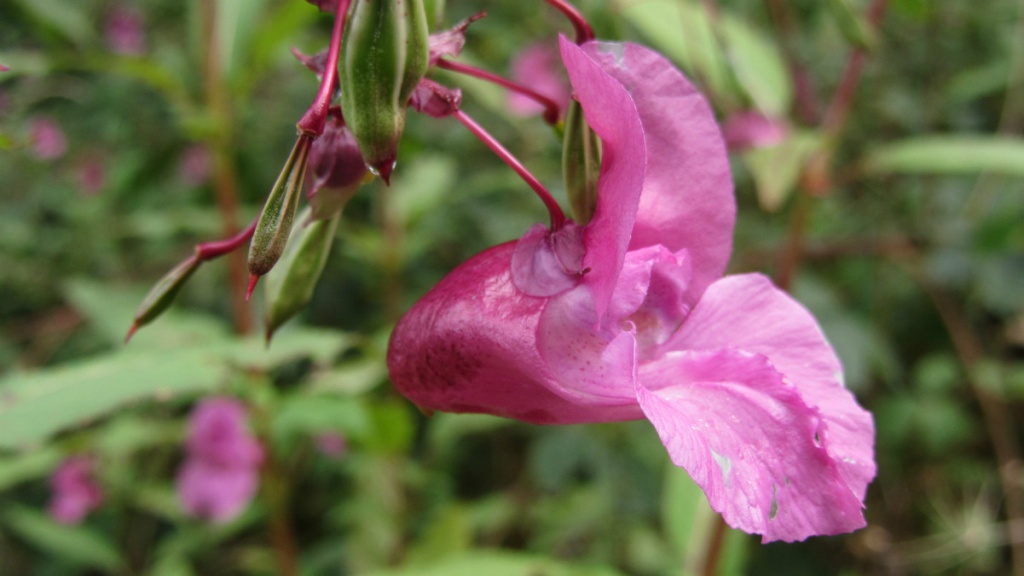
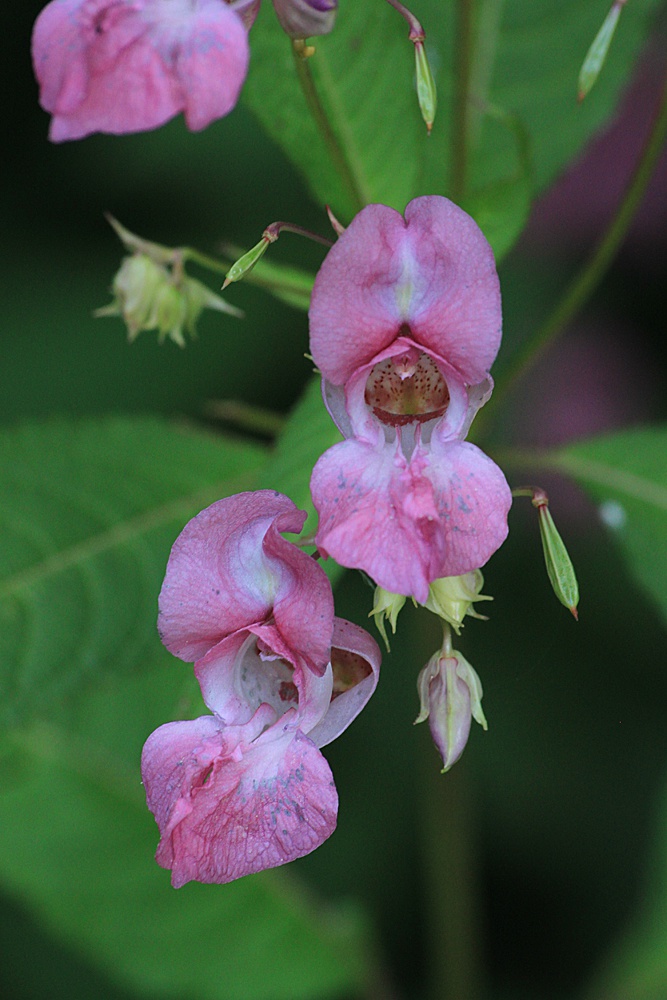
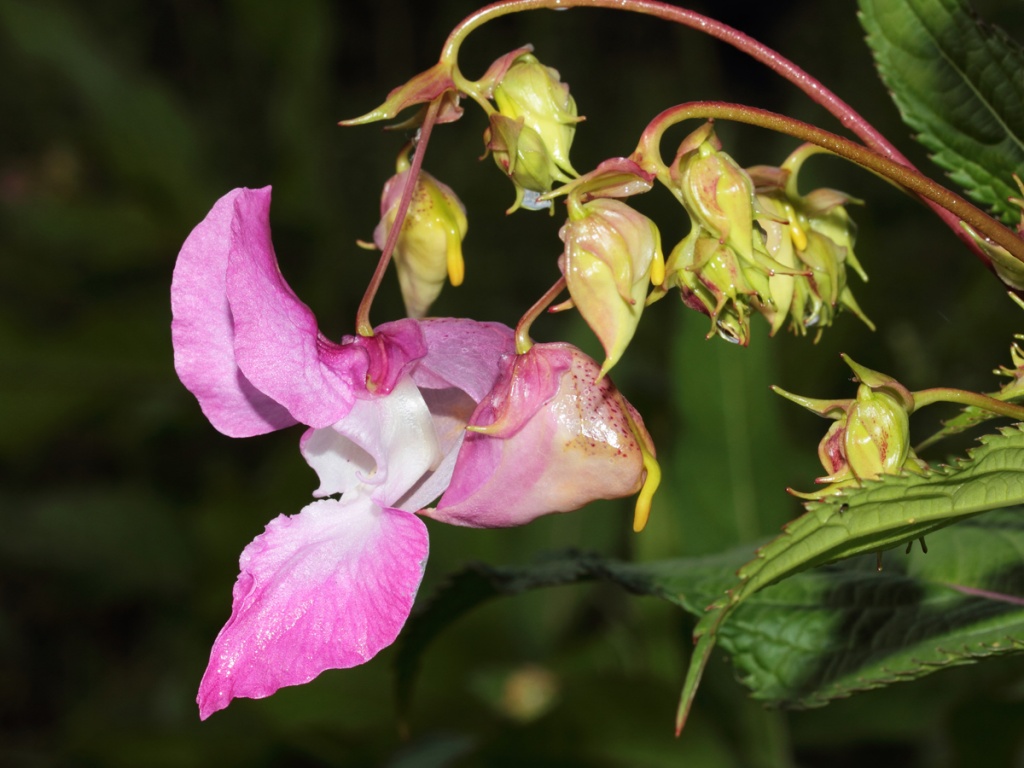
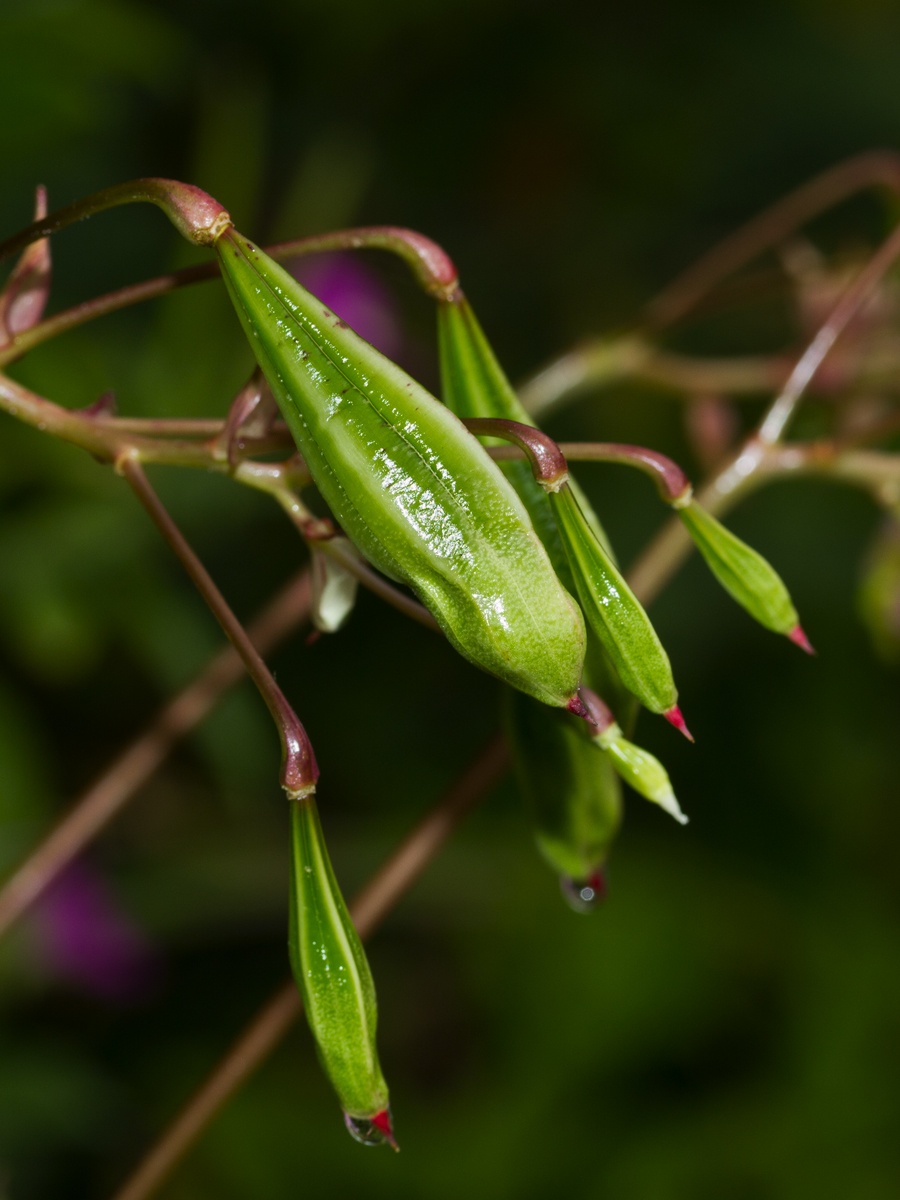
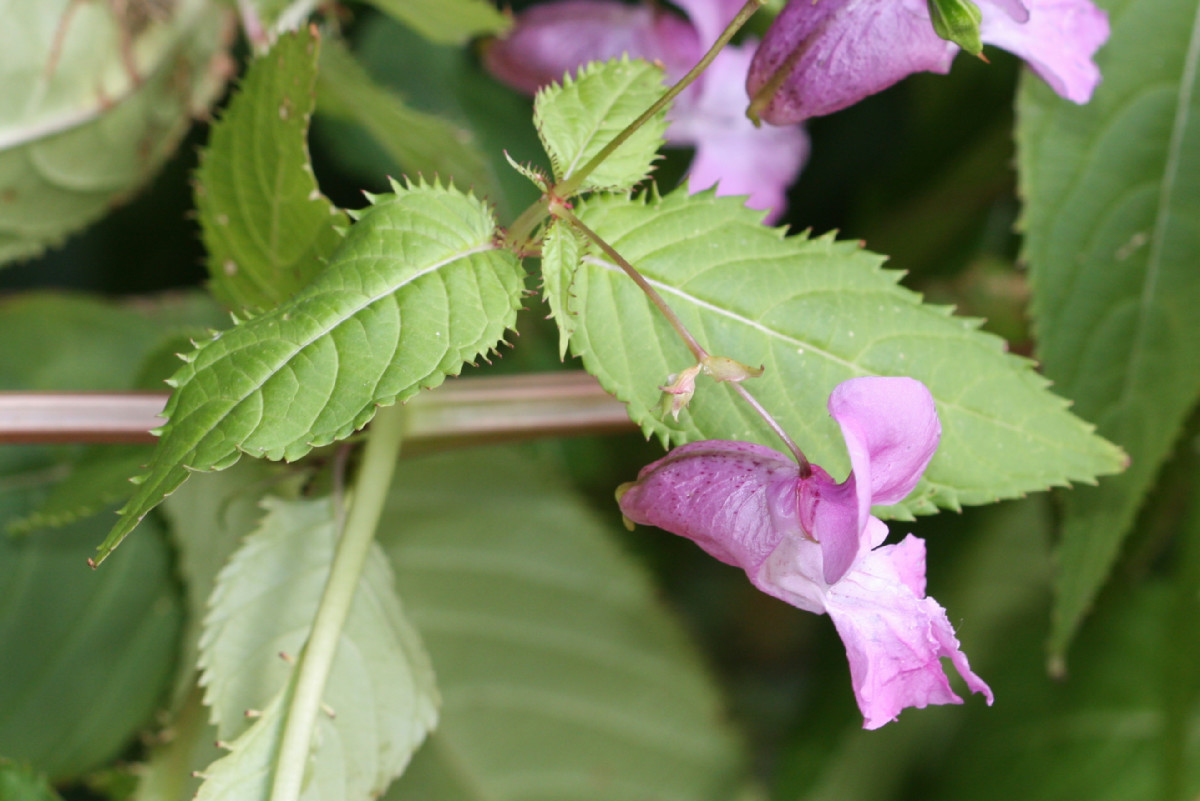
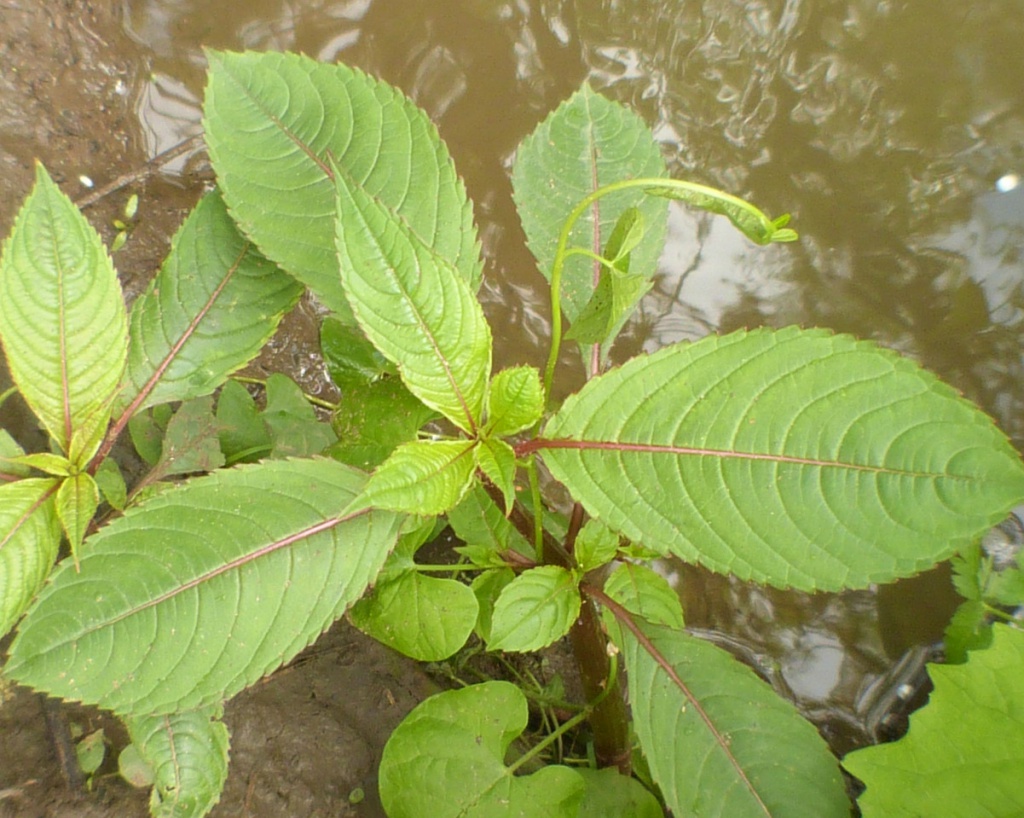
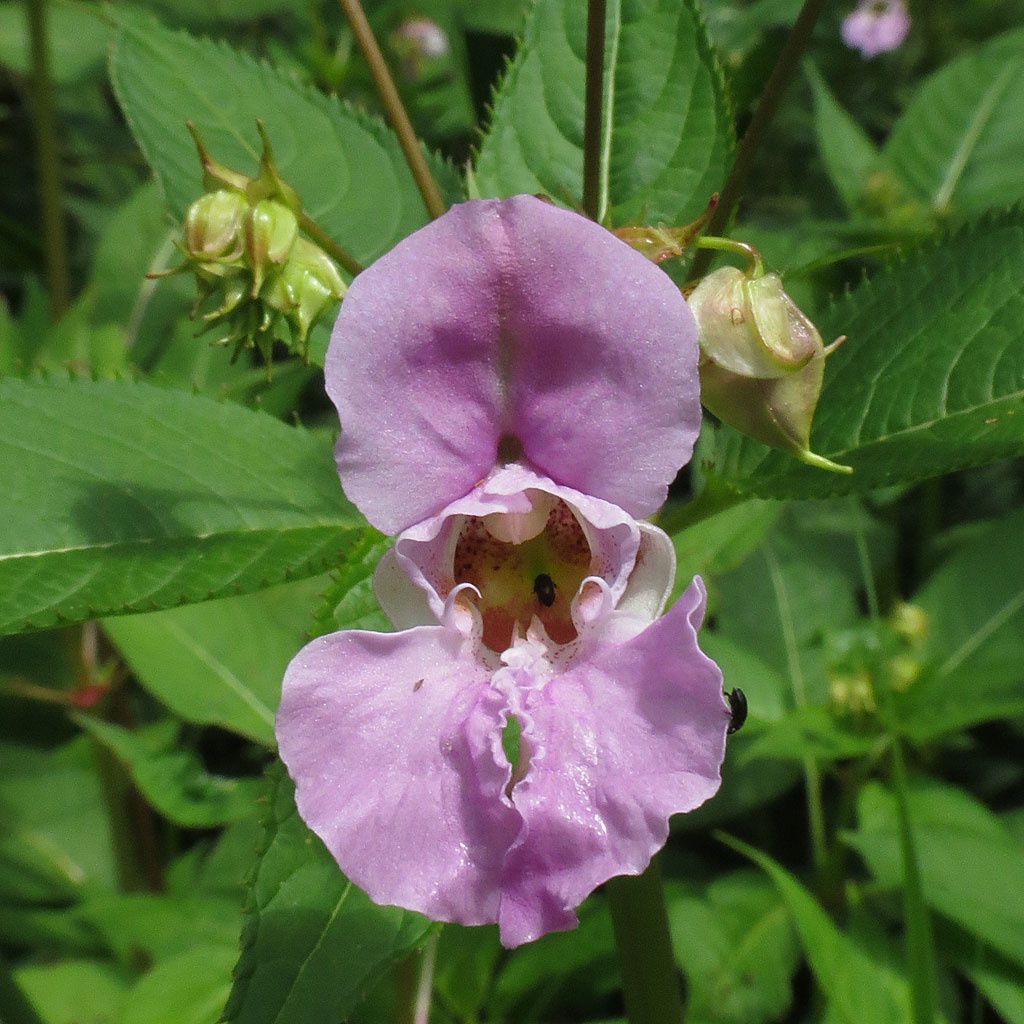
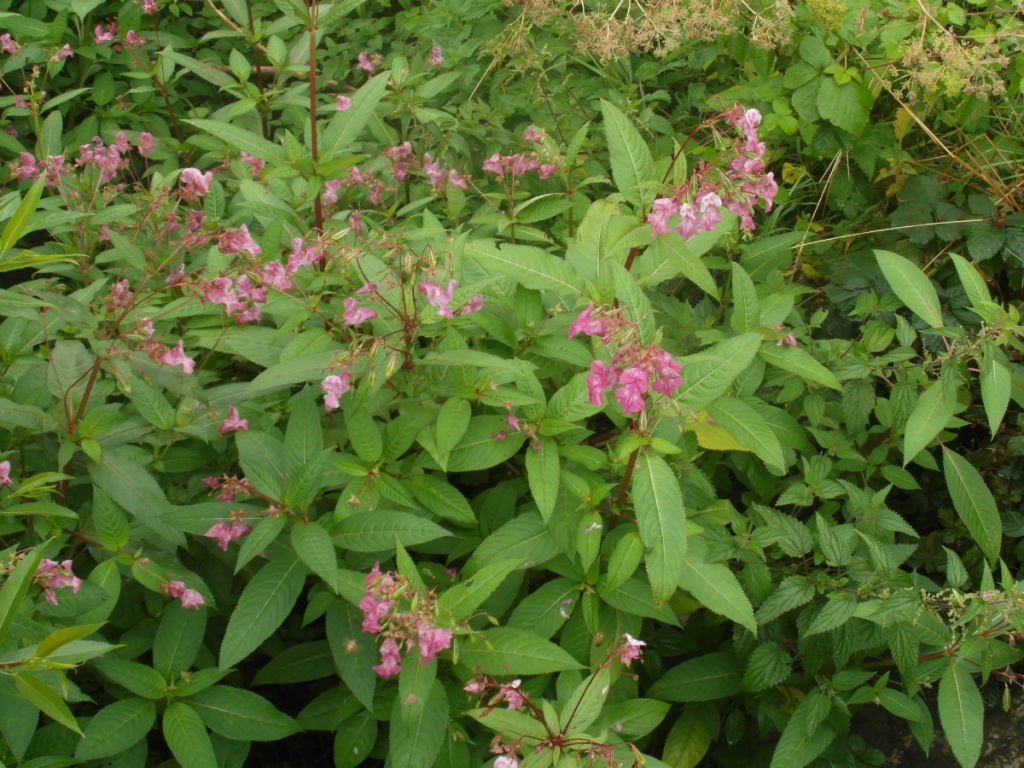
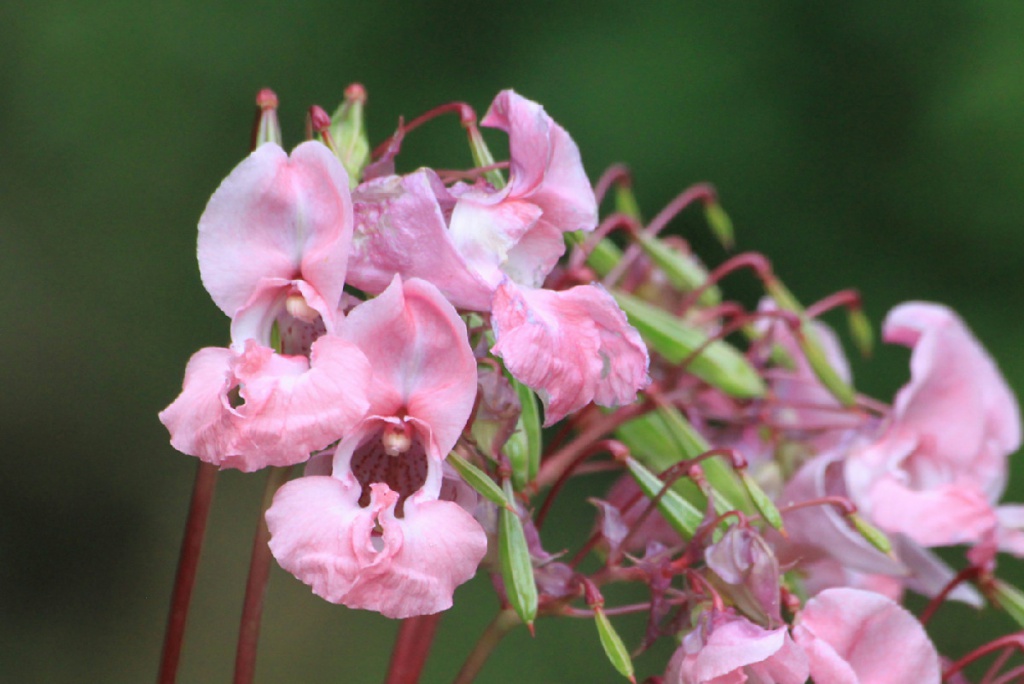
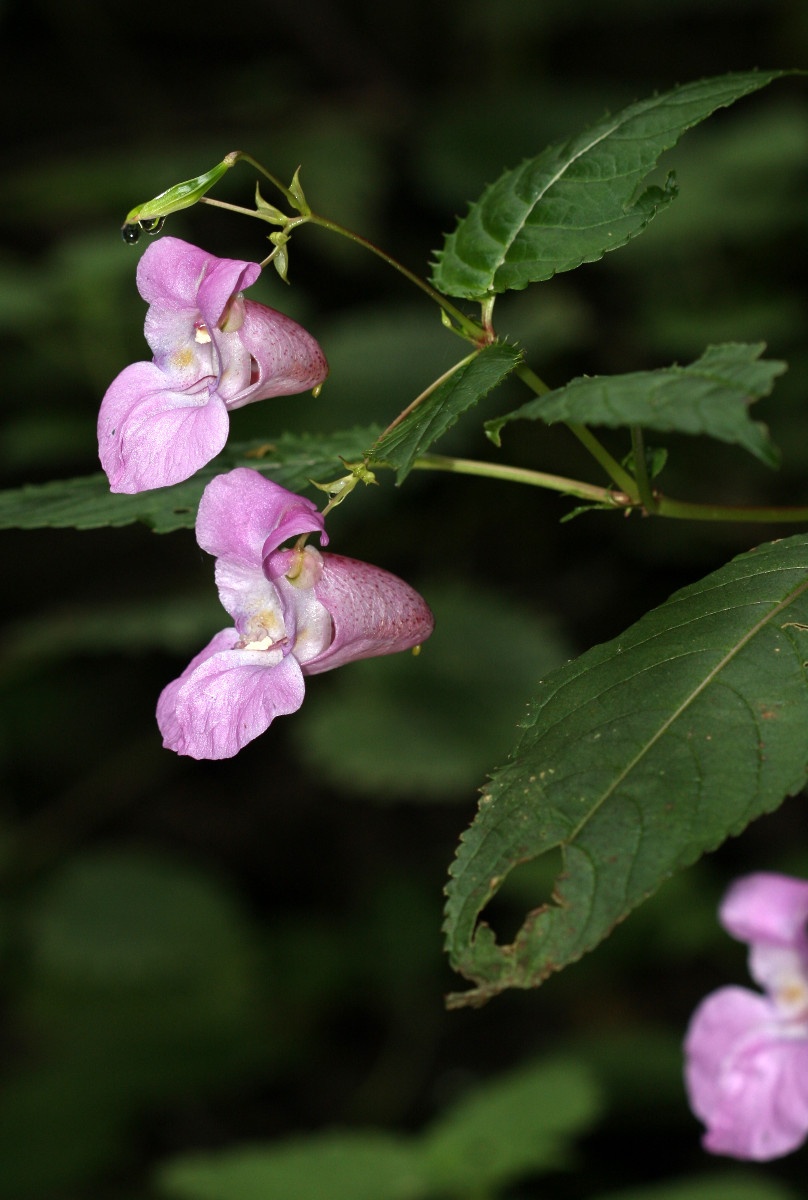
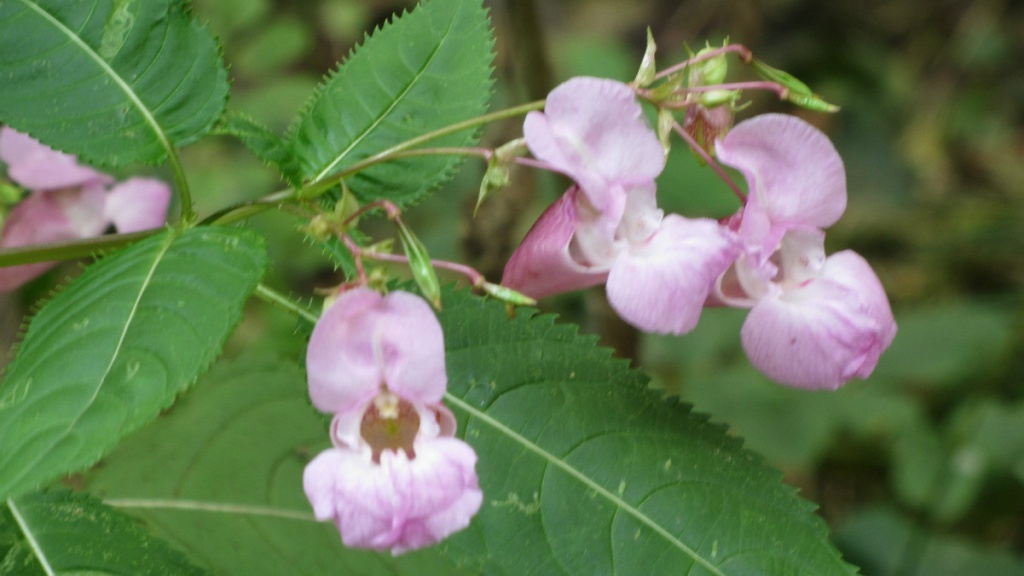
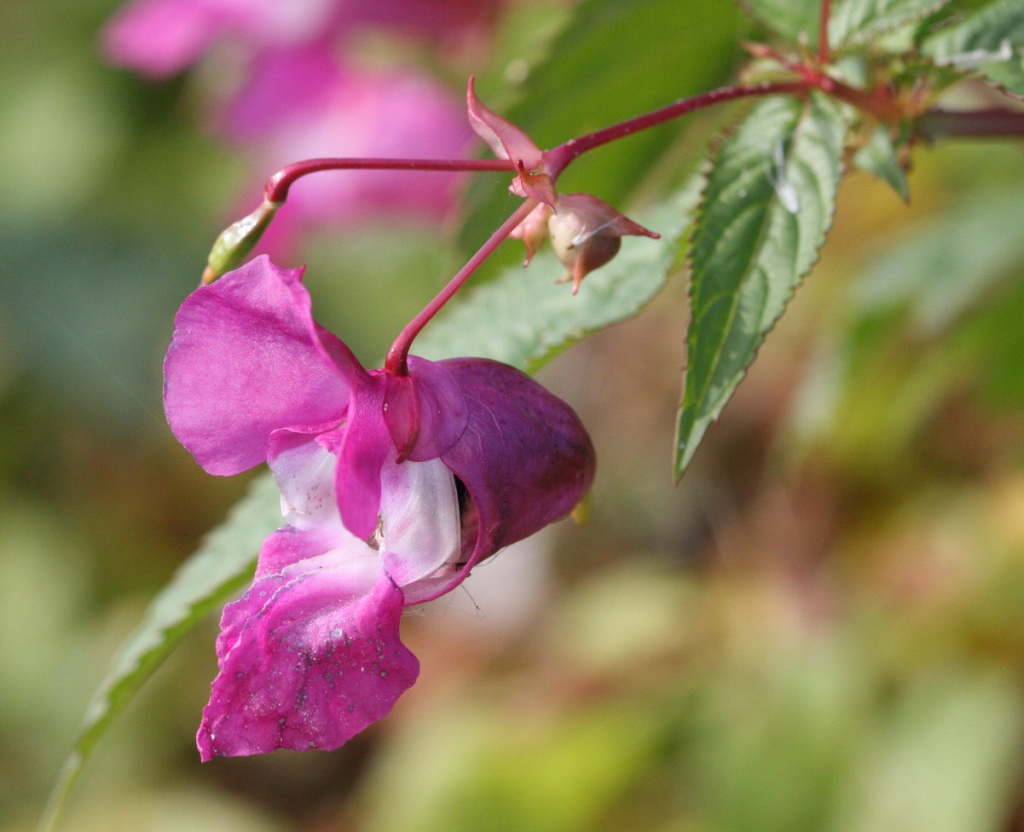
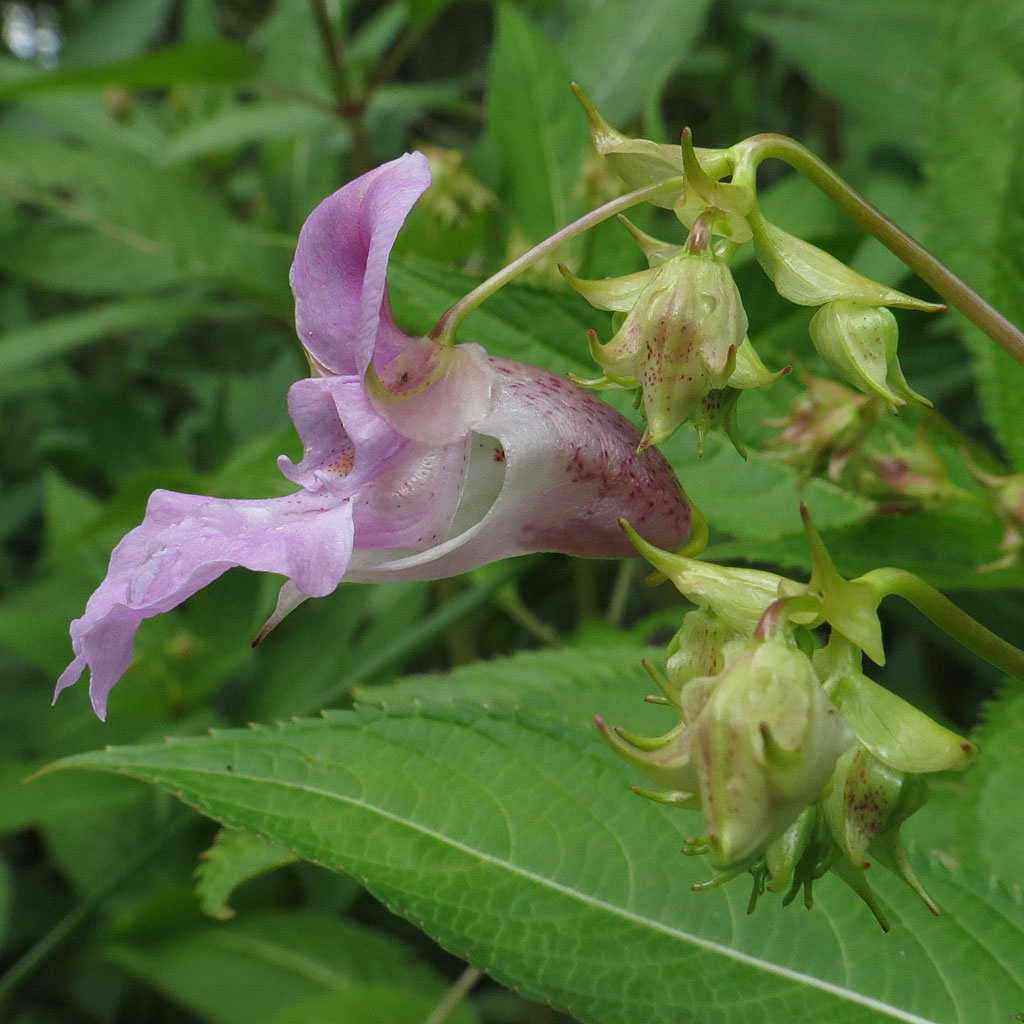
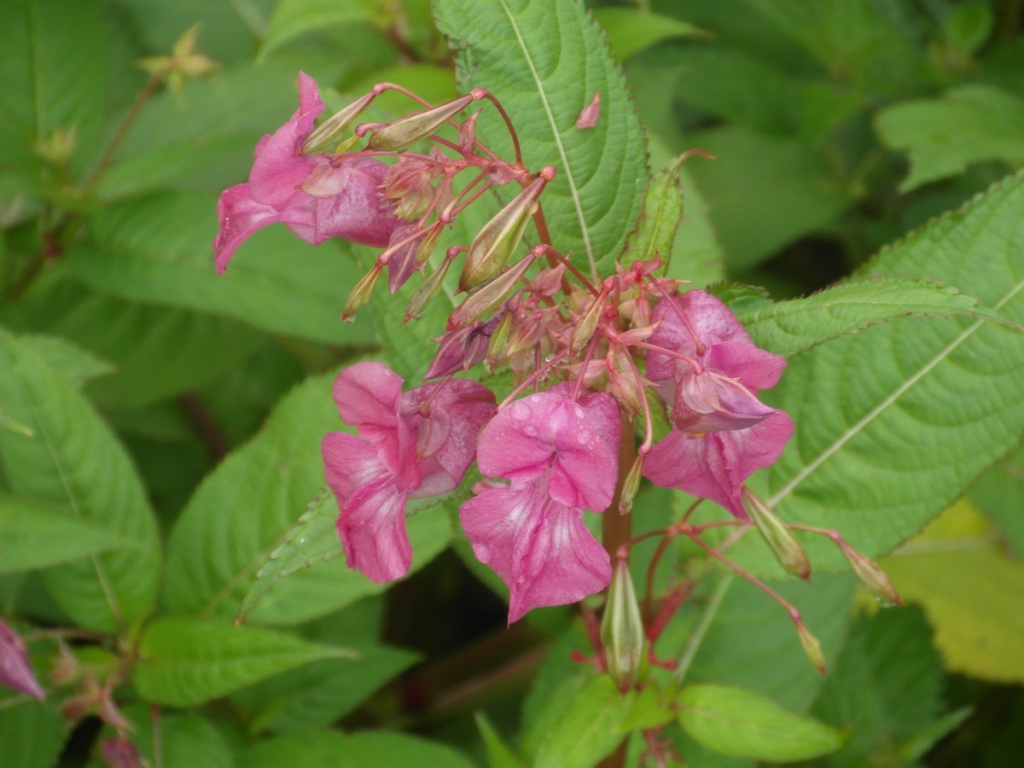
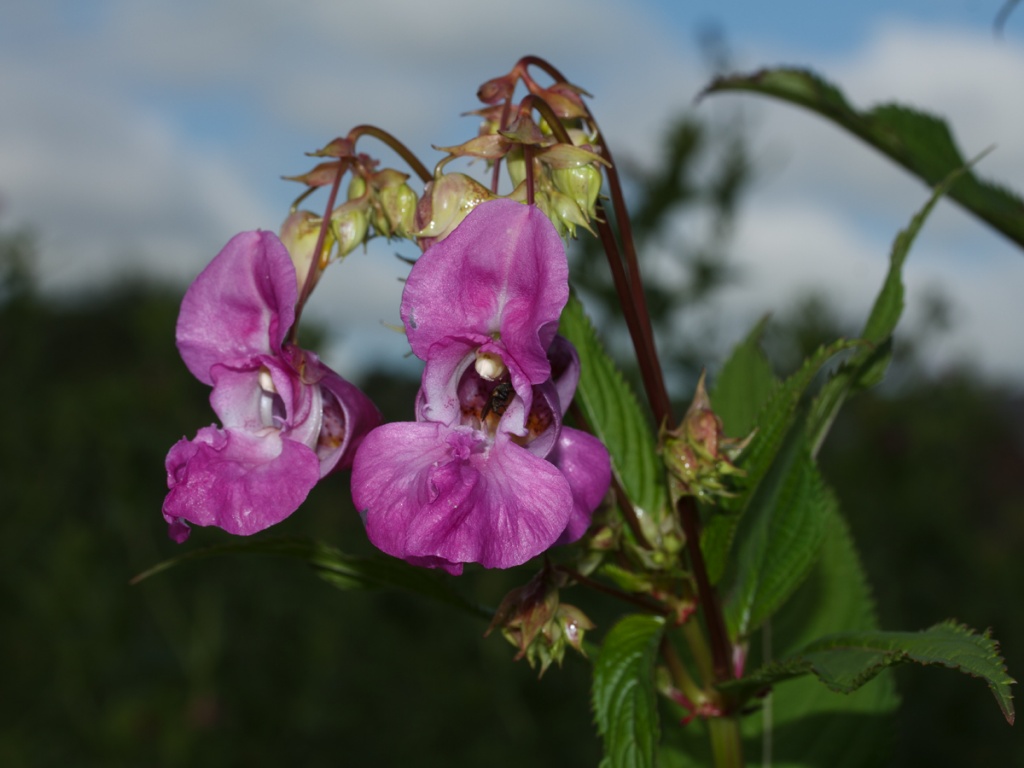
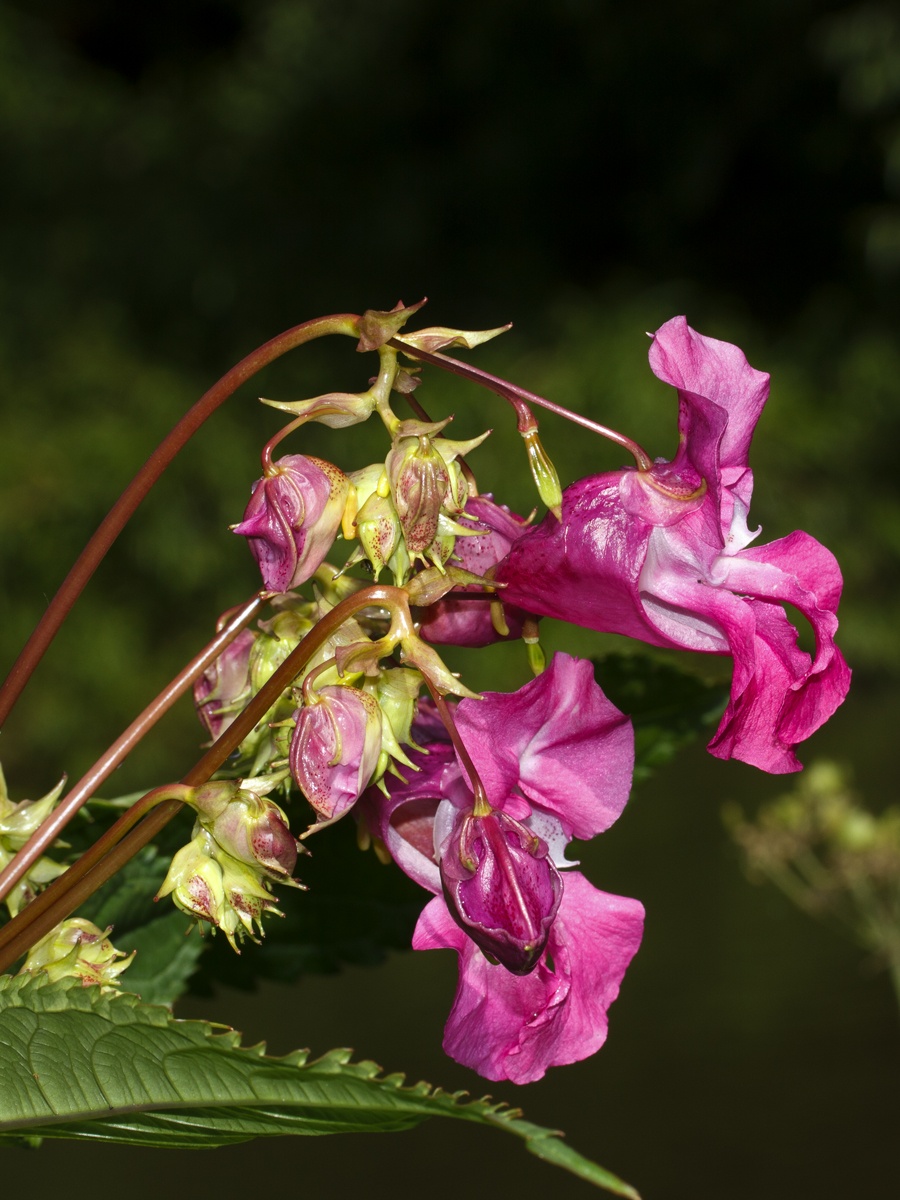
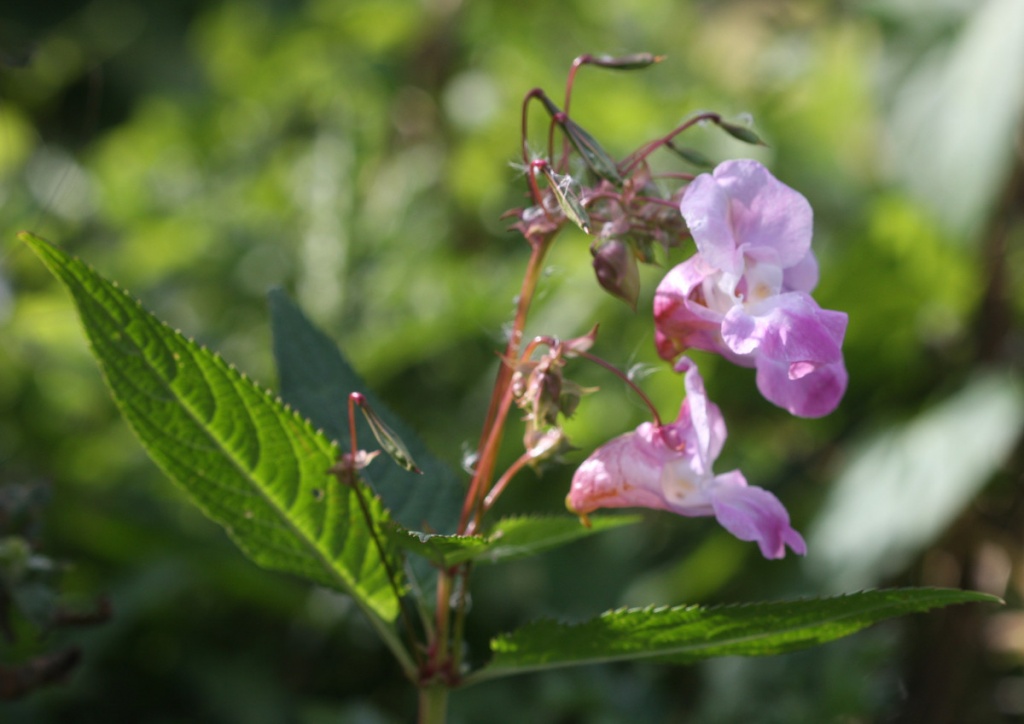
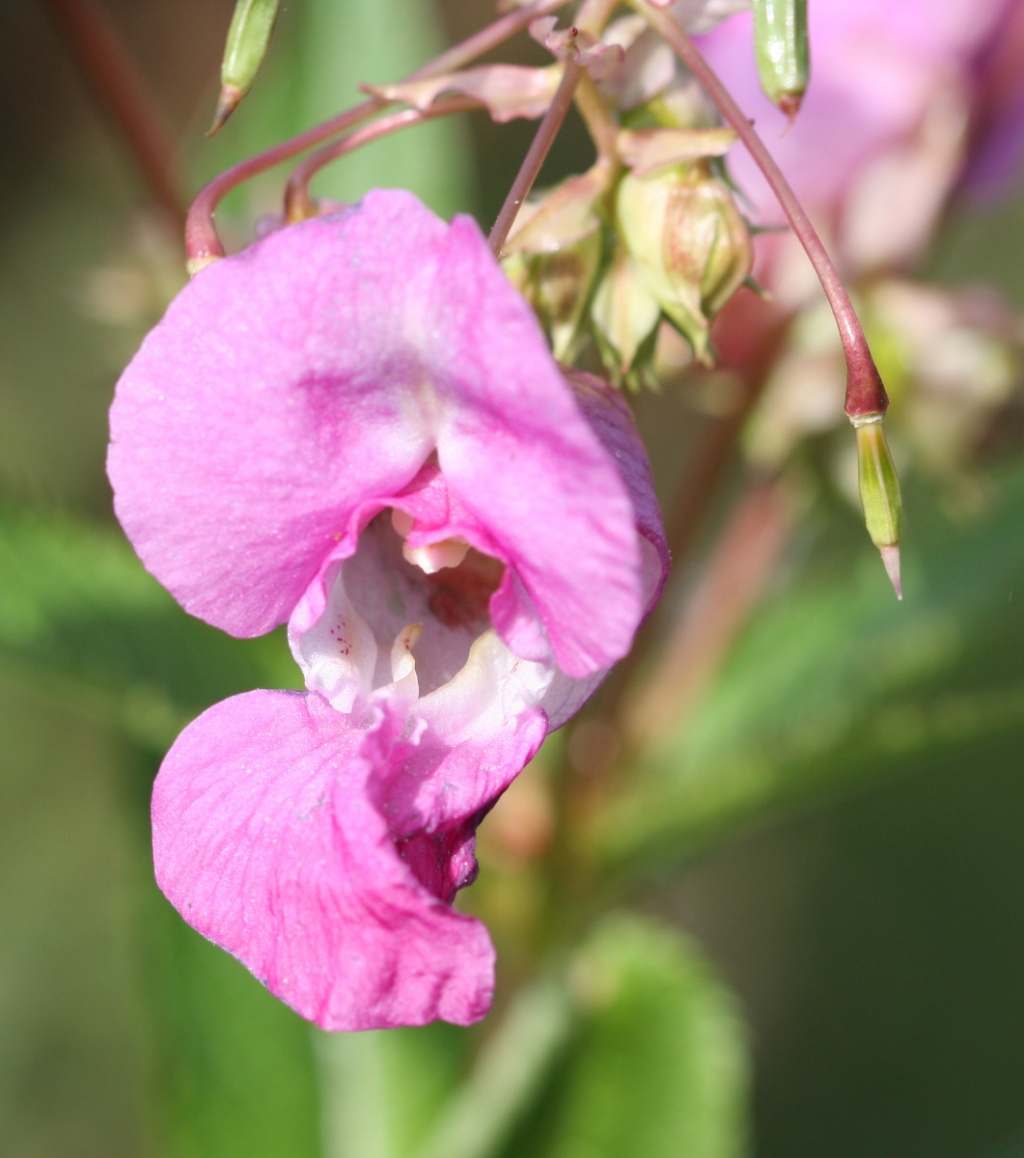
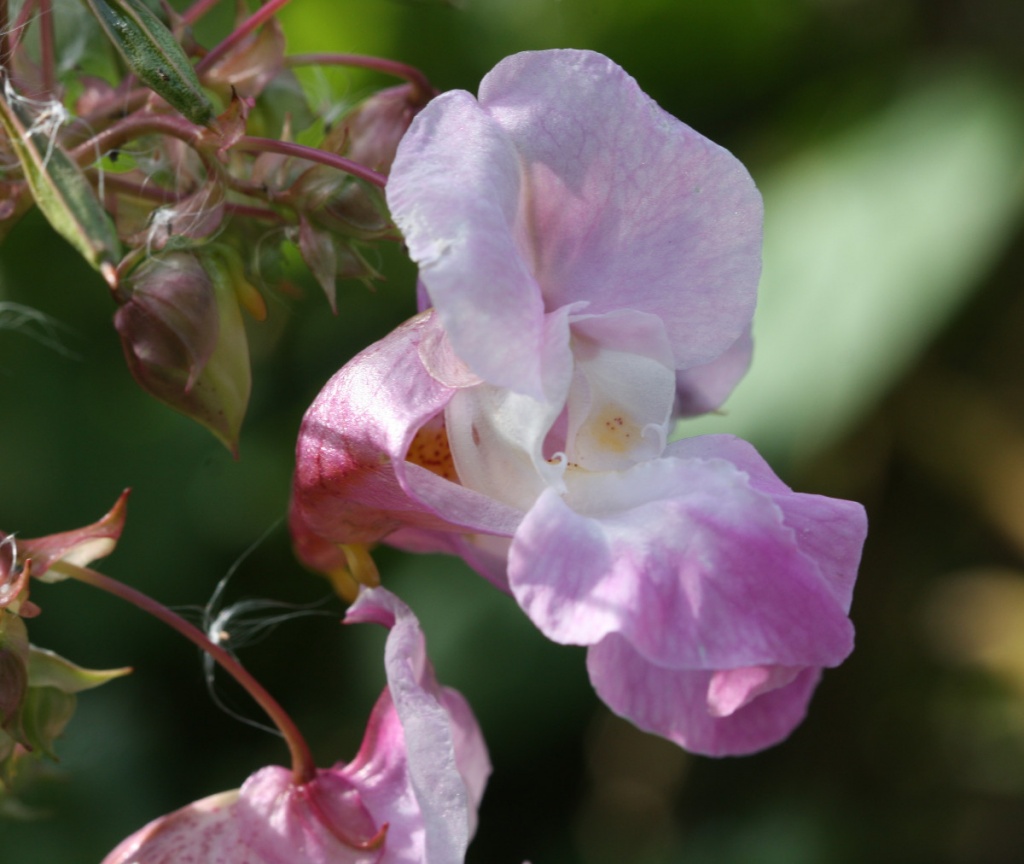
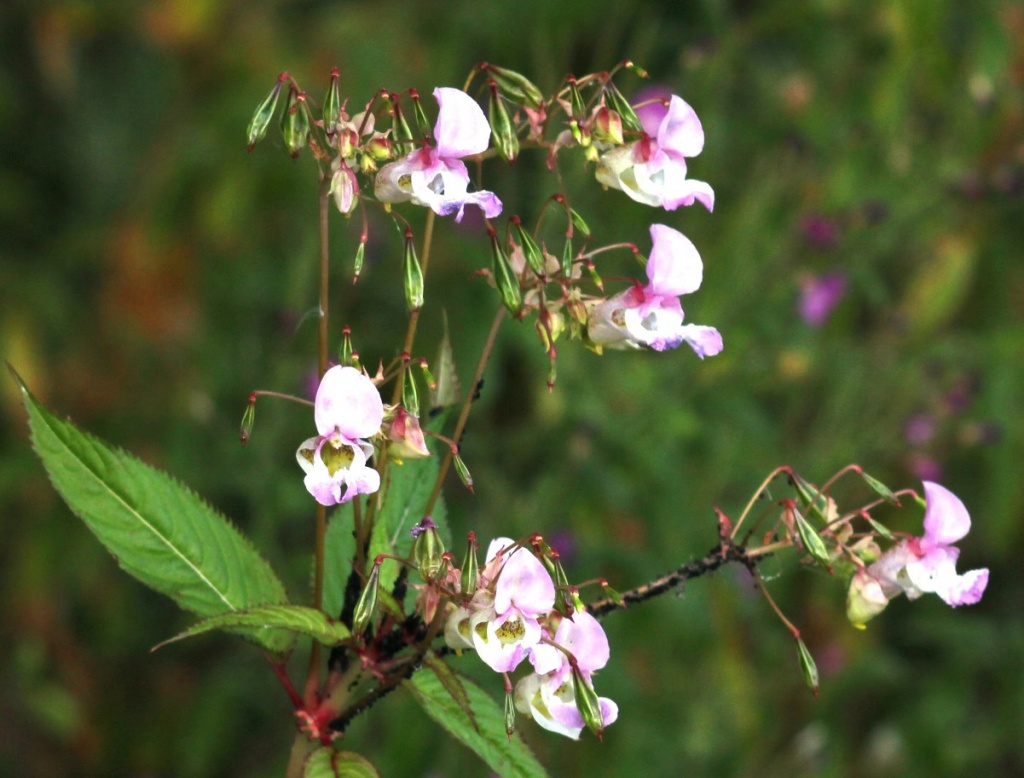
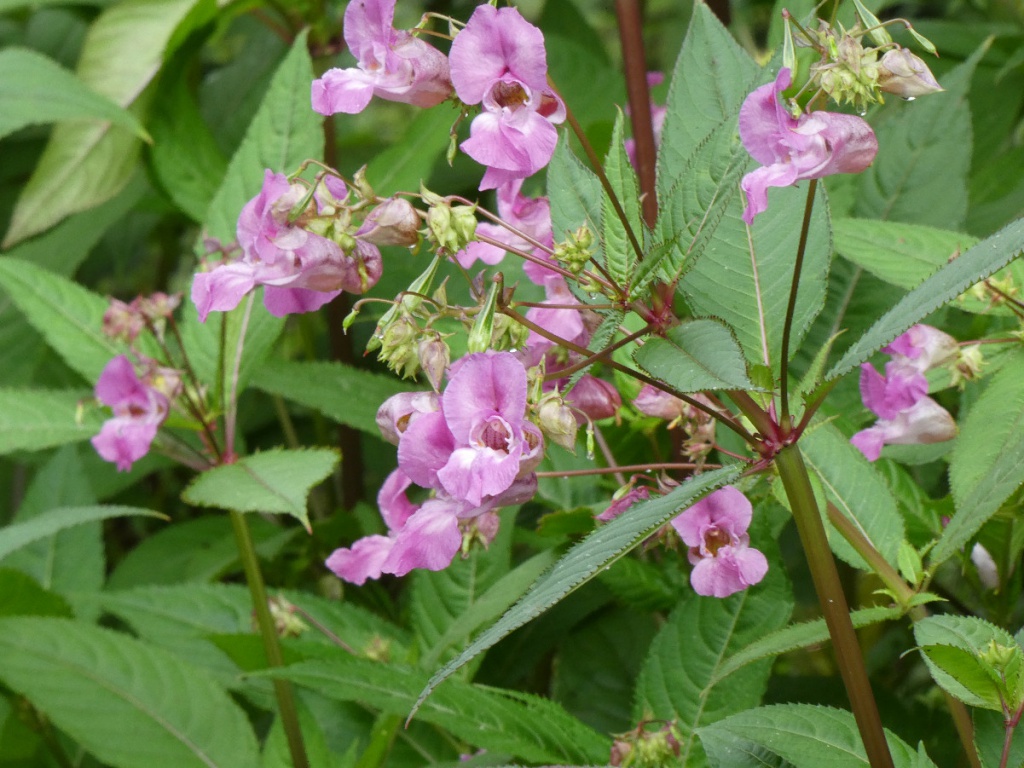
This is a tall, stout hairless plant that can sometimes reach 2 metres in height. Flowers usually pink or purple sometimes white and usually with spots or blotches. In racemes of 5 or more and 'helmet' shaped. Capsule club shaped.

Moist ground. The banks of rivers and streams. Lake margins.
July to October.
Annual. A very invasive species, it can become very troublesome.
Common in many parts of Britain and can be invasive.
Quite common, and increasing in suitable locations in Leicestershire and Rutland. In the 1979 Flora survey of Leicestershire it was found in 46 of the 617 tetrads.
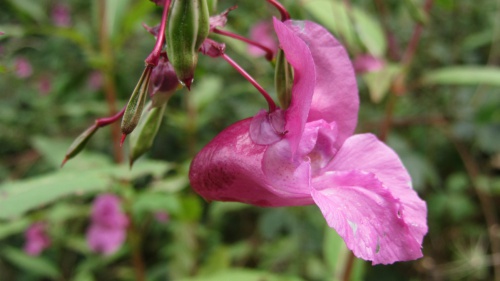 Roger Collier
Bailey Sim Wood
20 September 2013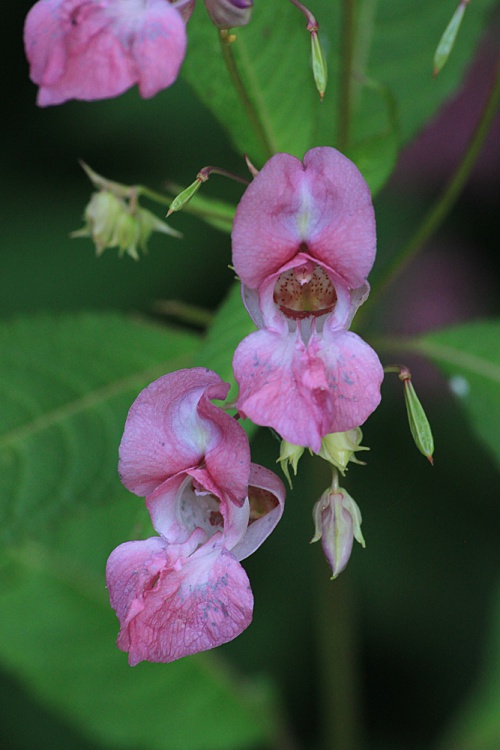 Paul Ruddoch
Petfoods River
27 July 2014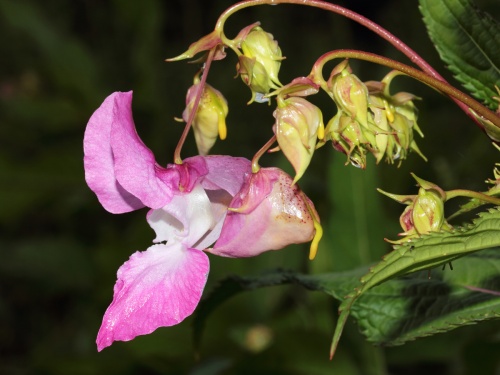 HAPeacock
River Soar - St Marys Mill
12 July 2012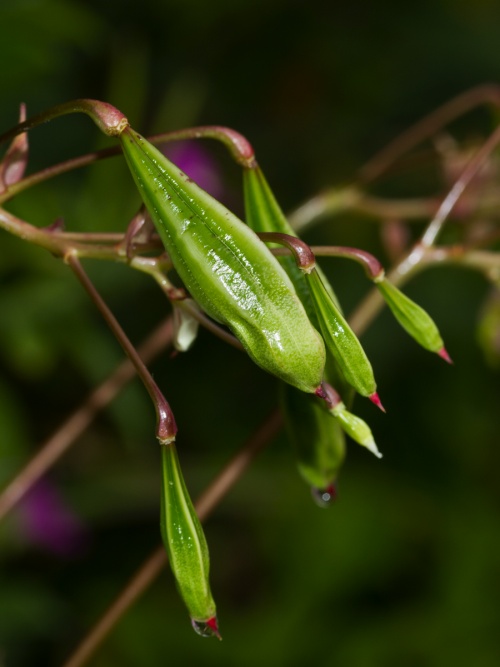 HAPeacock
River Soar - St Marys Mill
19 August 2012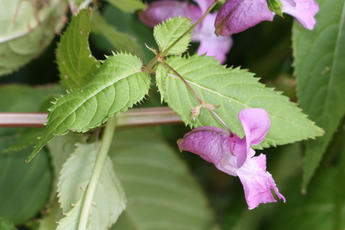 David Nicholls
Abbey Park
19 September 2010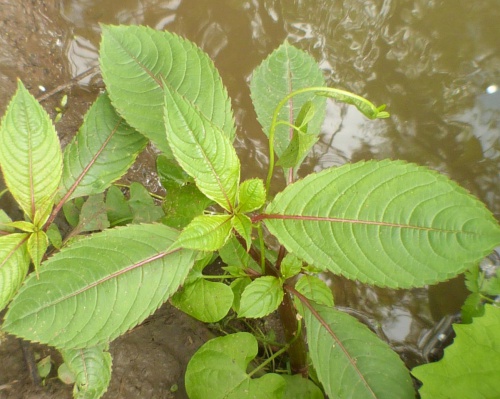 Graham Calow
Fosse Meadows, Sharnford
21 May 2014
Leicestershire & Rutland Map
Enter a town or village to see local records
MAP KEY:
Yellow squares = NBN records (all known data)
Coloured circles = NatureSpot records: 2025+ | 2020-2024 | pre-2020
UK Map
Species profile
- Common names
- Policeman's Helmet, Indian Balsam, Himalayan Balsam
- Species group:
- flowering plant
- Kingdom:
- Plantae
- Order:
- Ericales
- Family:
- Balsaminaceae
- Records on NatureSpot:
- 387
- First record:
- 13/07/2006 (Calow, Graham)
- Last record:
- 24/09/2025 (Pugh, Dylan)
Total records by month
% of records within its species group
10km squares with records
The latest images and records displayed below include those awaiting verification checks so we cannot guarantee that every identification is correct. Once accepted, the record displays a green tick.
In the Latest Records section, click on the header to sort A-Z, and again to sort Z-A. Use the header boxes to filter the list.
Latest images
Latest records
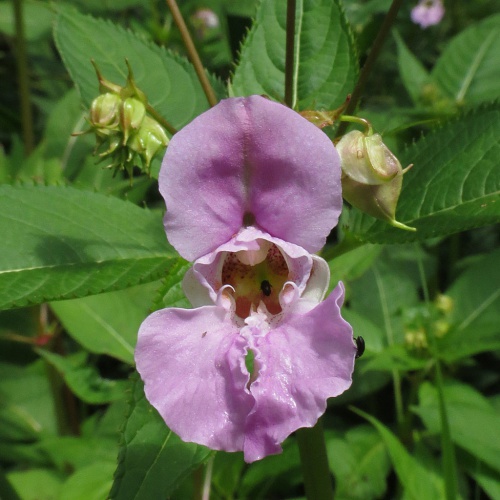 David Gould
Narborough Bog
01 July 2014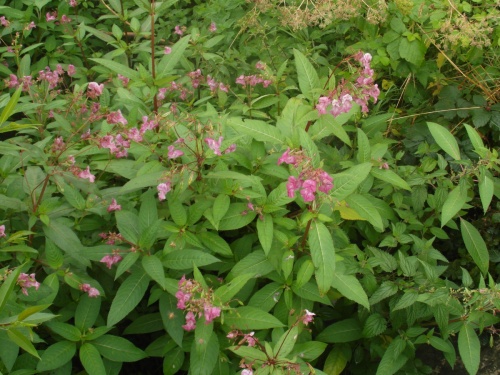 Alan Semper
Melton, Thorpe Rd
31 July 2012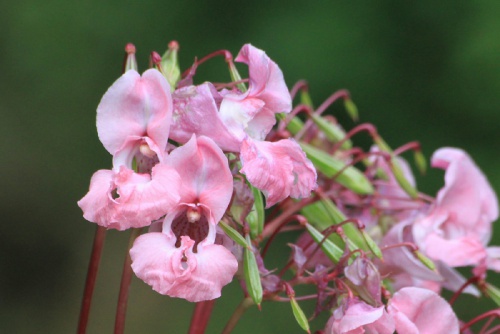 Paul Ruddoch
Priors Close
06 July 2014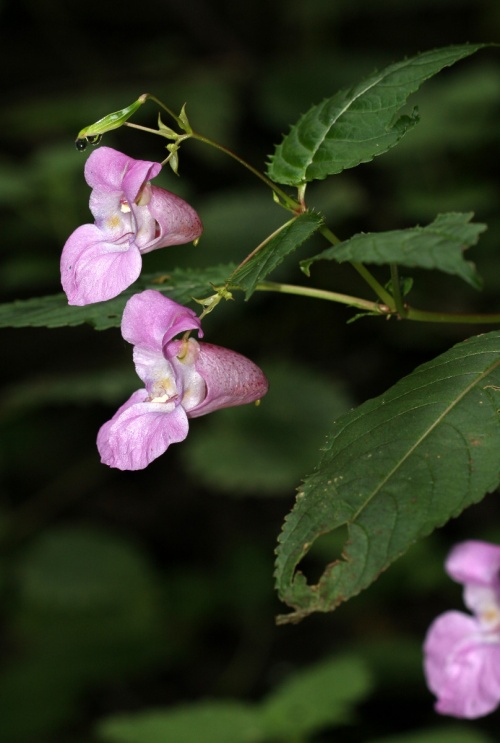 David Nicholls
Narborough Bog NR
13 October 2012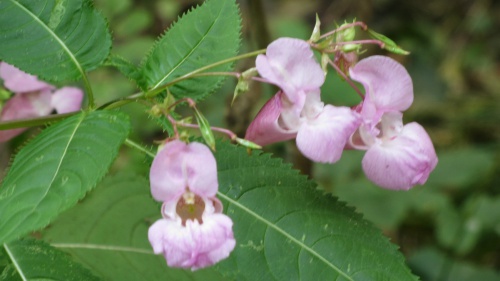 Roger Collier
Lea Meadows
20 September 2013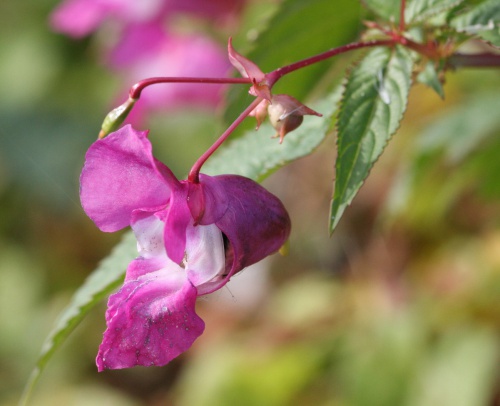 David Nicholls
Watermead Country Park
27 September 2013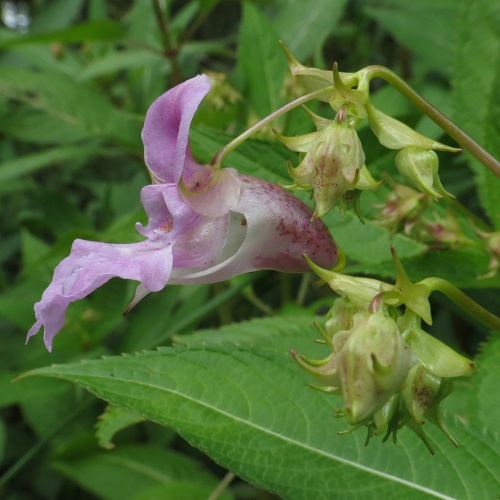 David Gould
Narborough Bog
01 July 2014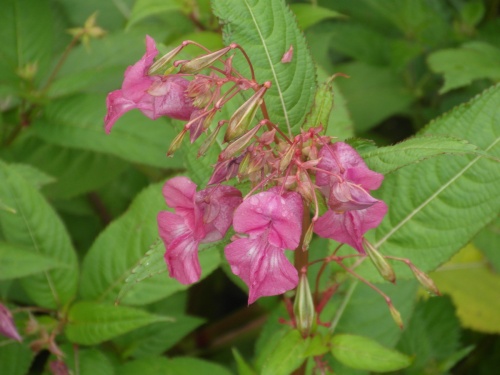 Alan Semper
Melton, Thorpe Rd
31 July 2012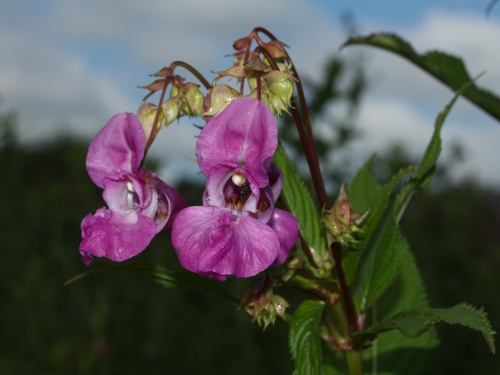 HAPeacock
River Soar - St Marys Mill
12 July 2012 Fosse Meadows (Taken 17.9.2008),..JPG) Graham Calow
Graham Calow
Fosse Meadows, Sharnford
17 September 2008 Fosse Meadows (Taken 17.9.2008)..JPG) Graham Calow
Graham Calow
Fosse Meadows, Sharnford
17 September 2008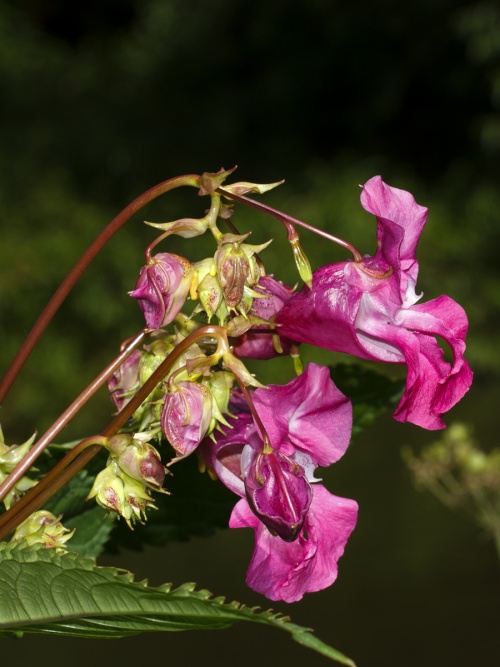 HAPeacock
River Soar - St Marys Mill
12 July 2012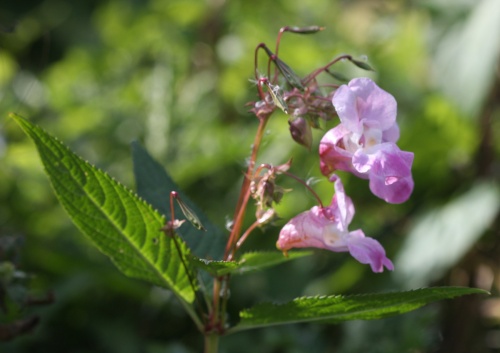 David Nicholls
Watermead Country Park
06 September 2012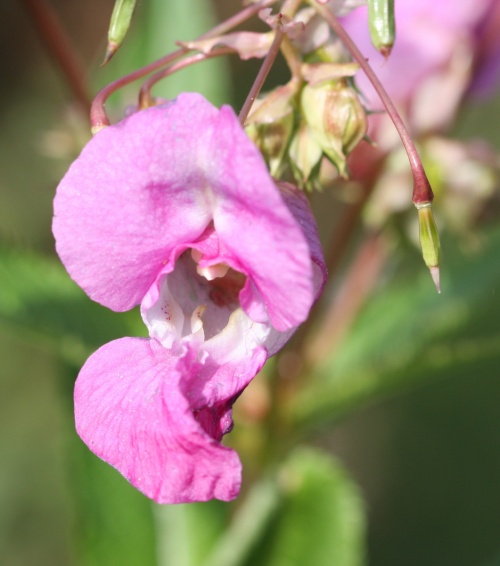 David Nicholls
Watermead Country Park
06 September 2012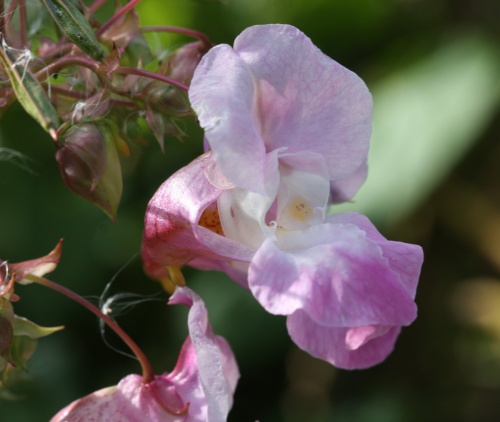 David Nicholls
Watermead Country Park
06 September 2012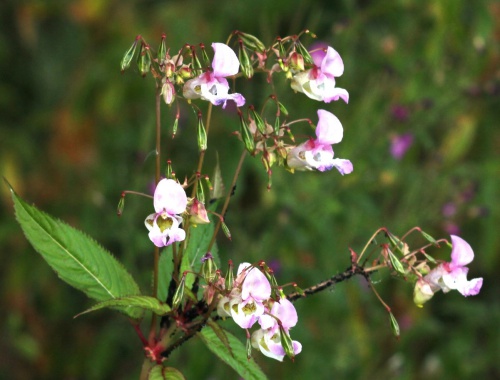 PhilipCrowfoot
Woodgate
23 August 2014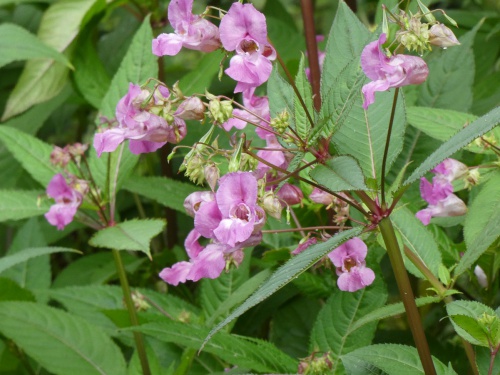 Melinda Bell
Whitwick,footpath to Castle Street
28 July 2023
 Fosse Meadows (Taken 17.9.2008),..JPG)
 Fosse Meadows (Taken 17.9.2008)..JPG)
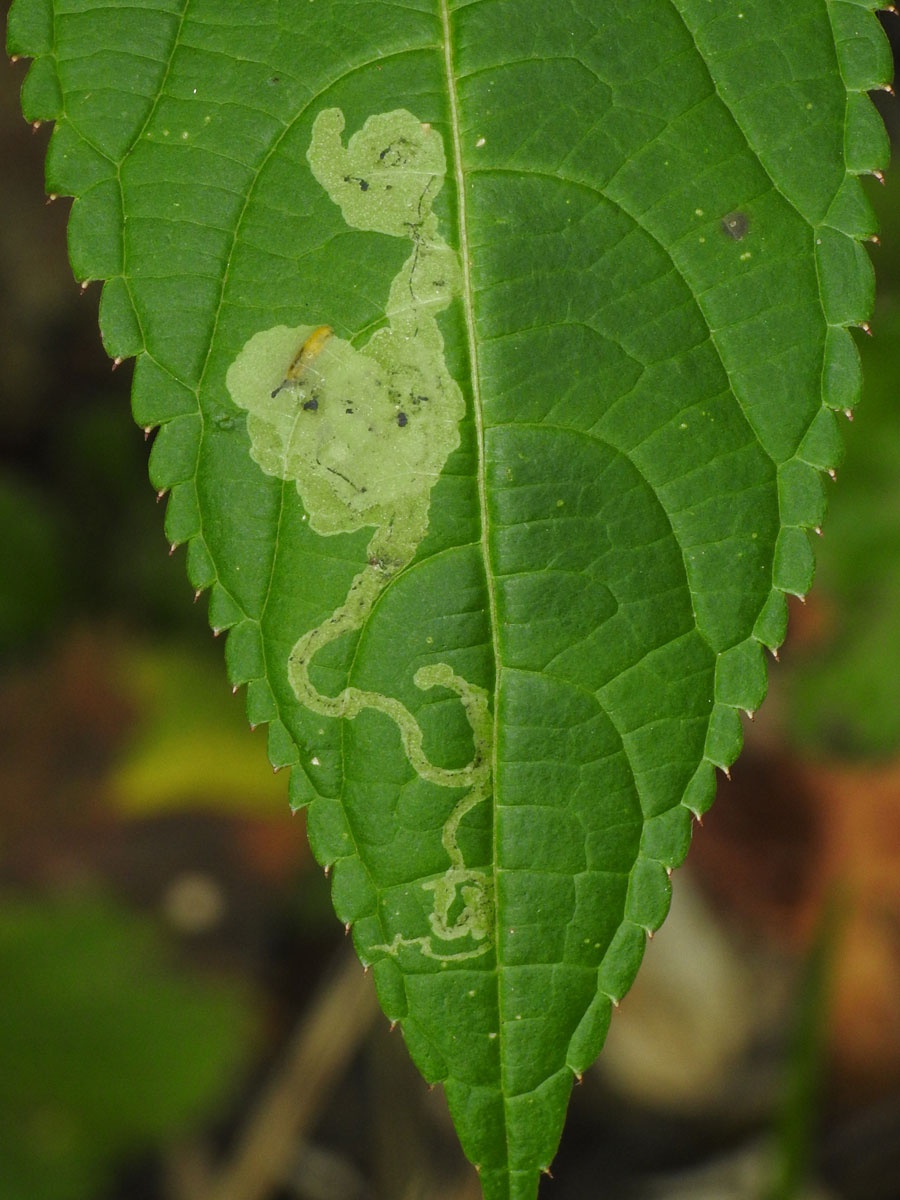
Phytoliriomyza melampyga
The larvae of the Agromyzid fly Phytoliriomyza melampyga mine the leaves of Impatiens species (Balsams) such as Himalayan Balsam. The early narrow, linear mine later becomes a large irregular whitish blotch with conspicuous frass.