

Greater Pond-sedge - Carex riparia
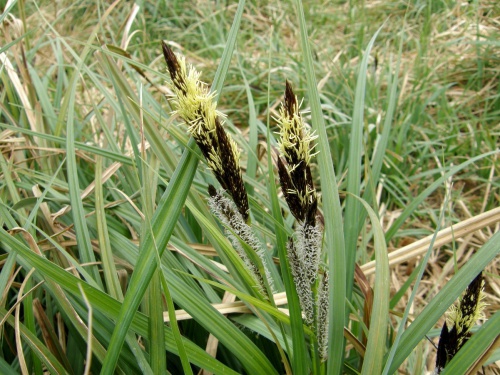
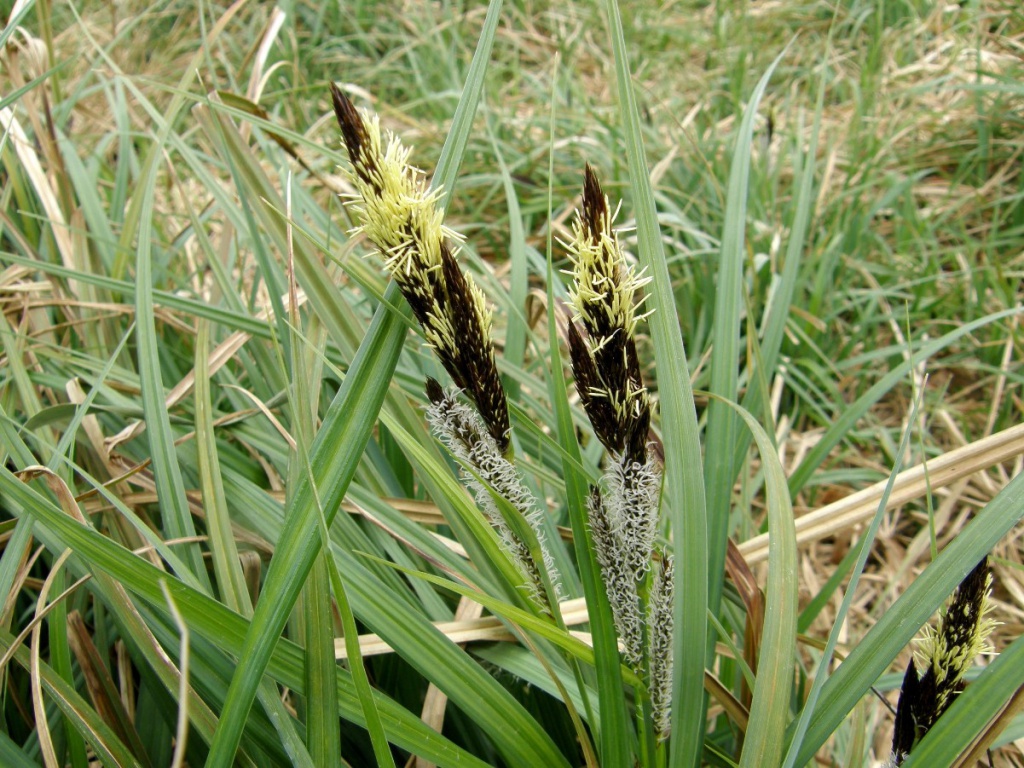
Tall, tussock forming plant reaching 100 to 150 cm in height. Spreading by strong rhizomes. Leaves quite erect and fairly broad (6 to 15 mm wide). Male spikelets 3 to 6 being 2 to 6 cm long, brown. Female spikelets are 3 to 10 cm by 10 to 12 mm wide.
Carex acutiformis and other aquatic sedges

Ponds, marshy areas, wet ditches and stream sides.
Fruiting June to September.
Perennial.
Common in most of Britain, scarcer in Scotland and absent in the north of that country.
Fairly frequent in Leicestershire and Rutland. In the 1979 Flora survey of Leicestershire it was found in 176 of the 617 tetrads.
 Graham Calow
Wykin Canal Towpath
15 May 2015
specimen examined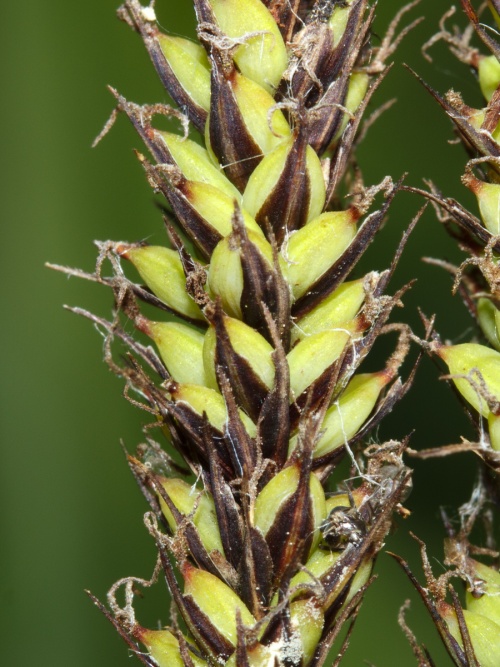 HAPeacock
River Soar - St Marys Mill
14 June 2012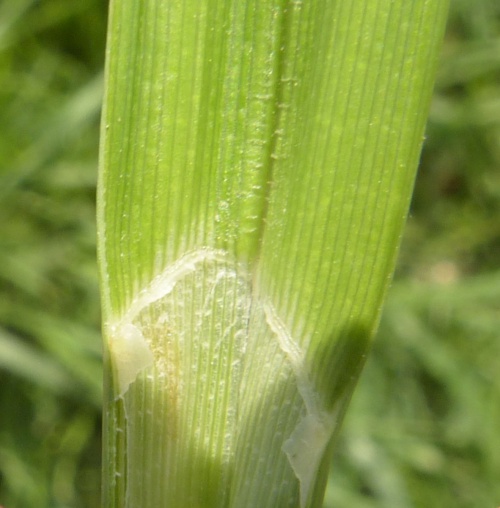 Graham Calow
Off Wood Road, near Nailstone
12 May 2016
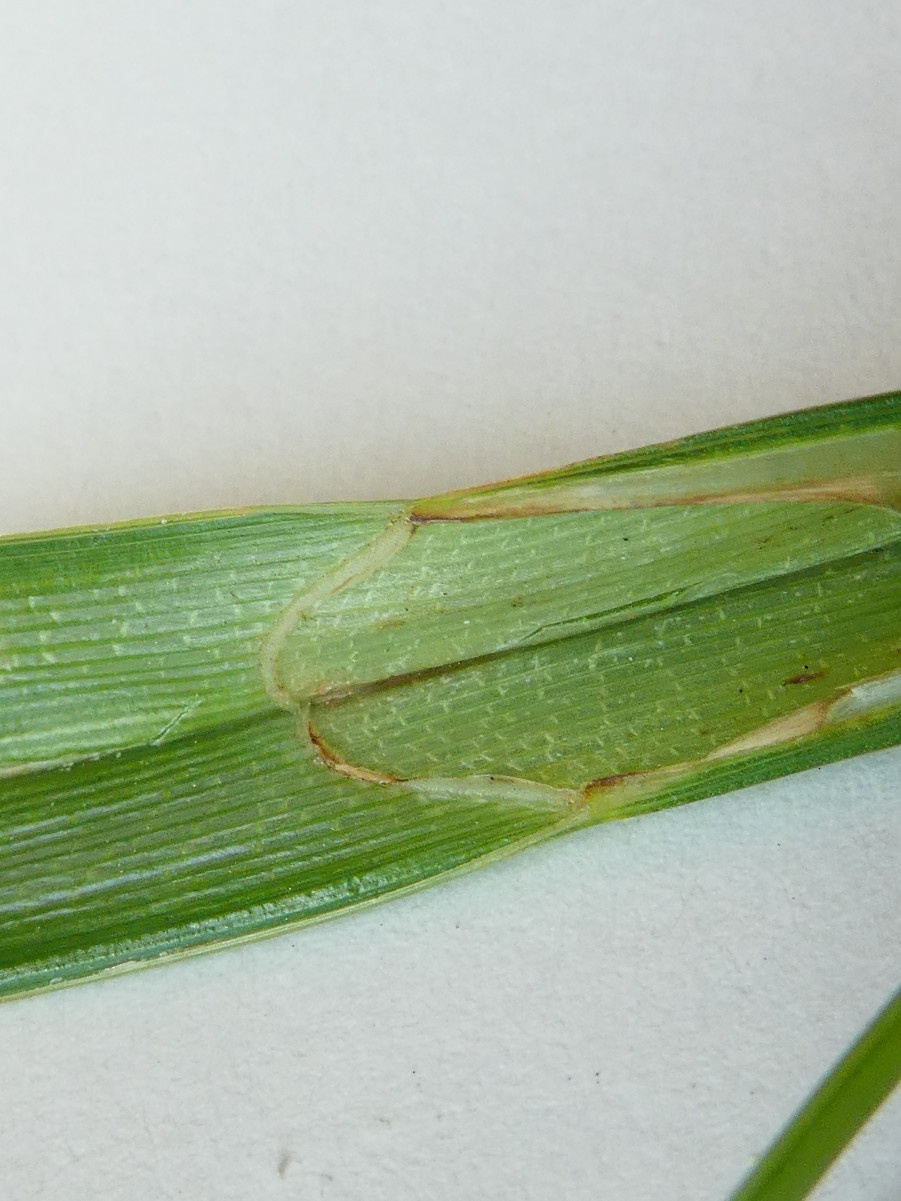
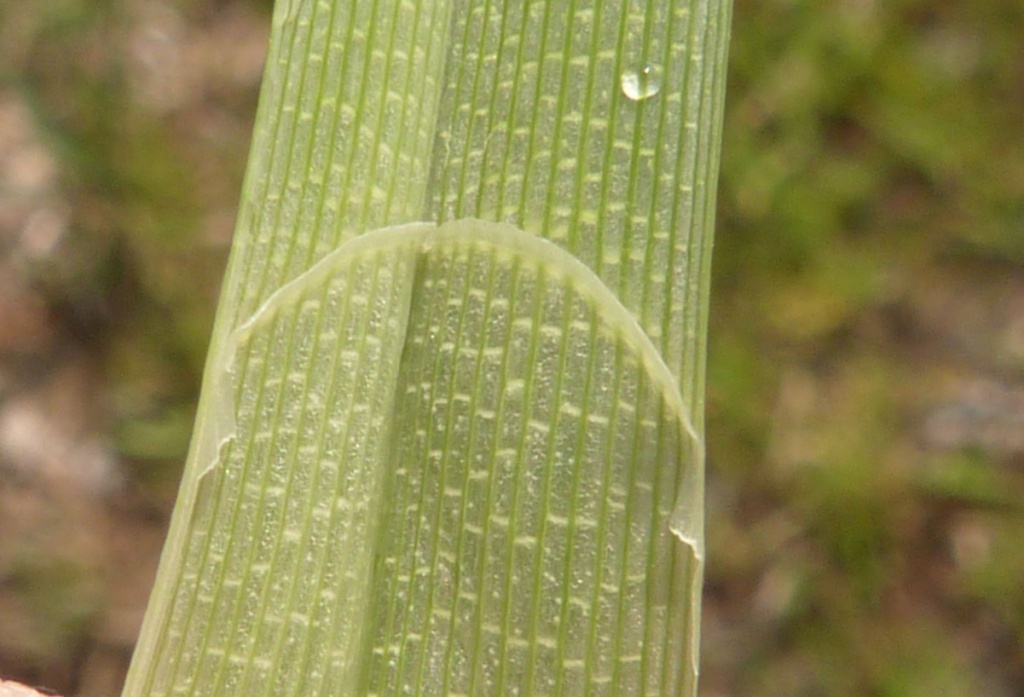
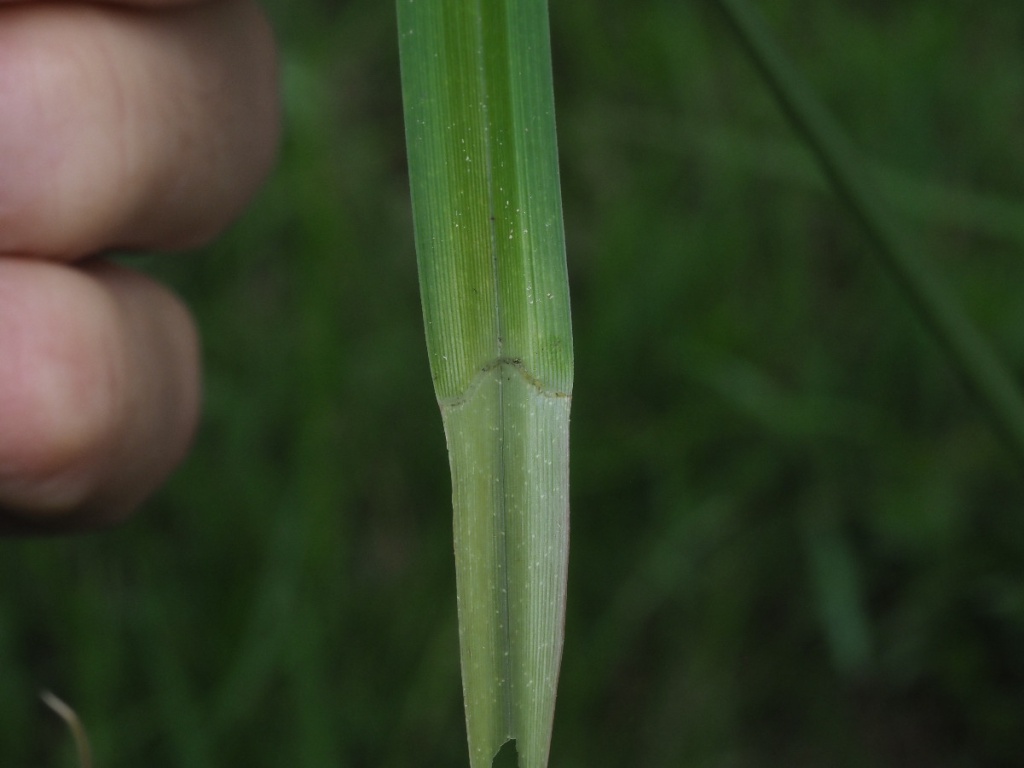
broad and obtuse ligule Near the 'Wash Pit' Sapcote SP 4850 9366 (taken 5.5.2008),.JPG) Graham Calow
Graham Calow
Wash Pit, Sapcote
05 May 2008
flowering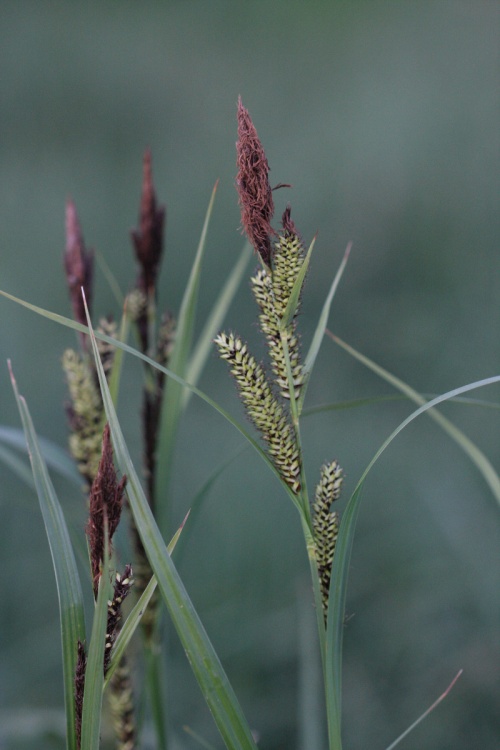 David Nicholls
Evington Park
25 May 2012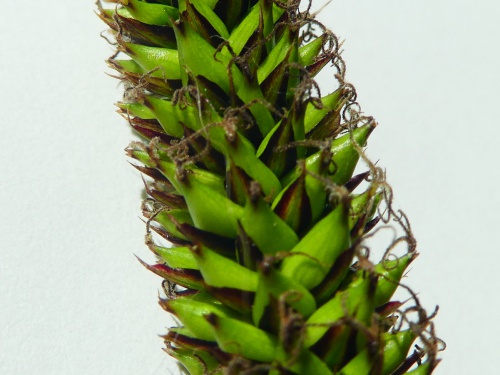 Melinda Bell
Snarestone,Ashby Canal
08 June 2021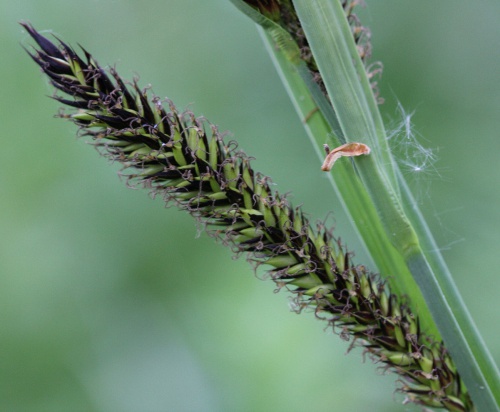 David Nicholls
Desford
25 May 2015 Near the 'Wash Pit' Sapcote SP 4850 9366 (taken 15.6.2008),.JPG) Graham Calow
Graham Calow
Wash Pit, Sapcote
05 May 2008
fruits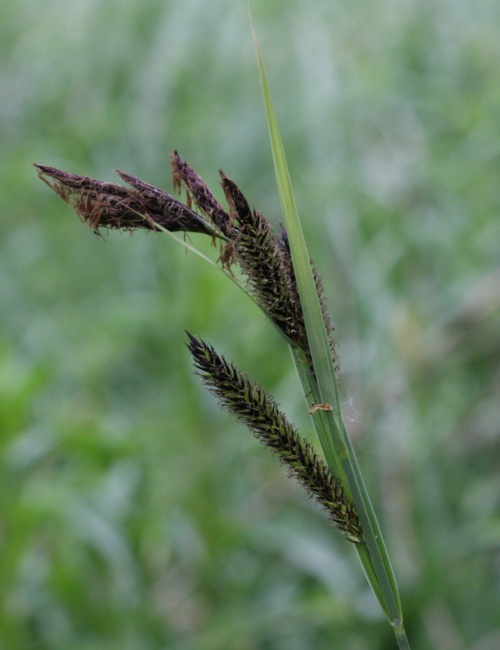 David Nicholls
Desford
25 May 2015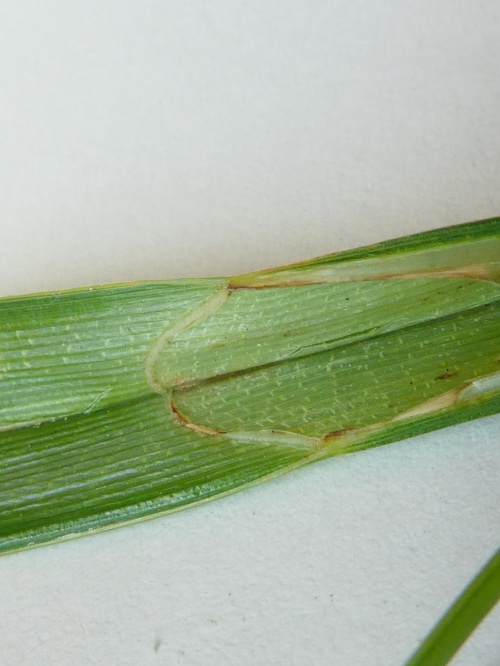 Melinda Bell
Snarestone,Ashby Canal
08 June 2021
ligule on 12 mm width leaf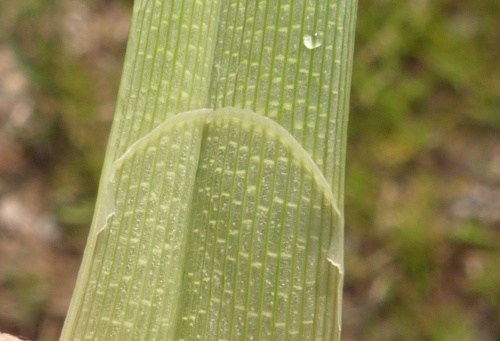 Graham Calow
Sapcote, Near The Washpit
09 April 2020
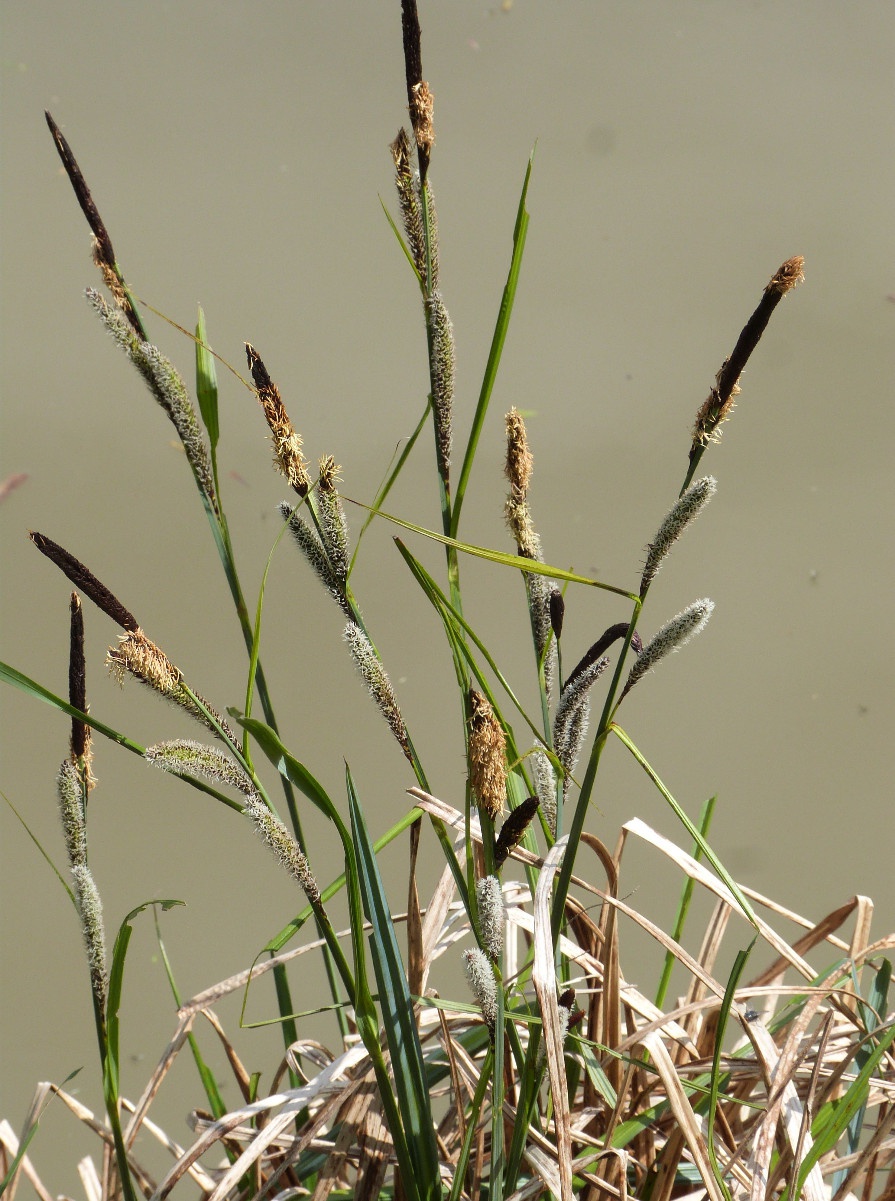
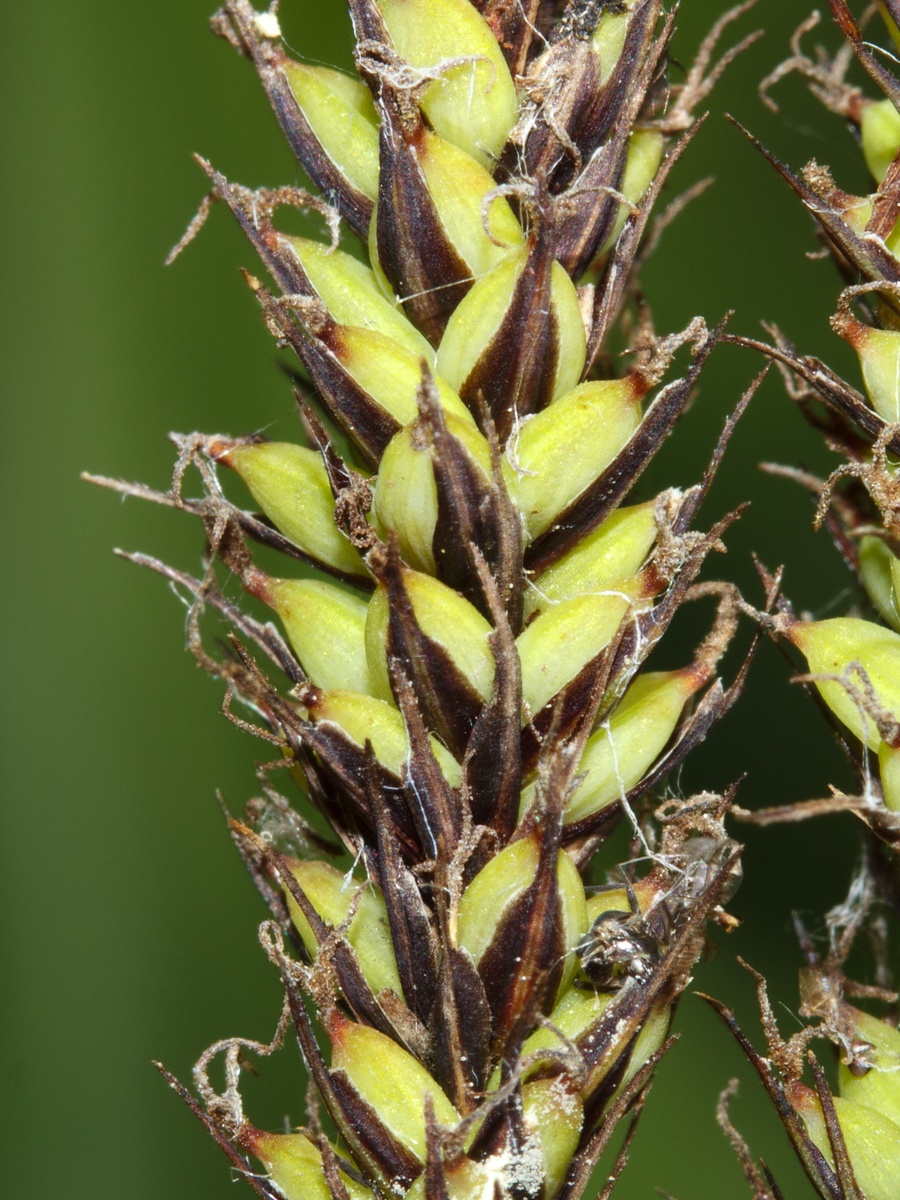

 Near the 'Wash Pit' Sapcote SP 4850 9366 (taken 5.5.2008),.JPG)
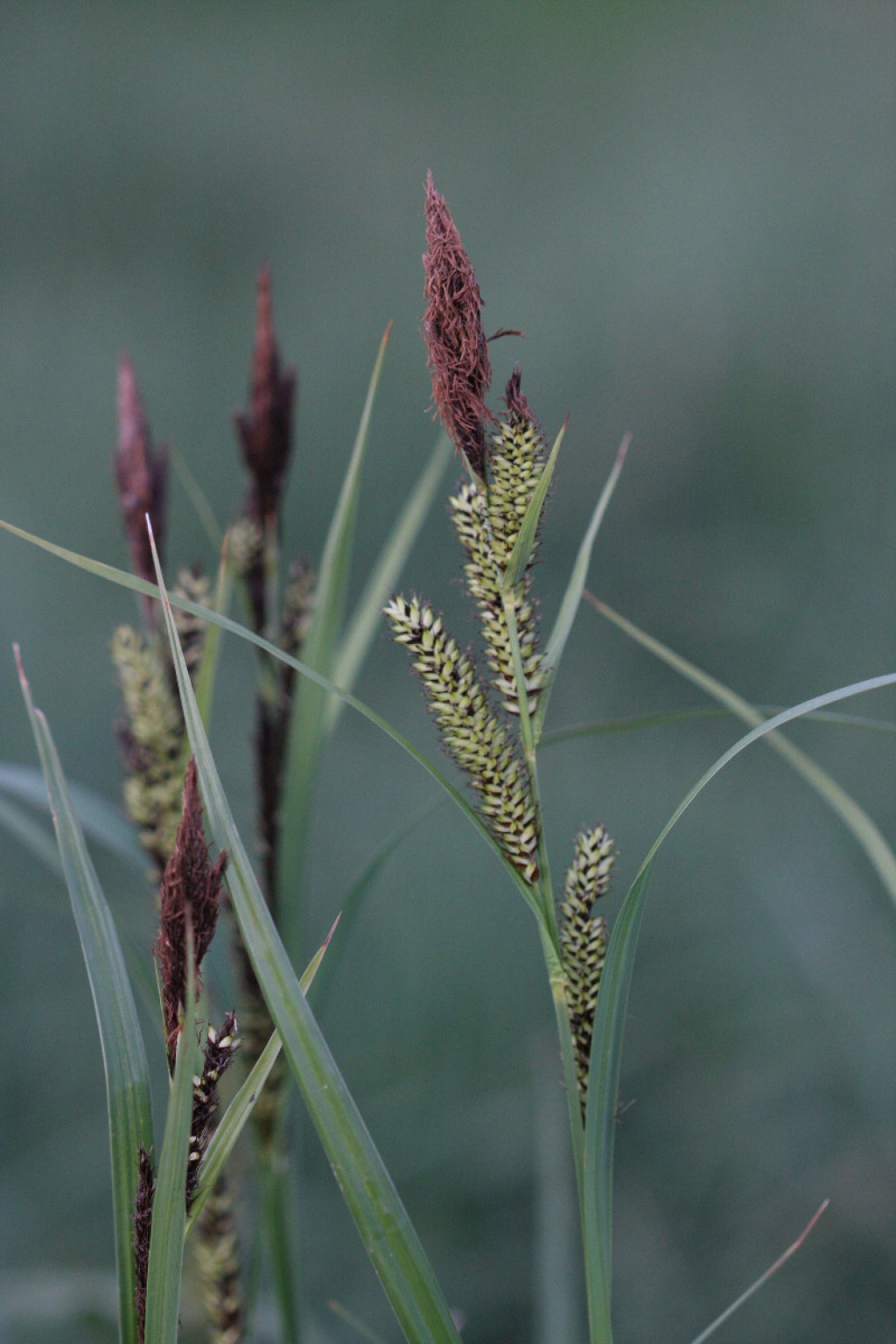
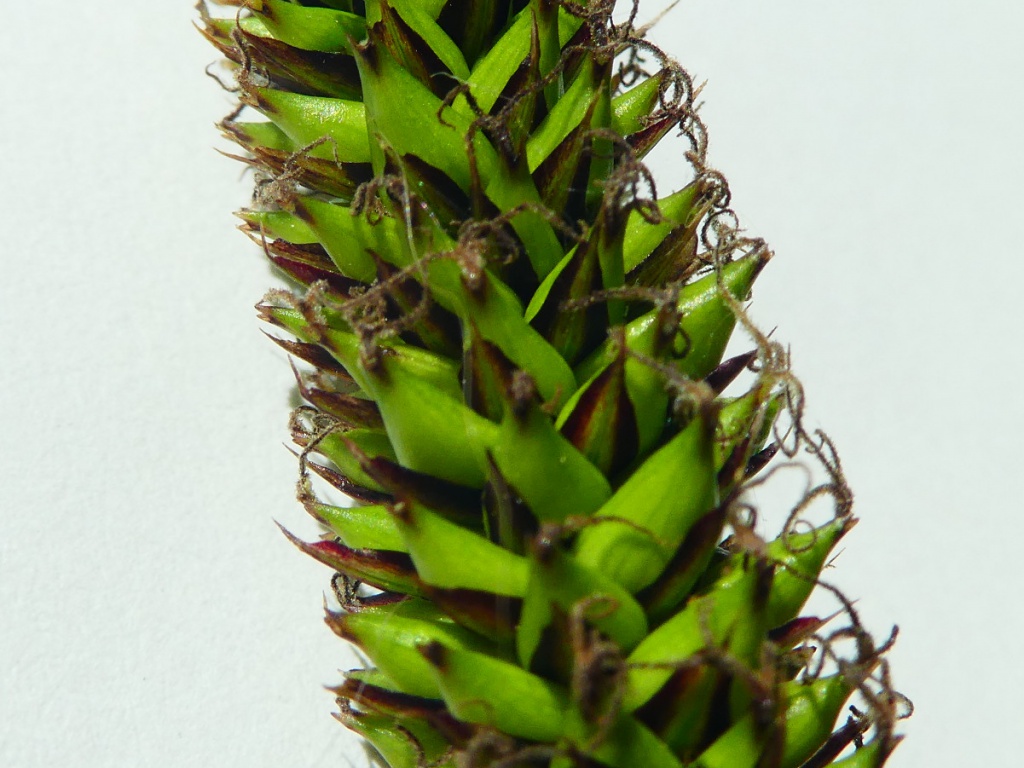
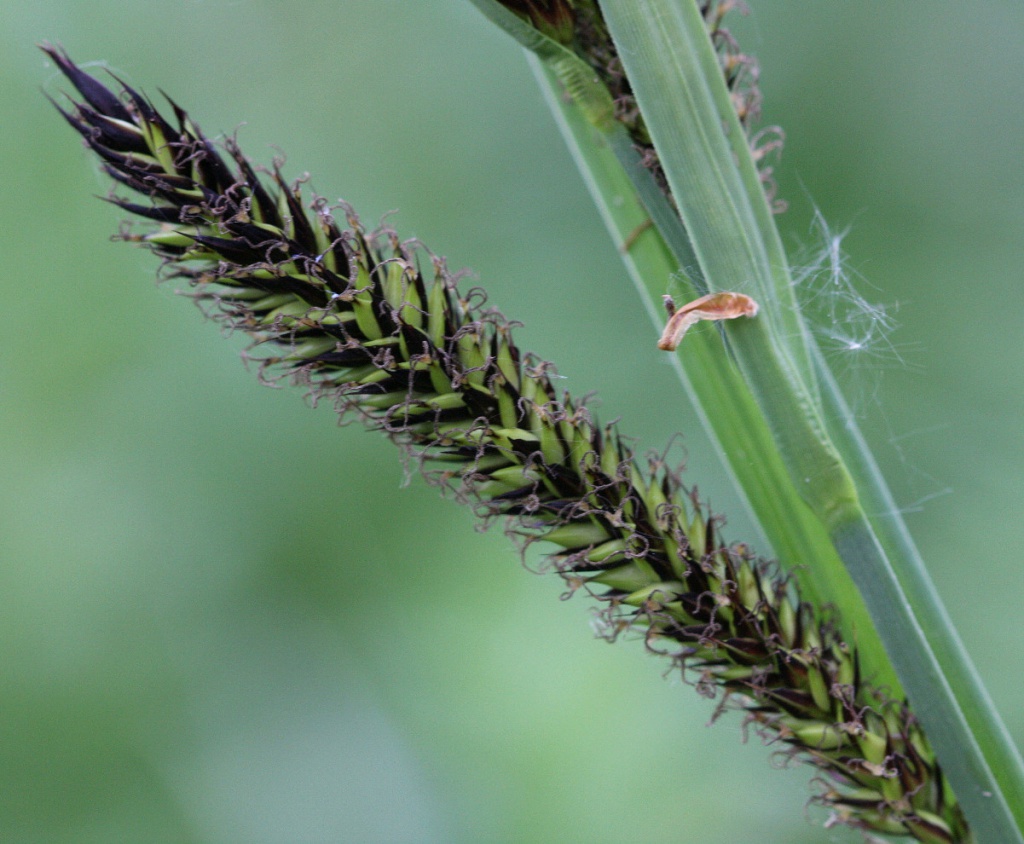
 Near the 'Wash Pit' Sapcote SP 4850 9366 (taken 15.6.2008),.JPG)

Leicestershire & Rutland Map
Enter a town or village to see local records
MAP KEY:
Yellow squares = NBN records (all known data)
Coloured circles = NatureSpot records: 2025+ | 2020-2024 | pre-2020
UK Map
Species profile
- Common names
- Greater Pond-sedge, Great Pond-Sedge
- Species group:
- flowering plant
- Kingdom:
- Plantae
- Order:
- Poales
- Family:
- Cyperaceae
- Records on NatureSpot:
- 60
- First record:
- 21/06/2001 (Jane McPhail;John Kramer)
- Last record:
- 16/05/2025 (Calow, Graham)
Total records by month
% of records within its species group
10km squares with records
The latest images and records displayed below include those awaiting verification checks so we cannot guarantee that every identification is correct. Once accepted, the record displays a green tick.
In the Latest Records section, click on the header to sort A-Z, and again to sort Z-A. Use the header boxes to filter the list.
Latest images
Latest records
 Saharima Roenisch
Evington Park
12 April 2017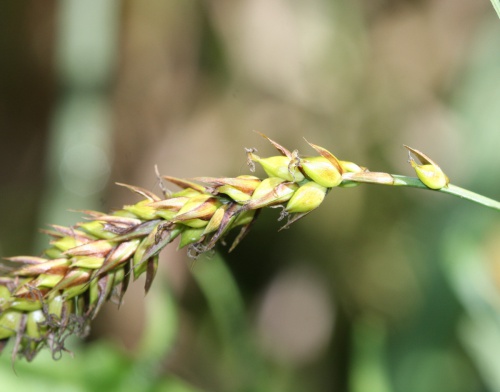 David Nicholls
The Brand, Woodhouse
15 June 2013 David Nicholls
Desford
25 May 2015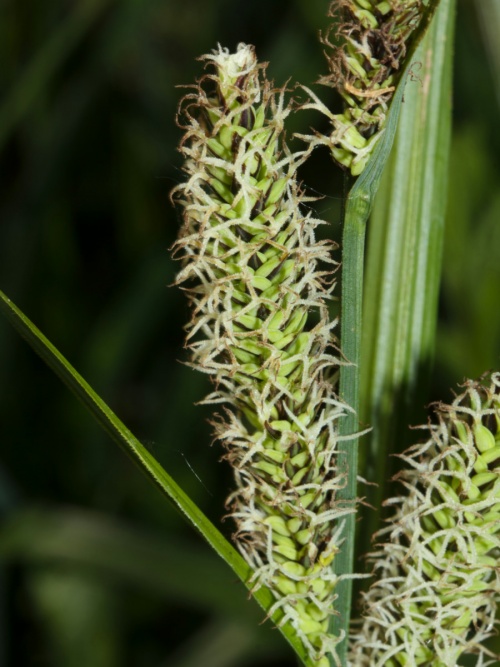 HAPeacock
St Mary's Mill
25 May 2012 Old Fosse Sapcote SP 5013 9260 (taken 1.5.2006).JPG) Graham Calow
Graham Calow
Sapcote
01 May 2006
young flower spike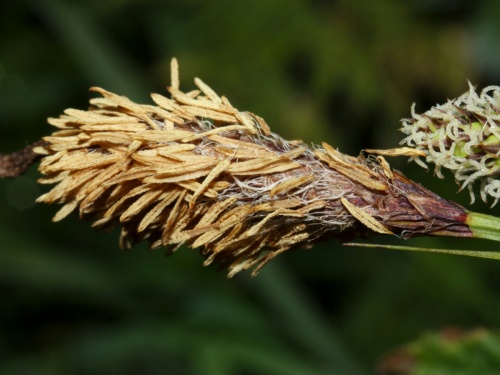 HAPeacock
River Soar - St Mary's Mill
25 May 2012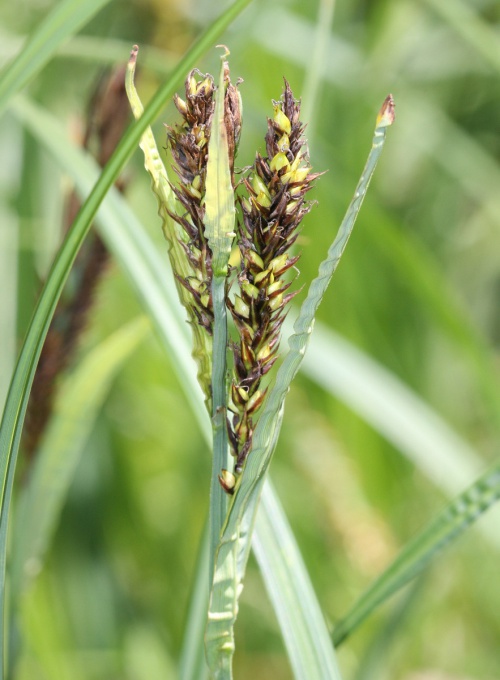 David Nicholls
The Brand, Woodhouse
15 June 2013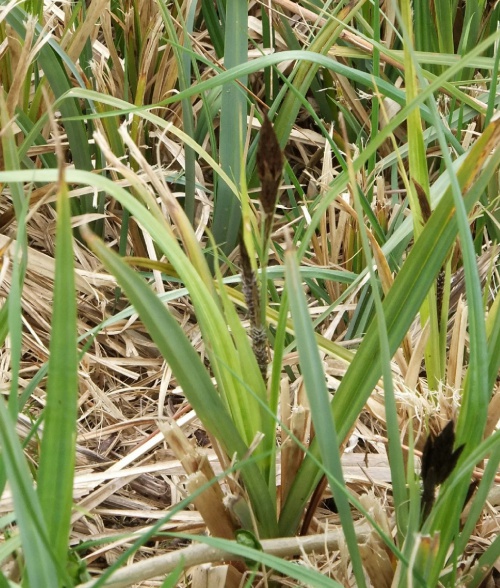 Ron.stevens
CromfordnWay Pond
24 April 2013 Near the 'Wash Pit' Sapcote SP 4850 9366 (taken 5.5.2008).JPG) Graham Calow
Graham Calow
Wash Pit, Sapcote
05 May 2008
flowering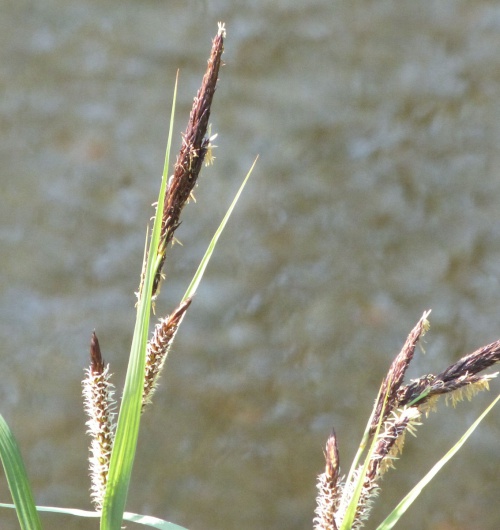 Graham Calow
Off Wood Road, near Nailstone
12 May 2016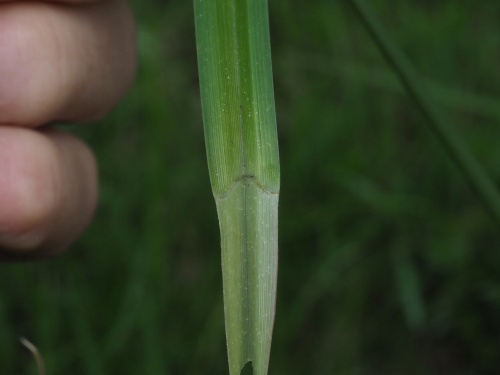 David Nicholls
Lea Meadows NR
15 May 2023
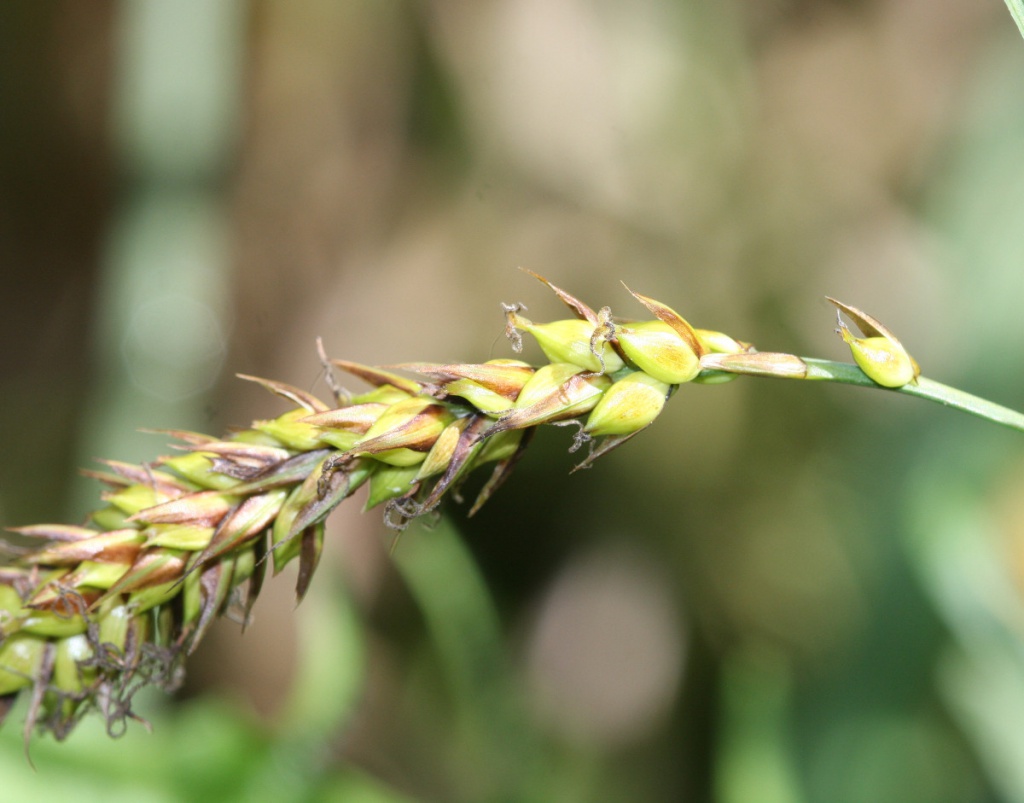


 Old Fosse Sapcote SP 5013 9260 (taken 1.5.2006).JPG)

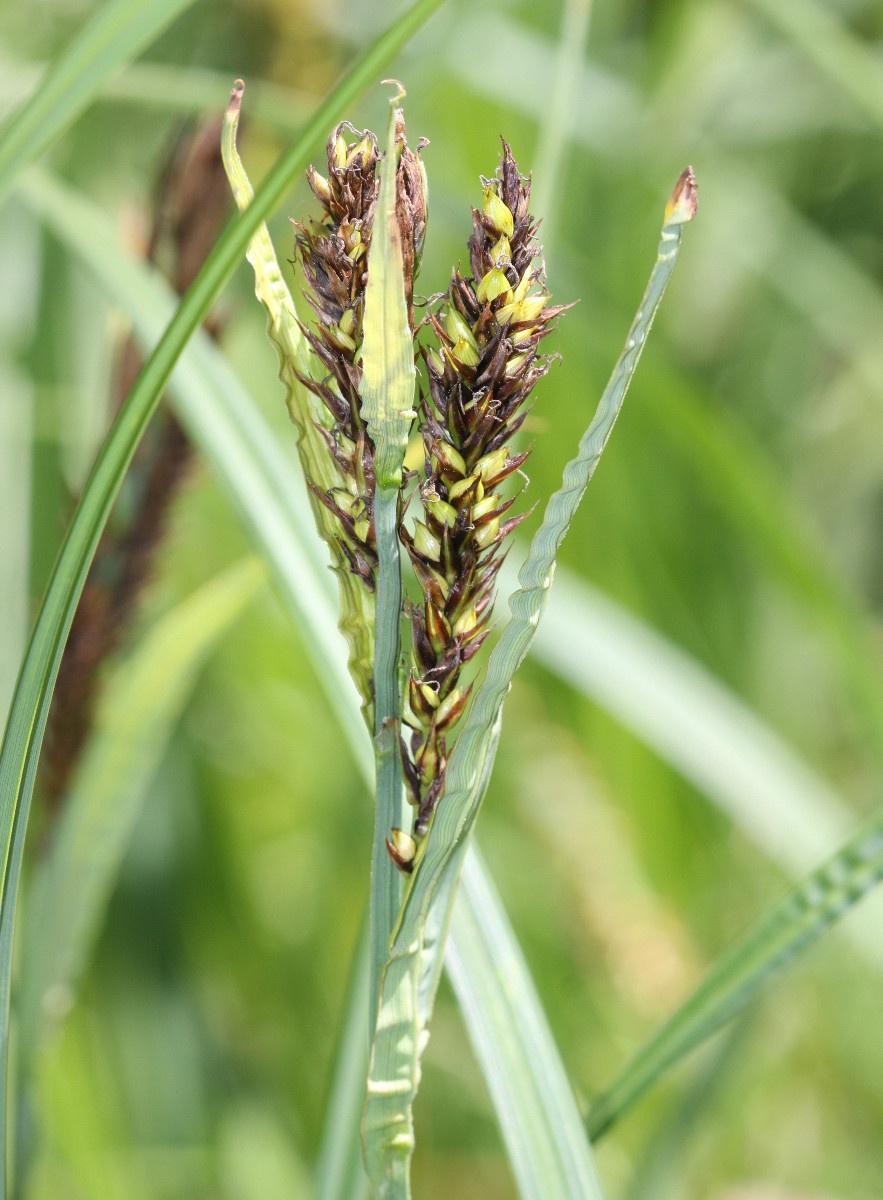

 Near the 'Wash Pit' Sapcote SP 4850 9366 (taken 5.5.2008).JPG)

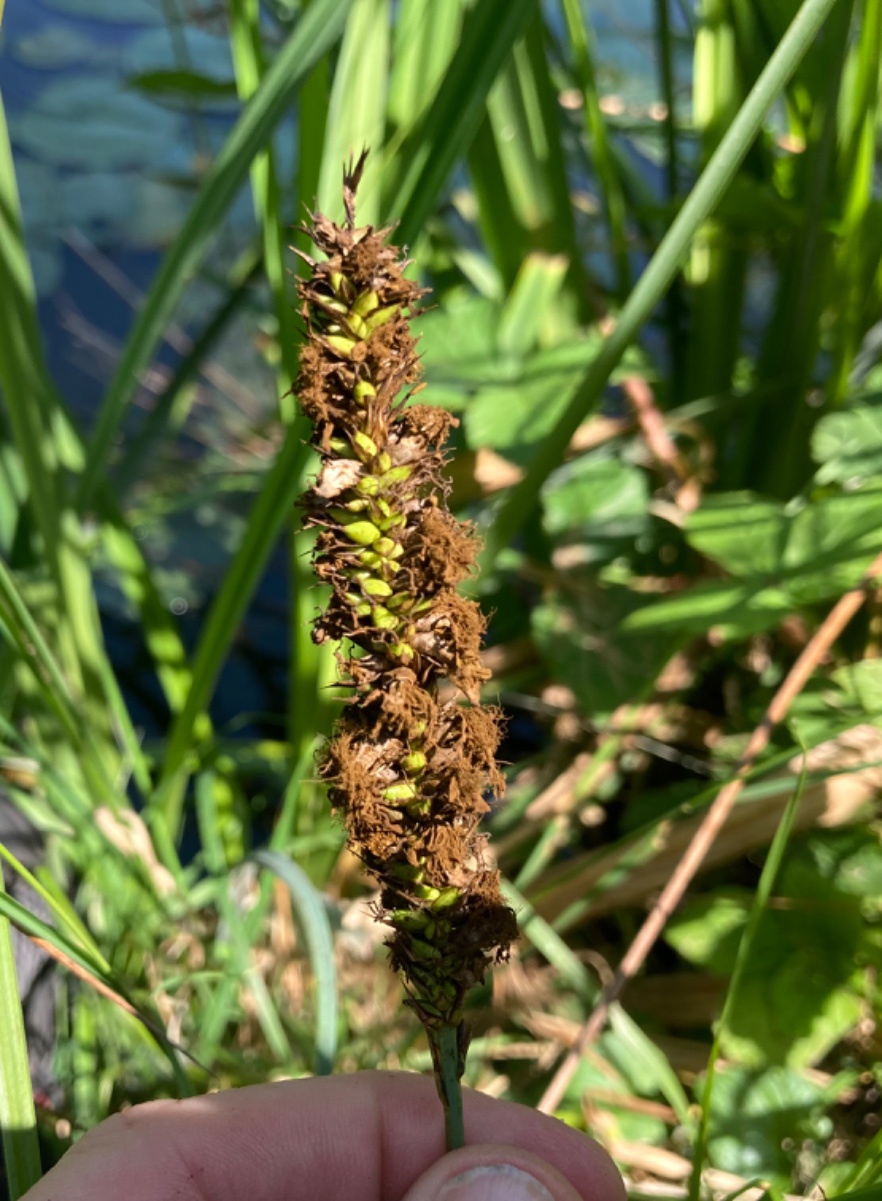
Farysia thuemenii
The smut fungus Farysia thuemenii infects some, but not all, female flowers of Greater Pond-sedge and Pendulous sedge, within the inflorescence, producing masses of olivaceous brown spores and long, pale, straw-coloured elaters conspicuously projecting from the female spikes. Spores are 6-11 µm x 4-6 µm and are finely verruculose.