

Fat-hen - Chenopodium album
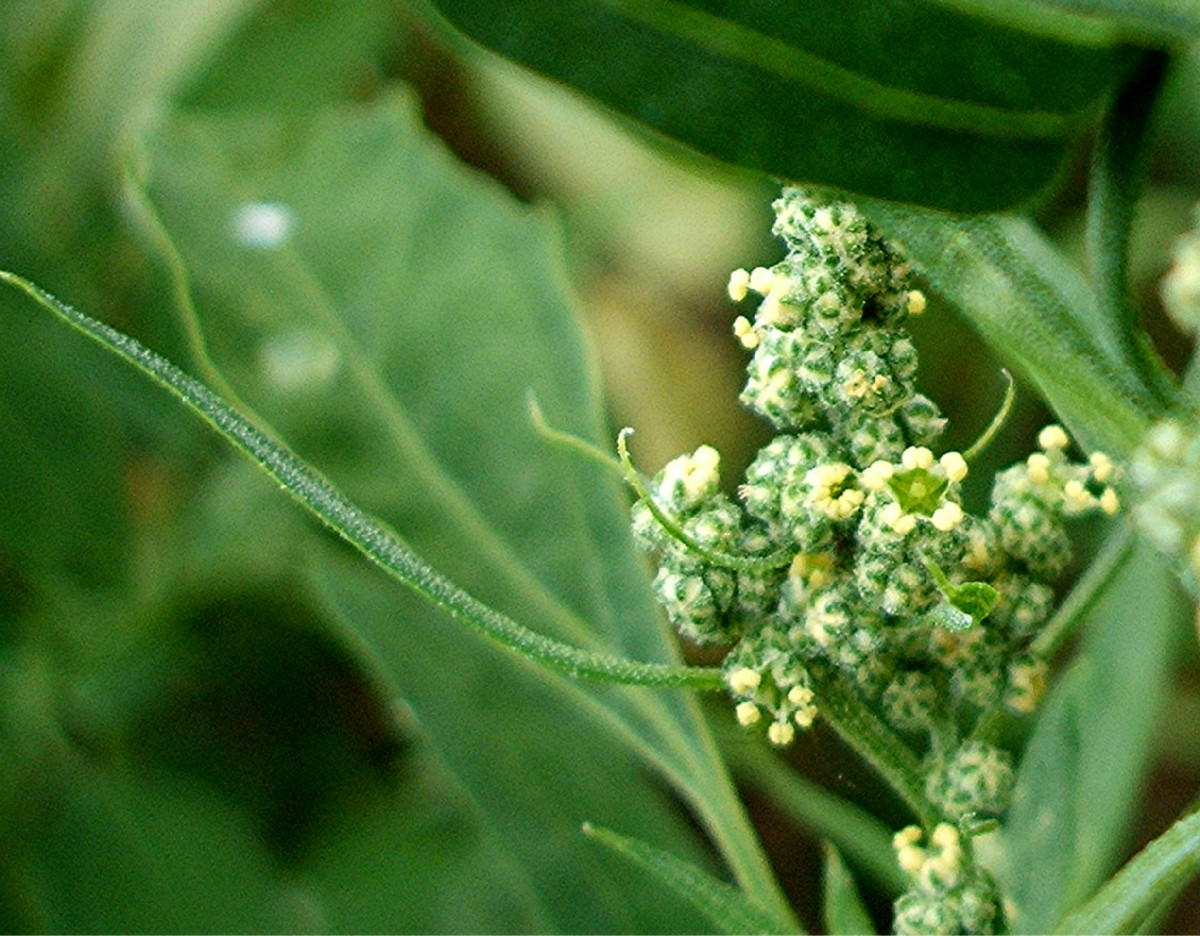
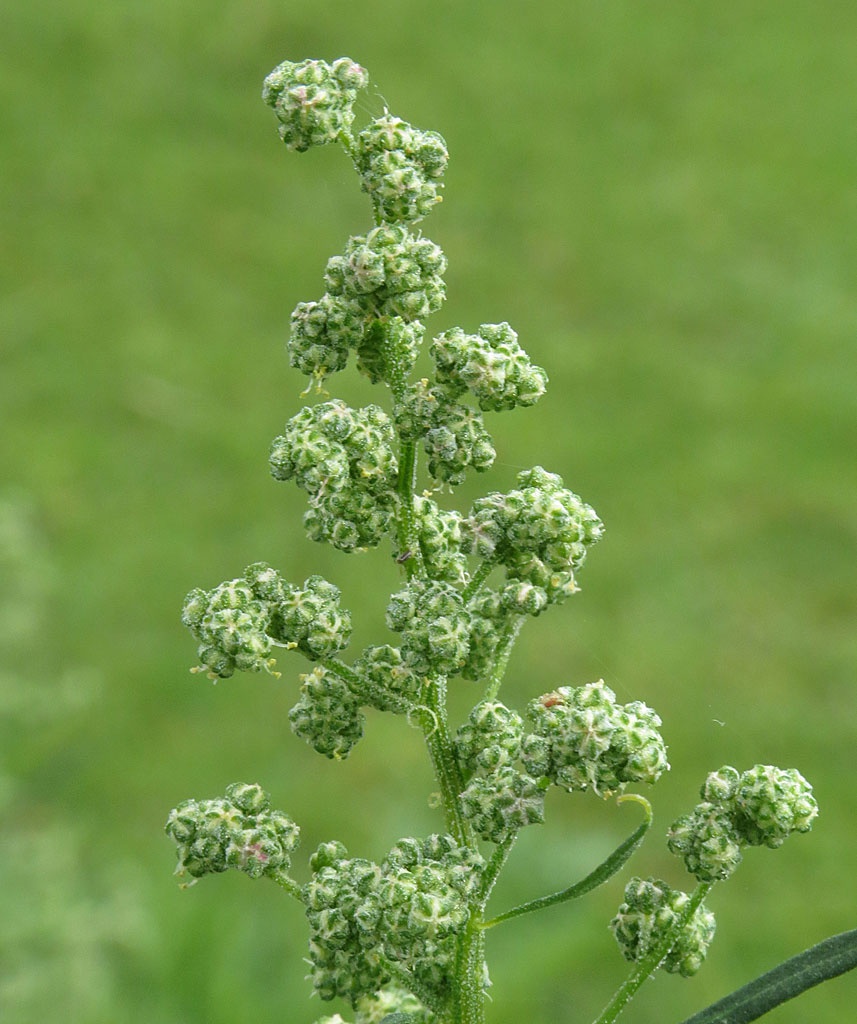
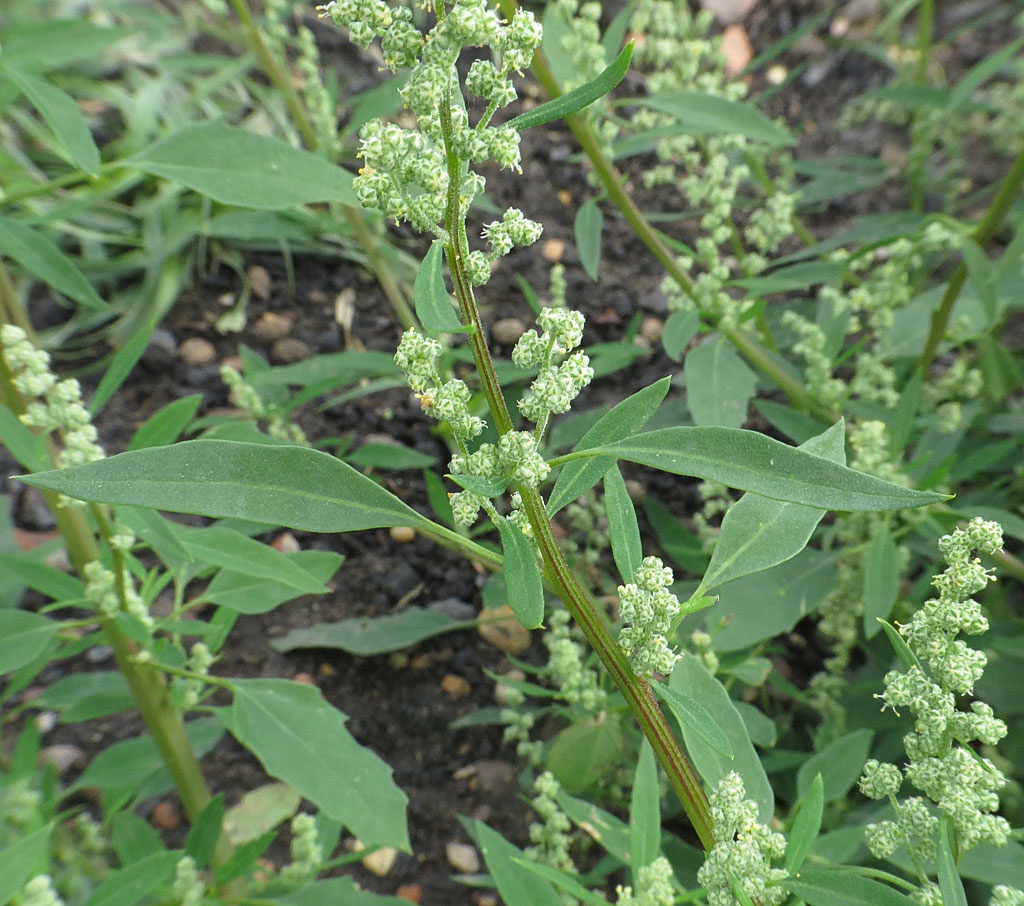
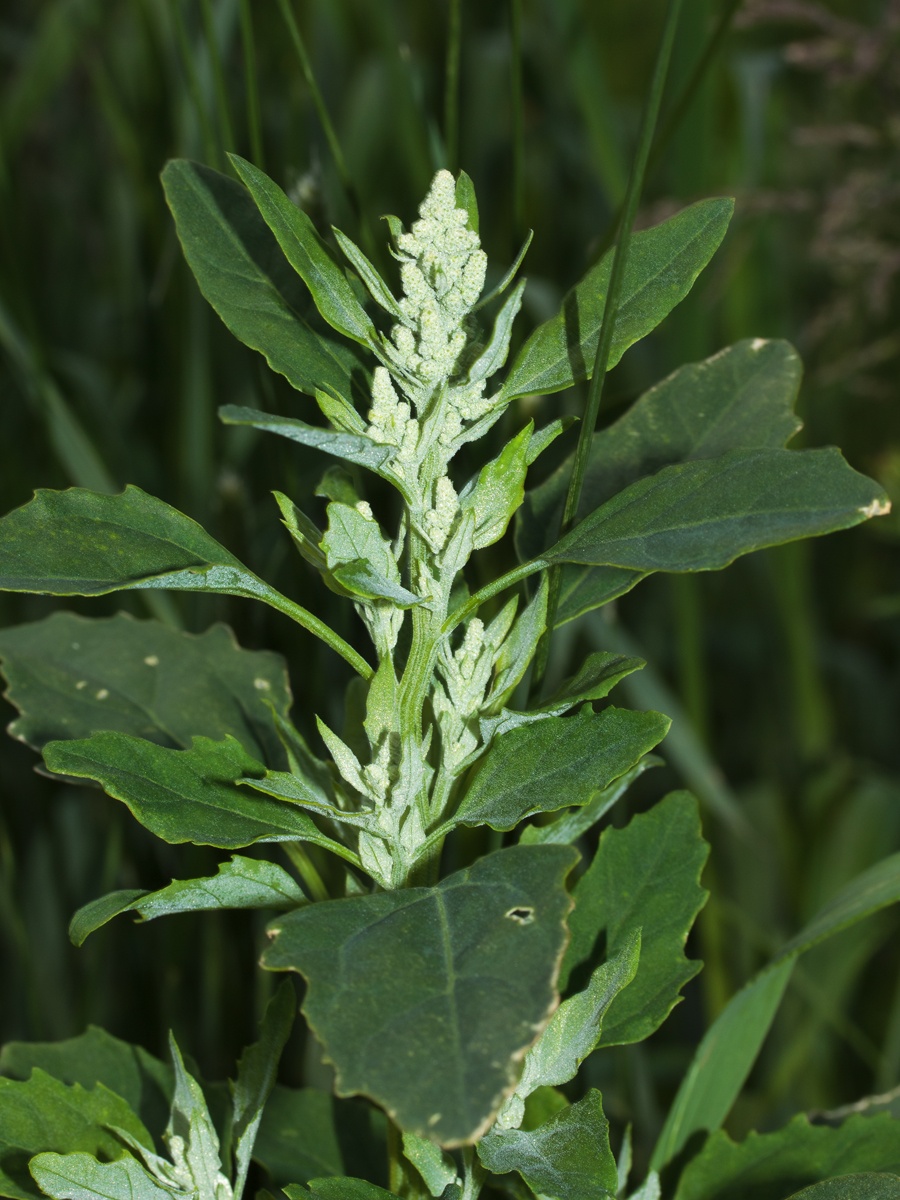
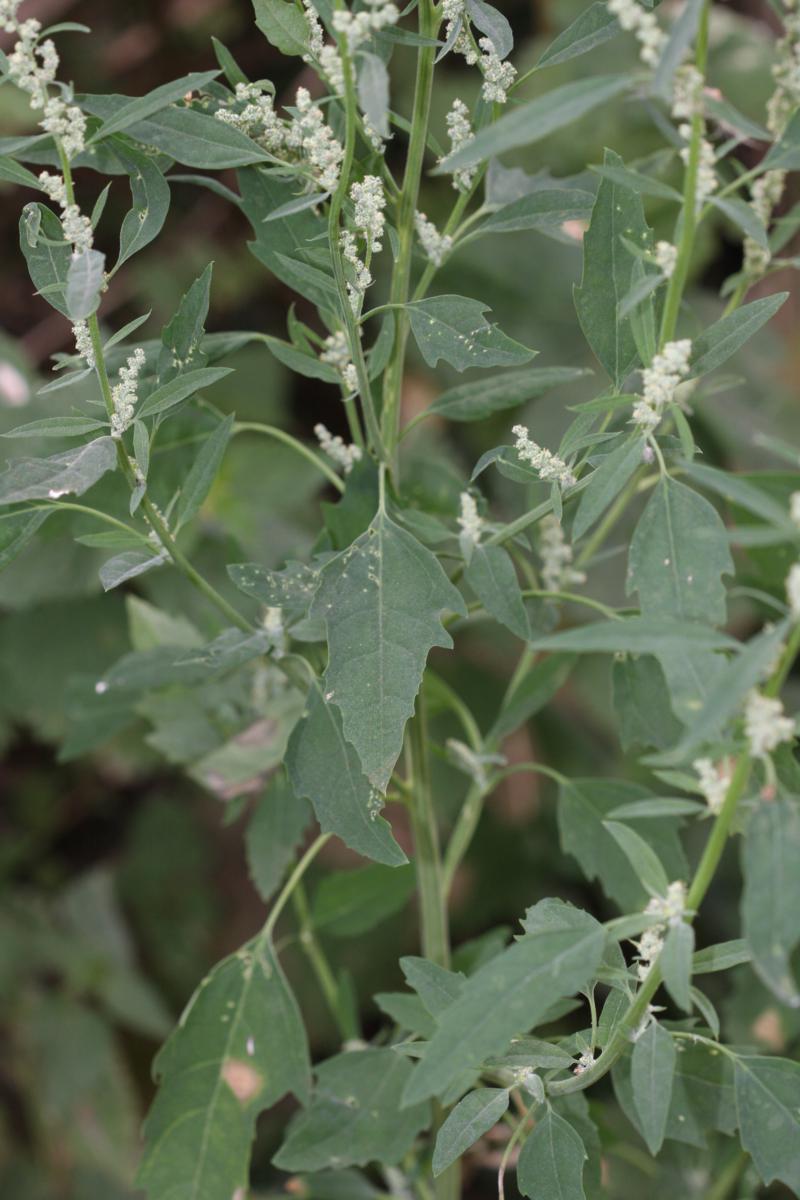
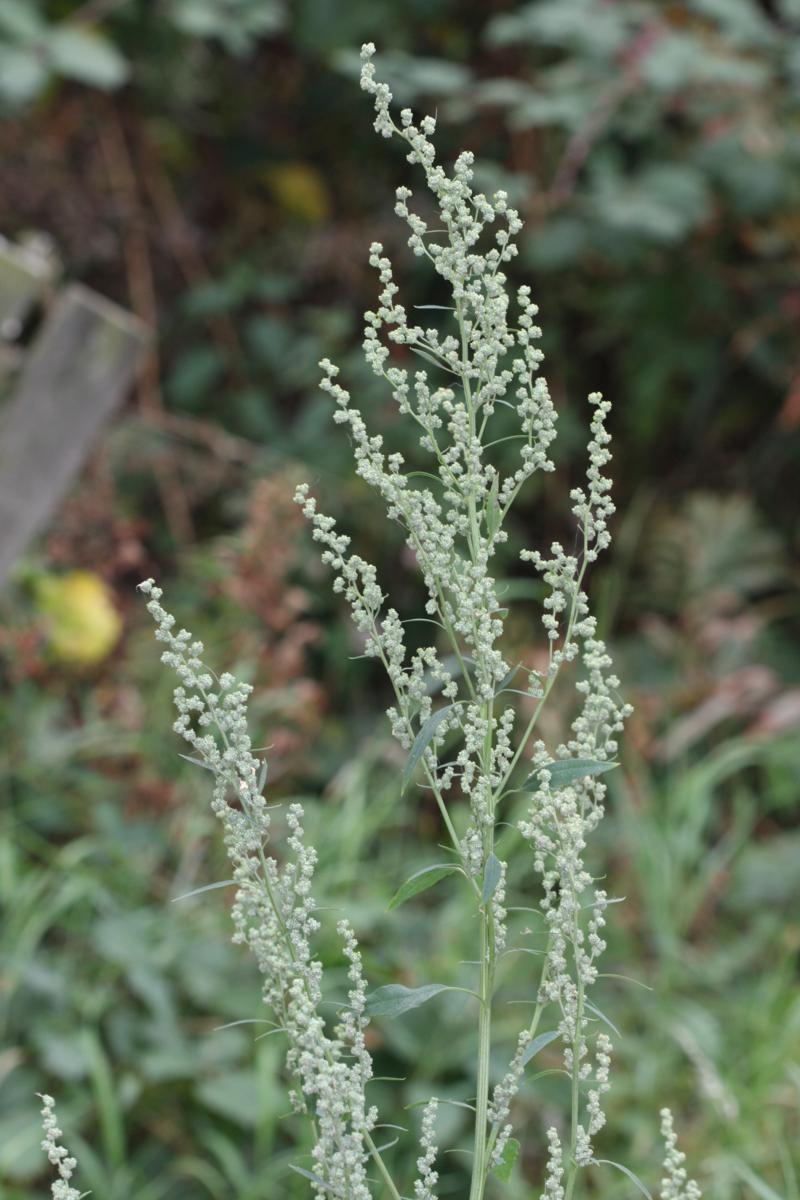
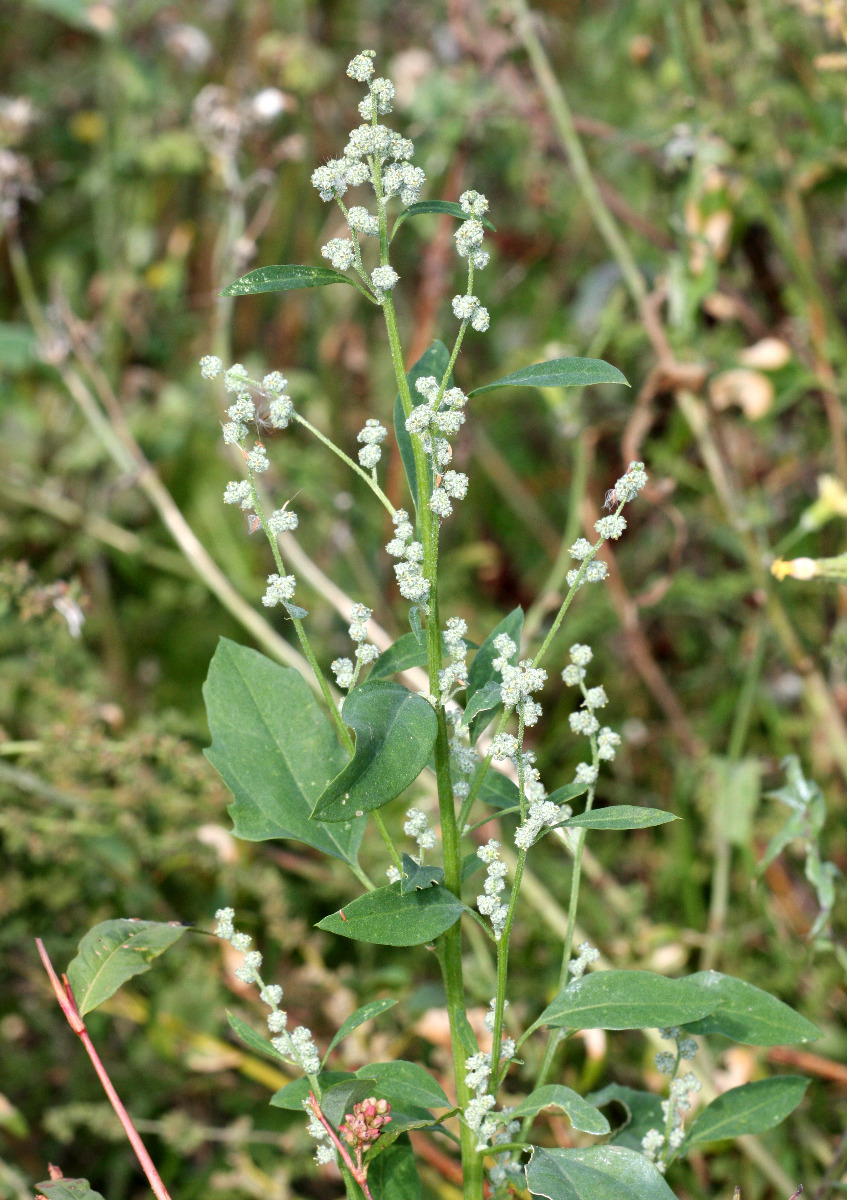
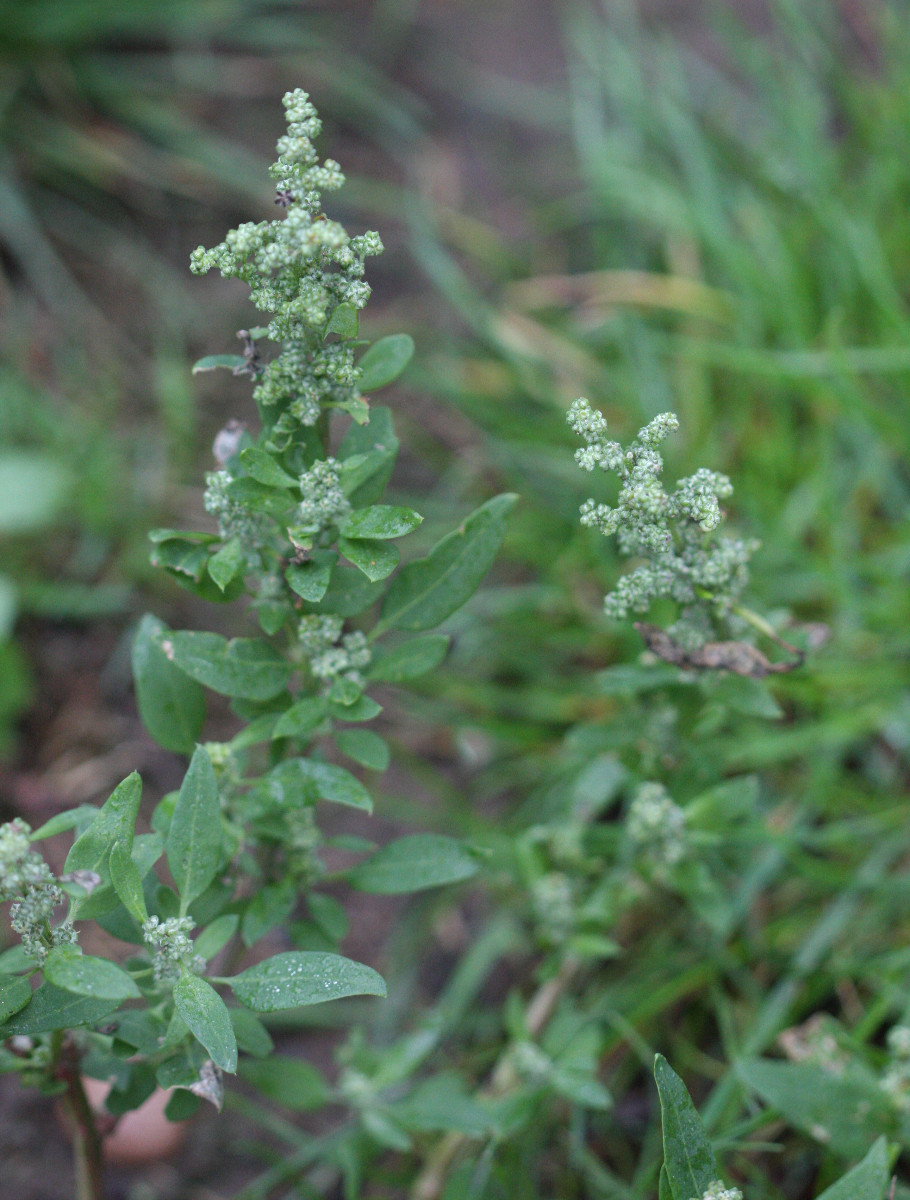
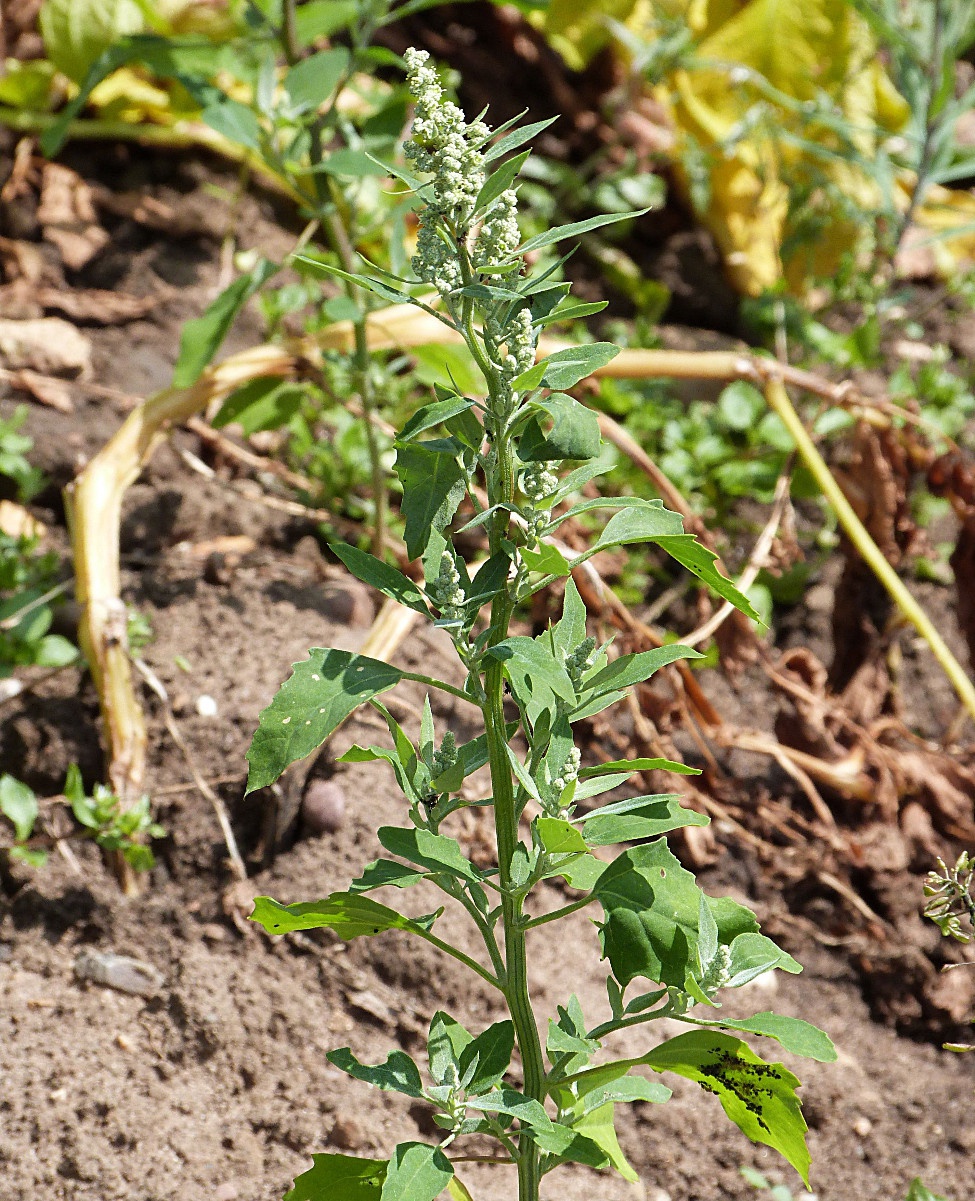
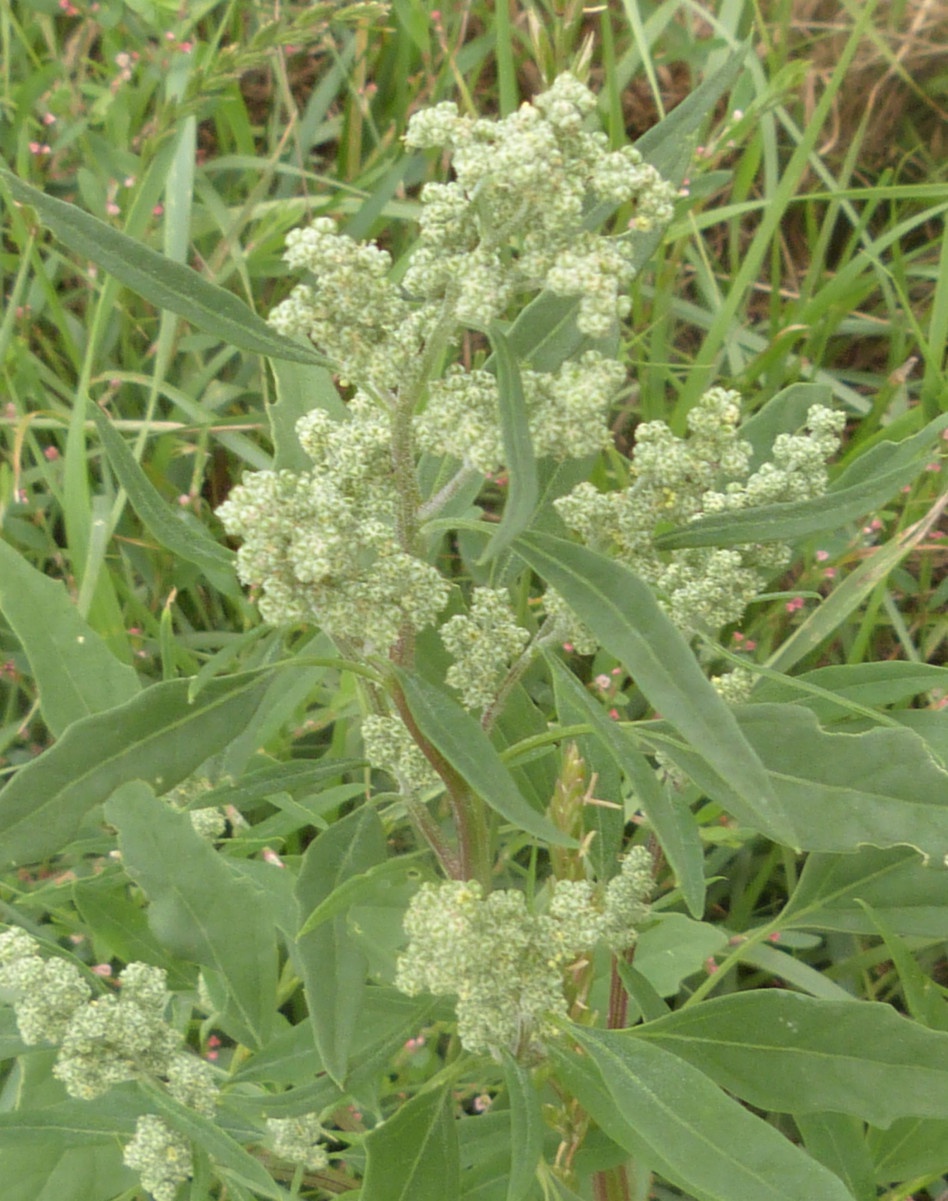
Variable, medium to tall dark green very mealy plant. Leaves variable, diamond shaped to lanceolate. Flowers tiny, green, in a leafy spike or panicle.
Other goosefoots - e.g. Fig-leaved and Maple-leaved Goosefoot. Young orache plants can be similar. Other alien species have been recorded in VC55 in the past; when in doubt the key in Stace (4th edn.) should be referred to.
Fat-hen is very variable. Stace (4th edn.) lists 6 similar species which are doubtfully segregated; they may be forms or subspecies of C album.

Very variable in leaf shape, height, mealiness, etc. Leaves cuneate at base; lower leaves usually toothed/lobed; flowers and small branchlets mealy.
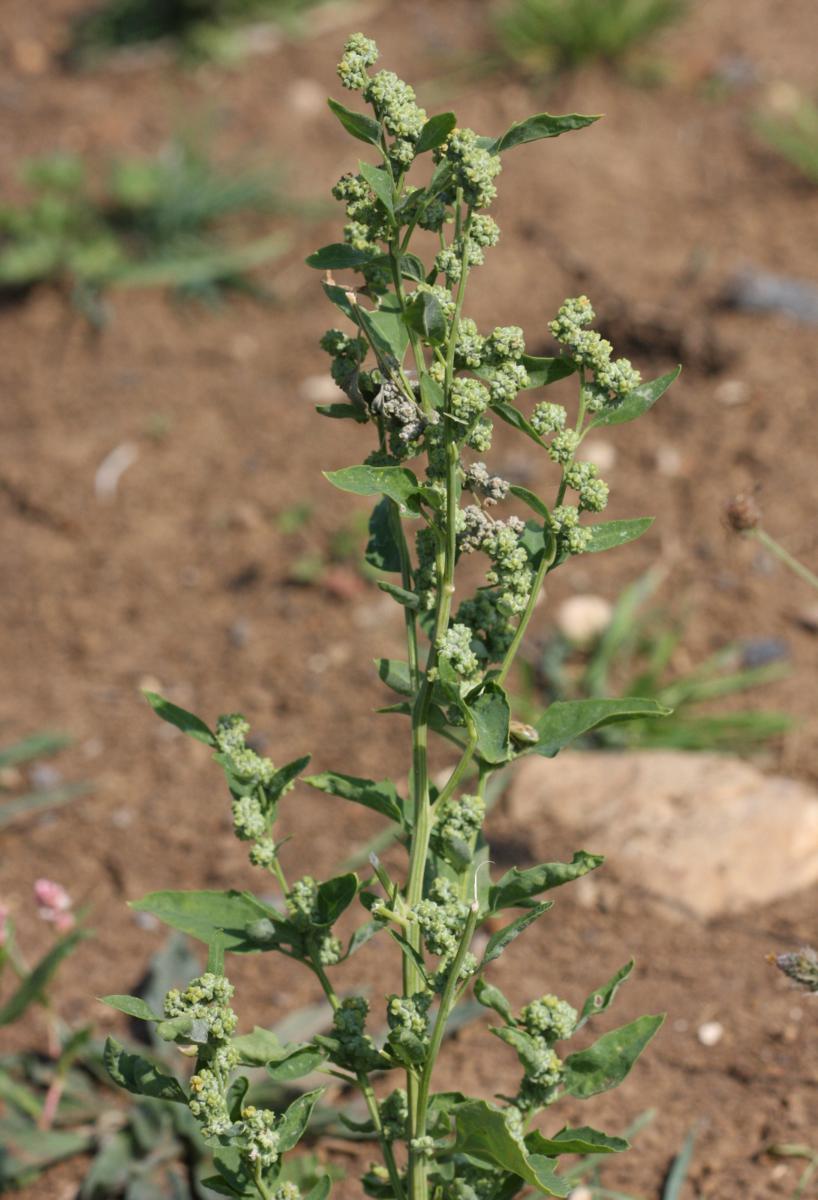
A photograph of the whole plant
Waste ground, arable land, gardens, manure heaps and farmyards.
June to October.
Annual.
Common throughout most of Britain.
Common in Leicestershire and Rutland. In the 1979 Flora survey of Leicestershire it was found in 527 of the 617 tetrads.
 Field by Granitethorpe Footpath Sapcote SP 4919 9384 (taken 5.7.2006).JPG) Graham Calow
Graham Calow
Sapcote
05 July 2006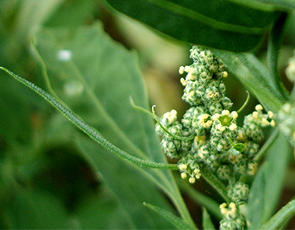 Graham Calow
Sapcote
05 July 2006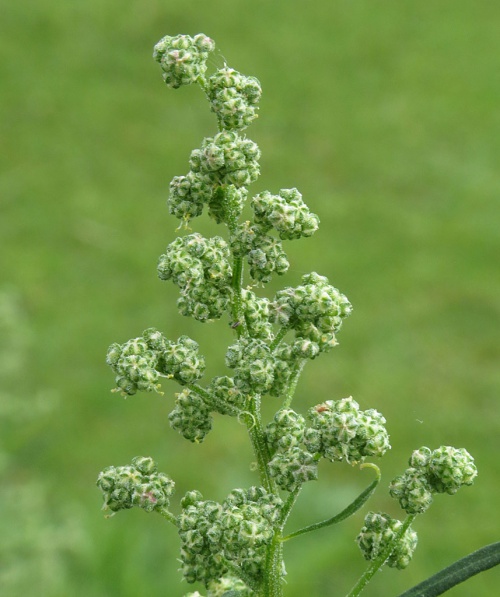 David Gould
Aylestone Meadows
15 August 2014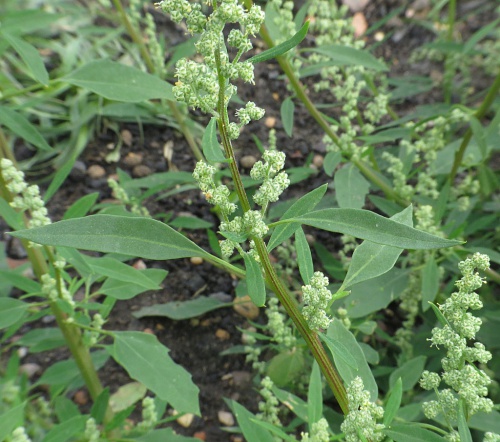 David Gould
Aylestone Meadows
15 August 2014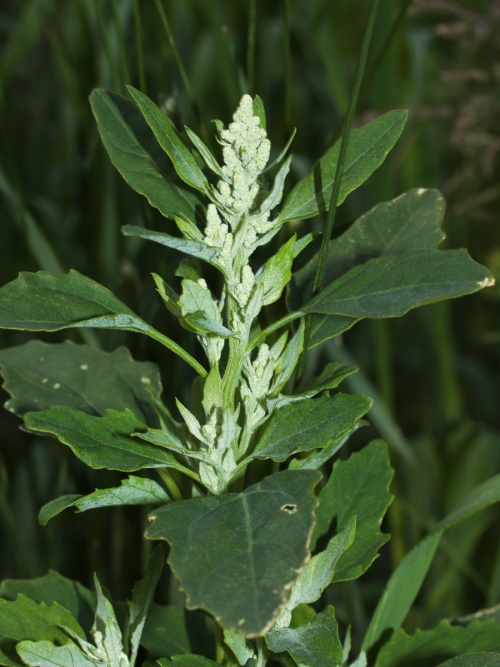 HAPeacock
Gilroes Cemetery Extension
19 June 2012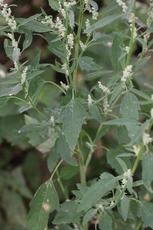 David Nicholls
Ratby
04 October 2009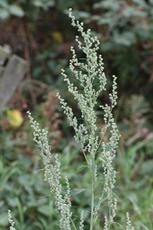 David Nicholls
Ratby
04 October 2009
 Field by Granitethorpe Footpath Sapcote SP 4919 9384 (taken 5.7.2006).JPG)
Leicestershire & Rutland Map
Enter a town or village to see local records
MAP KEY:
Yellow squares = NBN records (all known data)
Coloured circles = NatureSpot records: 2025+ | 2020-2024 | pre-2020
UK Map
Species profile
- Common names
- Fat-hen
- Species group:
- flowering plant
- Kingdom:
- Plantae
- Order:
- Caryophyllales
- Family:
- Amaranthaceae
- Records on NatureSpot:
- 123
- First record:
- 05/07/2006 (Calow, Graham)
- Last record:
- 02/09/2025 (Pugh, Dylan)
Total records by month
% of records within its species group
10km squares with records
The latest images and records displayed below include those awaiting verification checks so we cannot guarantee that every identification is correct. Once accepted, the record displays a green tick.
In the Latest Records section, click on the header to sort A-Z, and again to sort Z-A. Use the header boxes to filter the list.
Latest images
Latest records
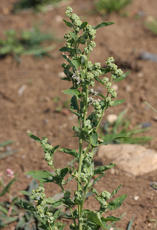 David Nicholls
Ullesthorpe Stewardship Farm
02 September 2011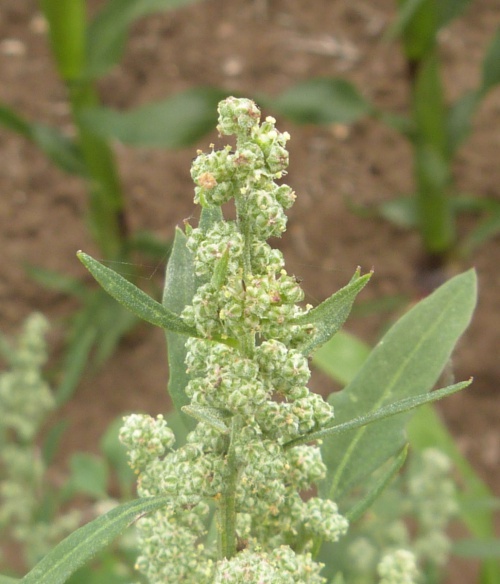 Graham Calow
Frolesworth
23 July 2015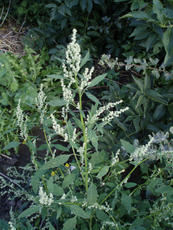 Alan Semper
Harby Nature Reserve
05 September 2011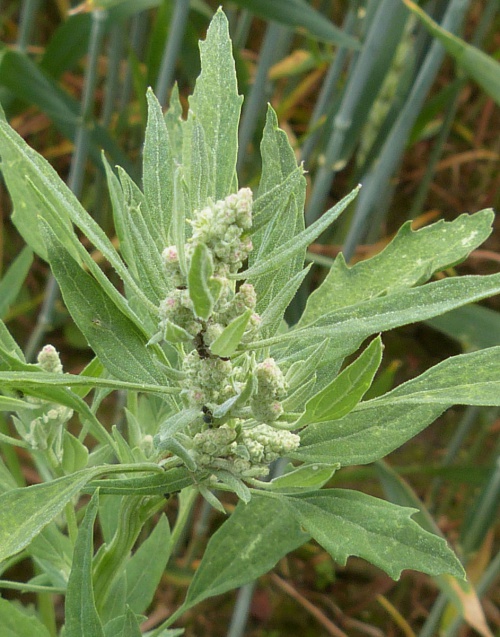 Graham Calow
Higham on the Hill
04 July 2015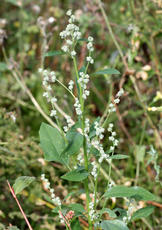 David Nicholls
County Hall
03 October 2011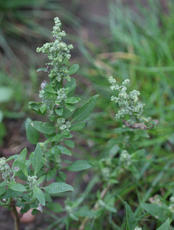 David Nicholls
Ratby, Markfield Road
05 November 2011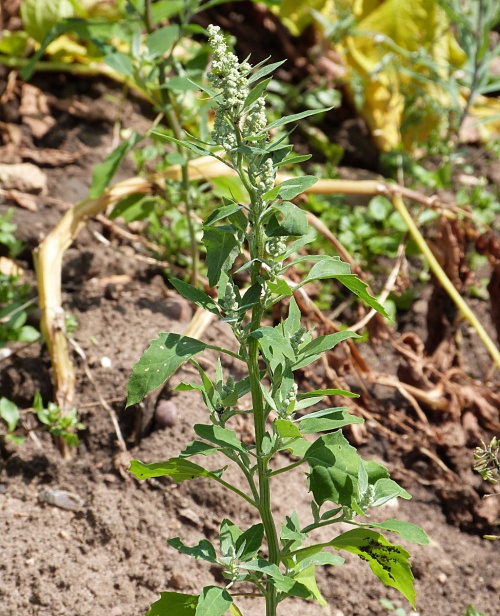 Graham Calow
Higham on the Hill
25 July 2015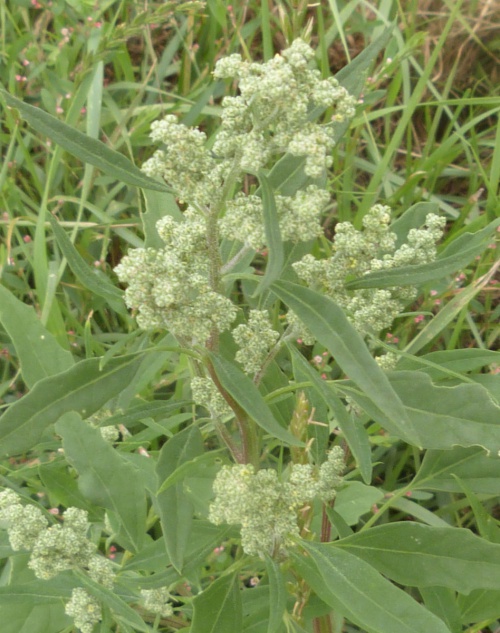 Graham Calow
Leire Road, Frolesworth
23 July 2015
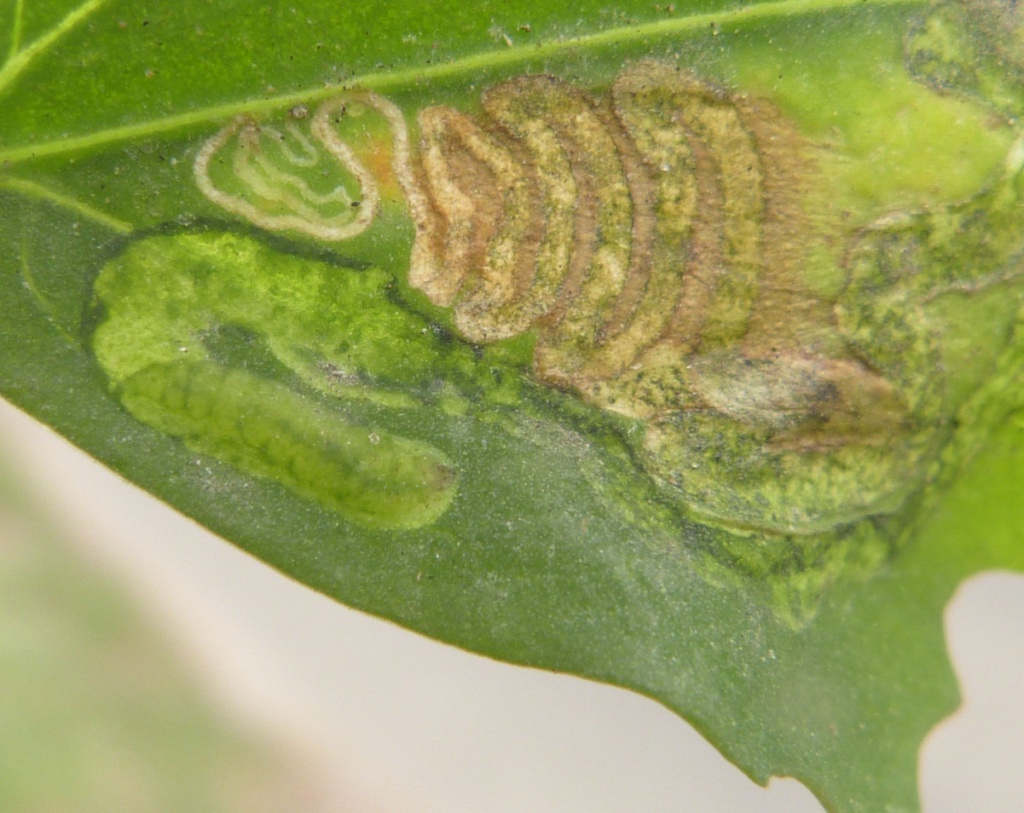
Chrysoesthia drurella
Chrysoesthia drurella is a small but brightly coloured moth species. The larva mines the leaves of Goosefoot (Chenopodium) and Orache (Atriplex) and others in this family, forming a contorted gallery, usually with intestine-like loops.
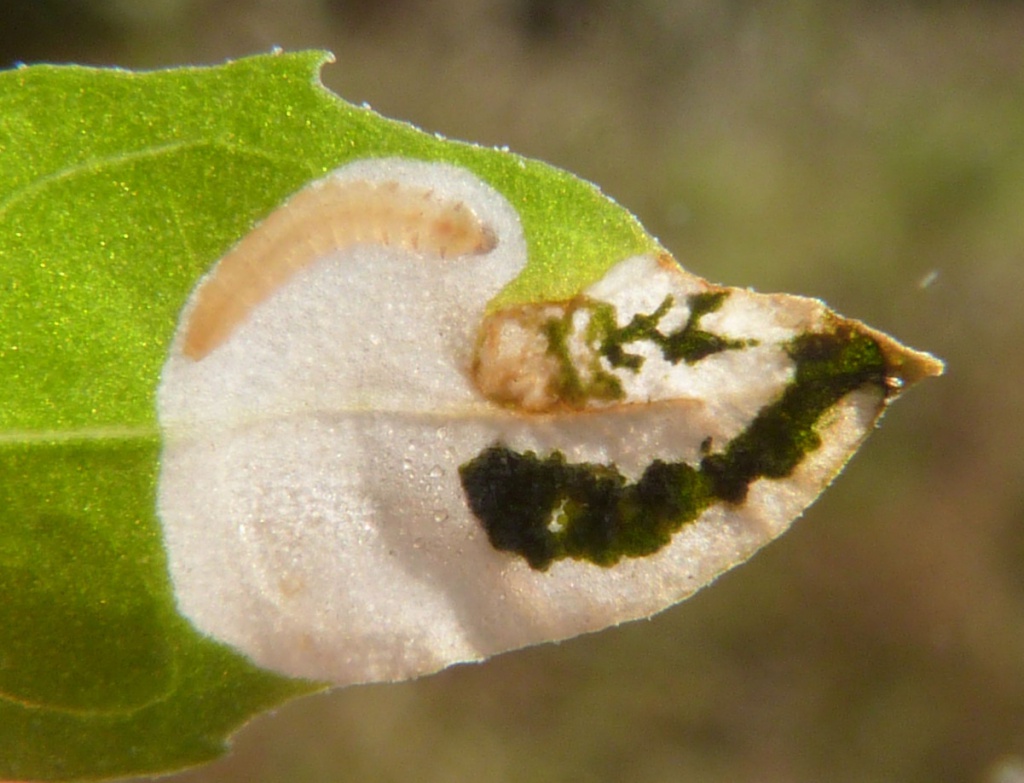
Chrysoesthia sexguttella
The larva of the moth Chrysoesthia sexguttella mines the leaves of Goosefoot (Chenopodium) and Orache (Atriplex) and other plants in this family, creating a clear blotch mine with black frass in large lumps.
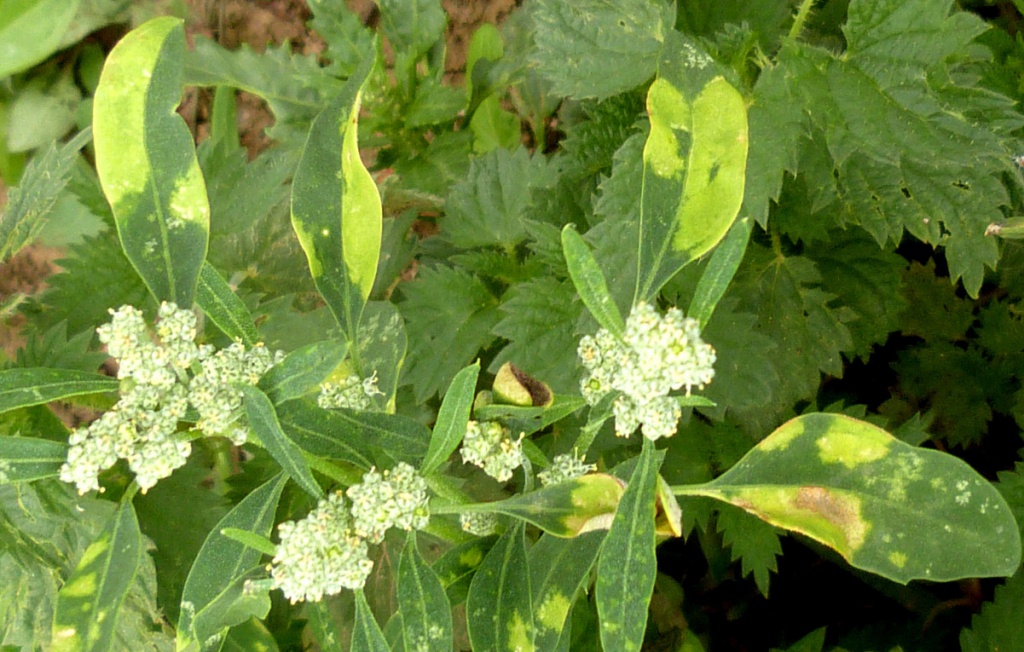
Peronospora farinosa s. lat.
Peronospora farinosa can cause yellowish swellings on the leaf blade of the host plants in the family Amaranthaceae, such as Fat-hen and Oraches, often affecting several leaves of the same plant. The affected leaves can become swollen and slightly distorted. This downy mildew can also have a purplish tinge.
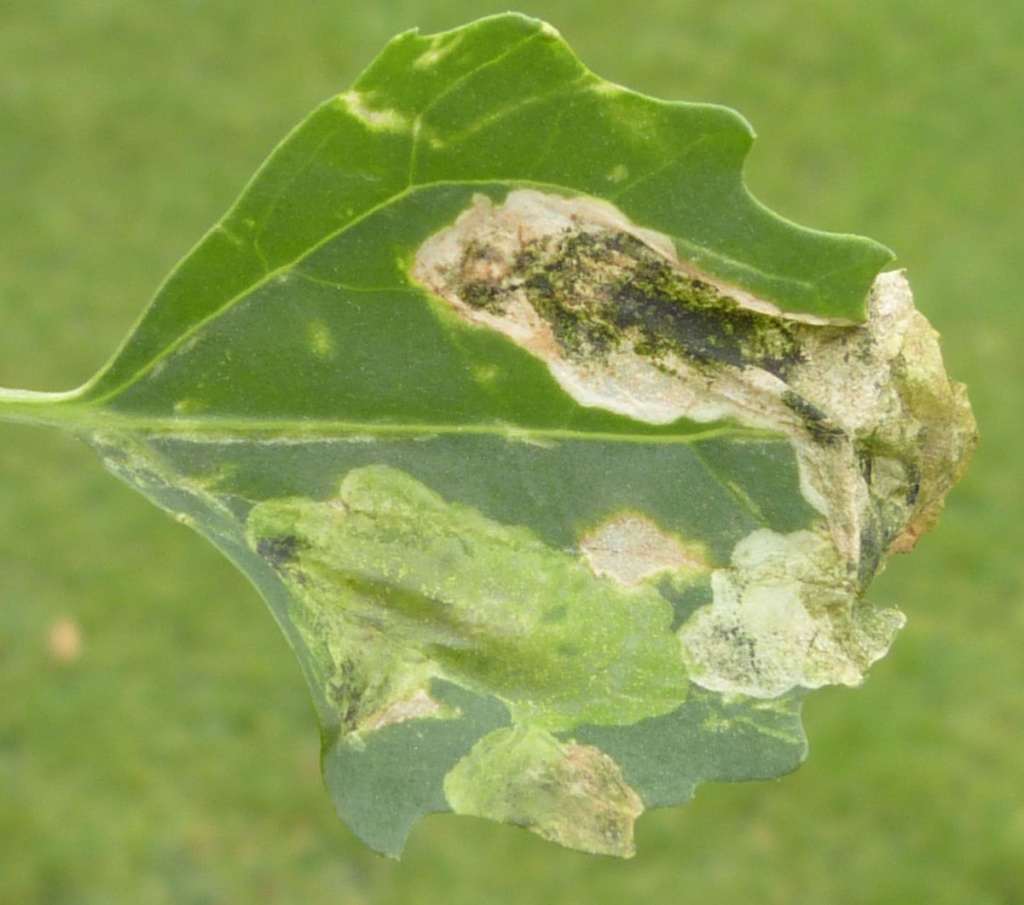
Pegomya hyoscyami
The larva of the Anthomyiid fly Pegomya hyoscyami makes a large upper surface whitish blotch mine on the leaves of various plants including Fat-hen, Beet and Orache species. The leaf can contain several larvae. The frass has a washed out appearance and is greenish. There may be several mines on a leaf and eventually the leaf will be mined and then shrivel up. To identify this miner adults must be reared.

Hayhurstia atriplicis
The aphid Hayhurstia atriplicis galls the leaves of Fat-hen and Orache, rolling the leaves or bracteoles upwards along the midrib, often several leaves affected.