

Enchanter's-nightshade - Circaea lutetiana
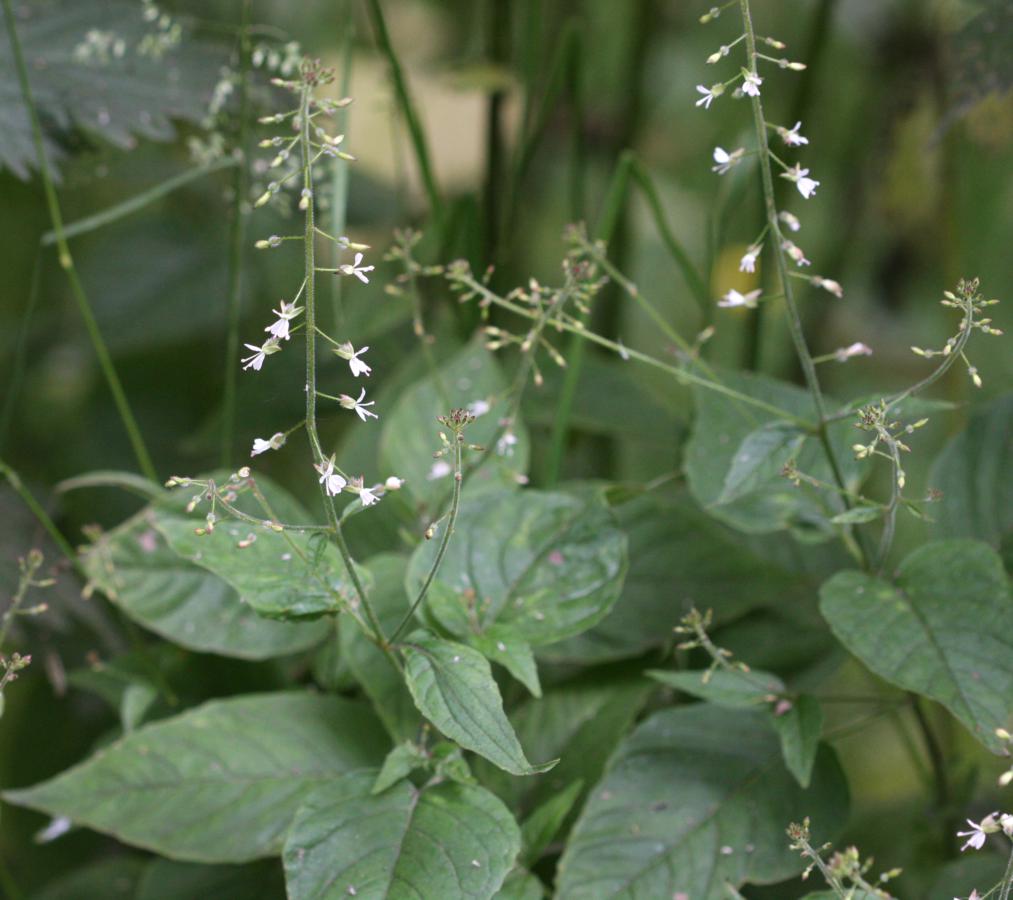
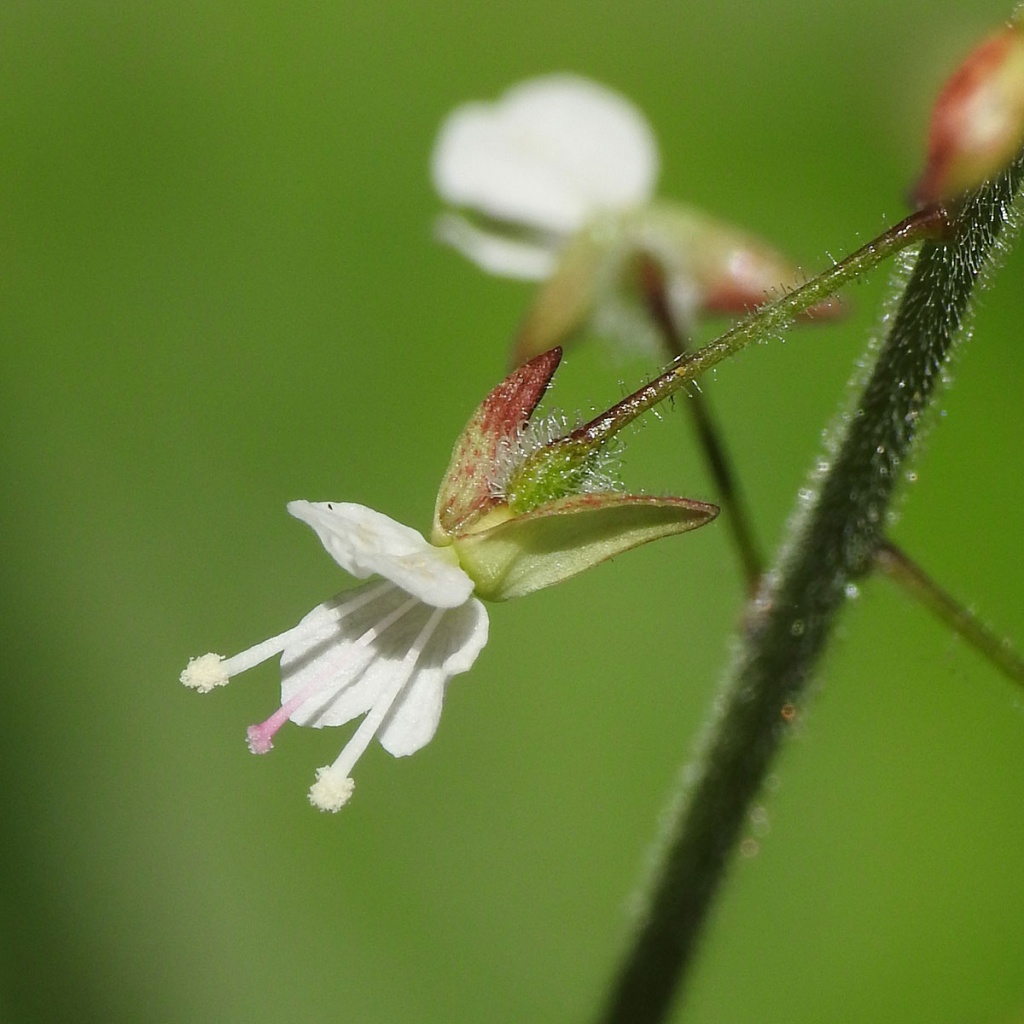
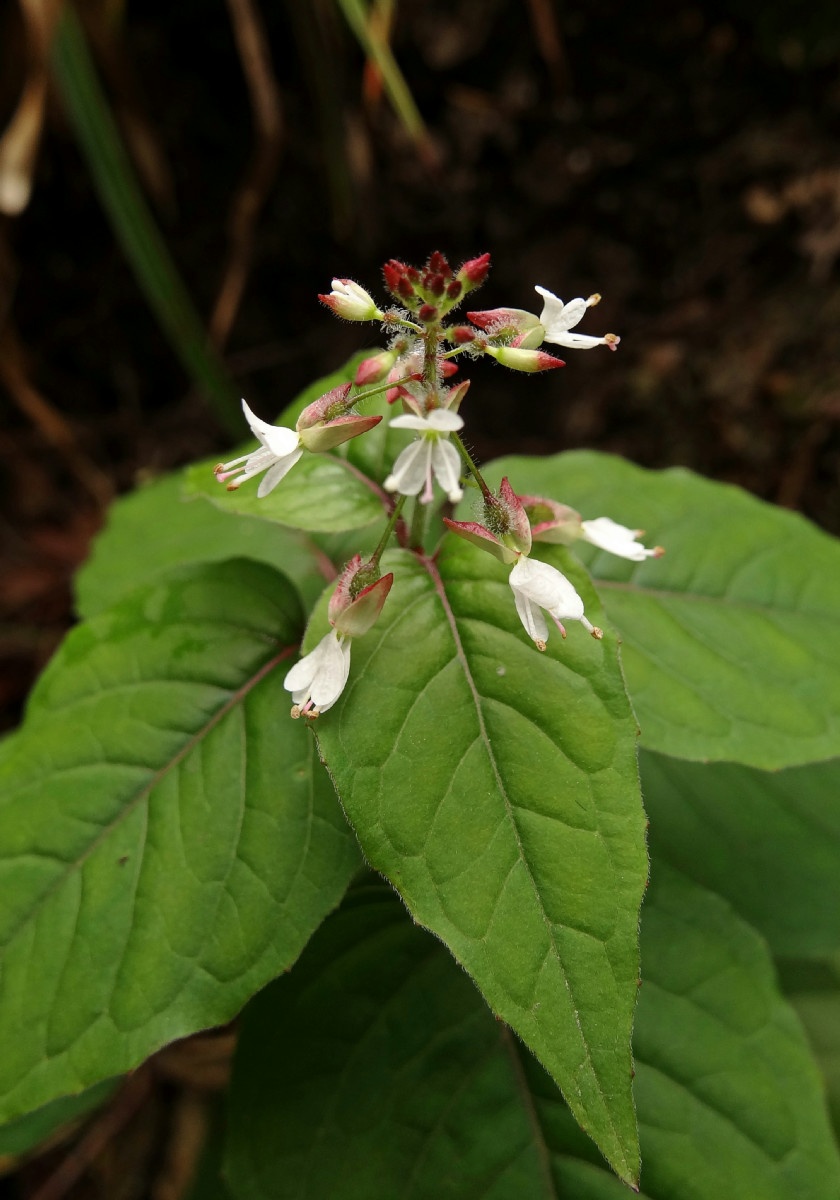
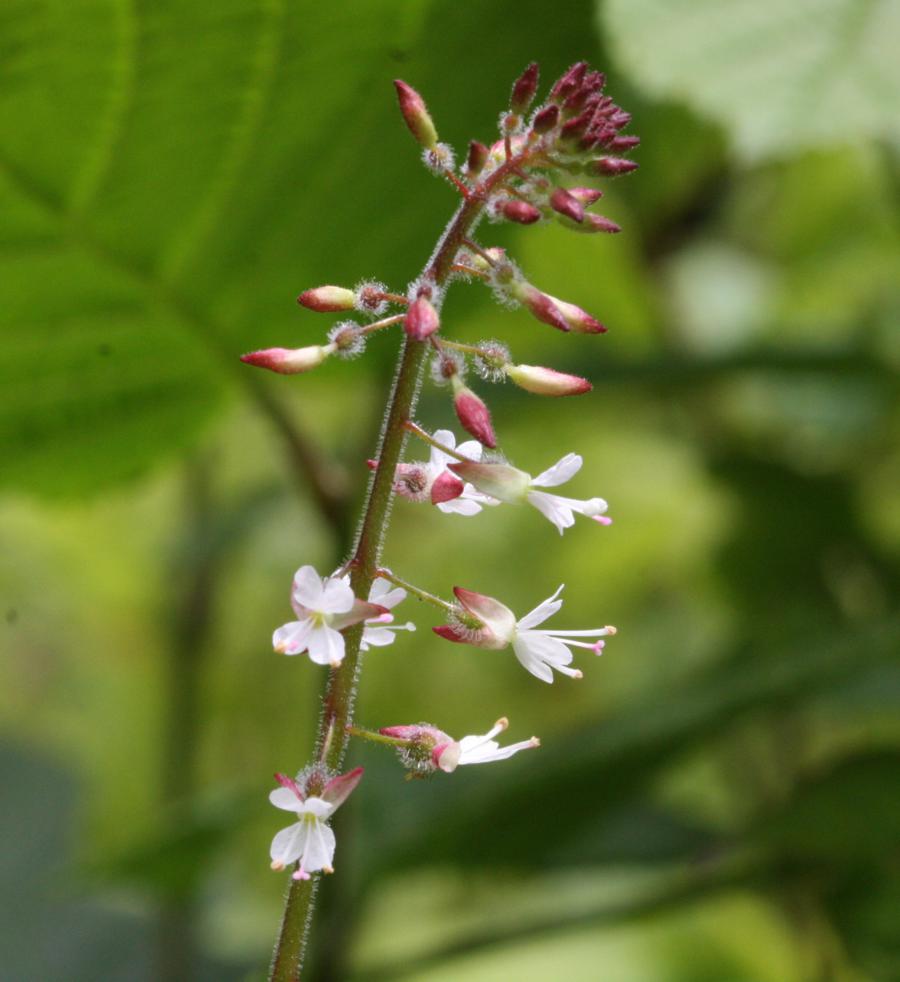
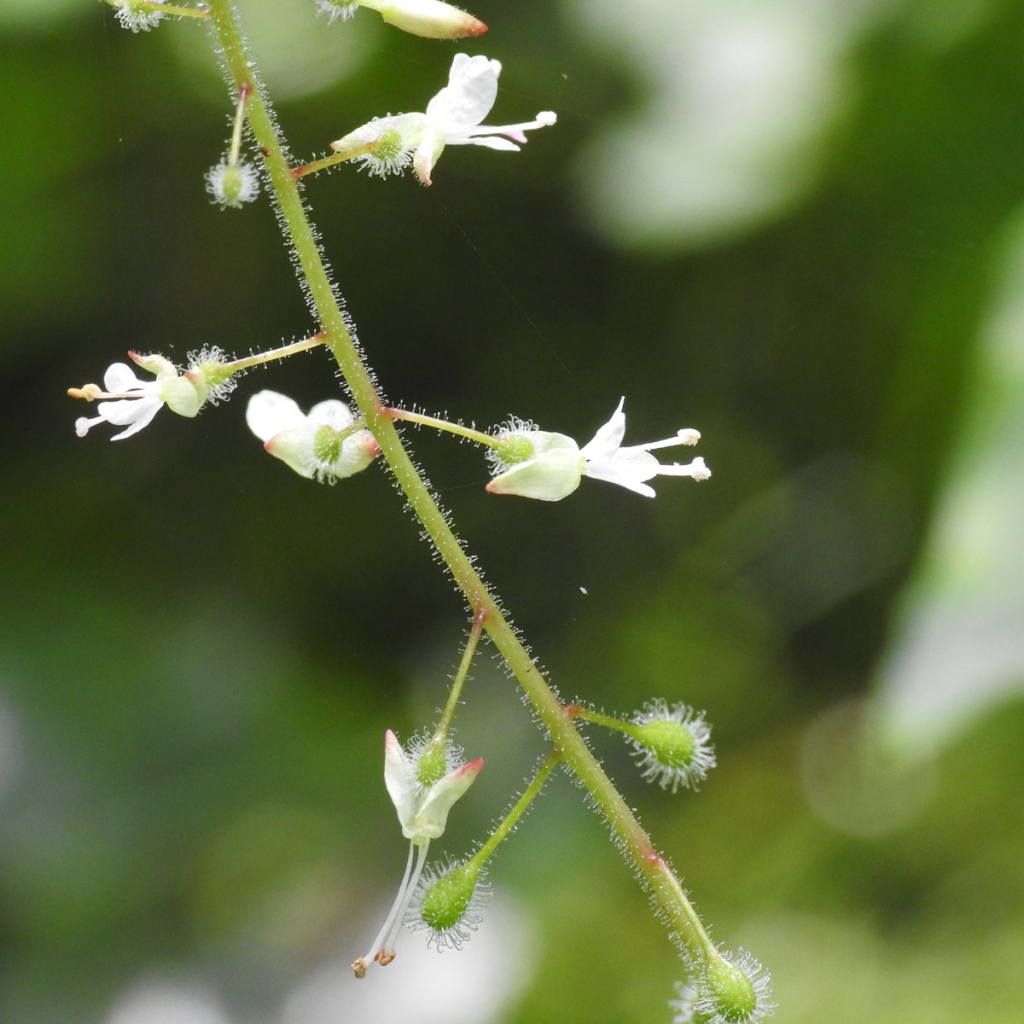
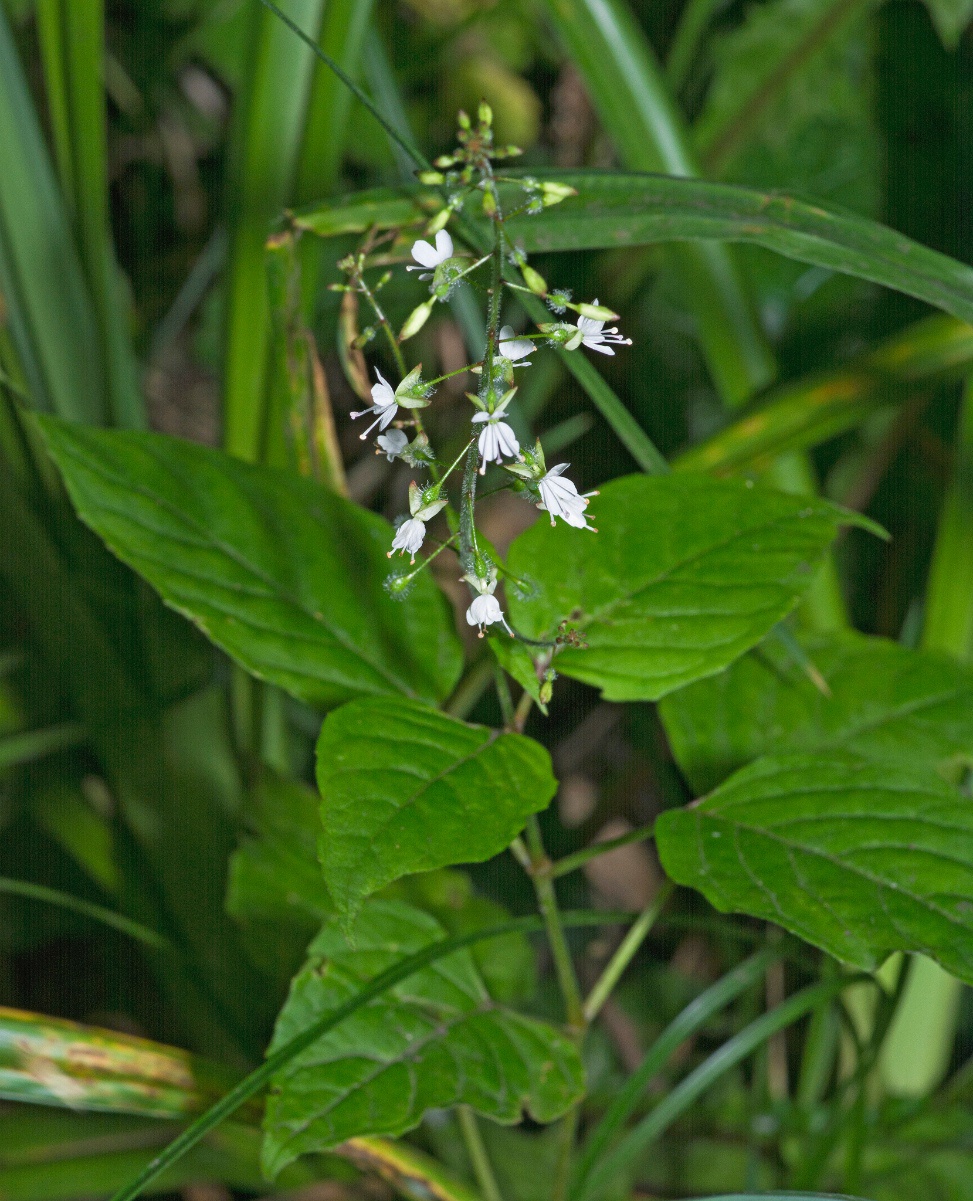
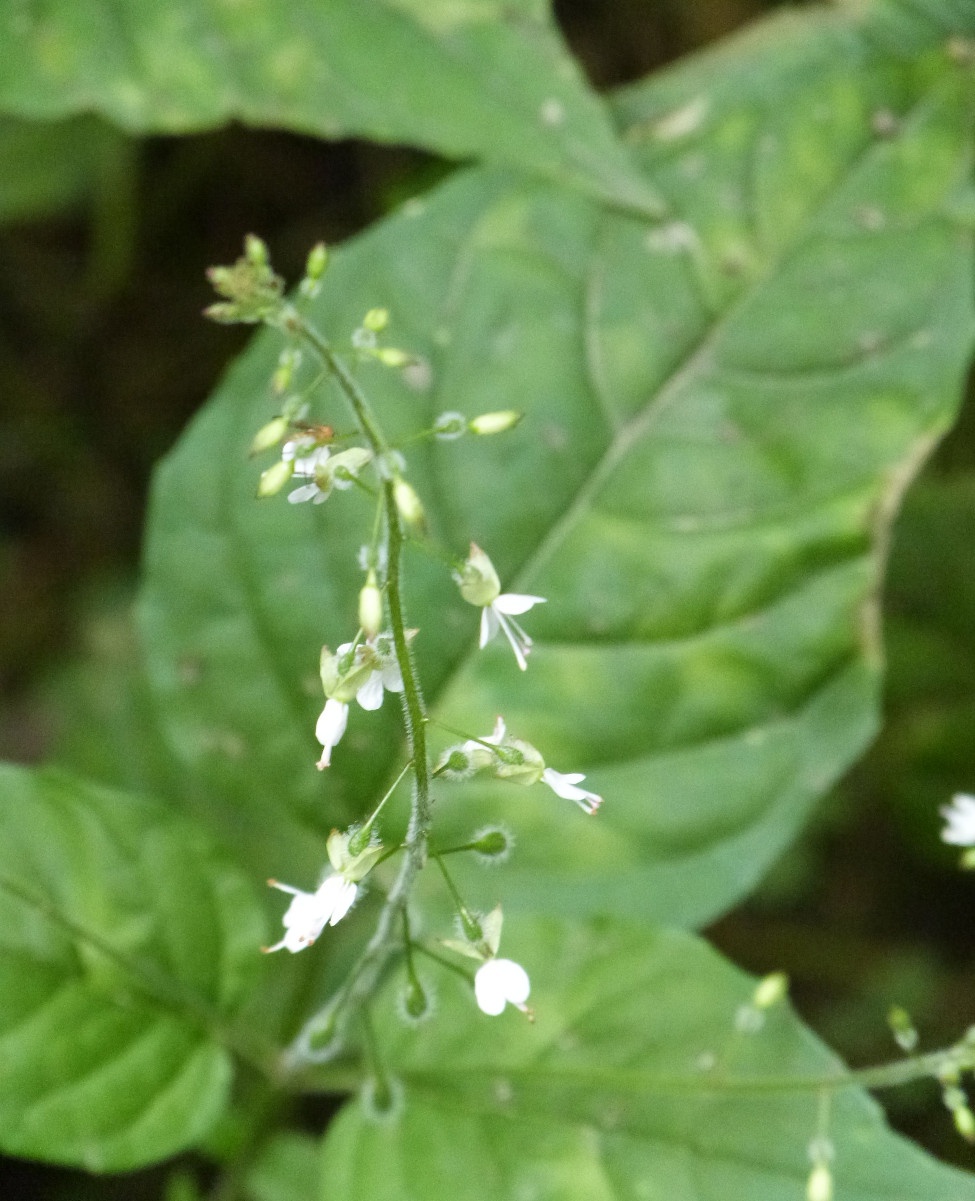
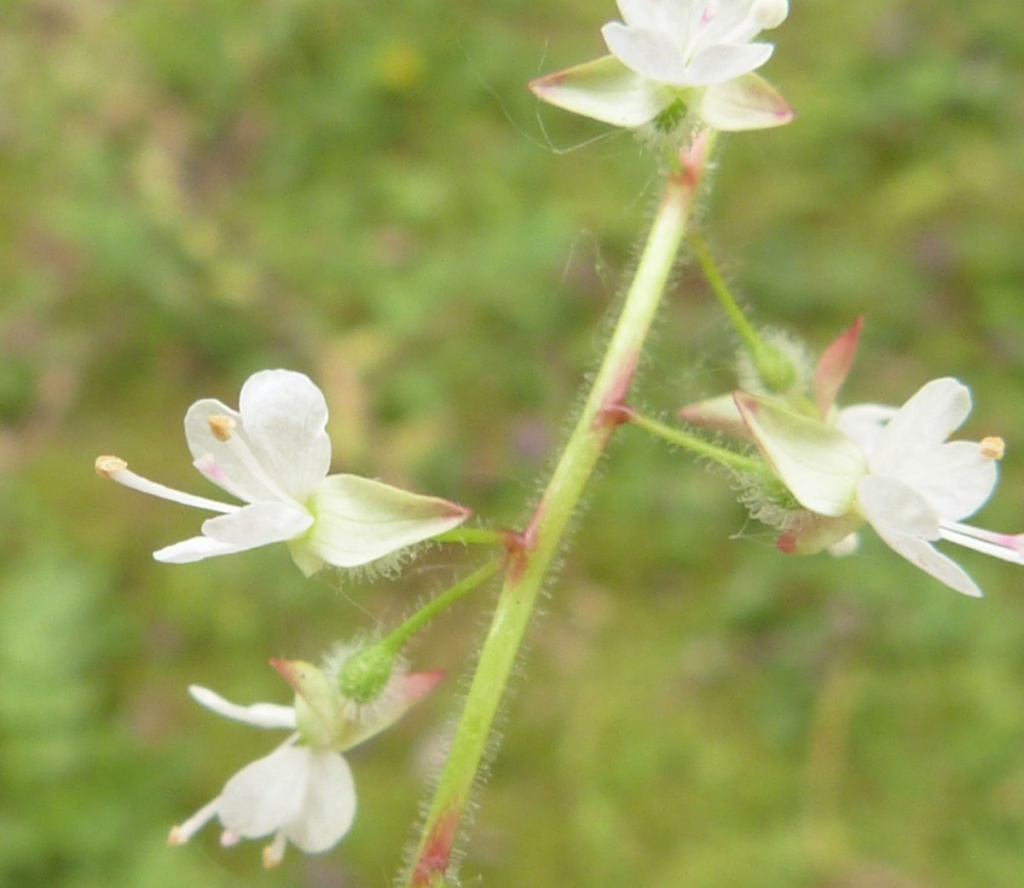
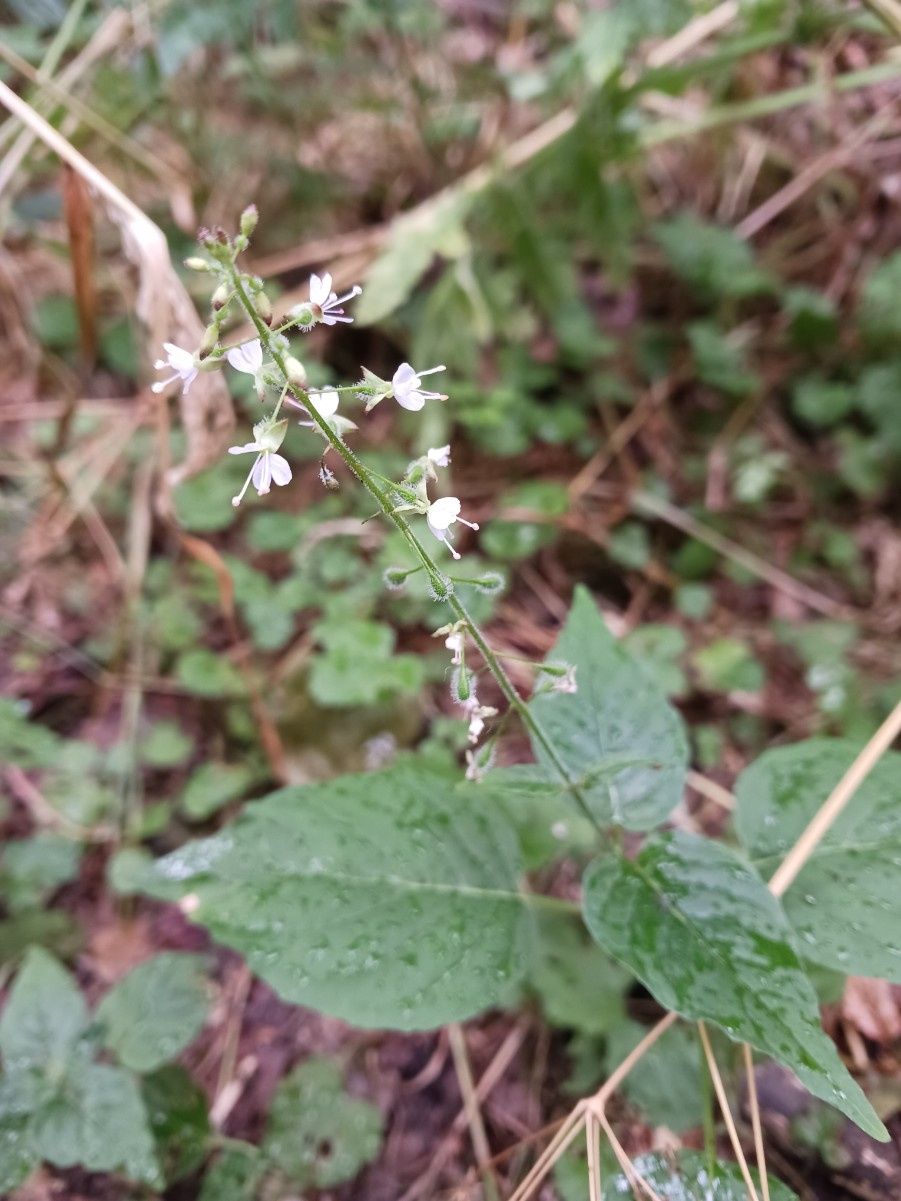
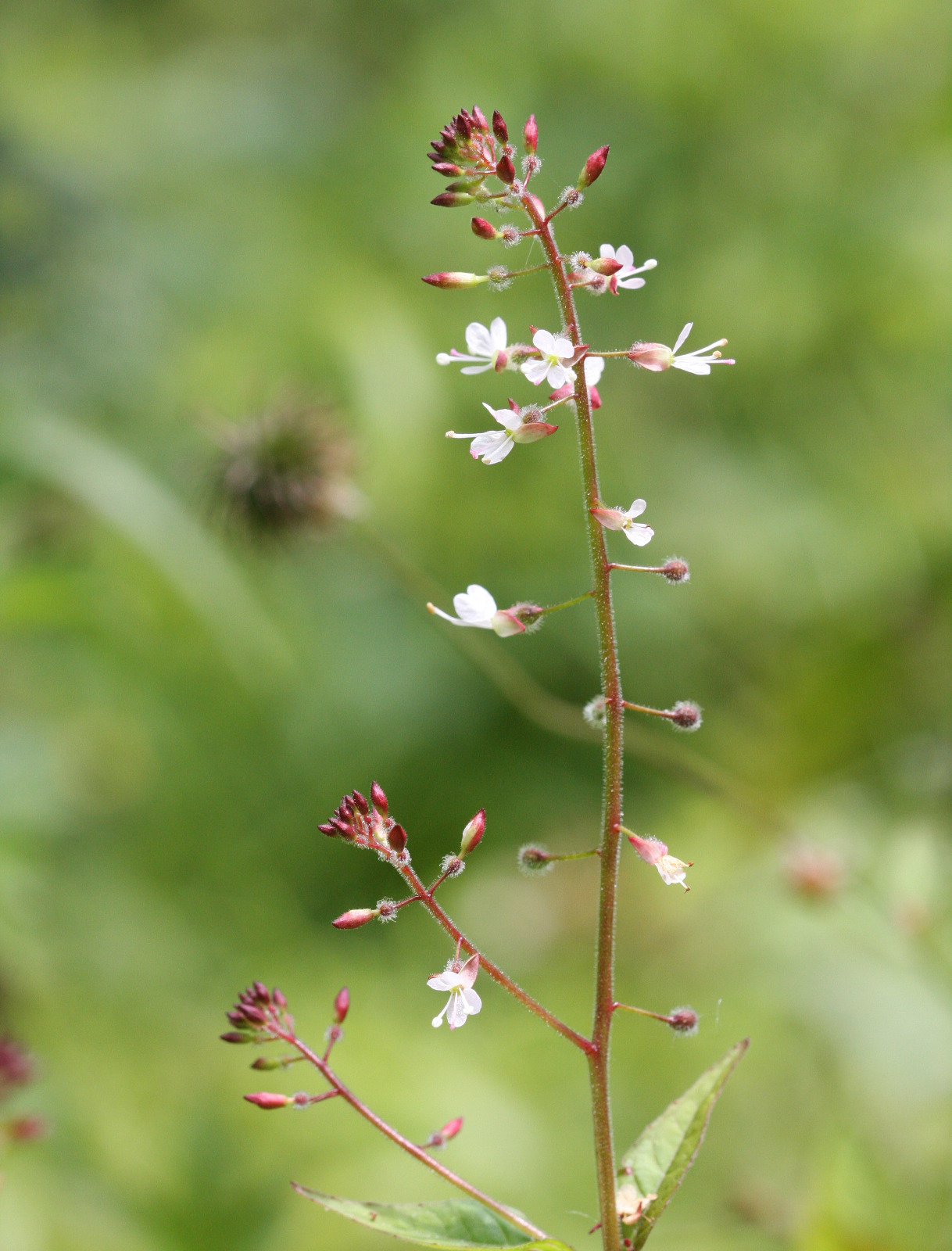
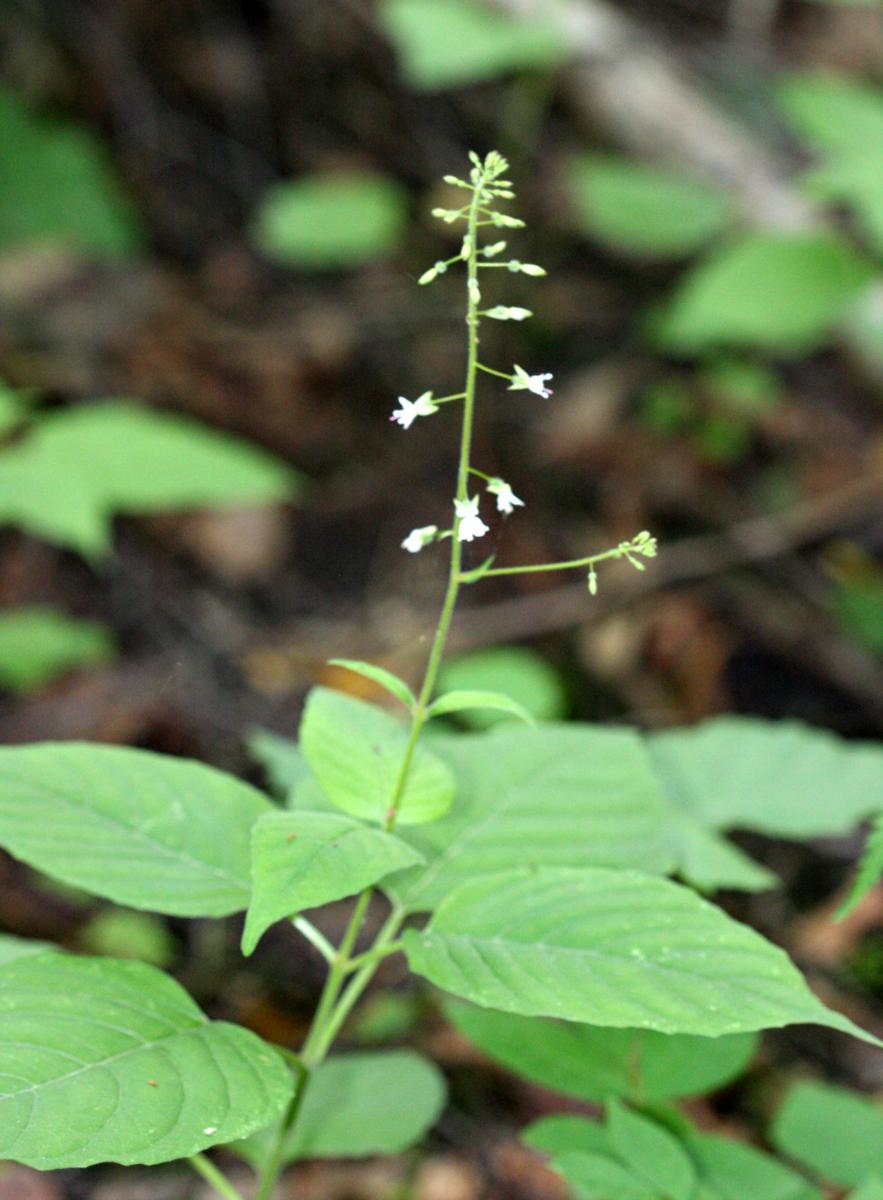
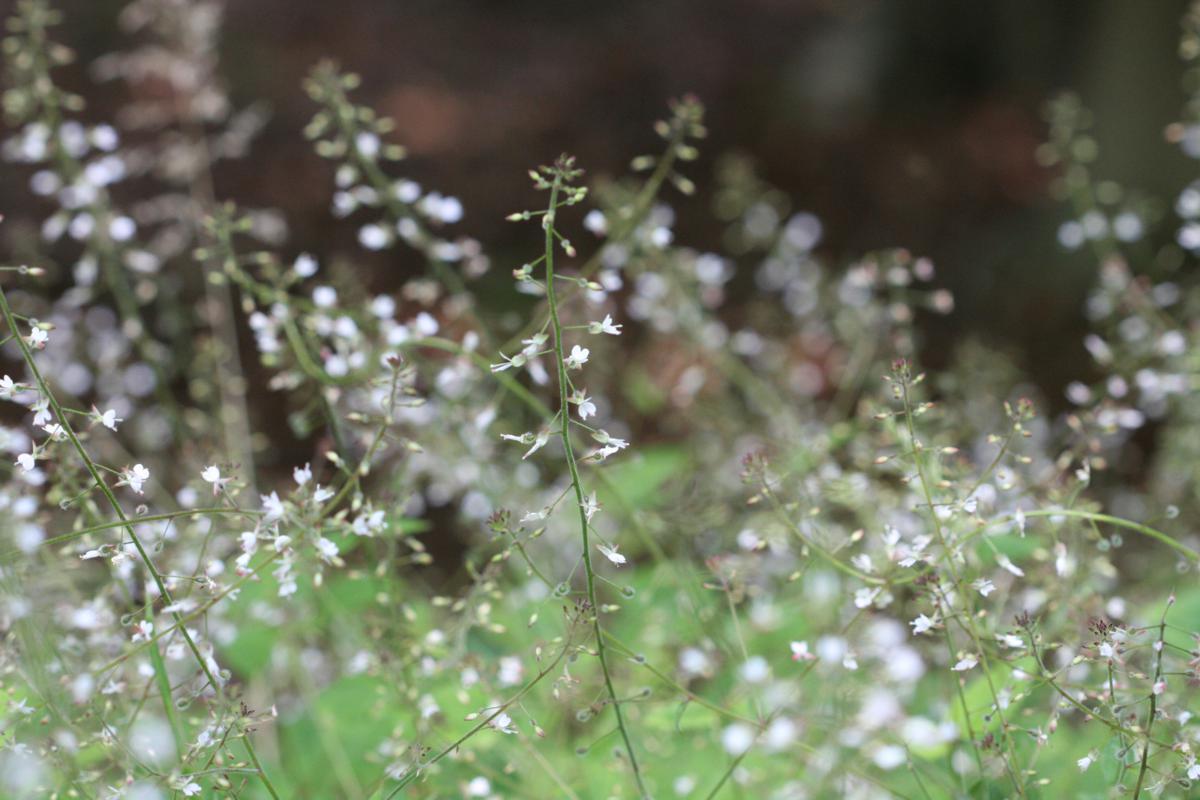
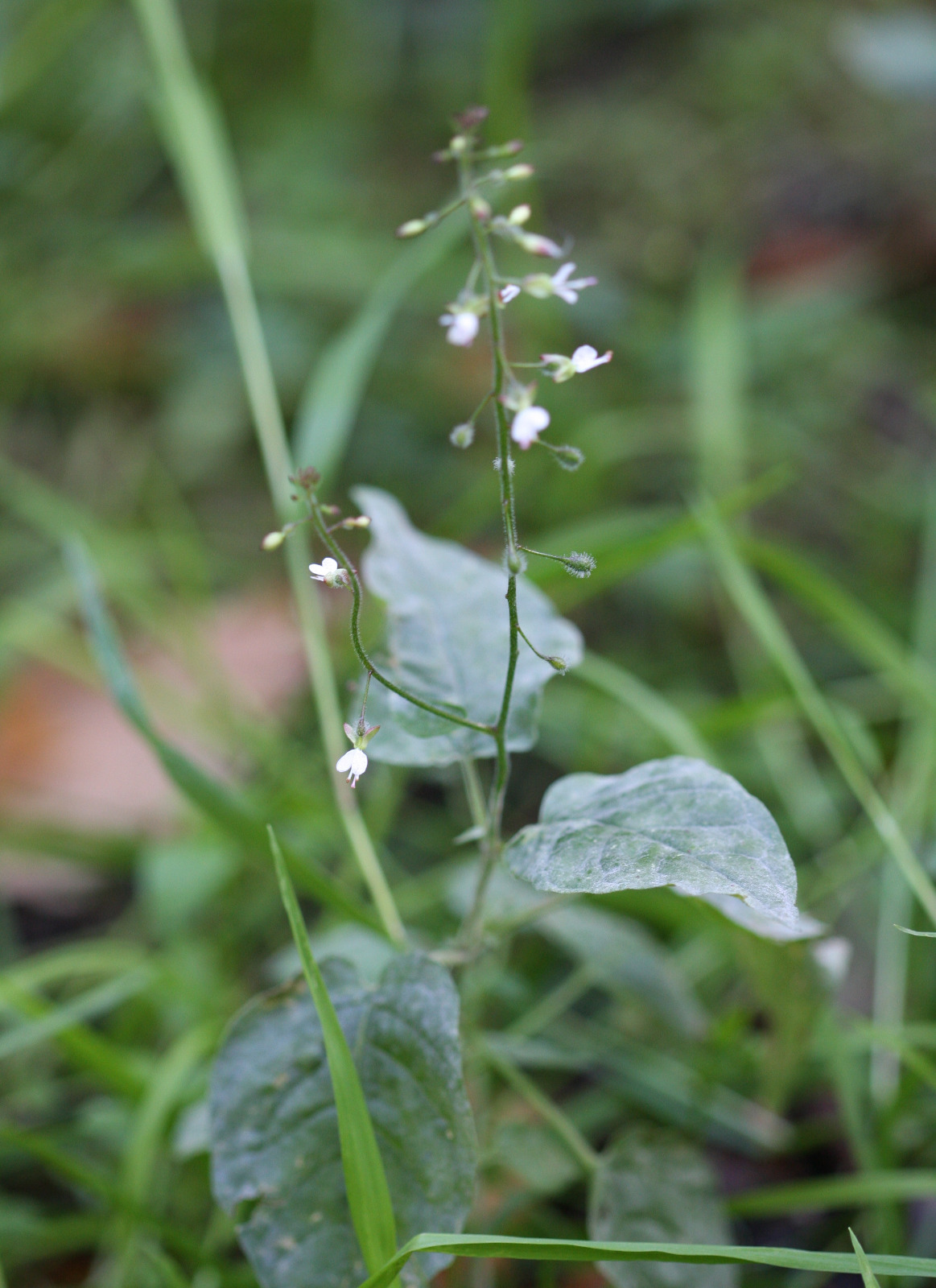
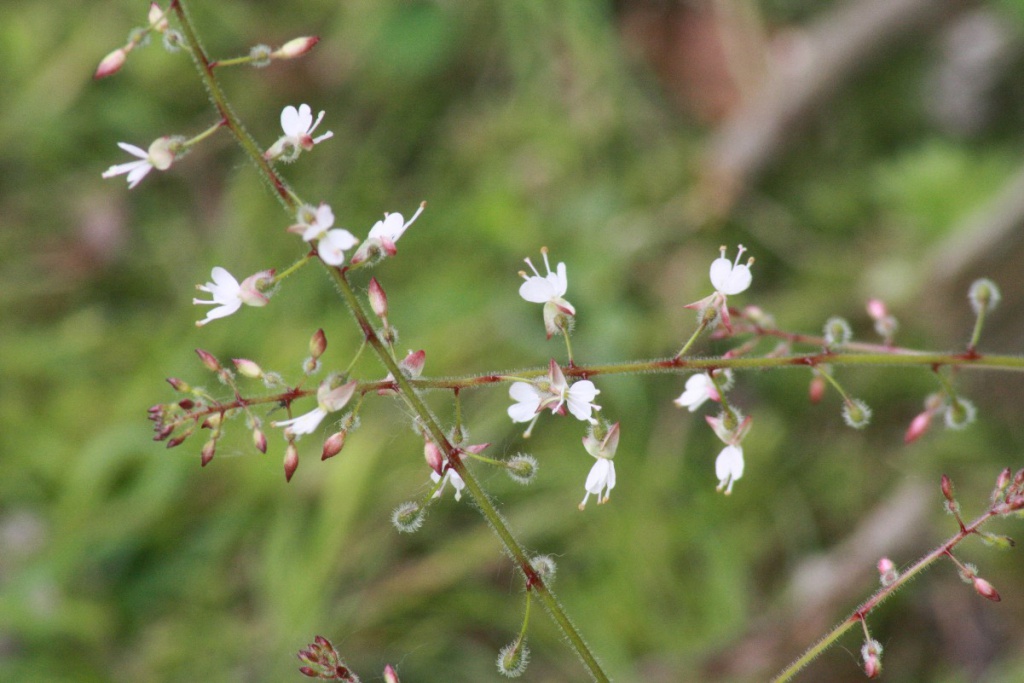
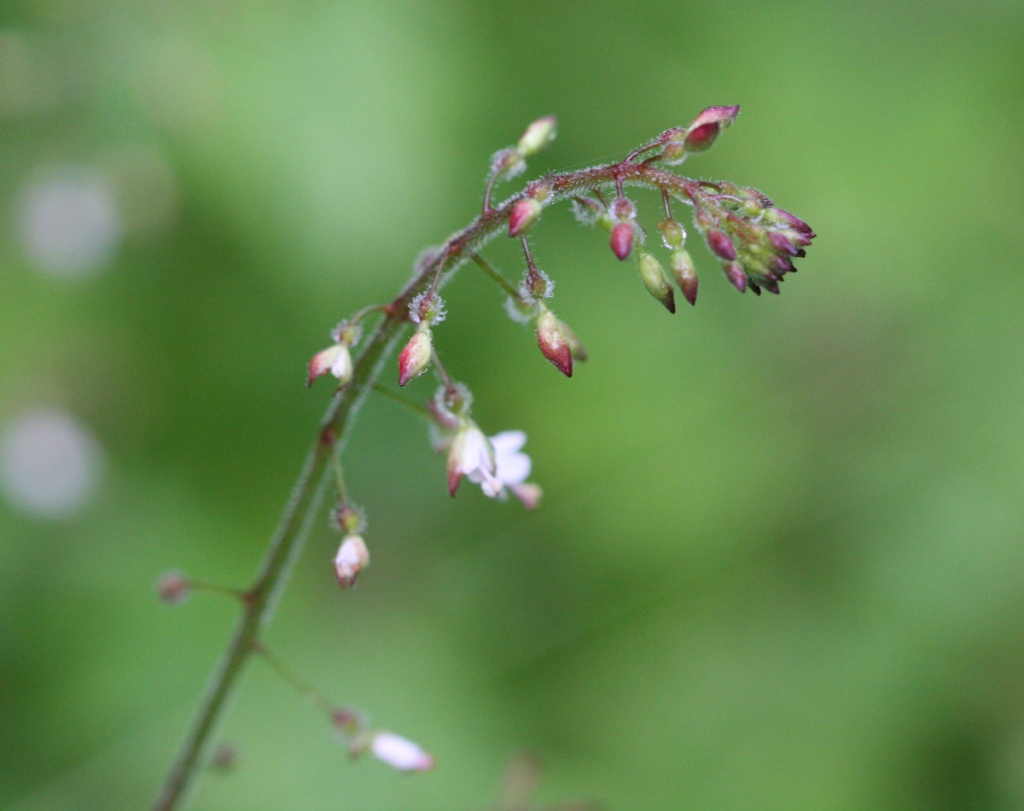
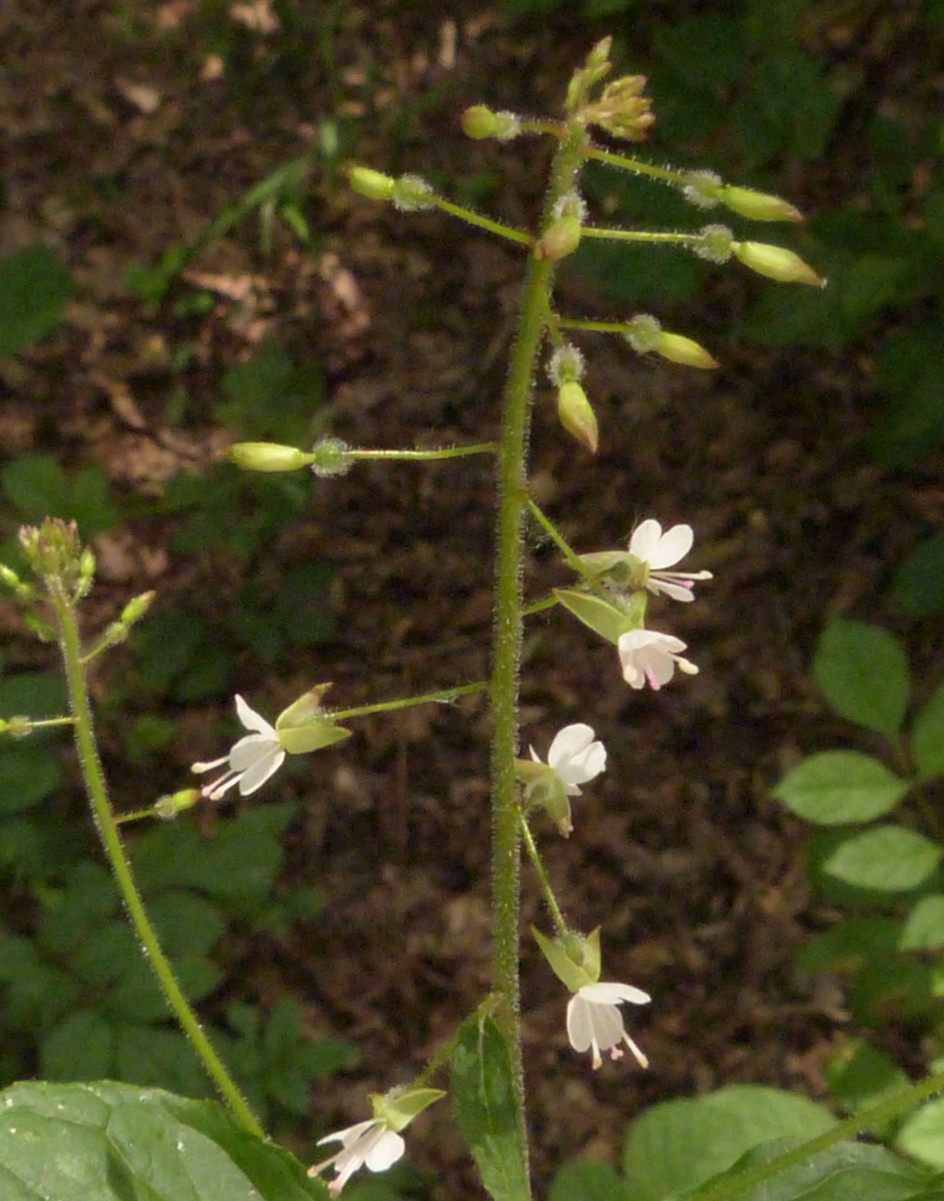
Short to medium somewhat hairy plant with long slender stolons. Leaves opposite. Flowers white or pinkish, small, 4 to 7 mm in lax racemes with open flowers well spaced.

Woodland and various other shaded habitats.
June to September.
Perennial.
Widespread in Britain except for the north of Scotland.
Quite frequent in shady places in Leicestershire and Rutland. In the 1979 Flora survey of Leicestershire it was found in 246 of the 617 tetrads.
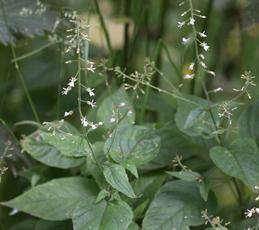 David Nicholls
Martinshaw Wood
27 June 2009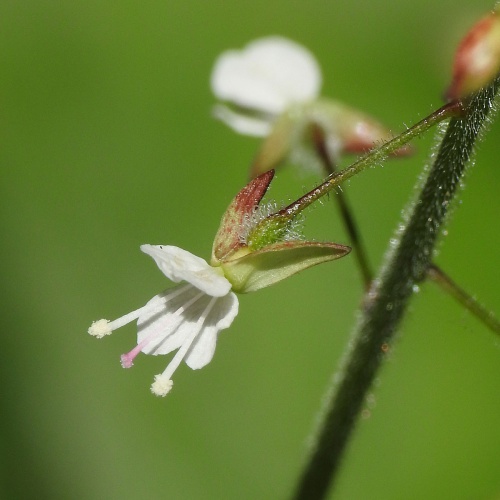 David Gould
Braunstone, Wood Close Plantation
28 June 2020 Freeholt Wood Sapcote SP 4605 9411 (6.9.2007).JPG) Graham Calow
Graham Calow
Sapcote
06 September 2007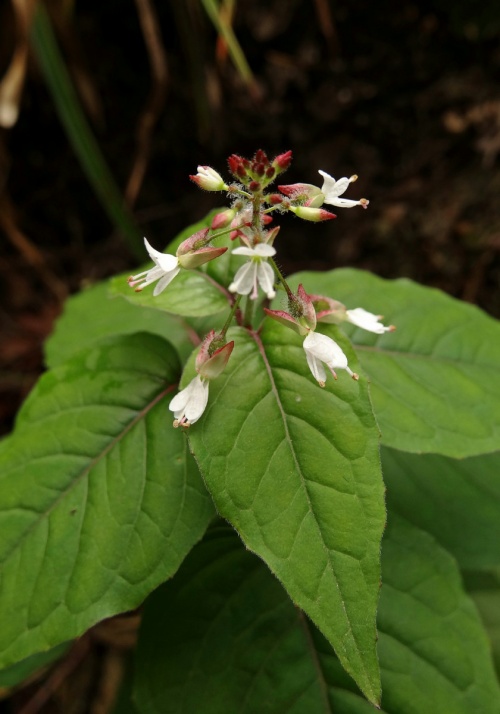 Lostash
Swithland Woods
27 September 2012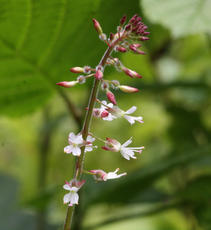 David Nicholls
Cloud Wood
24 June 2011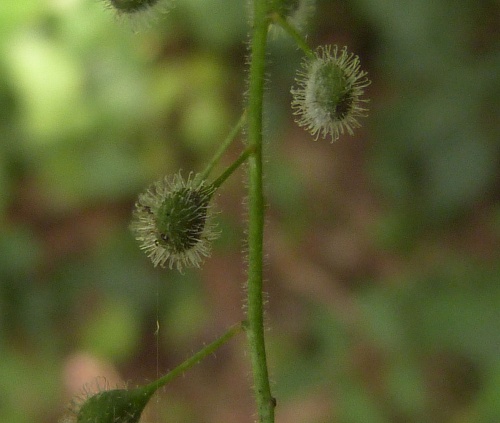 Graham Calow
Burbage, Elmesthorpe Plantation
04 September 2019
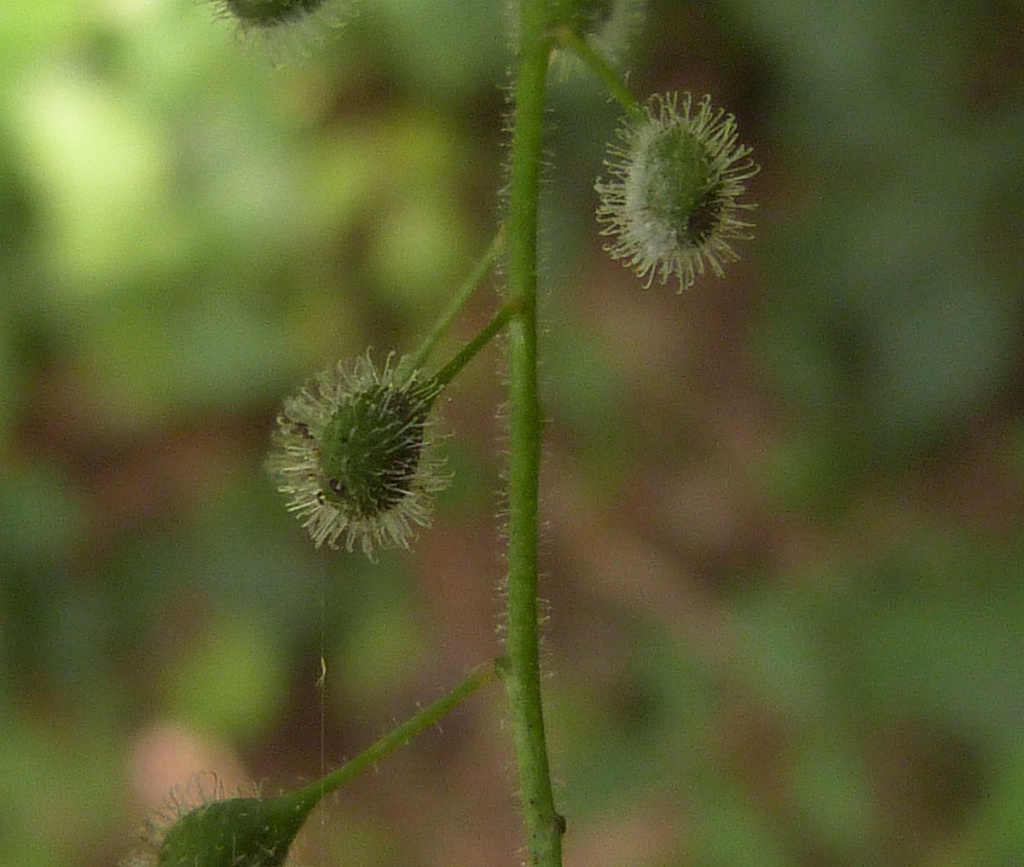
seeds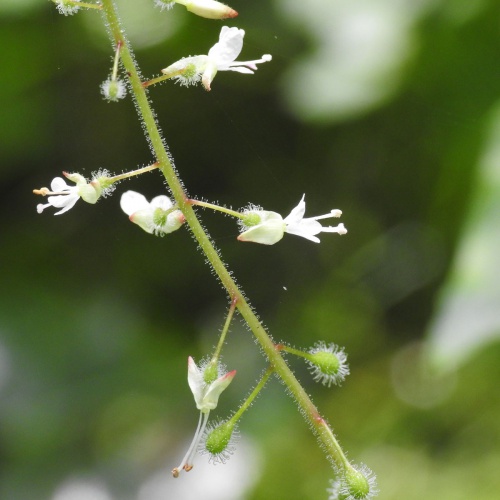 David Gould
Narborough Bog
11 August 2017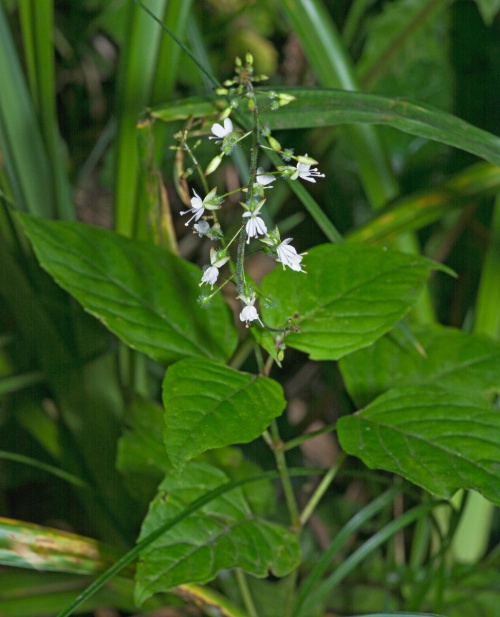 AJ Cann
Cloud Wood
21 July 2015
 Freeholt Wood Sapcote SP 4605 9411 (6.9.2007).JPG)
Leicestershire & Rutland Map
Enter a town or village to see local records
MAP KEY:
Yellow squares = NBN records (all known data)
Coloured circles = NatureSpot records: 2025+ | 2020-2024 | pre-2020
UK Map
Species profile
- Common names
- Common Enchanter's Nightshade, Enchanter's-nightshade
- Species group:
- flowering plant
- Kingdom:
- Plantae
- Order:
- Myrtales
- Family:
- Onagraceae
- Records on NatureSpot:
- 208
- First record:
- 11/05/1992 (John Mousley;Steve Grover)
- Last record:
- 30/07/2025 (Smith, Peter)
Total records by month
% of records within its species group
10km squares with records
The latest images and records displayed below include those awaiting verification checks so we cannot guarantee that every identification is correct. Once accepted, the record displays a green tick.
In the Latest Records section, click on the header to sort A-Z, and again to sort Z-A. Use the header boxes to filter the list.
Latest images
Latest records
. Sharnford Road Sapcote SP 4912 9314 (taken 4.7.2007)..JPG) Graham Calow
Graham Calow
Sapcote
04 July 2007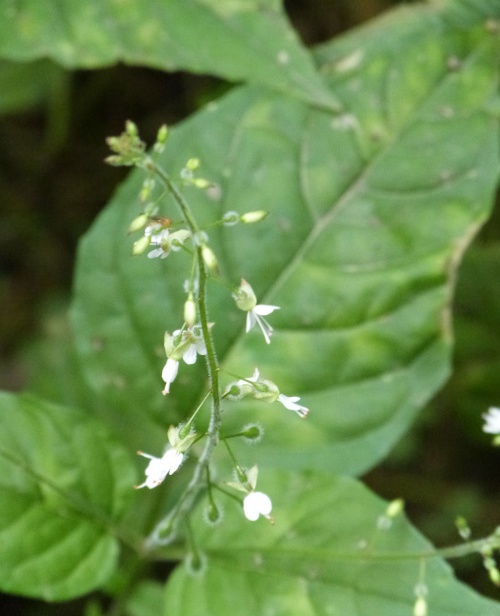 Graham Calow
Burbage Wood
16 August 2015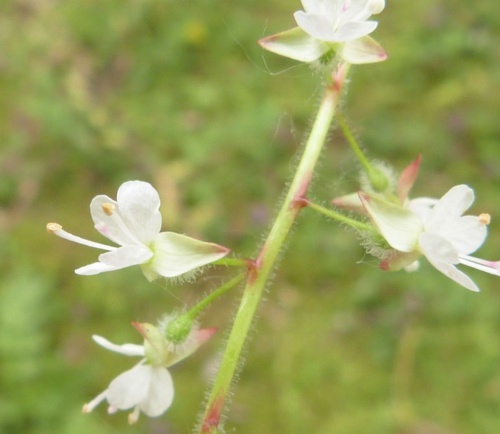 Graham Calow
Dunton Bassett Quarry
16 July 2015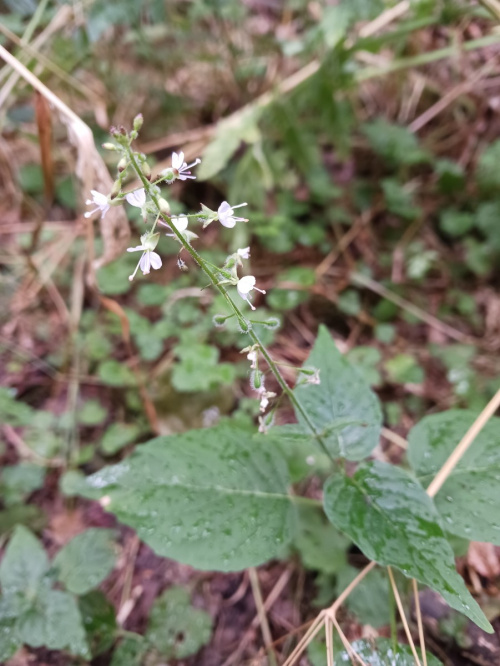 jcolaco
Great Merrible Wood
02 July 2025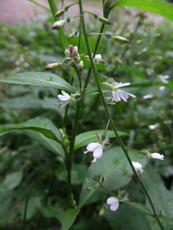 Ron.stevens
Burbage Common and Woods
10 August 2011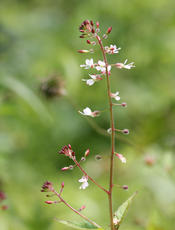 David Nicholls
Cloud Wood
24 June 2011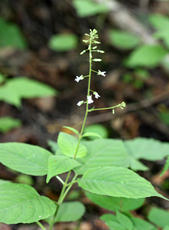 David Nicholls
Cloud Wood
24 June 2011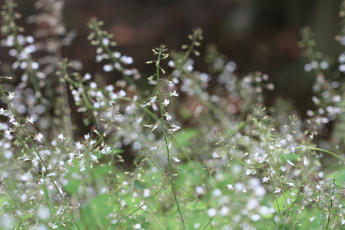 David Nicholls
Ulverscroft
14 July 2011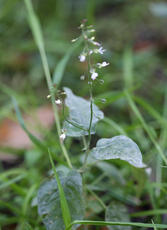 David Nicholls
Swithland Wood
25 August 2011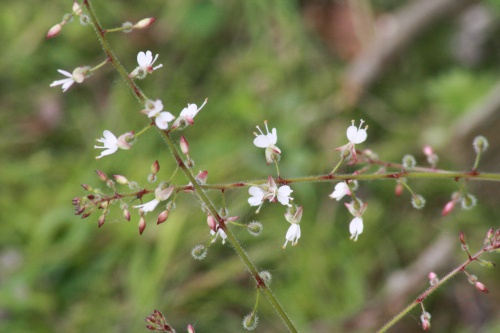 Craig Mabbett
Dunton Bassett Quarry
16 July 2015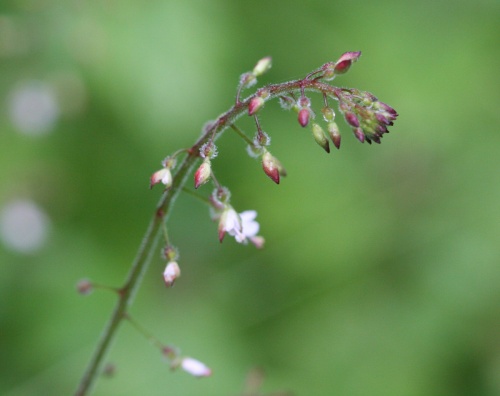 David Nicholls
Cloud Wood
07 July 2012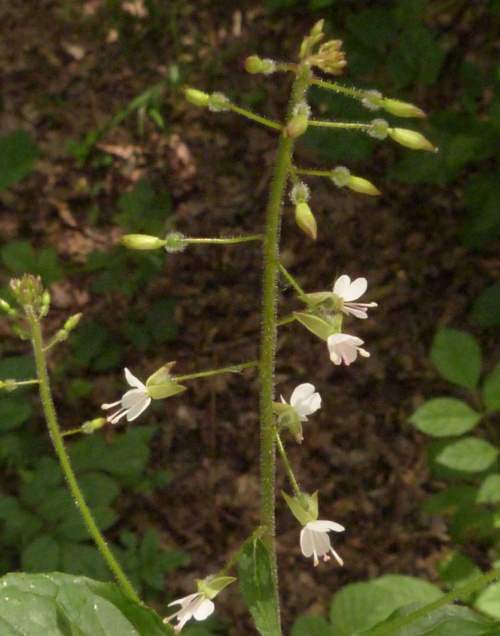 Graham Calow
Burbage Common and Woods
20 June 2014
. Sharnford Road Sapcote SP 4912 9314 (taken 4.7.2007)..JPG)

Mompha langiella
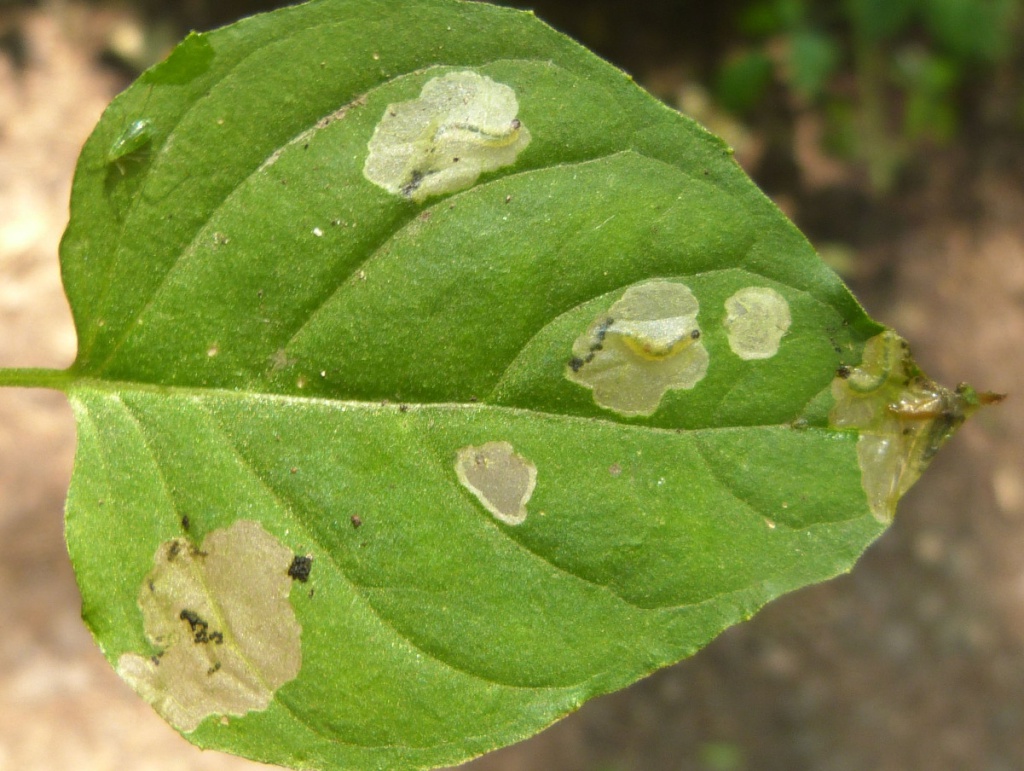
The larva of the moth Mompha langiella mines the leaves of Enchanter's-nightshade and Great Willowherb, initially in a gallery and then a blotch. The blotch mines are transparent and white initially, with irregular clumps of frass. The larva is pale with dark head and pronotal mark
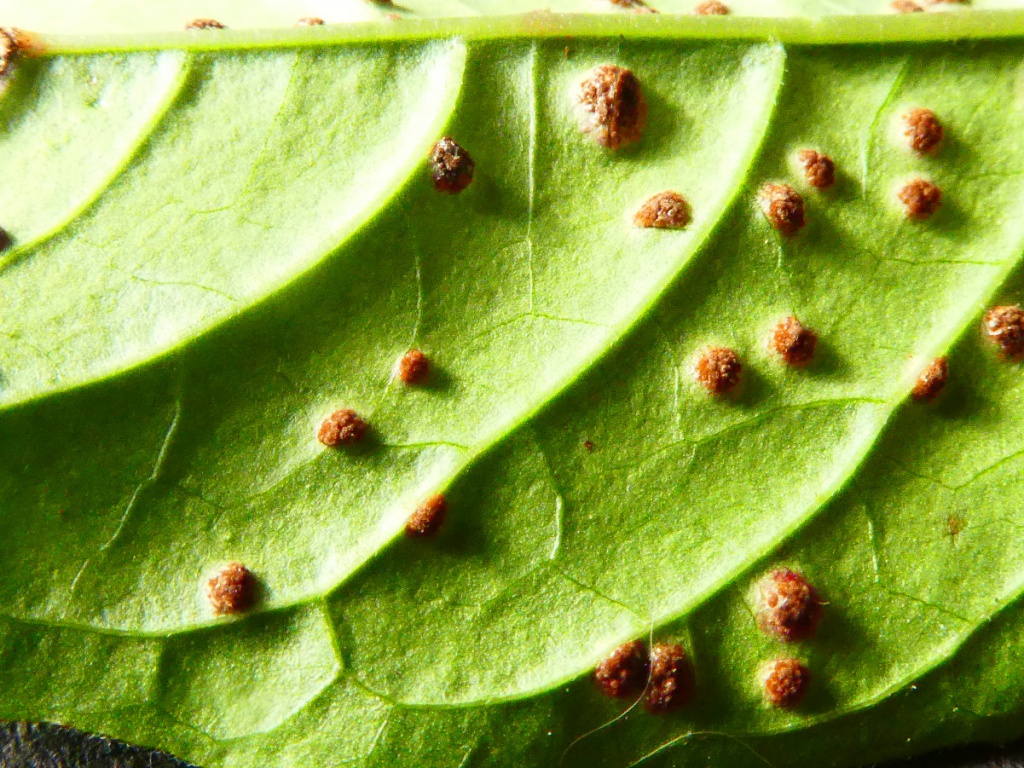
Puccinia circaeae
The rust fungus Puccinia circaeae galls the leaves of Enchanter's-nightshade. The stems and lower surfaces of leaves have raised areas. Only telia are present.