

Dog's Mercury - Mercurialis perennis
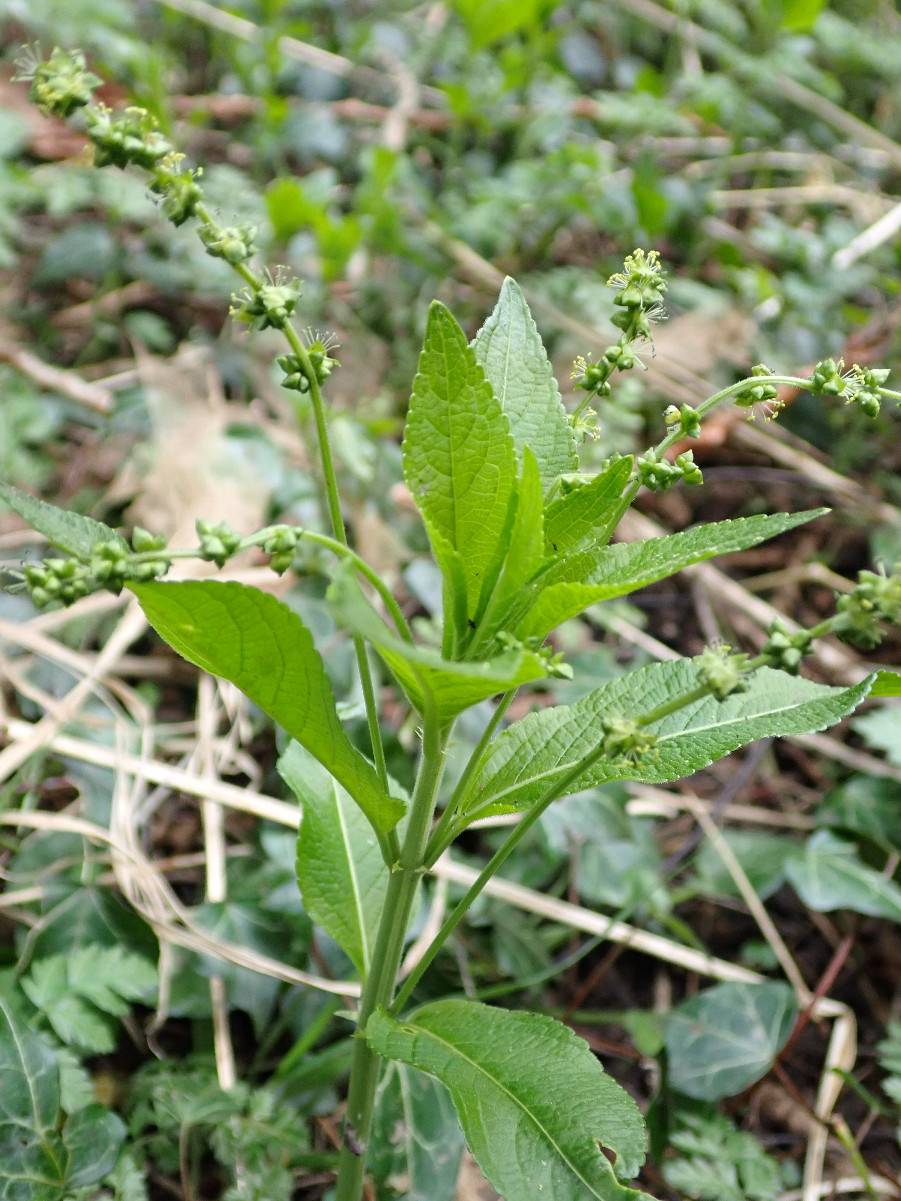
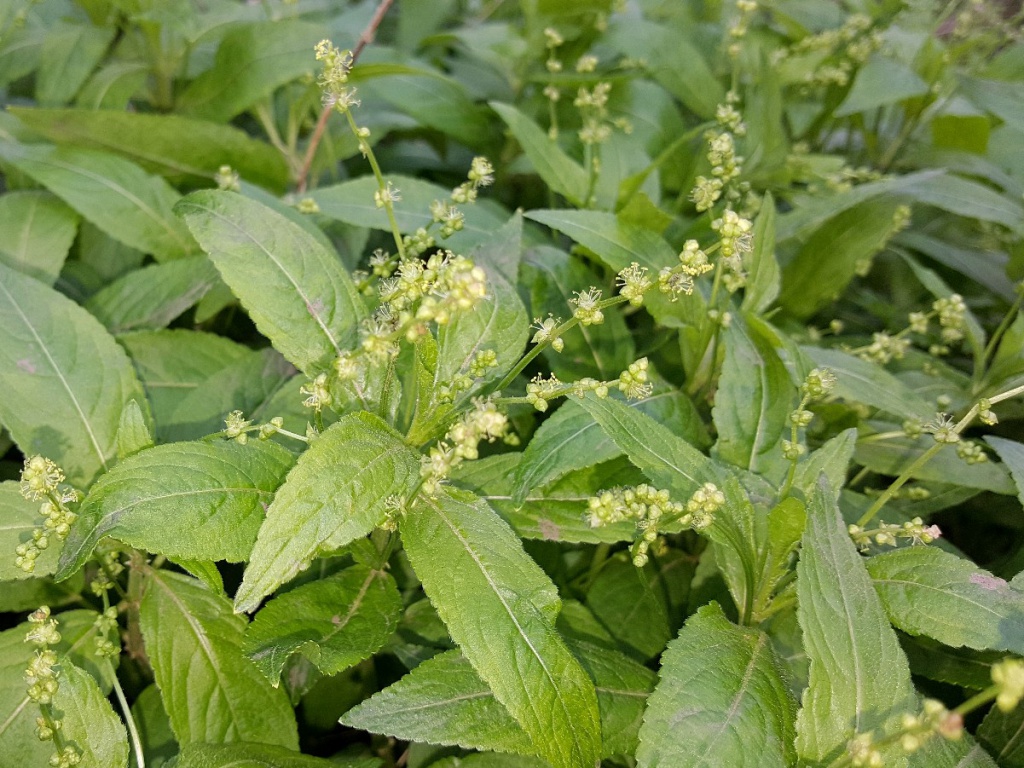
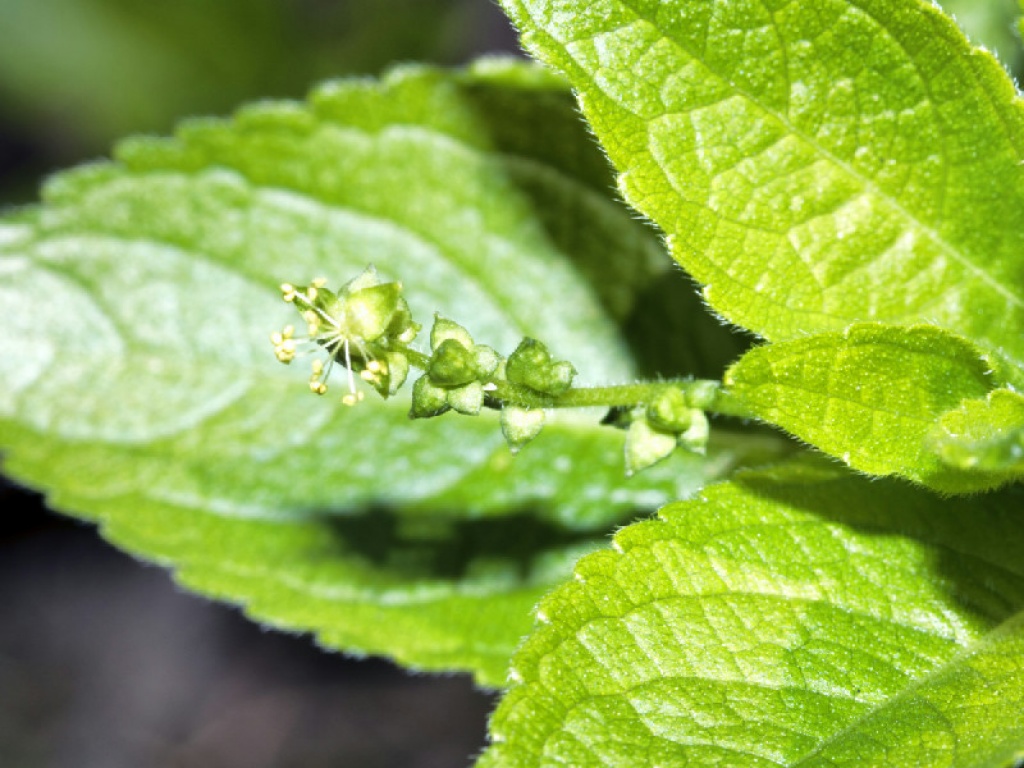
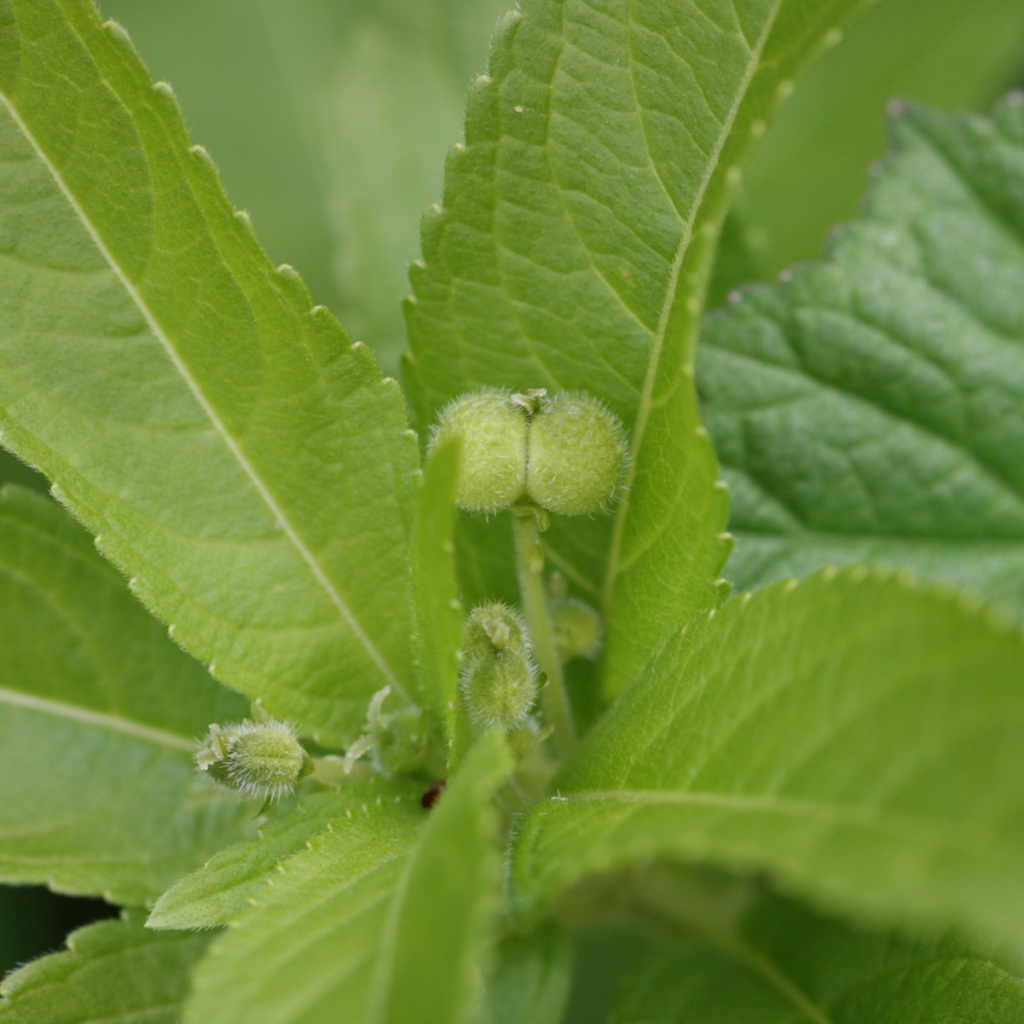
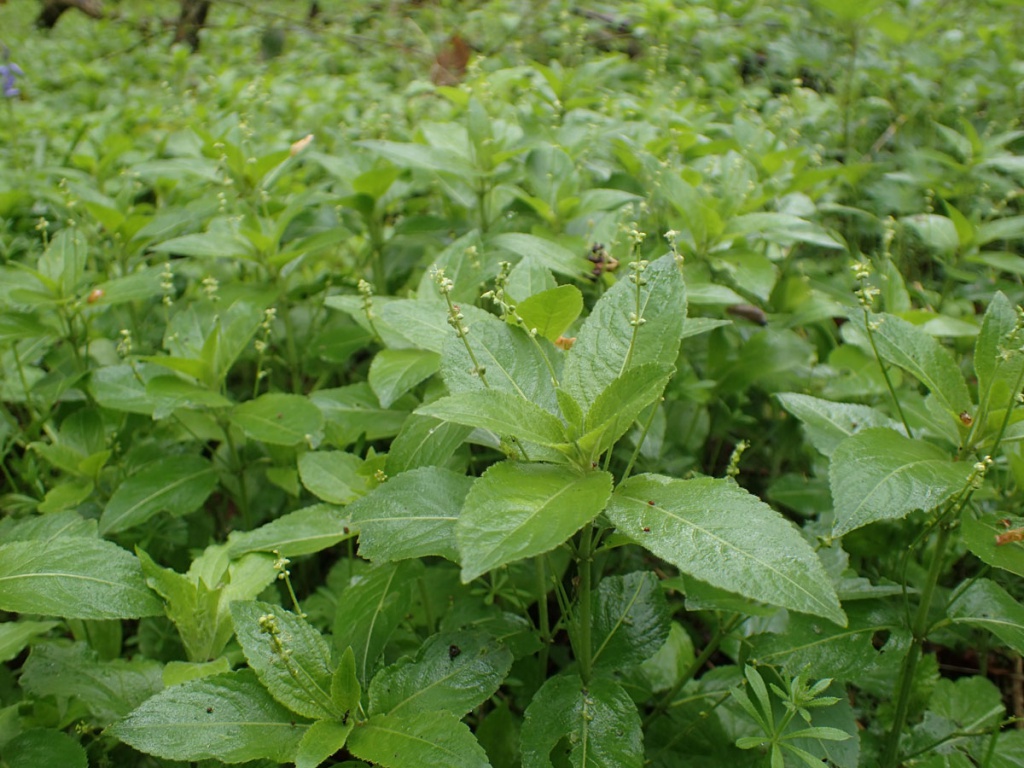
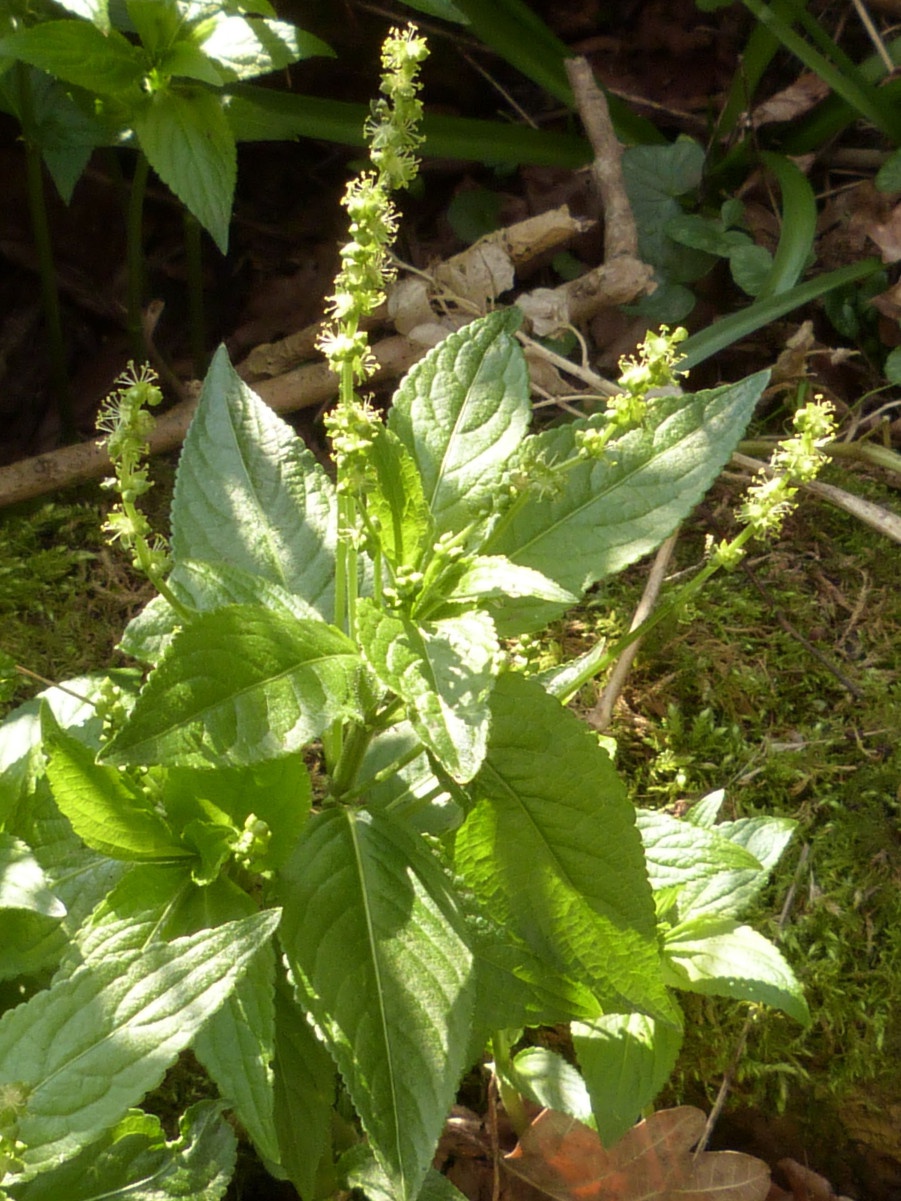
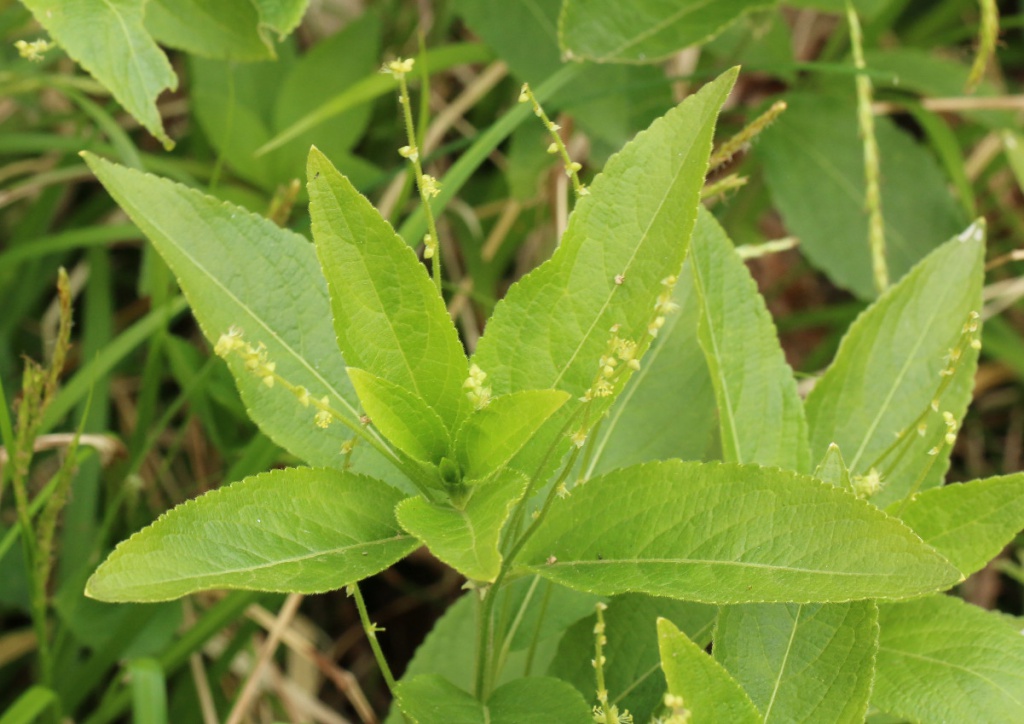
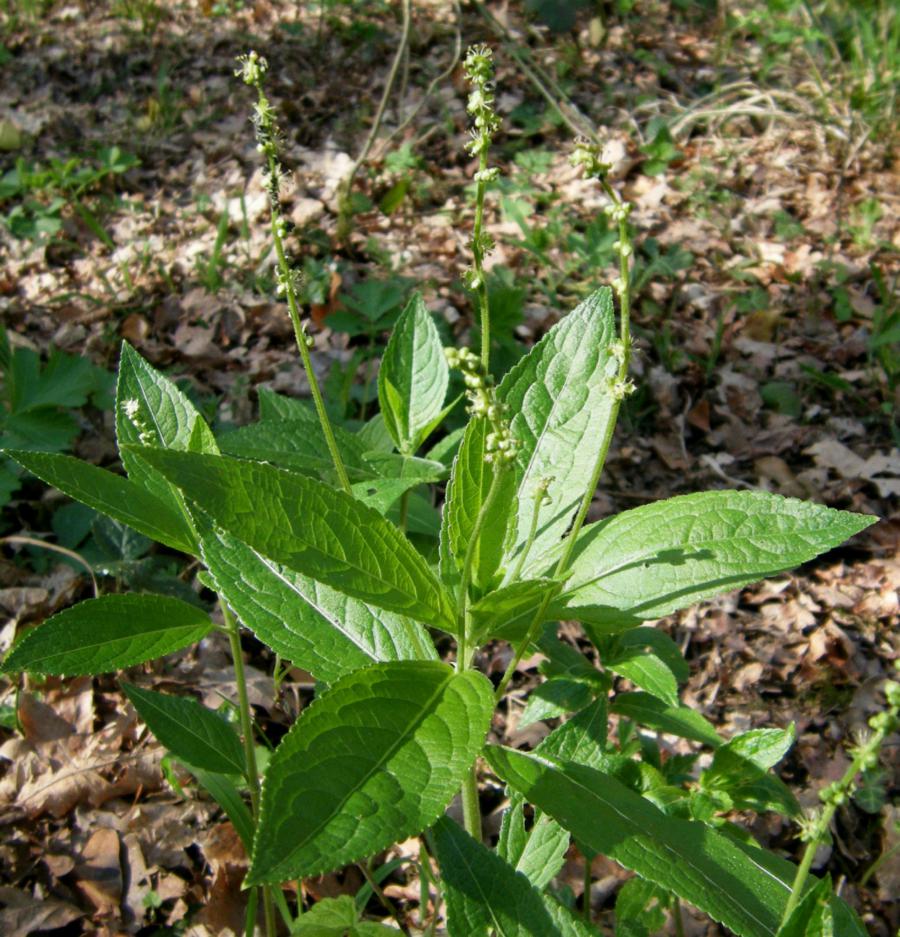
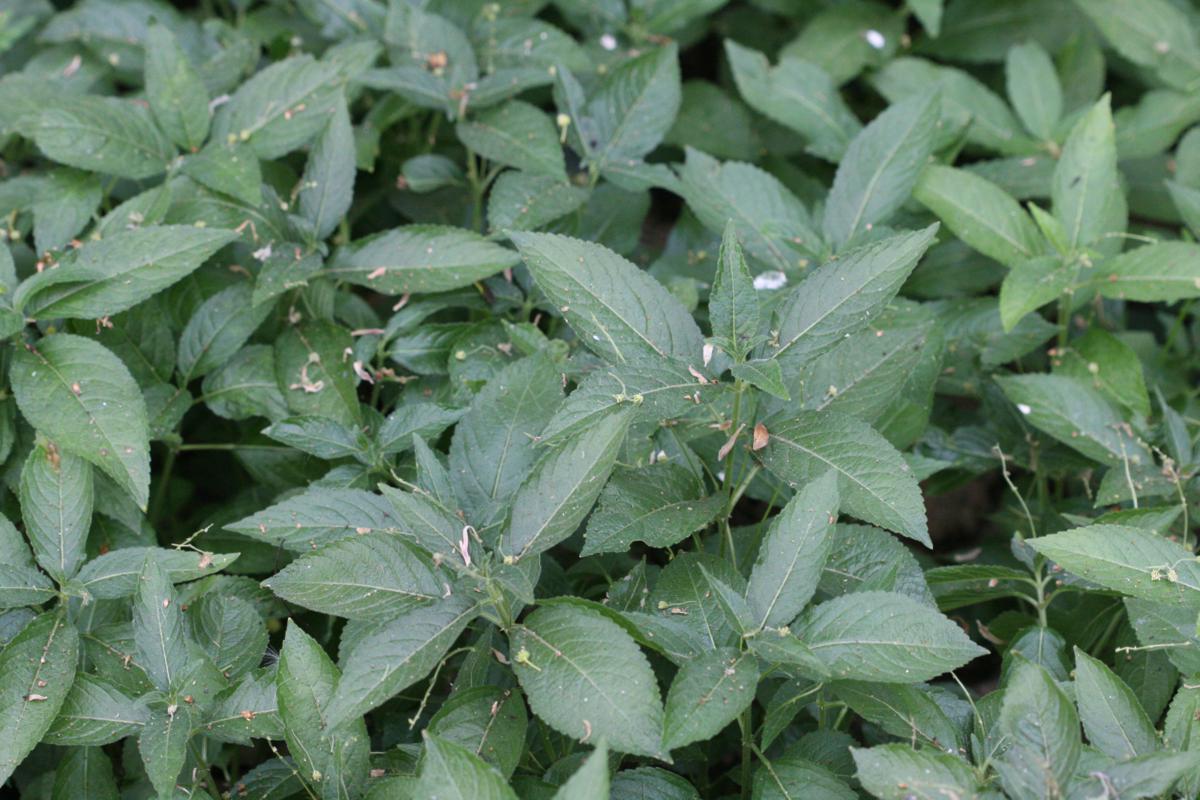
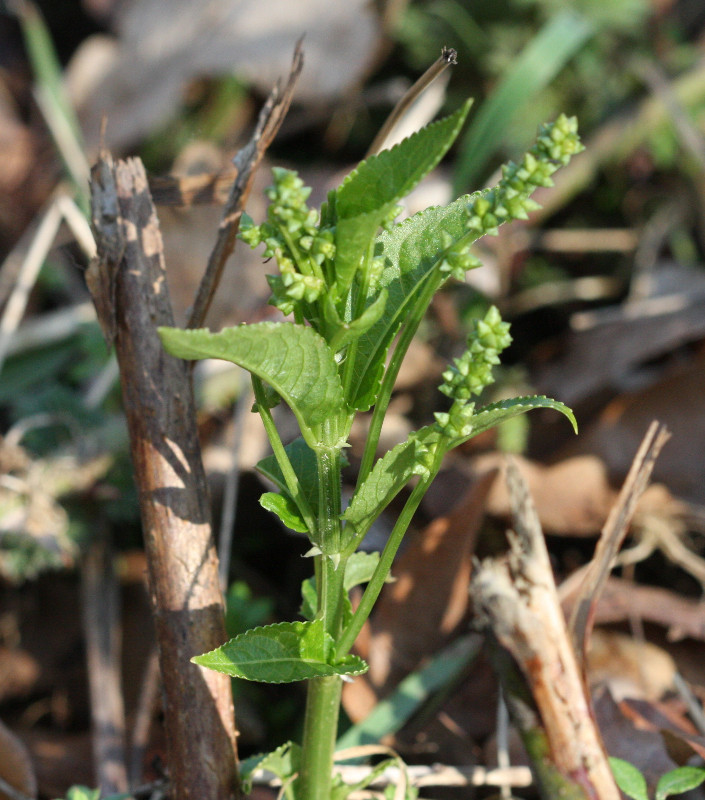
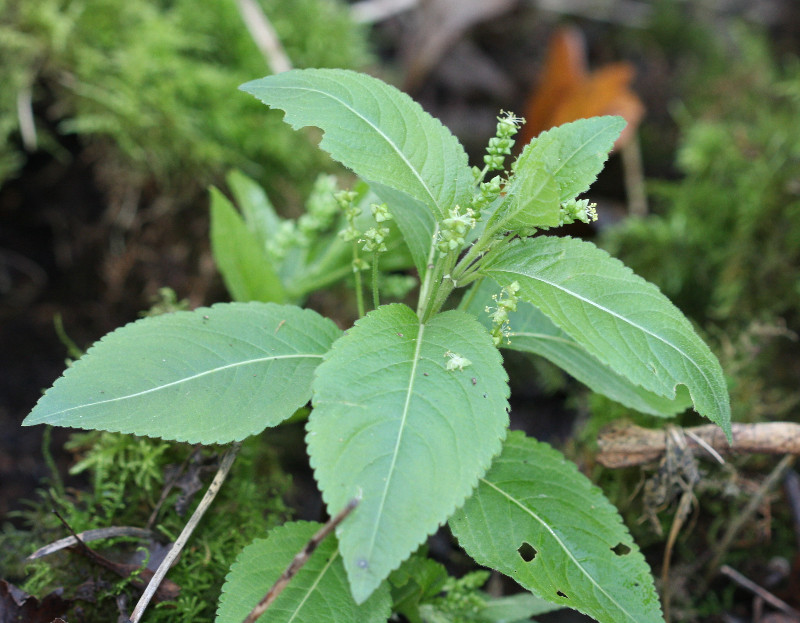
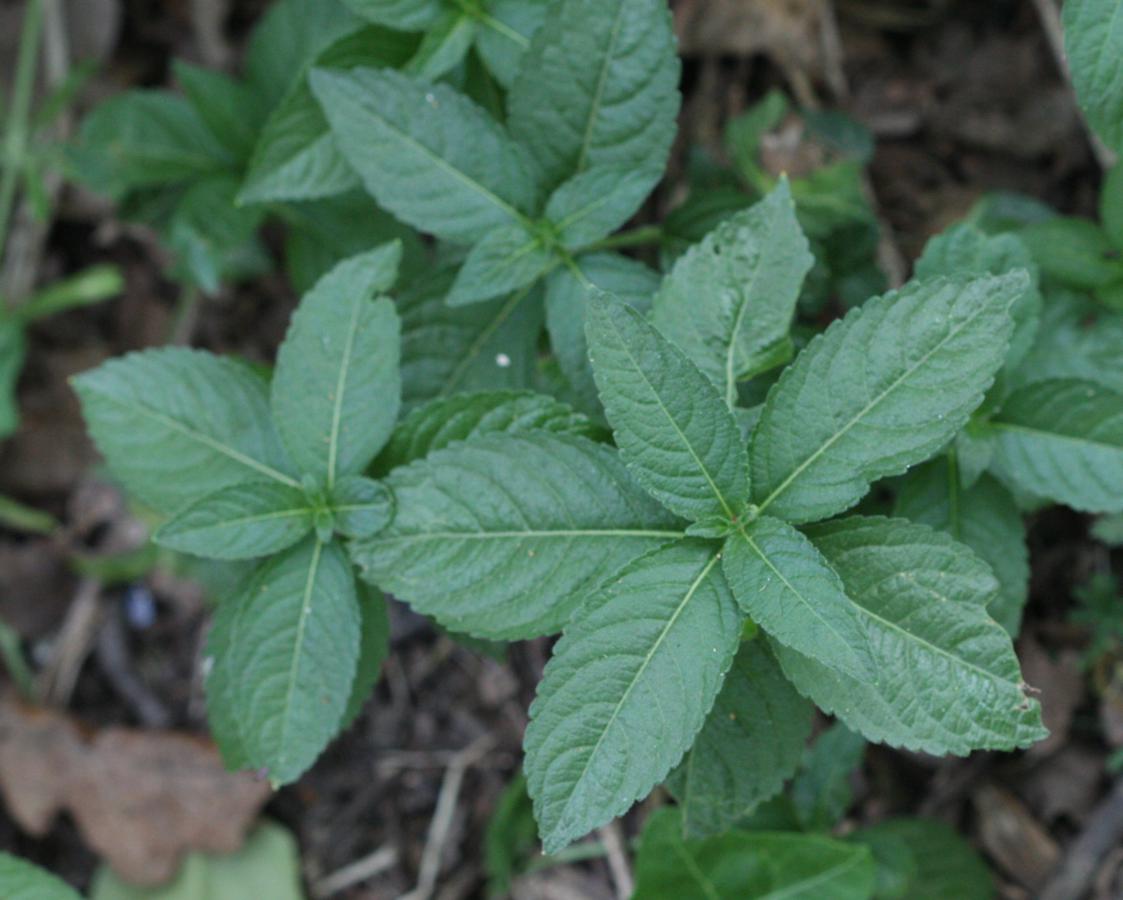
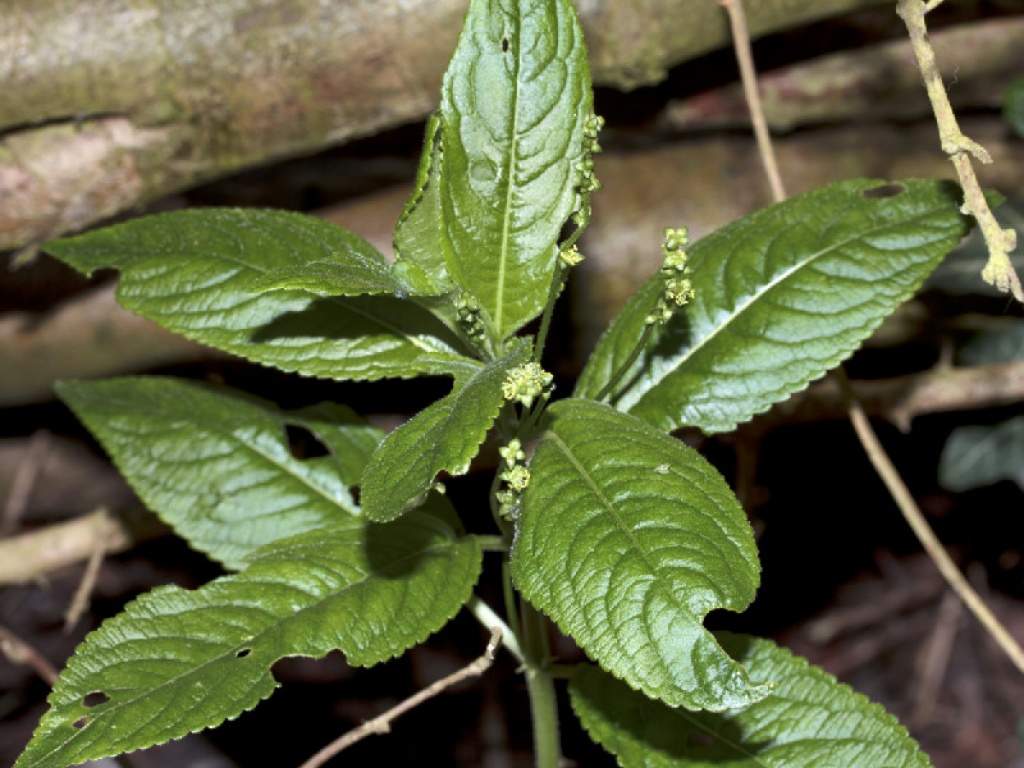
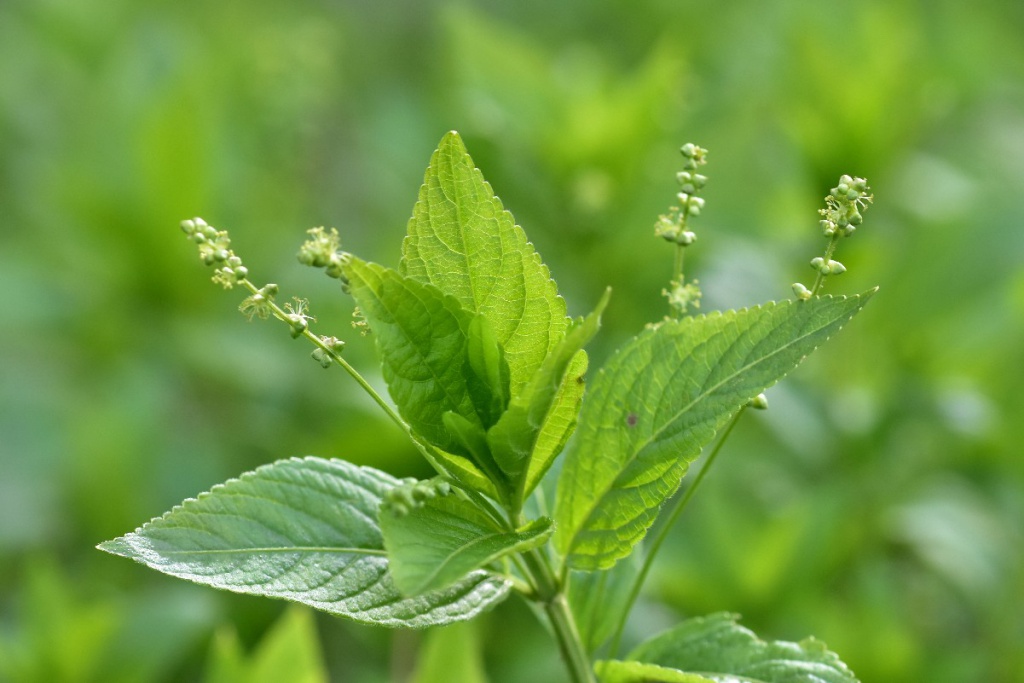
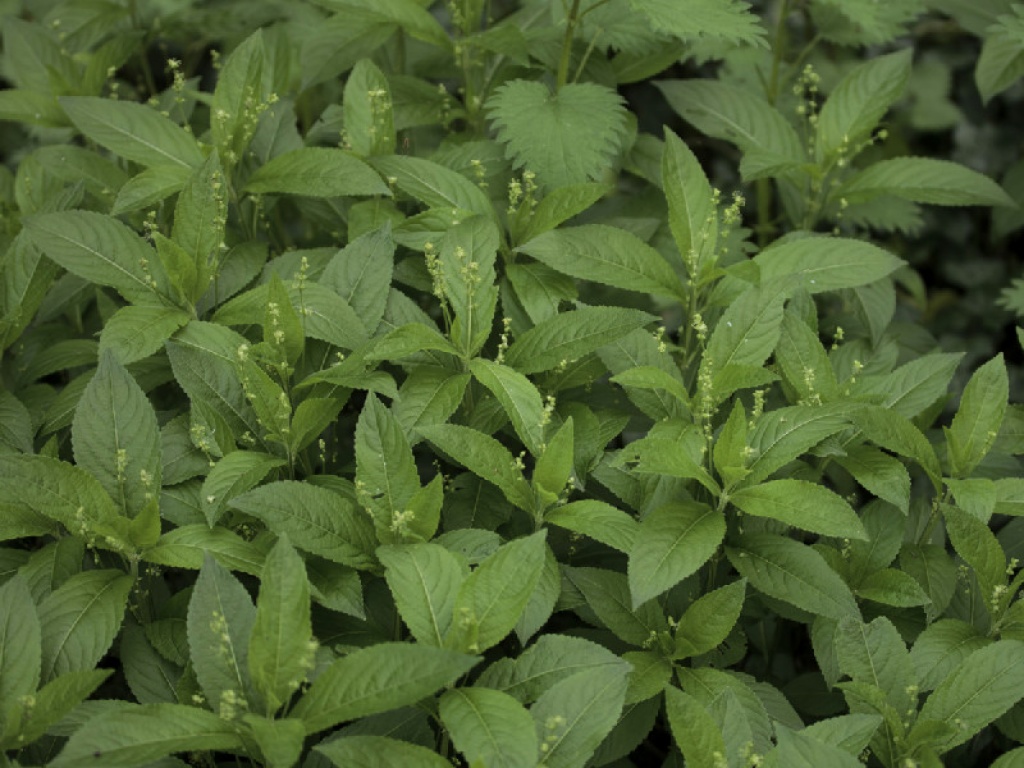
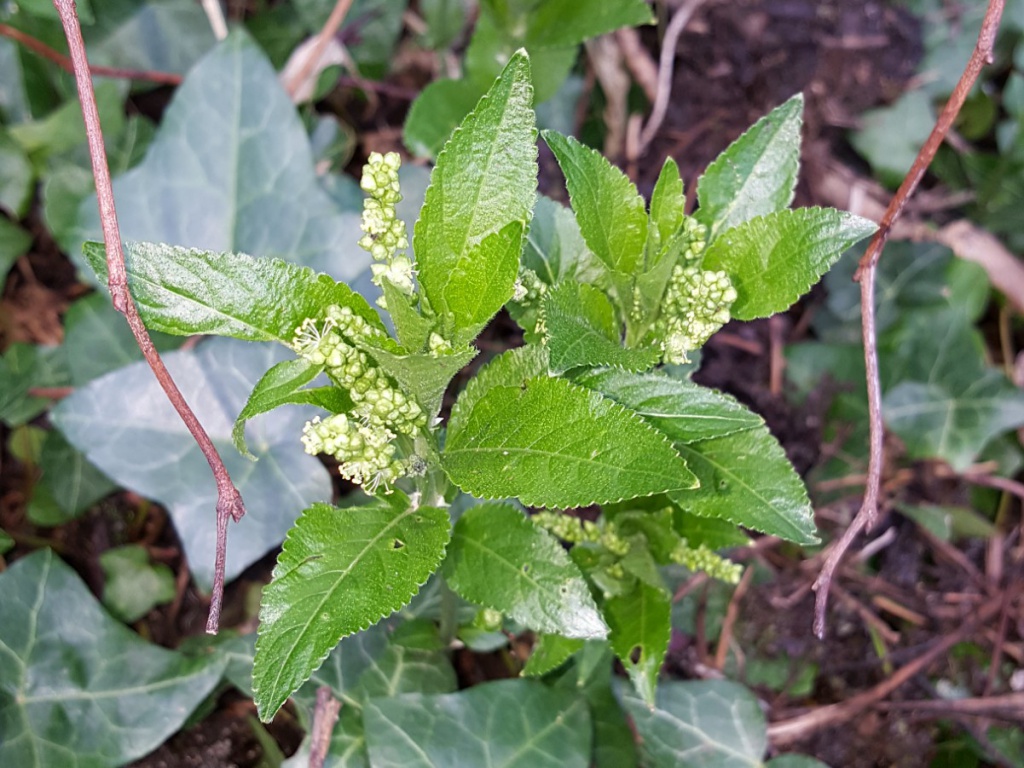
Low to short rhizomatous hairy plant. Leaves lanceolate stalked, crowded towards the stem tops. Flowers greenish 4 to 5 mm, the female solitary or 2 to 3 together, the male in long tassel-like spikes.

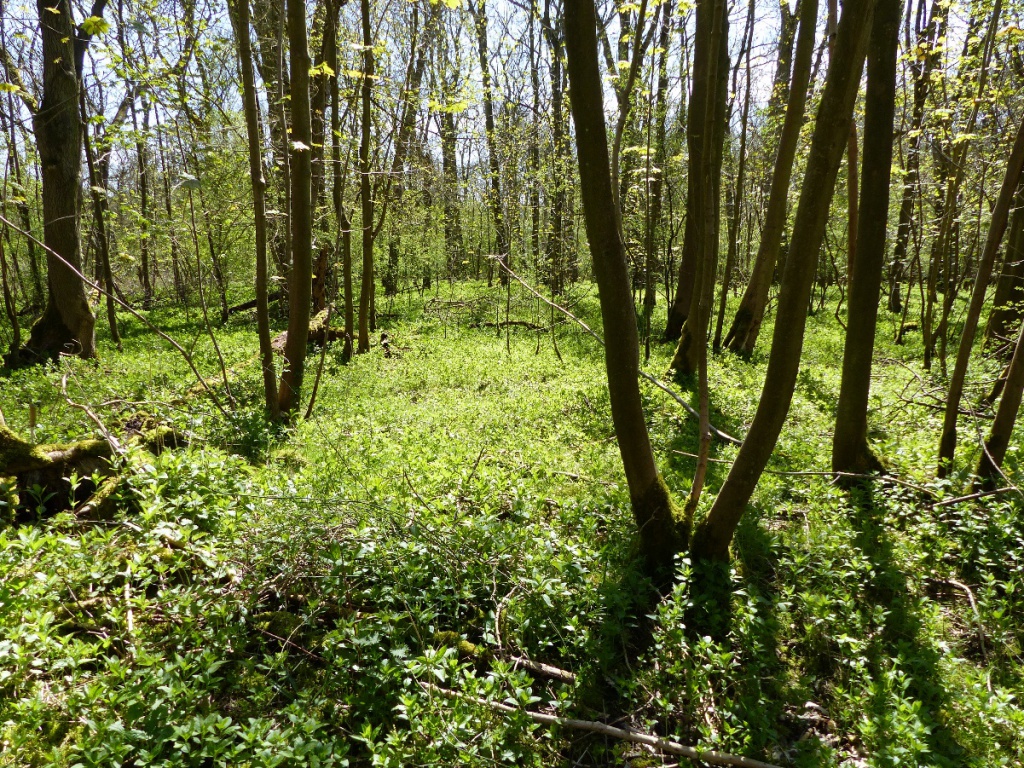
Shaded habitats, woods, hedge bottoms.
February to April
Perennial
Common throughout much of Britain, but rare in northern Scotland and in Ireland.
Quite common in Leicestershire and Rutland. In the 1979 Flora survey of Leicestershire it was found in 259 of the 617 tetrads.
In the current checklist (Jeeves, 2011) it is listed as Native, locally abundant
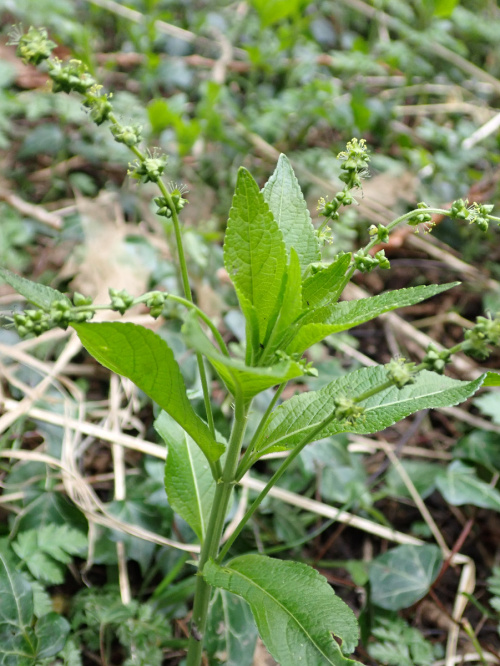 Melinda Bell
Whitwick,Hermitage,Lake
21 March 2025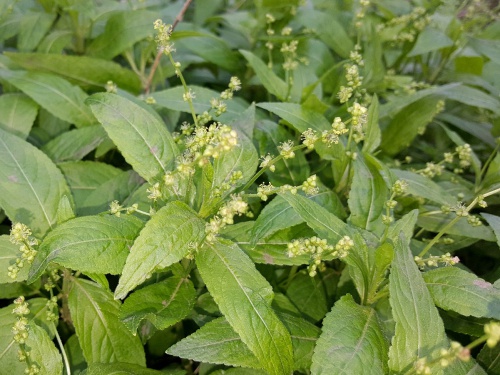 Mike Higgott
Thurcaston
19 March 2017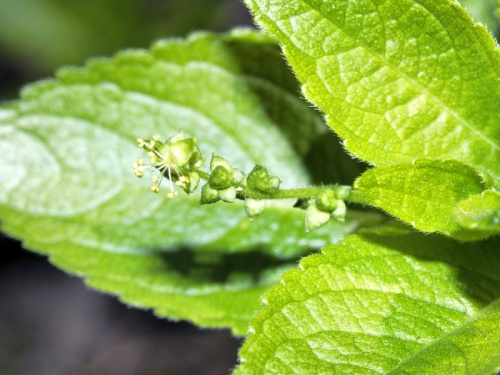 HAPeacock
Gilroes Cemetery
30 March 2012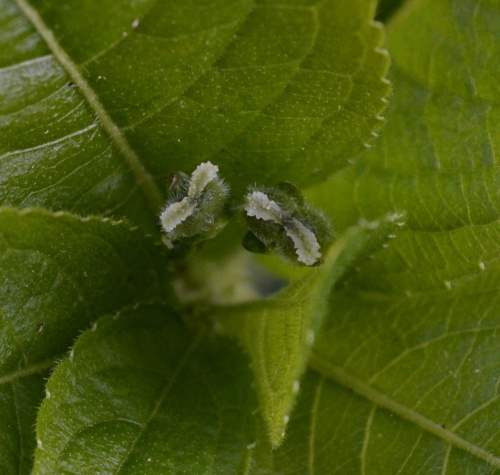 Barbara Cooper
Charley Woods NR
11 April 2019
female flowers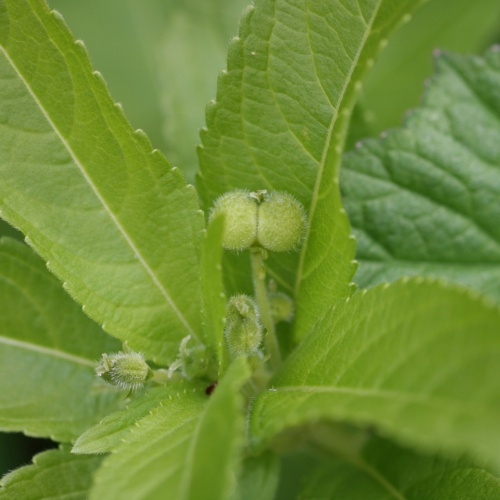 David Nicholls
Cloud Wood
04 May 2015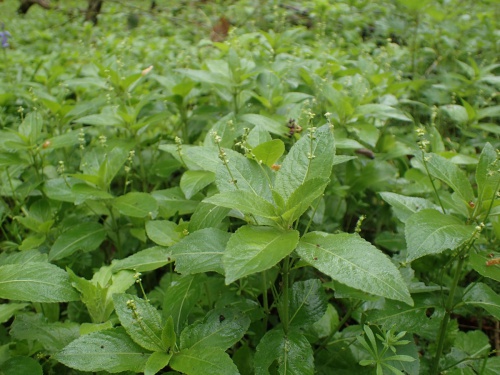 David Gould
Wood Close Plantation, Leicester.
28 April 2018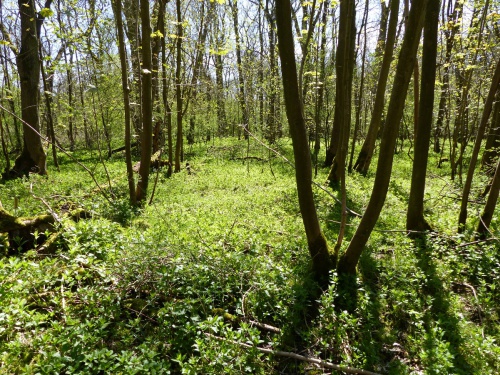 Ken Charity
Wardley Wood.
20 April 2016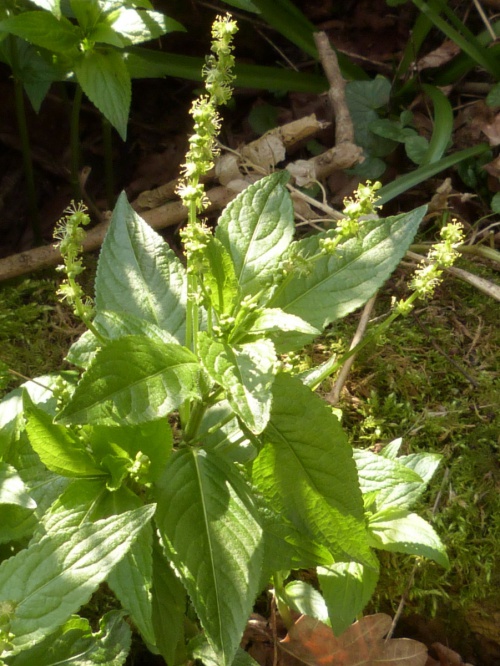 Graham Calow
Burbage Common and Woods
07 April 2015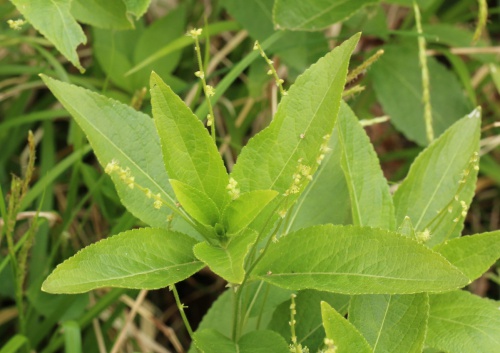 Ian Harding
Sheet Hedges Wood
05 May 2021
Leicestershire & Rutland Map
Enter a town or village to see local records
MAP KEY:
Yellow squares = NBN records (all known data)
Coloured circles = NatureSpot records: 2025+ | 2020-2024 | pre-2020
UK Map
Species profile
- Common names
- Dog's Mercury
- Species group:
- flowering plant
- Kingdom:
- Plantae
- Order:
- Malpighiales
- Family:
- Euphorbiaceae
- Records on NatureSpot:
- 360
- First record:
- 27/05/2000 (MBNHS;Steve Woodward)
- Last record:
- 12/04/2026 (Gray, Stephen)
Total records by month
% of records within its species group
10km squares with records
The latest images and records displayed below include those awaiting verification checks so we cannot guarantee that every identification is correct. Once accepted, the record displays a green tick.
In the Latest Records section, click on the header to sort A-Z, and again to sort Z-A. Use the header boxes to filter the list.
Latest images
Latest records
 Graham Calow
Burbage Common and Woods
12 April 2011 David Nicholls
Highway Spinney
05 May 2011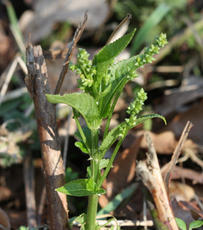 David Nicholls
Market Bosworth Country Park
01 March 2012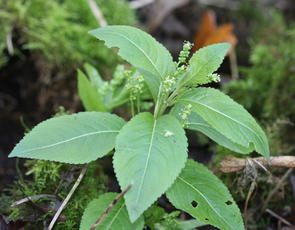 David Nicholls
Sheet Hedges Wood
10 December 2011 Burbage Wood (taken 4.2.2008),.JPG) Graham Calow
Graham Calow
Burbage Wood
04 February 2008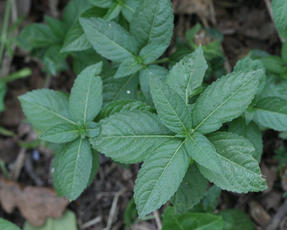 David Nicholls
Highway Spinney
05 May 2011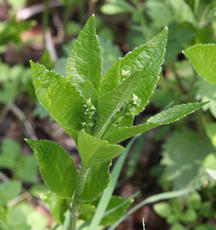 David Nicholls
Rutland Water
22 March 2012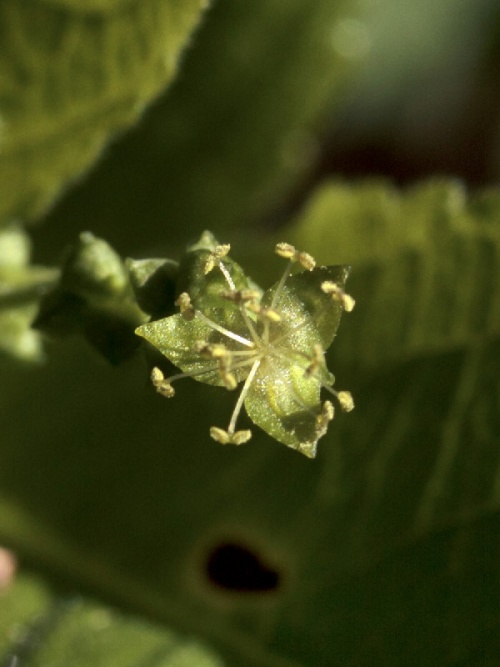 HAPeacock
Gilroes Cemetery
30 March 2012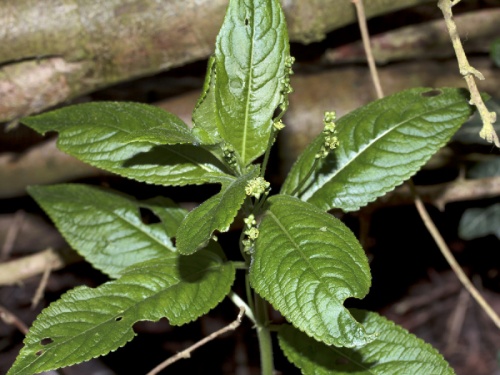 HAPeacock
Gilroes Cemetery
30 March 2012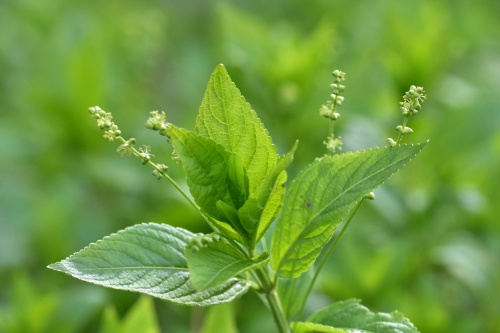 Andy's Rutland
Love's Lane-Empingham
20 March 2019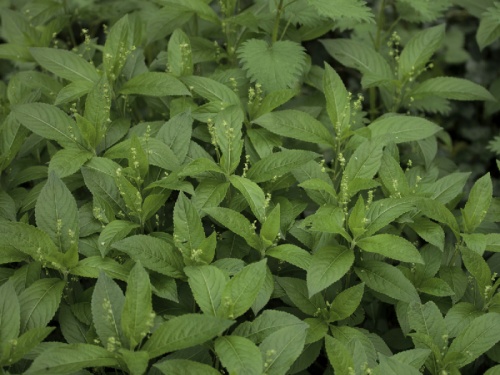 HAPeacock
Goss Spinney
24 April 2012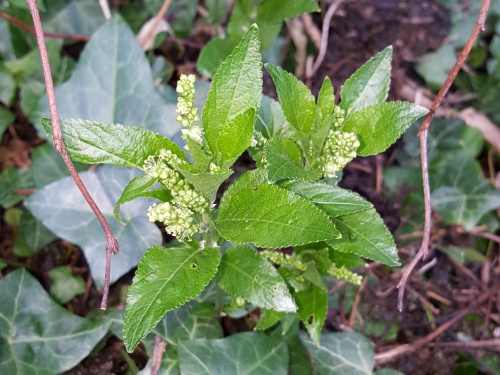 Mike Higgott
County Hall
25 February 2020
 Burbage Wood (taken 4.2.2008),.JPG)
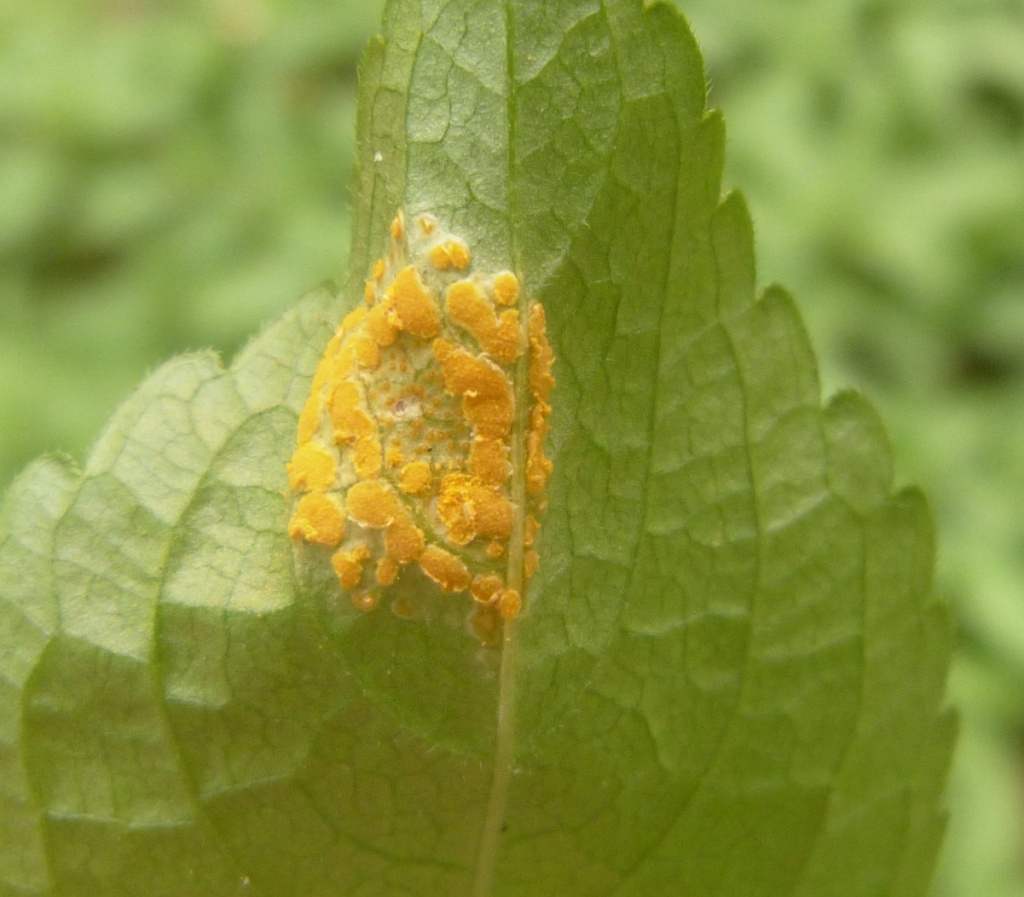
Melampsora populnea
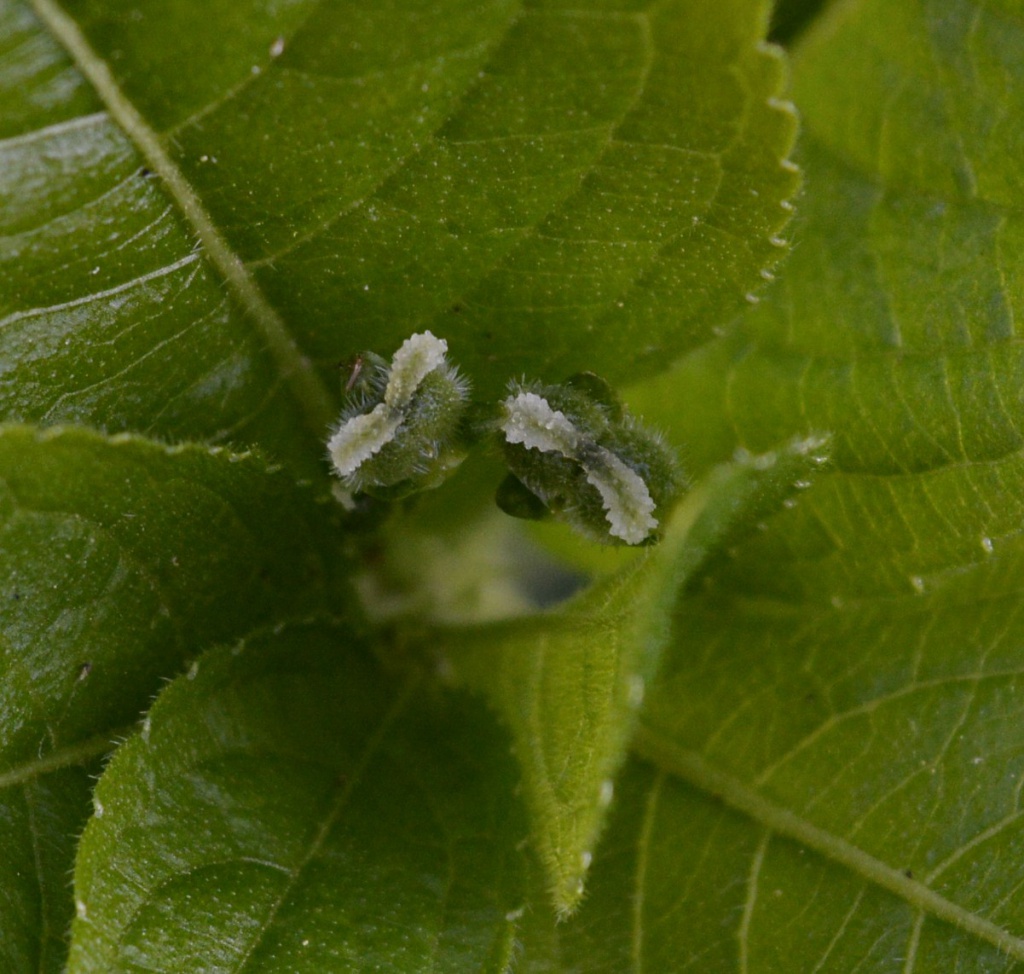
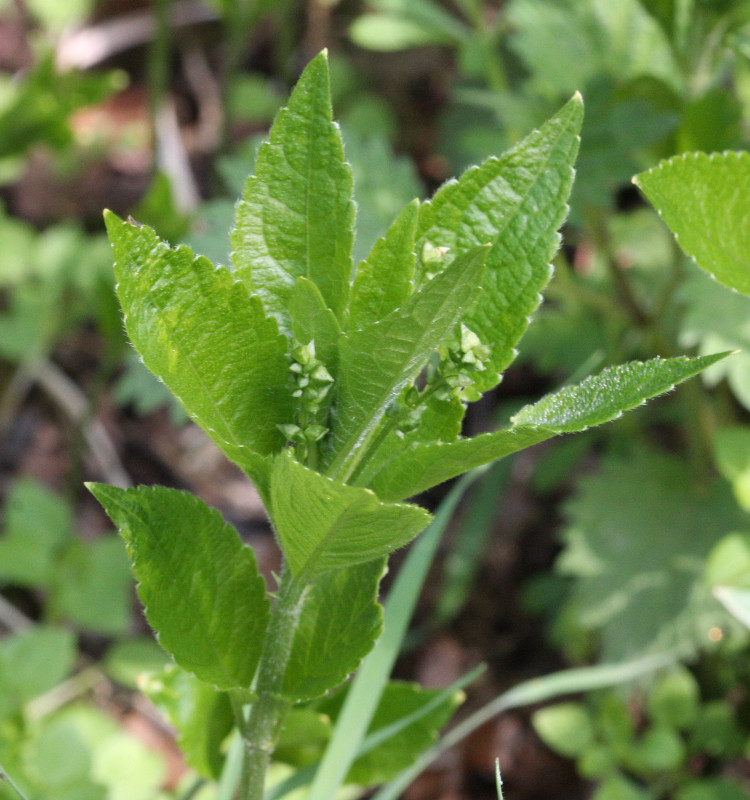
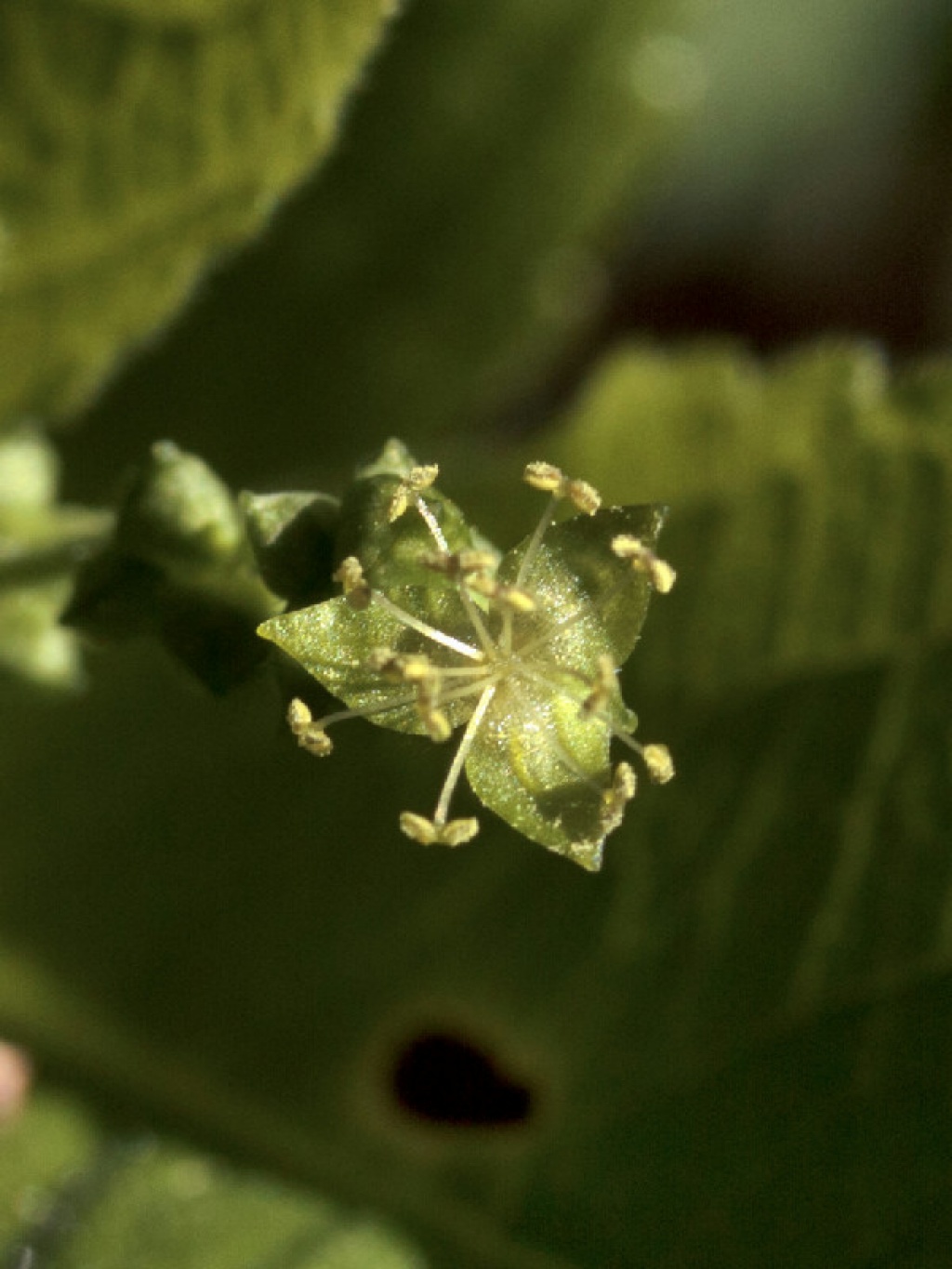
Thie rust fungus Melampsora populnea causes galls on the alternate host plants Dog's Mercury and (rarely) Annual Mercury. These are pale orange-yellow, white edged swellings up to 2 cm across, on leaf tips, distorted petioles and sometimes on stems. The swellings carry spermogonia and orange aecia. The primary hosts, bearing uredinia and telia, are White Poplar, Aspen and the hybrid between the two, Grey Poplar.