

Cymus glandicolor
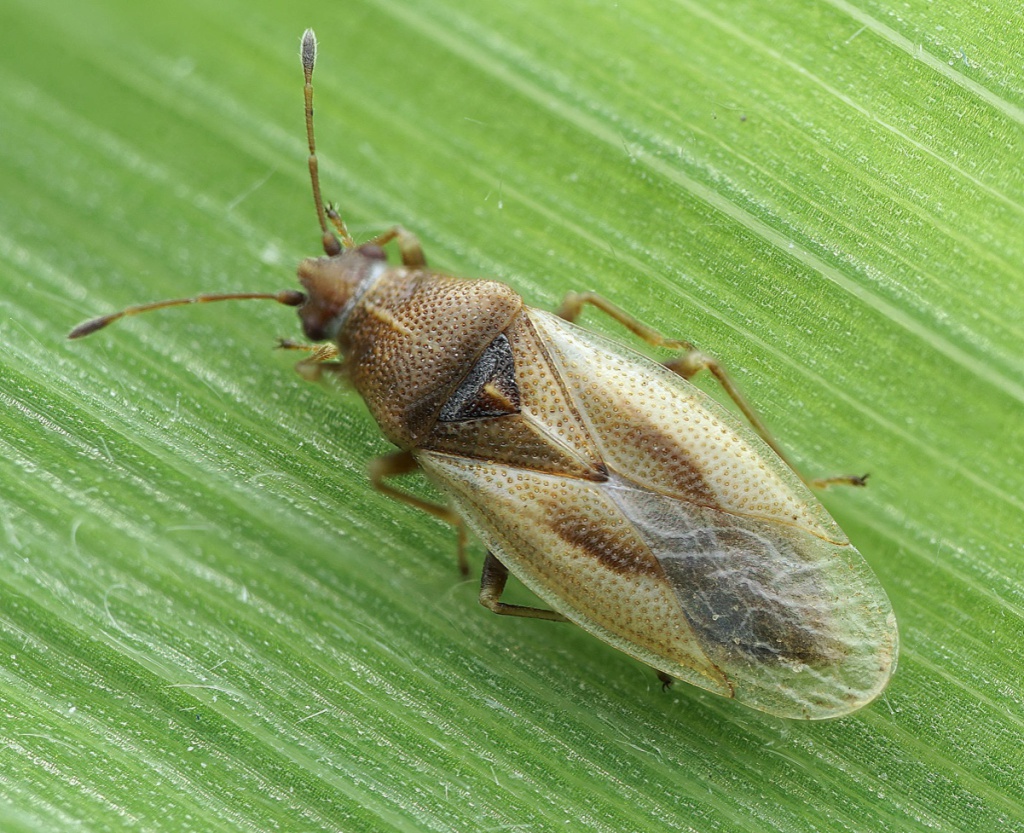
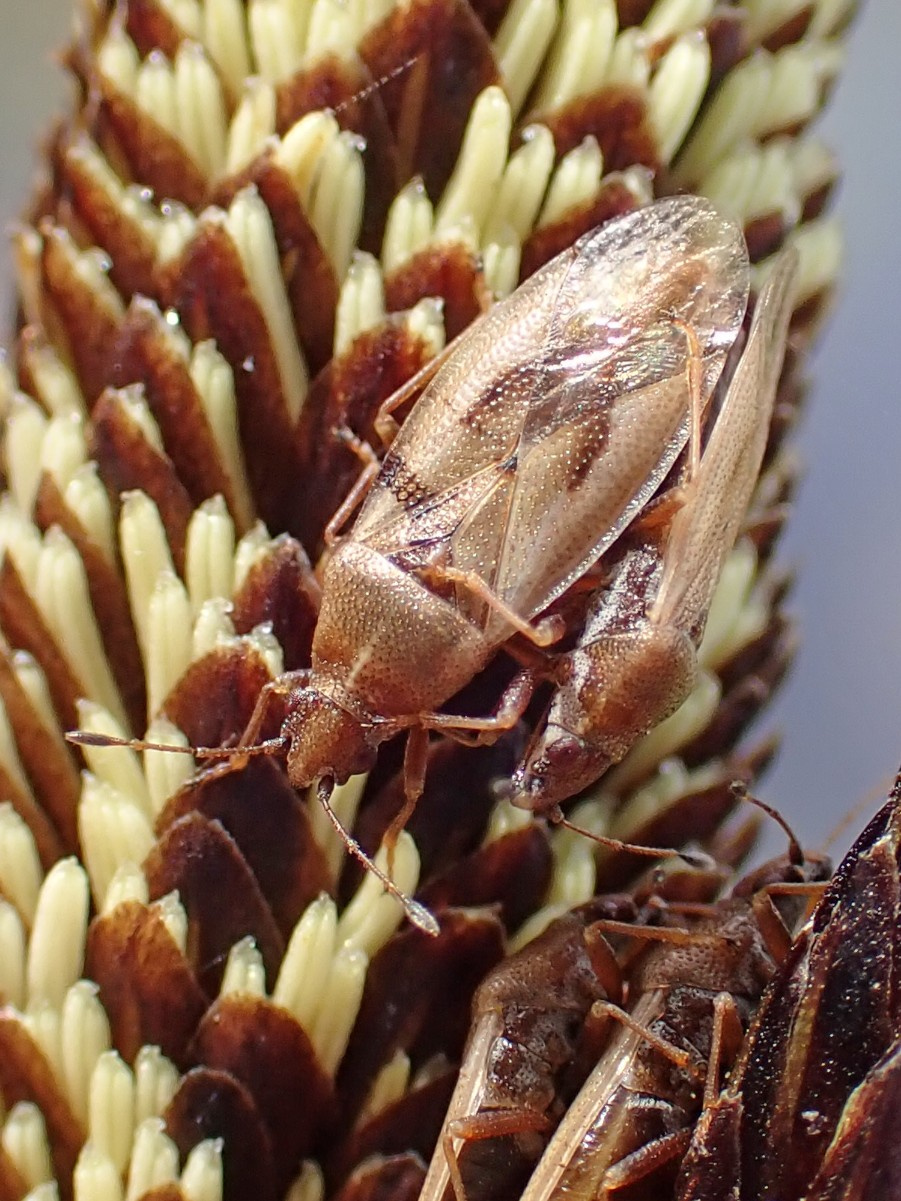
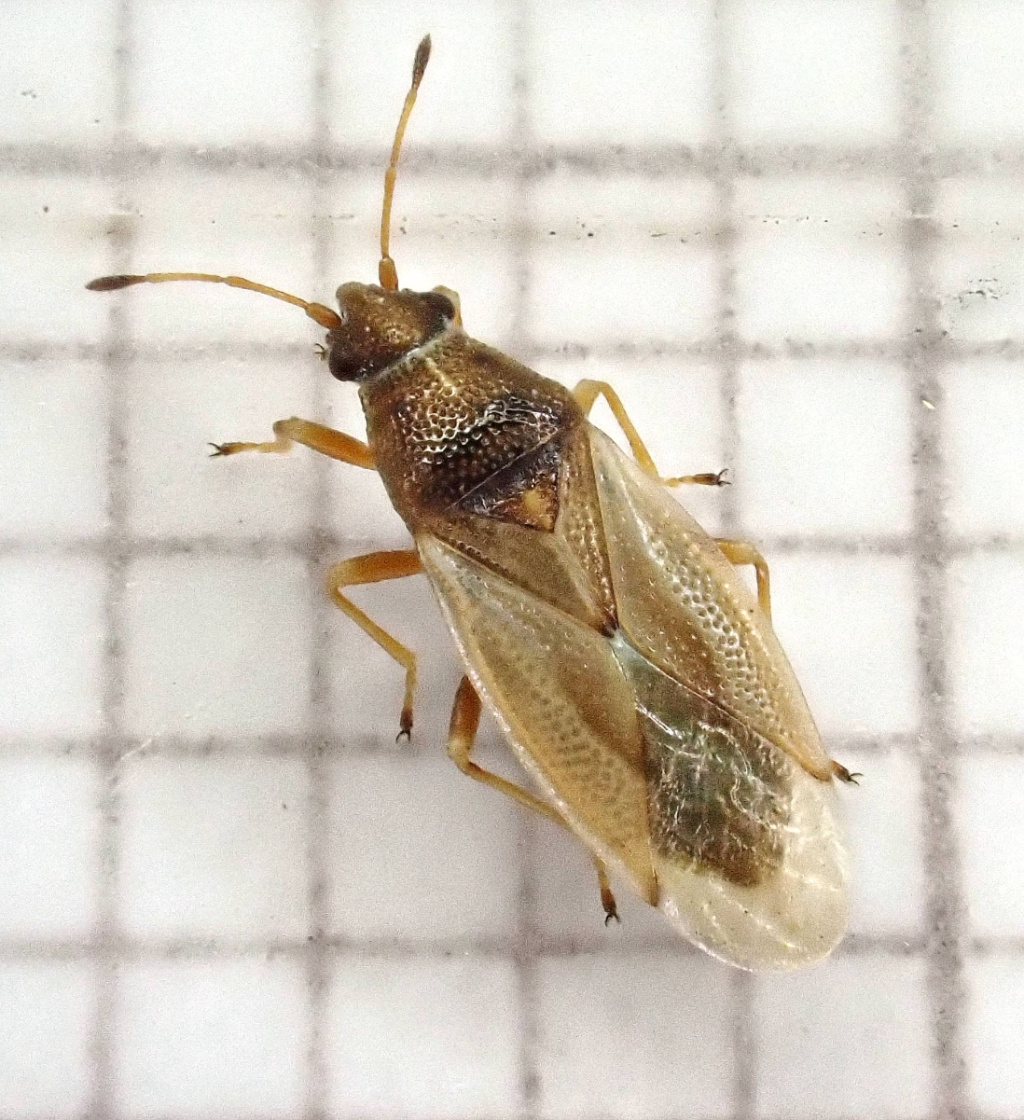
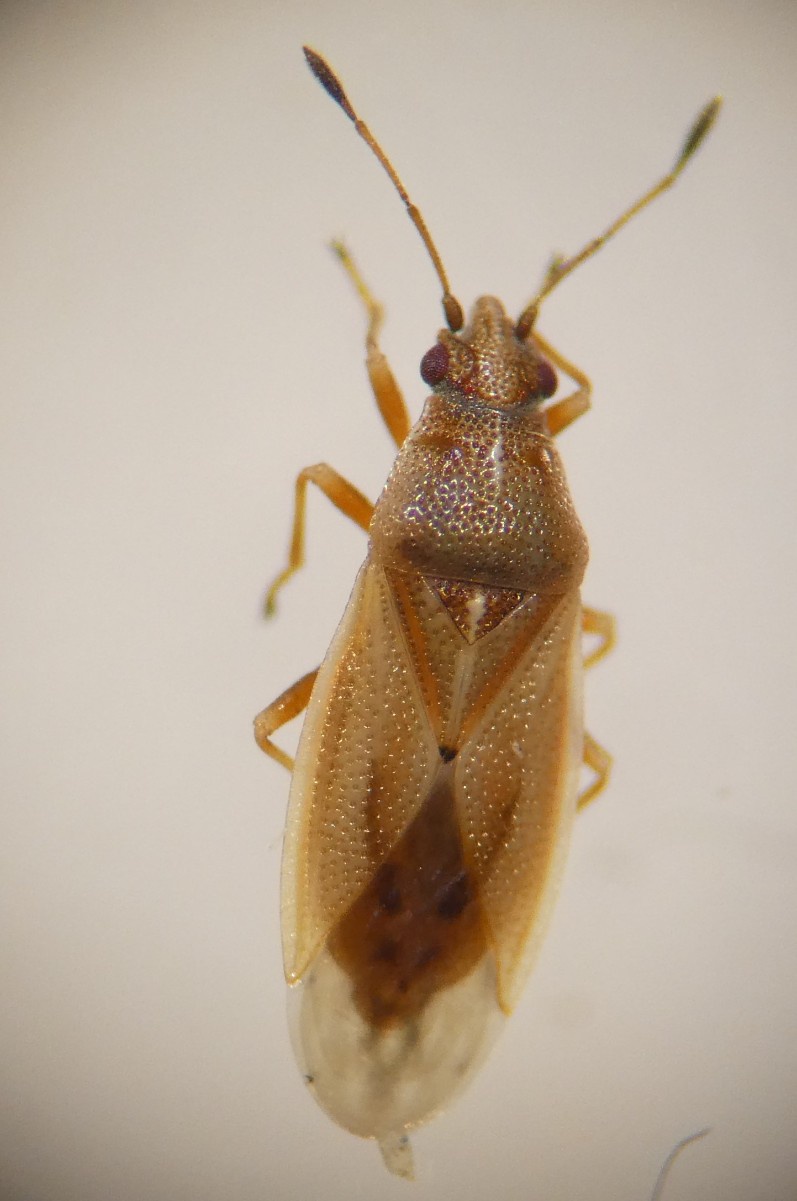
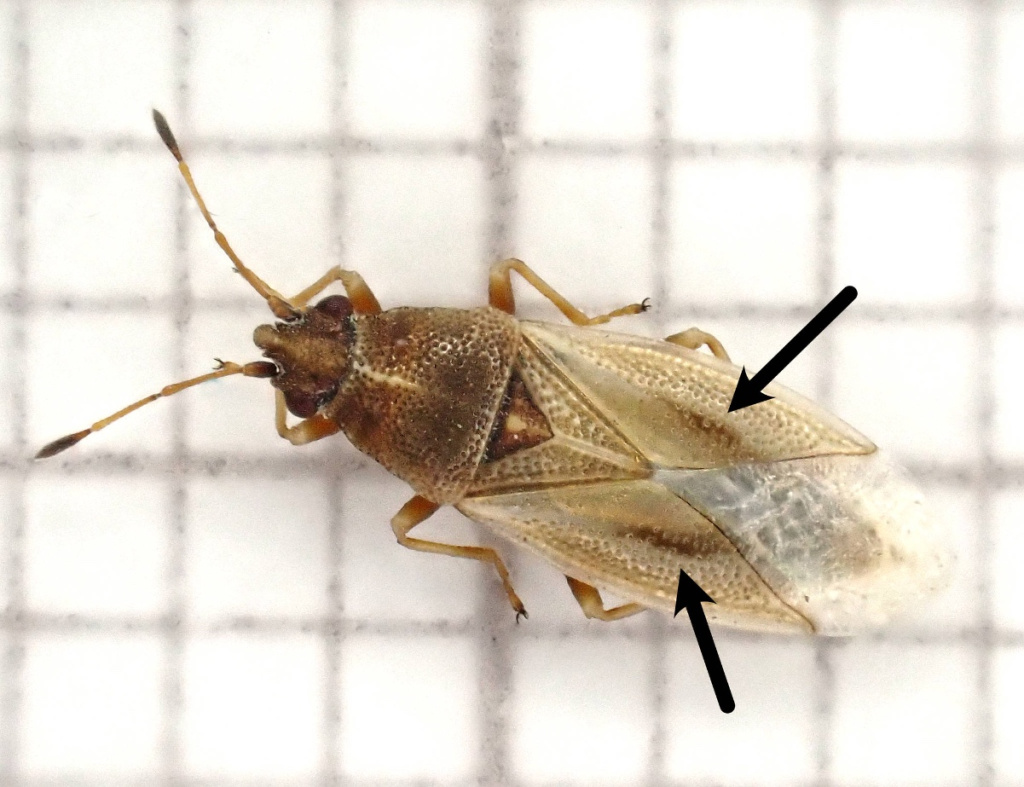
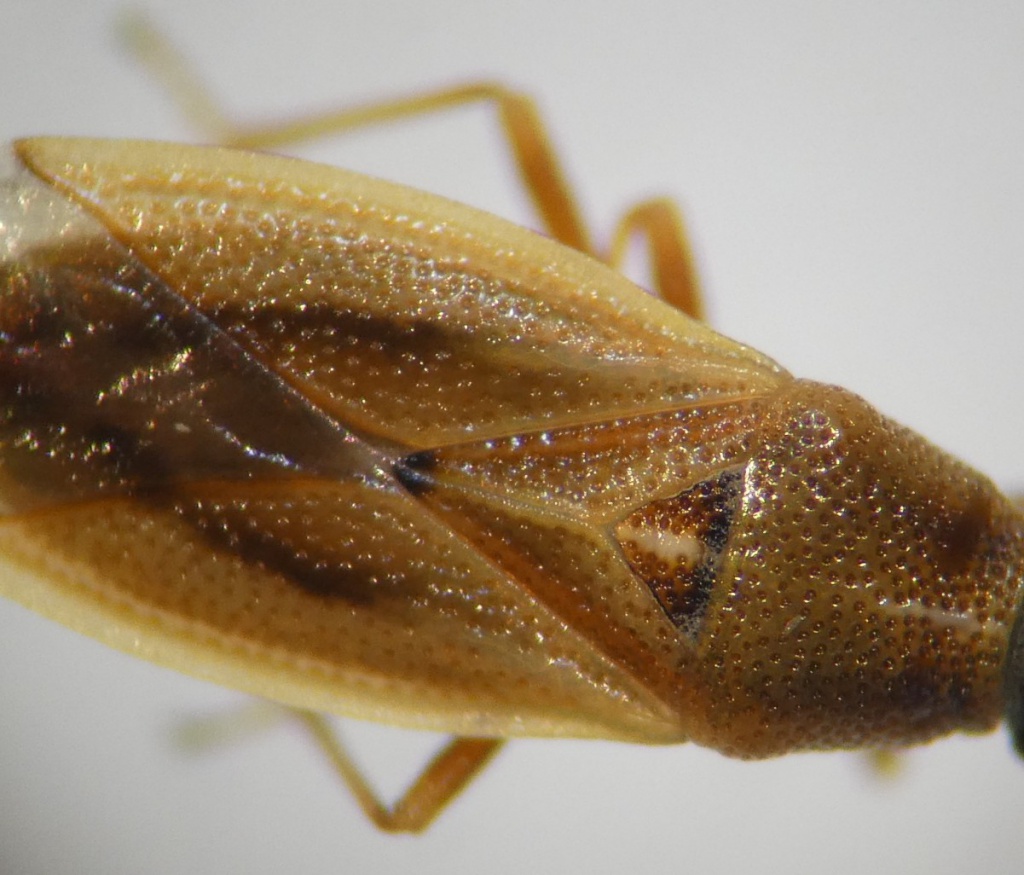
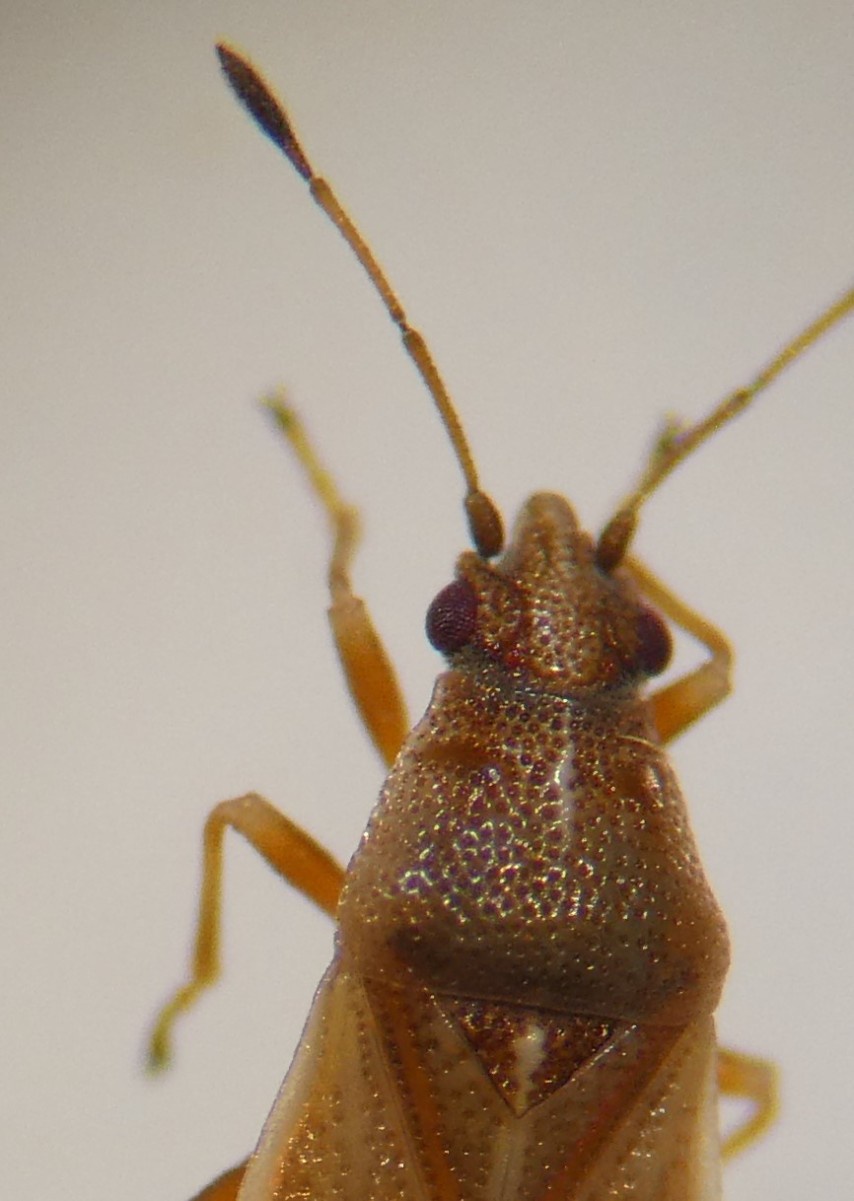
Length 4 to 5 mm. The four bugs in this genus are distinctively shaped and have a highly punctured body and forewings. However, they can be difficult to separate. Cymus glandicolor has a pale keel on the scutellum, and dark markings on the cubital wing vein. These markings are roughly parallel to the edge of the forewing, pointing towards the base of the corium.
In the similar but much rarer Cymus aurescens, these markings are more oblique to the wing edge and point towards it. The tibiae are usually pale.

Detailed examination of the specimen is needed to identify the species (a photograph alone is not normally sufficient because key features are too small or hidden).
Unless identified by a recognised expert, a photo is required and the specimen should be examined with a microscope. In the comments box, state the key or ID method used and describe the size and identifying characters.
Found in damper habitats such as damp meadows, marshes and dune slacks, feeding on sedges.
Adult: All year
Found widely in England and Wales, and recently recorded from Scotland.
Probably under recorded in Leicestershire and Rutland.
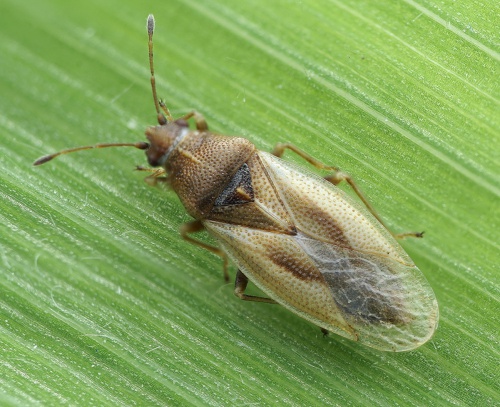 AJ Cann
Stonesby Quarry
03 June 2023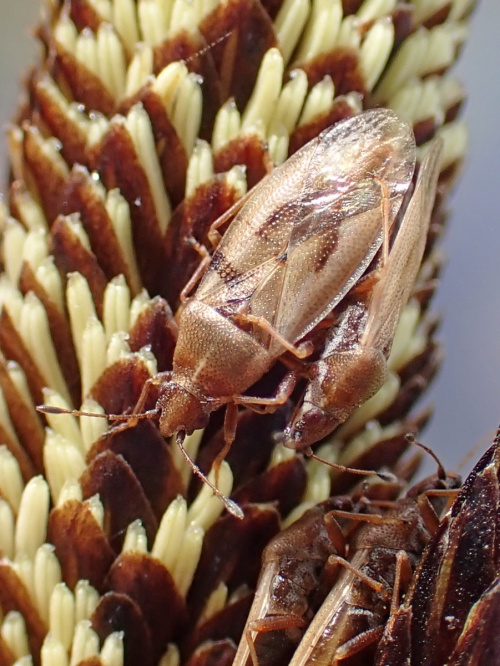 Peter Smith
Cropston garden
16 April 2026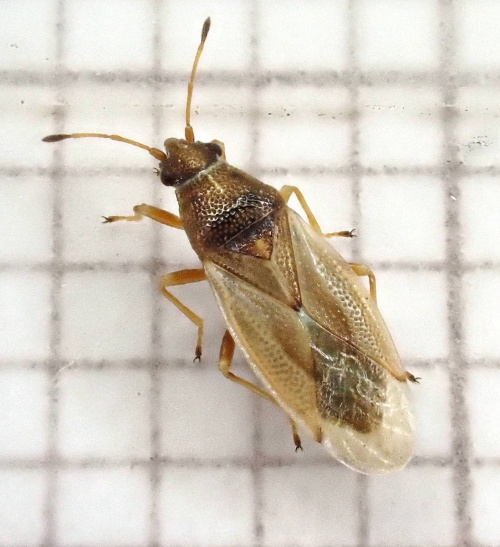 AJ Cann
Priors Coppice
07 June 2024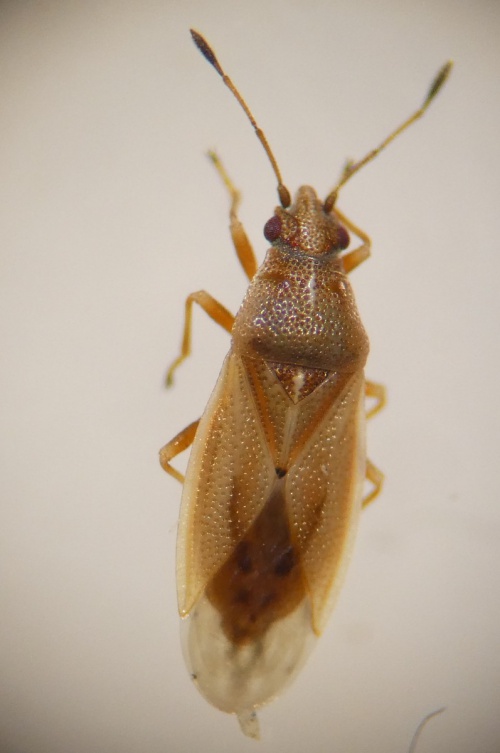 sue
sue
Bardon Hill, adj to path from north
26 July 2021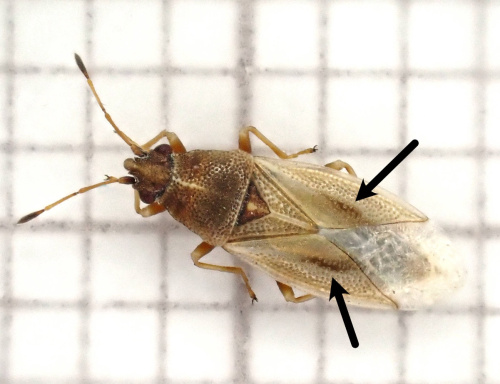 AJ Cann
Stretton Wood
19 May 2024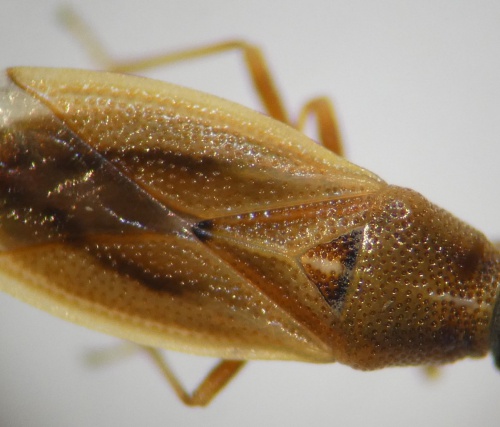 sue
sue
Bardon Hill, adj to path from north
26 July 2021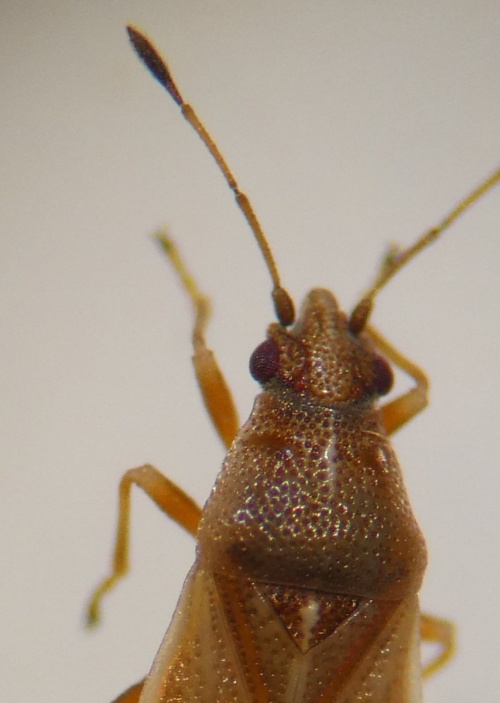 sue
sue
Bardon Hill, adj to path from north
26 July 2021
Leicestershire & Rutland Map
Enter a town or village to see local records
MAP KEY:
Yellow squares = NBN records (all known data)
Coloured circles = NatureSpot records: 2025+ | 2020-2024 | pre-2020
UK Map
Species profile
- Species group:
- insect - true bug (Hemiptera)
- Kingdom:
- Animalia
- Order:
- Hemiptera
- Family:
- Lygaeidae
- Records on NatureSpot:
- 11
- First record:
- 26/07/2021 (Timms, Sue)
- Last record:
- 16/04/2026 (Smith, Peter)
Total records by month
% of records within its species group
10km squares with records
The latest images and records displayed below include those awaiting verification checks so we cannot guarantee that every identification is correct. Once accepted, the record displays a green tick.
In the Latest Records section, click on the header to sort A-Z, and again to sort Z-A. Use the header boxes to filter the list.