

Creeping Thistle - Cirsium arvense
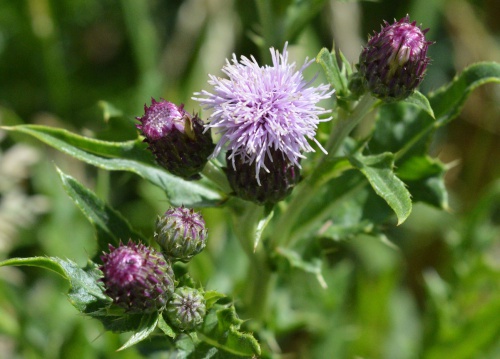
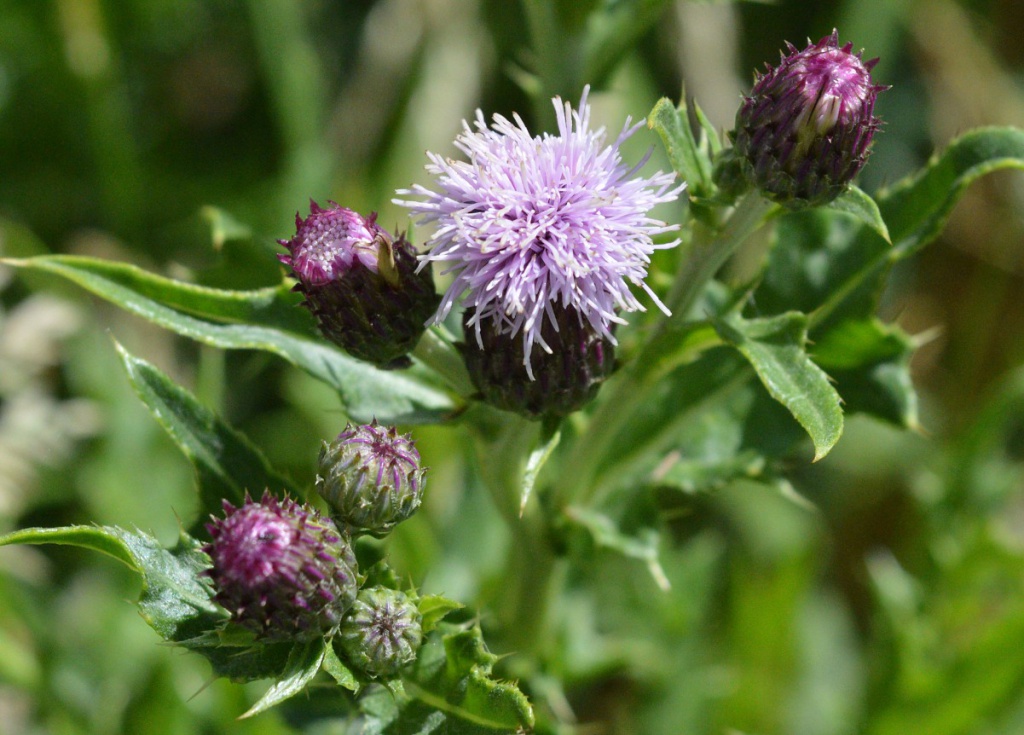
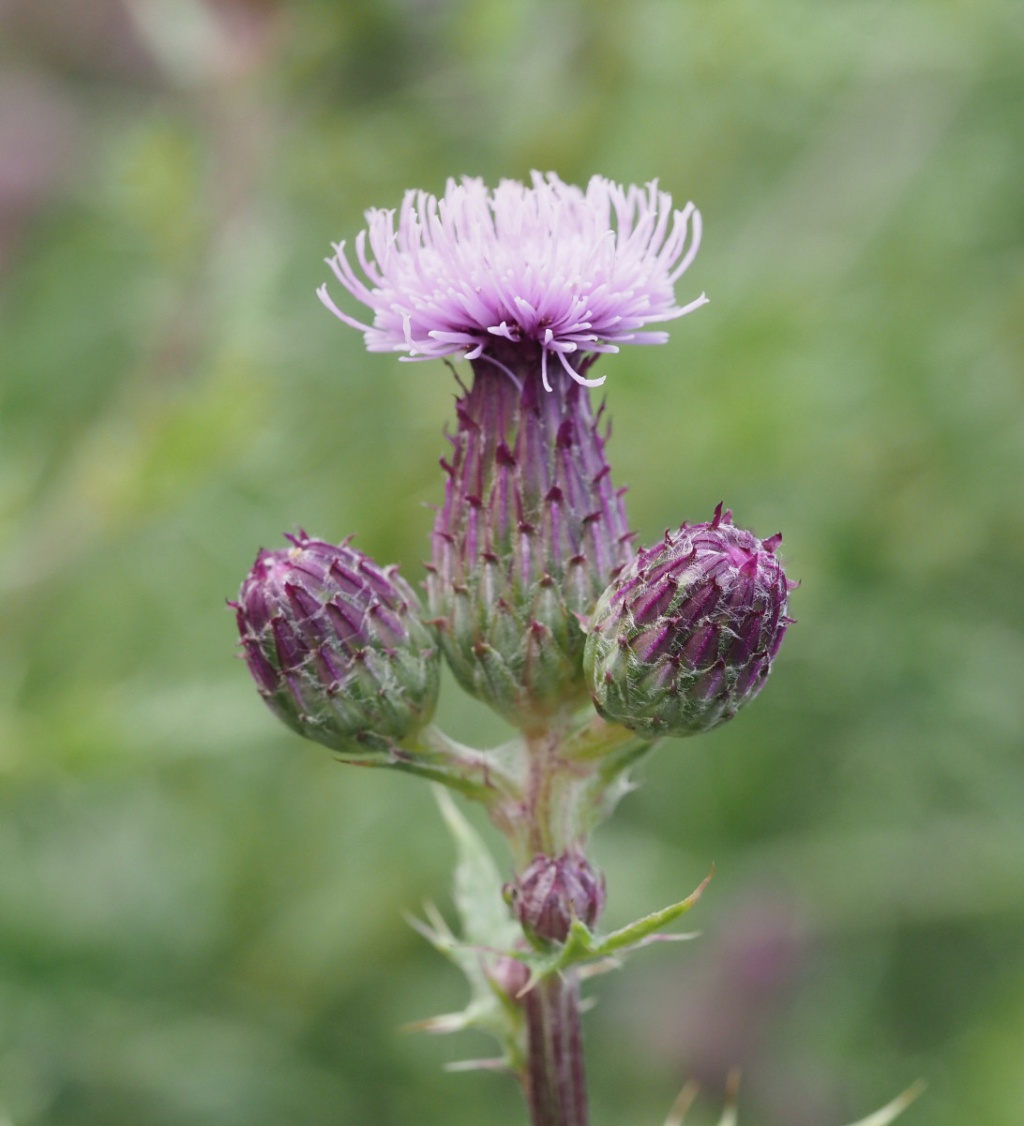
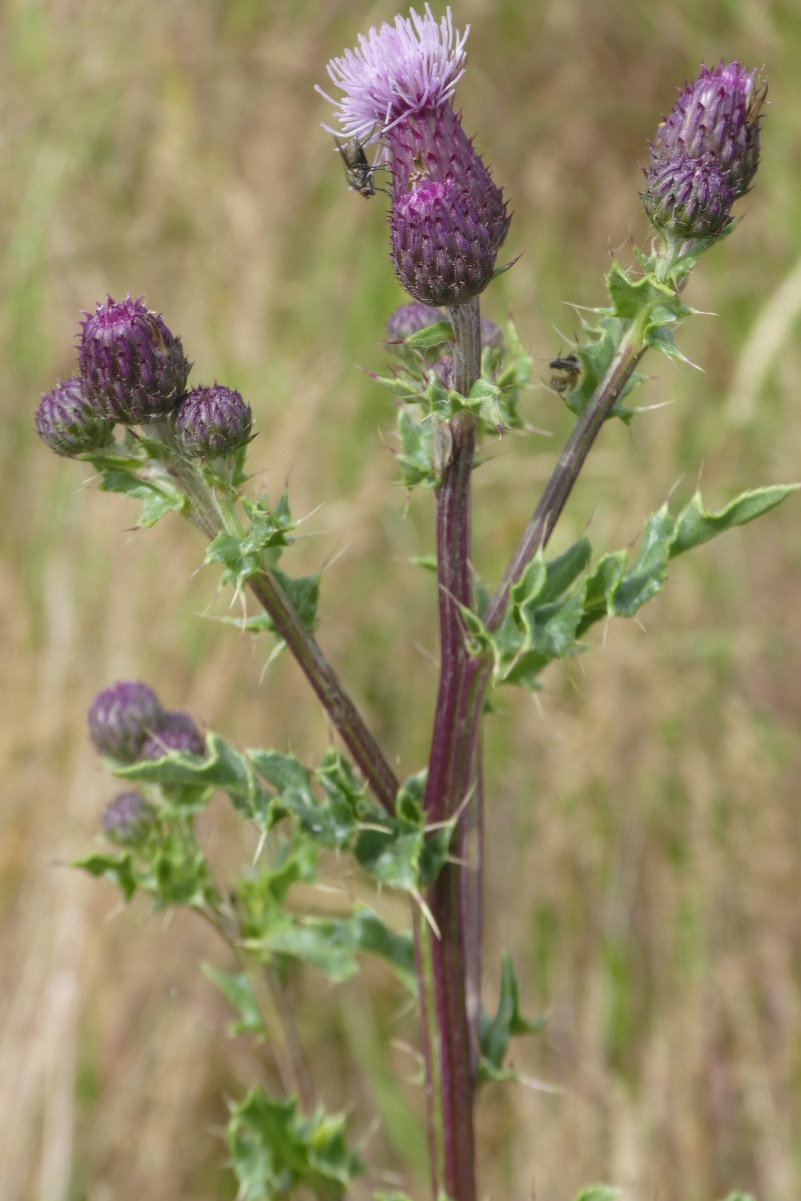
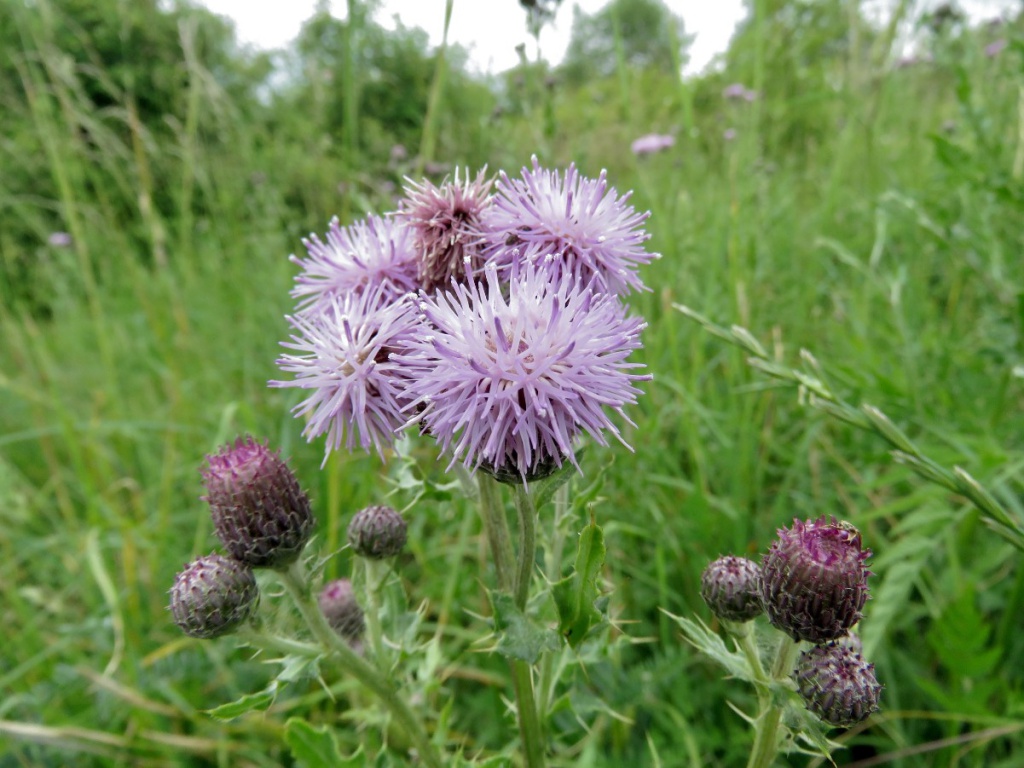
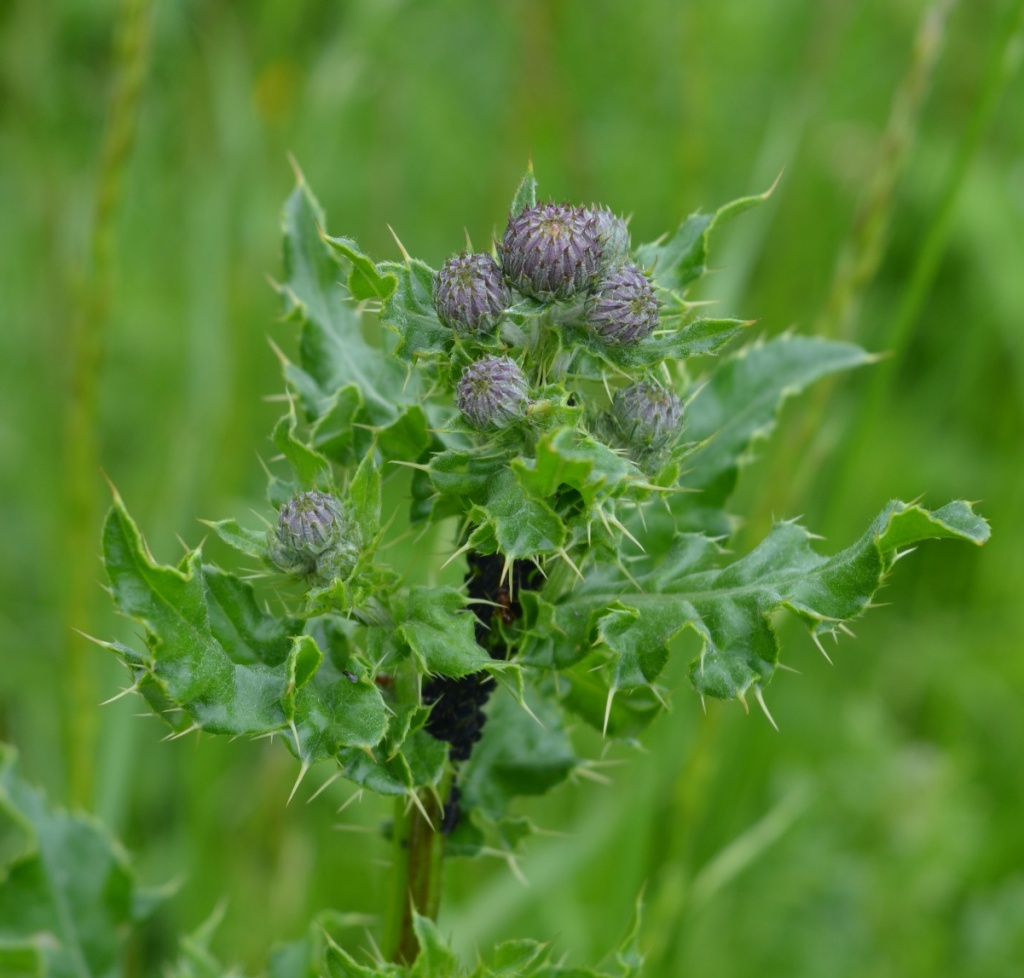
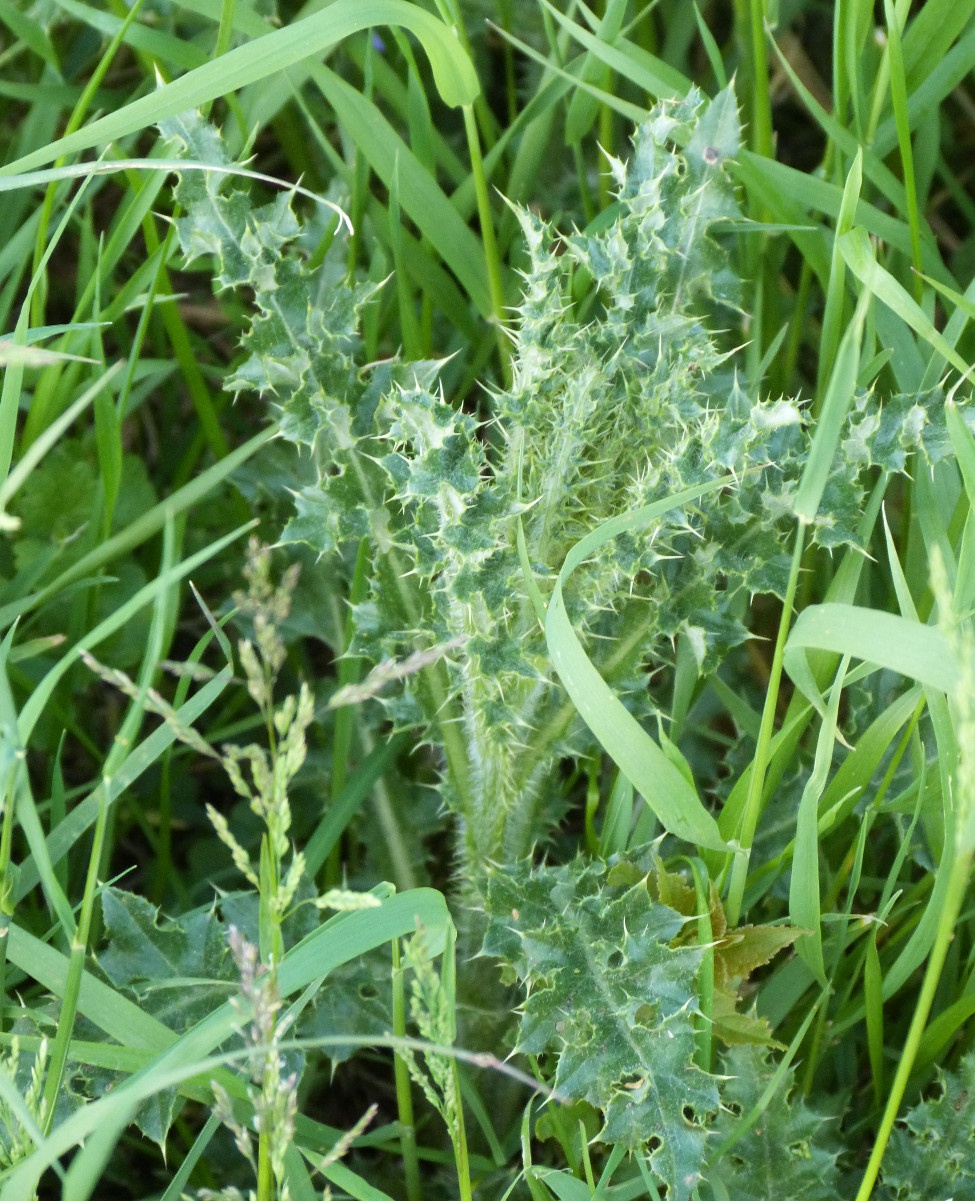
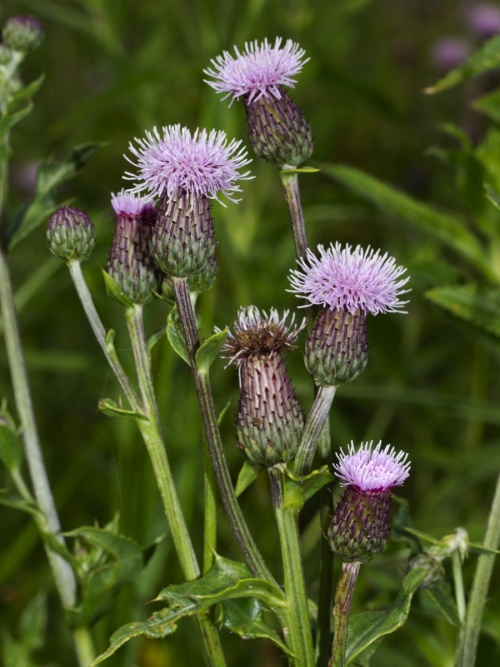
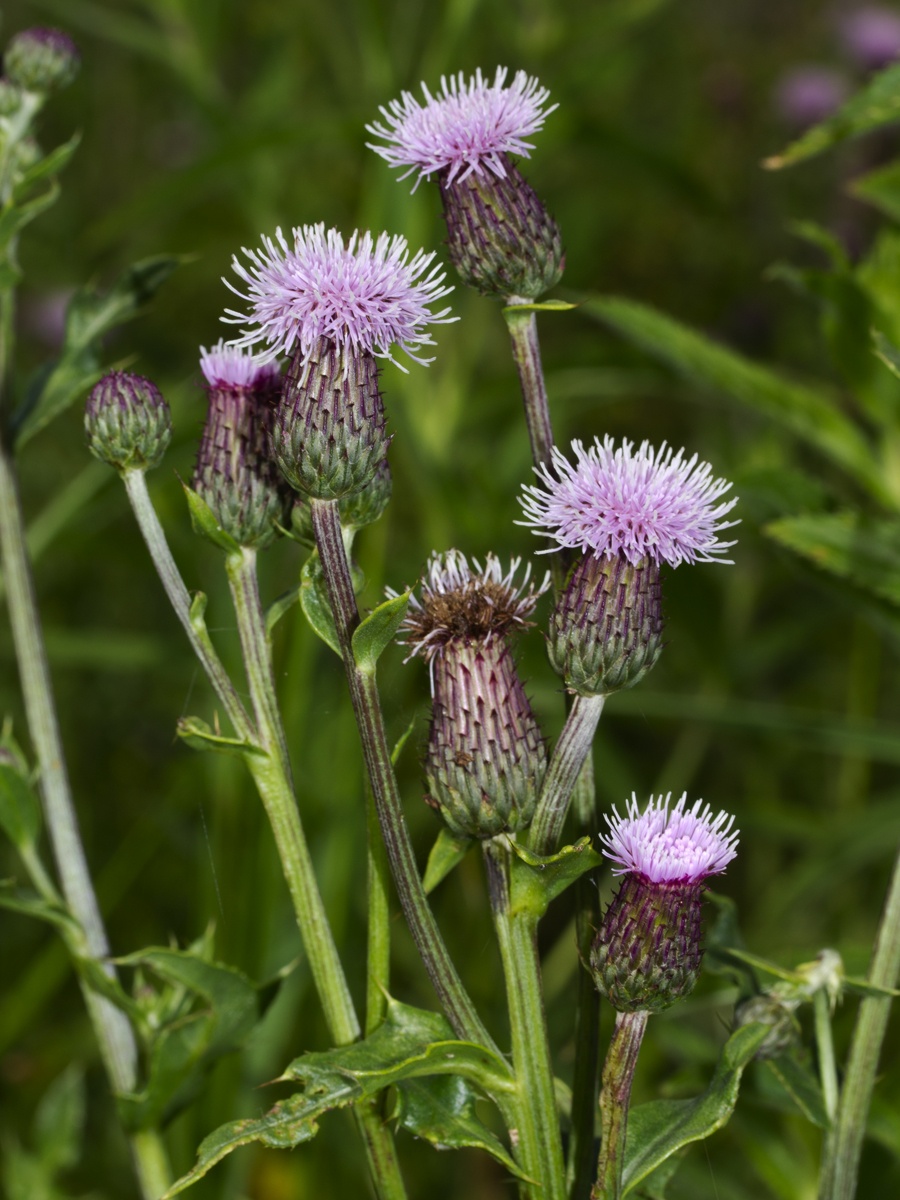
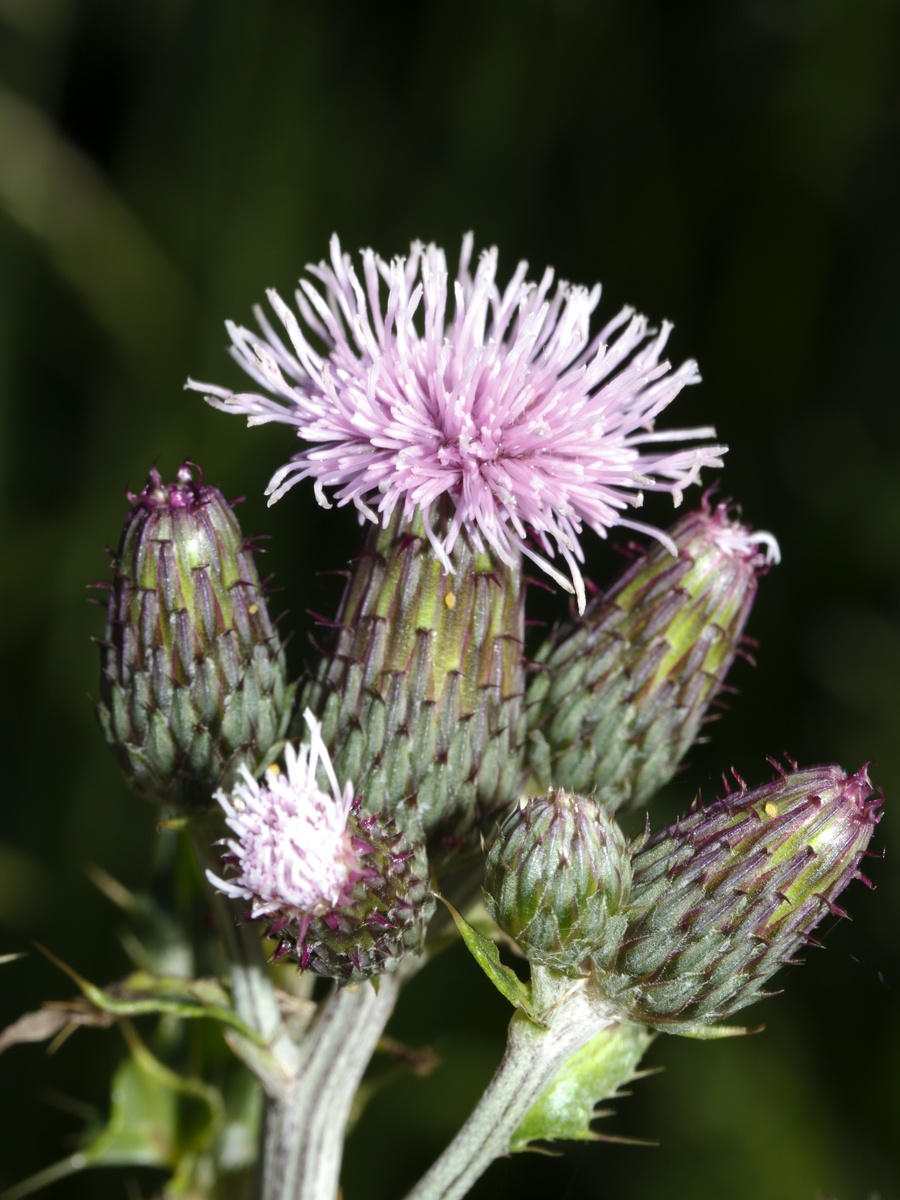
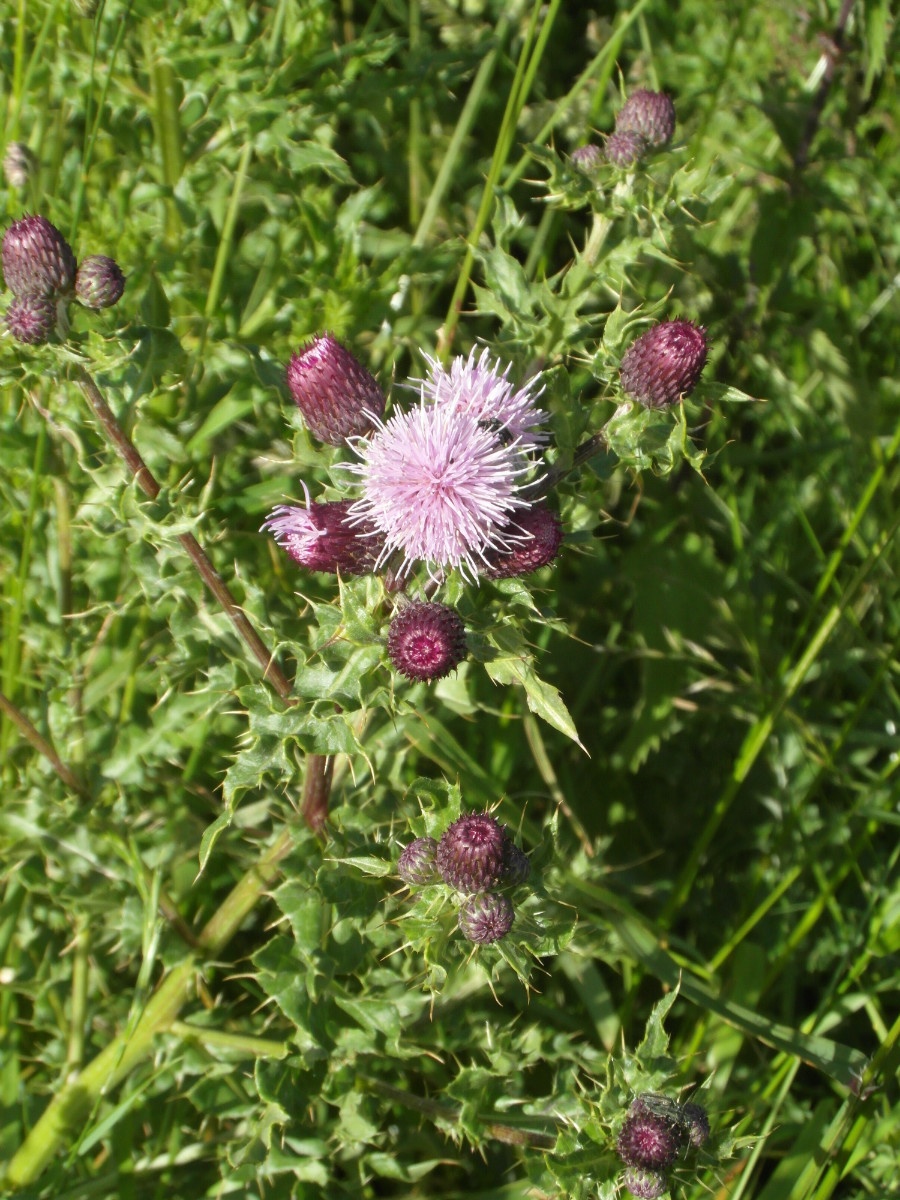
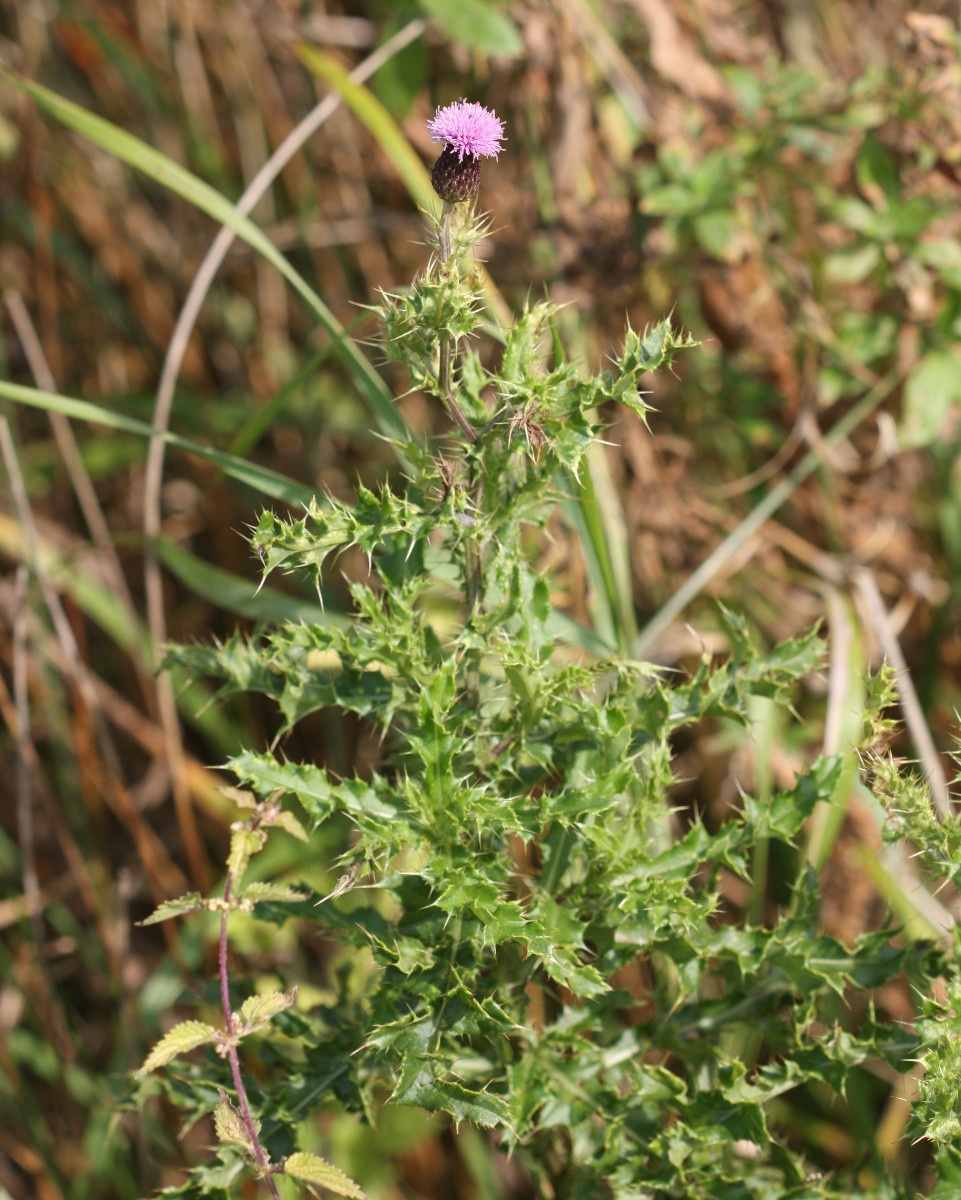
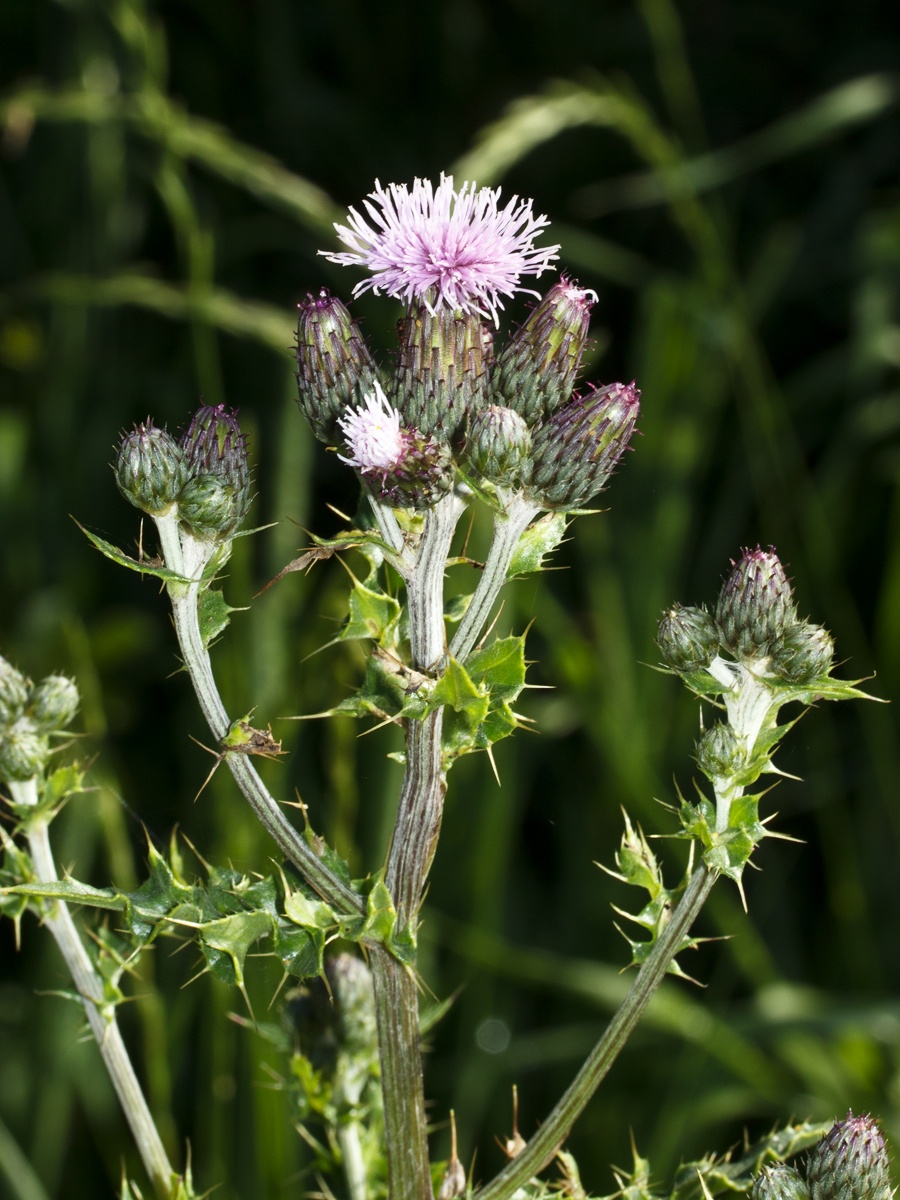
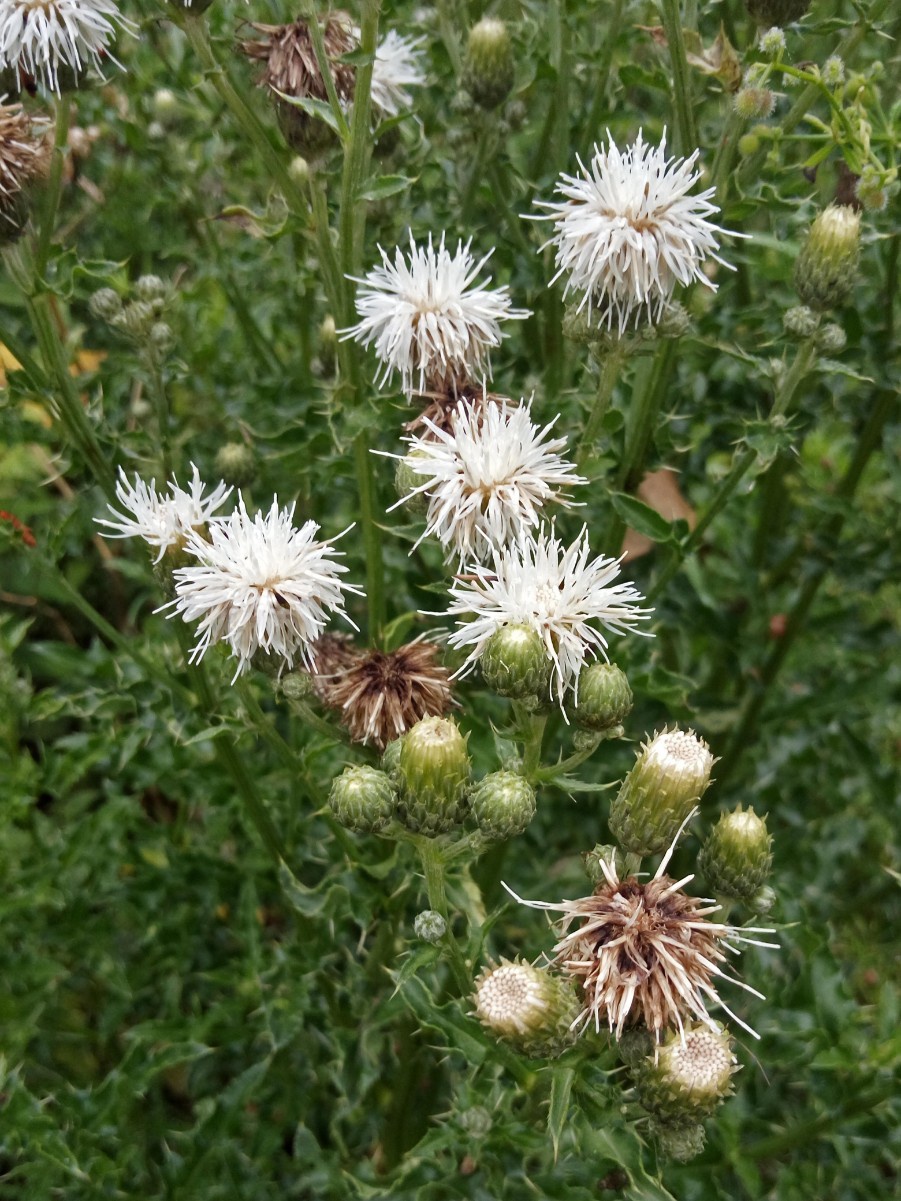
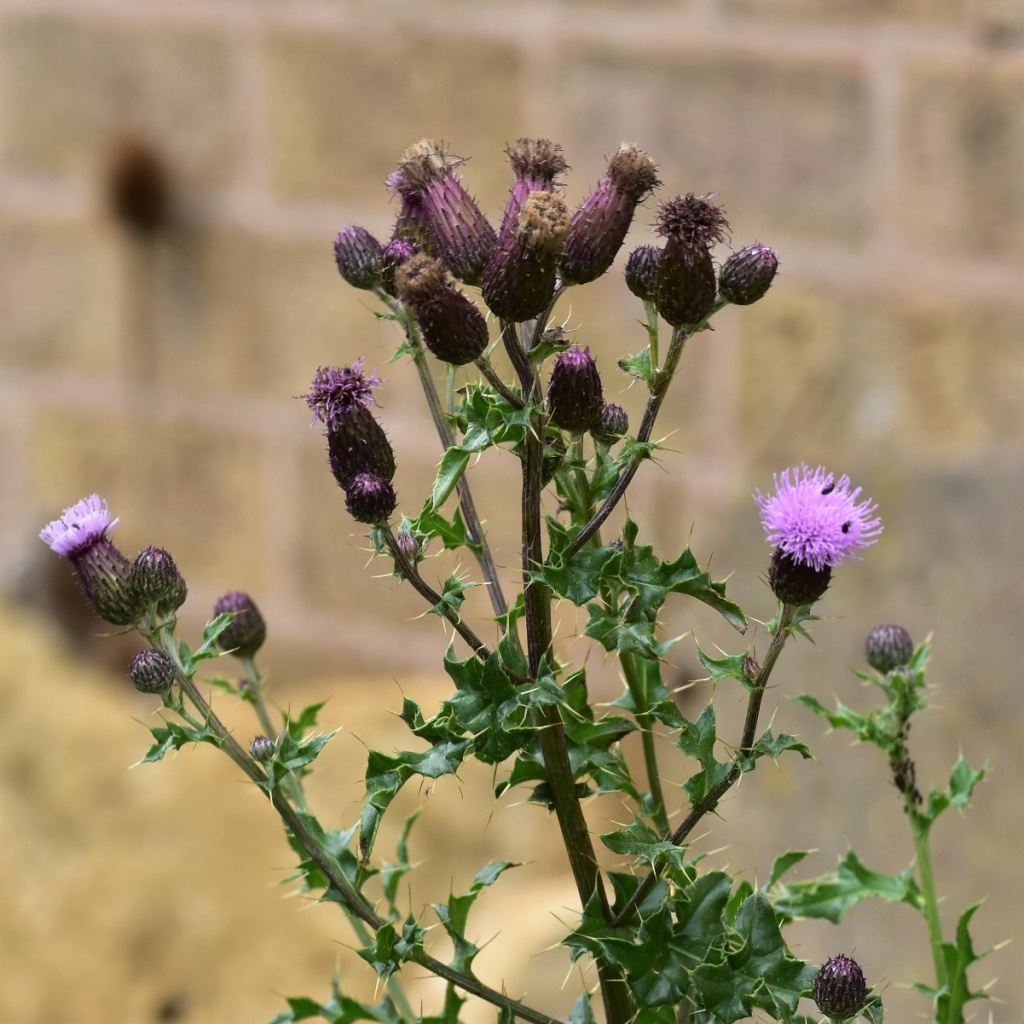
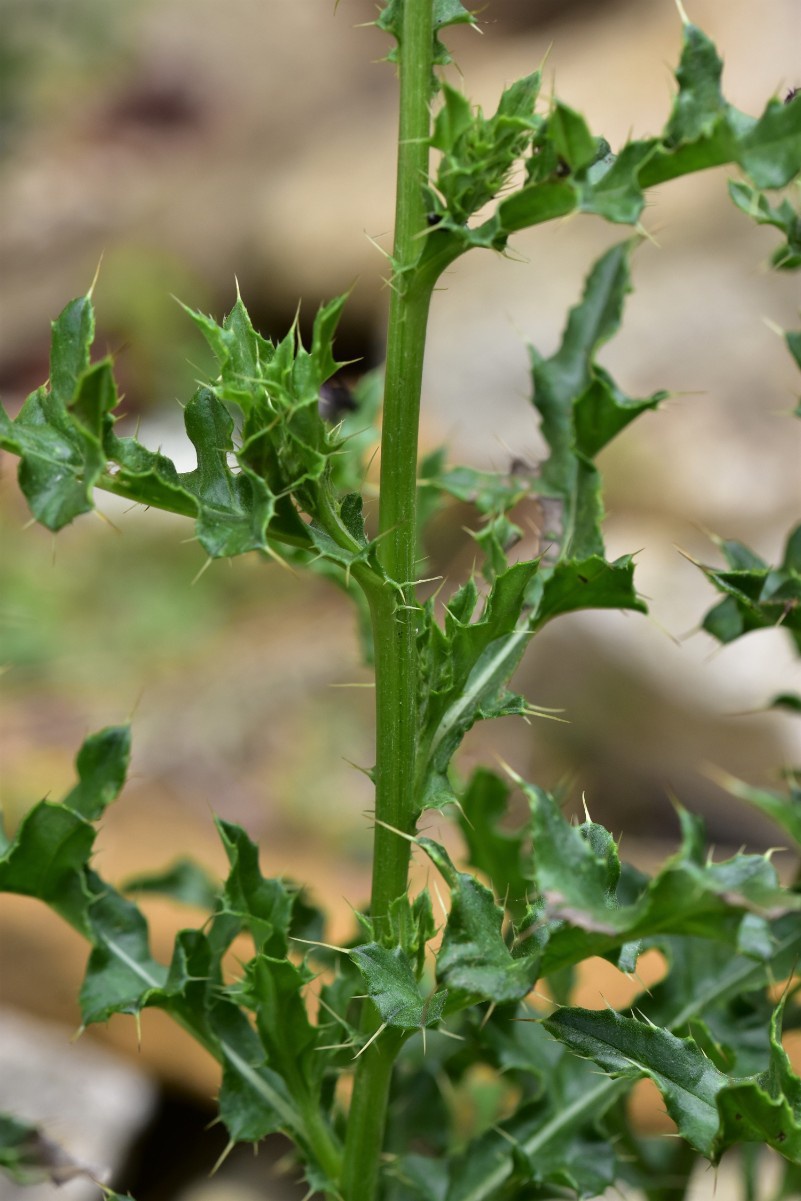
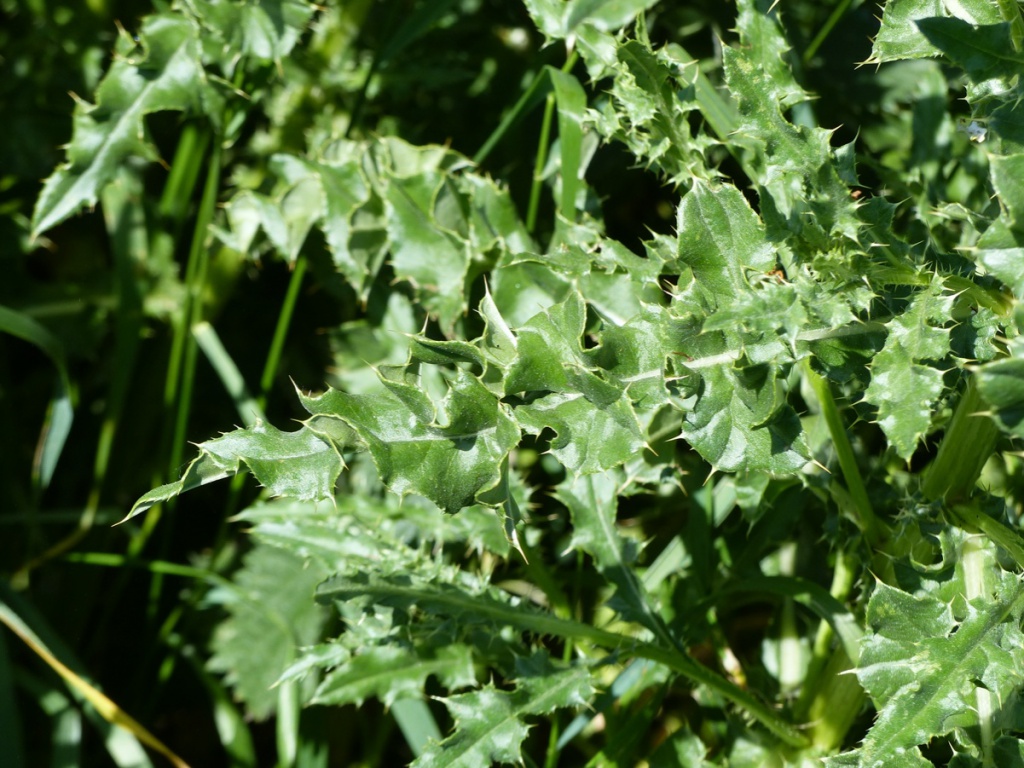
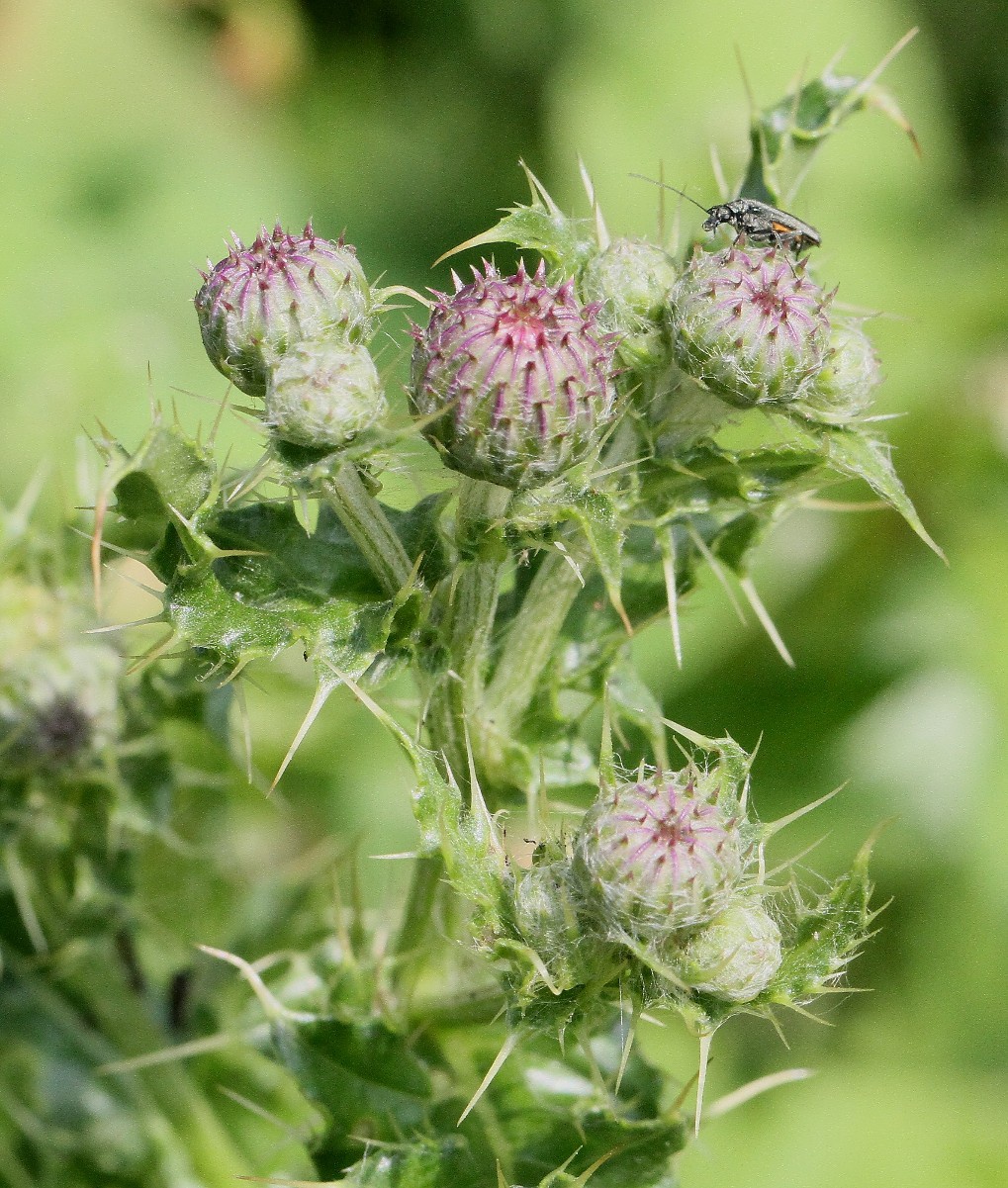
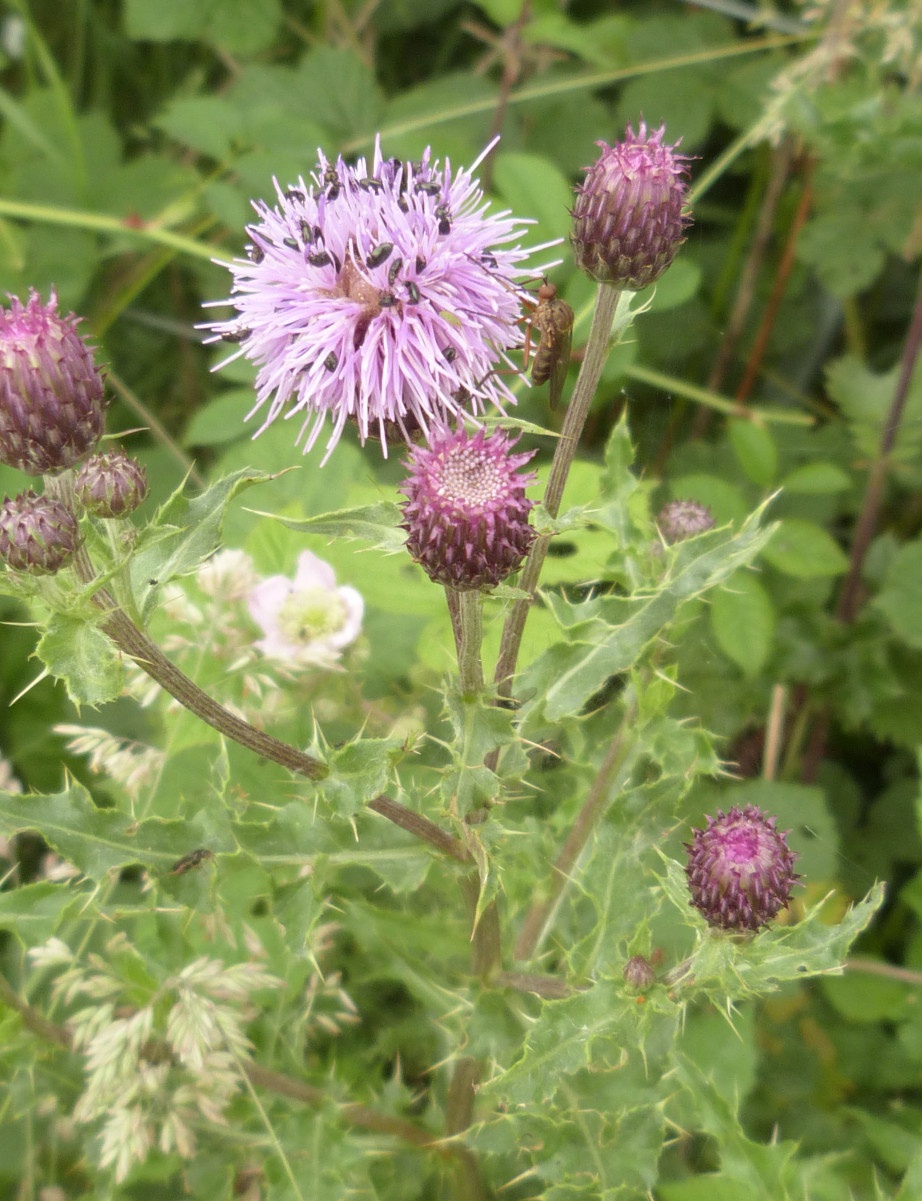
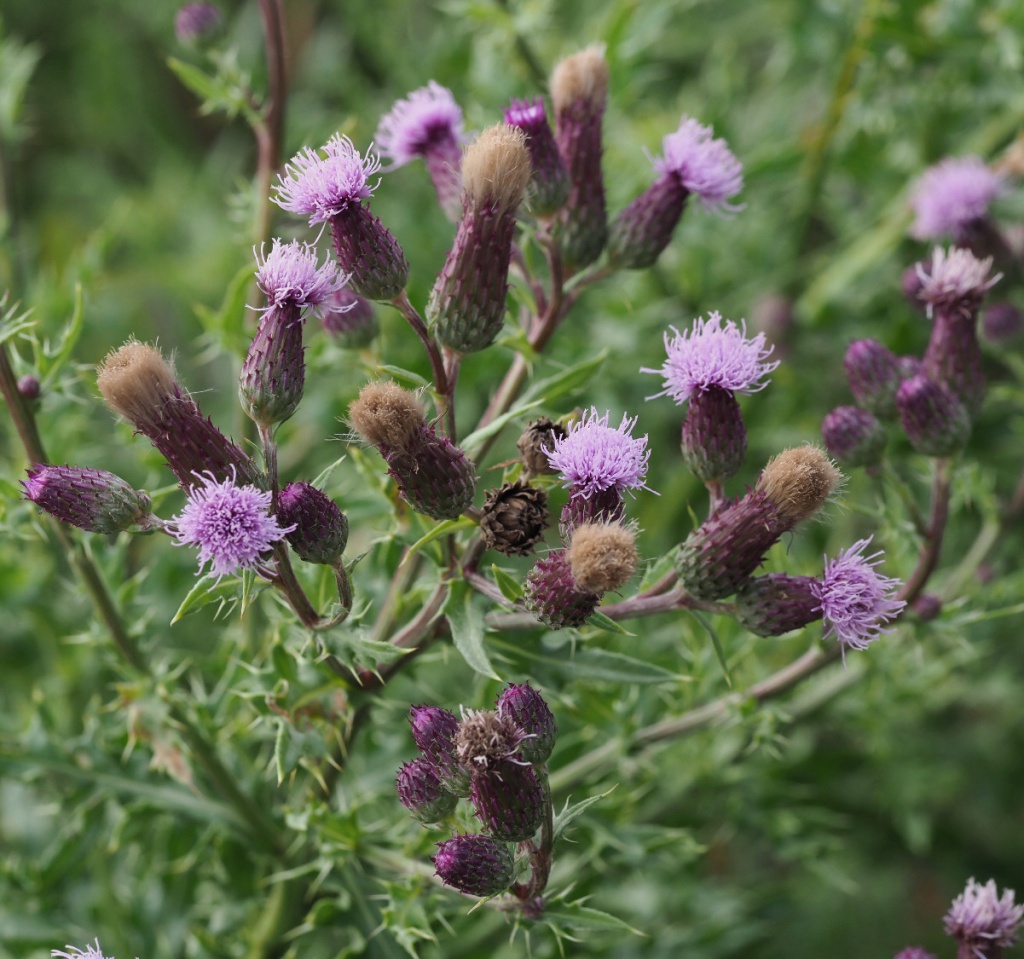
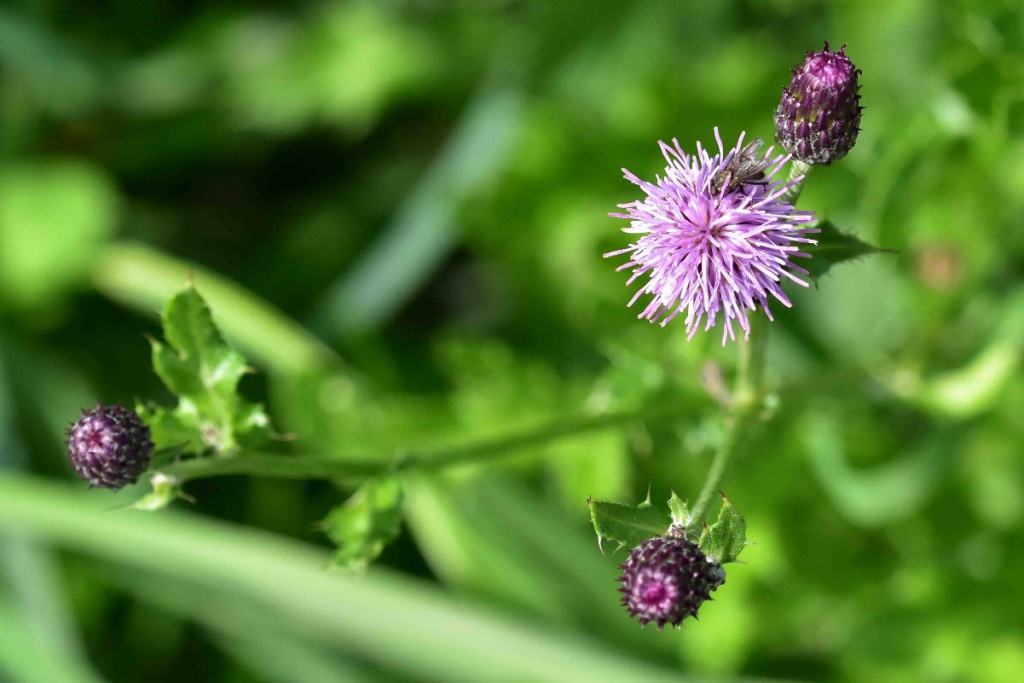
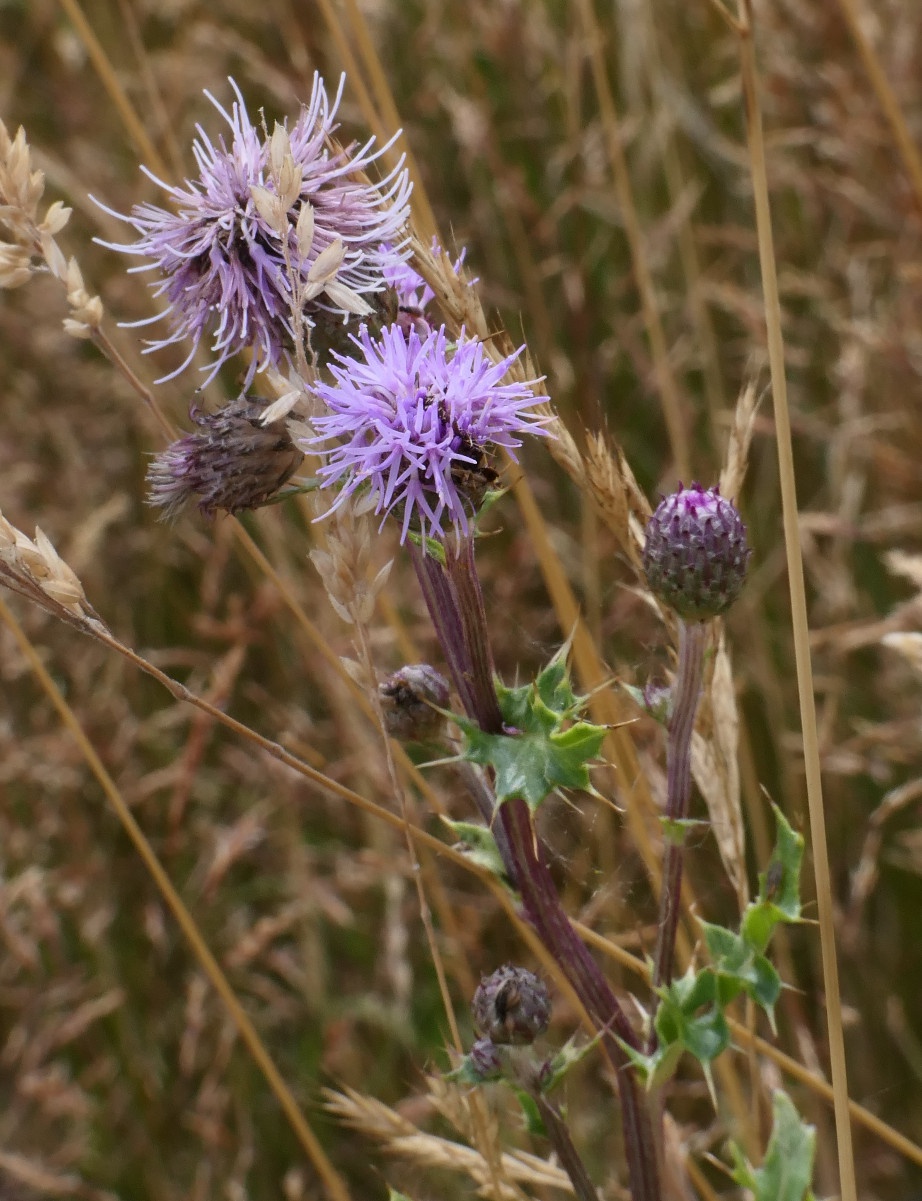
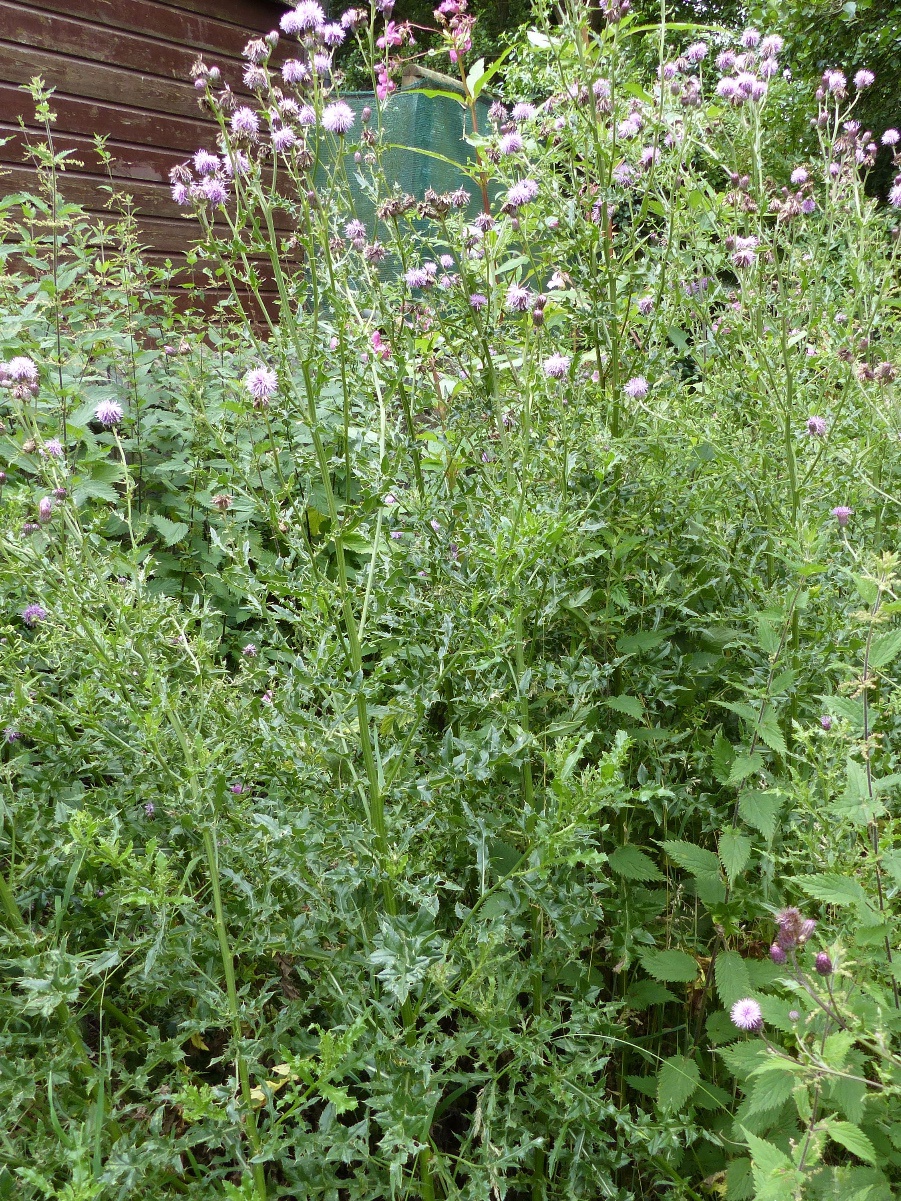
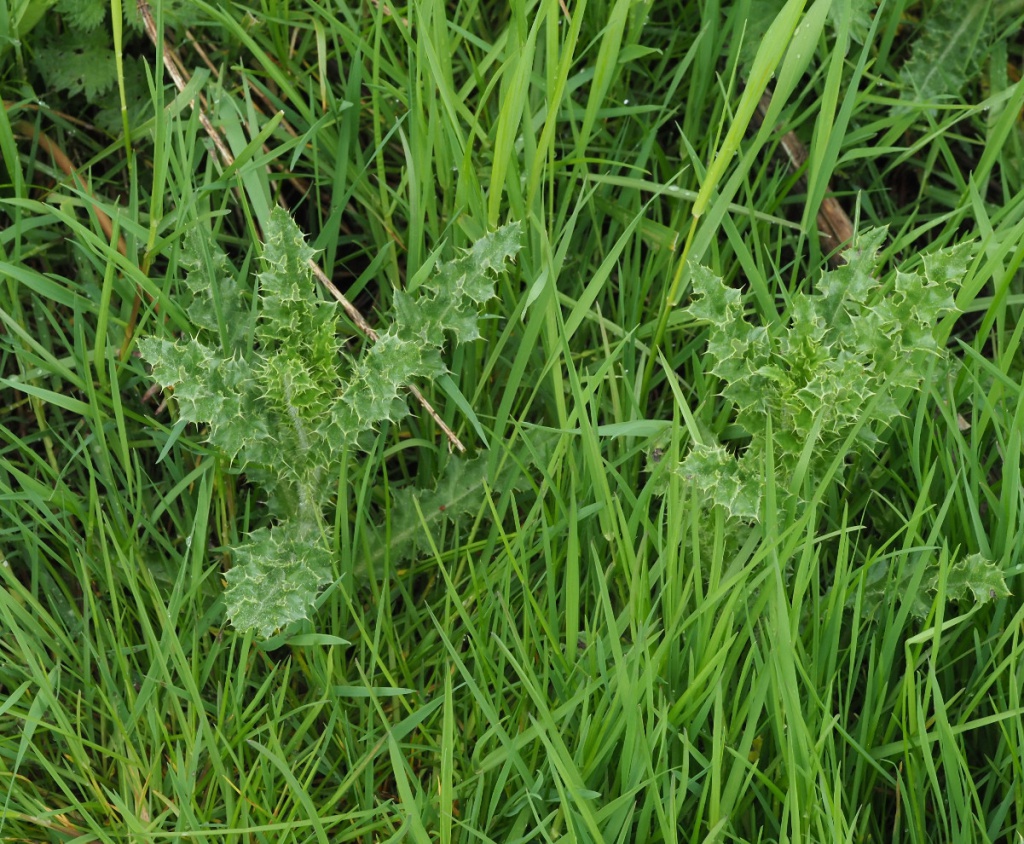
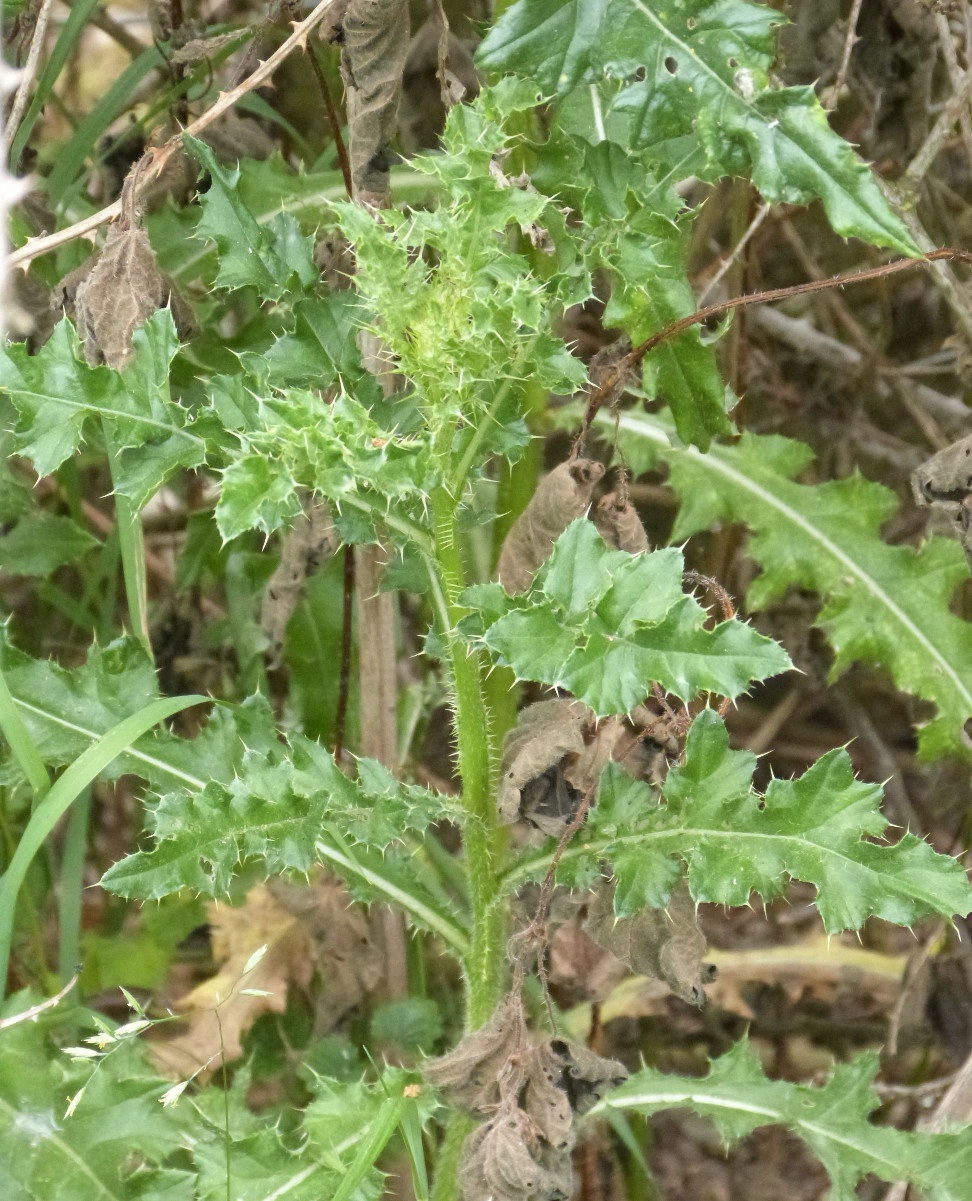
Medium to tall stoloniferous plant, stem usually branched, but not winged or spiny. Leaves lanceolate to oblong, pinnately lobed or unlobed, spiny, the upper leaves unstalked. Flowerheads pale purple or lilac, 15 to 25 mm, fragrant, solitary or from 2 to 5 together, stalked.

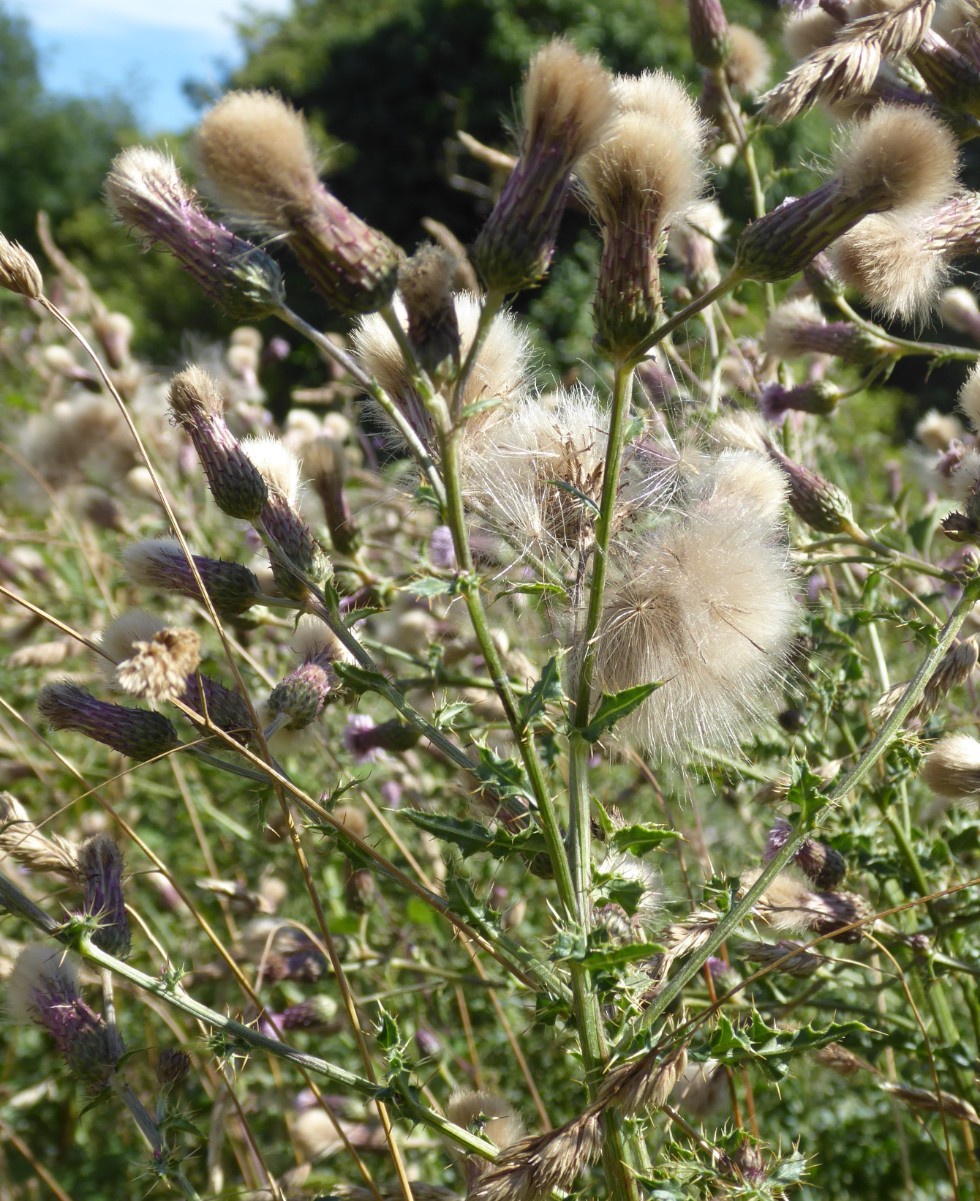
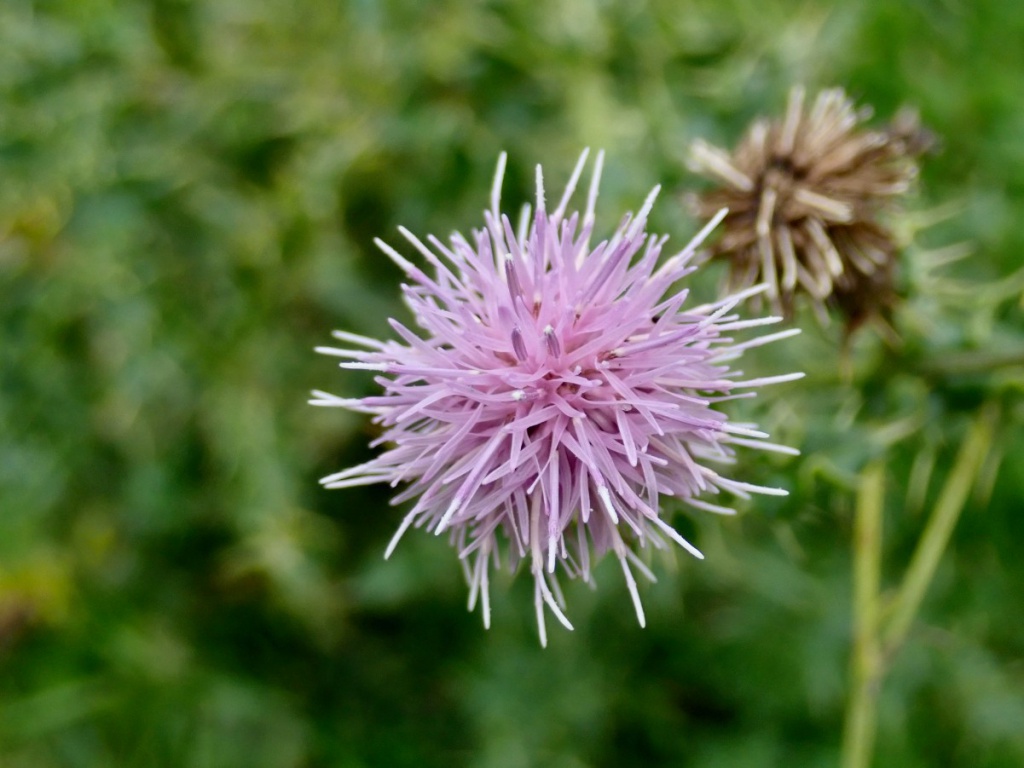
Lighter pink that most other thistles, and stem not winged, or with very short wings. As with all Cirsium, the pappus-hairs (the silky white hairs attached to the seed - the thistledown) are individually feathery or branched.
Meadows, arable land, roadsides and waste places.
June to September.
Perennial.
Very common throughout Britain.
Very common in Leicestershire and Rutland. In the 1979 Flora survey of Leicestershire it was found in 606 of the 617 tetrads.
 Barbara Cooper
Long Clawson
20 June 2022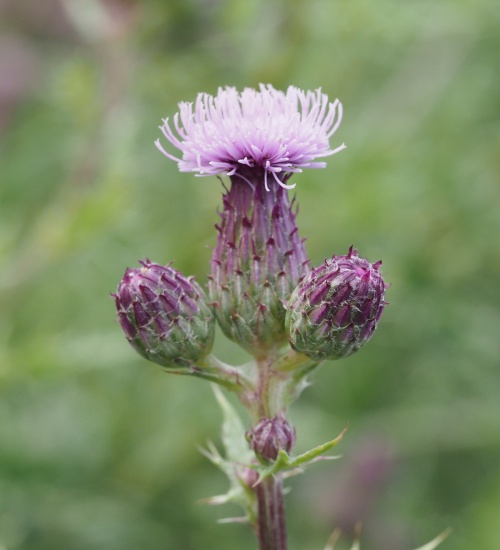 David Nicholls
Ratby, Burroughs Road
06 July 2023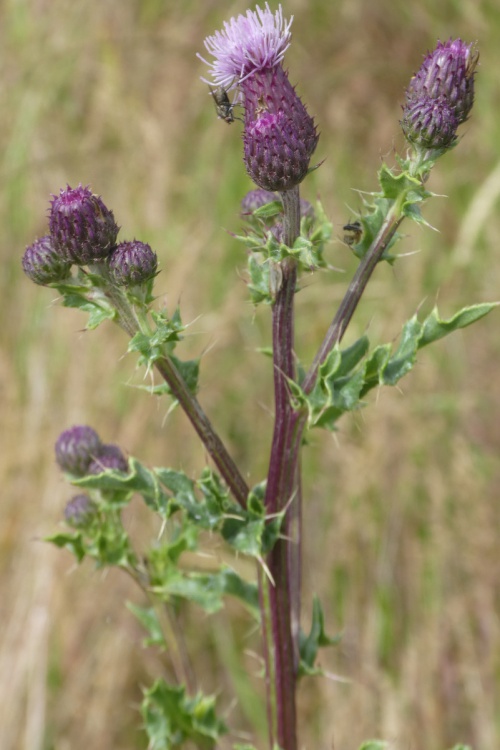 Melinda Bell
Footpath through Harold Smalley Wood,Coalville
29 June 2022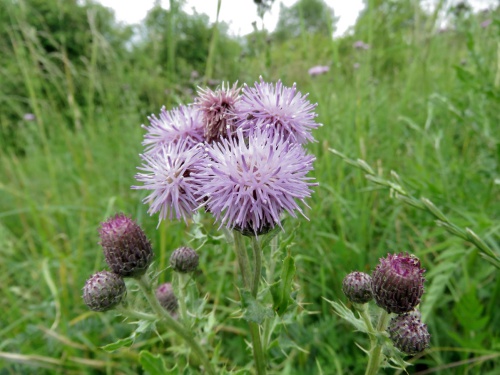 egaten
Bagworth Heath
24 June 2022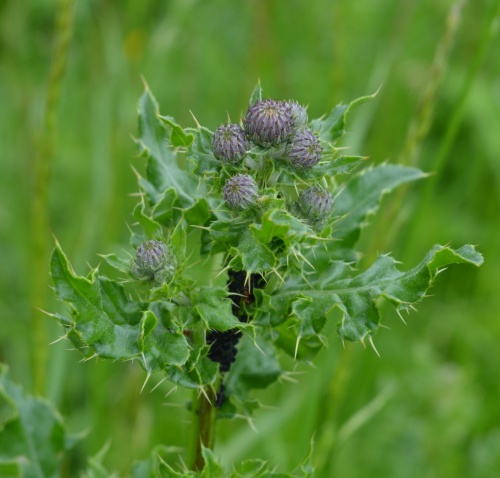 Steve Mathers
Stonesby Quarry NR
12 June 2017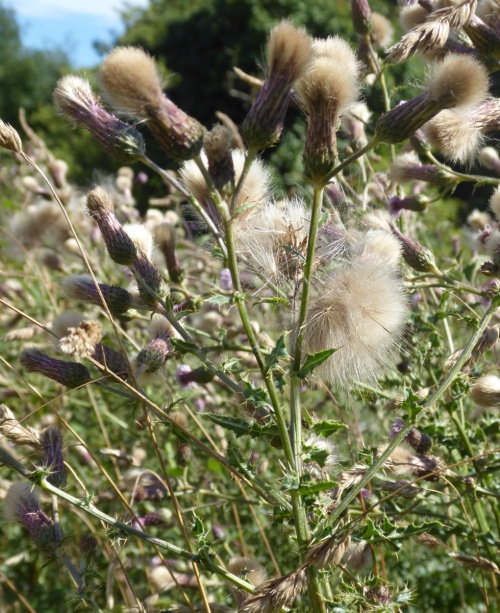 Saharima Roenisch
Evington, Piggys Hollow
30 July 2020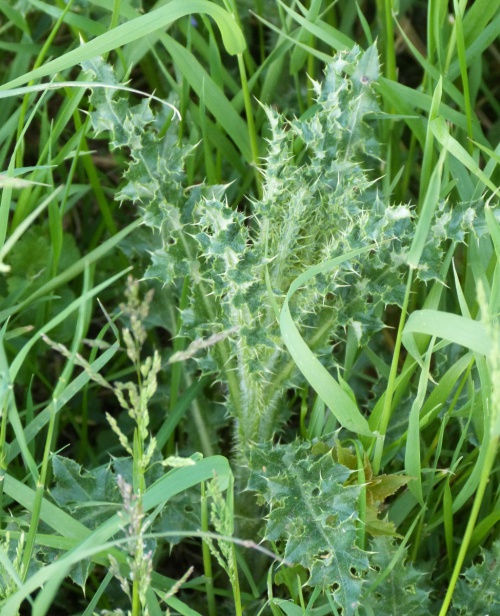 Craig Mabbett
Countesthorpe Leicester Rd verge
01 June 2021
Leicestershire & Rutland Map
Enter a town or village to see local records
MAP KEY:
Yellow squares = NBN records (all known data)
Coloured circles = NatureSpot records: 2025+ | 2020-2024 | pre-2020
UK Map
Species profile
- Common names
- Creeping Thistle
- Species group:
- flowering plant
- Kingdom:
- Plantae
- Order:
- Asterales
- Family:
- Asteraceae
- Records on NatureSpot:
- 659
- First record:
- 11/05/1992 (John Mousley;Steve Grover)
- Last record:
- 27/05/2026 (Nicholls, David)
Total records by month
% of records within its species group
10km squares with records
The latest images and records displayed below include those awaiting verification checks so we cannot guarantee that every identification is correct. Once accepted, the record displays a green tick.
In the Latest Records section, click on the header to sort A-Z, and again to sort Z-A. Use the header boxes to filter the list.
Latest images
Latest records
 HAPeacock
River Soar - St Marys Mill
12 July 2012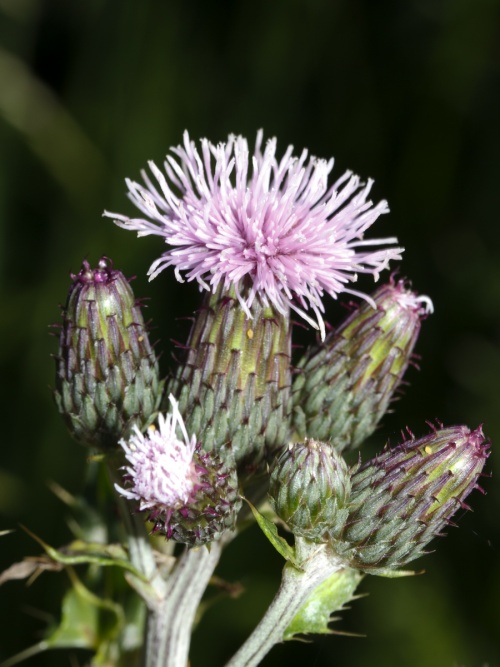 HAPeacock
Gilroes Cemetery Extension
05 July 2012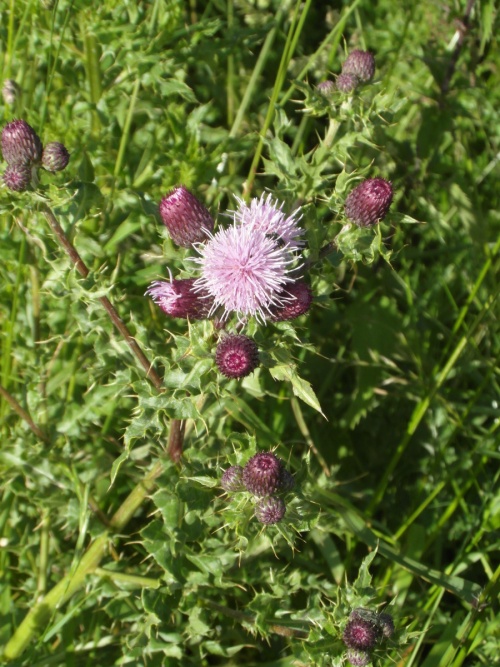 Alan Semper
Harby, Colston La verge
01 July 2012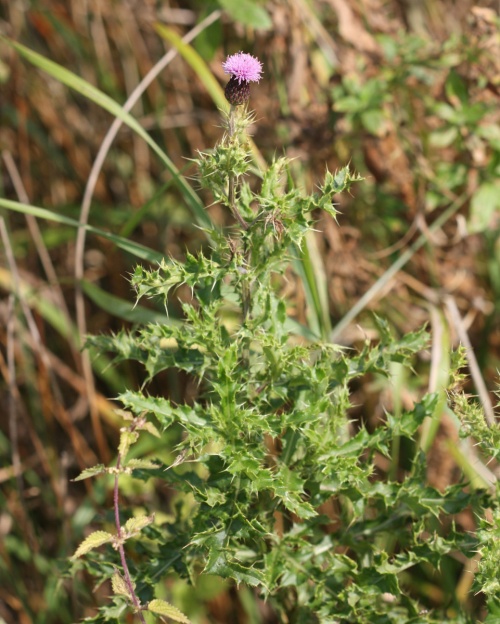 David Nicholls
Ashby Canal, Shackerstone
15 September 2012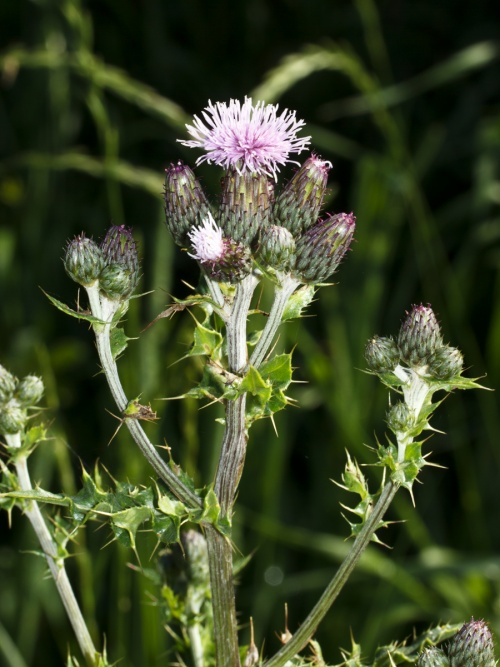 HAPeacock
Gilroes Cemetery Extension
05 July 2012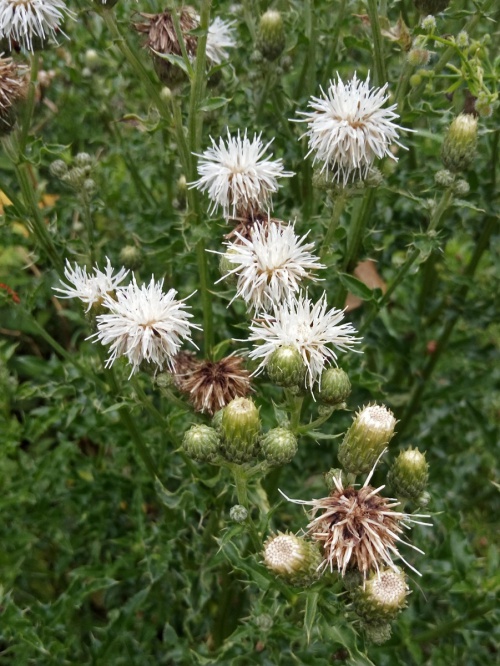 Peter Smith
Tonge Station
15 July 2020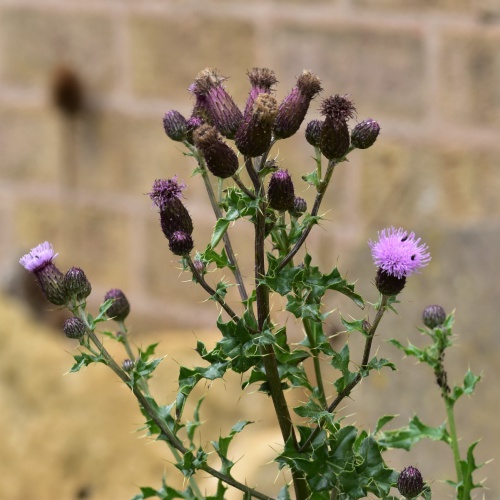 Andy's Rutland
Empingham garden
14 July 2020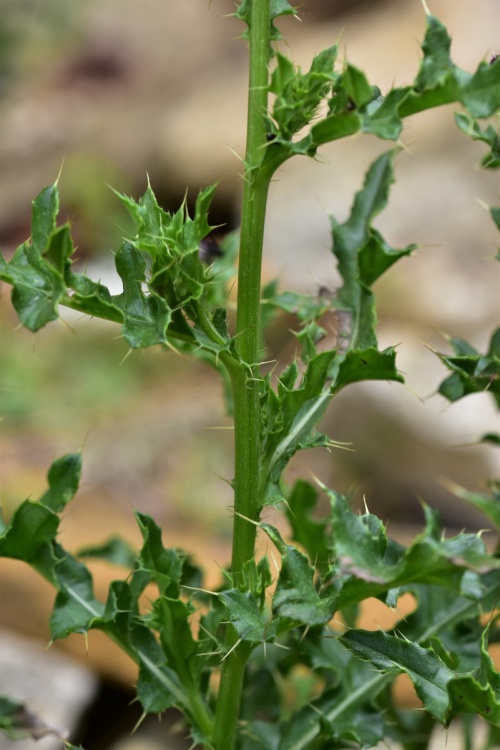 Andy's Rutland
Empingham garden
14 July 2020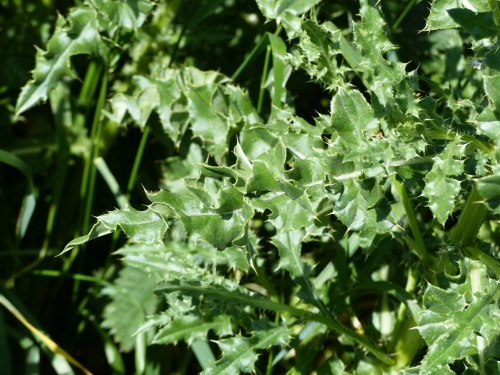 Ken Charity
Leicester. Castle Hill Country Park.
28 May 2020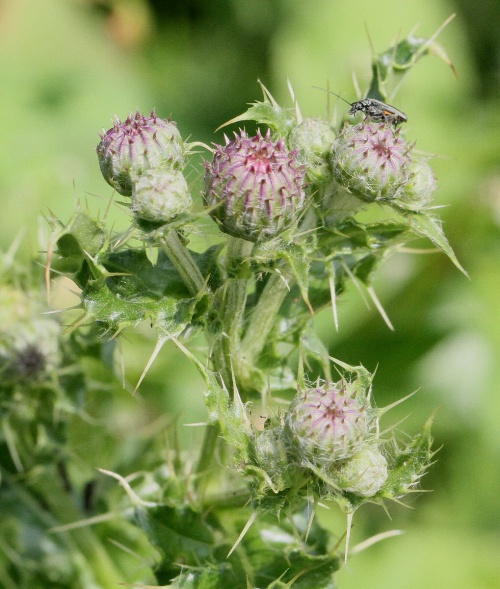 Craig Mabbett
Stockhill Farm Near Broughton Astley
21 June 2017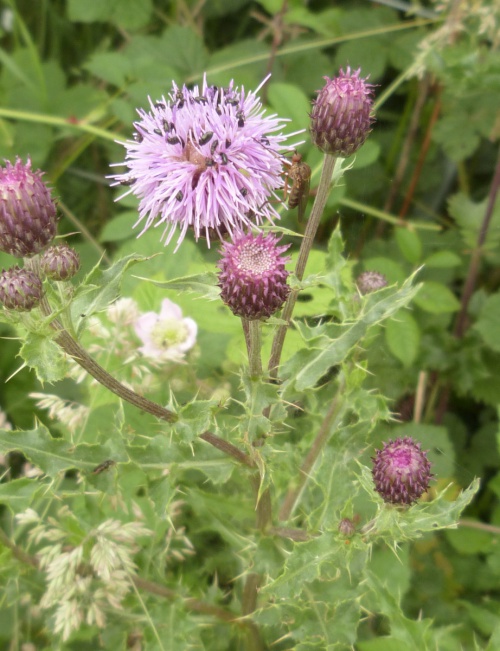 Graham Calow
Path near Huncote Road, Stoney Stanton
23 June 2016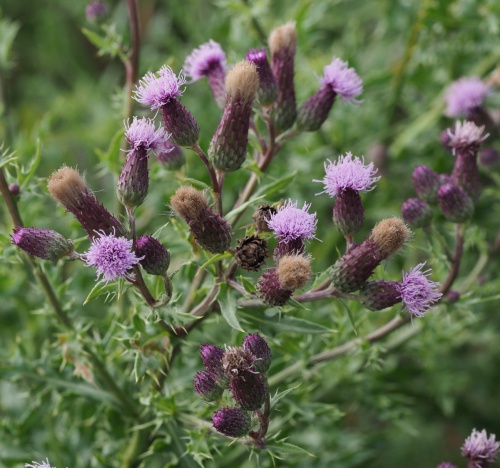 David Nicholls
Ratby, Burroughs Road
06 July 2023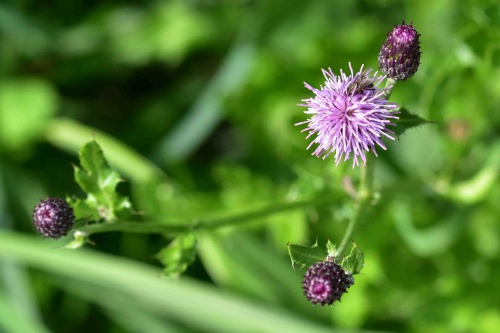 Andy's Rutland
Love's Lane-Empingham
30 August 2018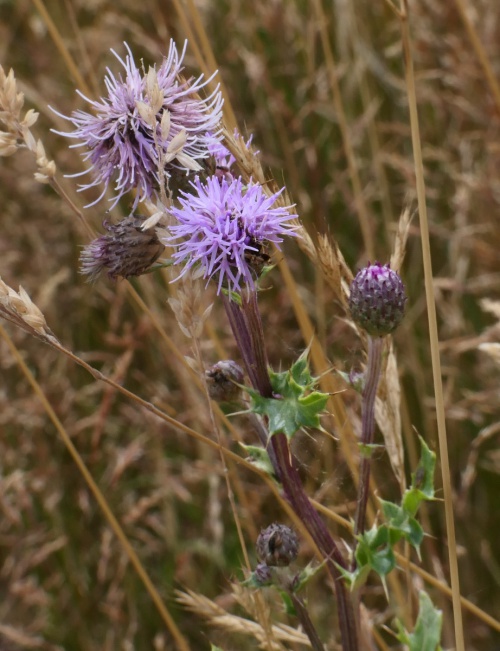 David Nicholls
Flood Relief Basin (A50) Glenfield
14 July 2018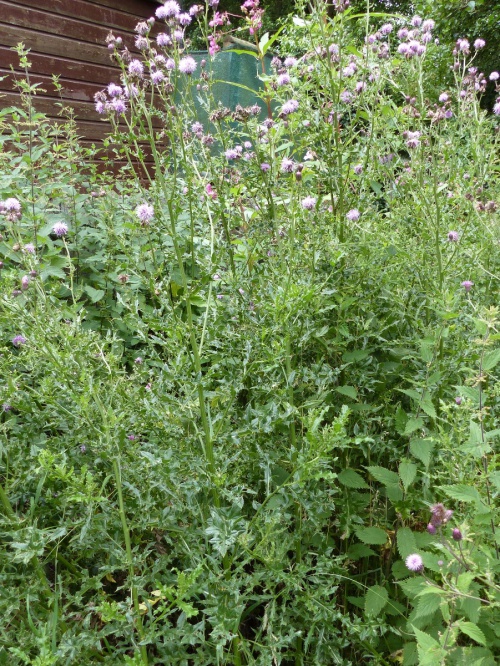 Ken Charity
Footpath along R. Lin near Newtown Linford.
25 July 2017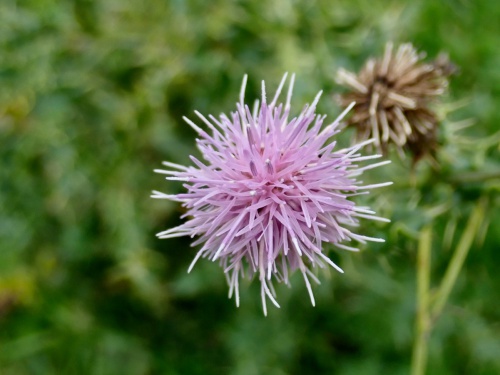 egaten
Bagworth Wood
30 August 2021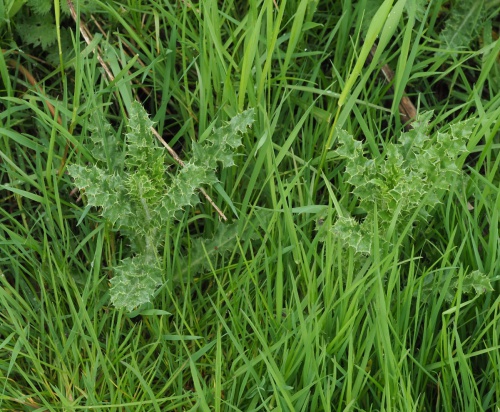 David Nicholls
Ratby, path by M1
06 May 2023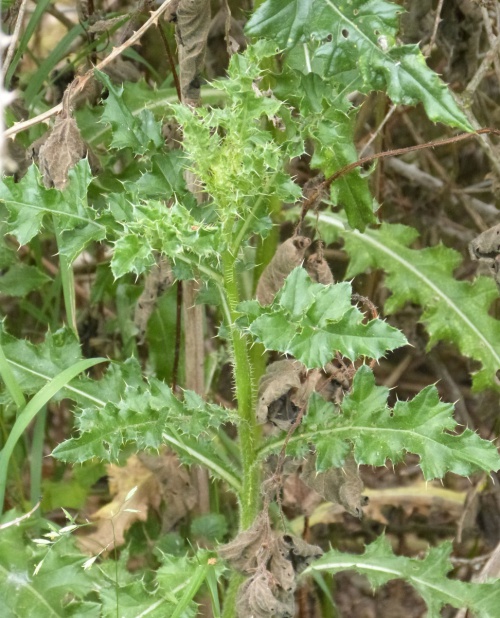 Craig Mabbett
Shawell, Gibbet Lane
17 June 2023
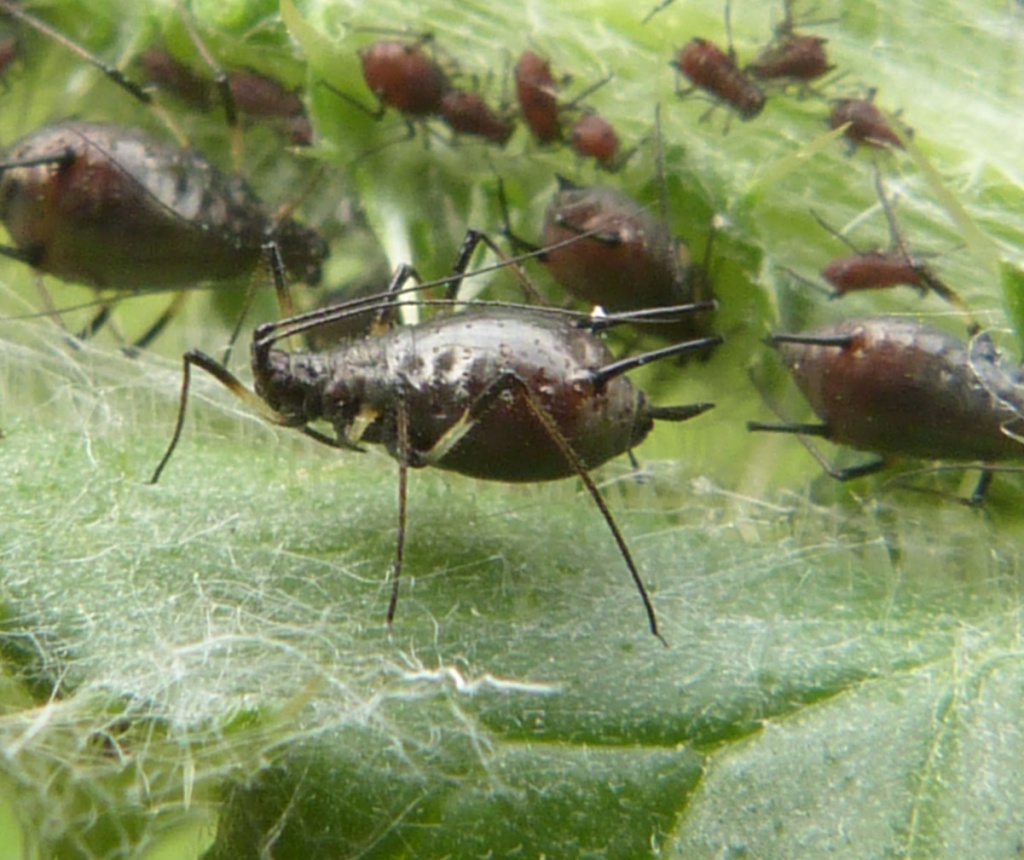
Uroleucon aeneum
The adult Uroleucon aeneum apterae has a body length of is 3.0 to 4.3 mm. The cauda (tail) in this species is black which helps to identify it. It is associated with Thistles.
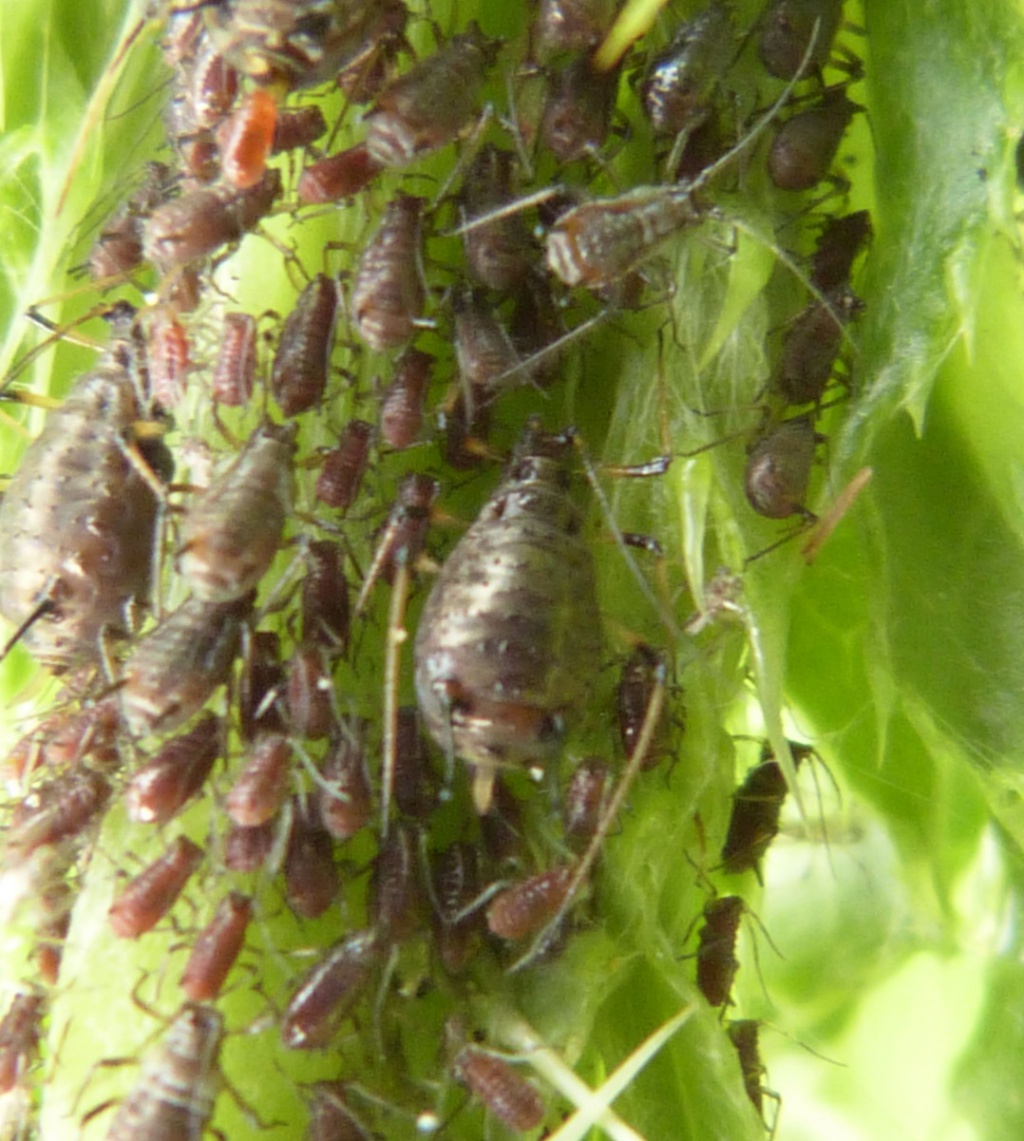
Large Thistle Aphid
The Large Thistle Aphid (Uroleucon cirsii) is found on Thistles, especially Creeping Thistle. It is between 4 and 5.2 mm in length and has characteristic two tone legs. The cauda (tail) is pale dusky yellow in this species which helps to distinguish it from other thistle feeding aphids.
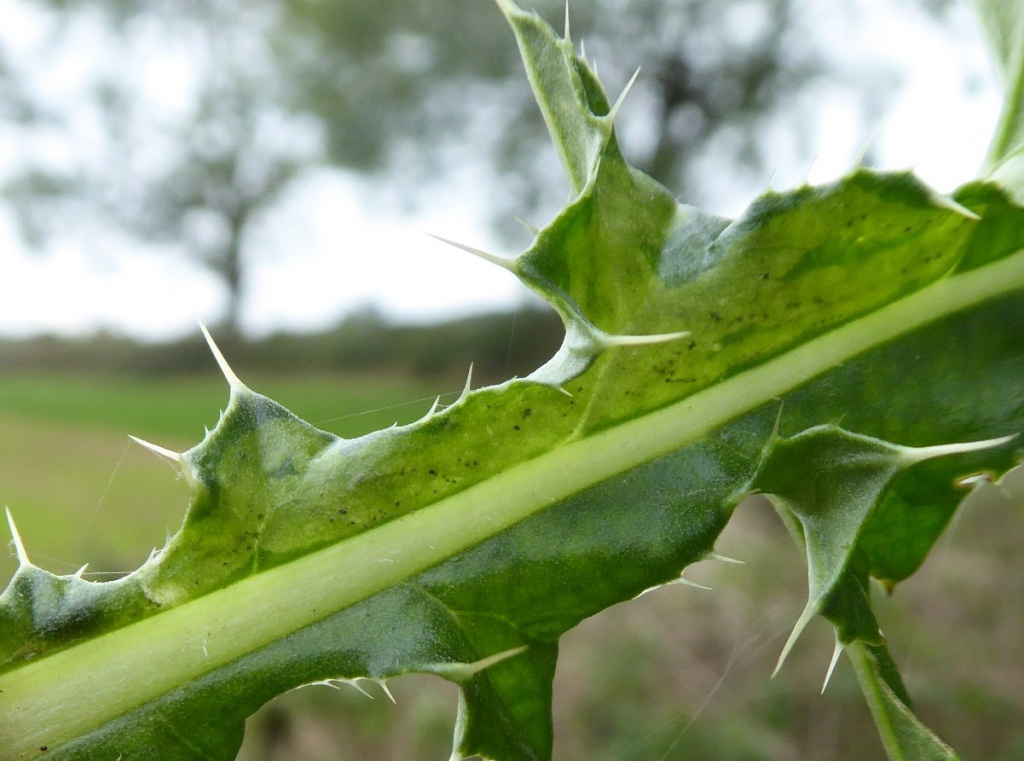
Chromatomyia autumnalis
The larva of the Agromyzid fly Chromatomyia autumnalis mines the leaves of various thistles such as Creeping Thistle and also some knapweeds. The mine is full depth, greenish, usually linear. It is usually upper surface and doubles back on itself. The pupa is metallic black and the anterior spiracles protrude through the lower epidermis. The mine can only be separated from that of Chromatomyia spinaciae by examining the puparium. The puparium of Chromatomyia spinaciae is white whereas Chromatomyia autumnalis is black.
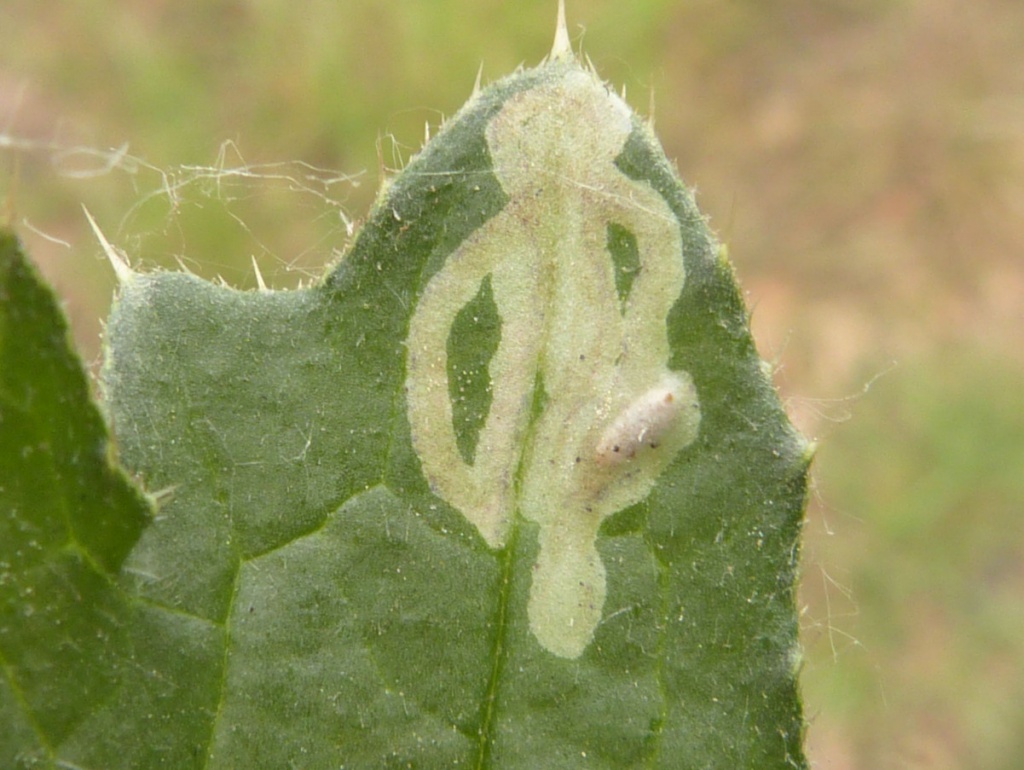
Chromatomyia spinaciae
The larvae of the fly Chromatomyia spinaciae form long narrow greenish mines in the leaves of various thistles, and also in the leaves of Knapweed and Perennial Cornflower. The puparium is white and forms at the end of the mine, underneath the leaf. The frass grains are large and scattered. The leafmine of this species is identical to that of Chromatomyia autumnalis and can only be separated by the puparium features. The puparium of Chromatomyia spinaciae is white whereas that of Phytomyza autumnalis is black.
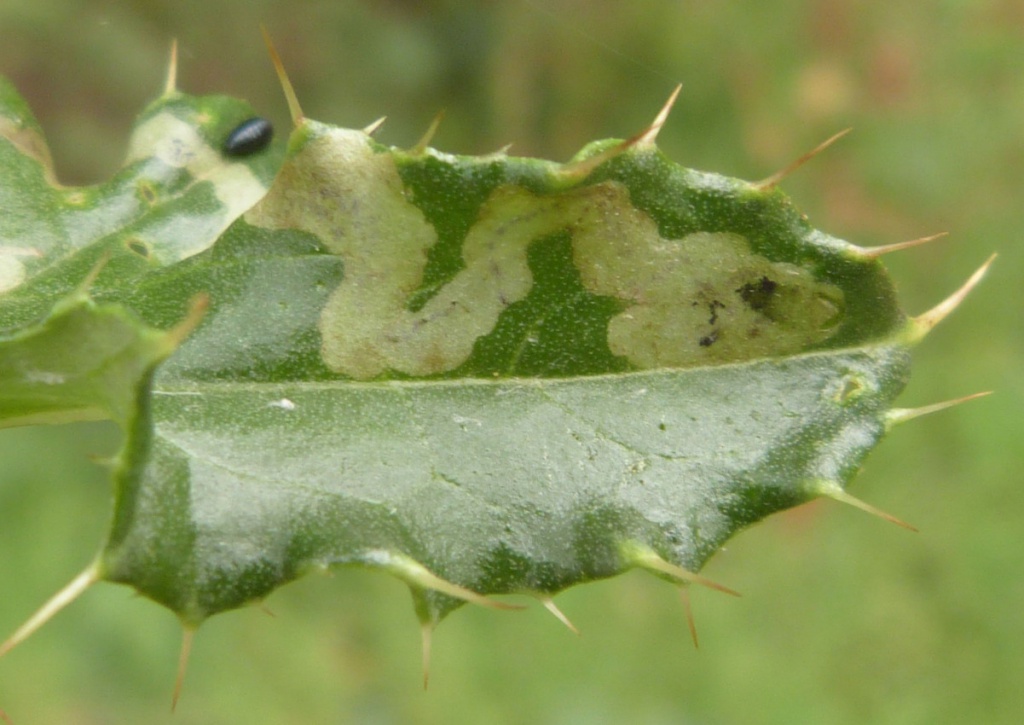
Phytomyza cirsii
The larva of the Agromyzid fly Phytomyza cirsii mines the leaves of various thistles (Cirsium) including Creeping Thistle and Spear Thistle, creating a long whitish upper surface mine. The frass grains are small and usually occur close together. Pupation is outside the mine. There are other very similar mines on these host species and care is needed when identifying the causer.

Thistle Gall Fly
The larva of the Thistle Gall Fly (Urophora cardui) causes distinctive swollen stem galls on Creeping Thistle. These are green and fleshy to begin with, and persist on old stems. Several chambers are inside. Adults fly in June, laying eggs on the thistle. The larvae hatch and crawl down into the stem, causing the gall.
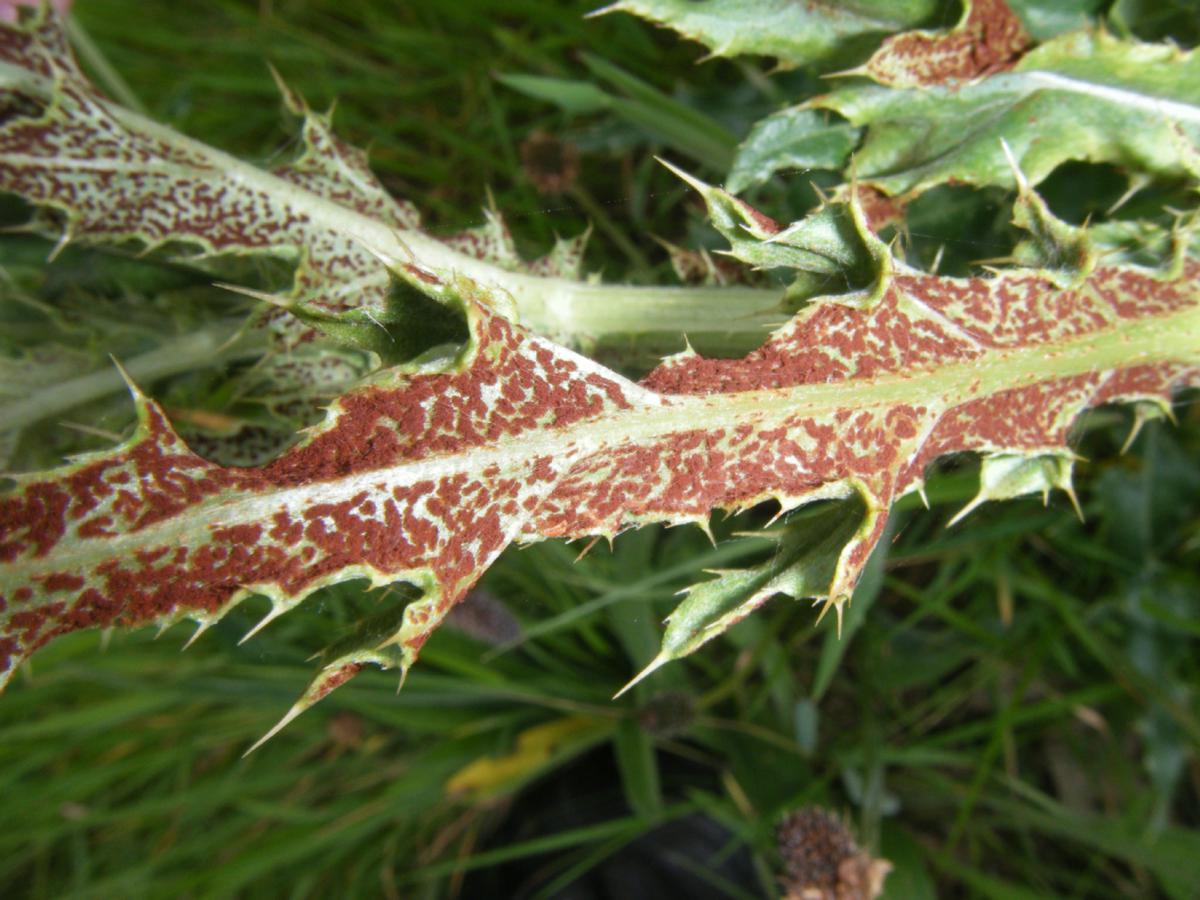
Creeping Thistle Rust
This rust causes galls on Creeping Thistle, and the whole plant appears stunted. There is no host alternation. Sickly-smelling yellow spermogonia are followed by brown aecia covering the leaf underside; light brown uredinia and darker brown telia are present later.