

Common Reed - Phragmites australis
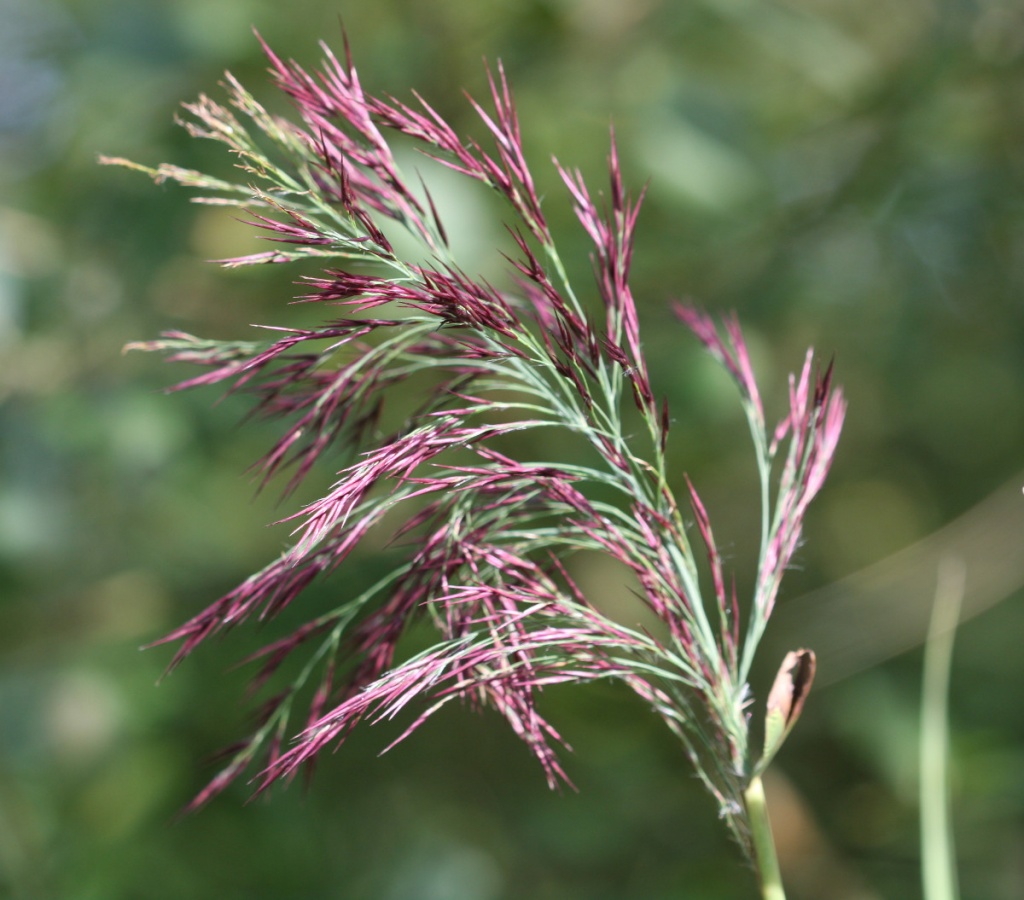
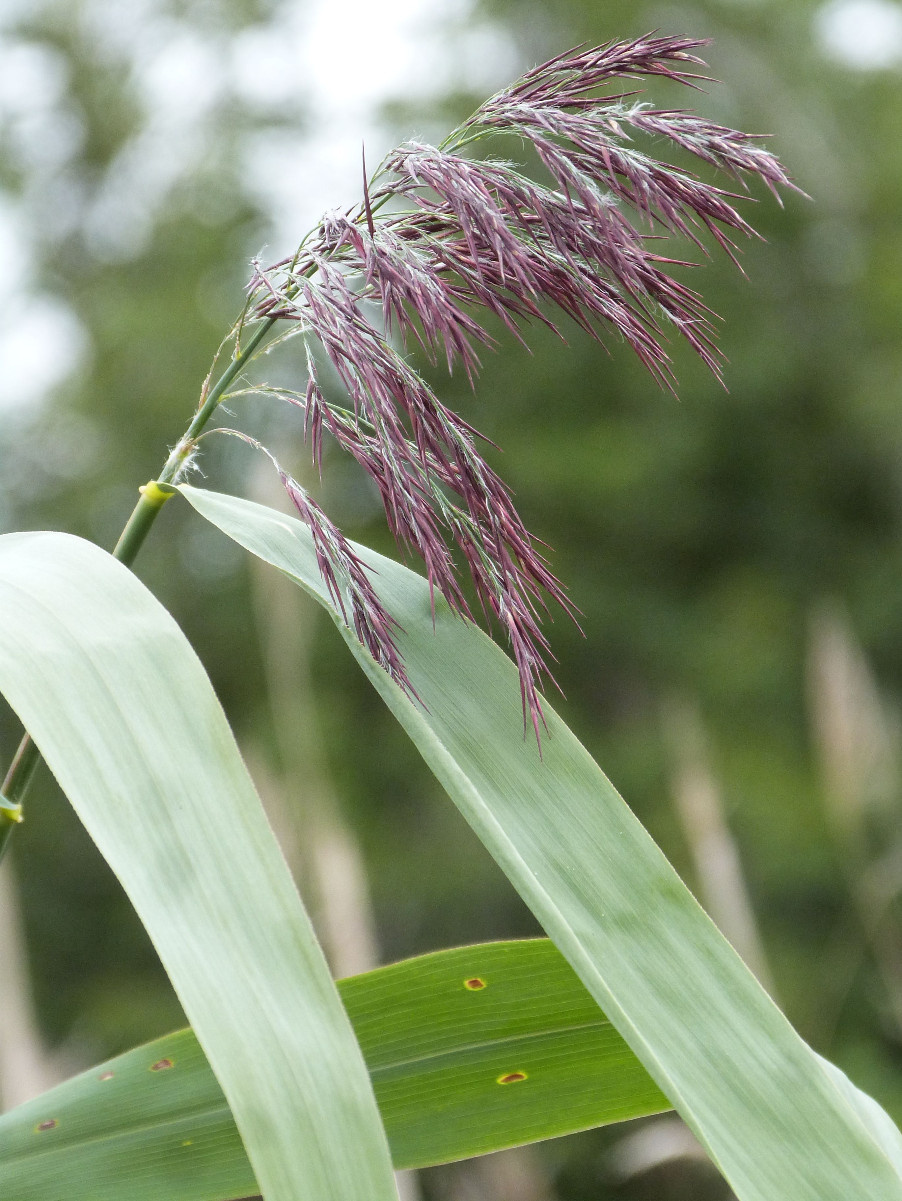
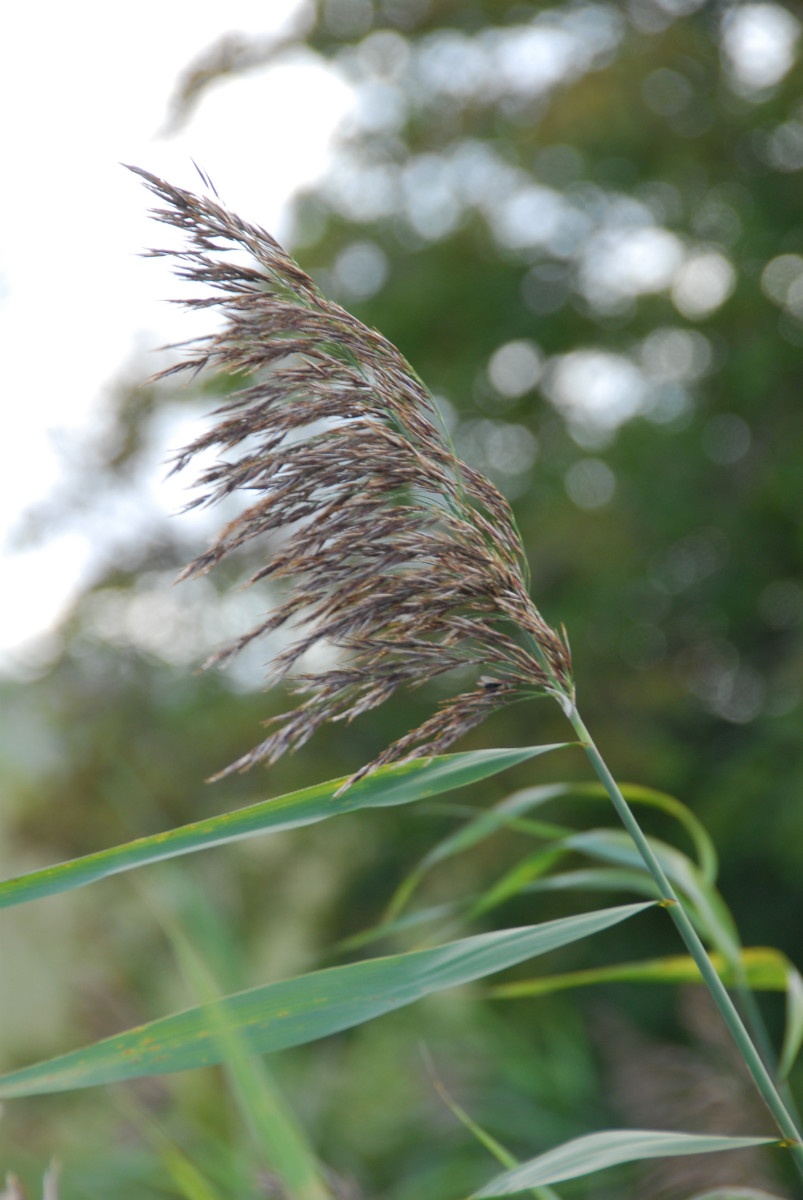
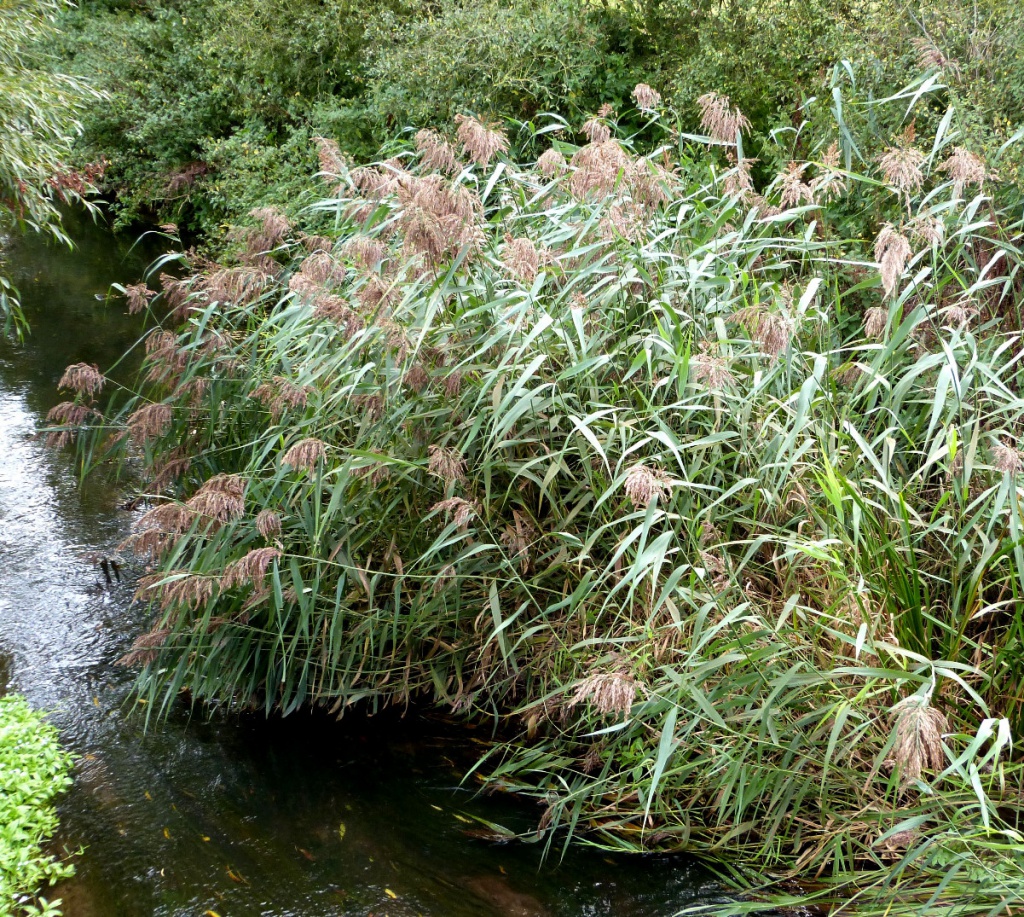
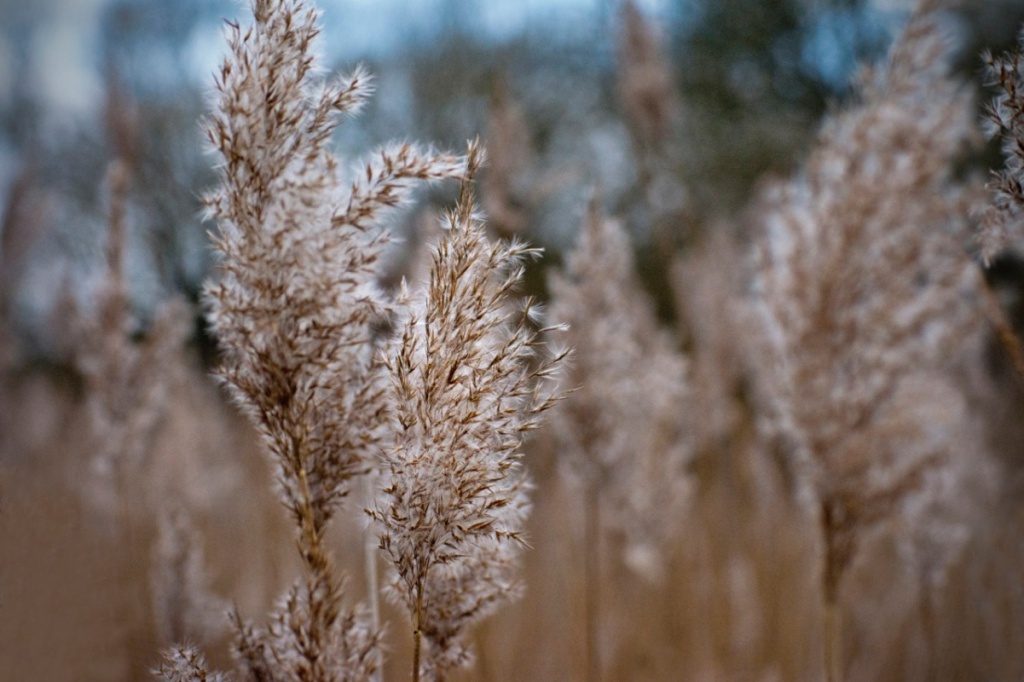
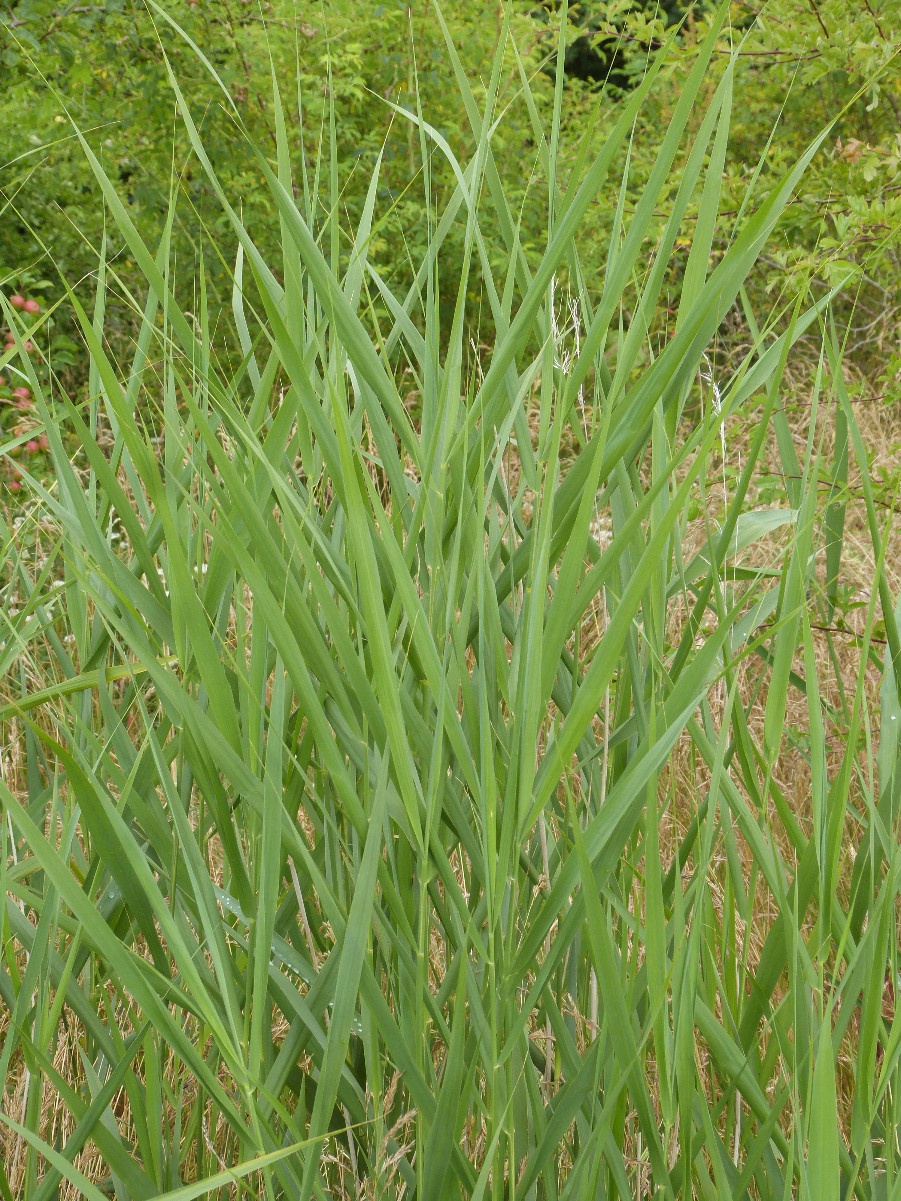
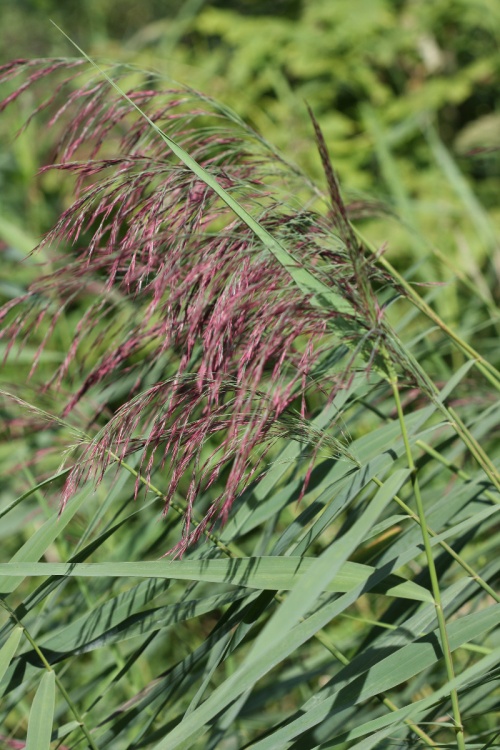
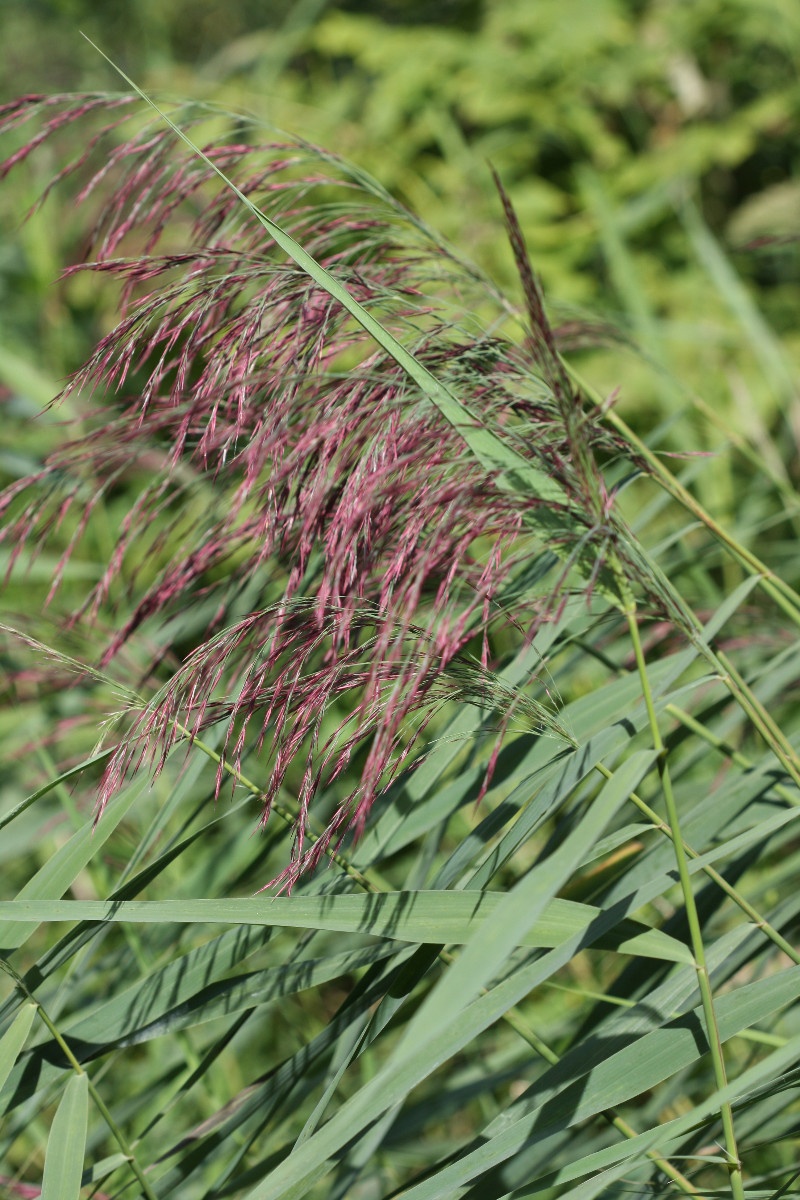
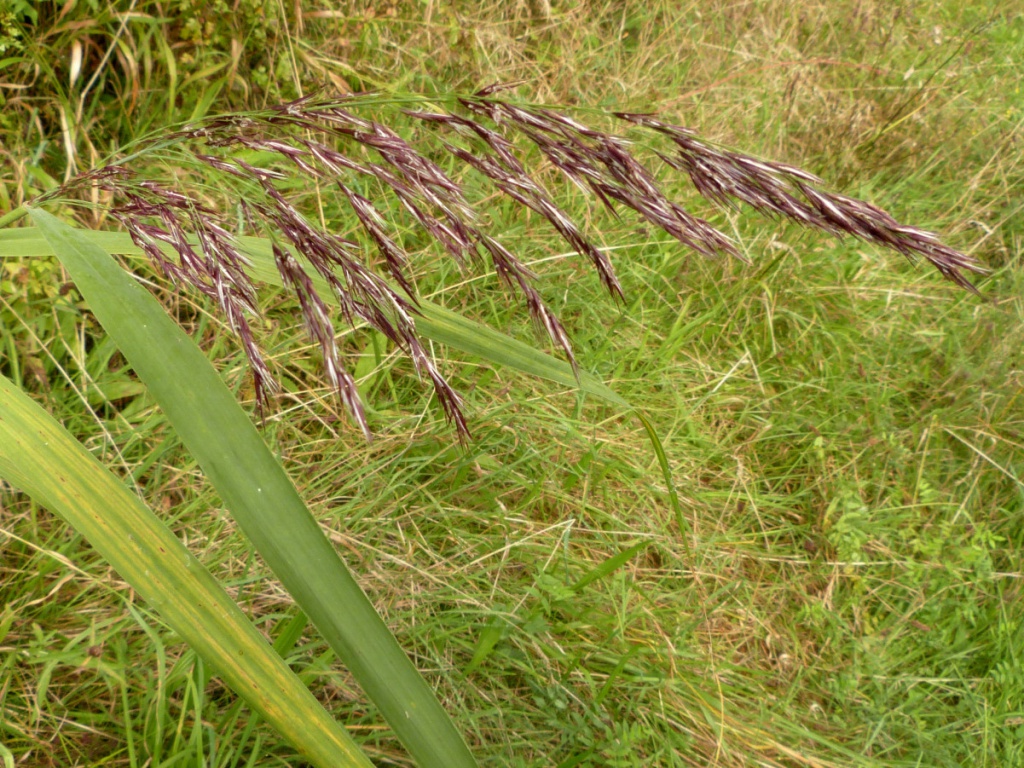
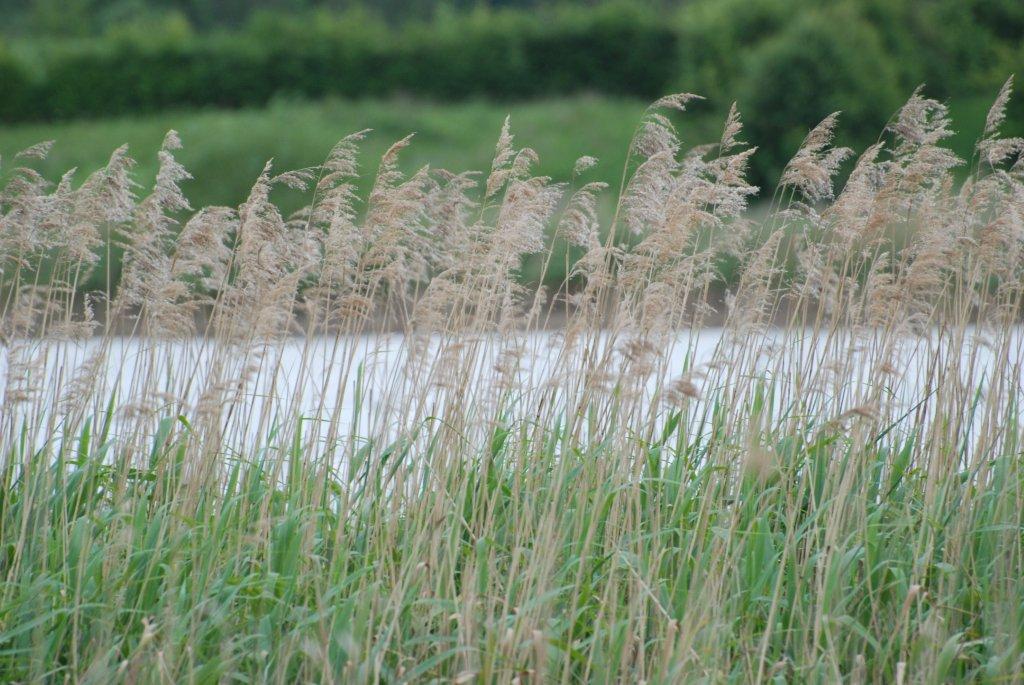
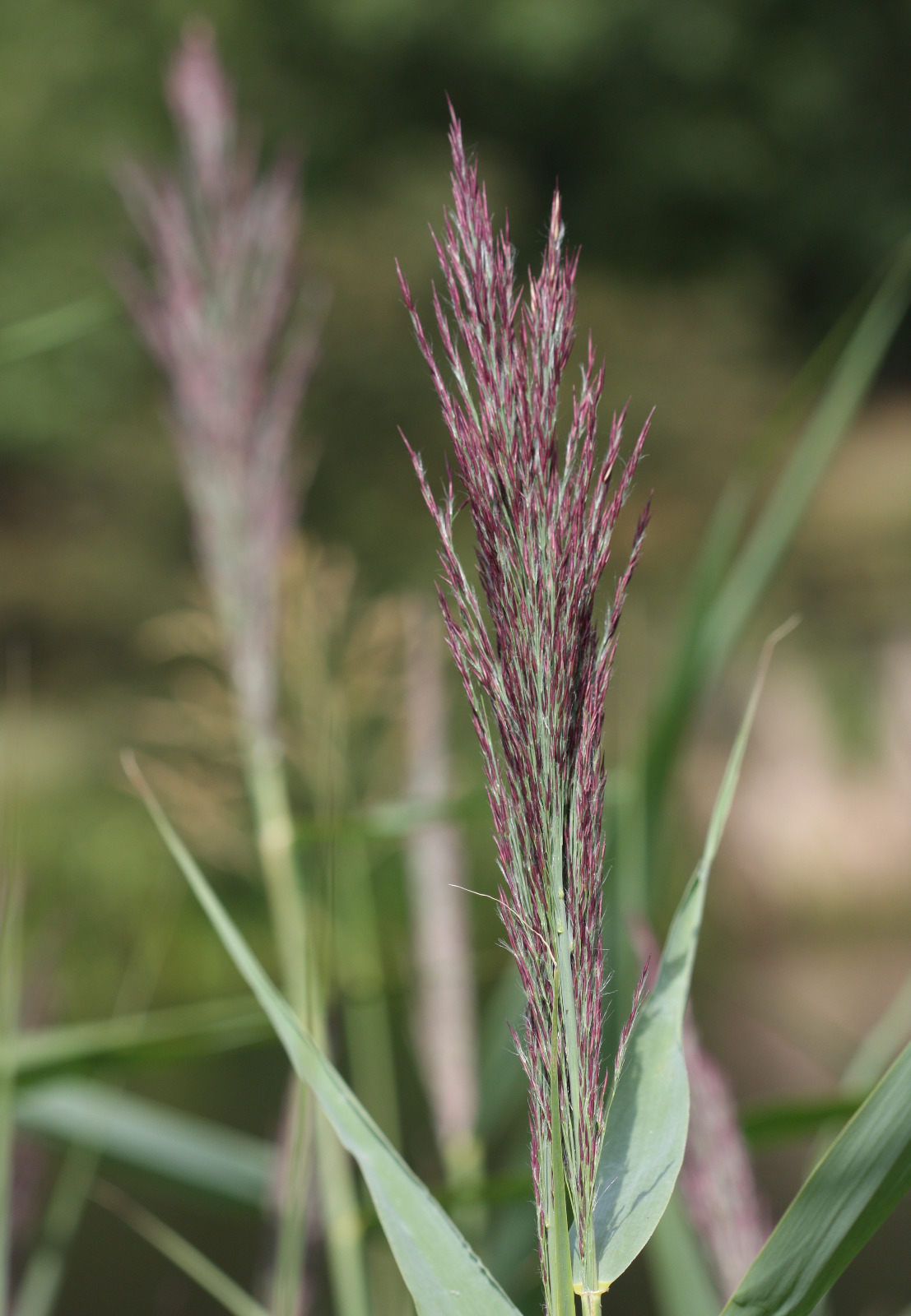
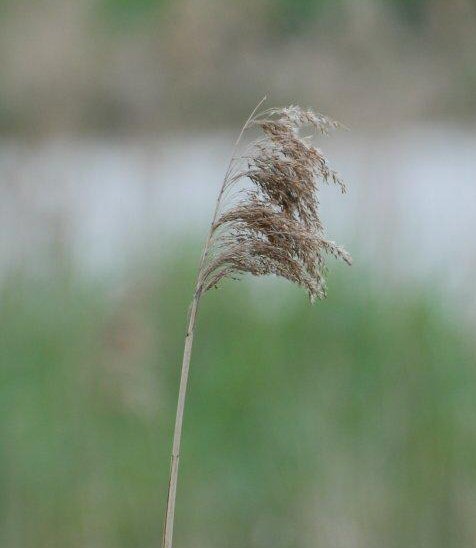
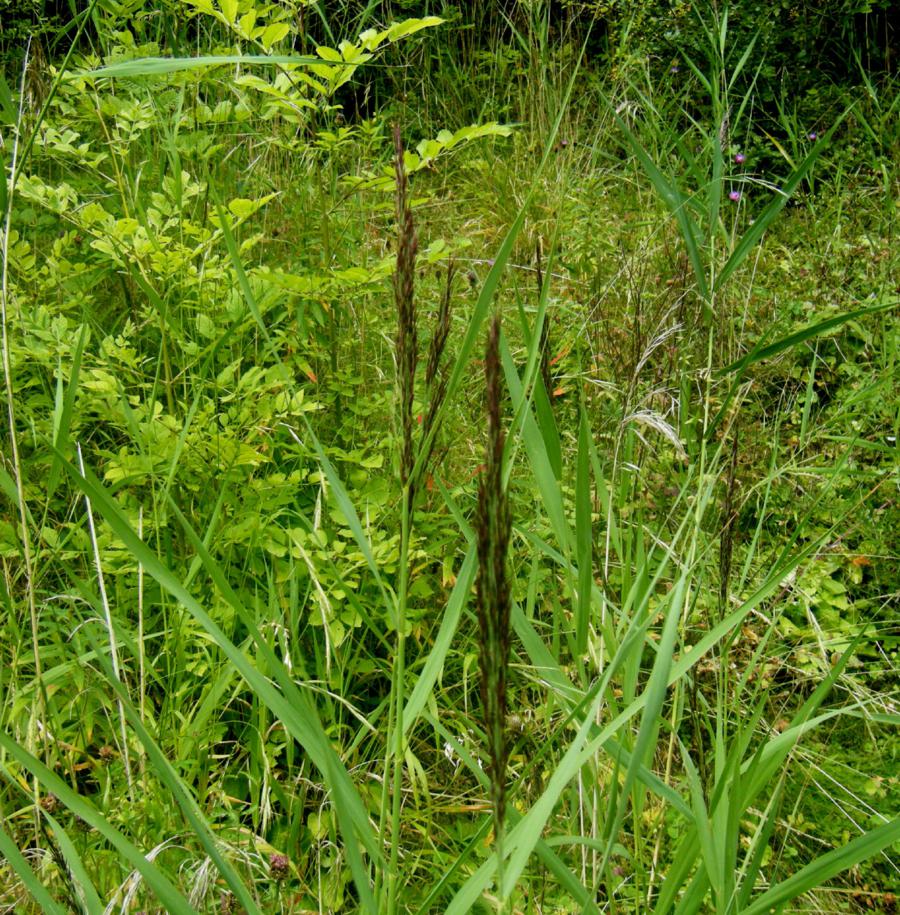
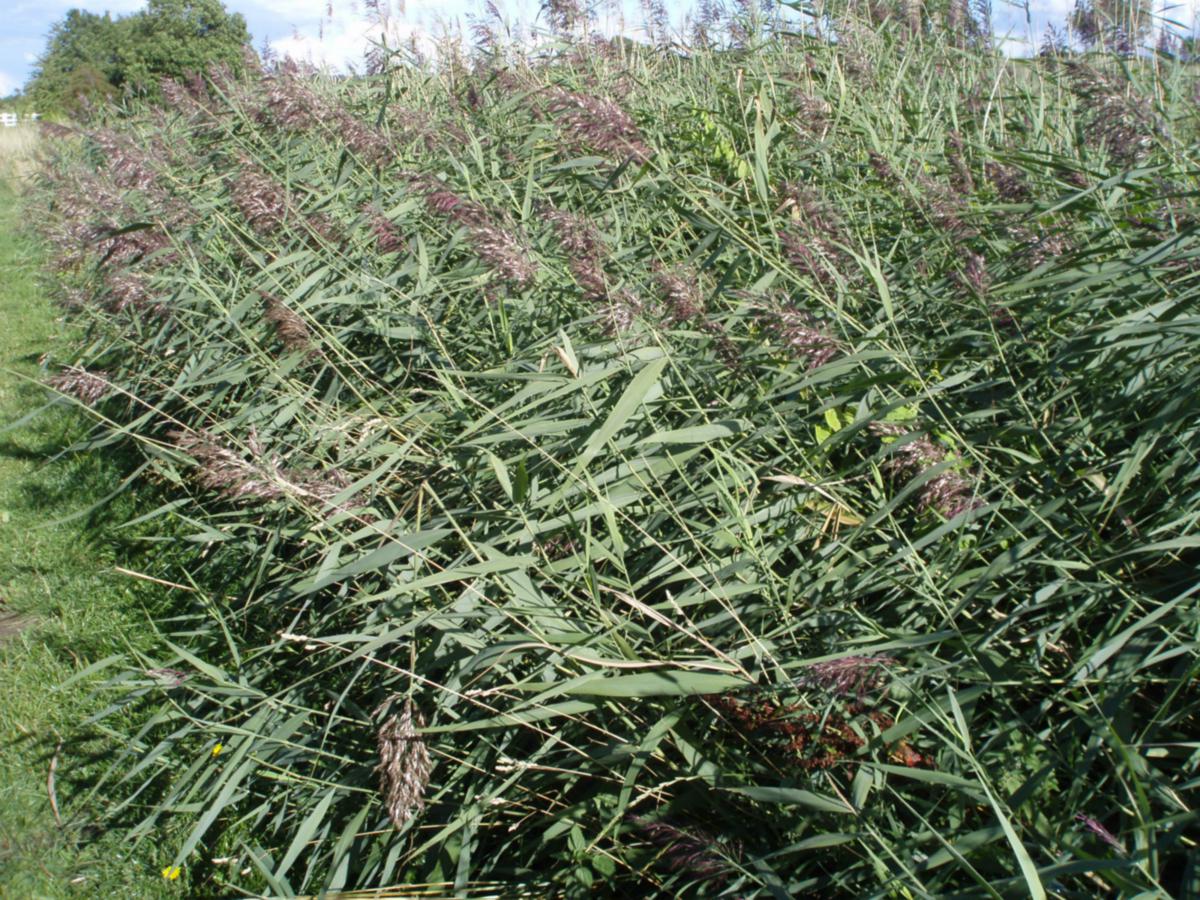
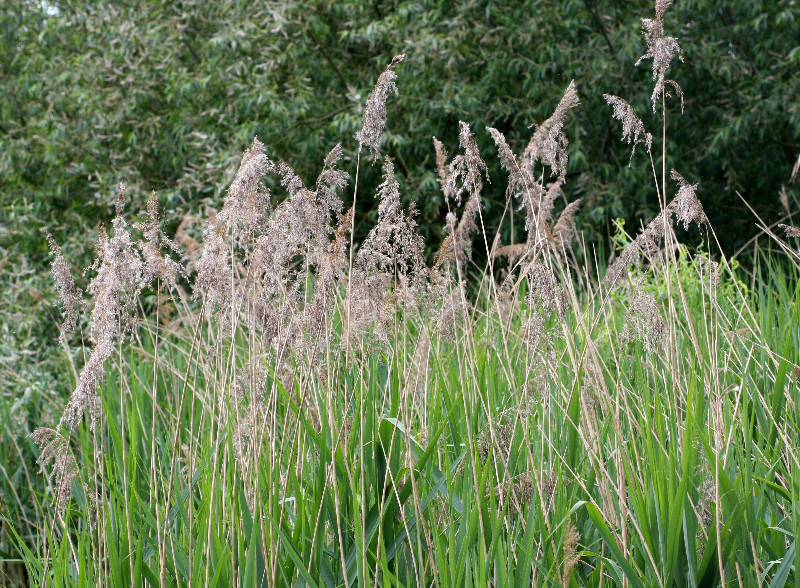
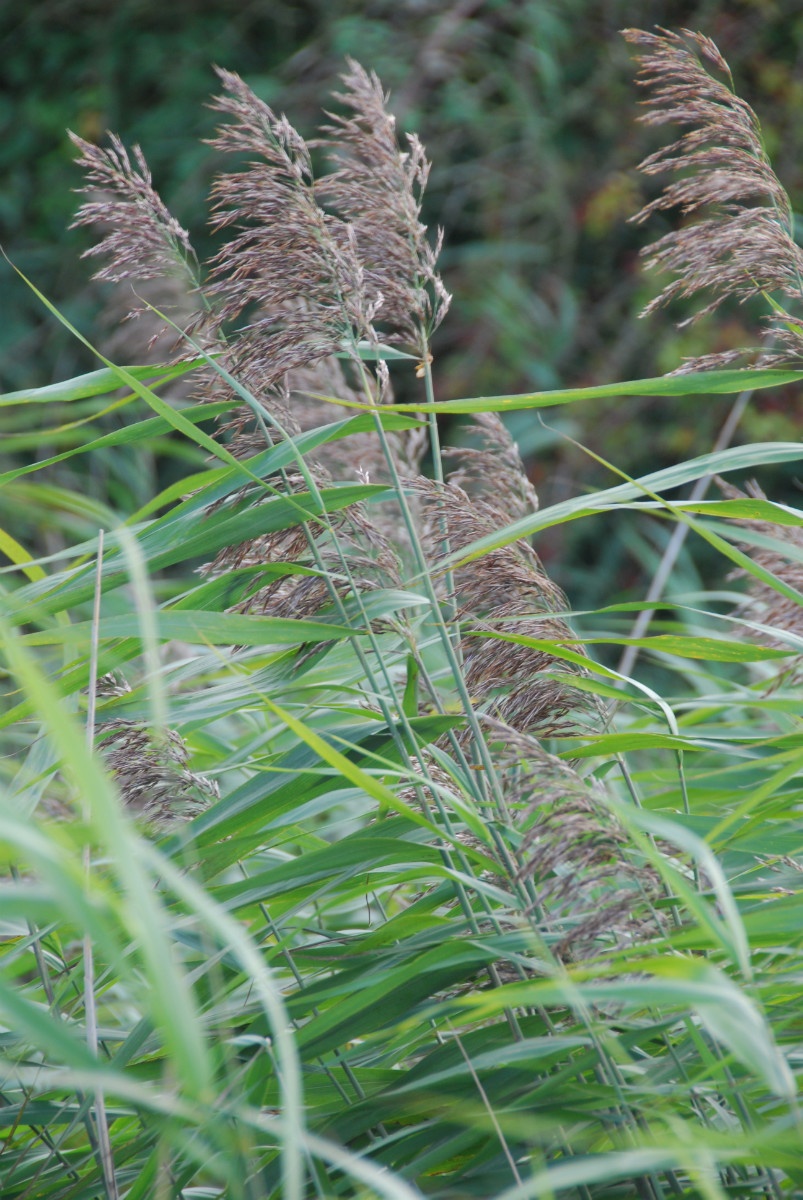
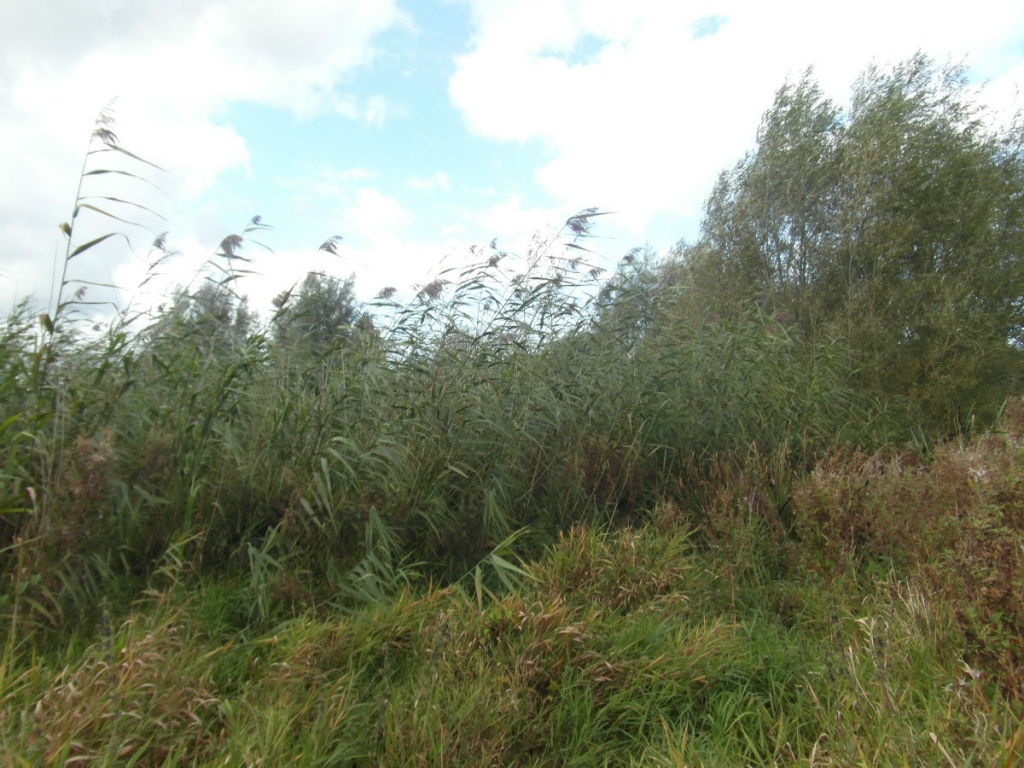
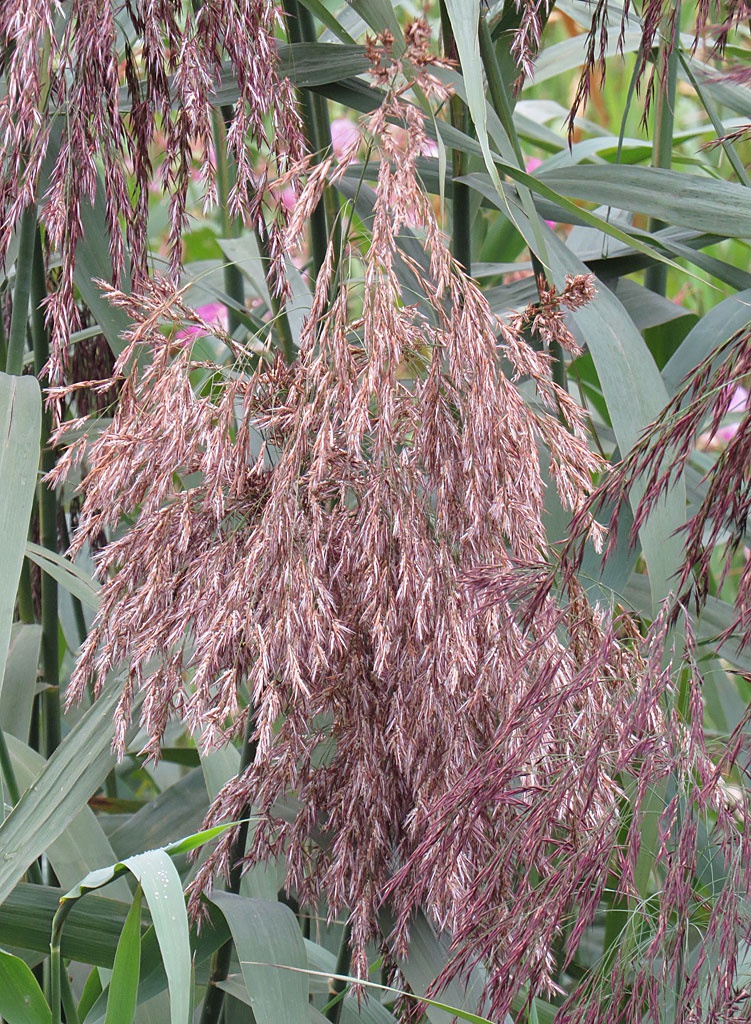
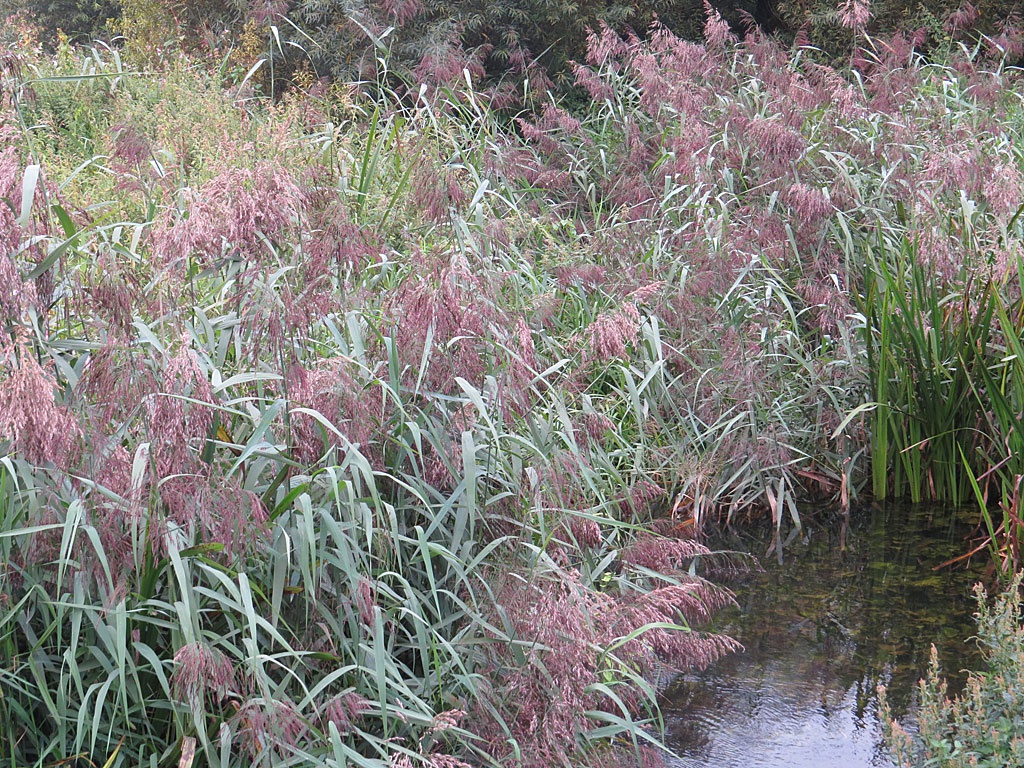
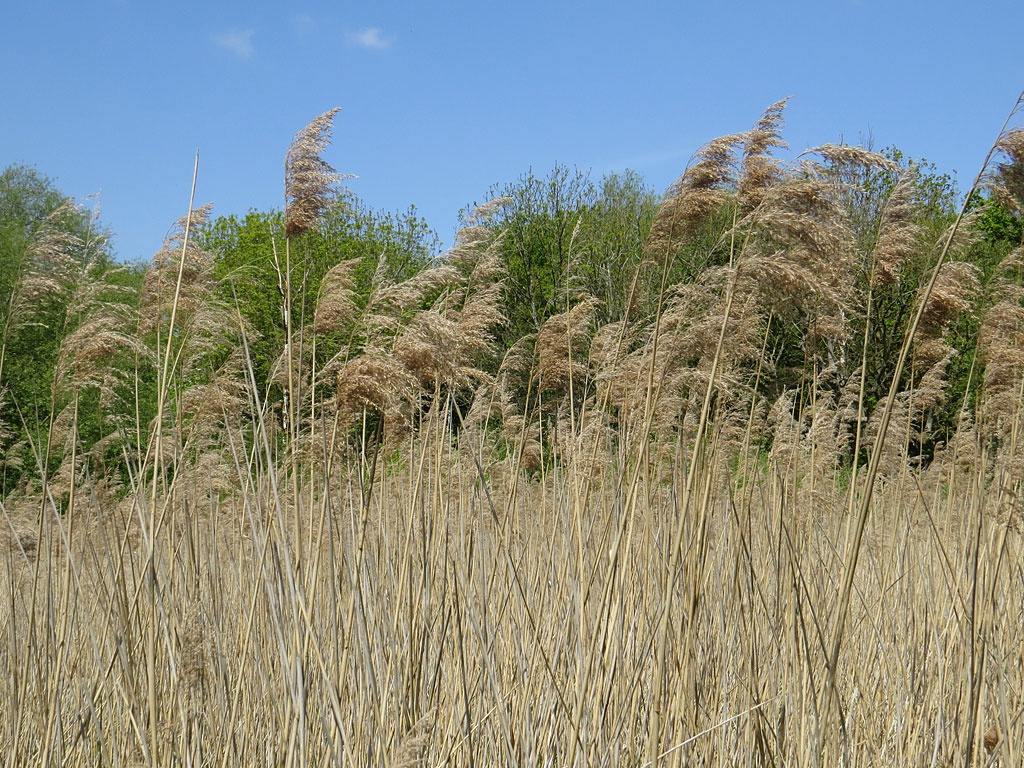
The Common Reed forms large beds; it has round, hollow stems, which typically grow to 2 metres in height, but may reach 4 metres. These stems grow from a system of stout, creeping rhizomes. The flat leaves taper into a point, and are attached to the stem by smooth sheaths, which are loose so that the leaves all point in one direction in the wind. The flowers are borne on highly branching purple inflorescences, which measure from 20 to 60 cm in length. The flowers are grouped into 'spikelets', which are 10-15 mm in length and support 1 to 6 flowers.

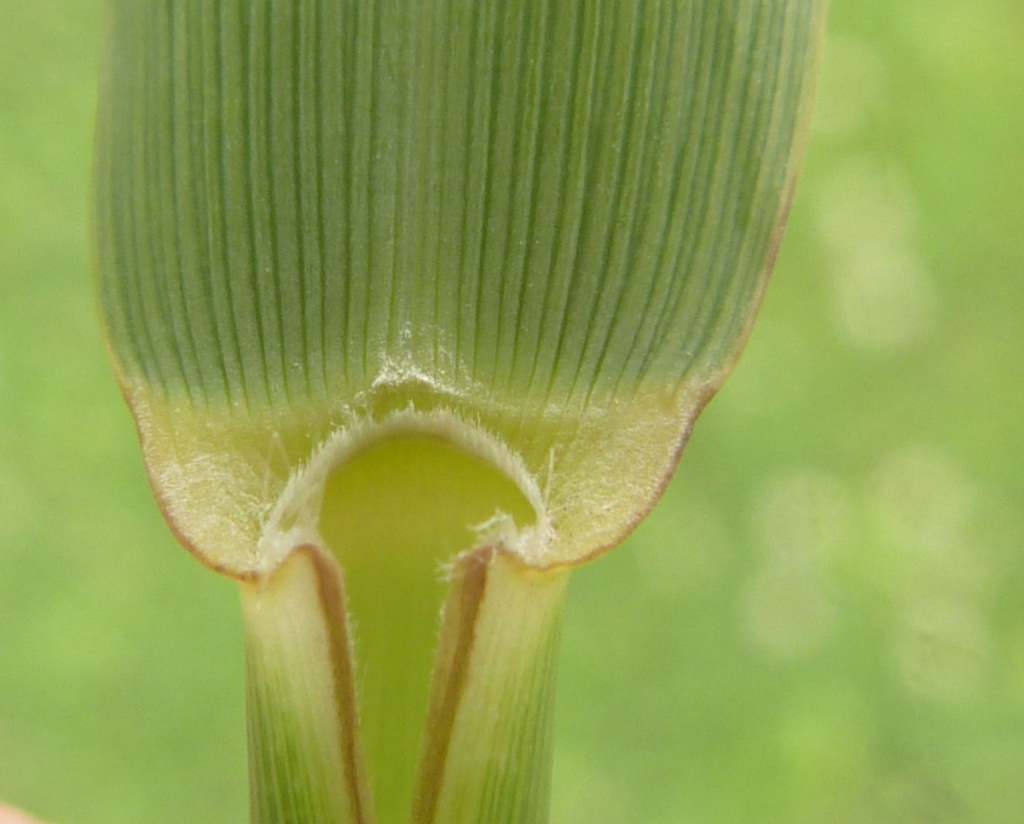
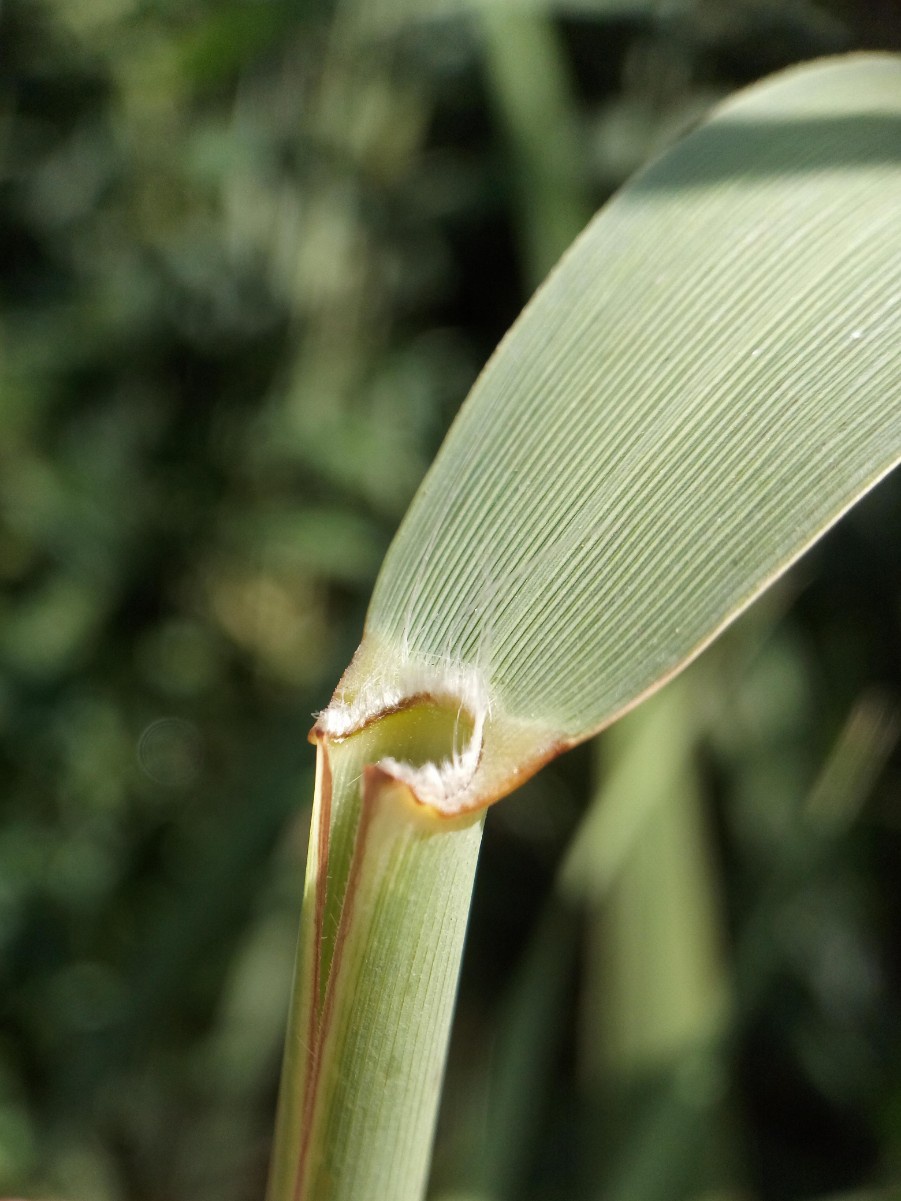
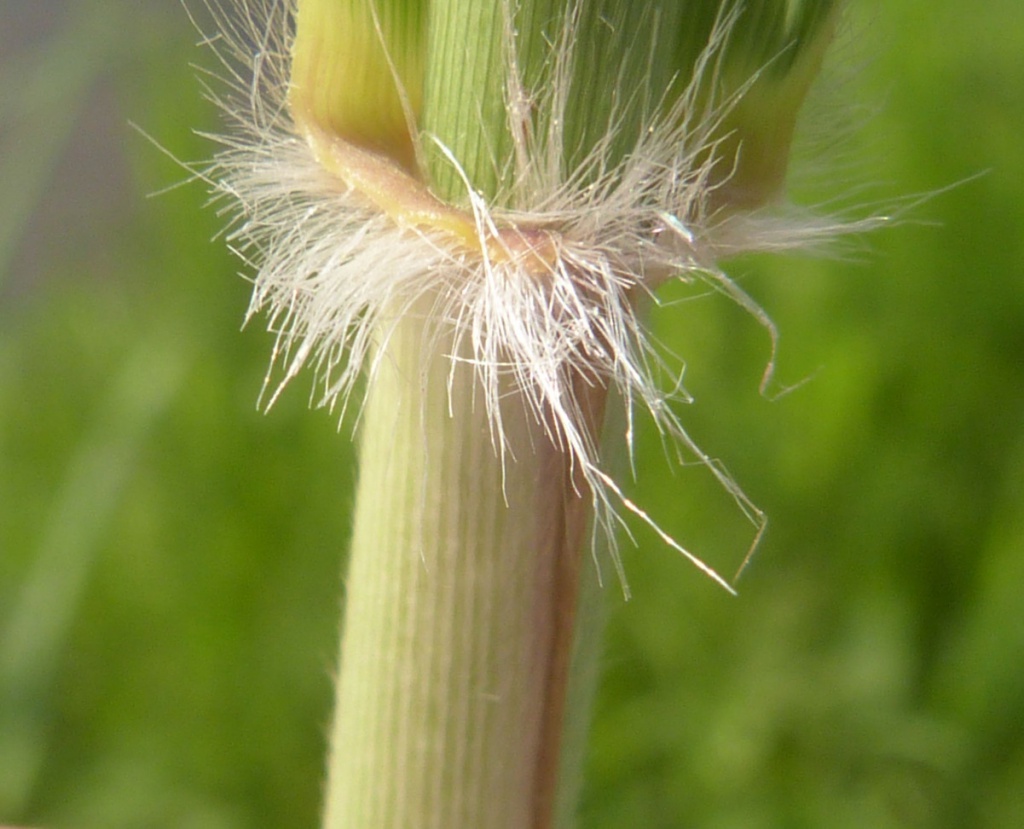
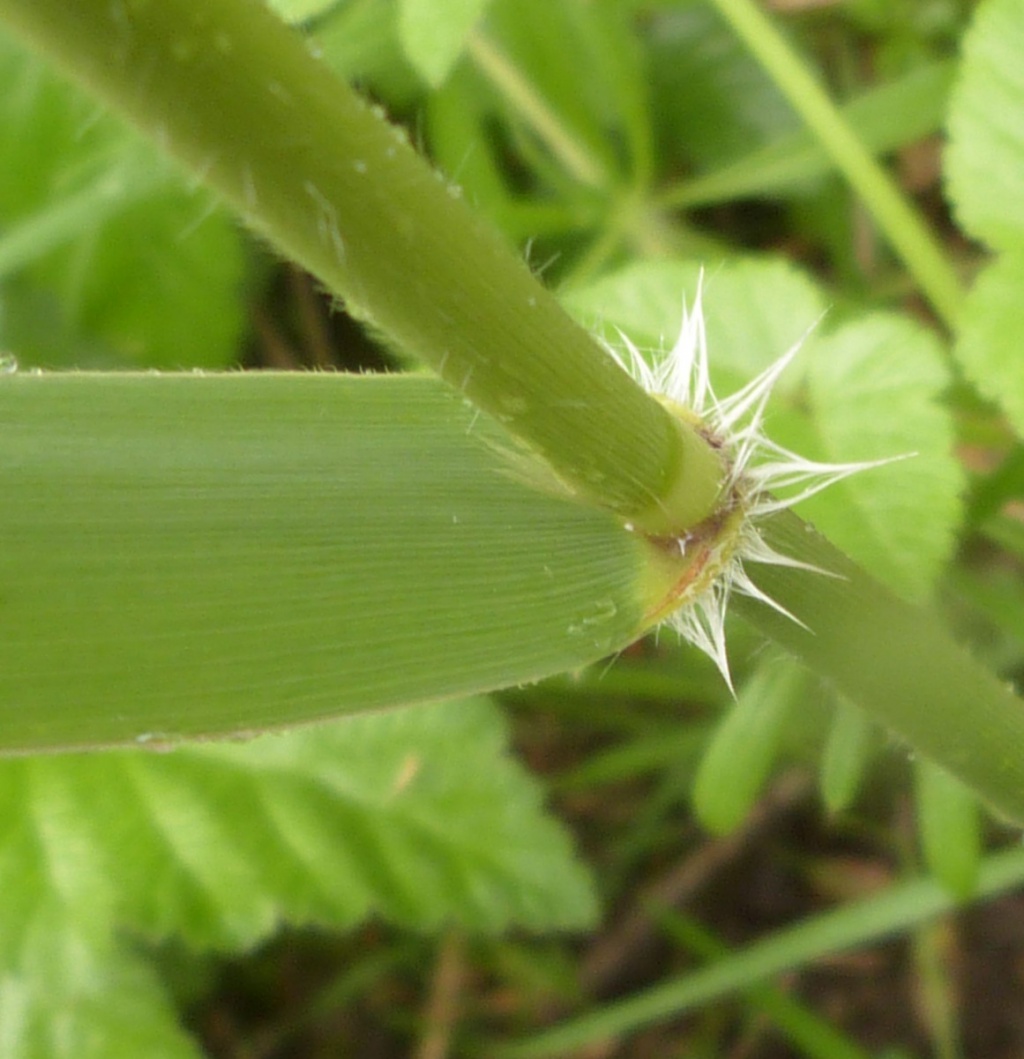
The ligule is a fringe of hairs
On mud or in shallow water; it is found in swamps and fens, ditches, at the edges of lakes, ponds, and rivers as well as in coastal lagoons, brackish swamps and estuaries.
Flowering August to October.
Perennial.
Widespread and common in Britain.
It is quite frequent in Leicestershire and Rutland. In the 1979 Flora survey of Leicestershire it was found in 102 of the 617 tetrads.
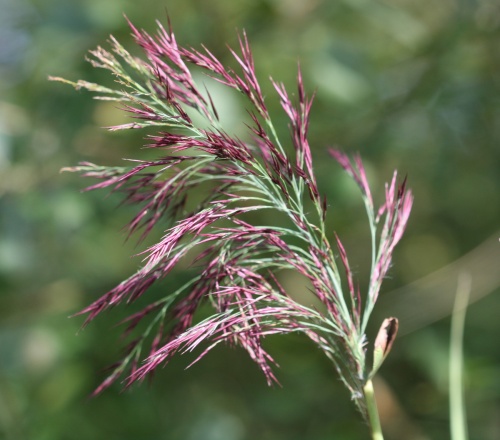 David Nicholls
Watermead Country Park
06 September 2012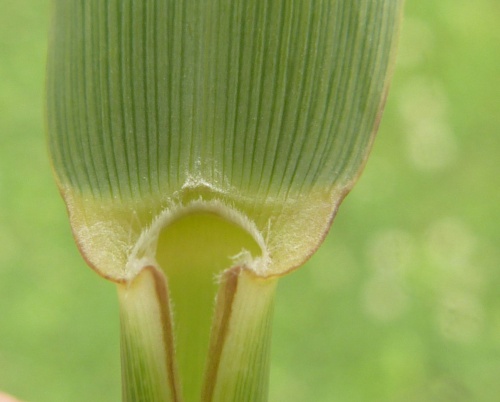 Graham Calow
Sapcote, Land behind William Spencer Avenue
12 July 2021
ligule a fringe of hairs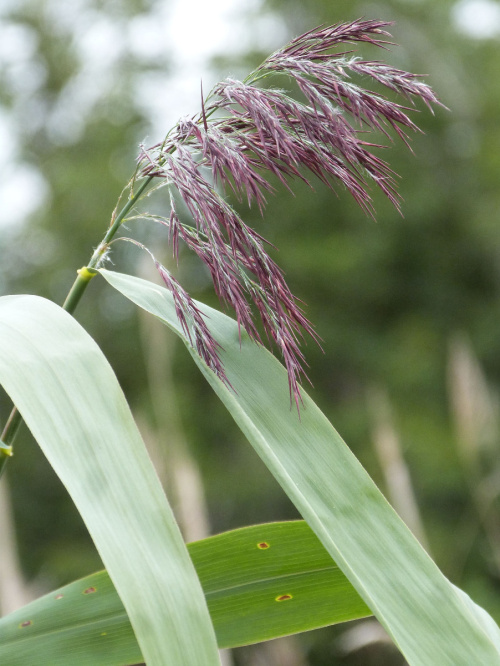 Graham Calow
Broughton Astley, drainage area off Soar Mill Lane
05 July 2024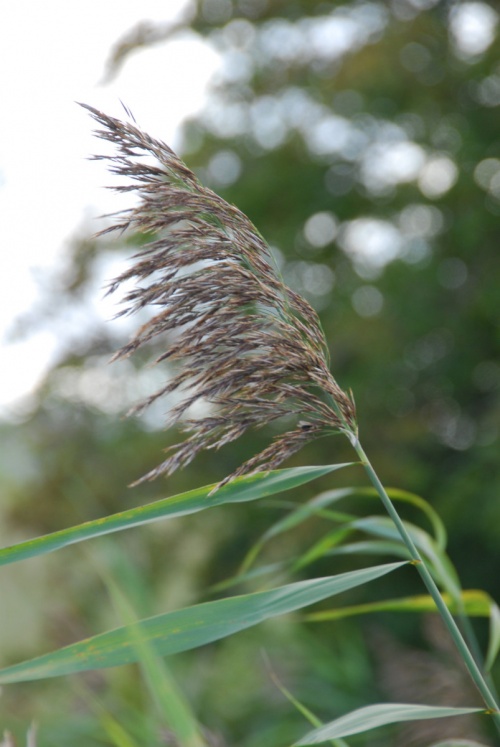 Barbara Cooper
Grantham Canal
04 October 2012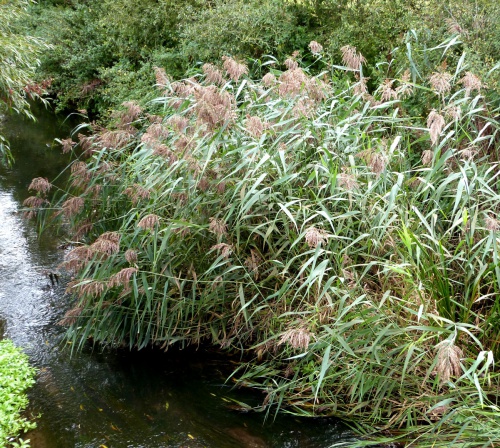 Graham Calow
Huncote
03 October 2014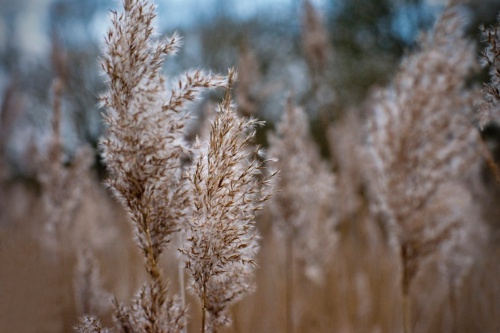 AJ Cann
Narborough Bog
01 February 2015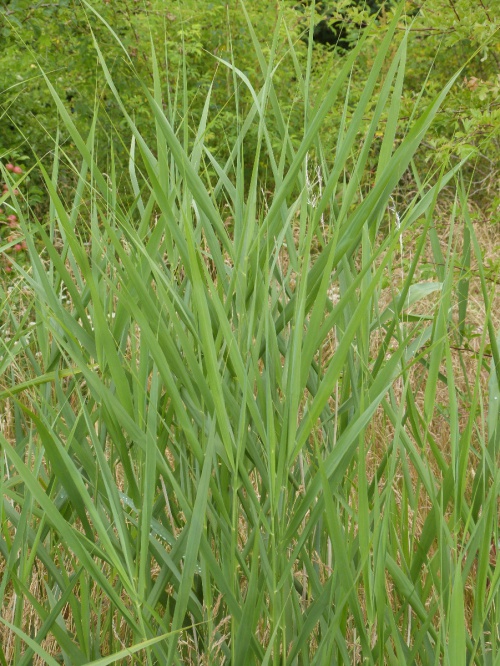 Graham Calow
Sapcote, Land behind William Spencer Avenue
12 July 2021
Leicestershire & Rutland Map
Enter a town or village to see local records
MAP KEY:
Yellow squares = NBN records (all known data)
Coloured circles = NatureSpot records: 2025+ | 2020-2024 | pre-2020
UK Map
Species profile
- Common names
- Common Reed
- Species group:
- flowering plant
- Kingdom:
- Plantae
- Order:
- Poales
- Family:
- Poaceae
- Records on NatureSpot:
- 172
- First record:
- 27/05/2000 (MBNHS;Steve Woodward)
- Last record:
- 23/03/2026 (Calow, Graham)
Total records by month
% of records within its species group
10km squares with records
The latest images and records displayed below include those awaiting verification checks so we cannot guarantee that every identification is correct. Once accepted, the record displays a green tick.
In the Latest Records section, click on the header to sort A-Z, and again to sort Z-A. Use the header boxes to filter the list.
Latest images
Latest records
 David Nicholls
Watermead Country Park
06 September 2012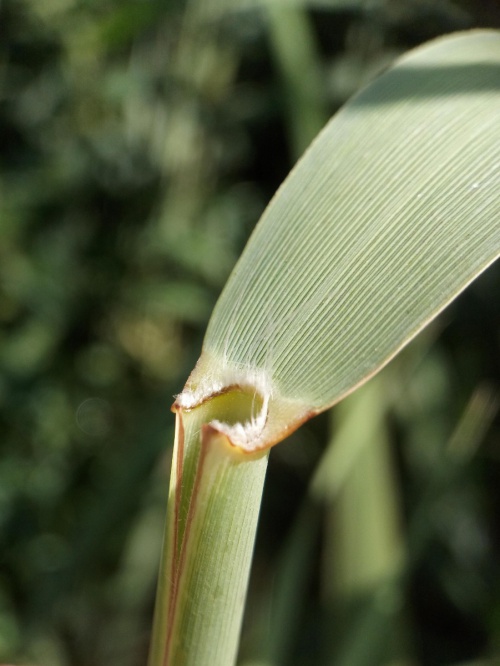 Peter Smith
Hathern
29 August 2019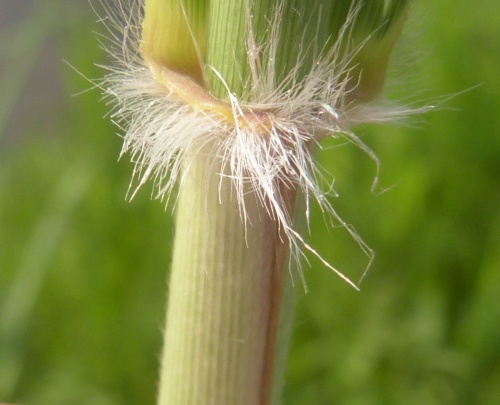 Craig Mabbett
Lutterworth Country Park
03 June 2021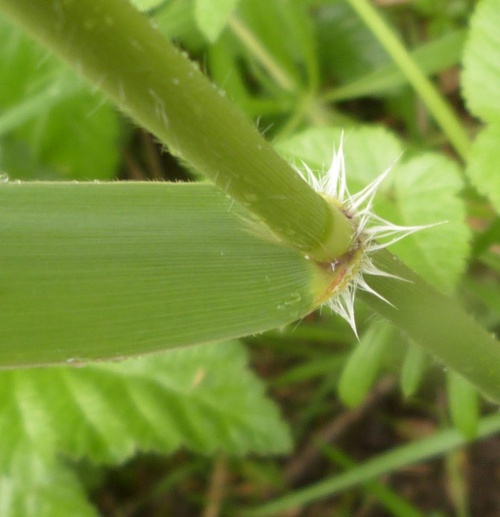 Graham Calow
Narborough Bog
27 April 2017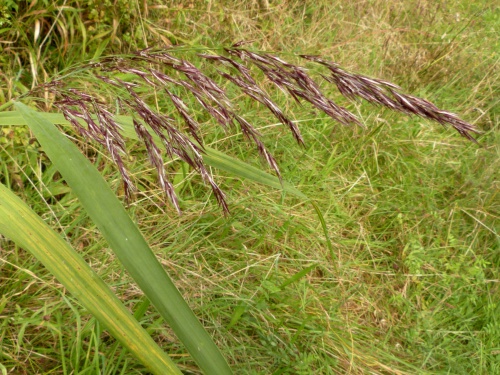 Graham Calow
Jubilee Walk, Leire
16 September 2014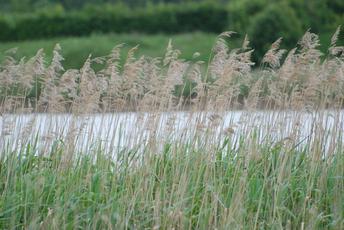 John Cranfield
Stanford Reservoir
04 June 2011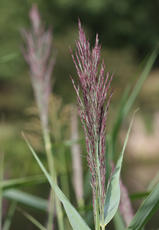 David Nicholls
Barrow Upon Soar
15 July 2011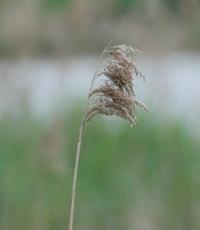 John Cranfield
Stanford Reservoir
04 June 2011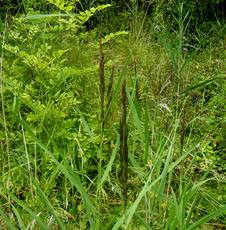 Graham Calow
Jubilee Walk, Leire
02 August 2011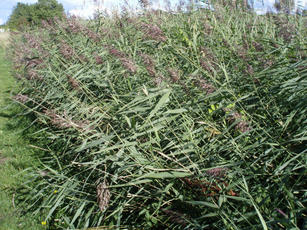 Alan Semper
Harby canal
27 August 2011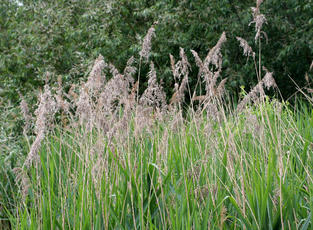 David Nicholls
Abbey Park
20 May 2011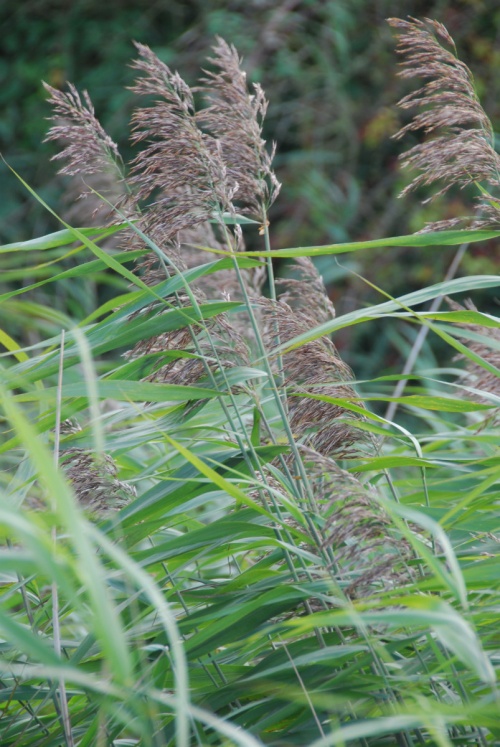 Barbara Cooper
Grantham Canal
04 October 2012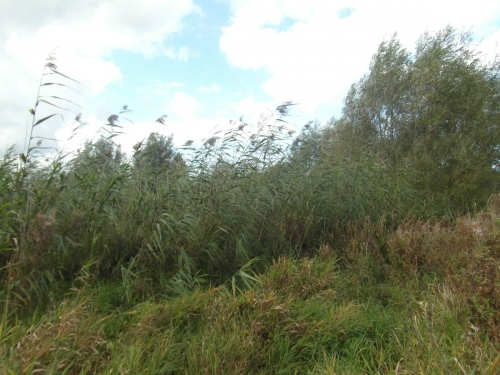 Alan Semper
Melton Country Park
04 October 2012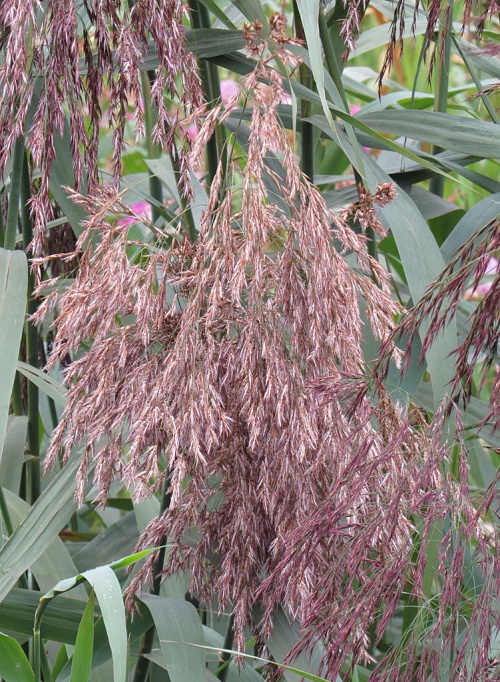 David Gould
Aylestone Packhorse Bridge, Leicester
04 September 2014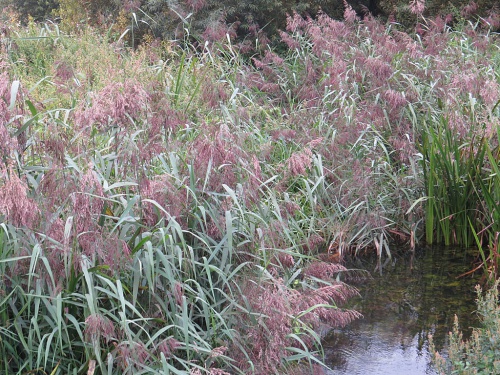 David Gould
Aylestone Packhorse Bridge, Leicester
04 September 2014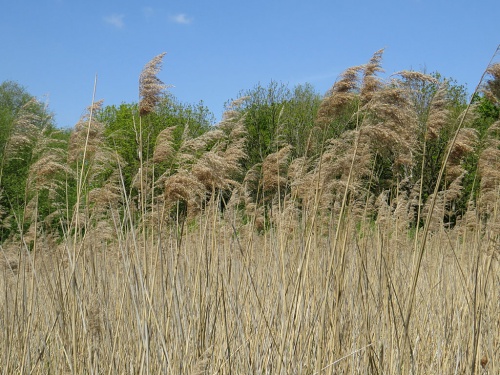 David Gould
Narborough Bog, Leics
21 May 2015
Hyalopterus pruni
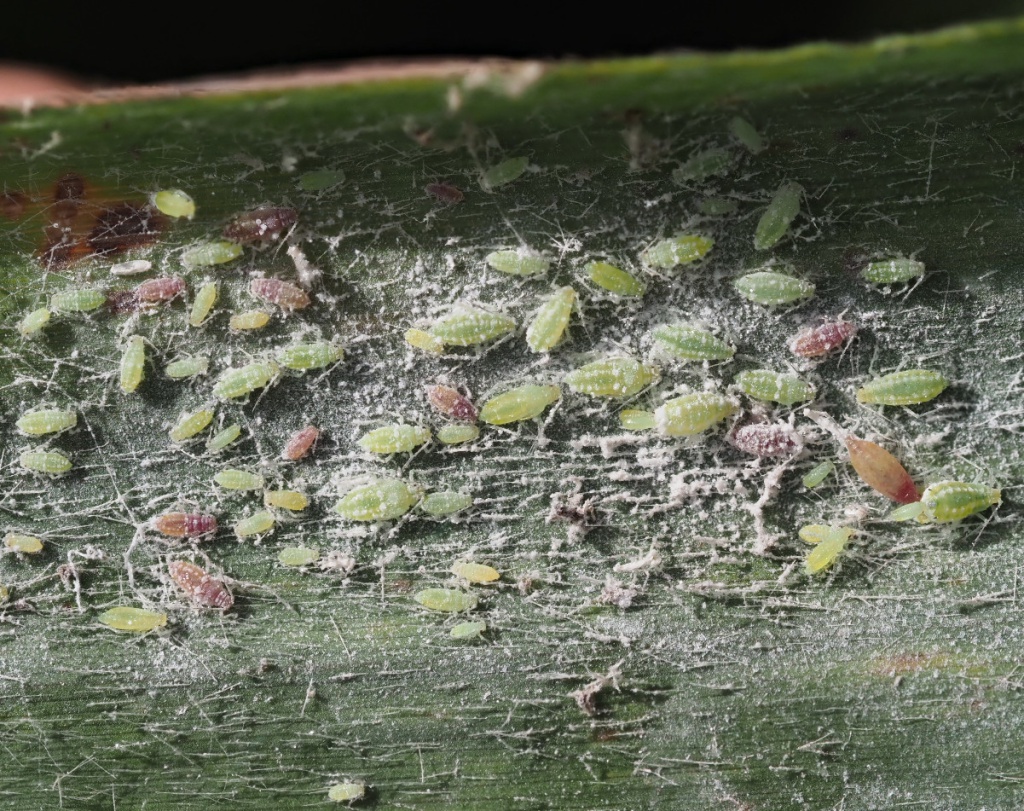
The aphid Hyalopterus pruni is associated with Prunus species (all year) and reeds (especially Common Reed - Phragmites australis) in the summer. The aptera is small to medium sized, with an elongate shape. It is usually pale green with a fine darker green mottling, covered with wax meal, but on the summer host (reeds) there are dusky red as well as green forms.
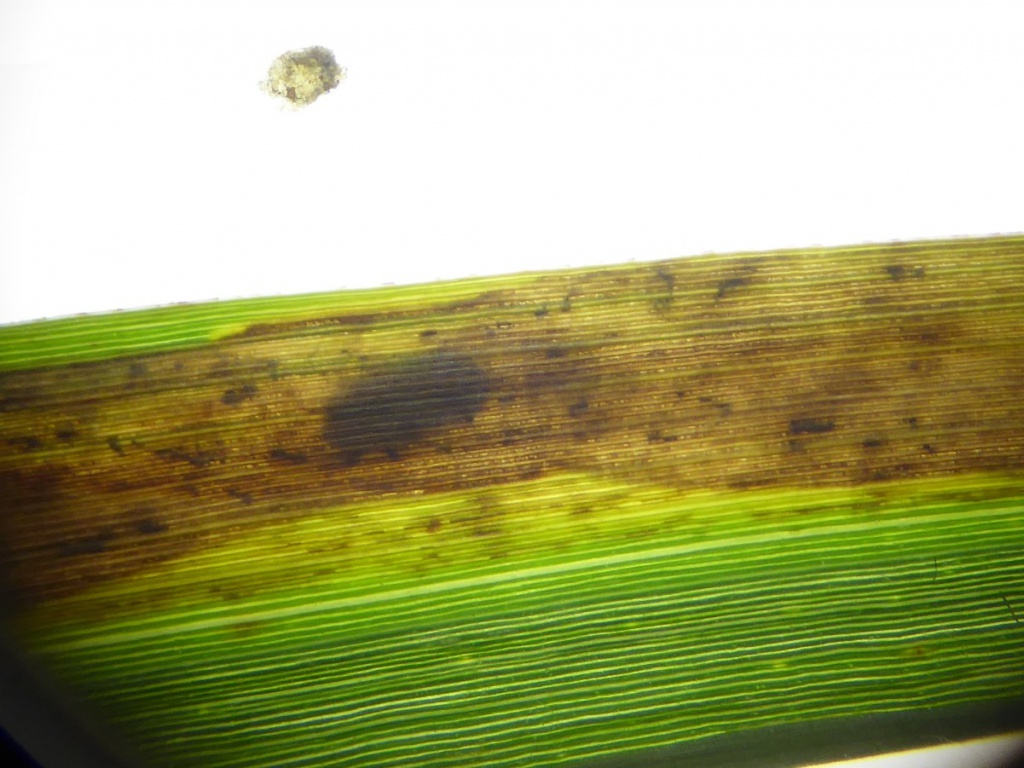
Cerodontha (Poemyza) phragmitidis
The larva of the Agromyzid fly Cerodontha phragmitidis mines the leaves of Common Reed. The mine takes the form of a large linear blotch in the leaf and the larva usually pupates in the leaf. The puparium is a metallic black, with an elongated posterior section.