

Betony - Stachys officinalis
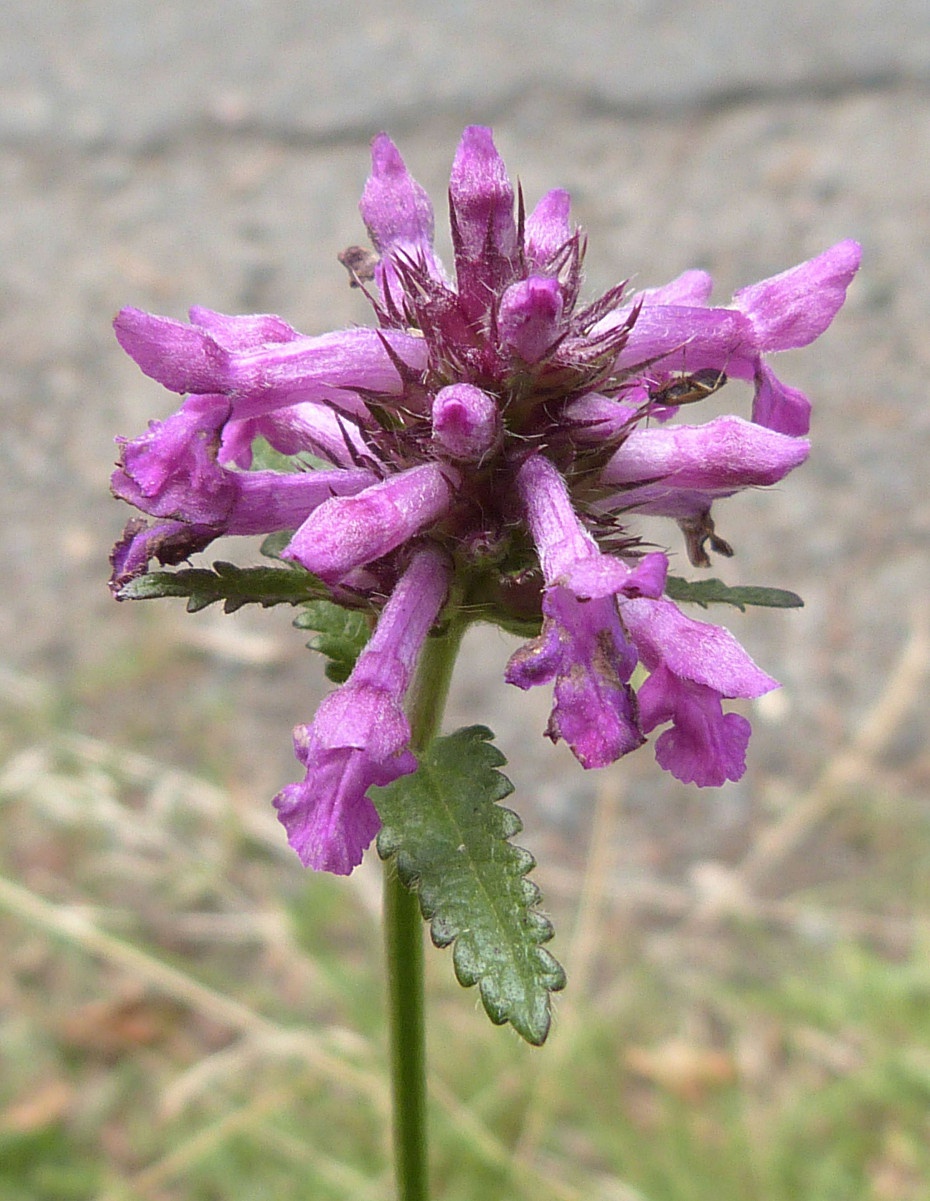
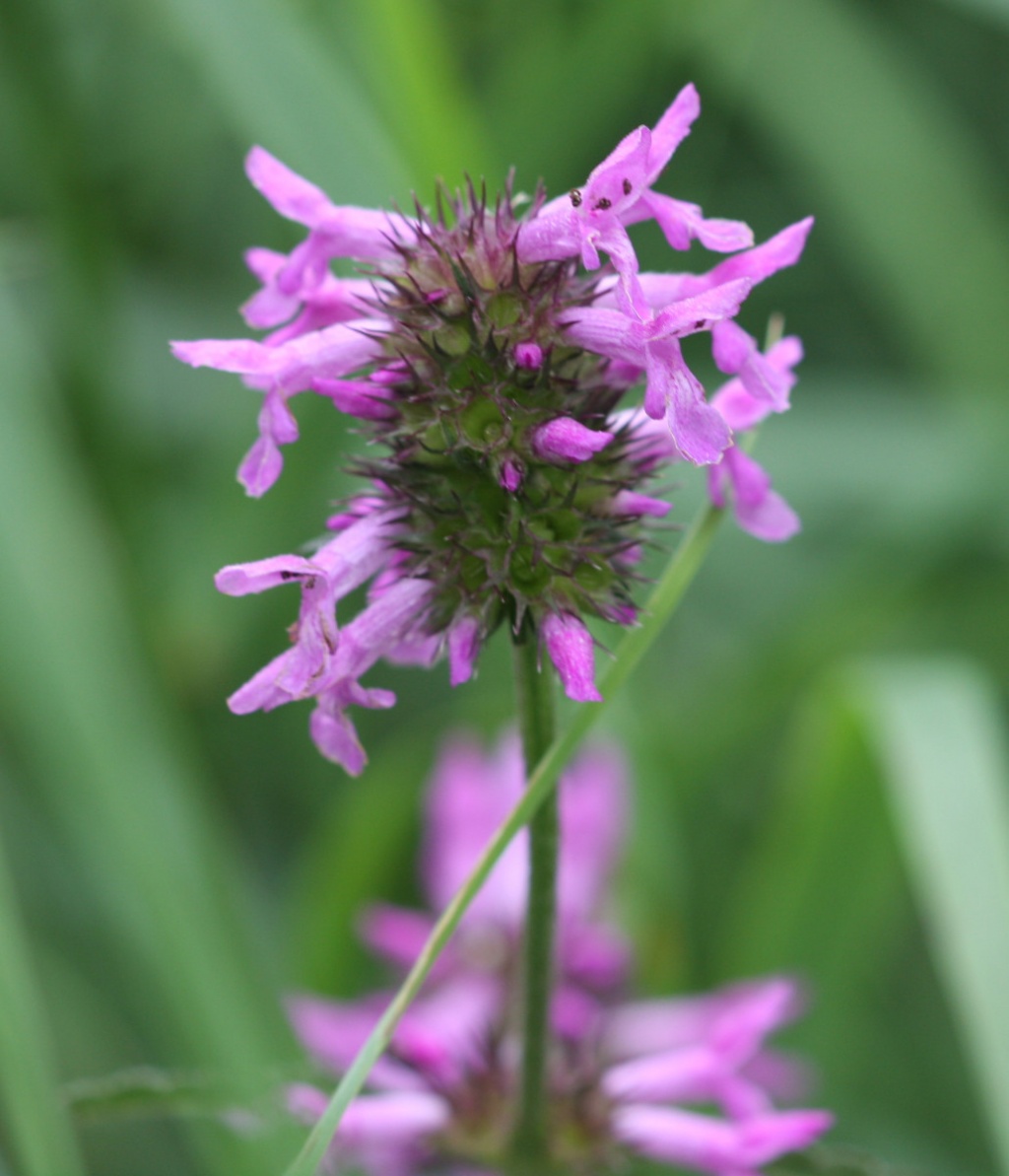
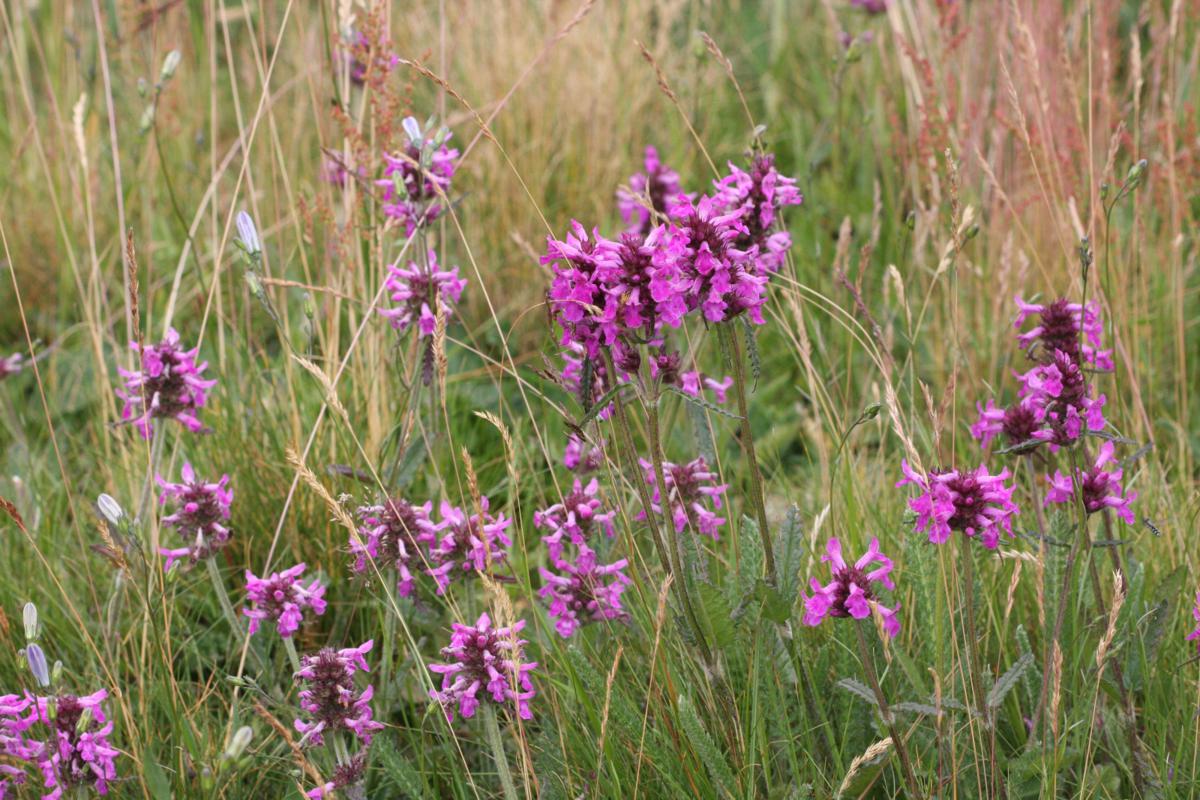
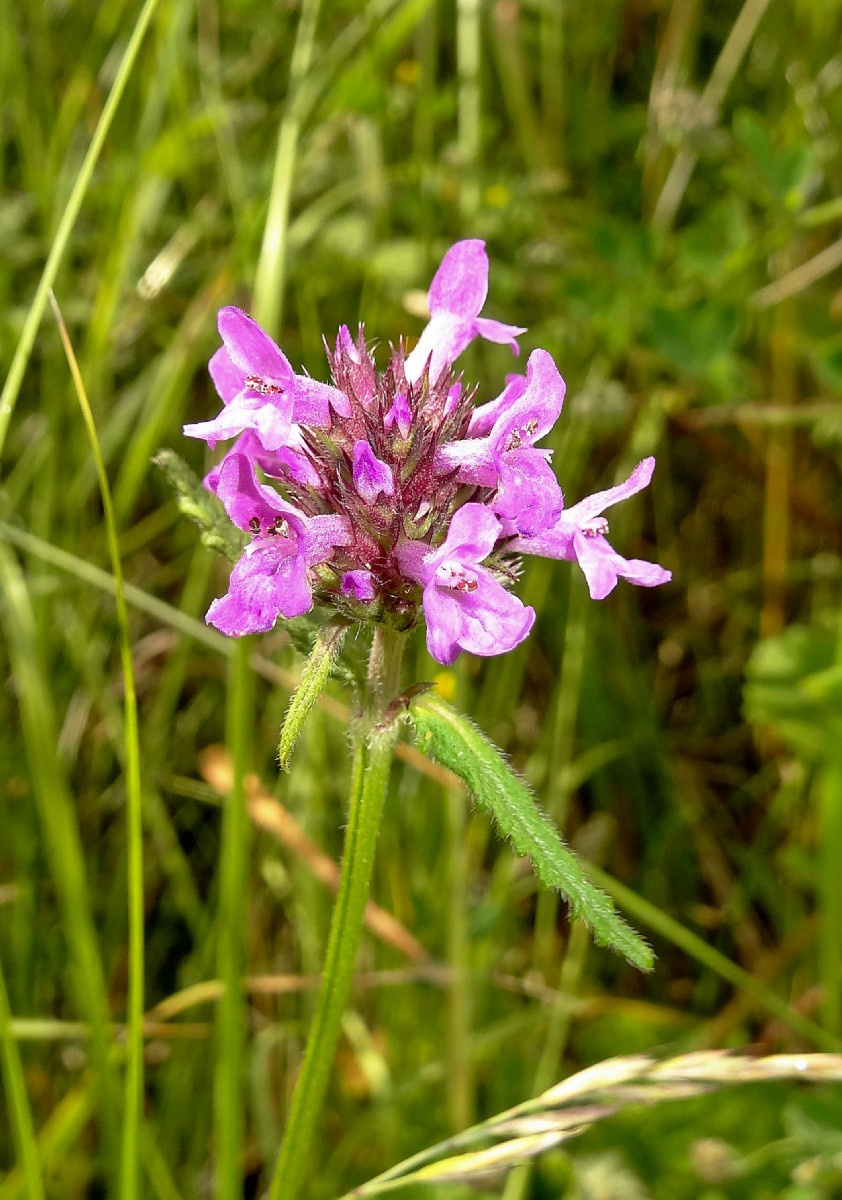
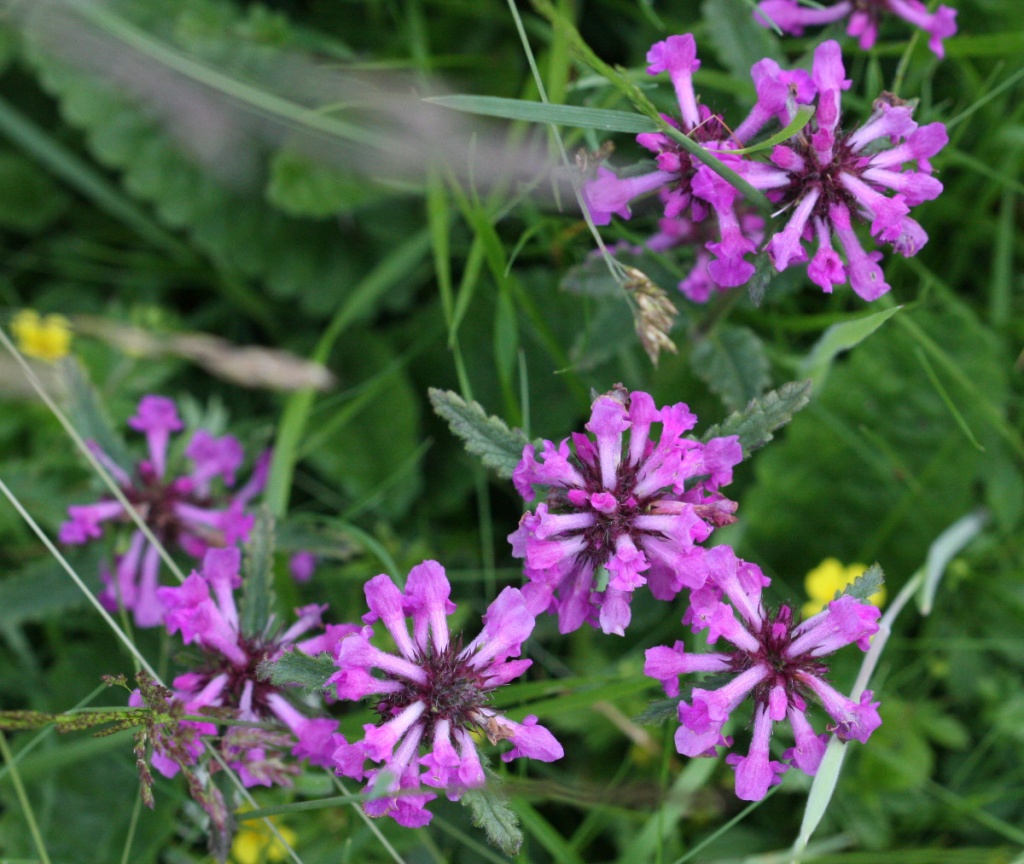
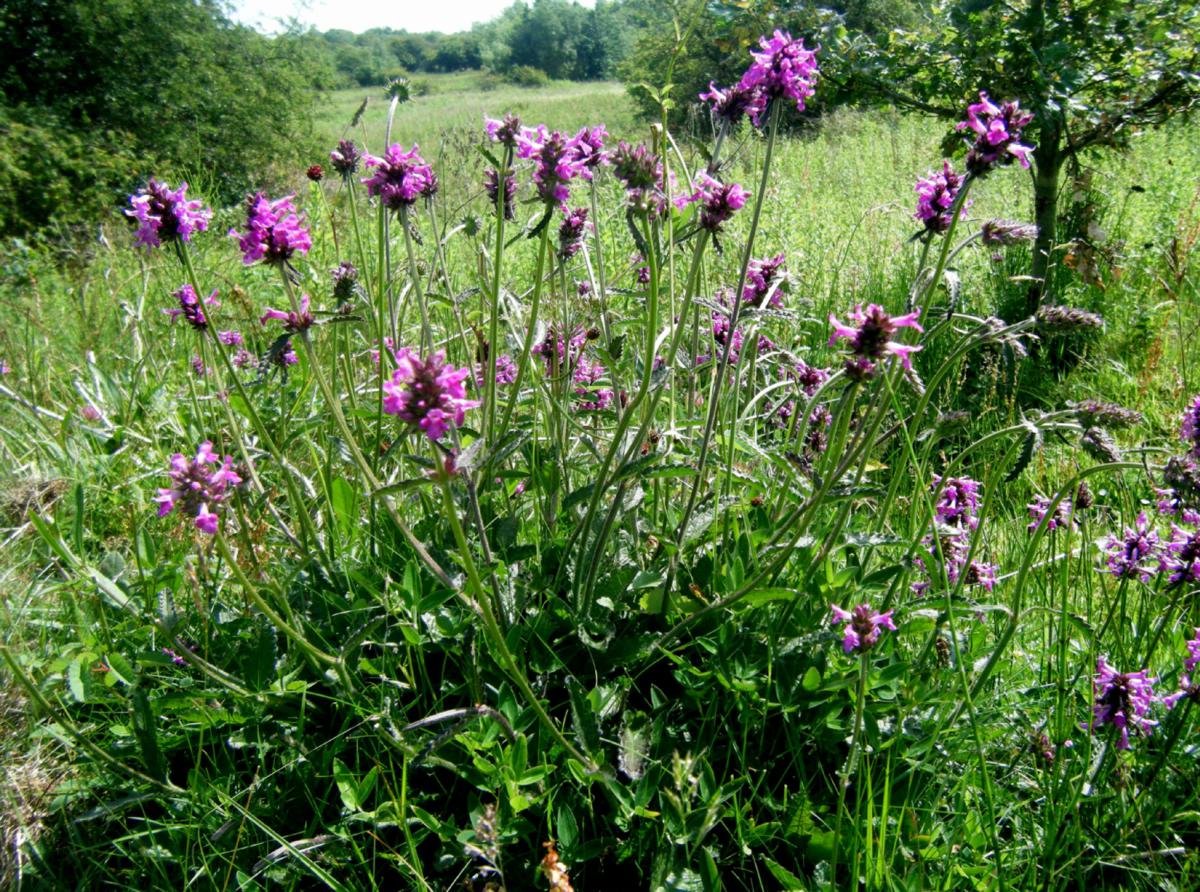
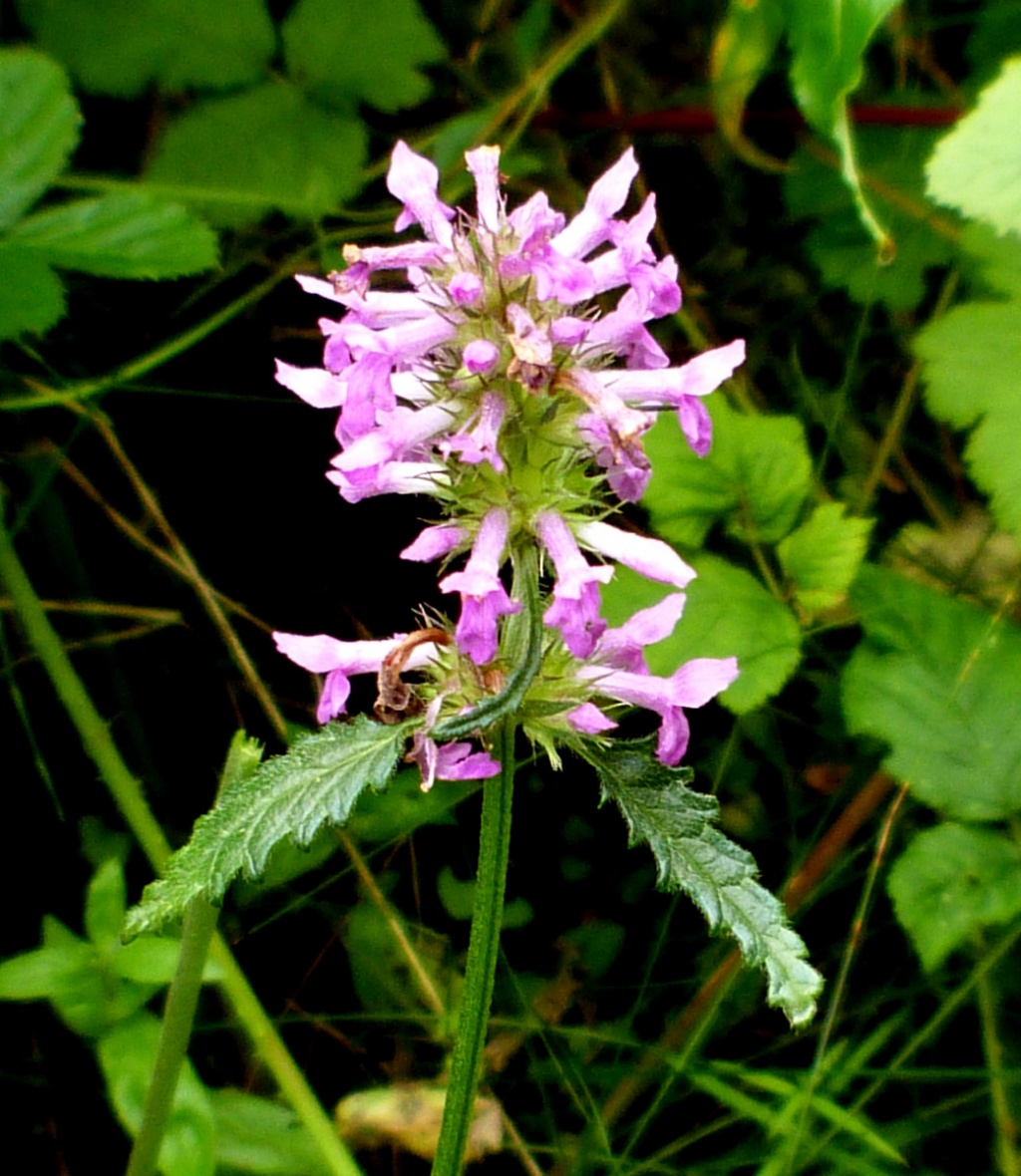
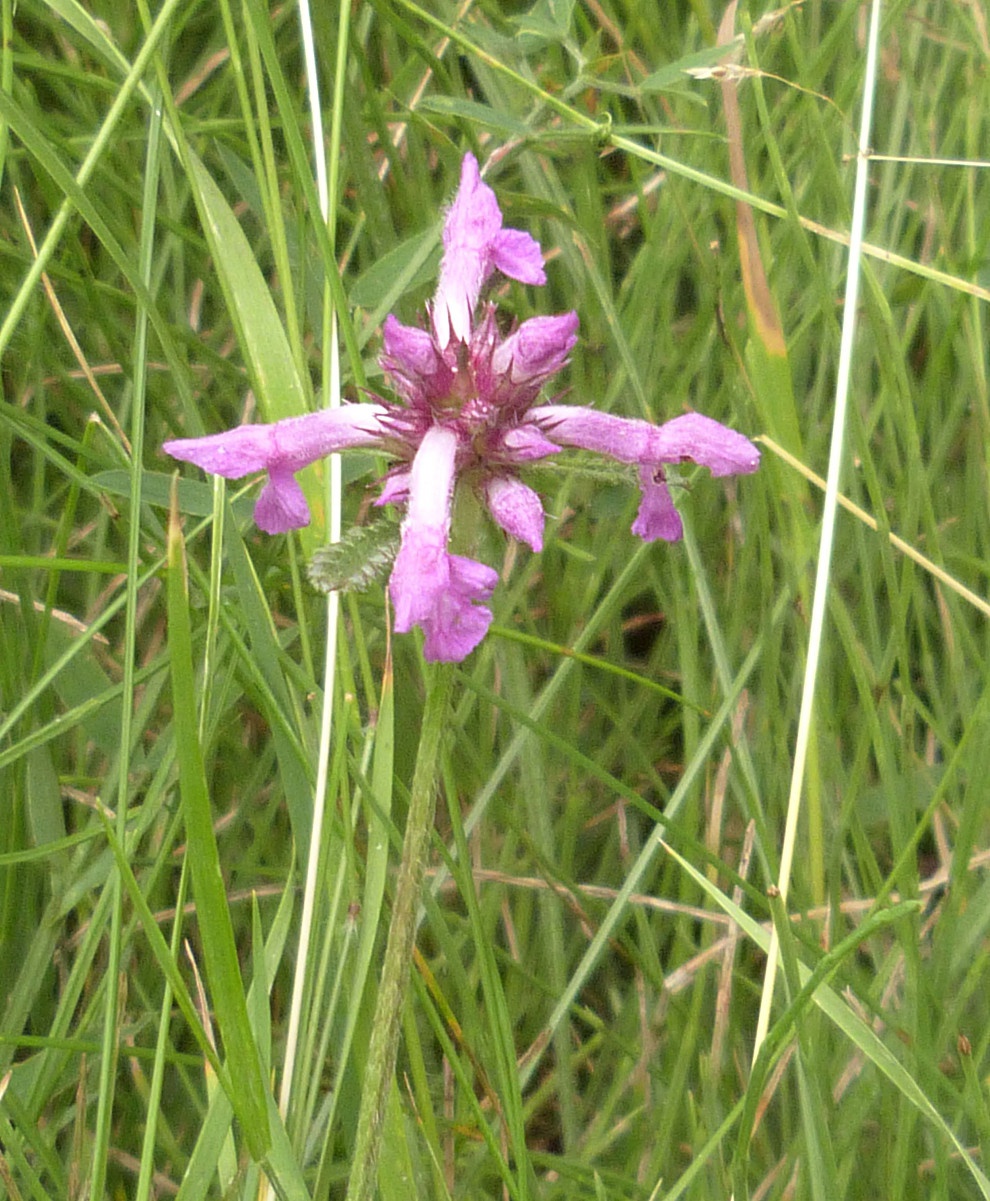
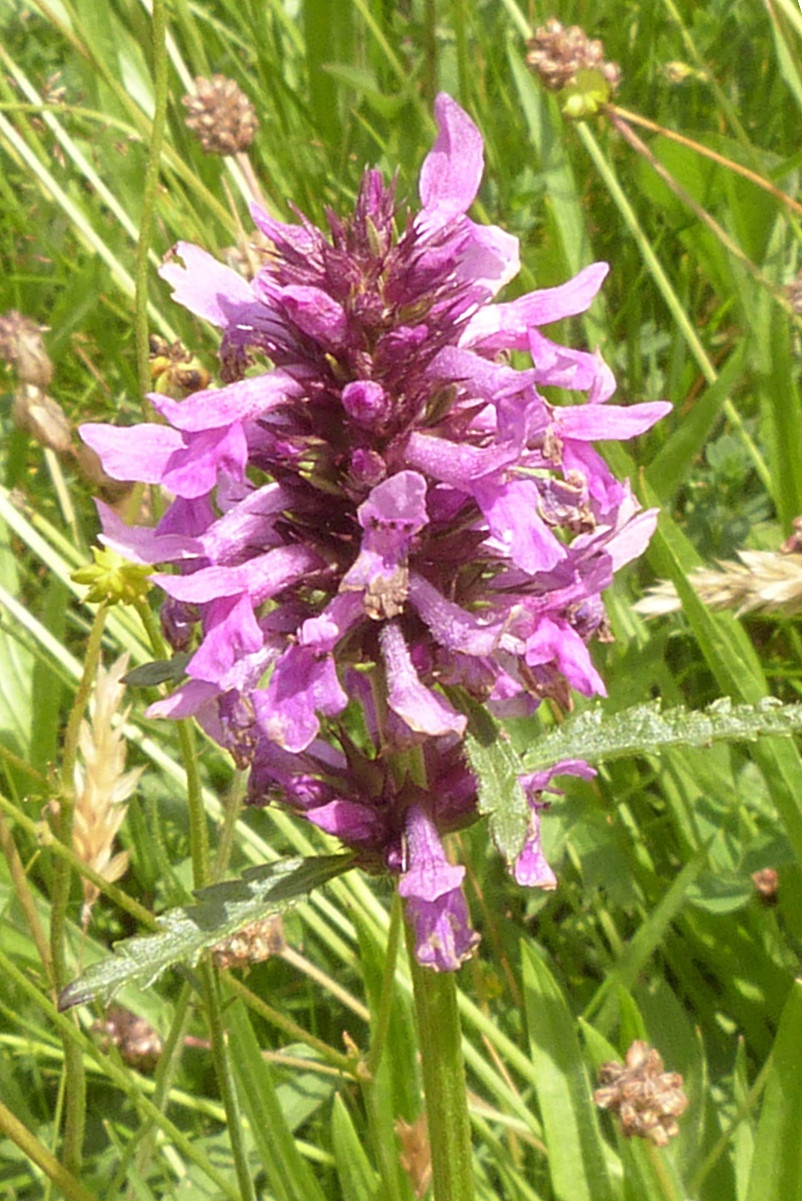
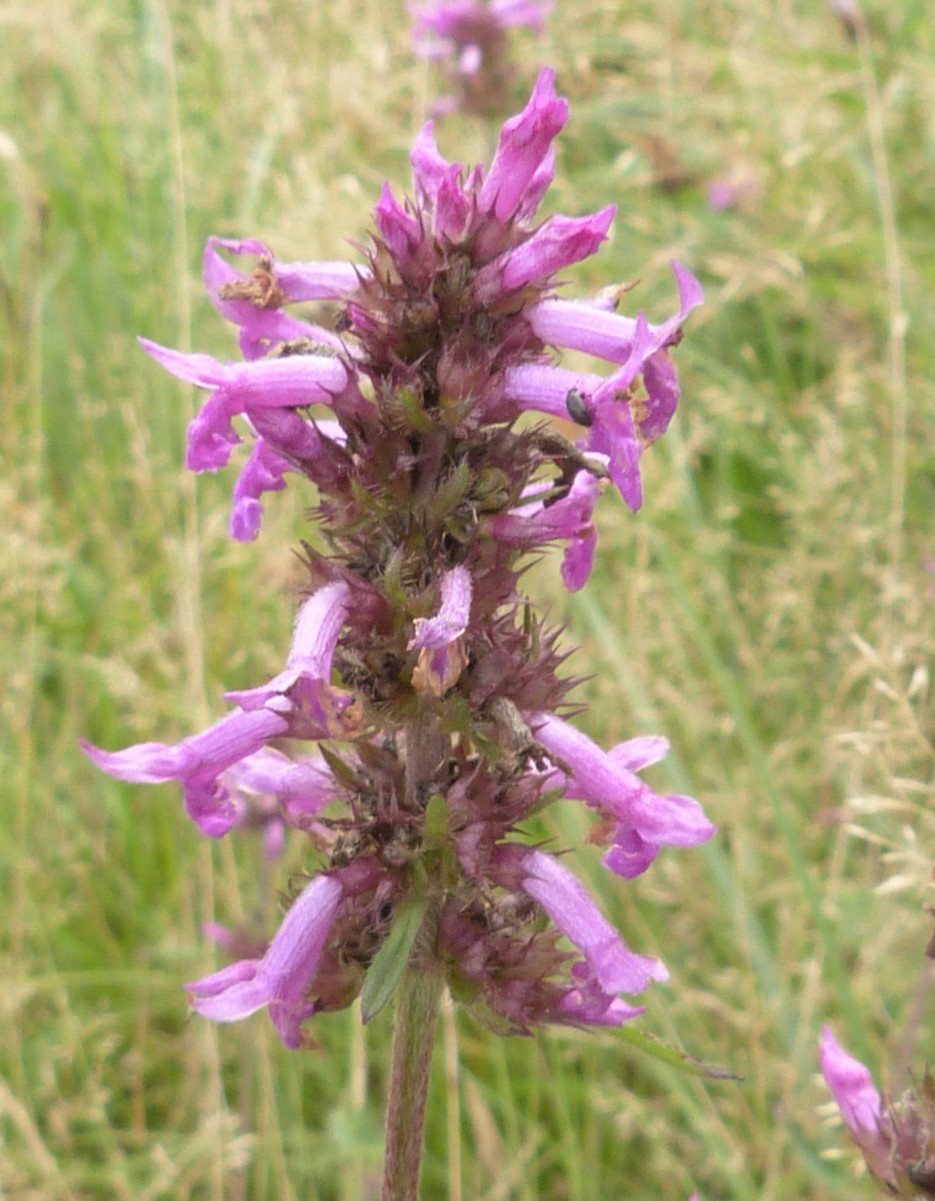
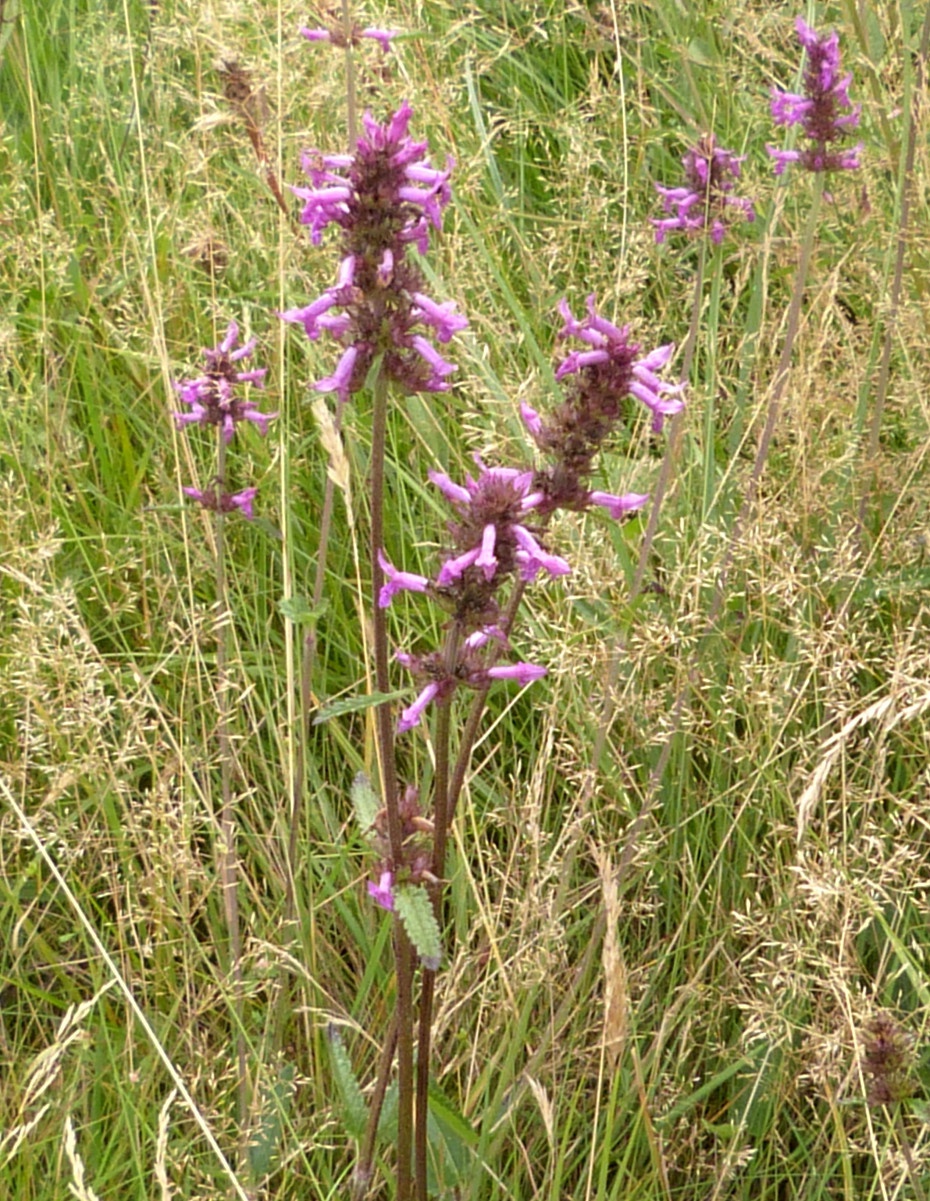
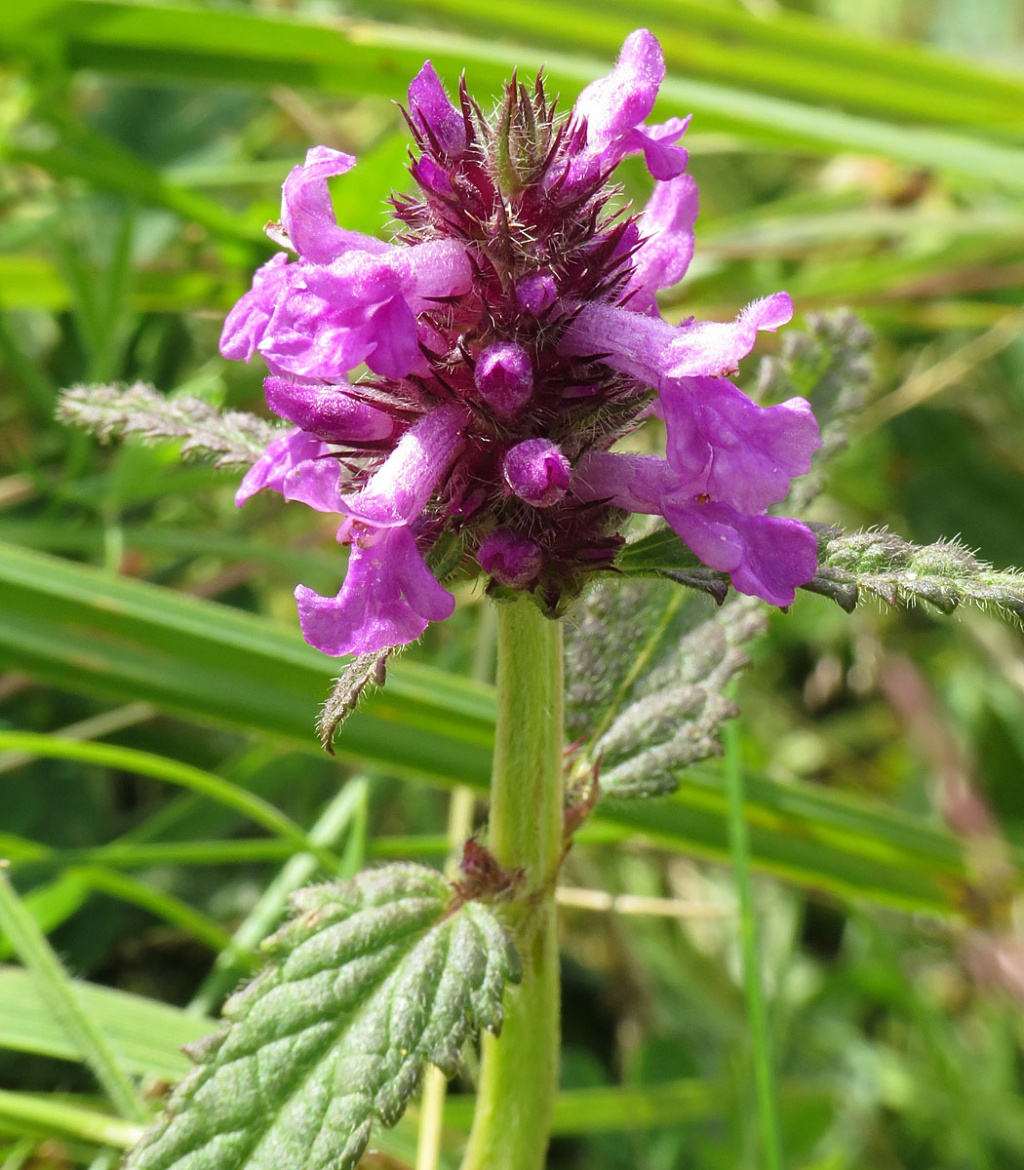
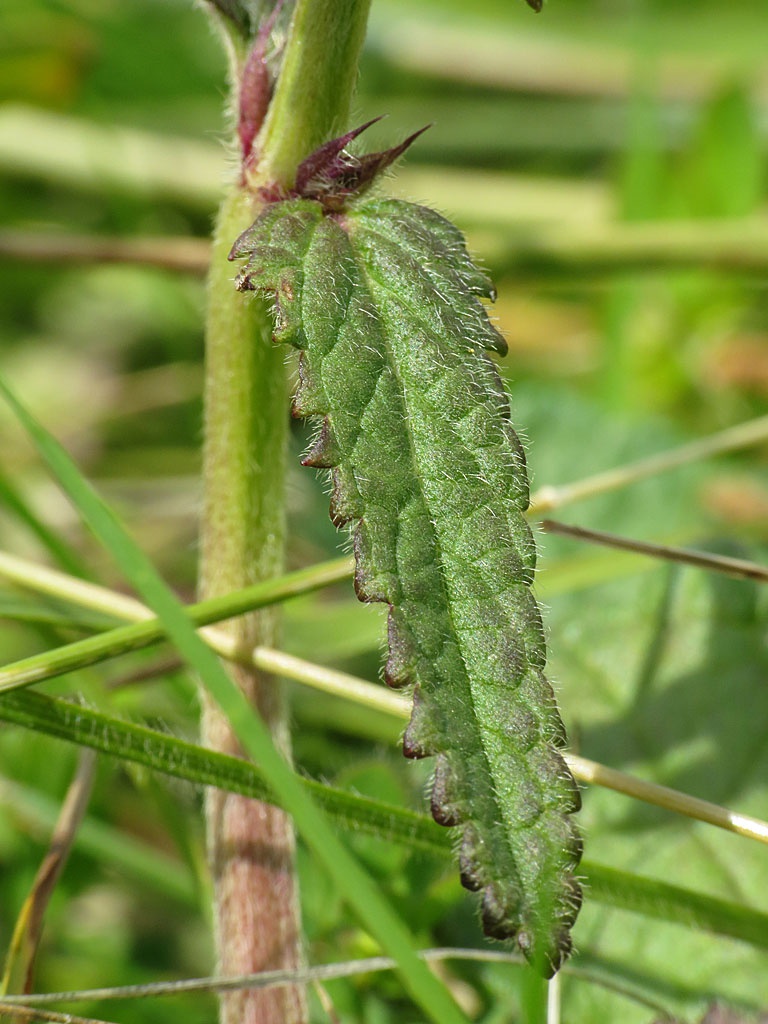
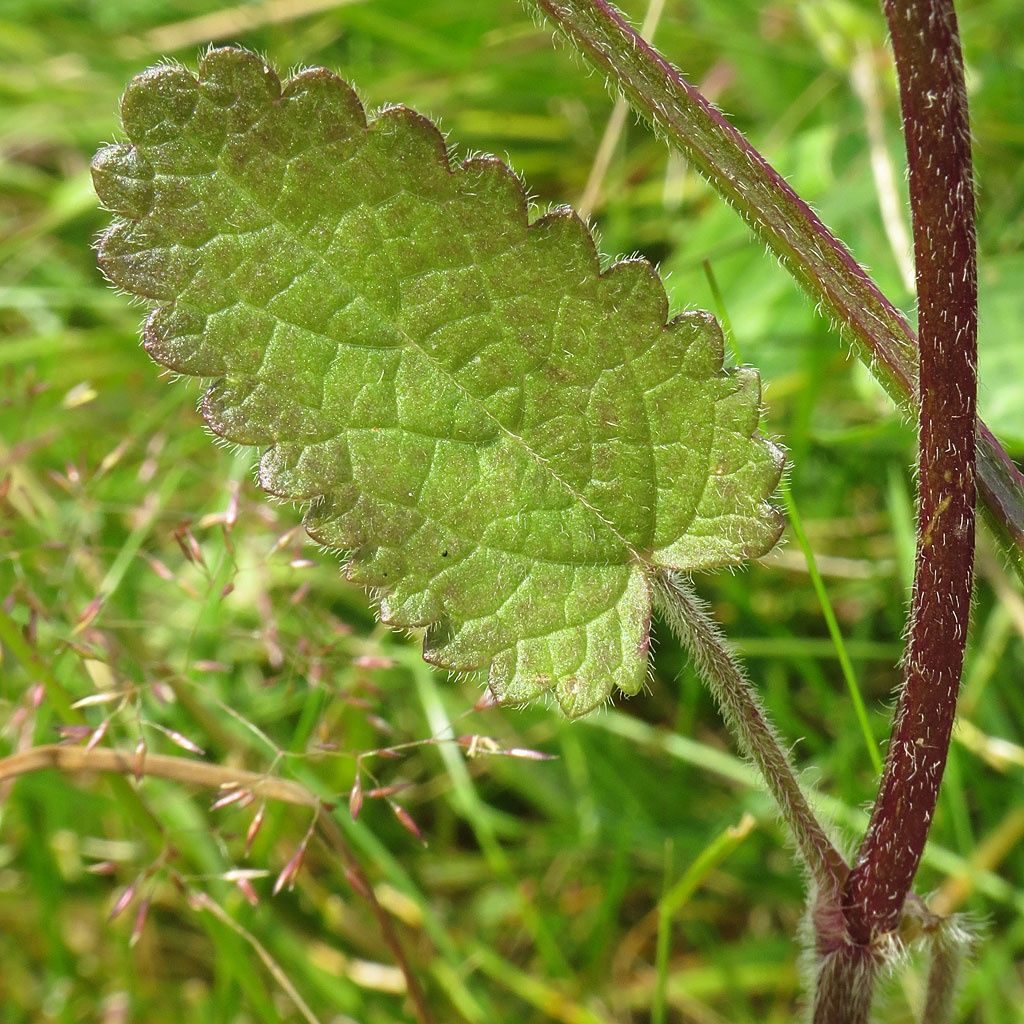
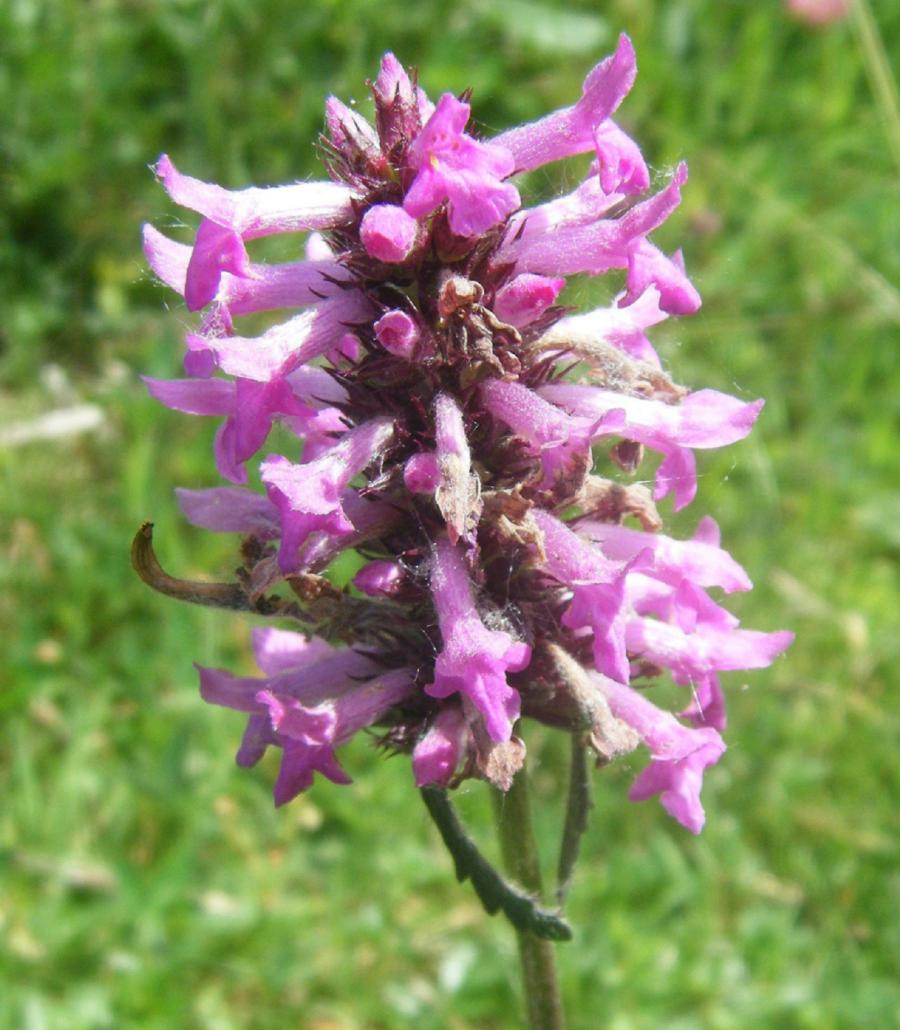
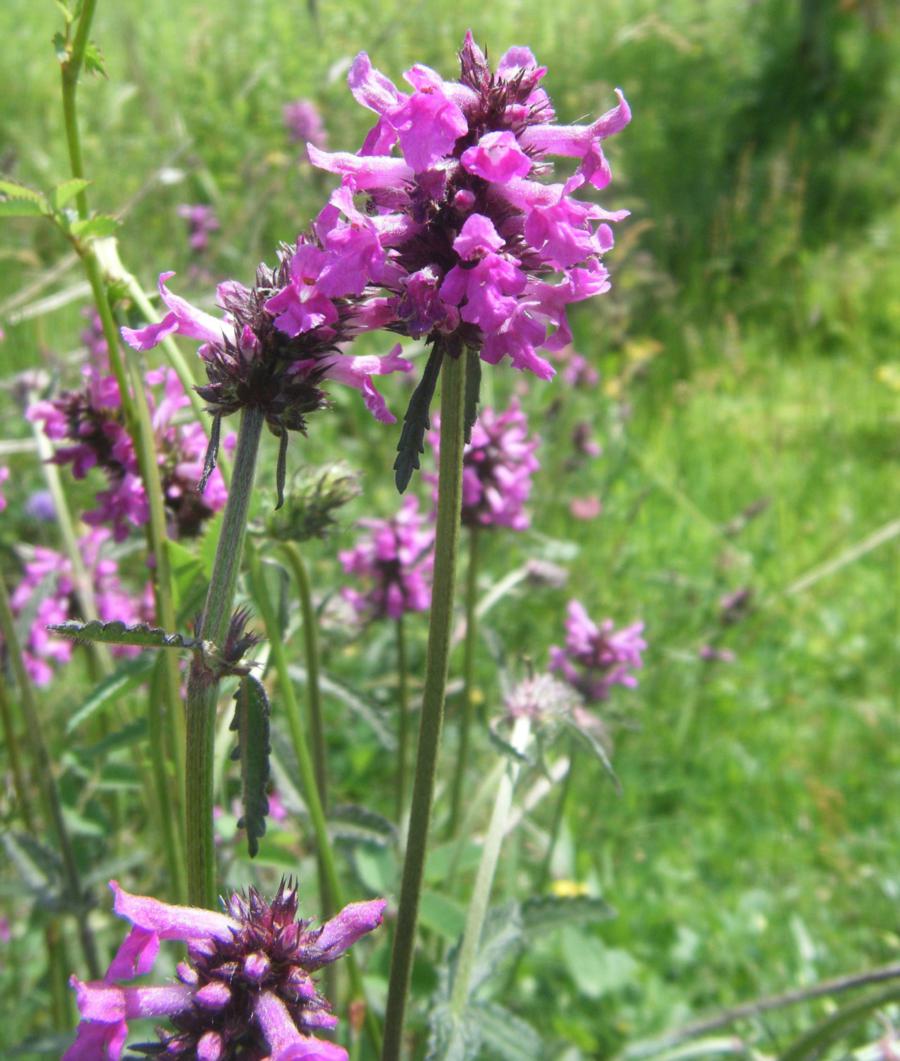
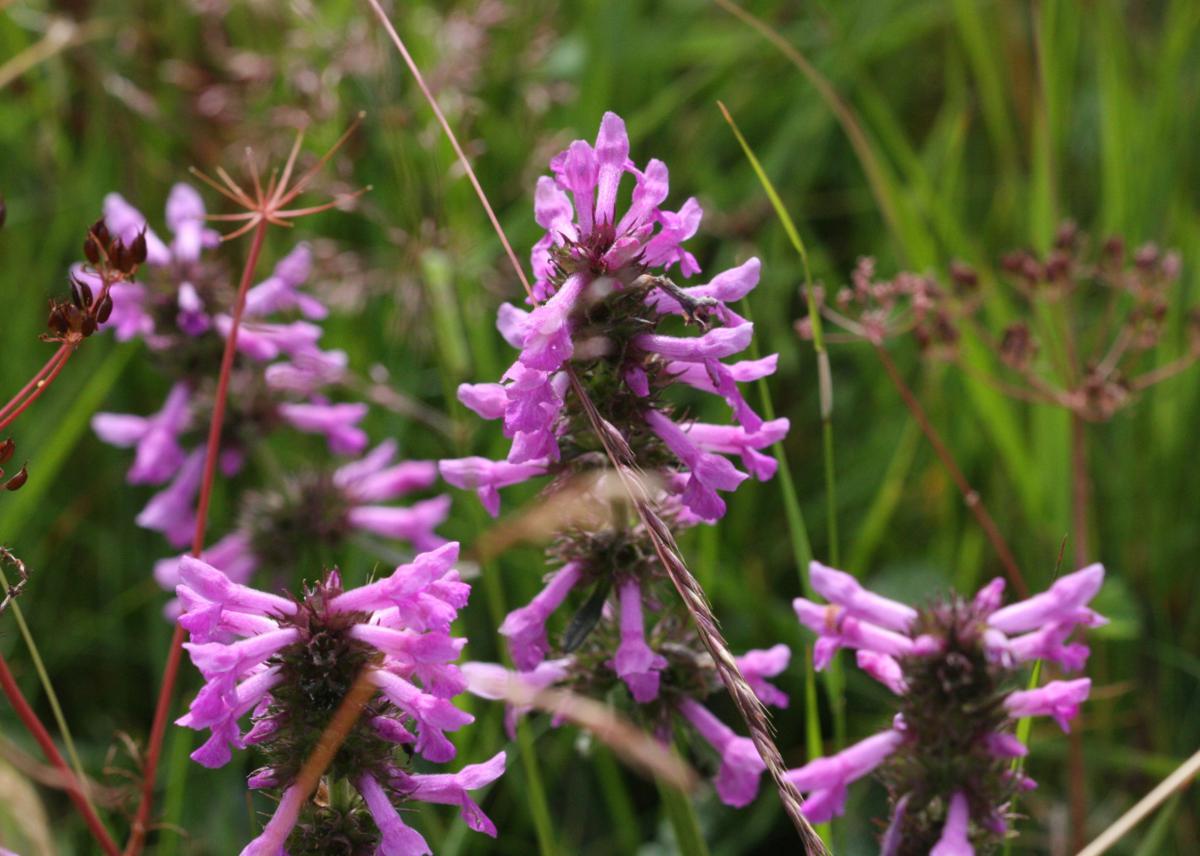
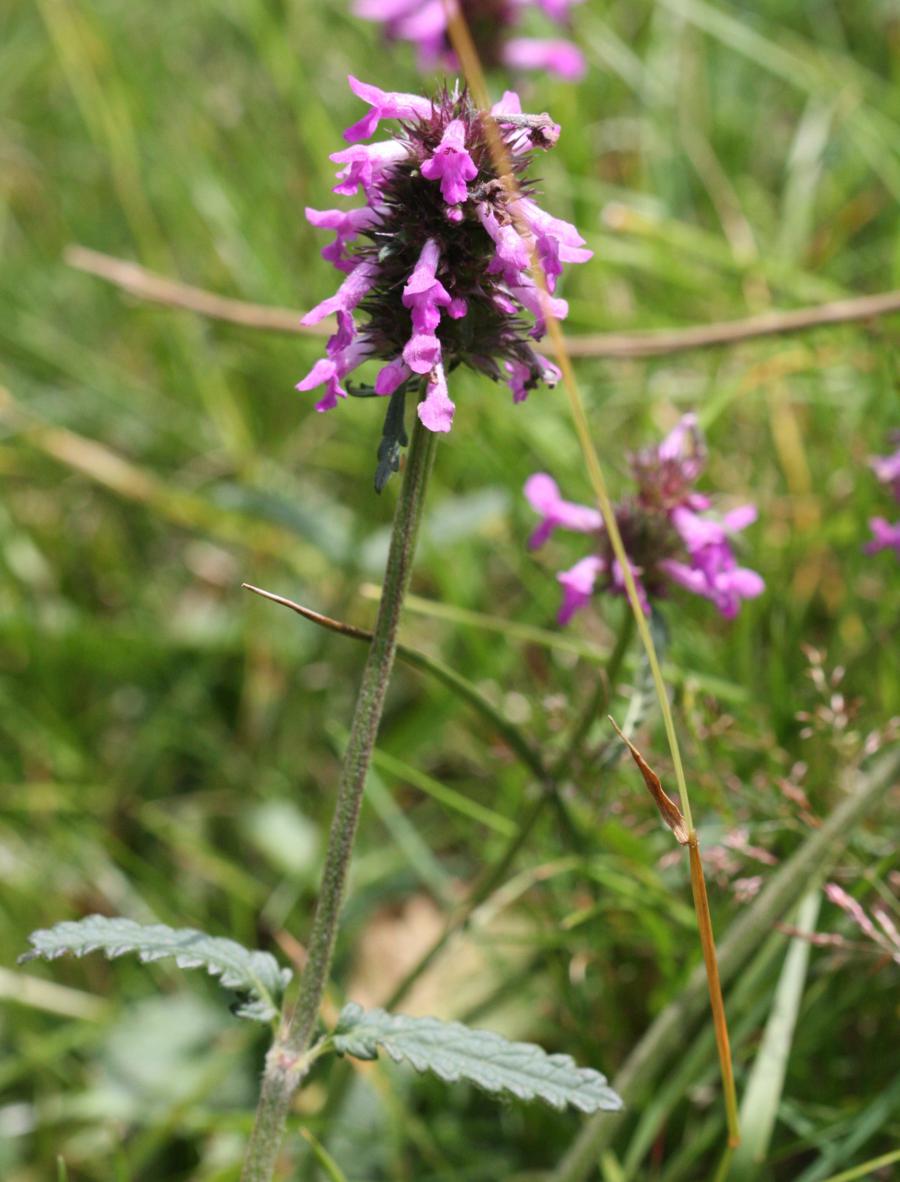
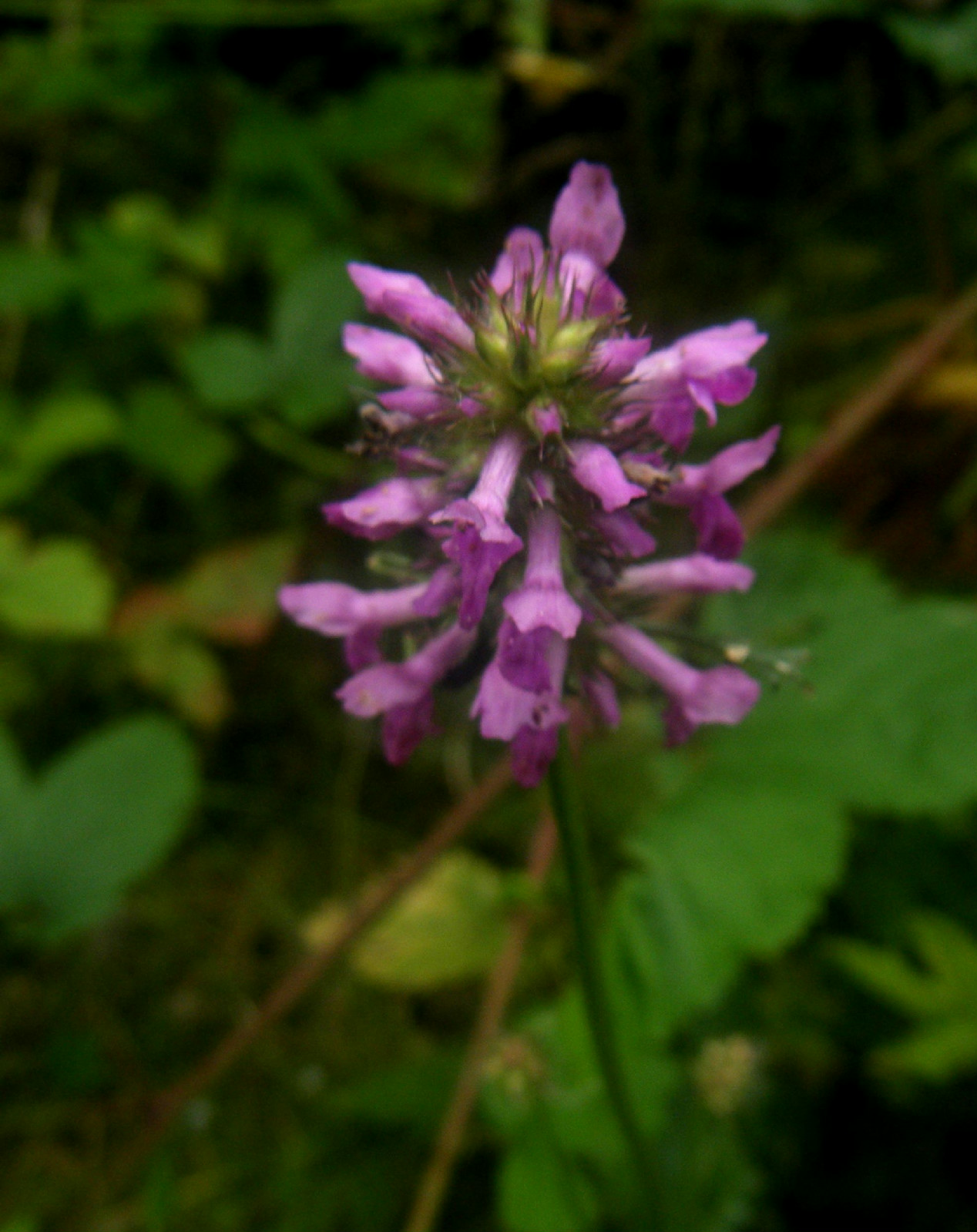
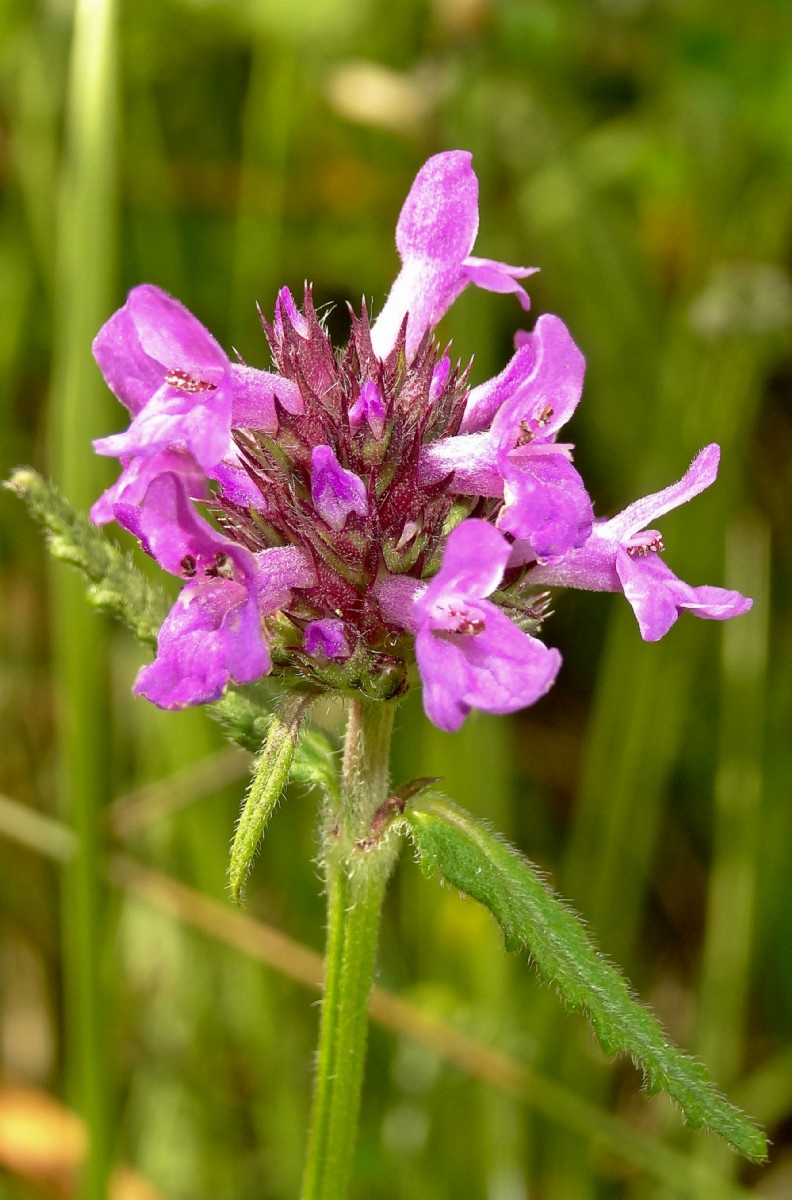
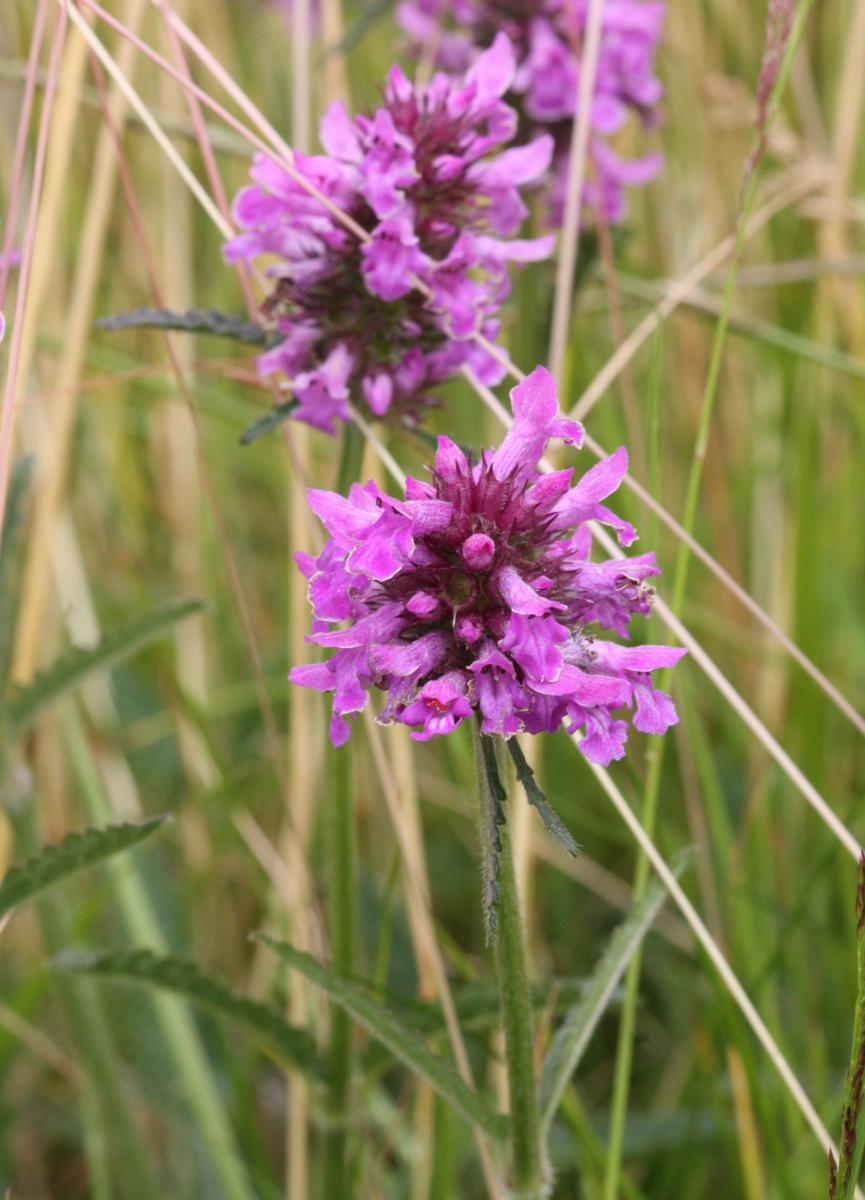
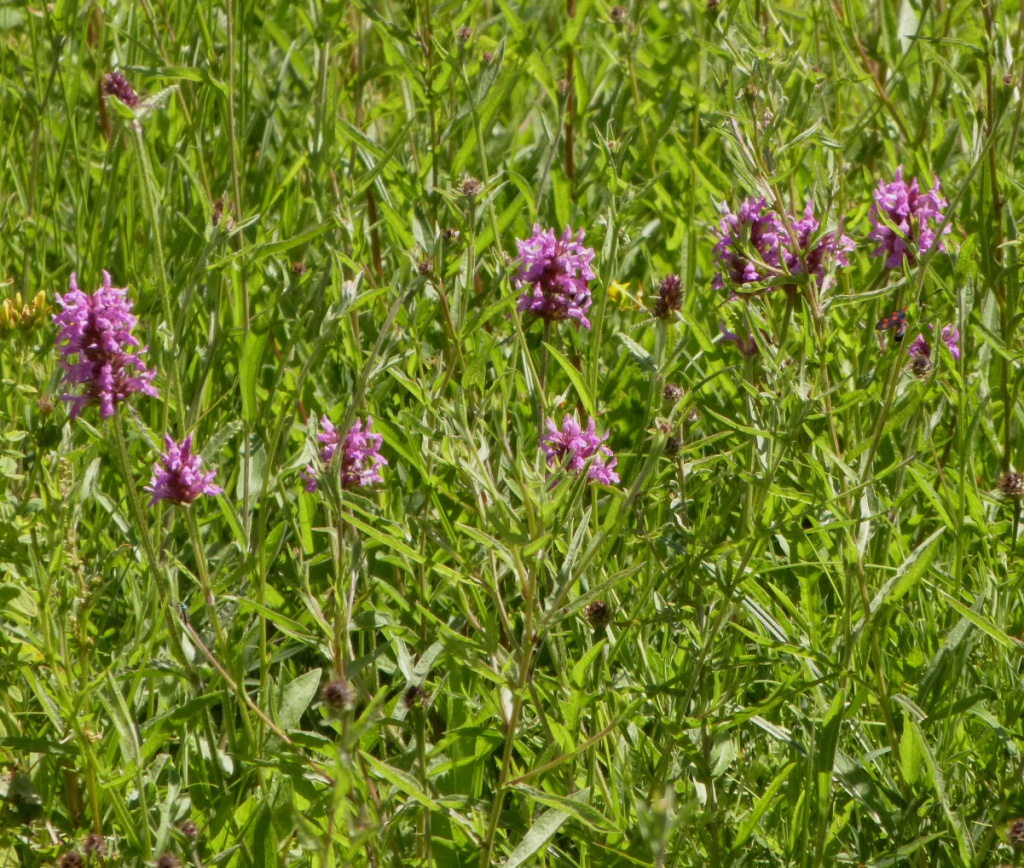
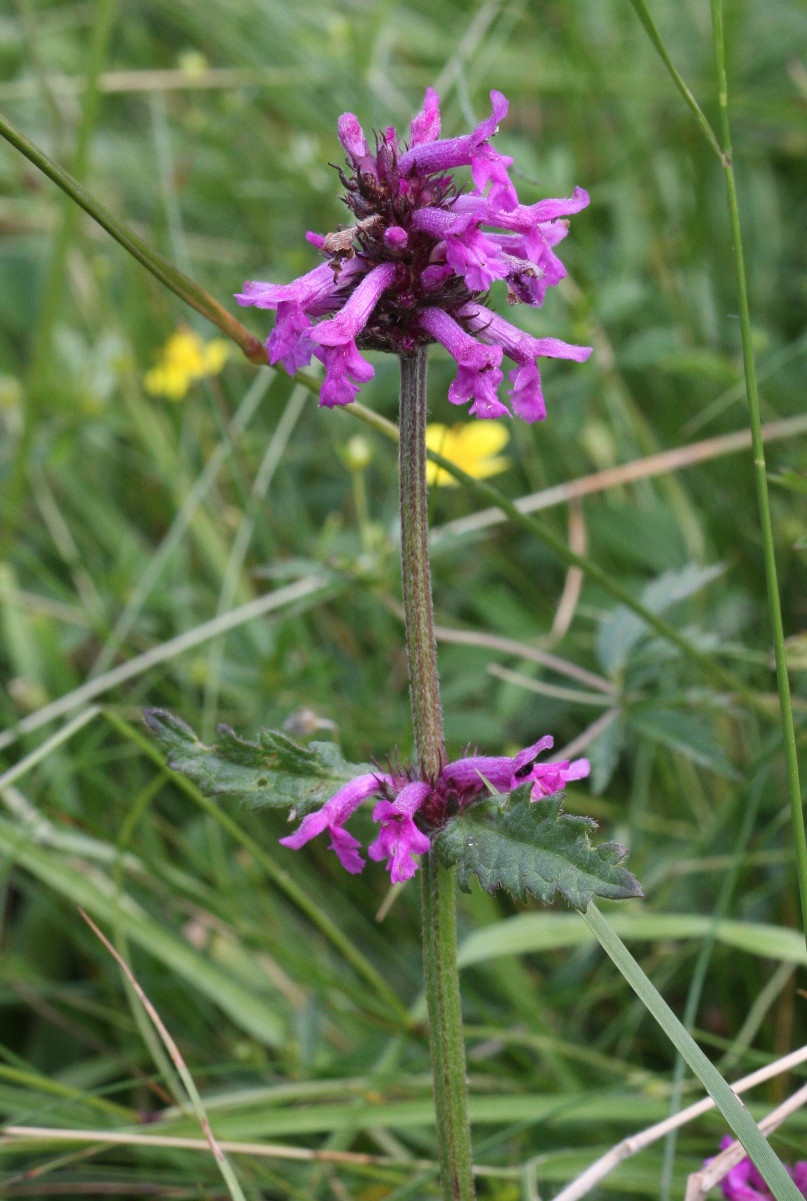
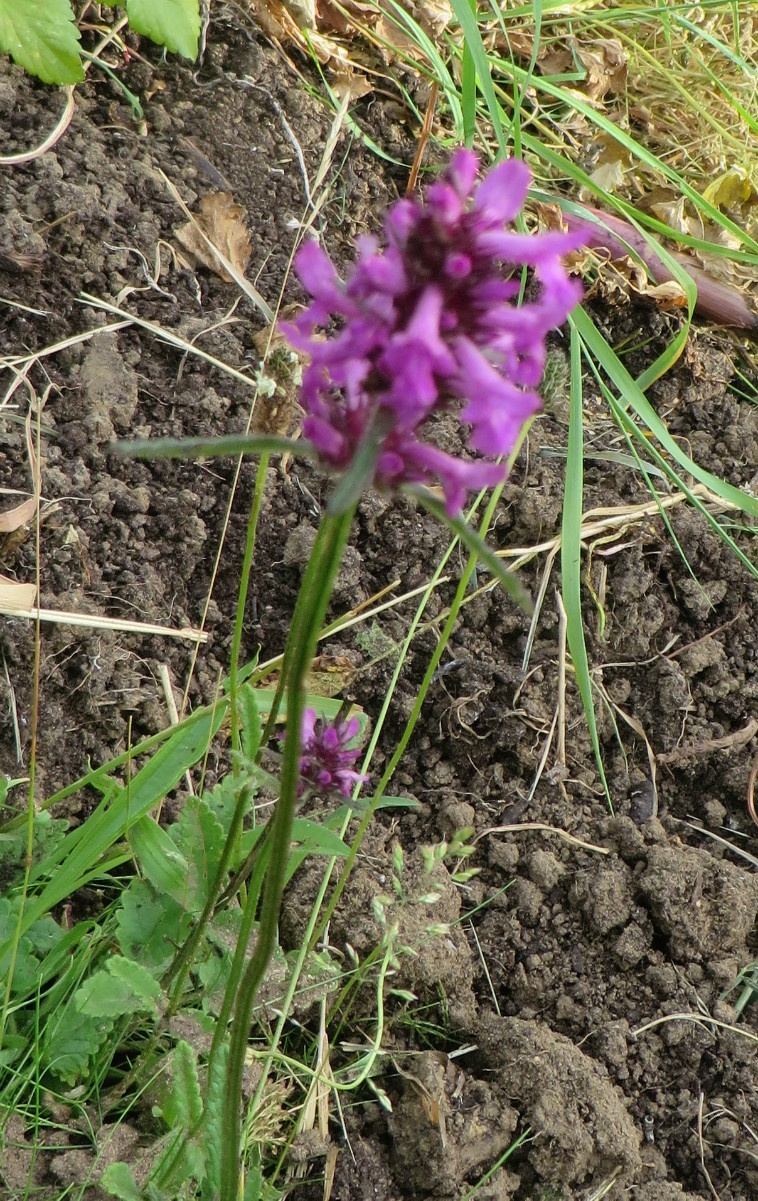
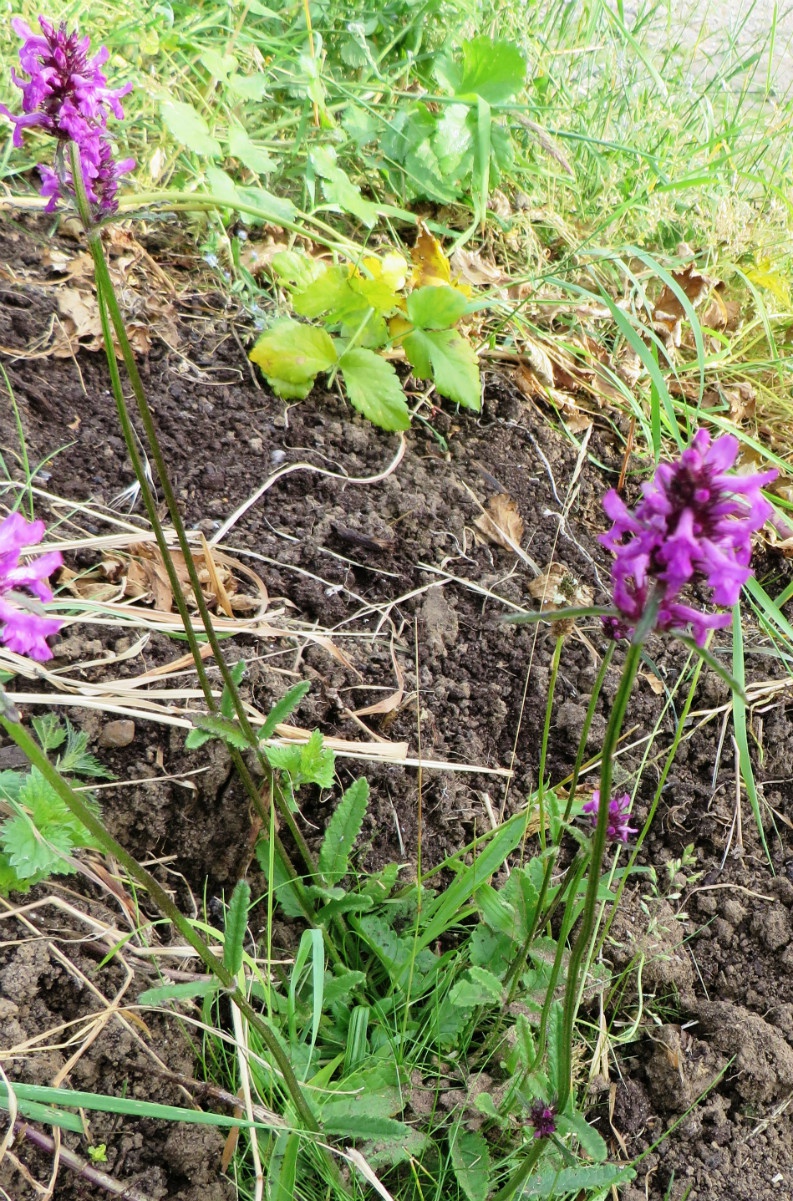
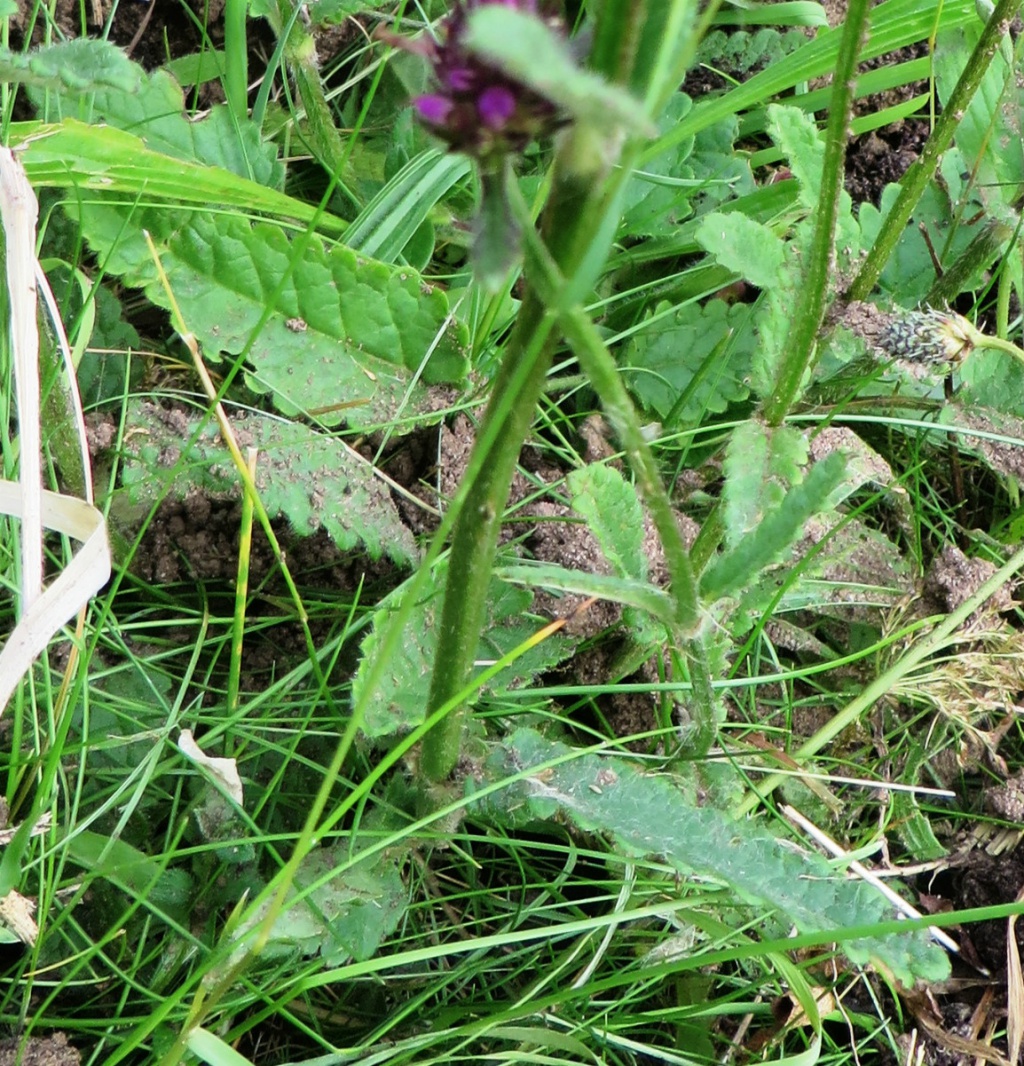
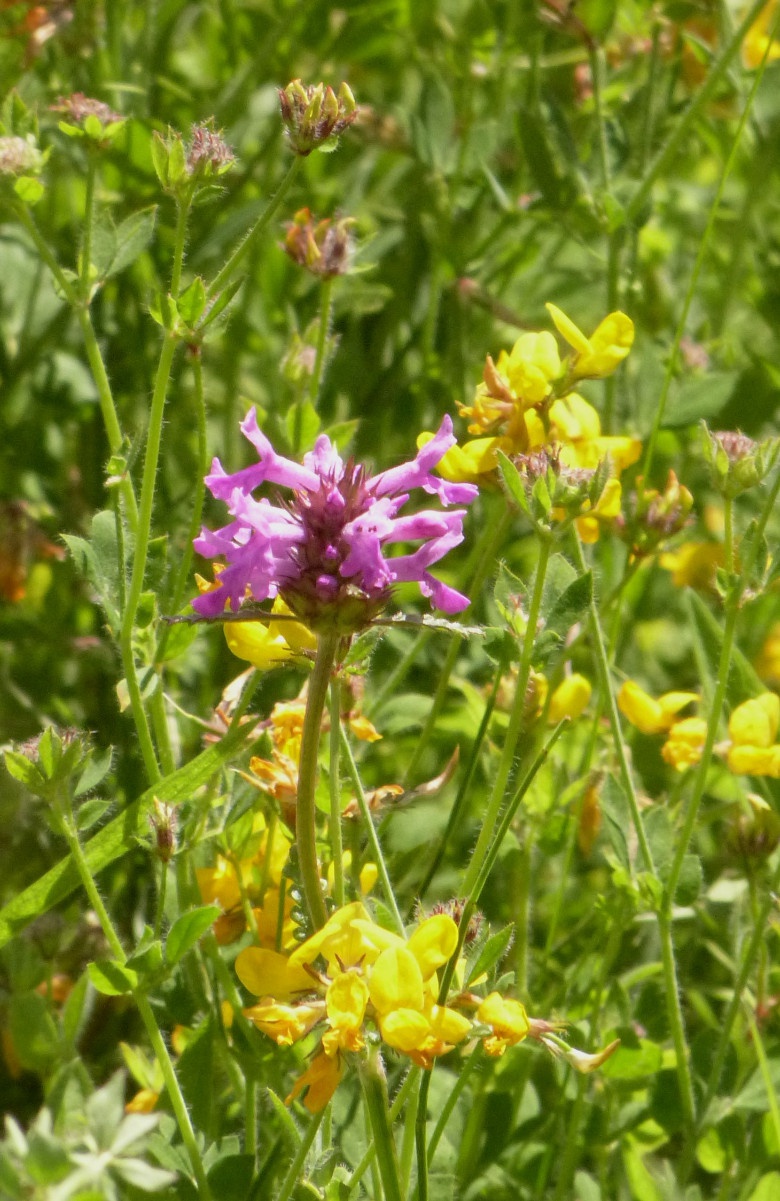
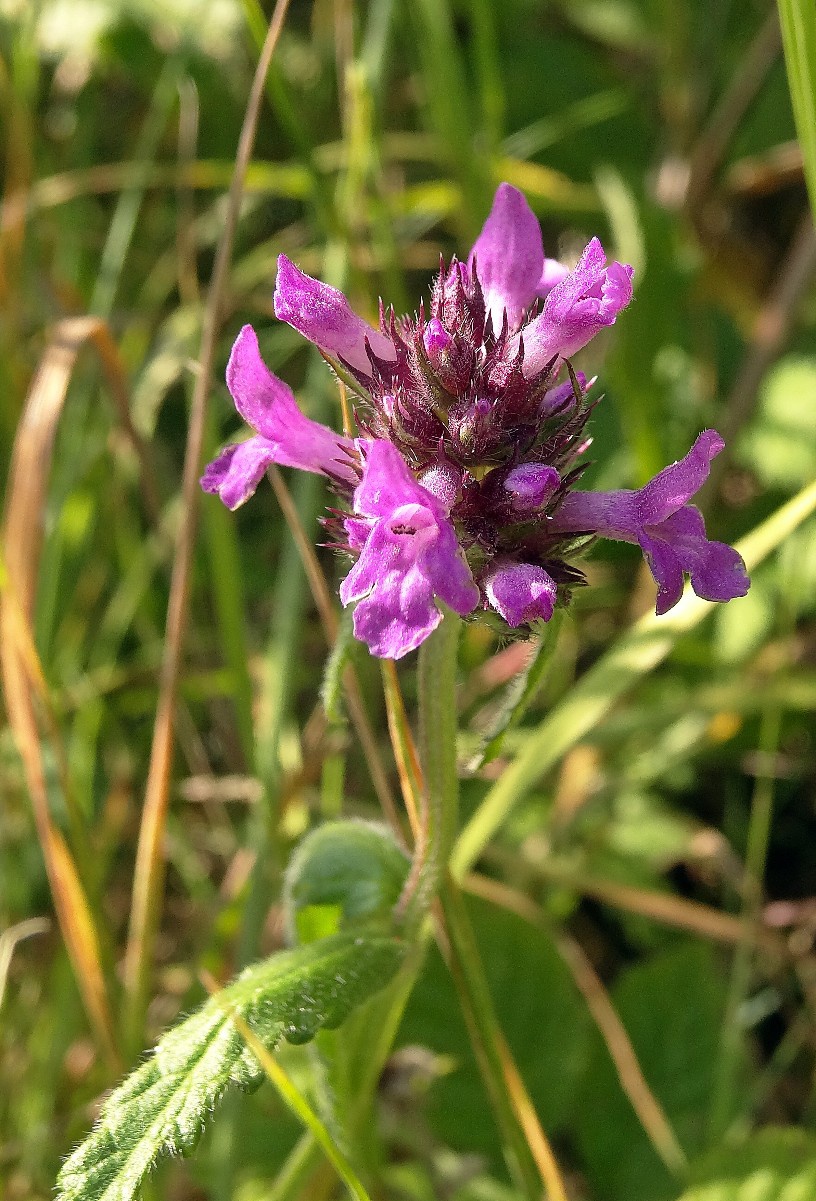
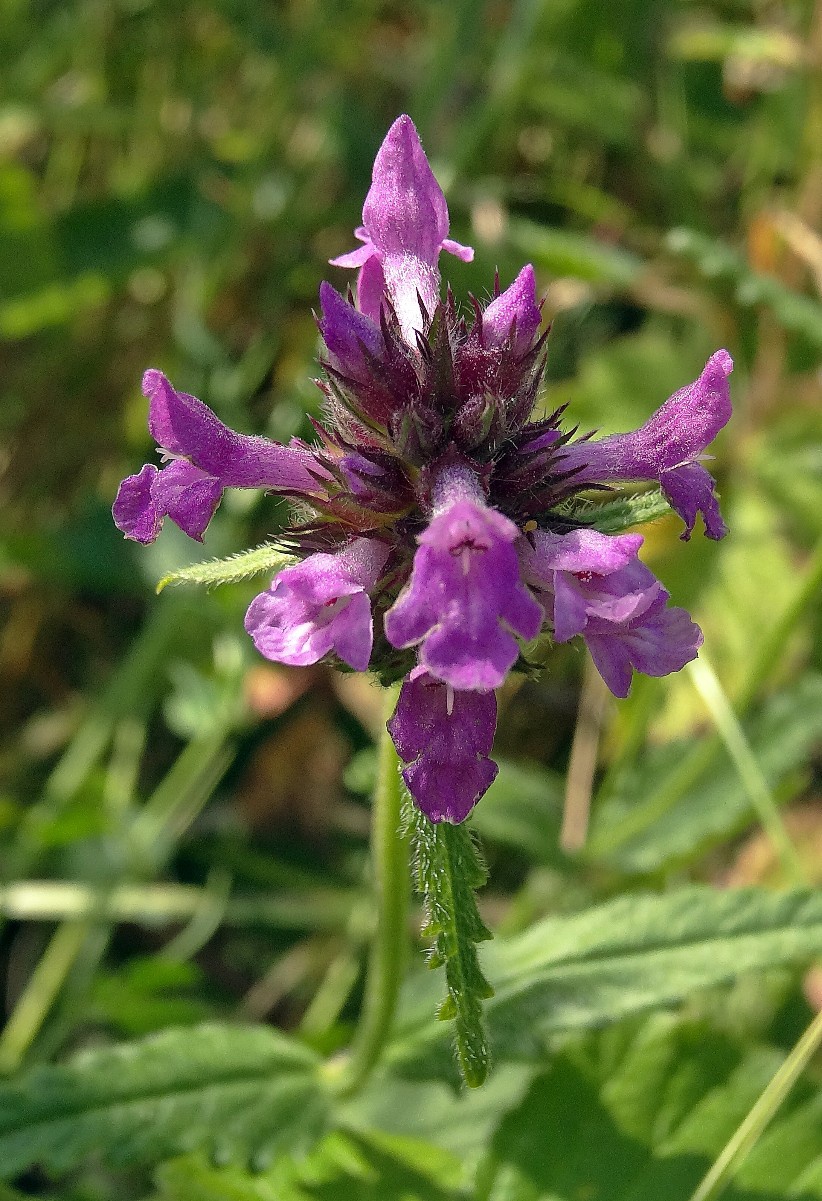
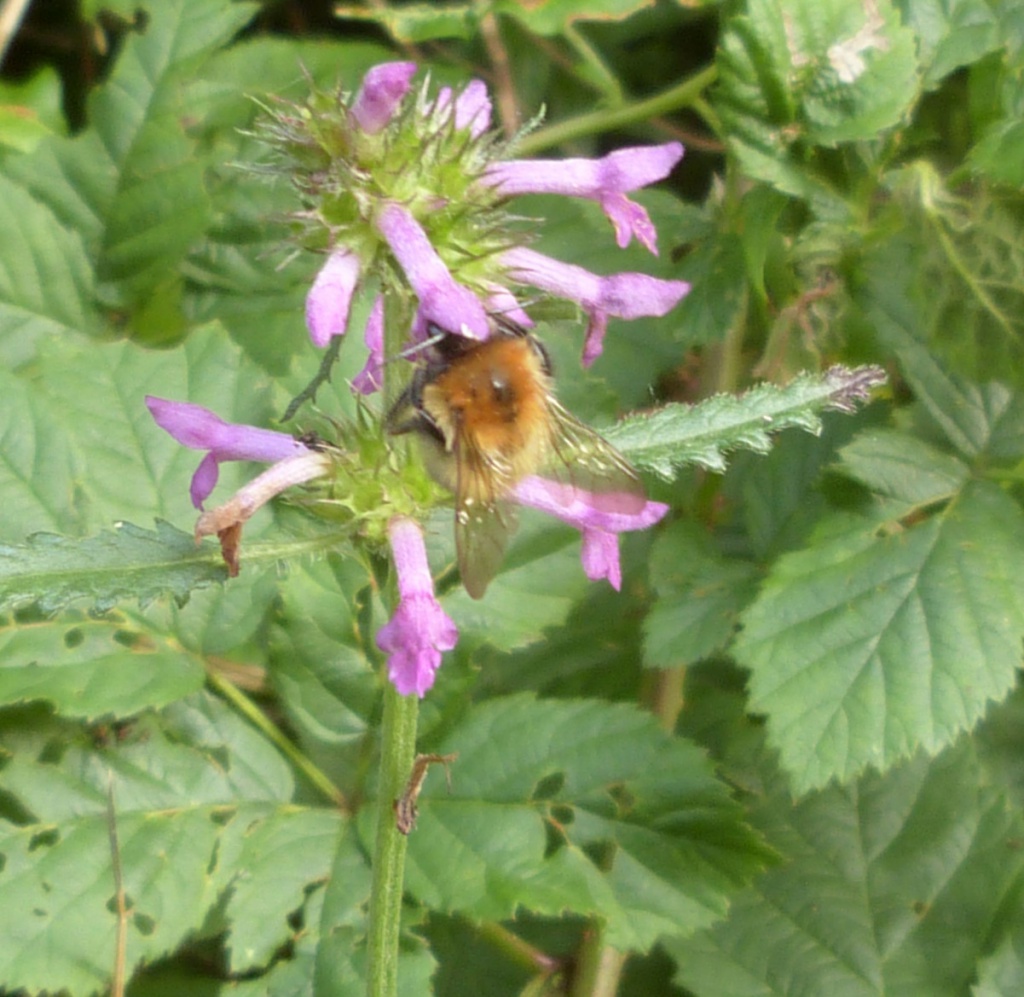
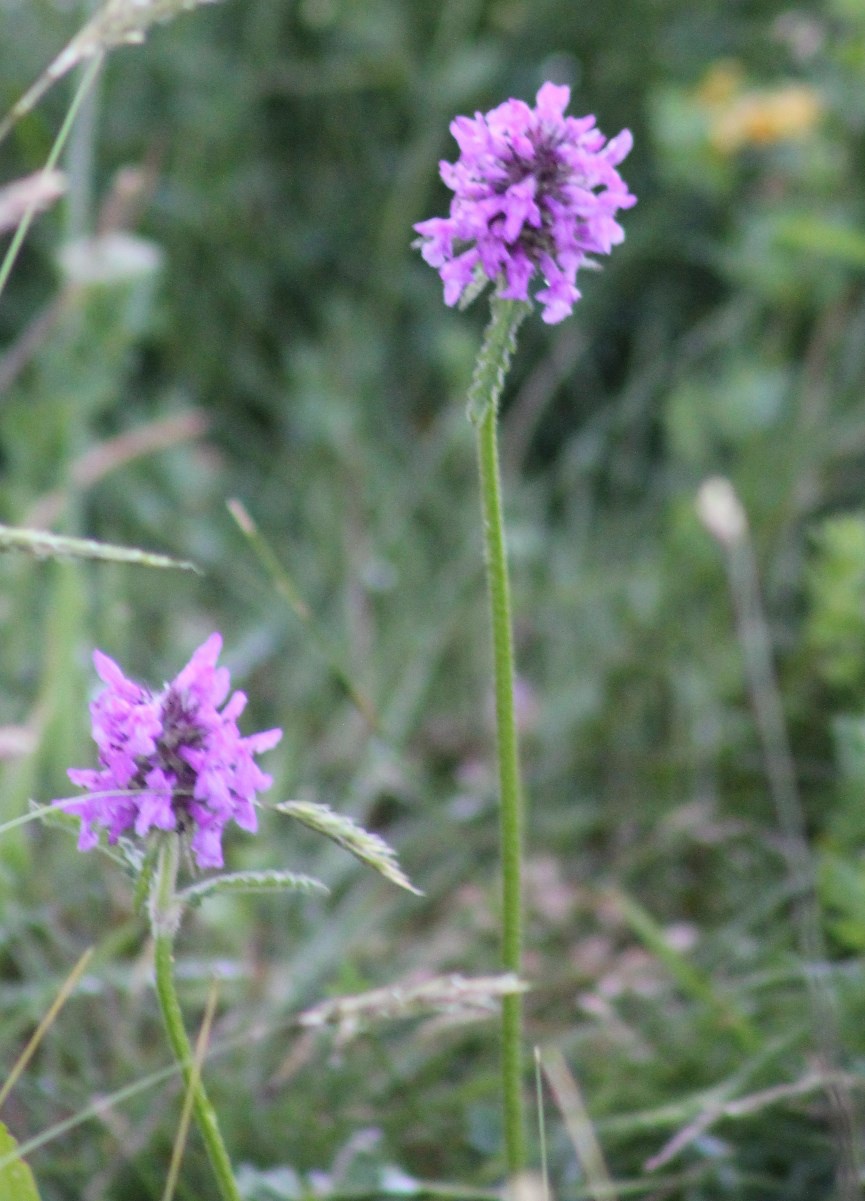
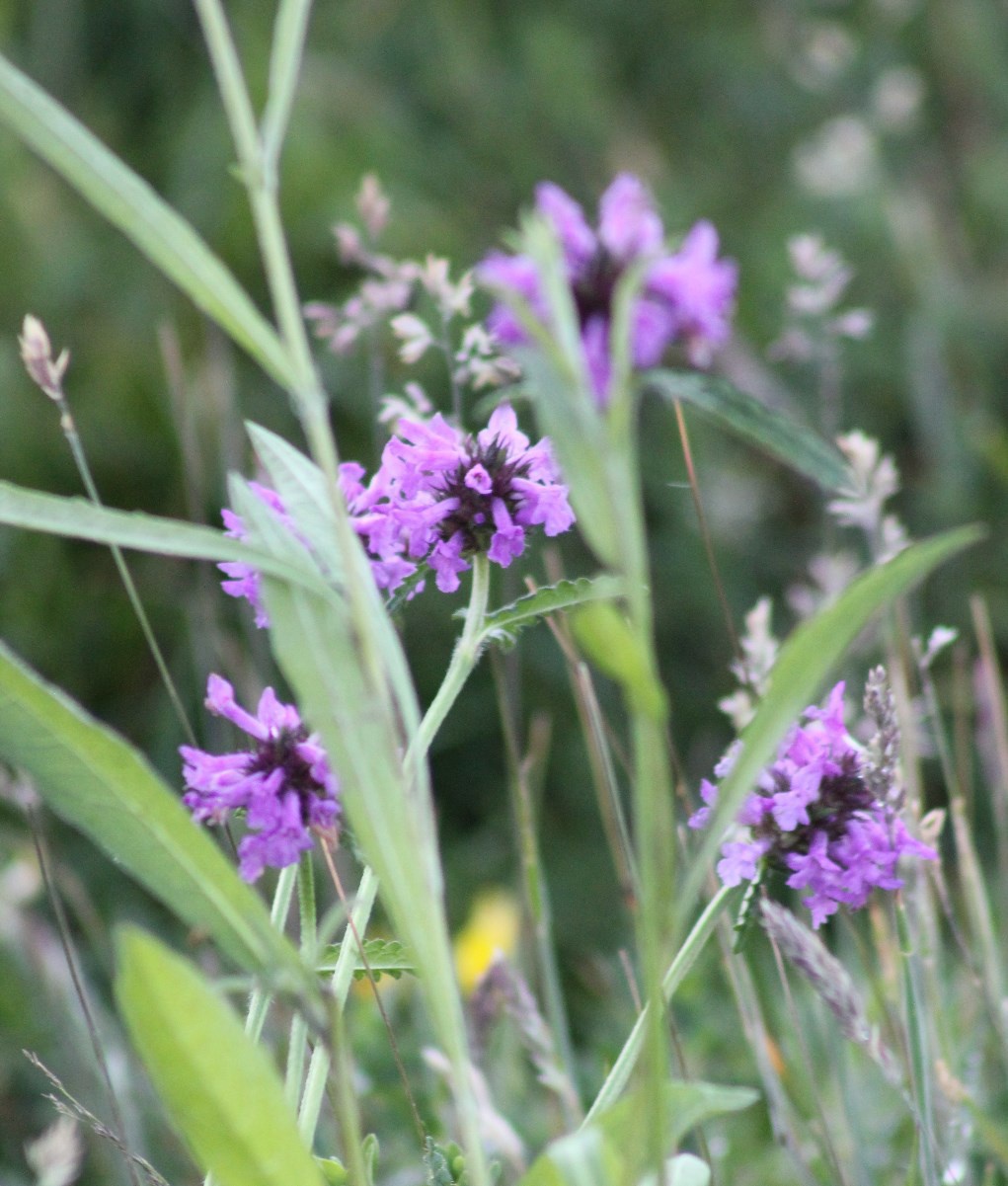
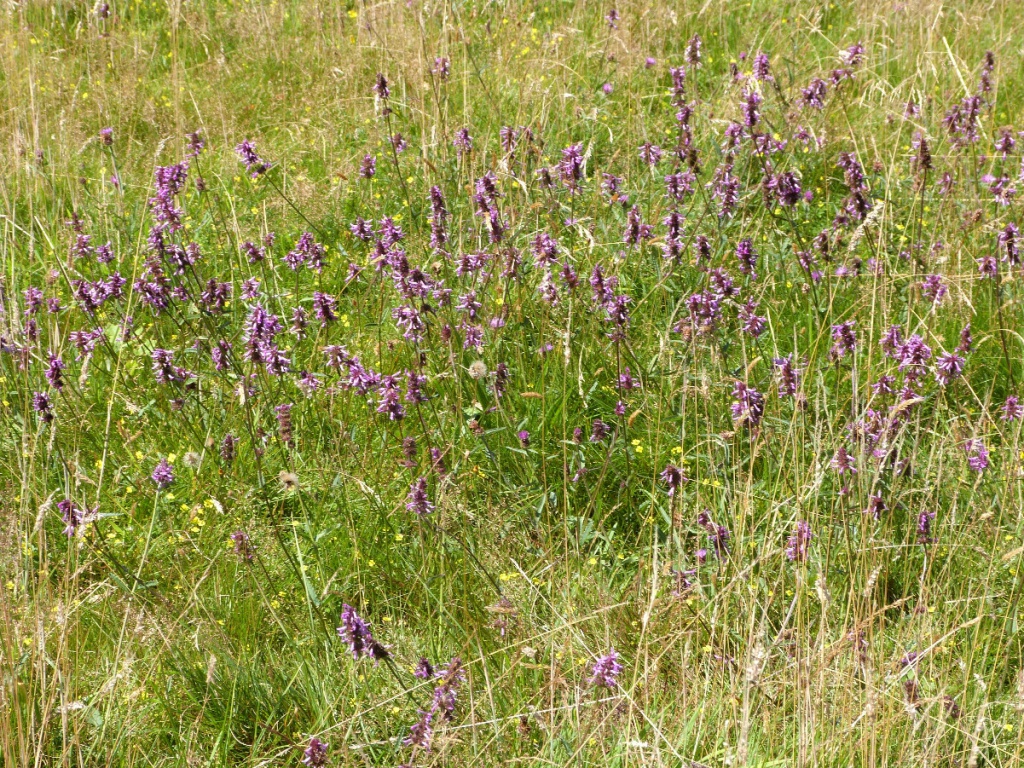
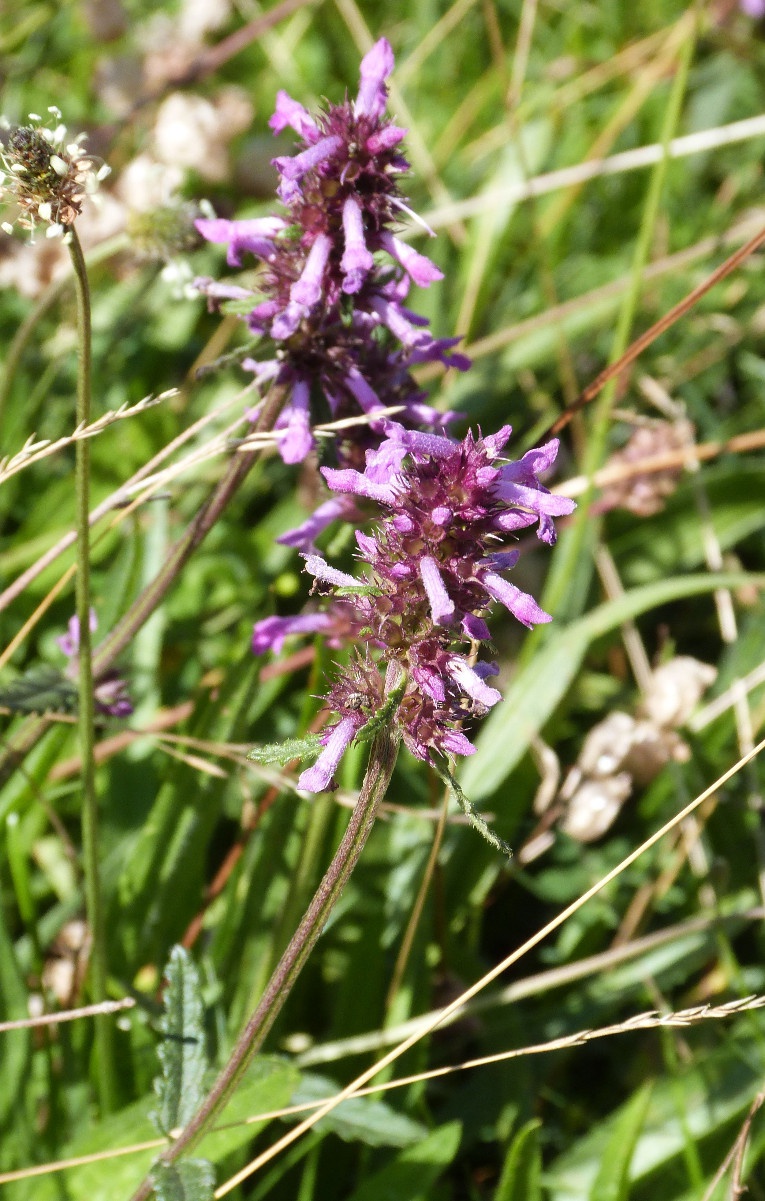
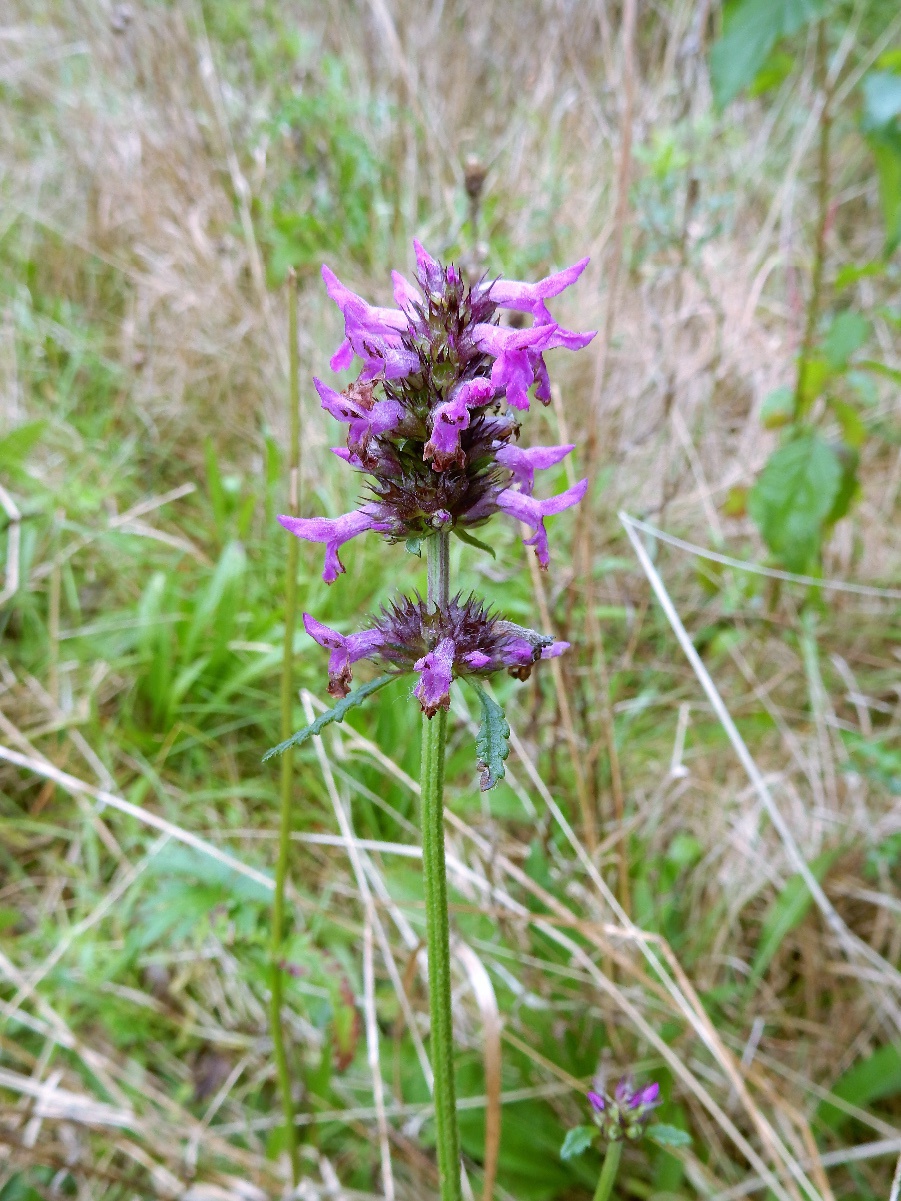
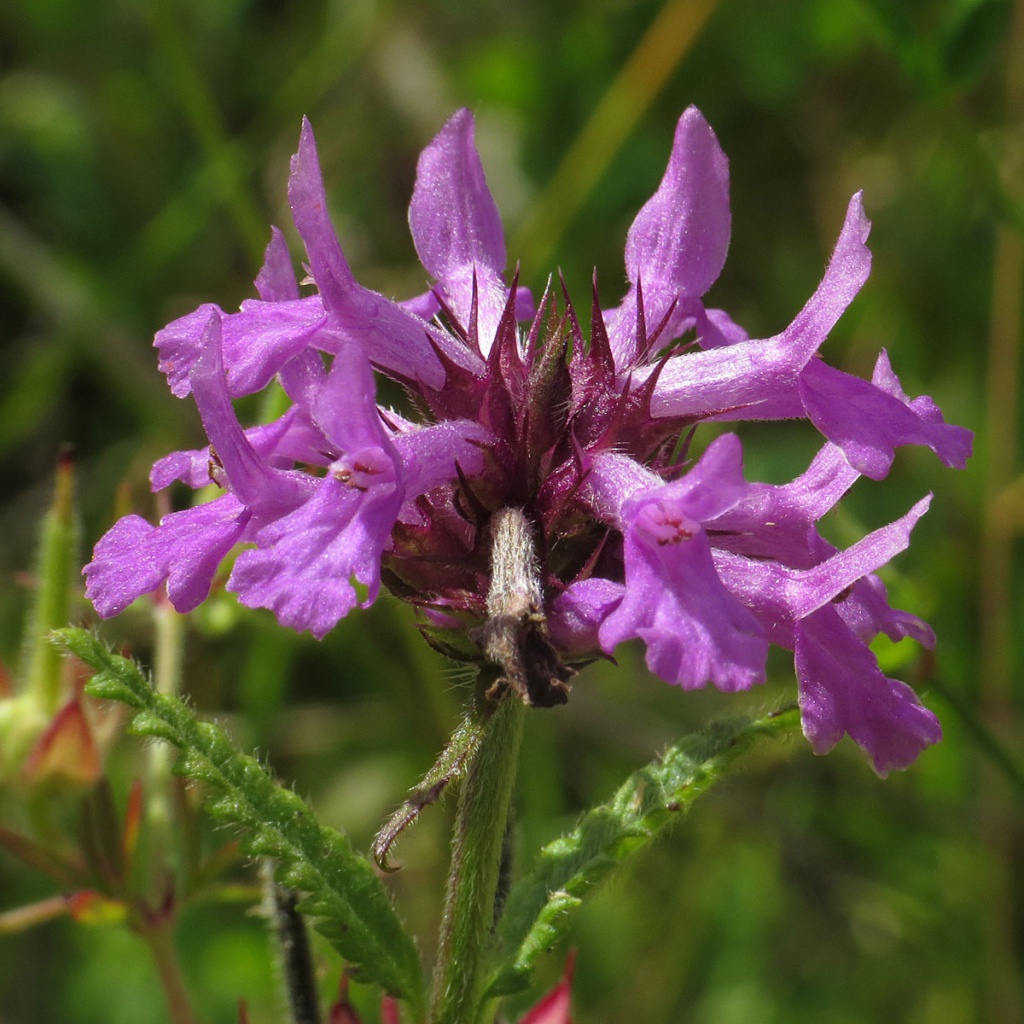
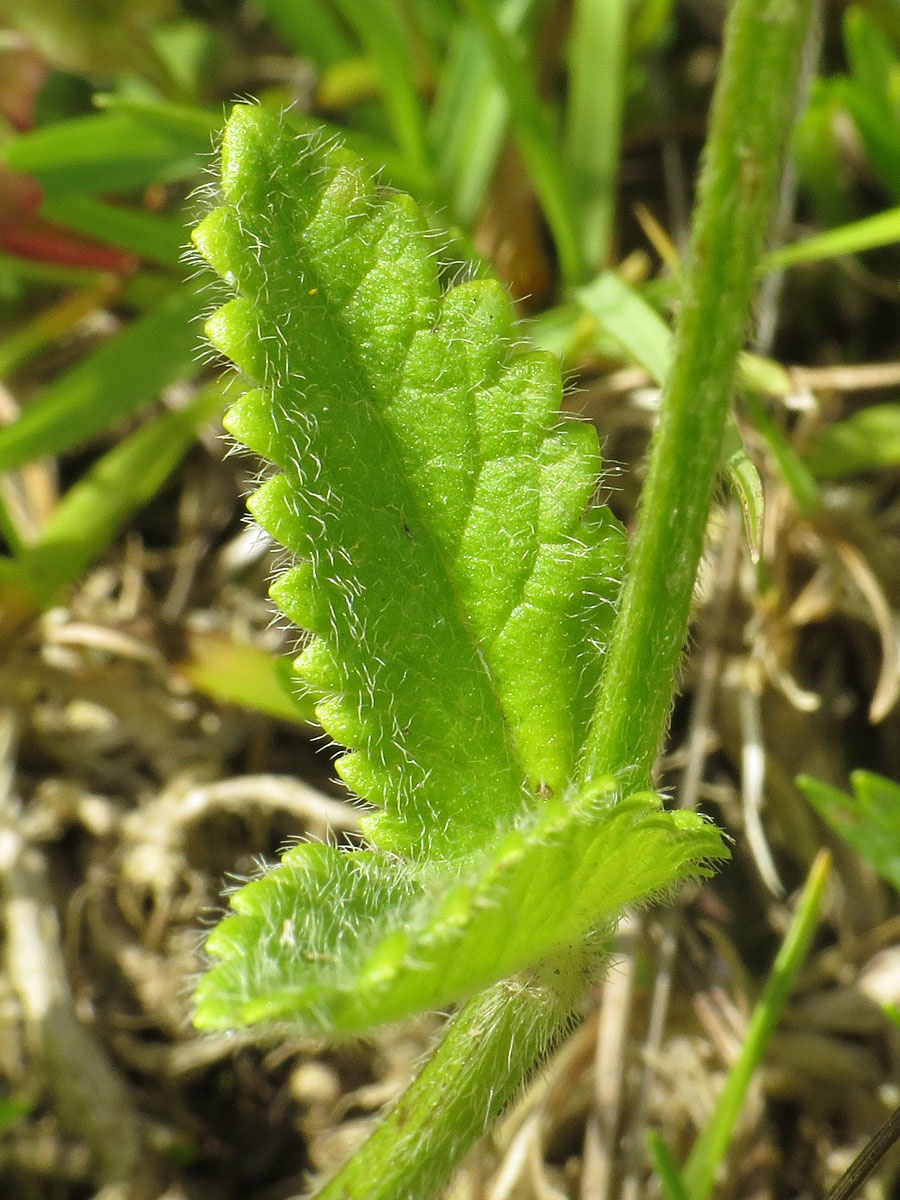
Short to tall softly hairy plant with erect stems and persistent basal leaf rosettes. Leaves oblong to oval, coarsely toothed, the uppermost unstalked. Flowers usually bright reddish purple 12 to 18 mm long the whorls forming a dense oblong spike.

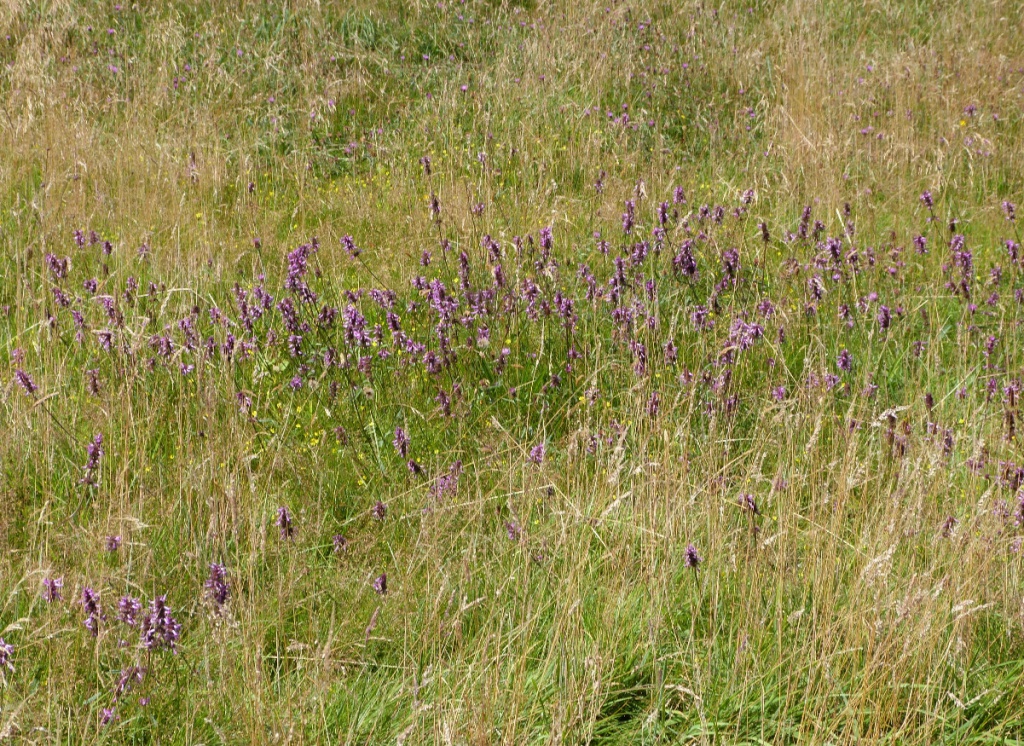
Permanent grassland, heaths and woodland edge.
June to October.
Perennial
Fairly frequent over much of Britain, but scarce in most of Scotland and East Anglia.
Fairly frequent in Leicestershire and Rutland. In the 1979 Flora survey of Leicestershire it was found in 172 of the 617 tetrads.
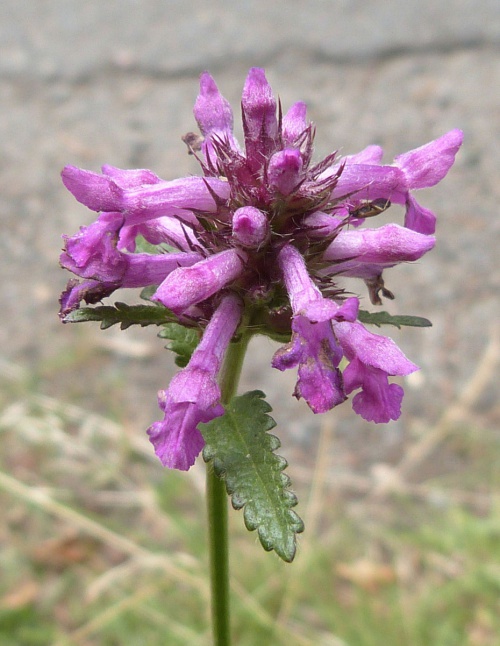 Graham Calow
Basin Bridge Lane, Wykin
31 July 2015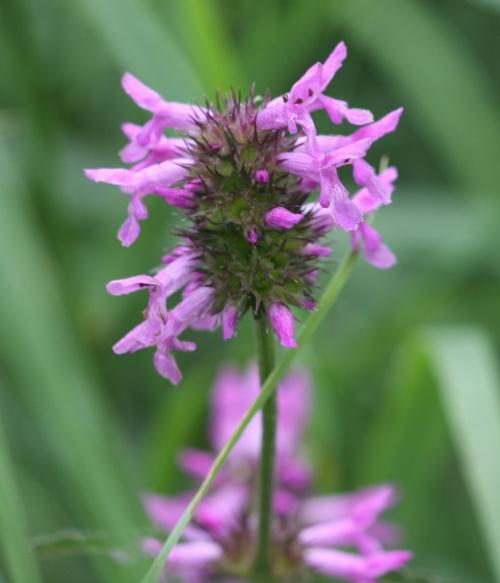 David Nicholls
Burroughs Road, Ratby
18 August 2012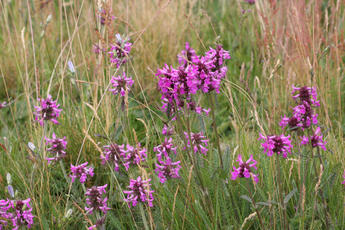 David Nicholls
Lea Meadows
07 July 2011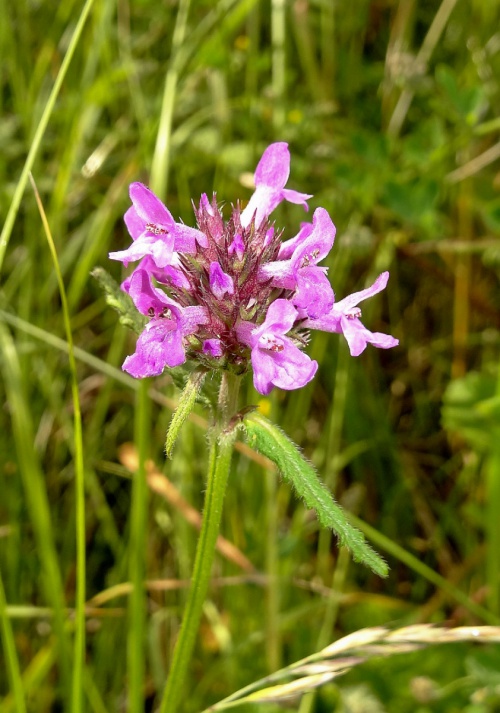 Lostash
Whetstone GCR Footpath
08 July 2013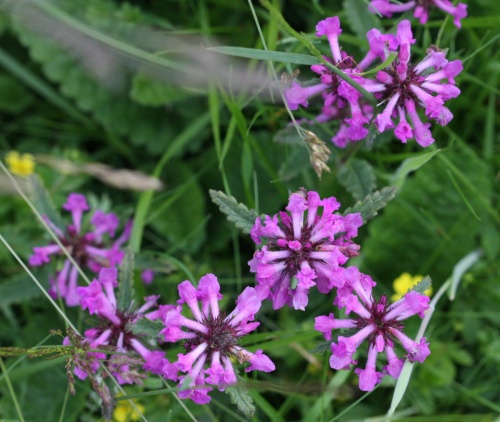 David Nicholls
Lea Meadows
29 June 2012 Fosse Meadows (Taken 17.9.2008)..JPG) Graham Calow
Graham Calow
Fosse Meadows, Sharnford
25 July 2010
 Fosse Meadows (Taken 17.9.2008)..JPG)
Leicestershire & Rutland Map
Enter a town or village to see local records
MAP KEY:
Yellow squares = NBN records (all known data)
Coloured circles = NatureSpot records: 2025+ | 2020-2024 | pre-2020
UK Map
Species profile
- Common names
- Betony
- Species group:
- flowering plant
- Kingdom:
- Plantae
- Order:
- Lamiales
- Family:
- Lamiaceae
- Records on NatureSpot:
- 181
- First record:
- 25/07/2010 (Calow, Graham)
- Last record:
- 16/07/2025 (lemmon, roy)
Total records by month
% of records within its species group
10km squares with records
The latest images and records displayed below include those awaiting verification checks so we cannot guarantee that every identification is correct. Once accepted, the record displays a green tick.
In the Latest Records section, click on the header to sort A-Z, and again to sort Z-A. Use the header boxes to filter the list.
Latest images
Latest records
 Graham Calow
Ellistown
27 June 2011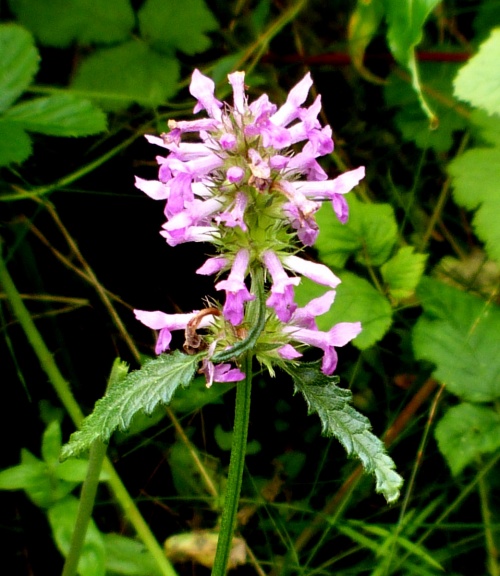 Graham Calow
Jubilee Walk Leire
21 August 2012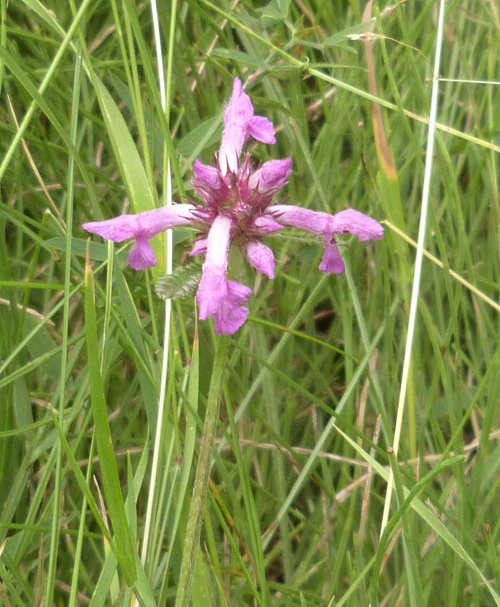 Graham Calow
Basin Bridge Lane, Wykin
24 July 2015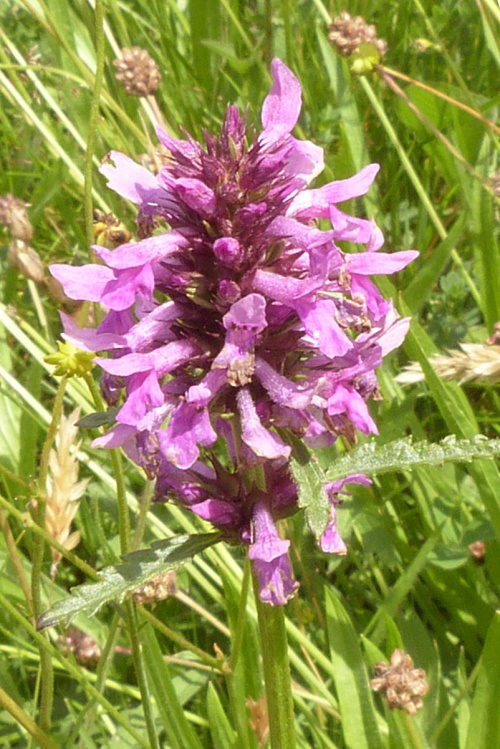 Graham Calow
Burbage Common
21 July 2015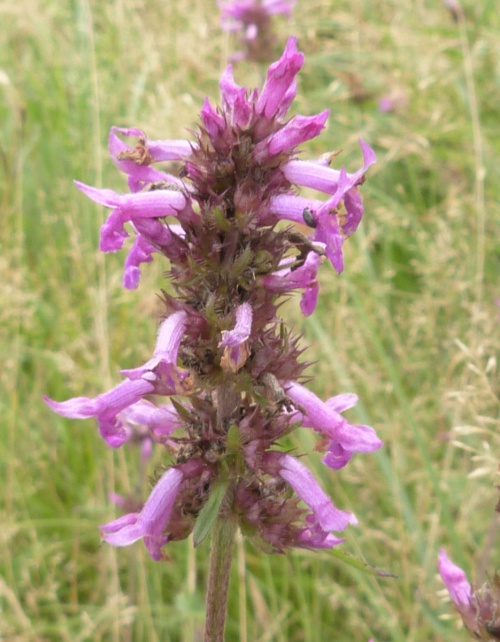 Graham Calow
Burbage Common
09 September 2014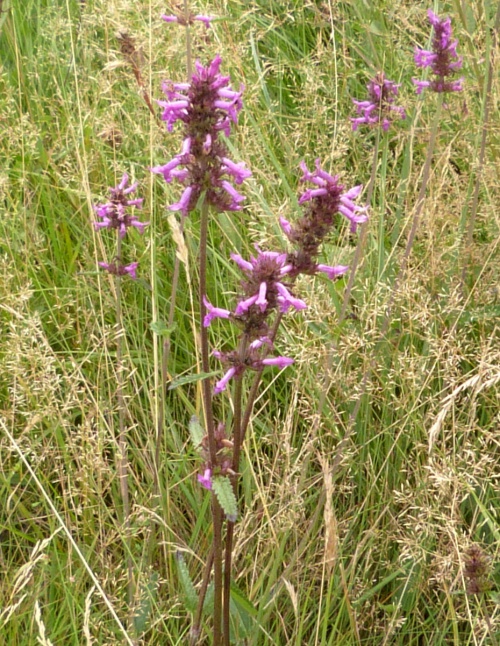 Graham Calow
Burbage Common
09 September 2014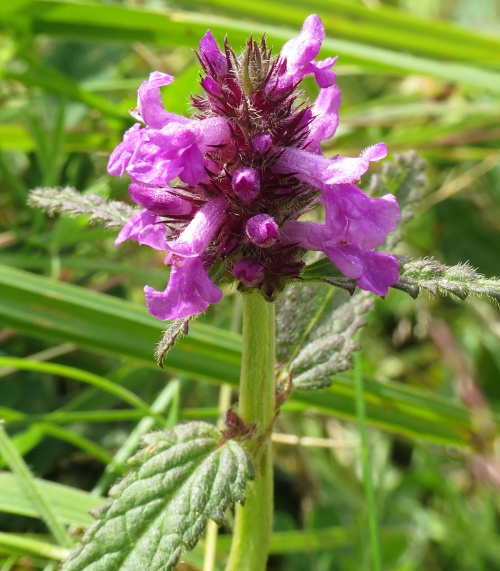 David Gould
The Spearwort Fields
06 July 2014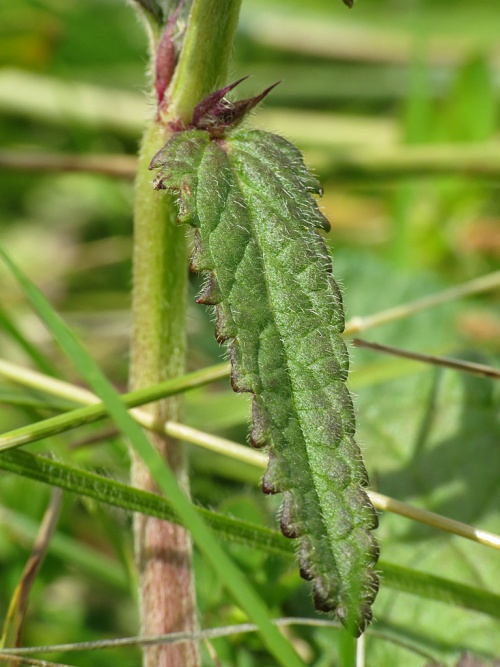 David Gould
The Spearwort Fields
06 July 2014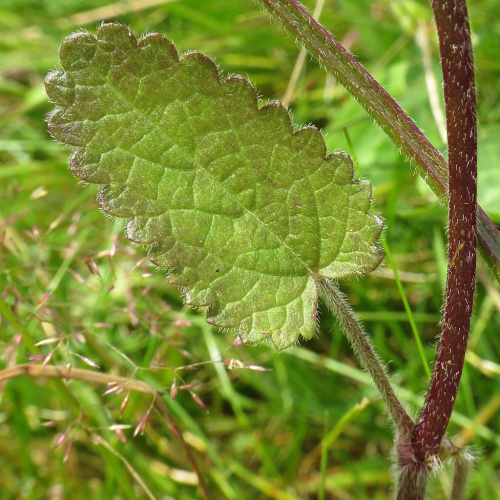 David Gould
The Spearwort Fields
06 July 2014 Fosse Meadows Sharnford SP48809086 (Taken 25.7.2010)..JPG) Graham Calow
Graham Calow
Fosse Meadows, Sharnford
25 July 2010 Burbage Common SP44839492 (taken 3.9.2010).JPG) Graham Calow
Graham Calow
Burbage Common
03 September 2010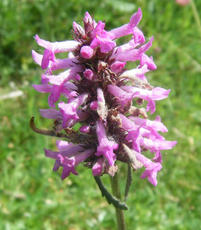 Graham Calow
Ellistown
27 June 2011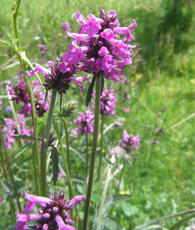 Graham Calow
Ellistown
27 June 2011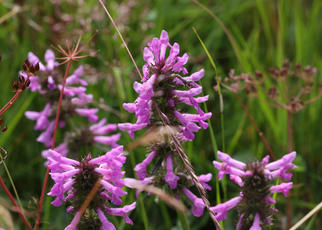 David Nicholls
Lea Meadows
07 July 2011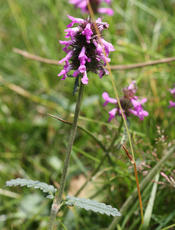 David Nicholls
Ulverscroft
14 July 2011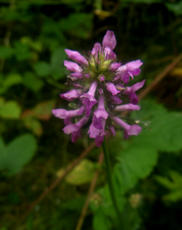 Graham Calow
Jubilee Walk, Leire
02 August 2011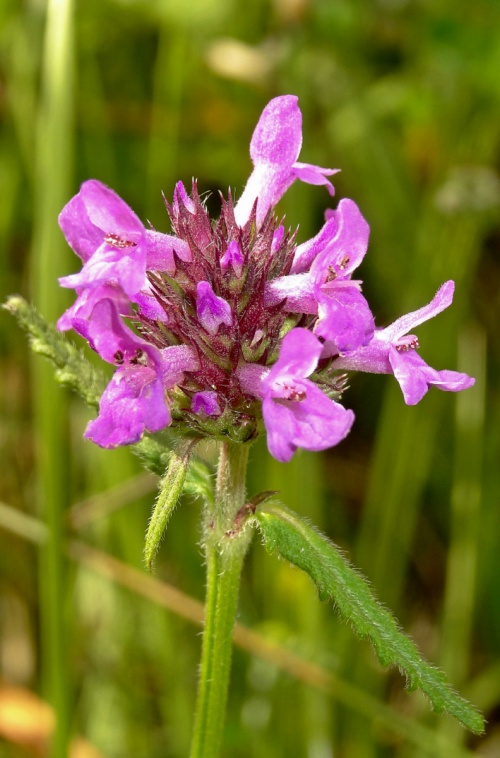 Lostash
Whetstone GCR Footpath
08 July 2013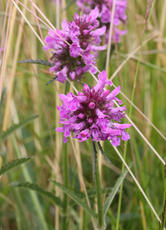 David Nicholls
Lea Meadows
07 July 2011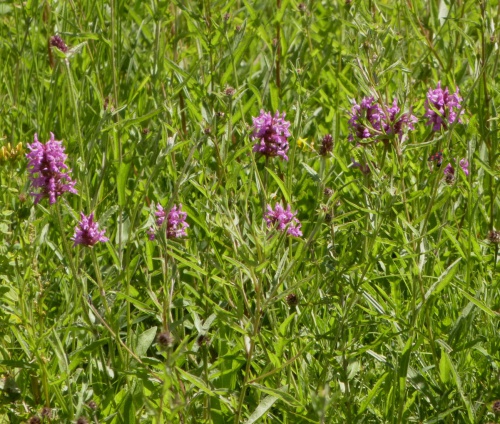 Graham Calow
Fosse Meadows, Sharnford
10 July 2014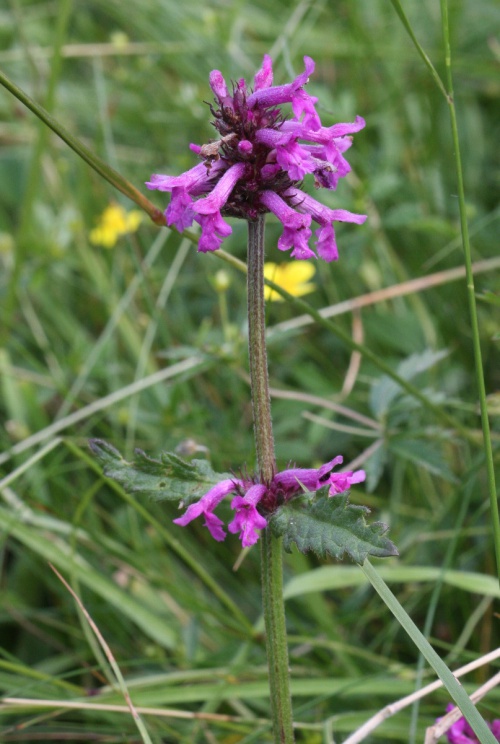 David Nicholls
Ulverscroft
21 June 2014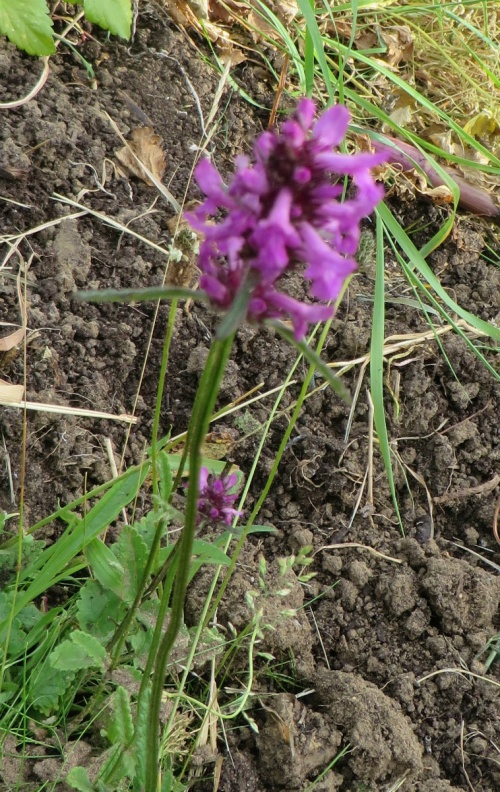 PhilipCrowfoot
Woodgate
26 June 2014
Betony-LWS List F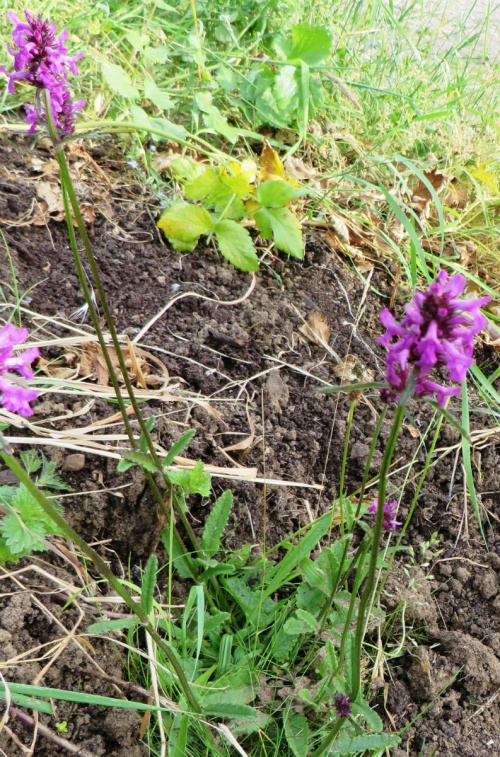 PhilipCrowfoot
Woodgate
26 June 2014
Betony-LWS List F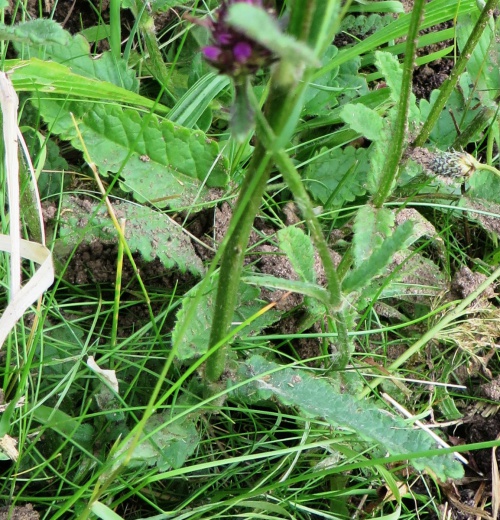 PhilipCrowfoot
Woodgate
26 June 2014
BetonyLWS List F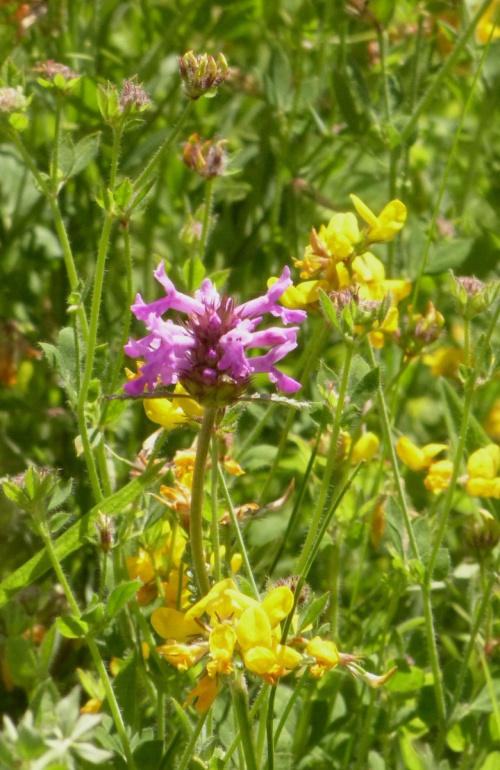 Graham Calow
Fosse Meadows, Sharnford
10 July 2014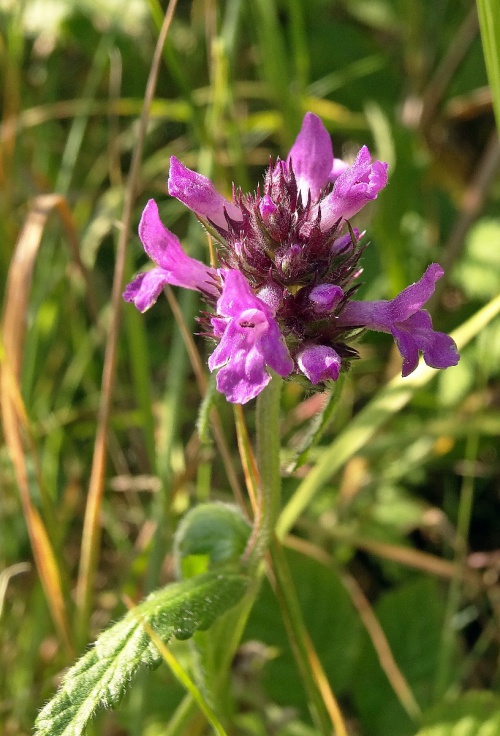 Lostash
Whetstone GCR Footpath
09 July 2015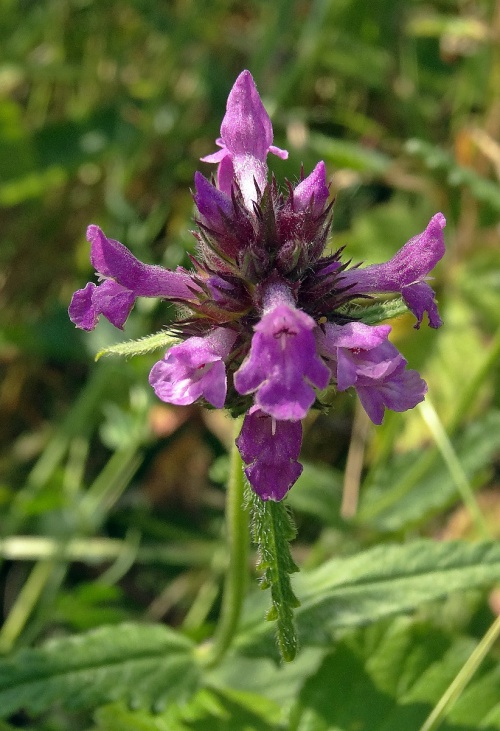 Lostash
Whetstone GCR Footpath
09 July 2015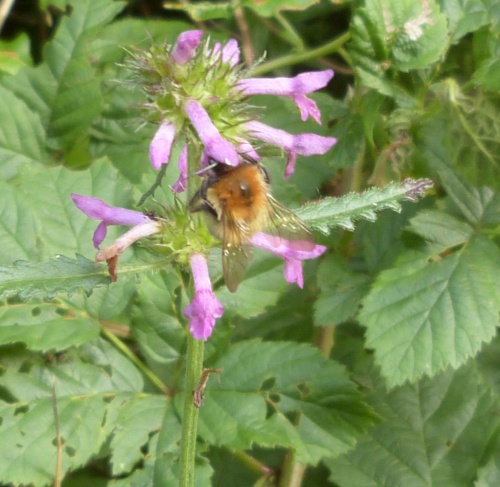 Graham Calow
Jubilee Walk, Leire
16 September 2014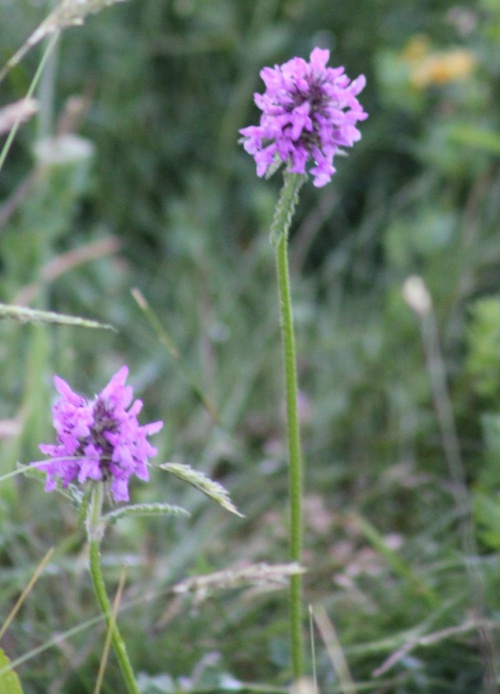 BurbageNP
Woodgate
05 July 2015
Woodgate grassland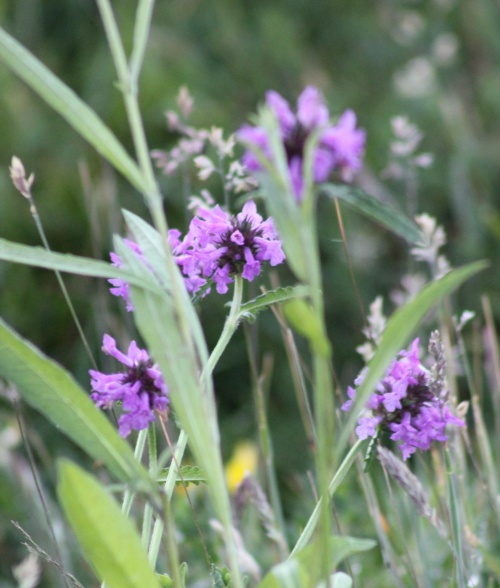 BurbageNP
Woodgate
05 July 2015
Woodgate grassland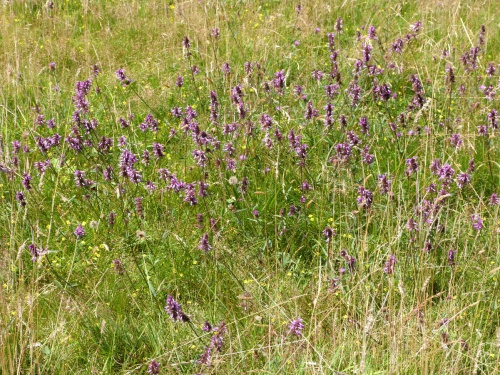 Graham Calow
Burbage Common
12 August 2016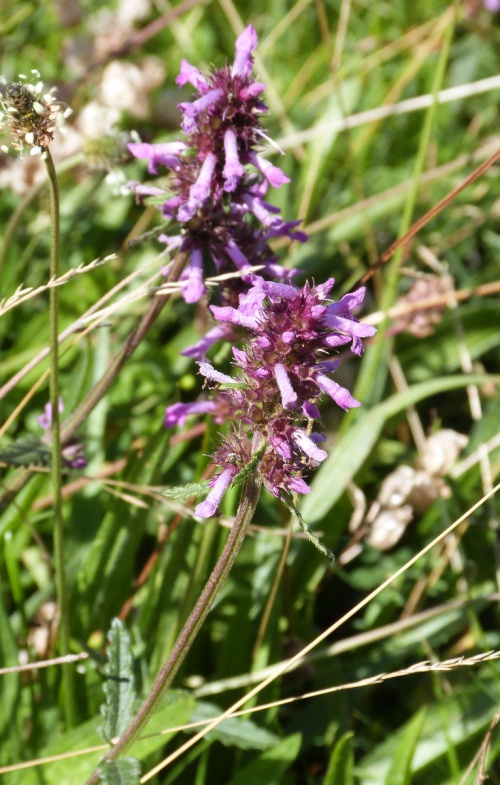 Graham Calow
Burbage Common
12 August 2016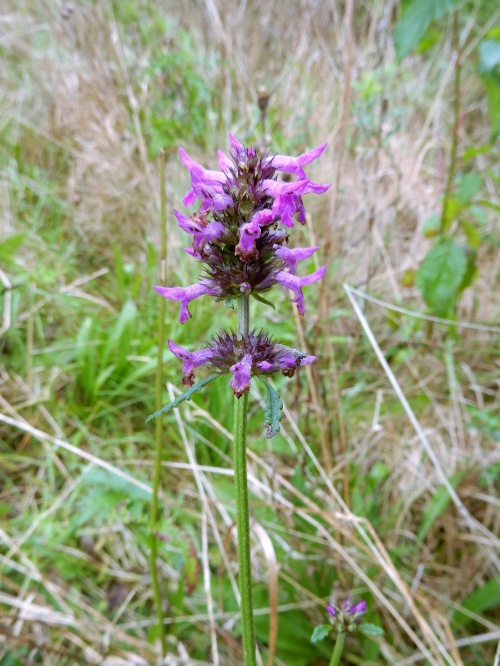 Glyn Clarke
Ullesthorpe Stewardship Farm
21 September 2016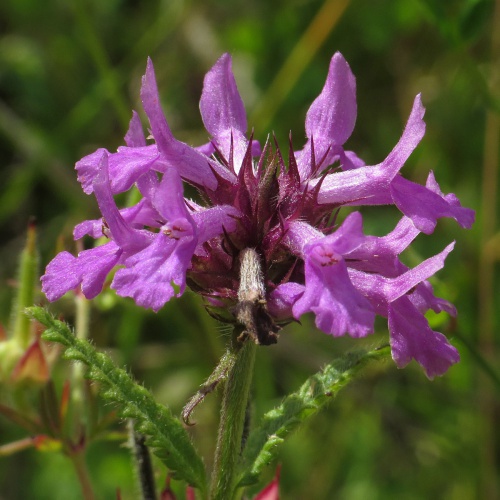 David Gould
Aylestone Meadows, Leicester.
05 July 2015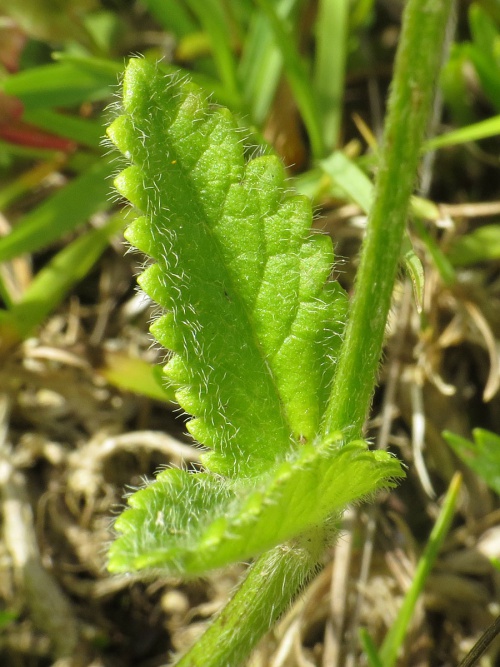 David Gould
Aylestone Meadows, Leicester.
05 July 2015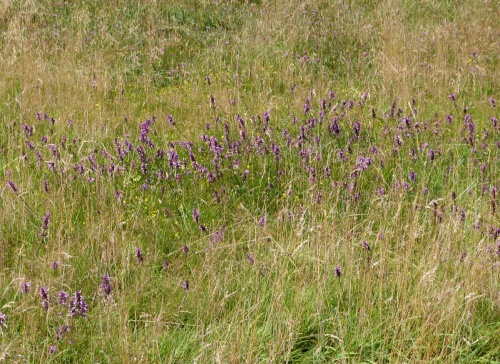 Graham Calow
Burbage Common
12 August 2016
 Fosse Meadows Sharnford SP48809086 (Taken 25.7.2010)..JPG)
 Burbage Common SP44839492 (taken 3.9.2010).JPG)
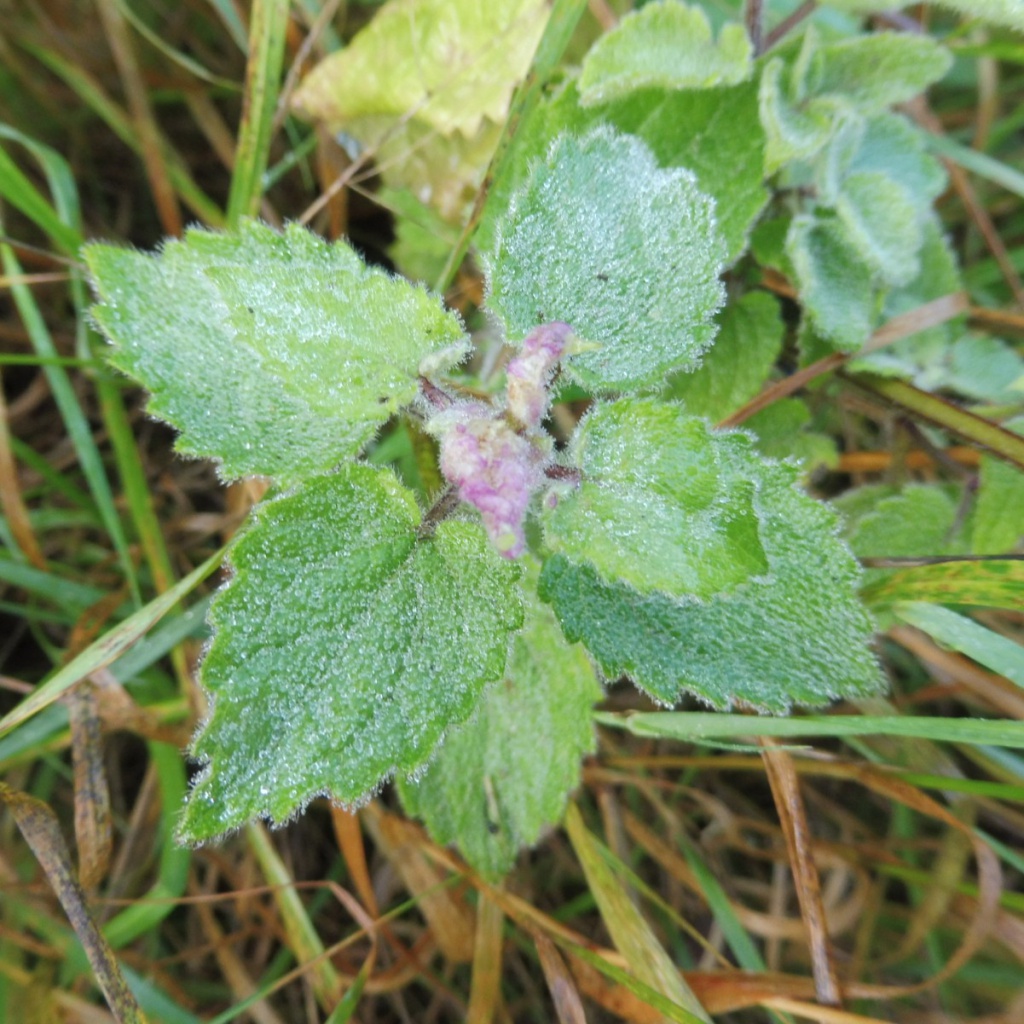
Wachtliella stachydis
The larva of the gall midge Wachtliella stachydis causes galls on Hedge Woundwort or Betony. Shoot-tip leaves are curled, thickened and often yellowed. The flowerbuds remain closed with enlarged calyces, and are more hairy than usual.. Larvae inside are orange when mature, white when young.
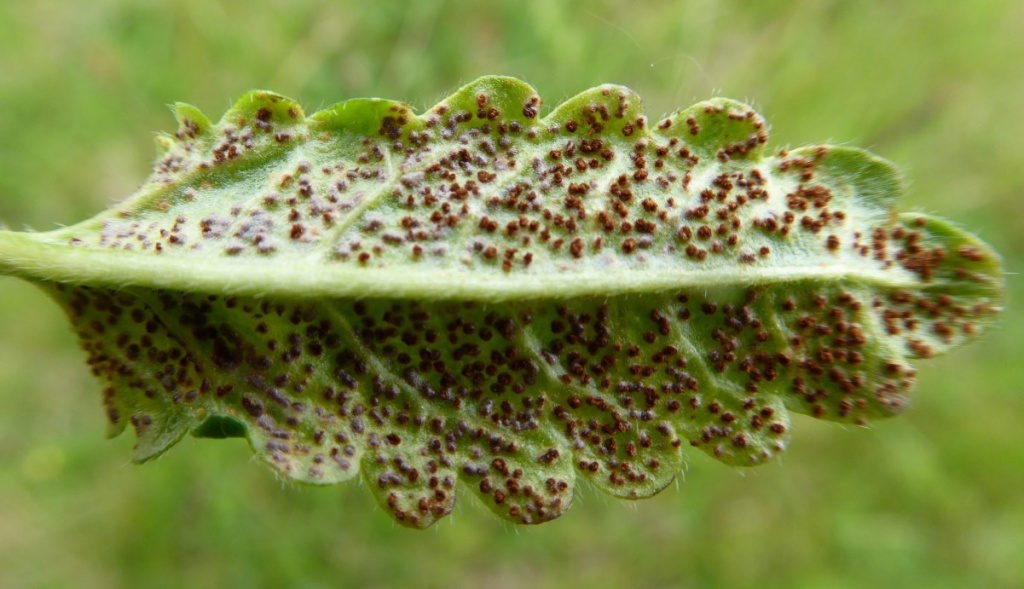
Puccinia betonicae
Puccinia betonicae is a rust fungus which causes galls on the leaves of Betony. There is no host alternation, and only brown telia are produced