

Bembidion guttula
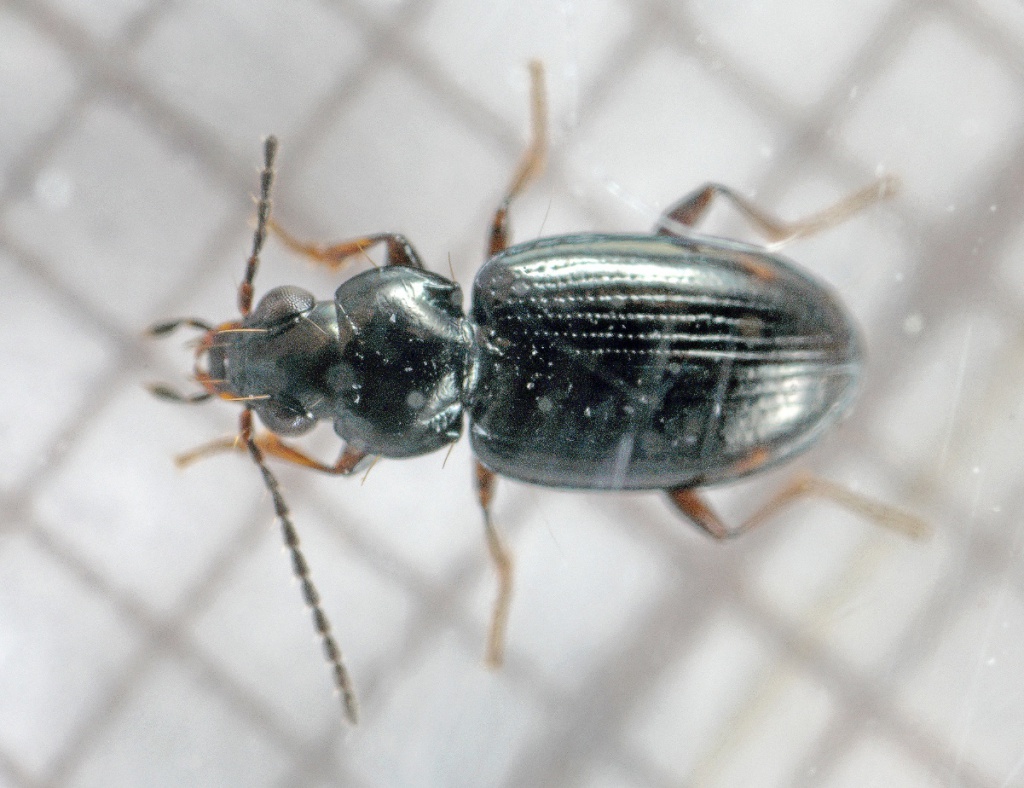
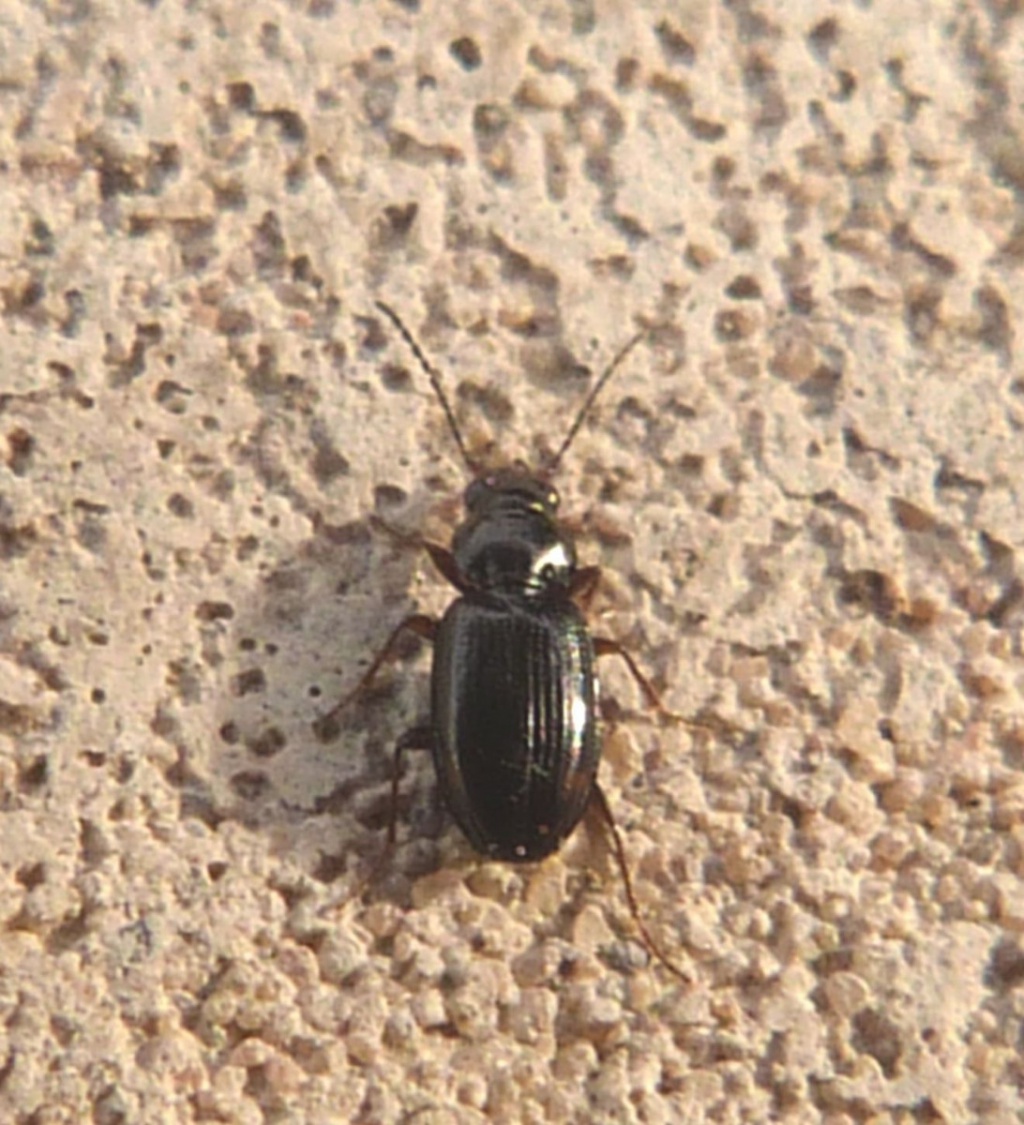
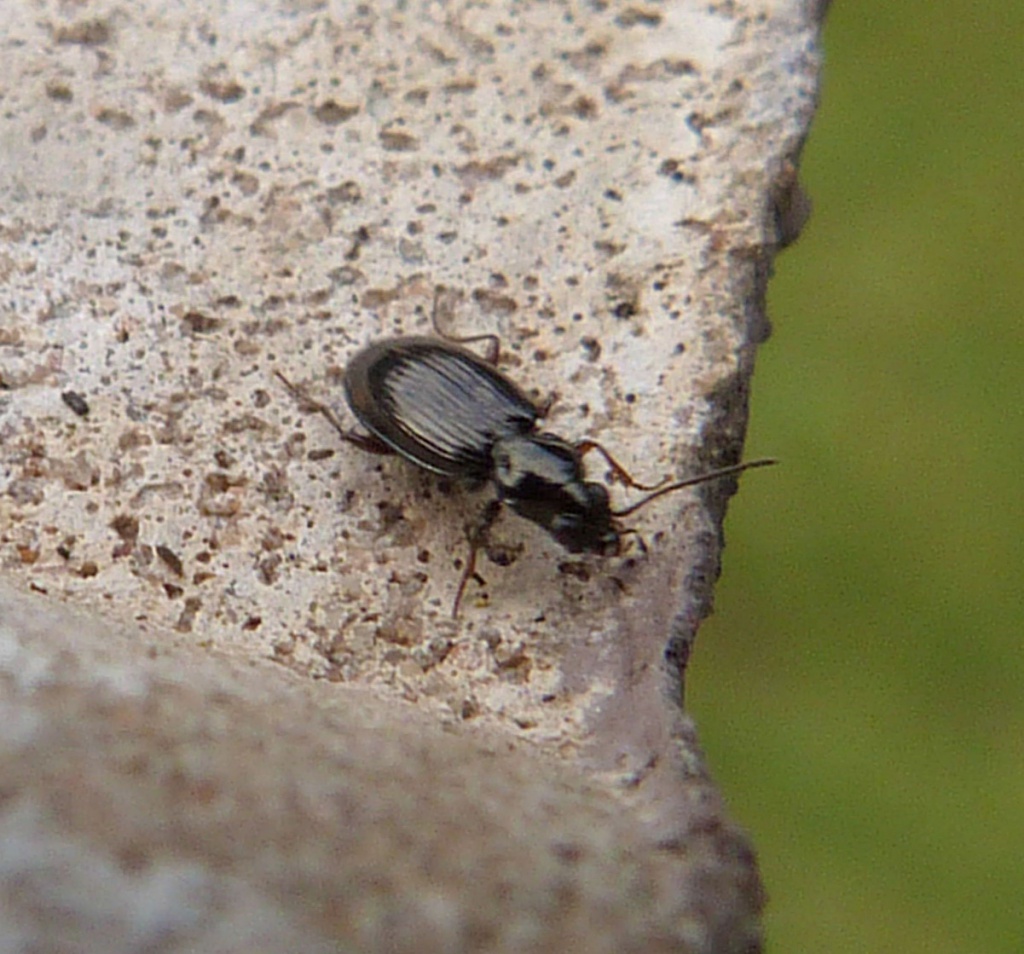
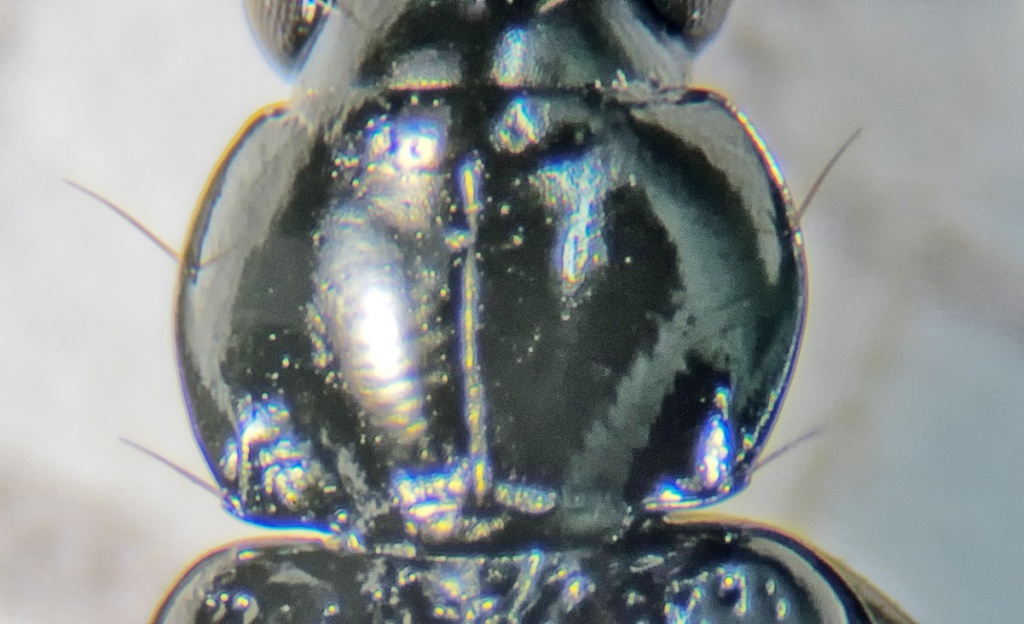
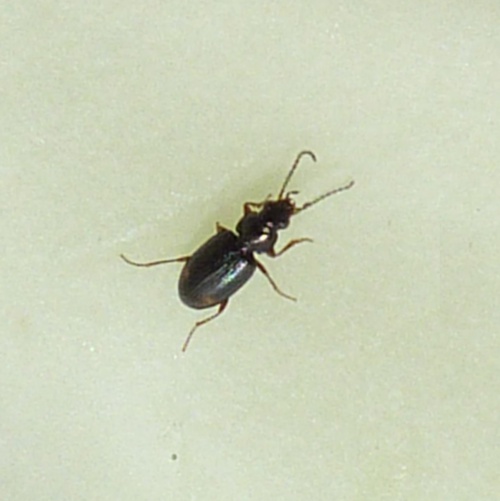
A small ground beetle (only about 3 to 3.5 mm long). It is black or dark bronze with sub-apical pale spots on the elytra and paler tips to the elytra as well. It only has 6 stria (excluding the scutellary stria).
Bembidion biguttatum is similar and also has pale sub-apical spots but this species can be separated by having a 7th stria (visible as a short row of shallow punctures).
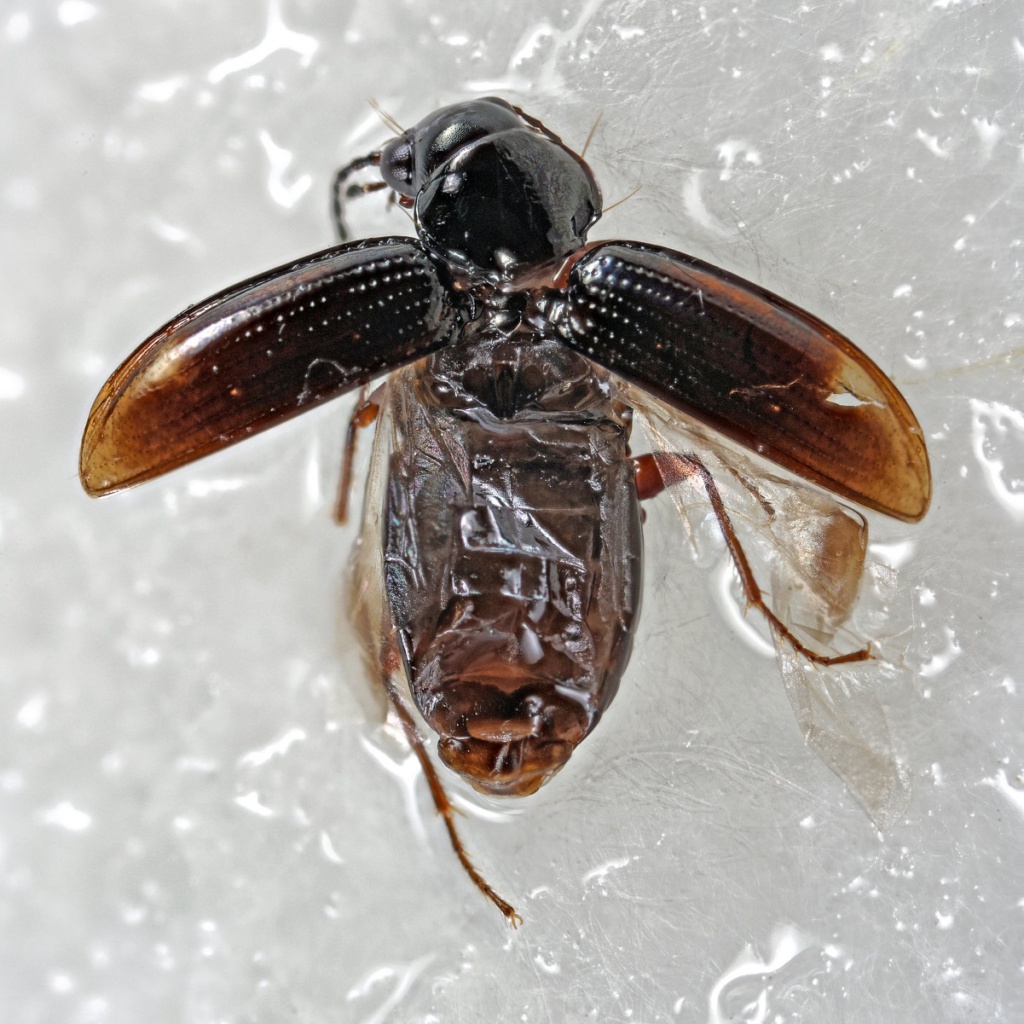
It is hard to separate from Bembidion mannerheimi by lifting the elytra and examining the wings, which are usually well developed in Bembidion guttula and vestigial or absent in Bembidion mannerheimi. B. mannerheimii also generally lacks the apical spots but does have the pale elytral ends.

Can only be separated from Bembidion mannerheimi by lifting the elytra and examining the wings, which are well developed in Bembidion guttula and vestigial or absent in Bembidion mannerheimi.
On the ground, under stones and logs etc. It is strongly, though not exclusively, associated with damper areas, and water margins.
All year round.
Fairly frequent and widespread in Britain.
Common in Leicestershire and Rutland. There were a total of 563 VC55 records for this species up to March 2015.
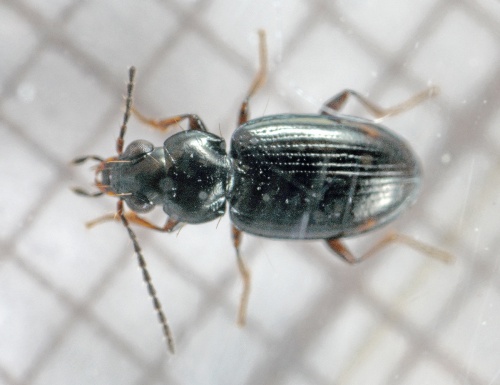 AJ Cann
Market Bosworth
31 December 2018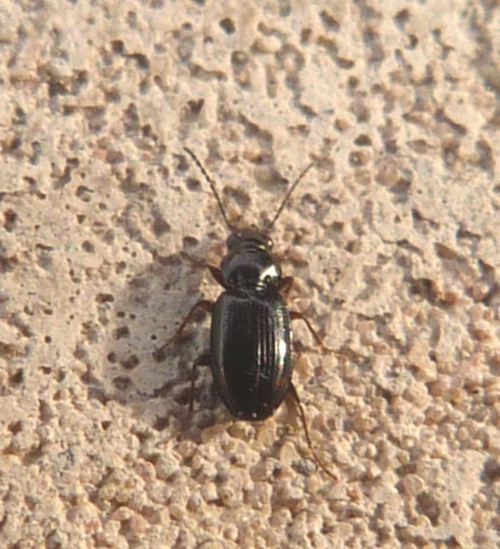 Graham Calow
Sapcote garden1
14 April 2013
specimen examined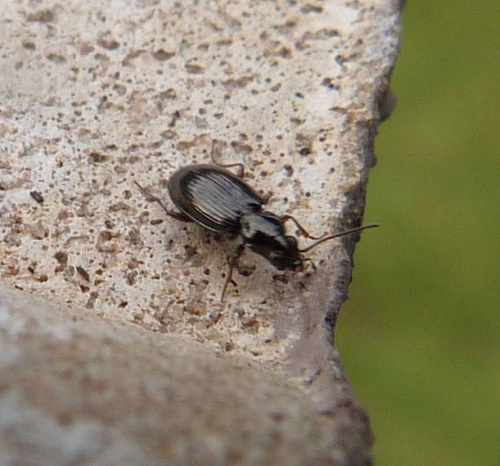 Graham Calow
Sapcote garden1
20 March 2016
specimen examined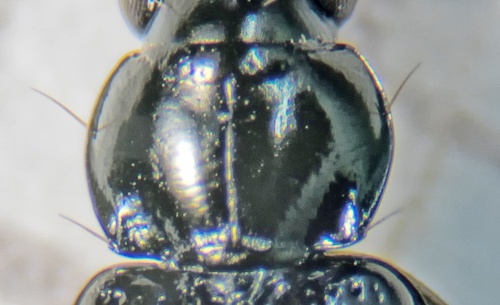 AJ Cann
Market Bosworth
31 December 2018
Protunum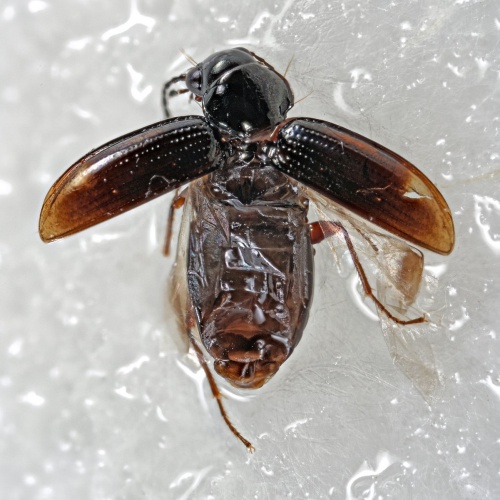 AJ Cann
Sheepy Magna
09 February 2019
Wings well developed
Leicestershire & Rutland Map
Enter a town or village to see local records
MAP KEY:
Yellow squares = NBN records (all known data)
Coloured circles = NatureSpot records: 2025+ | 2020-2024 | pre-2020
UK Map
Species profile
- Species group:
- insect - beetle (Coleoptera)
- Kingdom:
- Animalia
- Order:
- Coleoptera
- Family:
- Carabidae
- Records on NatureSpot:
- 21
- First record:
- 30/09/1987 (Derek Lott)
- Last record:
- 04/03/2025 (Isabel Raval)
Total records by month
% of records within its species group
10km squares with records
The latest images and records displayed below include those awaiting verification checks so we cannot guarantee that every identification is correct. Once accepted, the record displays a green tick.
In the Latest Records section, click on the header to sort A-Z, and again to sort Z-A. Use the header boxes to filter the list.
Latest images
Latest records
 Graham Calow
Sapcote garden1
13 April 2013
specimen examined
