Dinocampus coccinellae
Dinocampus coccinellae
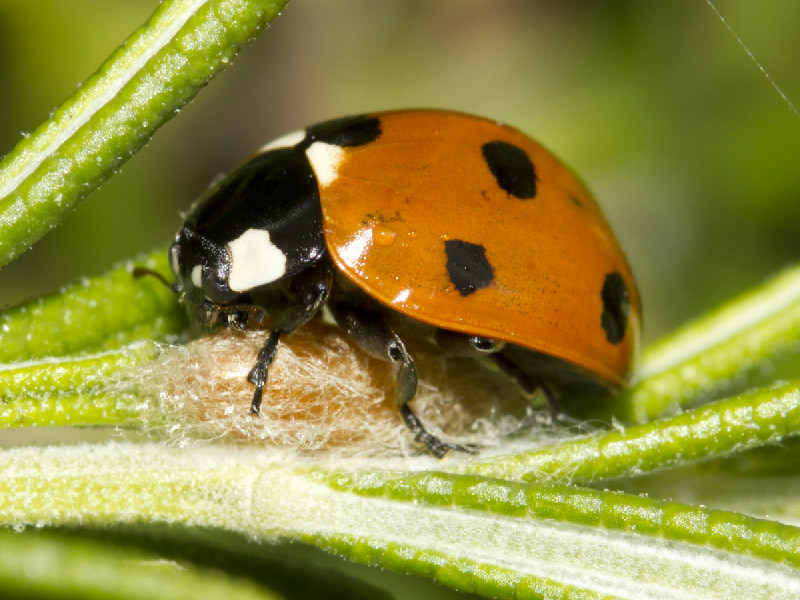
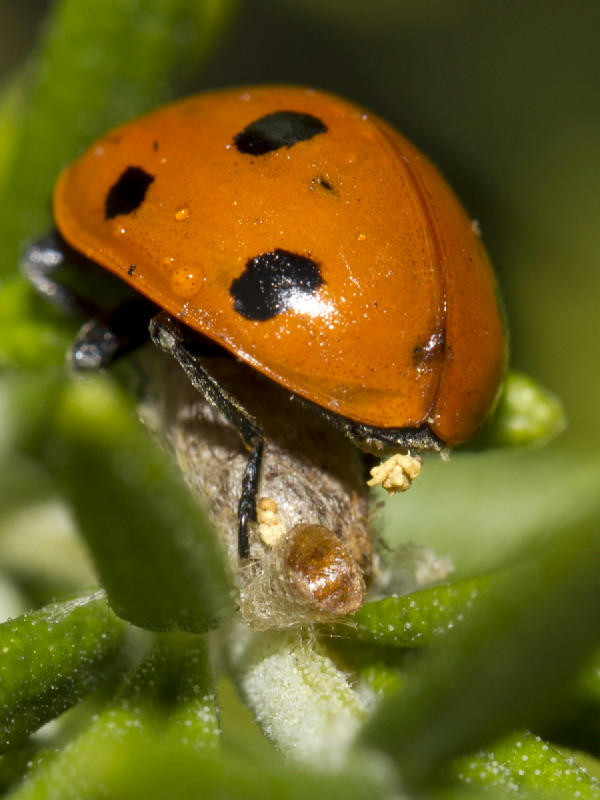
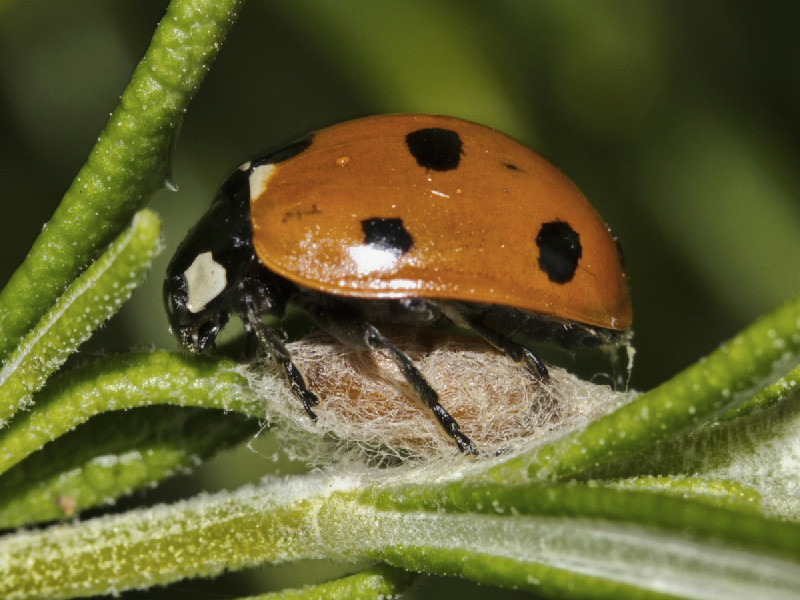
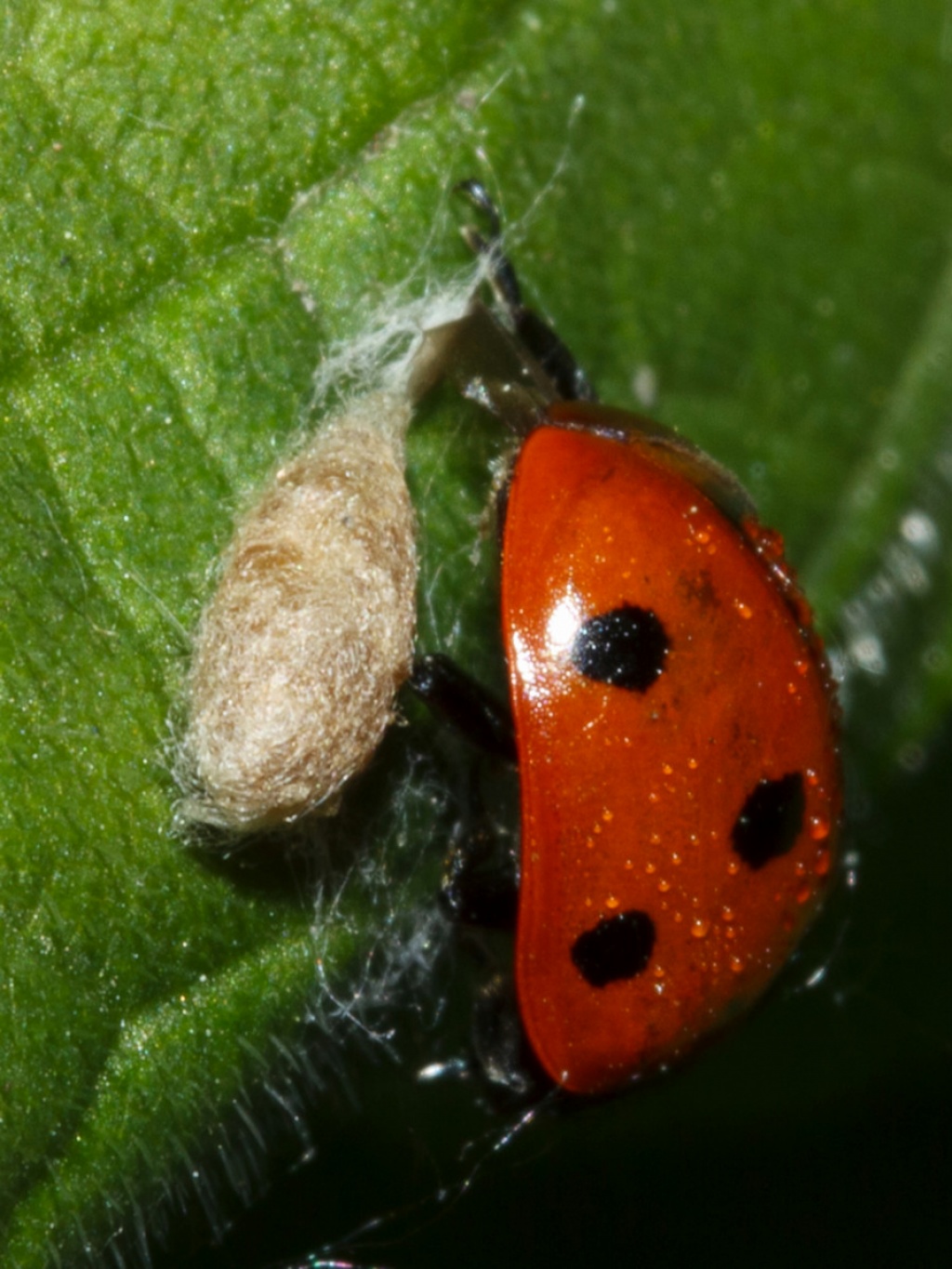
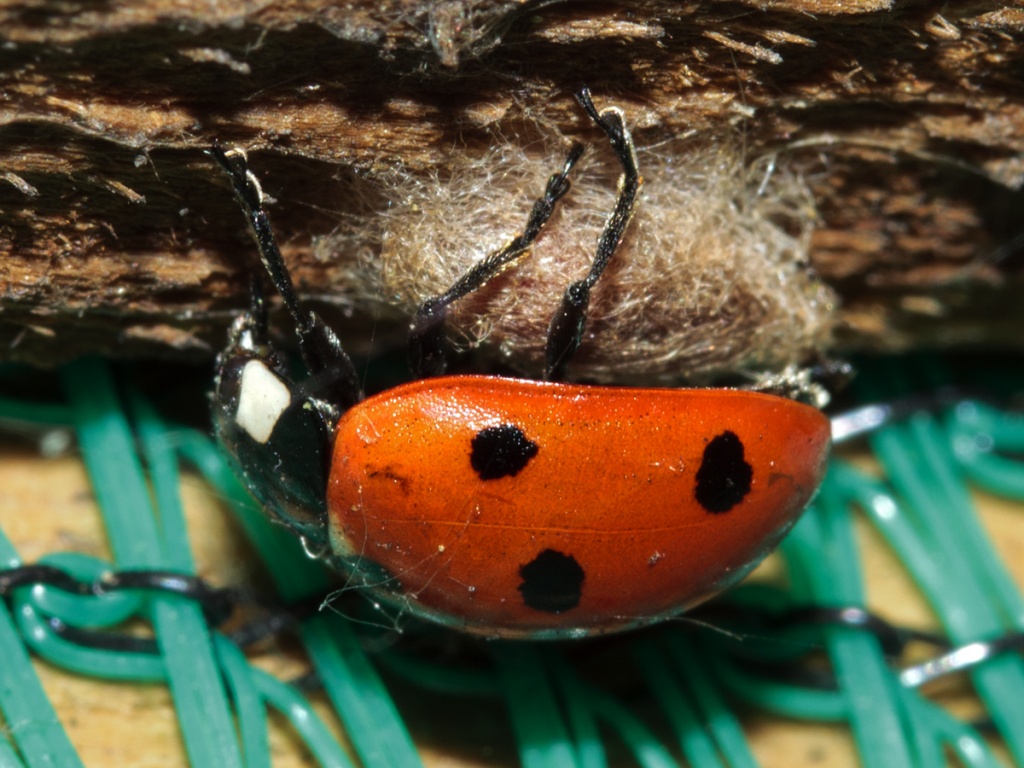
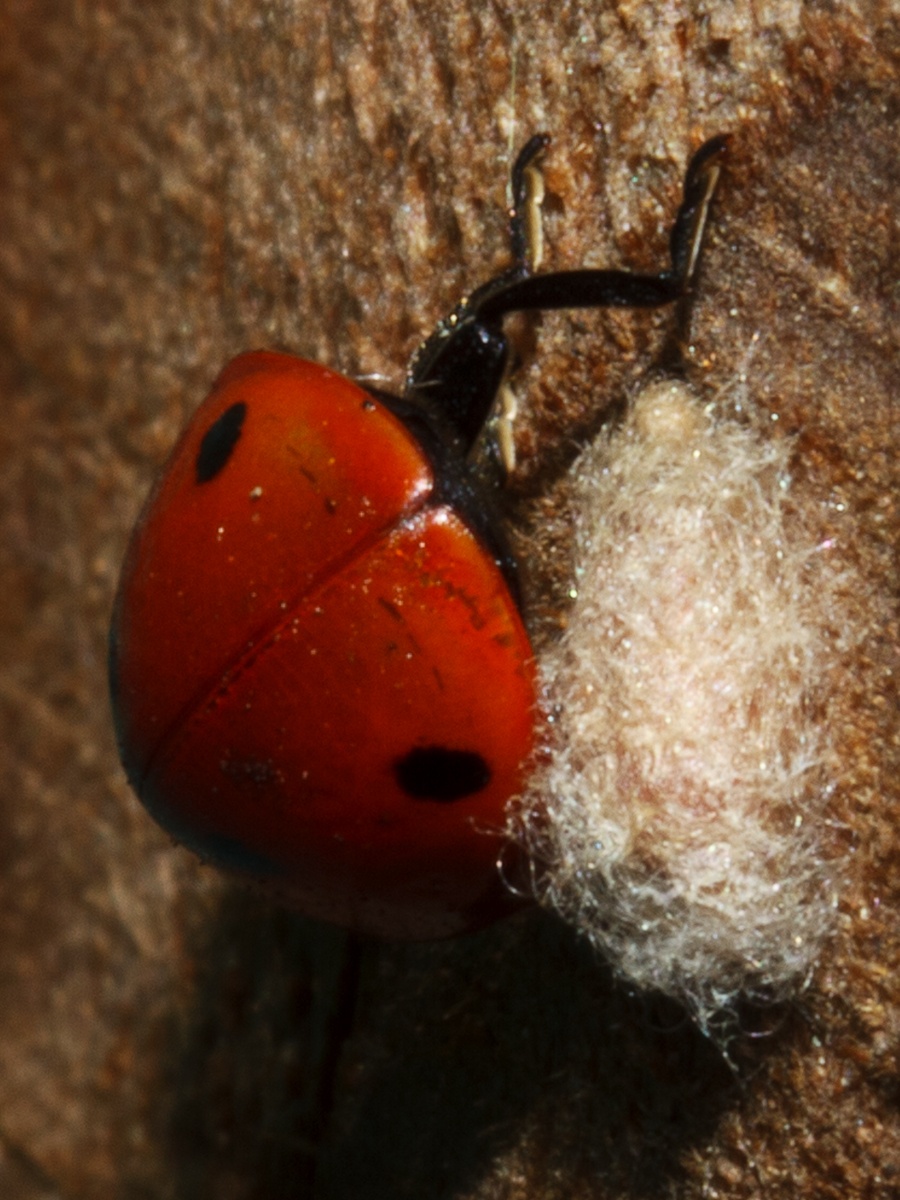
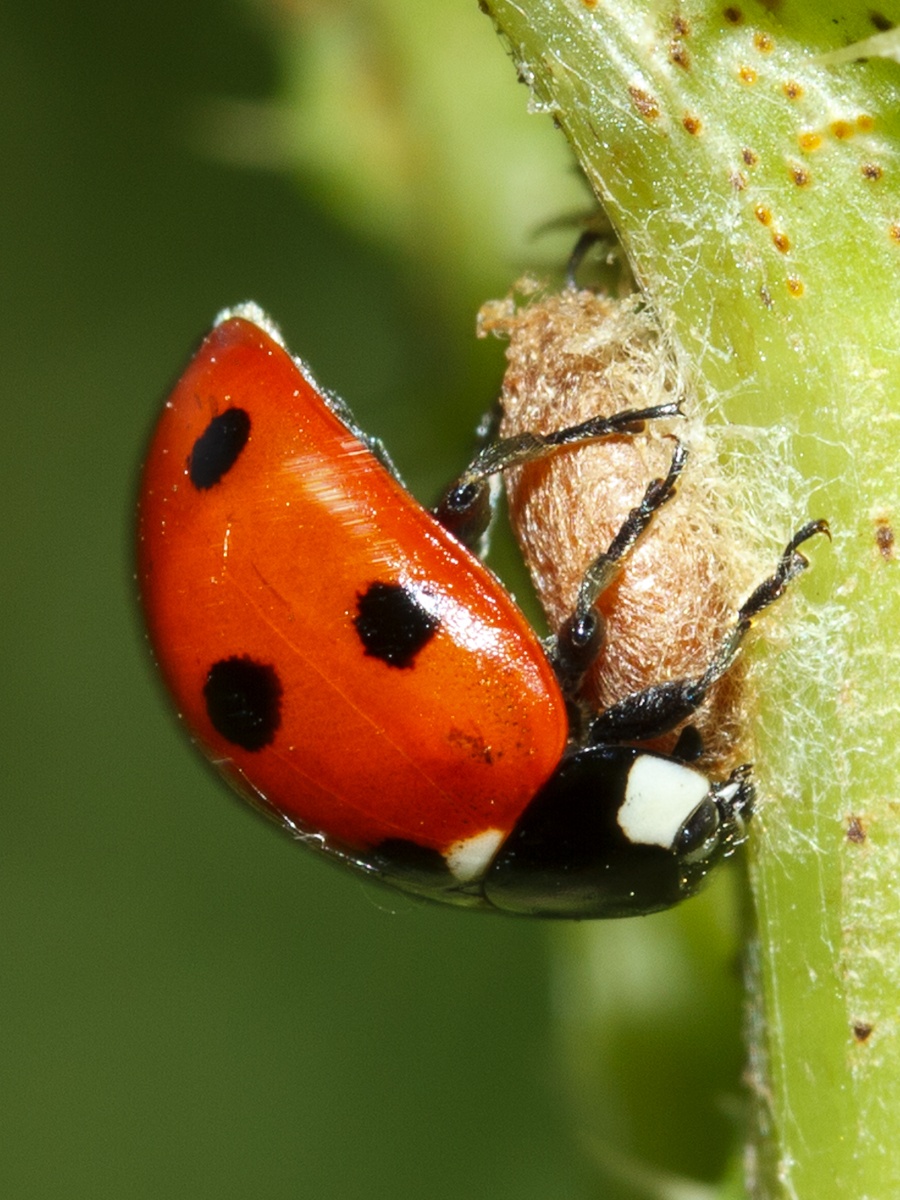
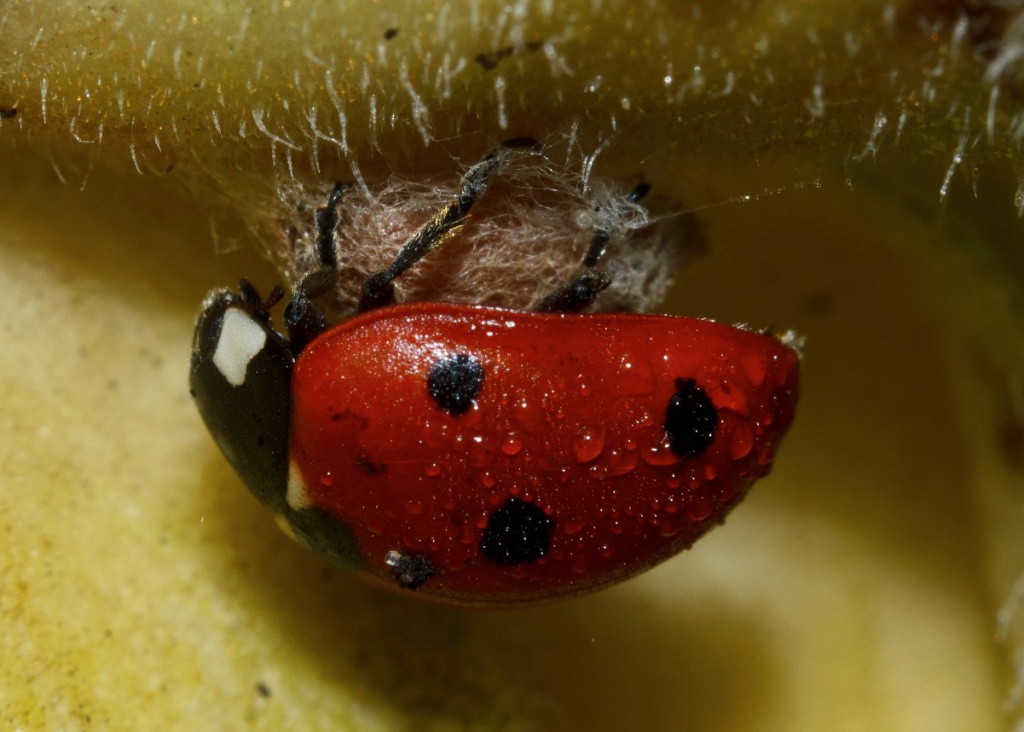
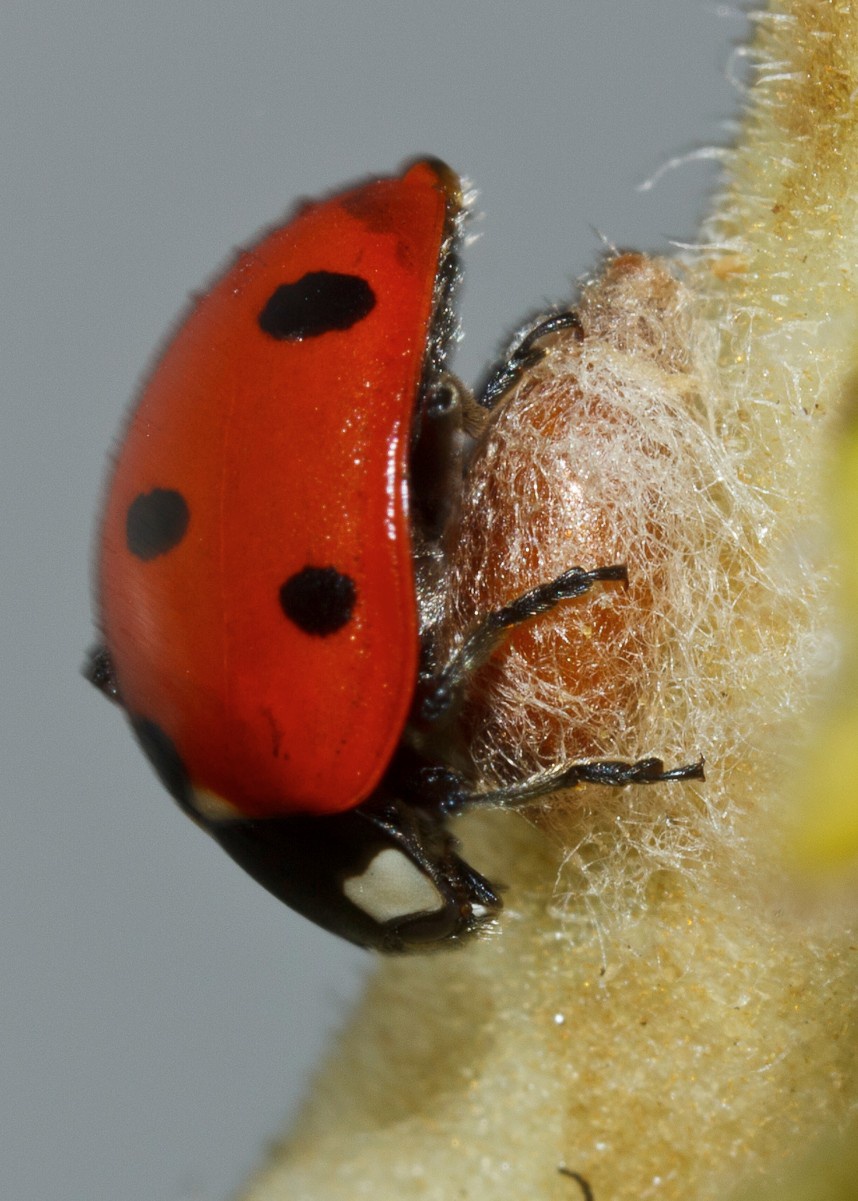
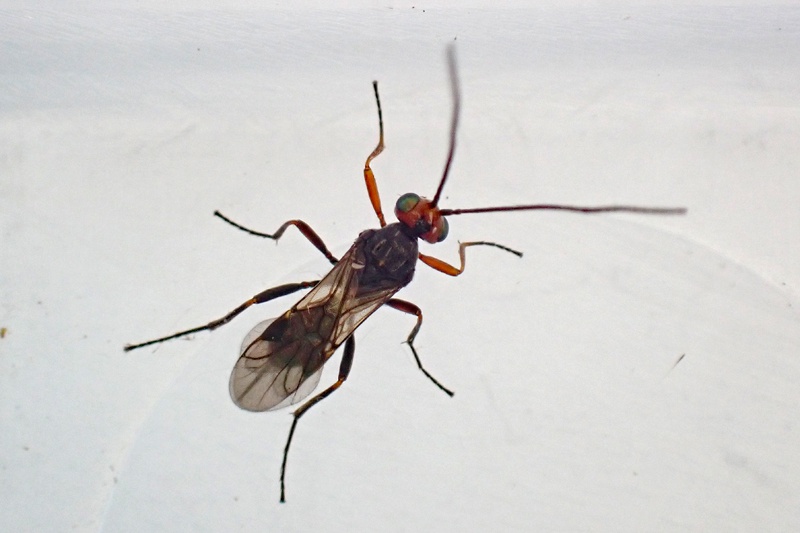
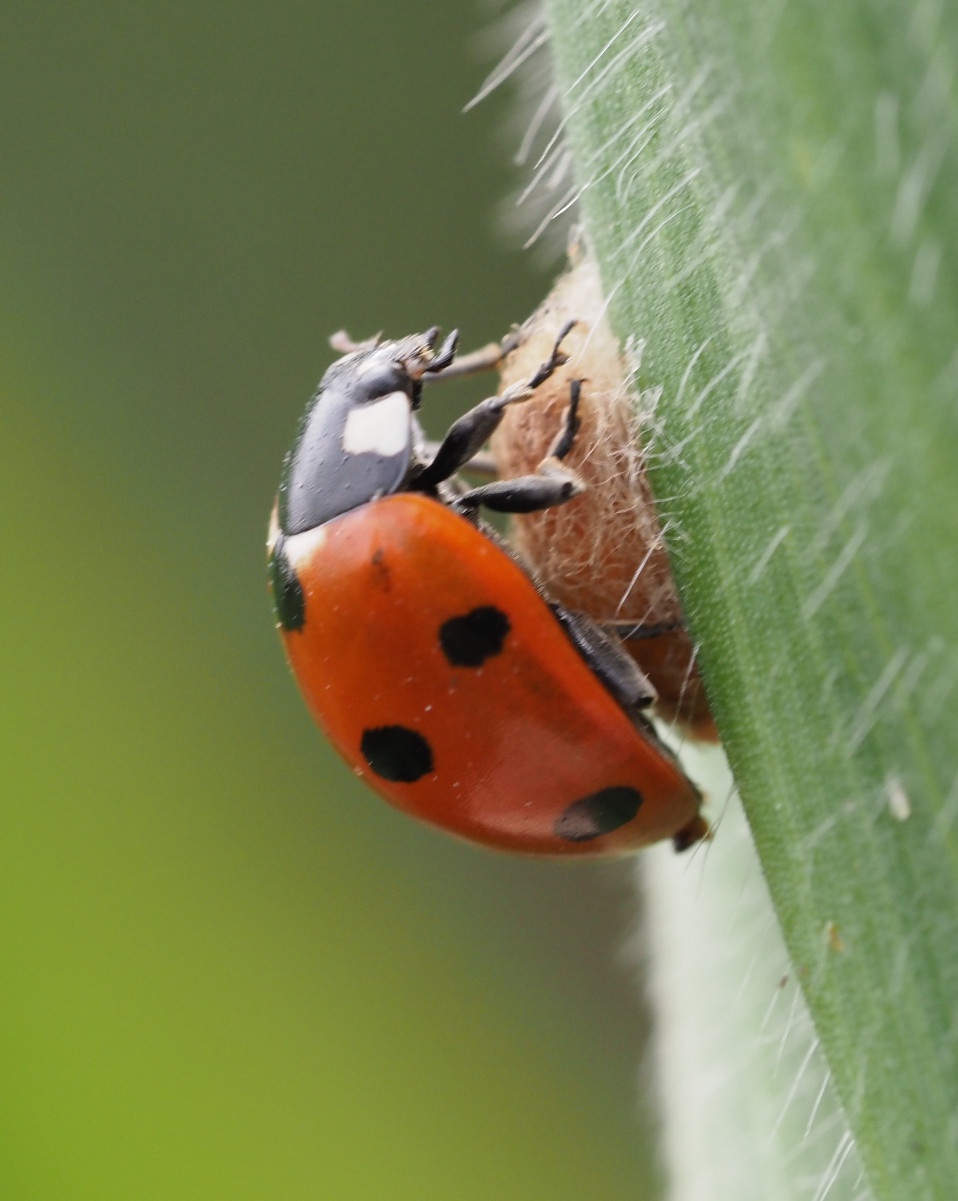
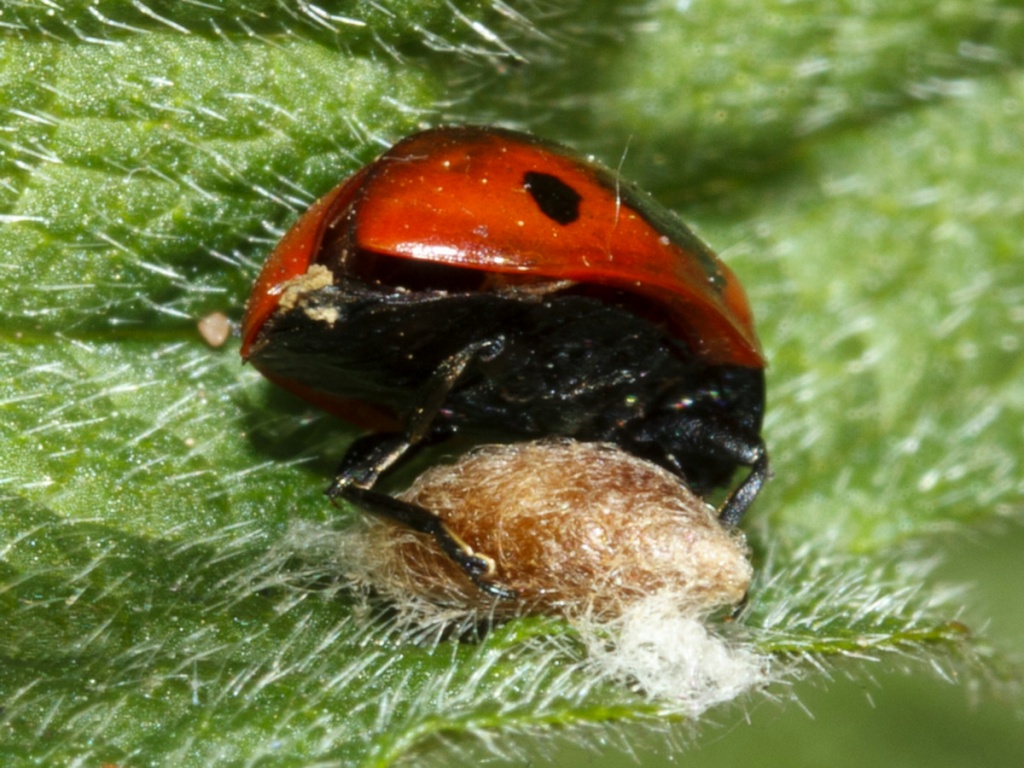
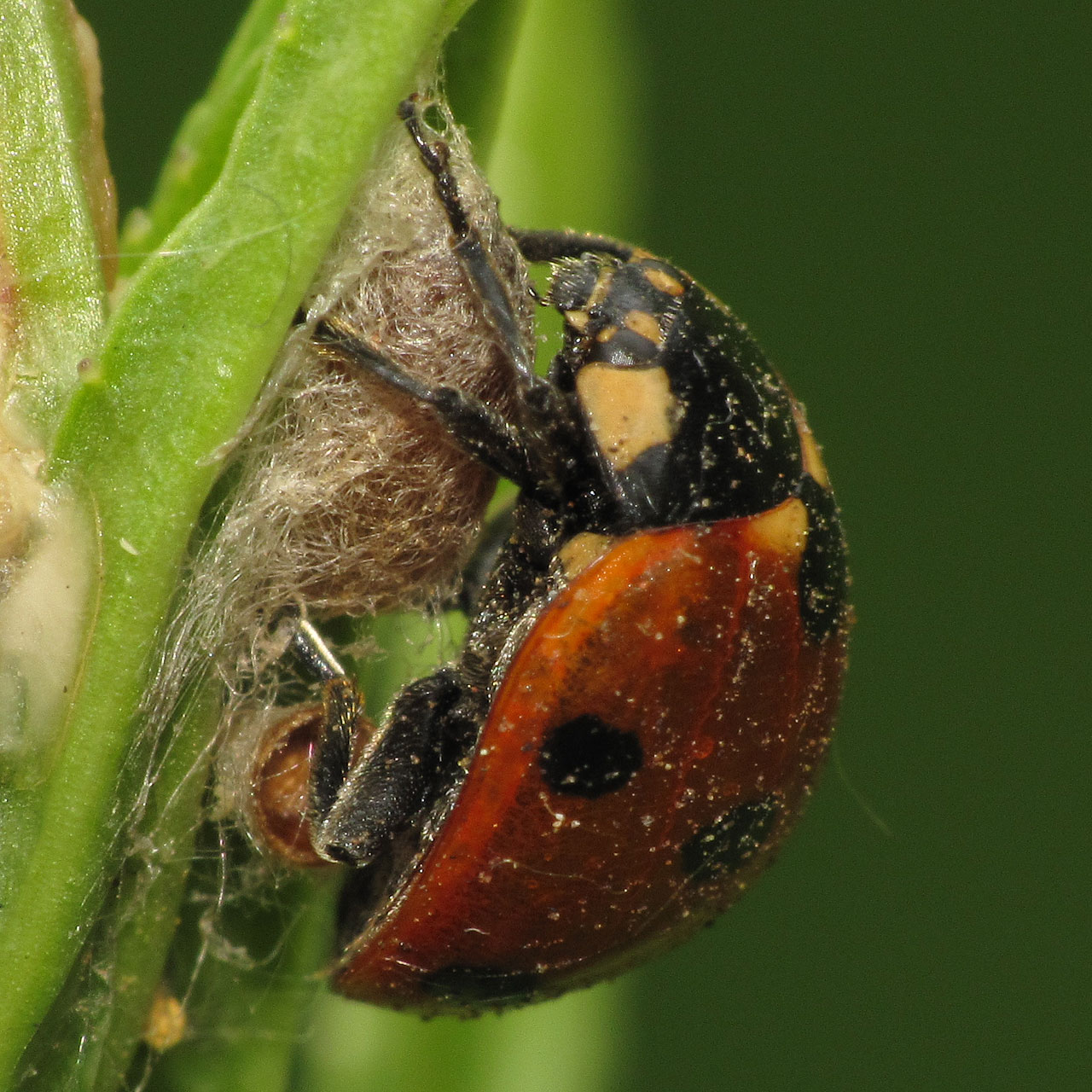
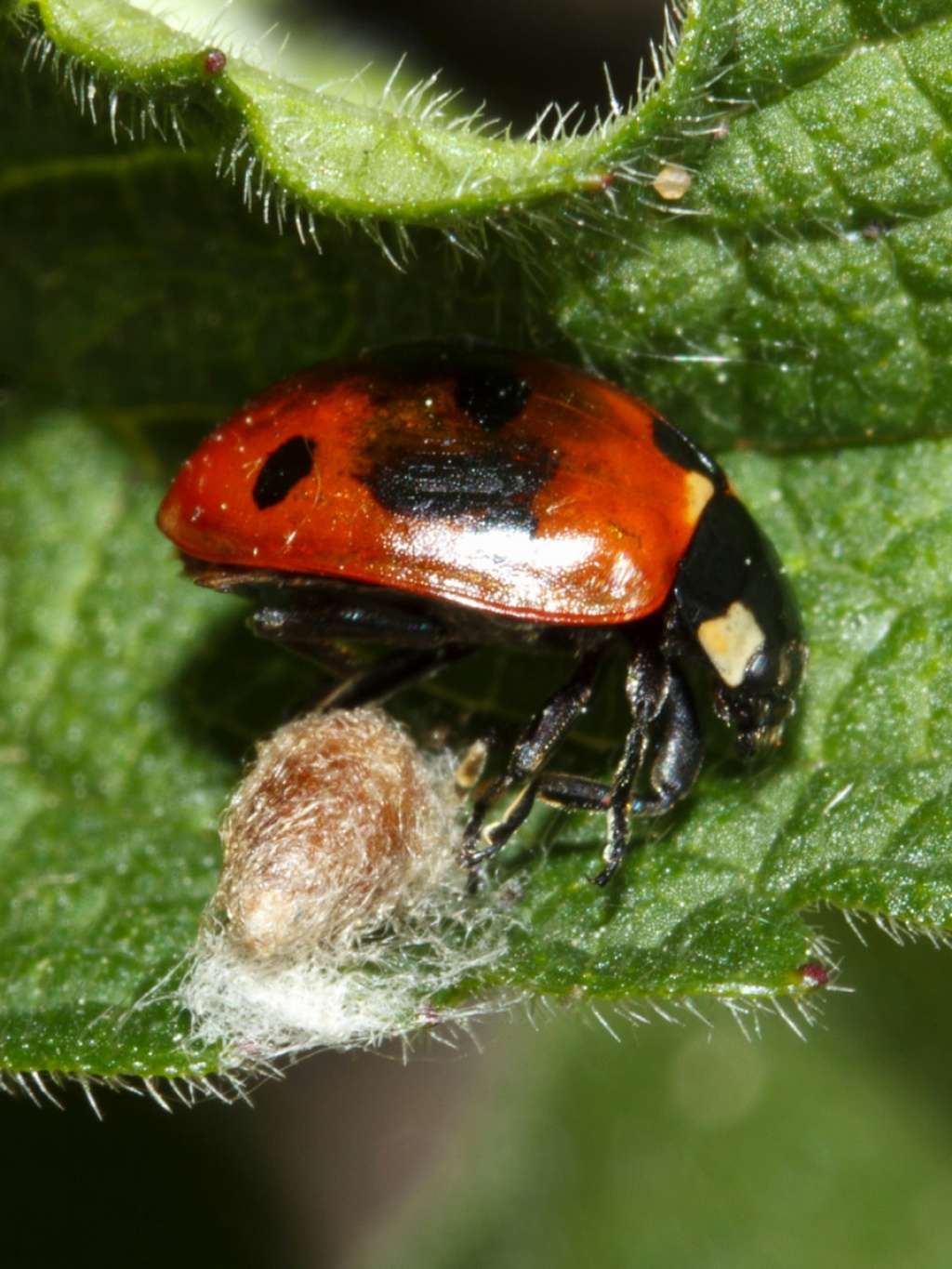
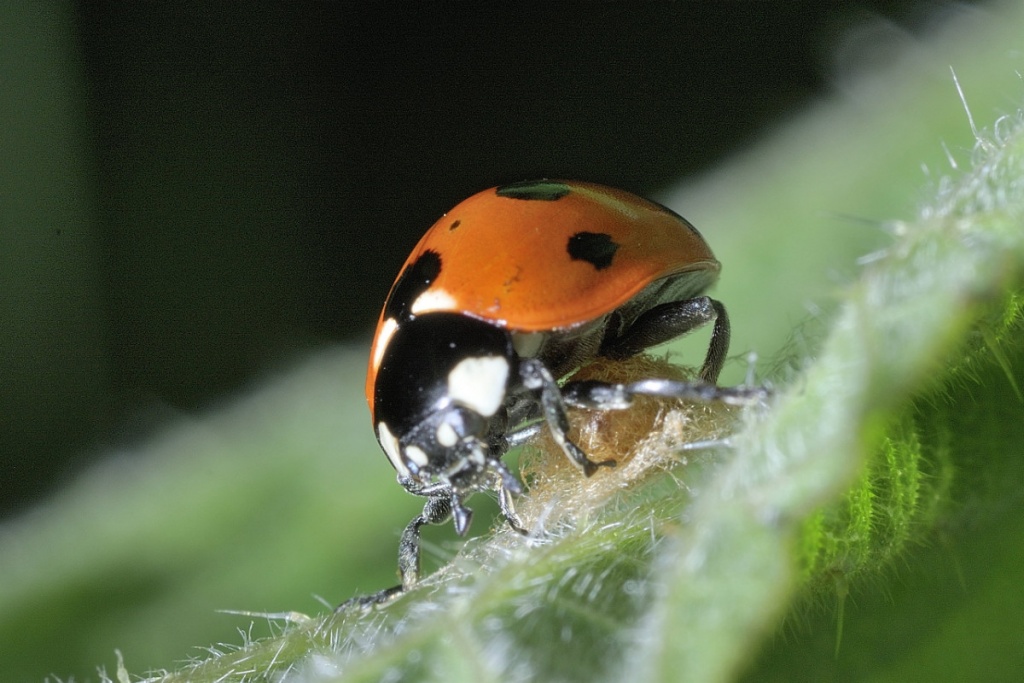
A tiny parthenogenetic wasp which is an endoparasitoid of adult ladybird beetles. The adult wasp is rarely seen but investigation of non-moving ladybirds will sometimes reveal a cocoon of this wasp beneath.
 adult,
 cocoon under a ladybird
Wherever its host ladybird species are to be found. 7 Spot, 11 Spot and Cream-streaked Ladybirds seem to be the preferred hosts.
Spring and summer when the host ladybirds are about in numbers.
The adult wasp locates and stalks its prey before inserting a single egg by thrusting its ovipositor through any weak point in the cuticle. The hatching larva then uses its mandibles to kill the eggs or emerging larvae of any other wasps which may have attacked the same ladybird. It will soon moult into its second instar with mouthparts more suitable for feeding on the host. This feeding concentrates on the fat reserves and the food that would be used to develop the gonads, leaving the vital organs intact. When ready to pupate, the larva causes the ladybird to become immobile, before breaking out of the host's abdomen through the membrane between the fifth and sixth or sixth and seventh abdominal plates. It then spins a cocoon between the host's legs. The ladybird is still alive at this point, but in a paralysed state with its warning colours serving to protect the pupa from predation. Once pupation is complete the adult wasp emerges and flies off to seek a new host. Around 25% of hosts recover once viral loads clear after the wasp emerges, though many succumb to starvation or infection.
D. coccinellae does not overwinter as a free-living adult in Britain. Instead, it spends the winter in dormancy as a first-instar larva inside diapausing adult ladybirds. As temperatures rise in spring and overwintering ladybirds break diapause to feed, the wasp larvae resume development. The first wave of adult wasps and cocoons appears in mid-to-late April and May, timed to coincide with abundant floral nectar/honeydew and active host populations. The search for sugar is among the first activities of emerging parasitoid wasps before seeking new hosts to parasitize. The egg-to-adult cycle takes roughly four to five weeks in warm weather. D. coccinellae is multivoltine in the UK, producing multiple overlapping generations through summer. Field sightings of cocoons and emerging adults peak between May and September, with late emergences recorded into October before autumn-hatched larvae enter winter dormancy inside the next generation of overwintering ladybirds.
Poorly recorded, but thought to be fairly frequent and widespread in Britain.
Poorly recorded, but thought to be fairly frequent and widespread in Leicestershire and Rutland.
Video (Nottinghamshire): https://www.youtube.com/watch?v=Fvbi5GWsFYA
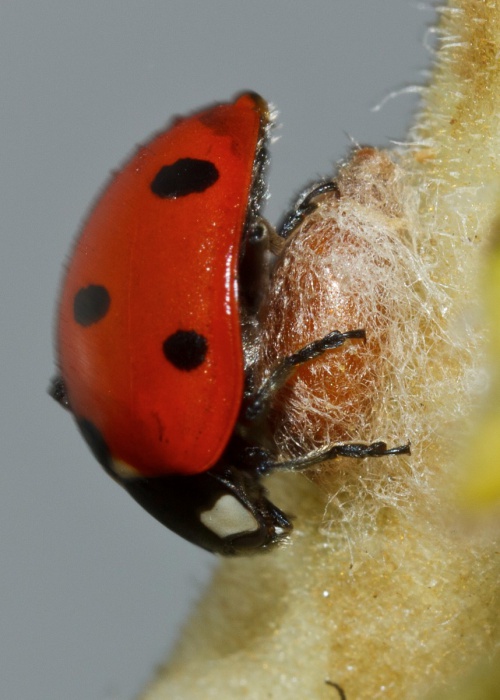 HAPeacock
Groby Road Allotments
27 September 2015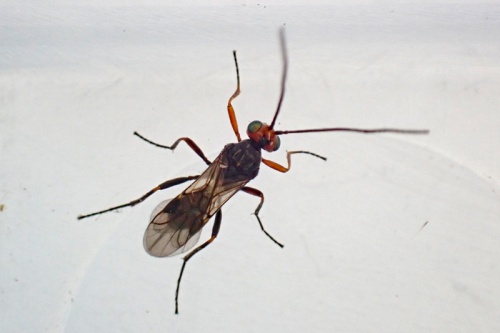 Mark Skevington
Whetstone Garden
14 June 2021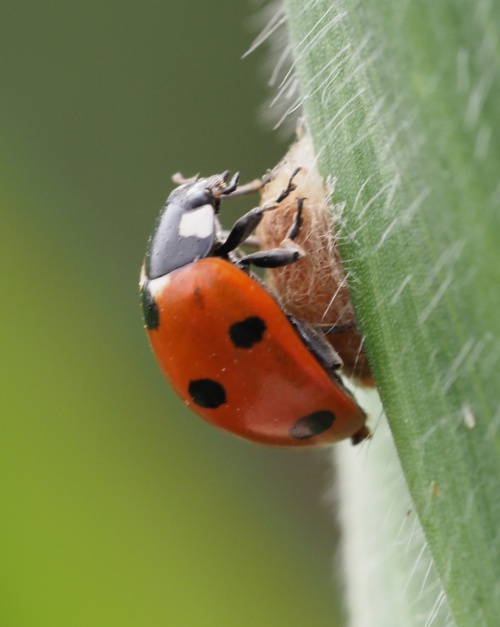 David Nicholls
Ratby
22 August 2022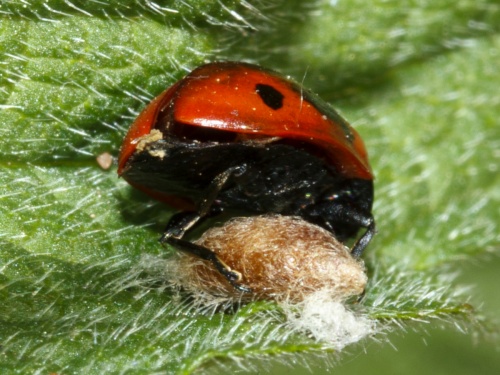 HAPeacock
Leicester Garden
27 May 2012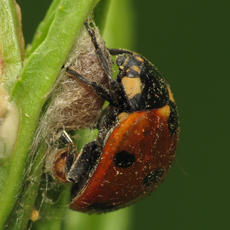 David Gould
Leicester Garden
14 May 2011
vacated pupa under 7-Spot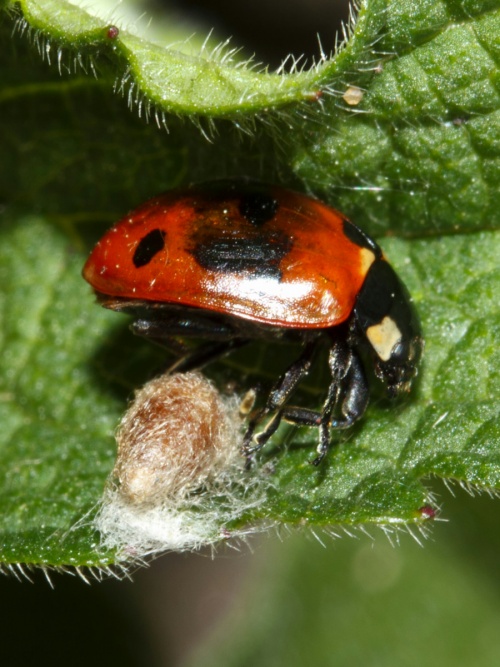 HAPeacock
Leicester Garden
27 May 2012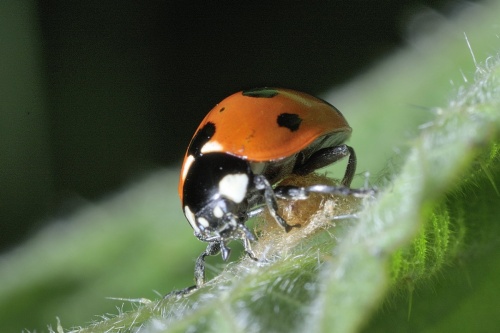 Barbara Cooper
Long Clawson
16 May 2012
pupa under 7-spot ladybird
Leicestershire & Rutland Map
Enter a town or village to see local records
MAP KEY:
Yellow squares = NBN records (all known data)
Coloured squares = NatureSpot records: 2025+ | 2020-2024 | pre-2020
UK Map
Additional images